



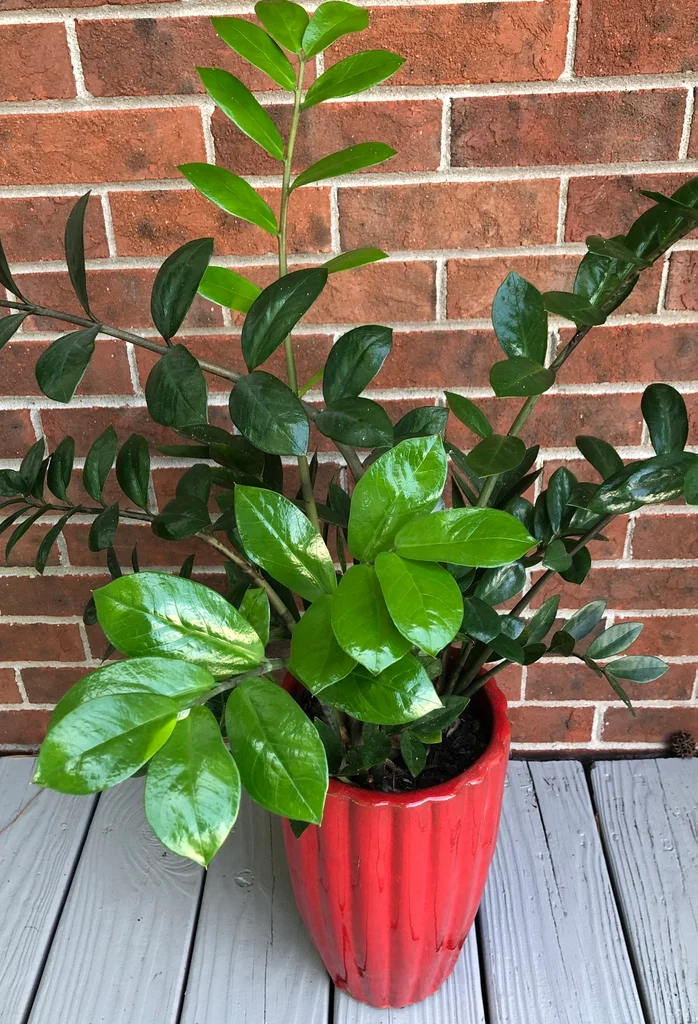
Quick Answer
Place a ZZ plant where it receives at least useful low light, preferably bright indirect light, and where the pot can drain and dry between waterings. Do not treat a completely dark shelf as suitable just because ZZ plants tolerate lower light than many houseplants. Leave room for arching stems as the plant matures, and keep it away from pets or children likely to chew the foliage.
The ZZ plant, Zamioculcas zamiifolia, is popular in offices and homes because it tolerates conditions that make fussier houseplants decline quickly. That toughness can encourage a common misunderstanding: "ZZ grows anywhere."
It does not. A plant that survives low light is not a plant that can live indefinitely without light. Good placement starts with that distinction. ZZ is not the braided money tree, Pachira aquatica, or the trailing money plant, pothos. Their shared prosperity names do not make their care interchangeable.
Know What a ZZ Plant Is
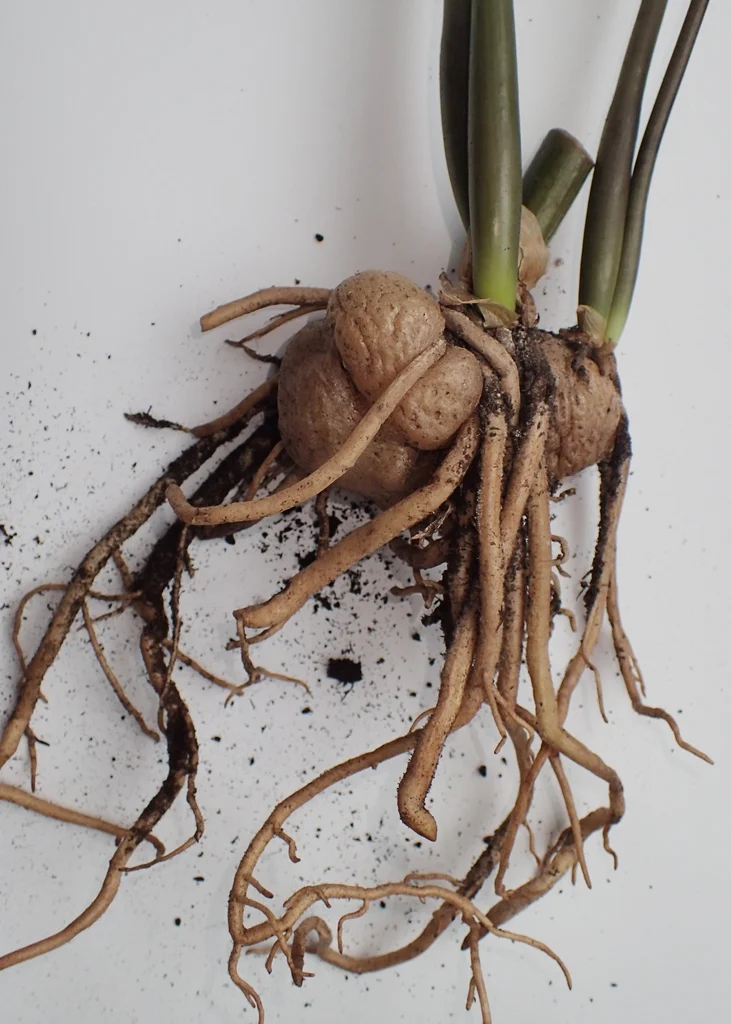
ZZ plant is an aroid in the Araceae family, native to eastern Africa. It grows thick, glossy leaflets on upright-to-arching stems that emerge from underground rhizomes. Those rhizomes store water, which helps explain why the plant tolerates dry periods better than constant wet soil.
Mature size matters too. North Carolina Extension gives a typical height and width of two to four feet. Growth varies with the cultivar and conditions, so allow for the future leafy footprint, not just the nursery pot.
Low Light Is Not No Light
North Carolina Extension says ZZ plants can grow at very low light levels, including some fluorescent-light conditions, but do best in bright indirect sunlight. Direct sun can scorch foliage. A bright position outside intense direct sun is the easier starting point. In a lower-light room, expect slower growth and check that the foliage still receives usable natural light or a suitable artificial-light setup. A ceiling lamp switched on occasionally is not equivalent to a plant light that supplies sufficient intensity and daily duration at the leaves.
A windowless decorative shelf with the lights off most of the day is not an appropriate permanent home for a live plant. Improve the lighting or choose another decorative solution instead of repeatedly replacing declining pots. Our windowless-room plant guide compares supplemental-light options and the limitations of difficult rooms.
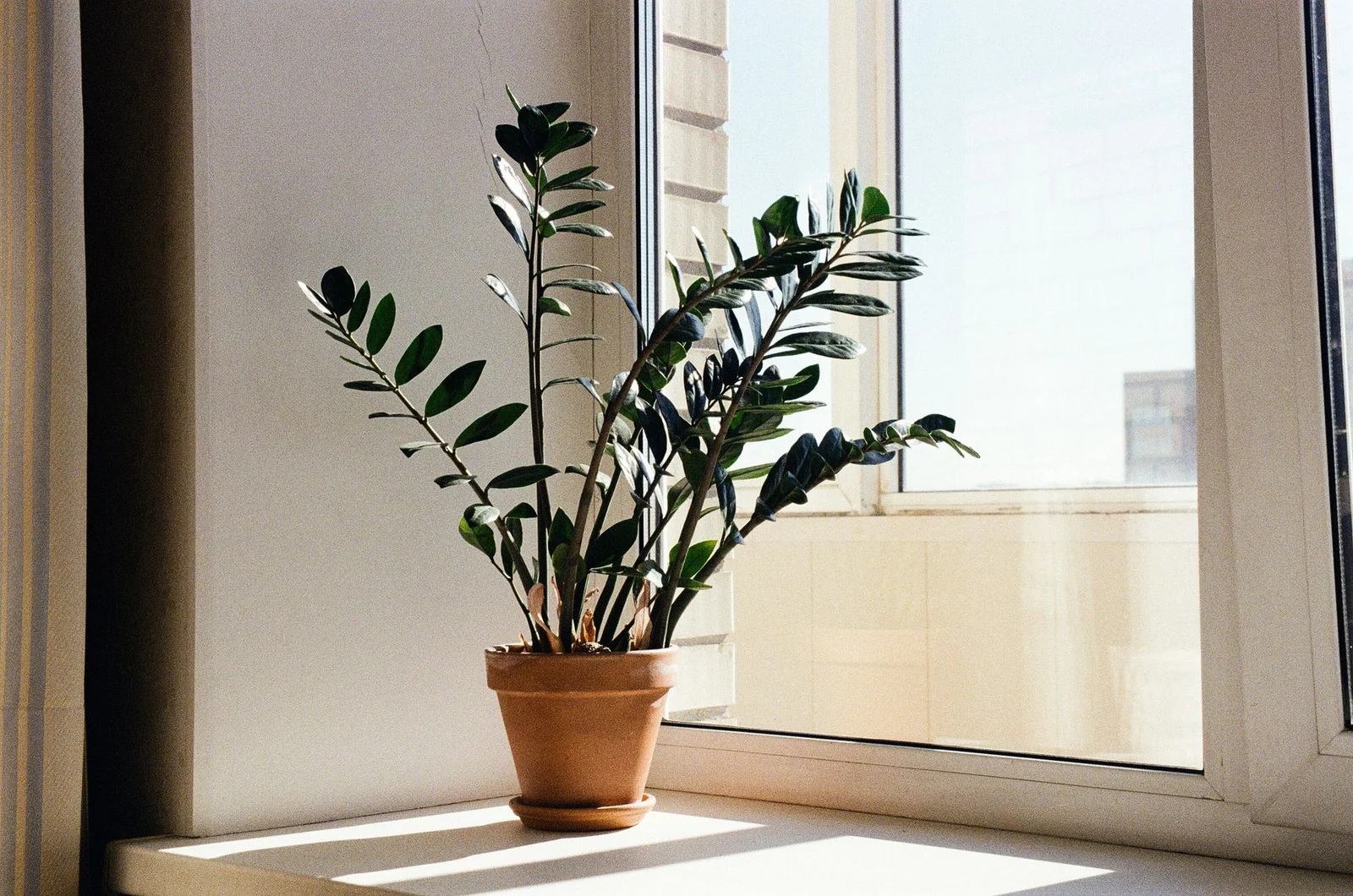
Compare a Useful Corner With an Unsuitable Dark Shelf
A useful corner receives indirect daylight, leaves room for arching stems and lets you lift the pot out to water and drain it. A plant several feet from a bright window may suit that role, but check the light at the leaves rather than treating that distance as a guarantee. Open the nearby door and pull the chair out to confirm that neither hits the foliage.
An unsuitable shelf sits in a windowless niche with an occasional ceiling light and no room to lift or drain the pot. A favorable symbolic location does not solve those constraints. Improve its light and accessible surface first, or move the plant to a wider, brighter position that supports routine care.
If that shelf needs greenery, an artificial plant may be the more practical decorative choice. Our artificial plants Feng Shui guide explains that tradeoff.
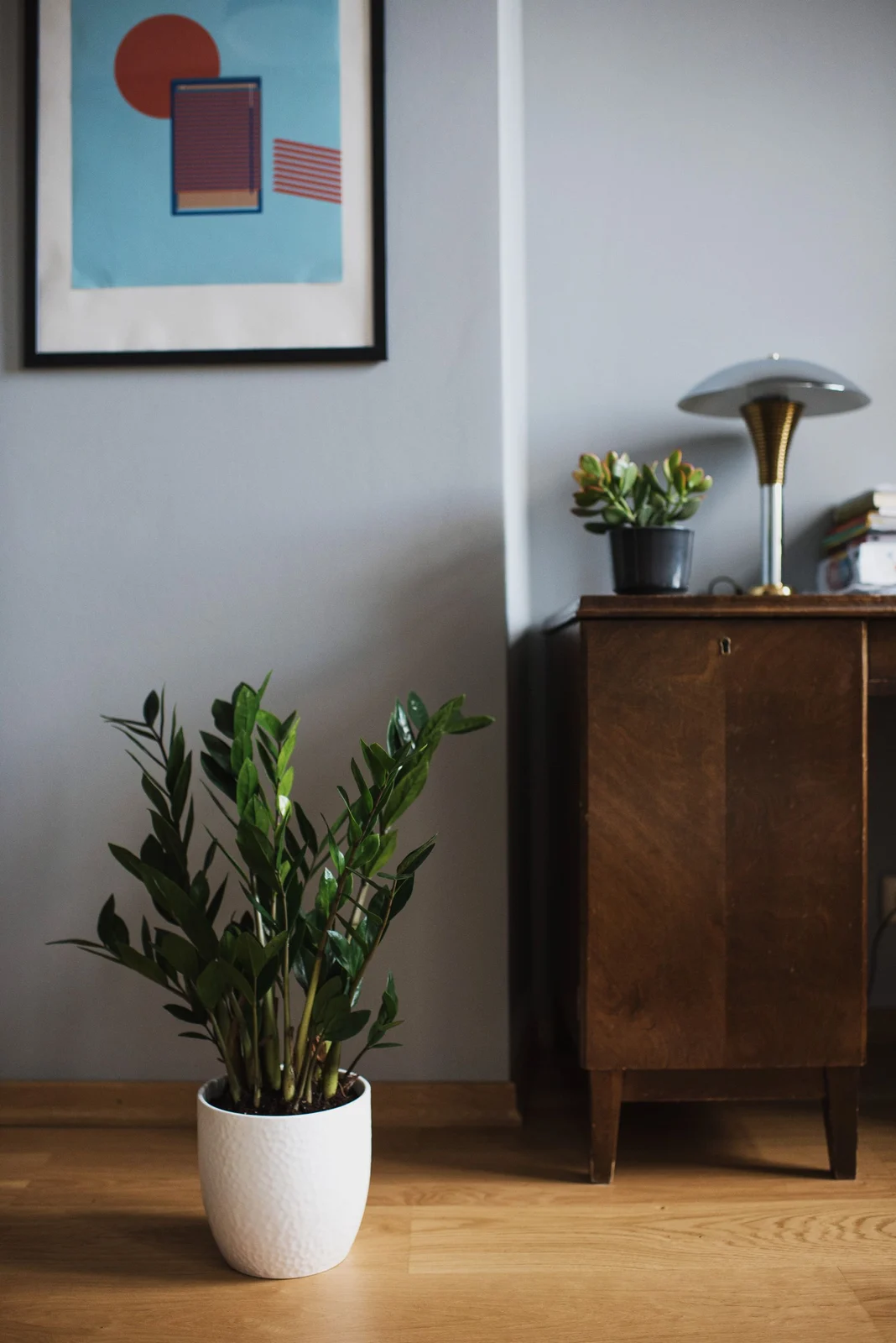
Let the Pot Dry Between Waterings
ZZ plants are more likely to be harmed by persistent wet soil than by missing a routine watering date. North Carolina Extension recommends well-drained potting media and allowing the soil to dry between waterings. Check below the surface as well as at the top: a large pot can remain wet inside after the surface looks dry. Empty the saucer or cover pot after watering.
Do not water only because a calendar says seven days have passed. Check:
- soil moisture,
- pot weight,
- drainage,
- seasonal growth,
- and the actual light level.
A plant in low light usually uses water more slowly than the same plant in brighter conditions.
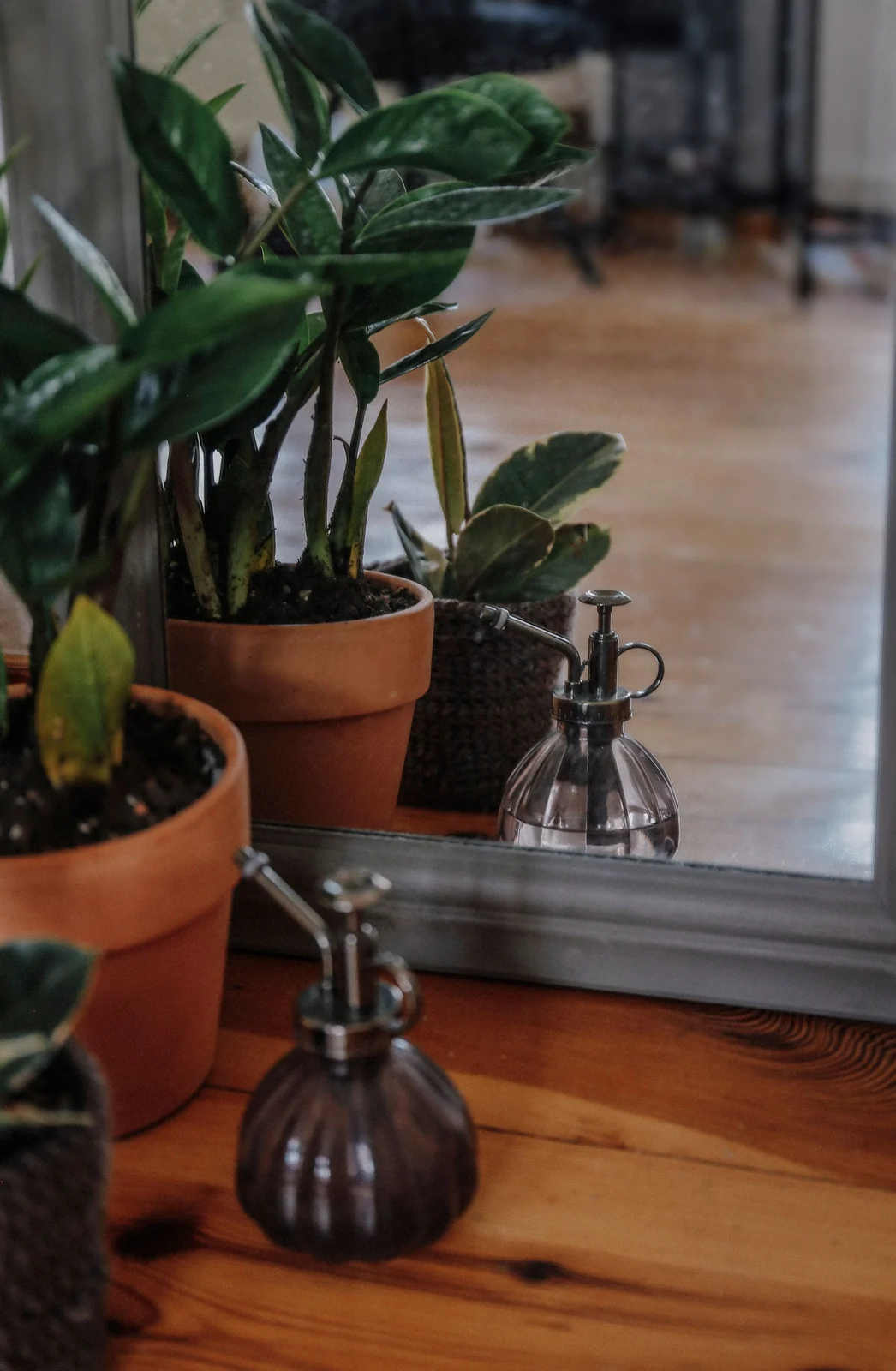
Plan for Mature Spread
ZZ stems emerge upright and then can arch outward. A position that fits a 25 cm wide plant today may become annoying beside a narrow walkway later. Leave extra width beside hallways, desk chairs, doorways, bedside routes and closet doors. Test the position with the chair pulled out and doors fully open, not just with everything tucked away.
If people repeatedly brush past the stems, move the plant rather than constantly tying it into an unnatural narrow shape.
For example, a 30 cm pot does not imply a 30 cm footprint. If the foliage already spans 60 cm, use that wider measurement when testing a corner. Mark the spread on the floor temporarily, then open the cabinet and pull the desk chair out. These are illustrative dimensions, not a predicted size for every ZZ plant. Keep the pot accessible enough to lift, inspect and empty its cover after watering.
Pet and Child Safety
ZZ plants contain calcium oxalates. North Carolina Extension flags toxicity concerns if the foliage is chewed or ingested. Choose a location that accounts for the actual behavior of pets and children in the home. This is especially important for cats that climb shelves. "High shelf" is not automatically inaccessible. If a pet chews the plant, contact a veterinarian or animal poison service rather than using a home remedy.
ZZ Plant Feng Shui Meaning
Online Feng Shui articles often connect ZZ plants with prosperity, resilience and upward growth. These are symbolic interpretations rather than guaranteed outcomes. Glossy green foliage, repeated upright stems and steady growth make those associations understandable. They are qualities you can enjoy without expecting the pot to change your finances.
Use the symbolism as a reminder of persistence or growth if it resonates with you. Do not put a struggling ZZ plant in a dark wealth corner and call the placement successful. If you want a prosperity-area placement, the compass-based bagua associates wealth with southeast, while the entrance-aligned BTB map uses the far-left zone from the entrance. Use one bagua mapping method, not both at once. A bright, roomy location elsewhere is better for the plant than an unlit symbolic corner.
ZZ Plant in Bedroom, Office and Entryway
Office: A bright office corner can work very well, especially where the plant has room to spread without blocking the chair. For a multi-species comparison, see Best office plants for Feng Shui.
Bedroom: Use the plant where light and access work. Do not squeeze a large specimen into the narrow path beside the bed.
Entry or hallway: A wide bright entry can suit ZZ. A dark narrow corridor may not. If the plant reduces circulation or gets repeatedly hit, the room is telling you the placement is wrong.