



Quick Answer
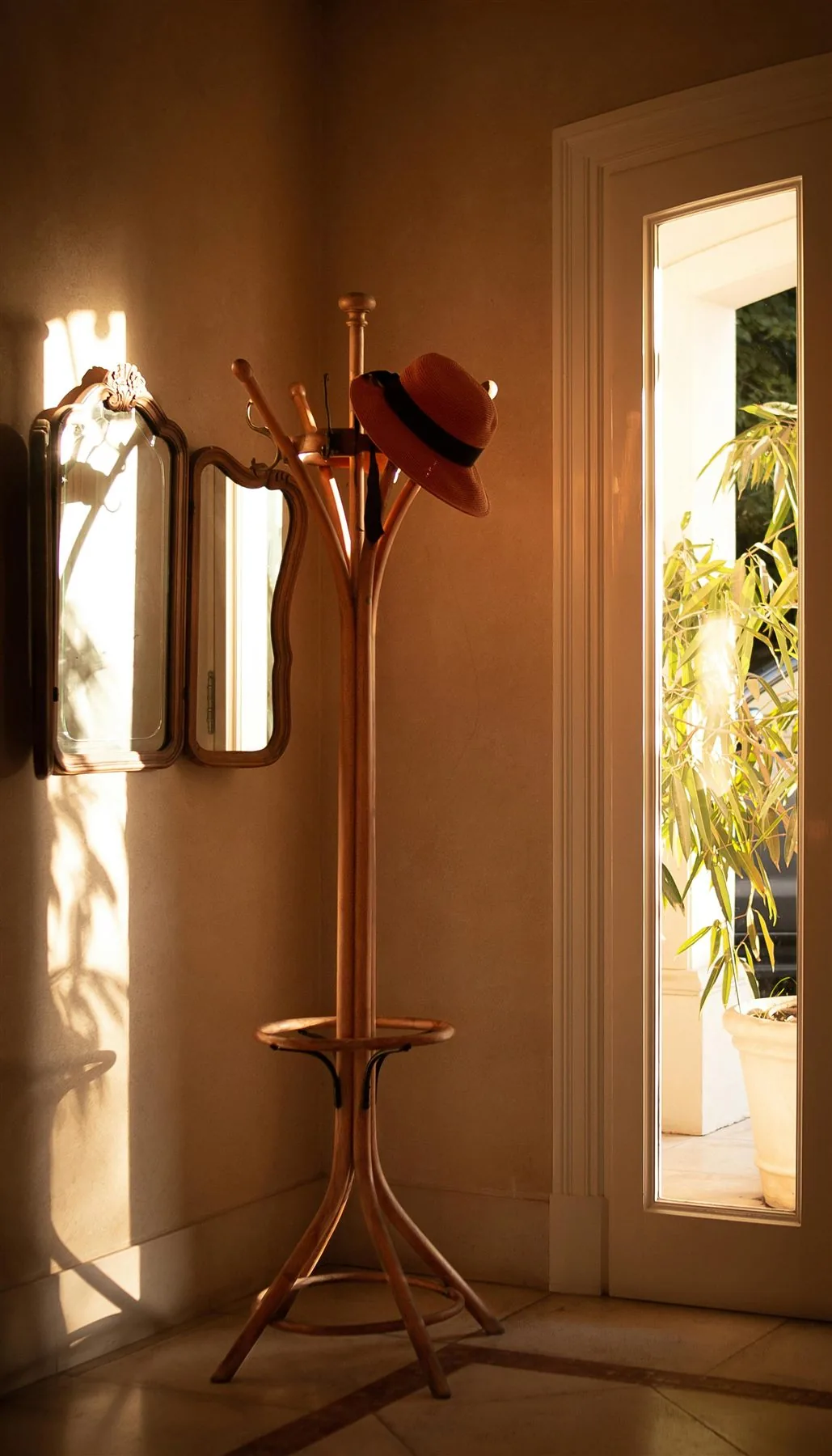
The best feng shui entryway colors are warm white, soft greige, dusty blue-gray, pale sage, muted olive, natural wood, and small touches of terracotta. They make the entry feel brighter, calmer, and easier to arrive in without turning the hall into a blank tunnel.
Entryway color matters quickly because the space often has to do a lot in very little square footage. It has to feel welcoming, readable, and connected to the rest of the home almost immediately.
In feng shui terms, the entry is the transition from outside into the home. That means the color should help the space feel open enough to move through, grounded enough to trust, and calm enough that the house starts on the right note. The best entry palettes do not necessarily stand out. They make the arrival feel easier.
This page applies color to the interior entry, foyer, hall, trim, and arrival zone. Use the room-color selector for another room, or the whole-home color guide when the entry needs to establish an undertone that continues through the rest of the house.
Entryway Colors That Make the Best First Impression
The strongest entryway colors have a little softness in them. Narrow halls, small foyers, and hard exterior light can all make a color feel more intense than it did on the swatch. That is why restrained tones tend to age better here than strong statements.
The most useful entryway palette directions
These tones keep the entry clear, welcoming, and easy to connect to the rest of the house.
Warm white
Bright and forgiving
Warm white + Oak + Brass
Best for narrow halls, low-light foyers, and homes that need the entry to feel more open.
Soft greige
Quiet and connected
Soft greige + Mushroom + Walnut
A strong bridge color when the entry opens into multiple rooms with different finishes.
Dusty blue-gray
Calm with definition
Dusty blue-gray + Cream + Driftwood
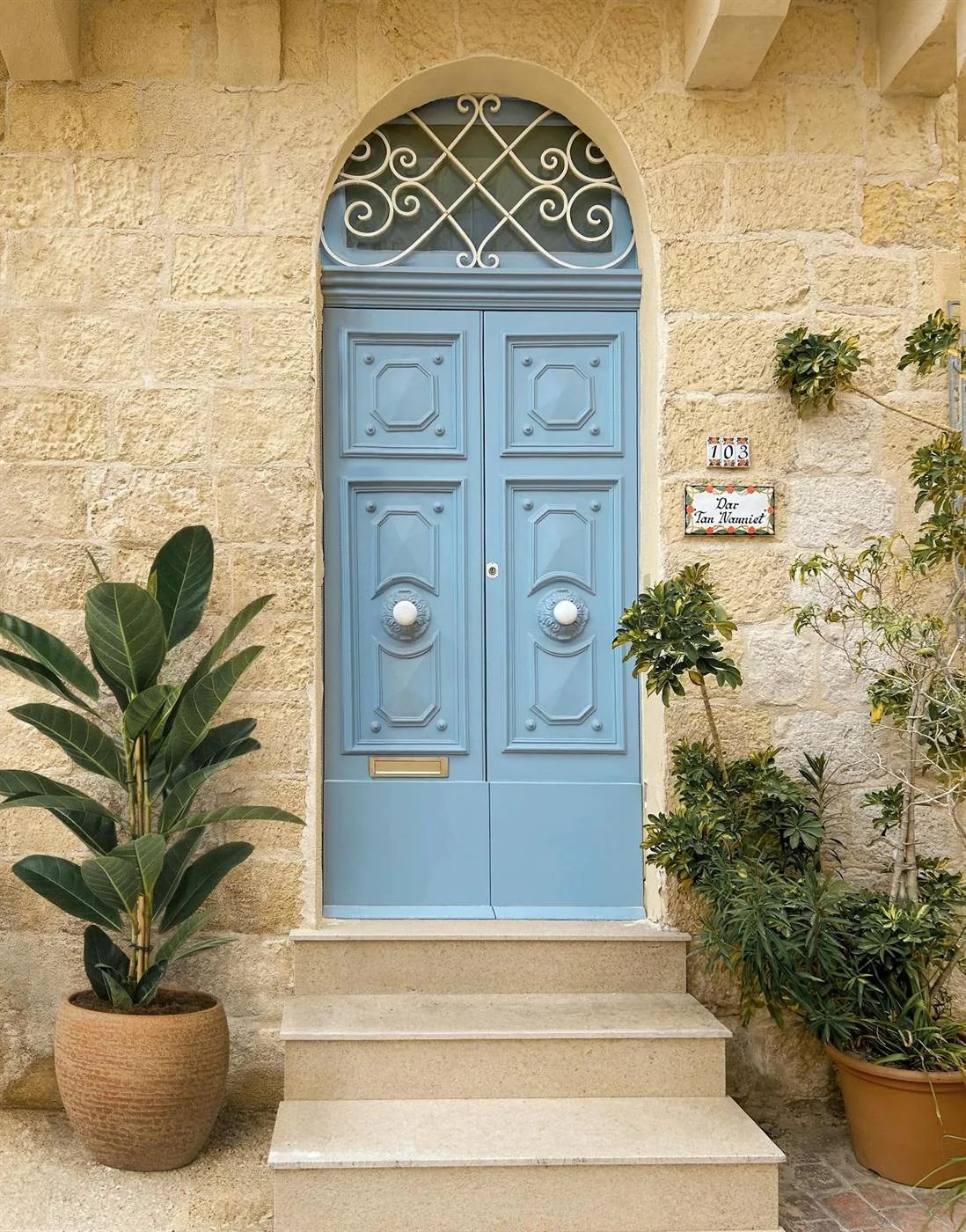
Works well on doors, trim, or foyers that need a little identity without feeling cold.
Pale sage
Fresh and restorative
Pale sage + Warm white + Walnut
A good choice for entry walls when you want more life than beige but still need softness.
Muted olive
Grounded and tailored
Muted olive + Linen + Terracotta
Best for doors or one stronger accent moment rather than every wall in a smaller hall.
Terracotta accent
Warm and welcoming
Terracotta accent + Warm white + Clay
Useful through the front door, pottery, art, or a runner instead of full walls.
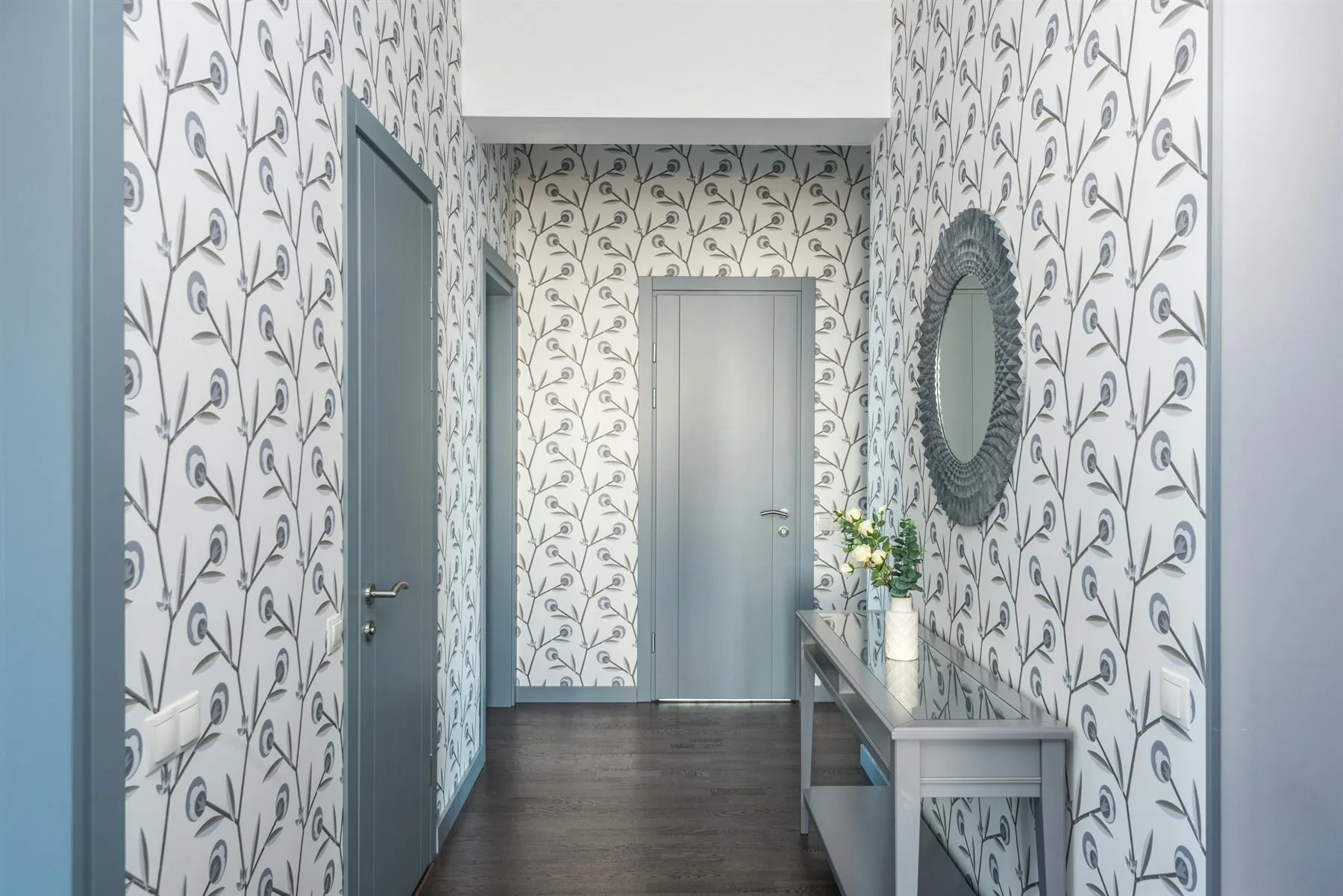
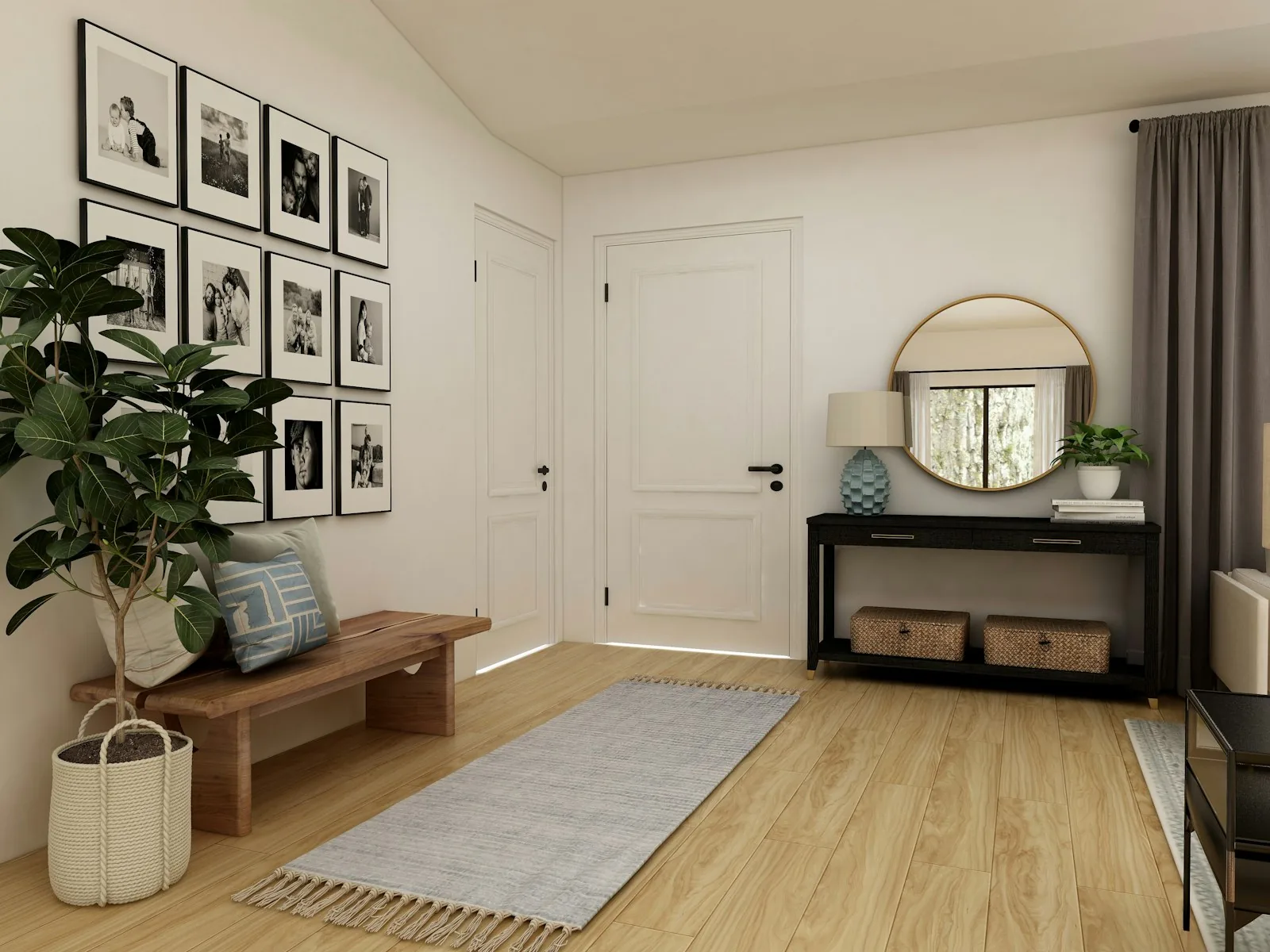
The useful way to think about entry color is to treat the whole transition as one palette. That means the outside door, the interior foyer wall, the trim, the console, the runner, and even the lighting temperature should feel like they belong in the same conversation. If your entry starts at the door, feng shui front door helps with the exterior side of that conversation. If you want the broader layout and storage side of the threshold, feng shui entryway is the stronger companion.
Three entry palettes that make a better first impression
Light and welcoming
Warm white + Oak + Brass
A dependable formula for small foyers and narrow halls that need to feel brighter and easier right away.
Quiet with definition
Soft greige + Blue-gray + Walnut
Good when the entry opens into many rooms and needs one calmer door tone to anchor the threshold.
Natural and grounded
Pale sage + Muted olive + Terracotta
Best for homes with brick, stone, or lots of plants where the entry should feel more earthy than polished.
Scroll sideways to compare all columns.
| Element family | Entryway colors | Best use | Use carefully when |
|---|---|---|---|
| Wood | Sage, olive, blue-green, natural wood | You want freshness, growth, and a softer bridge into the home. | The hall is already dark or heavily green from plants. |
| Fire | Terracotta, clay, rose, small red accents | The entry needs warmth, recognition, or a more welcoming pulse. | The space is tiny, glossy, or already visually hot. |
| Earth | Warm white, beige, greige, sand, taupe | You want the entry to feel stable, calm, and easy to connect to nearby rooms. | The palette becomes so flat that the door or console disappears. |
| Metal | White, cream, soft gray, pewter, brass detail | You want clarity, clean trim, and a lighter first impression. | The white is harsh or the gray turns cold under your lighting. |
| Water | Dusty blue, blue-gray, charcoal, black accents | You want calm definition, especially on doors, trim, art, or a runner. | The entry lacks daylight and starts to feel heavy. |
How to Build an Entryway Palette That Still Feels Open
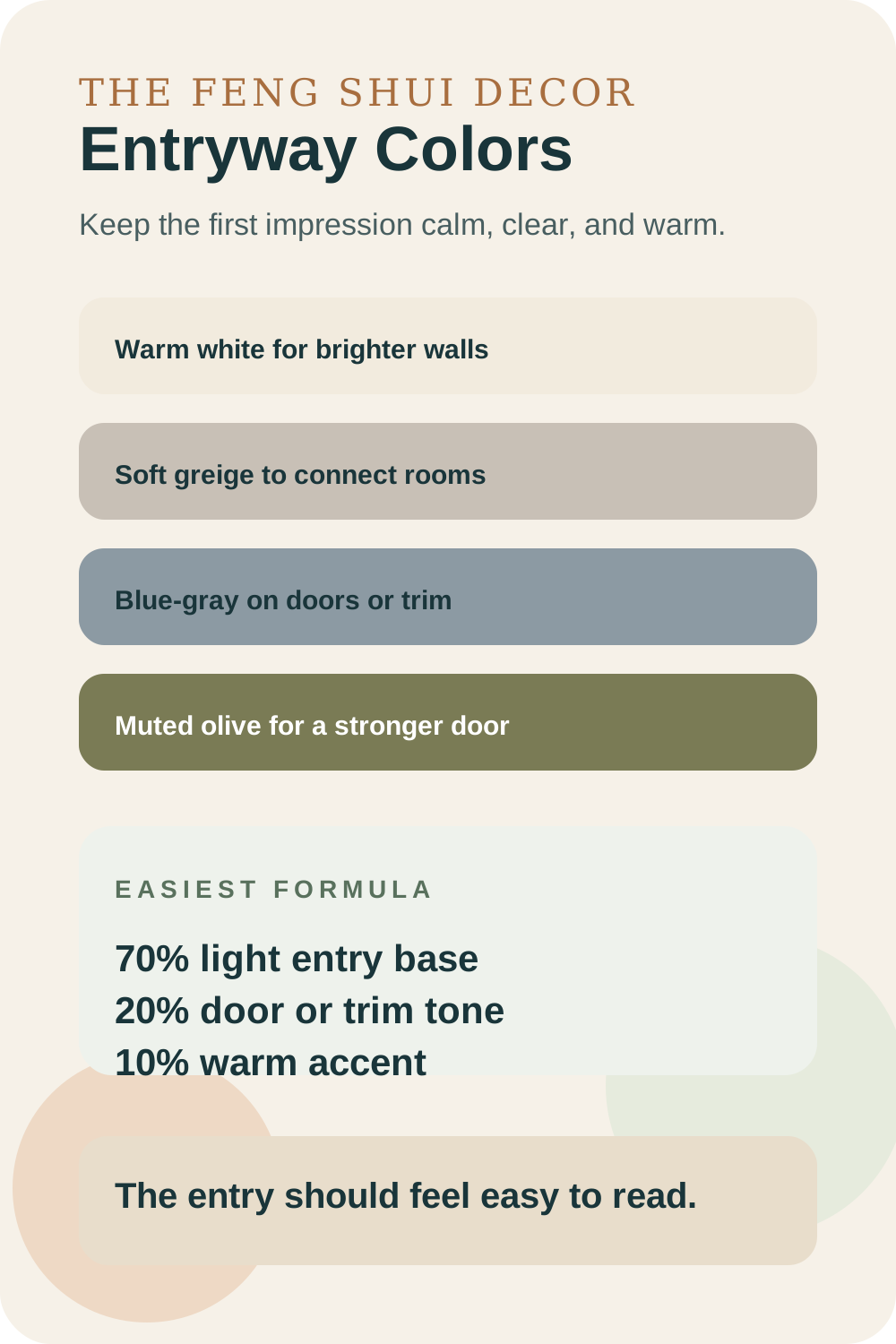
Entryways need one base color, one stronger color for identity, and one warmer accent so the space does not feel like a blank hallway. That is enough for most homes.
Pick one color for each entryway job
Best wall color
Warm white or soft greige
These shades open the entry and help it connect to nearby rooms instead of stopping the eye abruptly.
Best door or trim color
Dusty blue-gray or muted olive
The door or trim can carry a little more personality because it helps the entry feel readable and finished.
Best warm accent
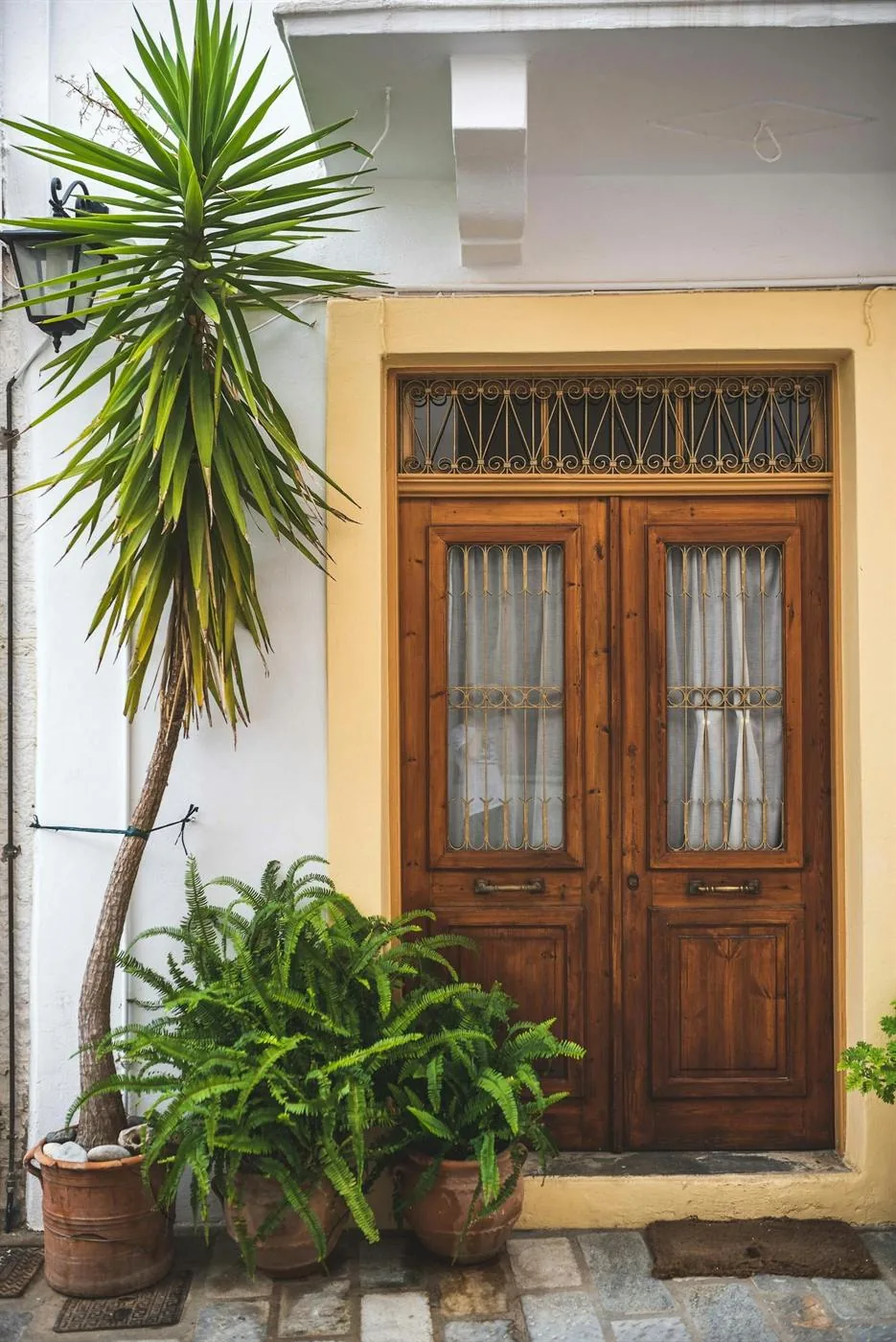
Terracotta, wood, or brass
Warm accents keep the entry from feeling overly cool, formal, or forgettable.
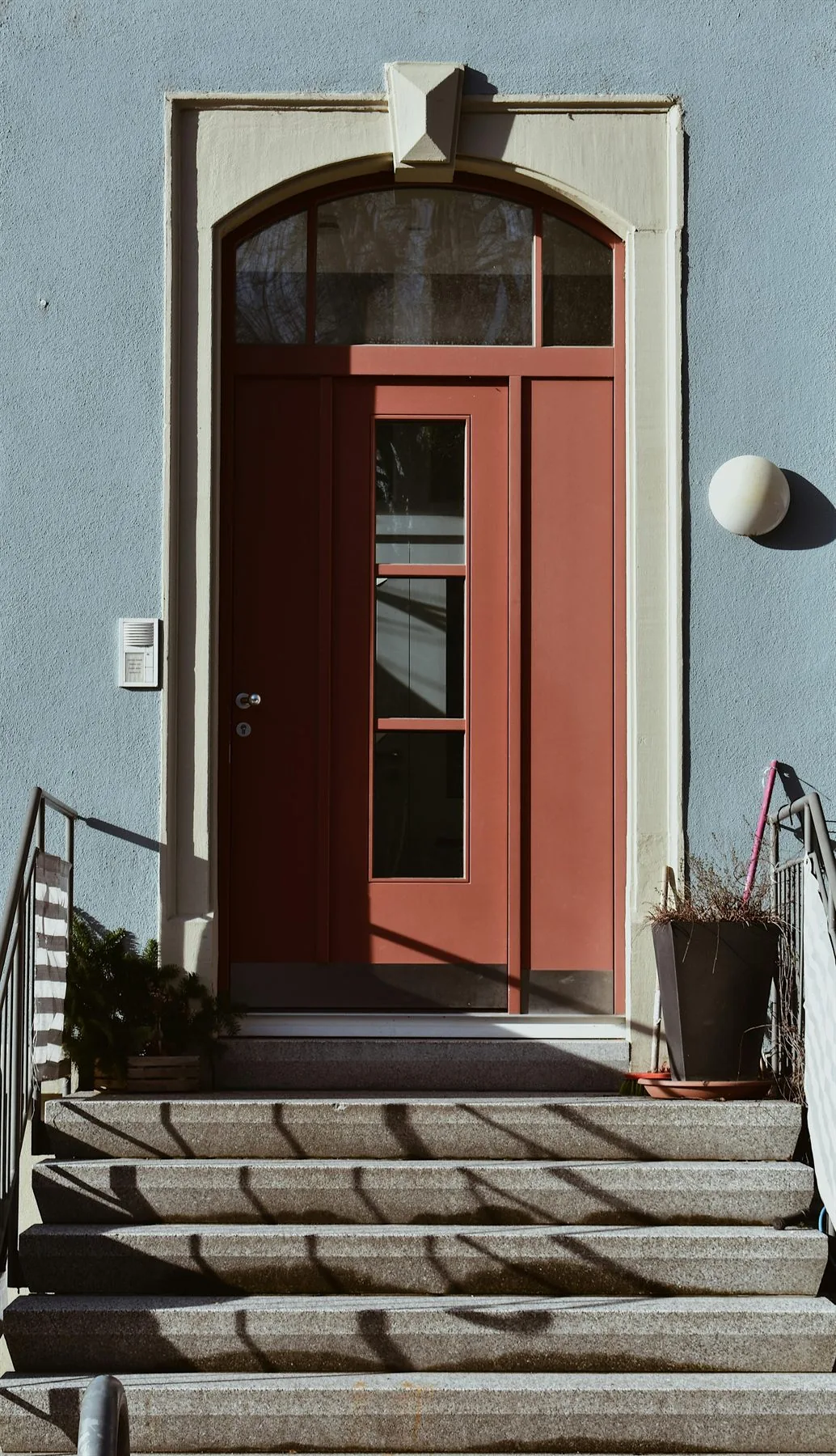
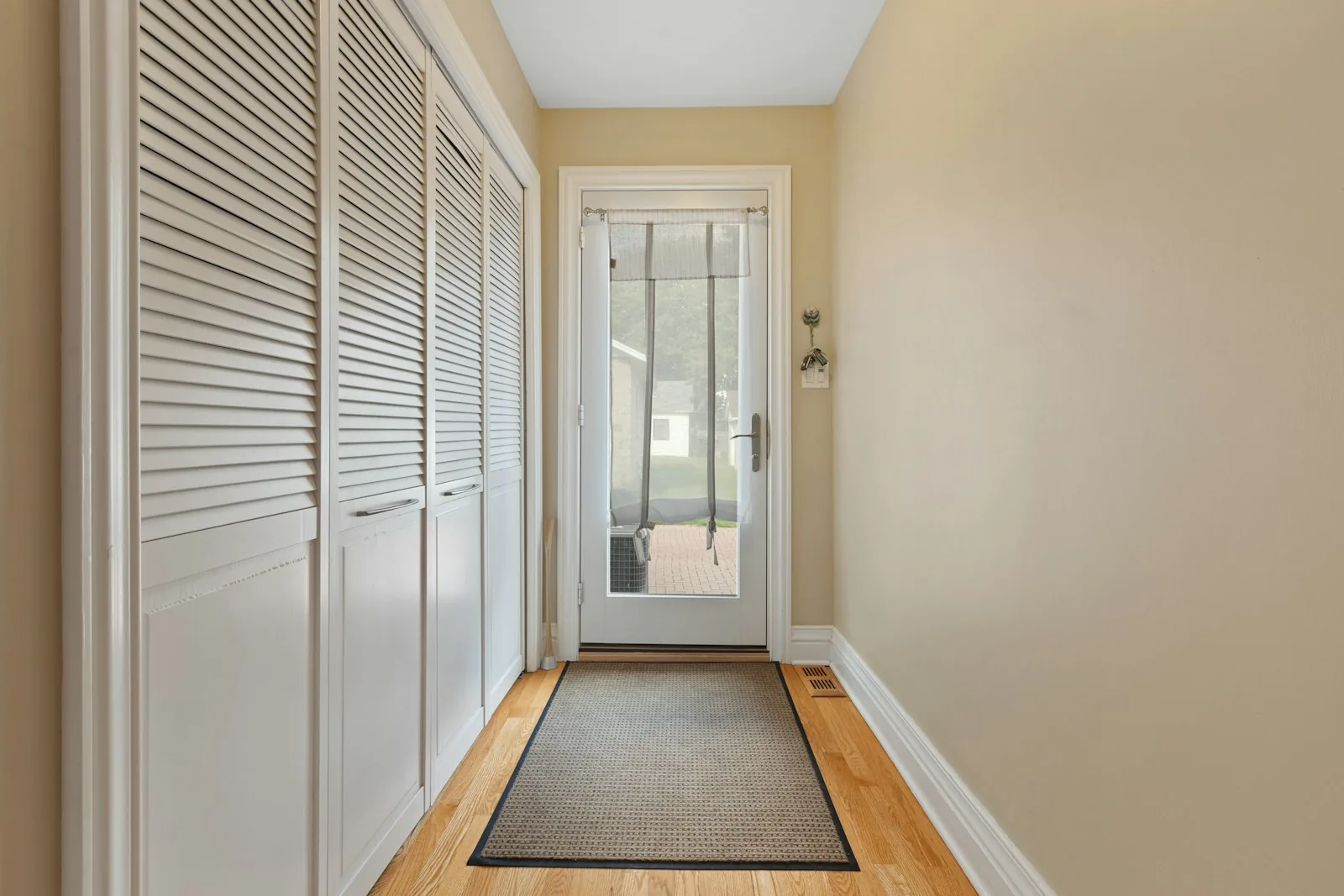
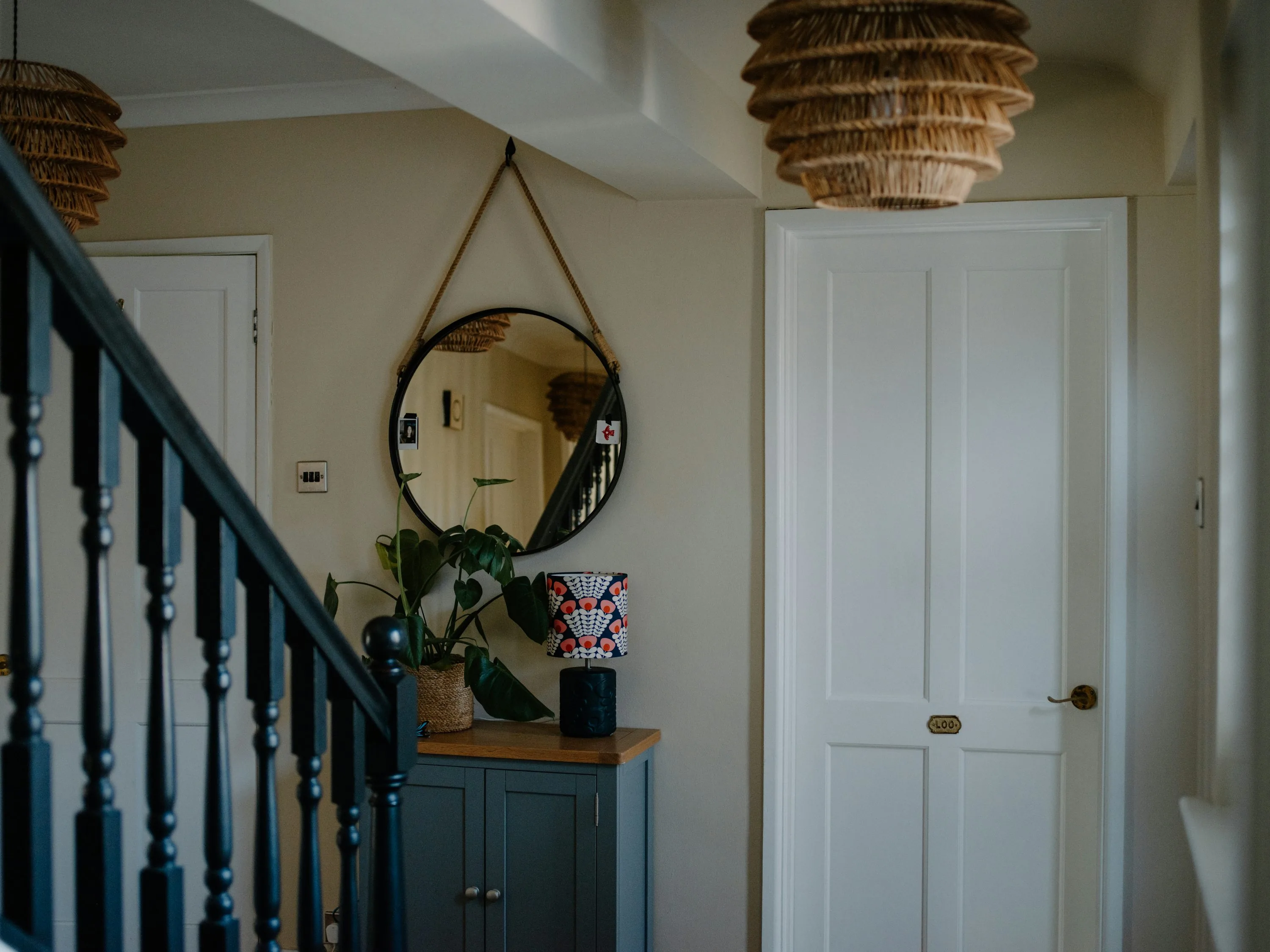
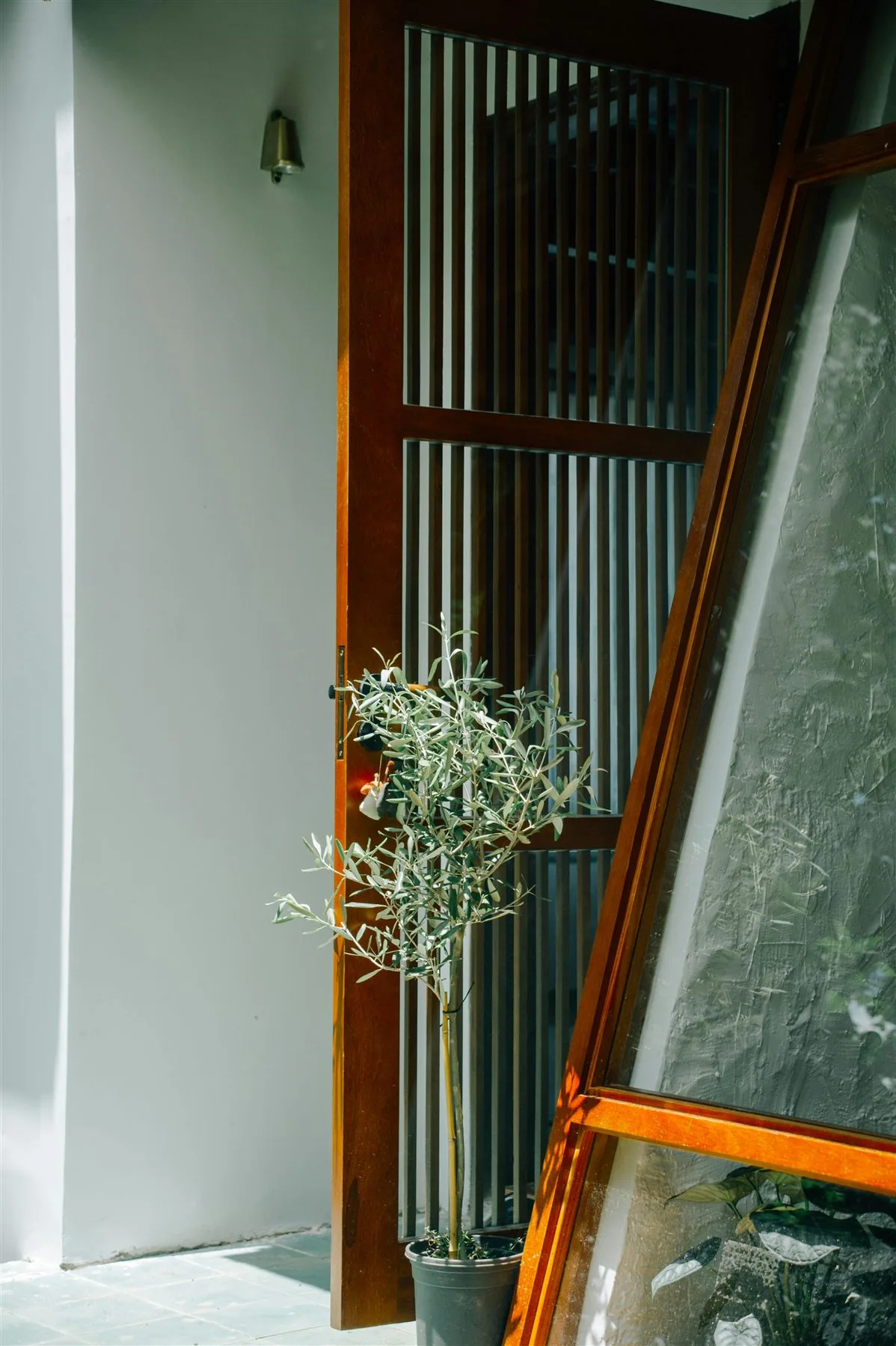
Colors for Narrow or Dark Entryways
In a narrow hall, use the lightest useful color on the long walls and keep stronger contrast at the end of the sightline: the interior face of the door, a small console, or one piece of art. Warm white, pale greige, light taupe, and softened sage reflect more available light than deep matte colors while still giving the passage some identity. Keeping trim and wall undertones related also prevents a slim entry from looking visually chopped up.
A dark entry needs both color and light. Sample paint beside the actual flooring and switch on the fixtures used at night; a shade that looks calm in a store may turn muddy or icy in the hall. A light wall color, a warm lamp, and one readable accent usually work better than trying to create brightness with stark white alone.
Interior entry colors are not the same as exterior front-door colors
This guide covers the foyer, hall, trim, and the side of the door seen from inside. The exterior door has different daylight, weather, siding, and curb-appeal constraints, so it does not need to match the interior wall color. Coordinate the two through one repeated undertone or material, then use the feng shui front-door color guide for the outside-facing decision.
A practical entryway color ratio
65% base
Warm white or soft greige
Let the walls, trim, or largest interior surfaces stay lighter so the entry keeps visual breathing room.
25% support
Door color, wood, or olive-blue identity tone
Use the stronger color on the door, runner, console, or one visible architectural detail that helps the entry feel readable.
10% accent
Terracotta, brass, or warmer plant-pot detail
Keep the welcoming warmth in accents and styling so the entry feels human without becoming noisy.
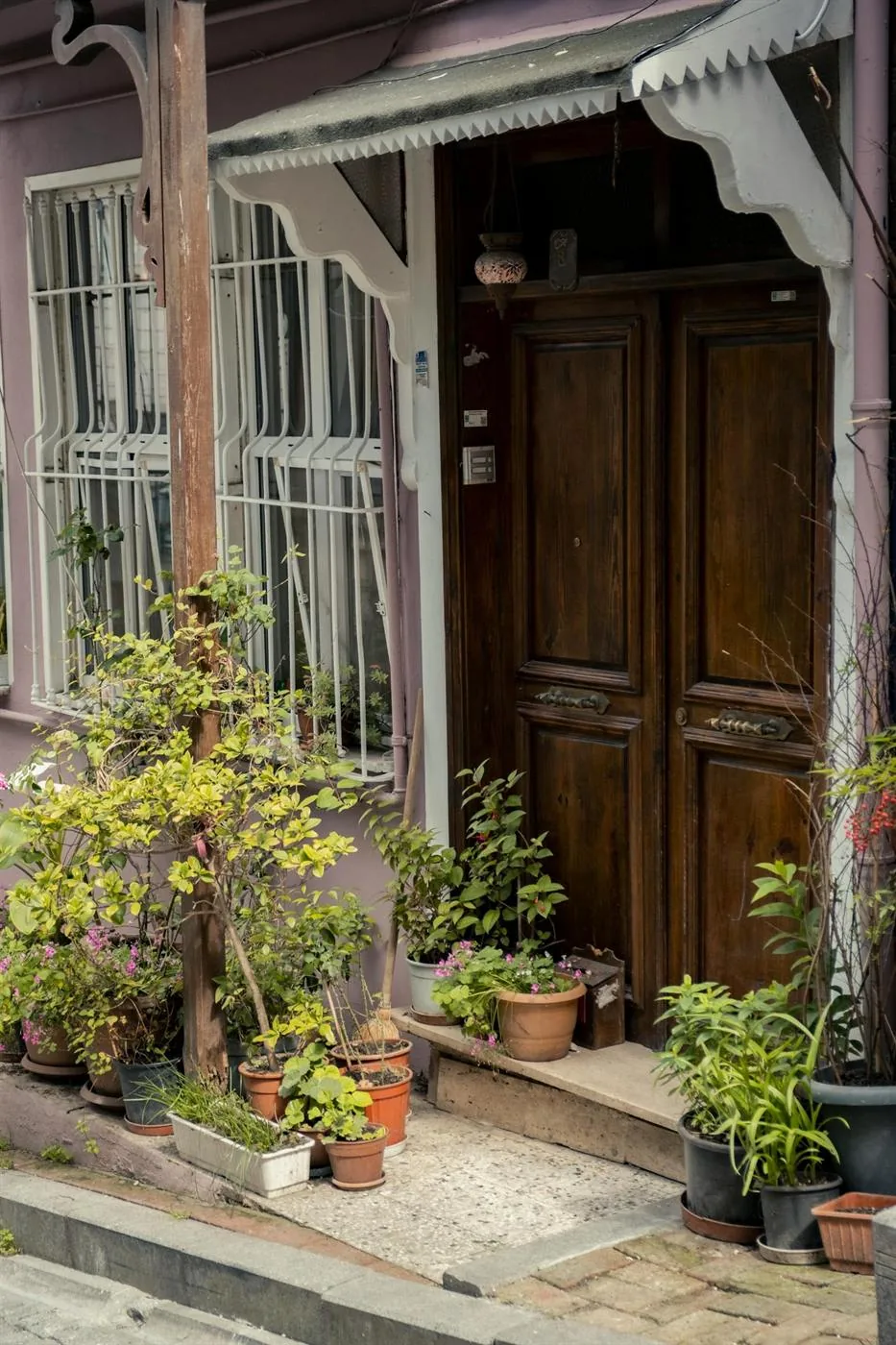
The last photo is a good reminder that entry color always lives beside styling. If you want to use more greenery, the closest companion guide is feng shui plants for front doors. If mirrors are part of the foyer, feng shui mirrors helps keep that choice useful rather than random.
Entryway Colors to Use More Carefully
Entryways become harder when the palette is too cold, too dark, or too loud for the size of the space. A narrow hall painted in a flat dark tone can feel compressed. A glossy bright white entry can feel sharper than inviting. Very strong red can create more pressure than welcome.
Avoid this entryway trap, try this instead
Avoid this
Cold gray + Bright white + Hard black
Very cold gray, harsh white, and one hard black accent can make an entry feel more severe than welcoming.
Try this instead
Warm white + Blue-gray + Oak
A softer base plus one readable door color feels calmer and more intentional.
Scroll sideways to compare all columns.
| If the entryway is... | Choose more of this | Use less of this |
|---|---|---|
| Narrow | Warm white, soft greige, pale sage, one slim runner | Dark walls on every side or busy high-contrast pattern |
| Dark | Cream, brass, light wood, reflective but soft finishes | Cold gray, matte black, or deep blue across large surfaces |
| Too plain | One grounded door, cabinet, runner, or art color | Adding many small accent colors at once |
| Too busy | One calmer wall color and fewer visible storage colors | More baskets, more hooks, more patterns, or louder paint |
Frequently Asked Questions
What are the best feng shui entryway colors?
Should an entryway be light or dark in feng shui?
Is blue good feng shui for an entryway?
What entryway colors should be used more carefully?
How do you choose entryway colors with the five elements?
The bottom line
The best feng shui entryway colors make the home feel easier to arrive in. Warm white, soft greige, dusty blue-gray, pale sage, muted olive, and a little terracotta or wood do that well because they feel welcoming without becoming noisy.
If you want the simplest rule, keep the entry mostly light, let the door or trim carry a little identity, and use warm accents to make the first impression feel more human. That balance is what makes the space feel open and intentional at the same time.