



Quick Answer
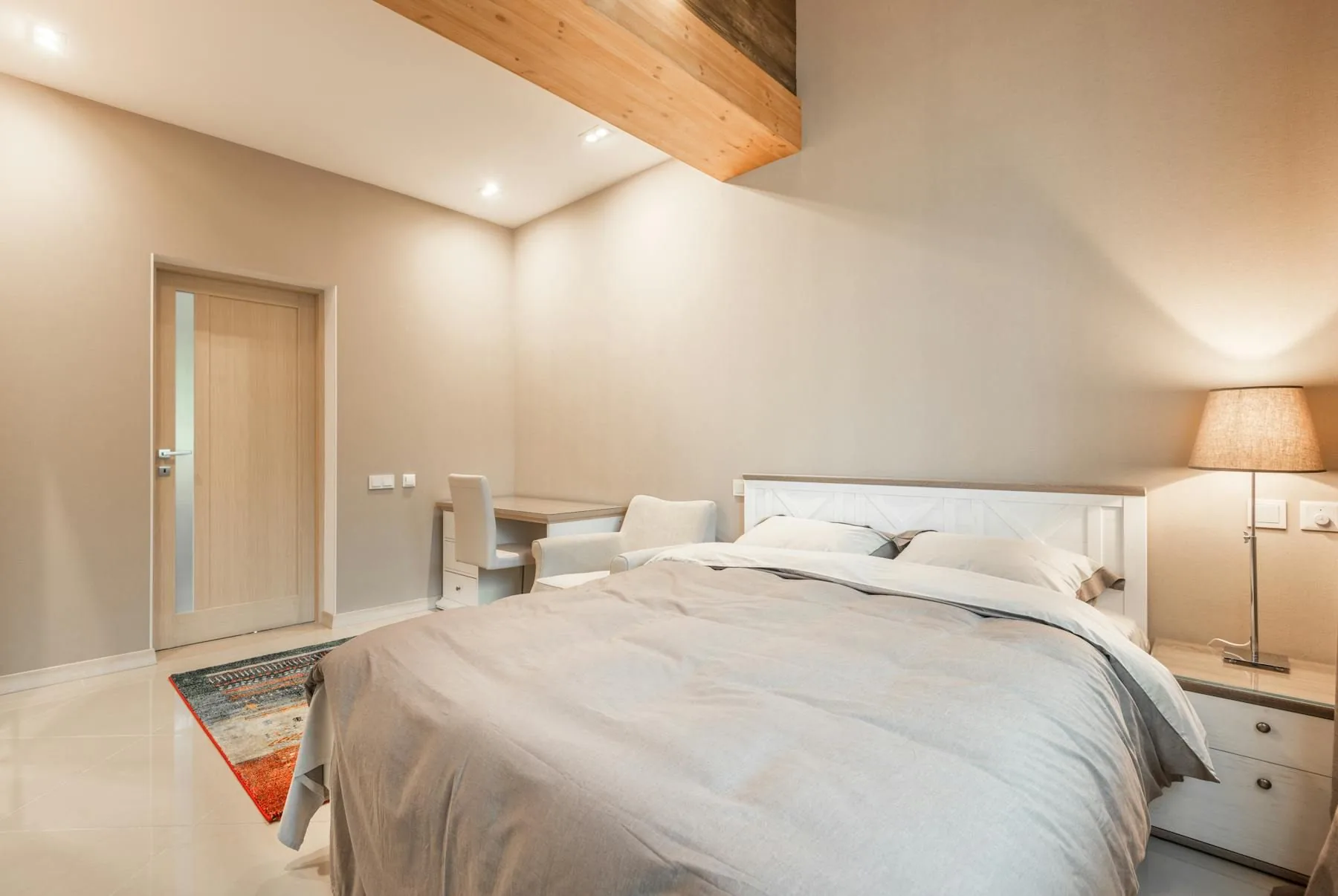
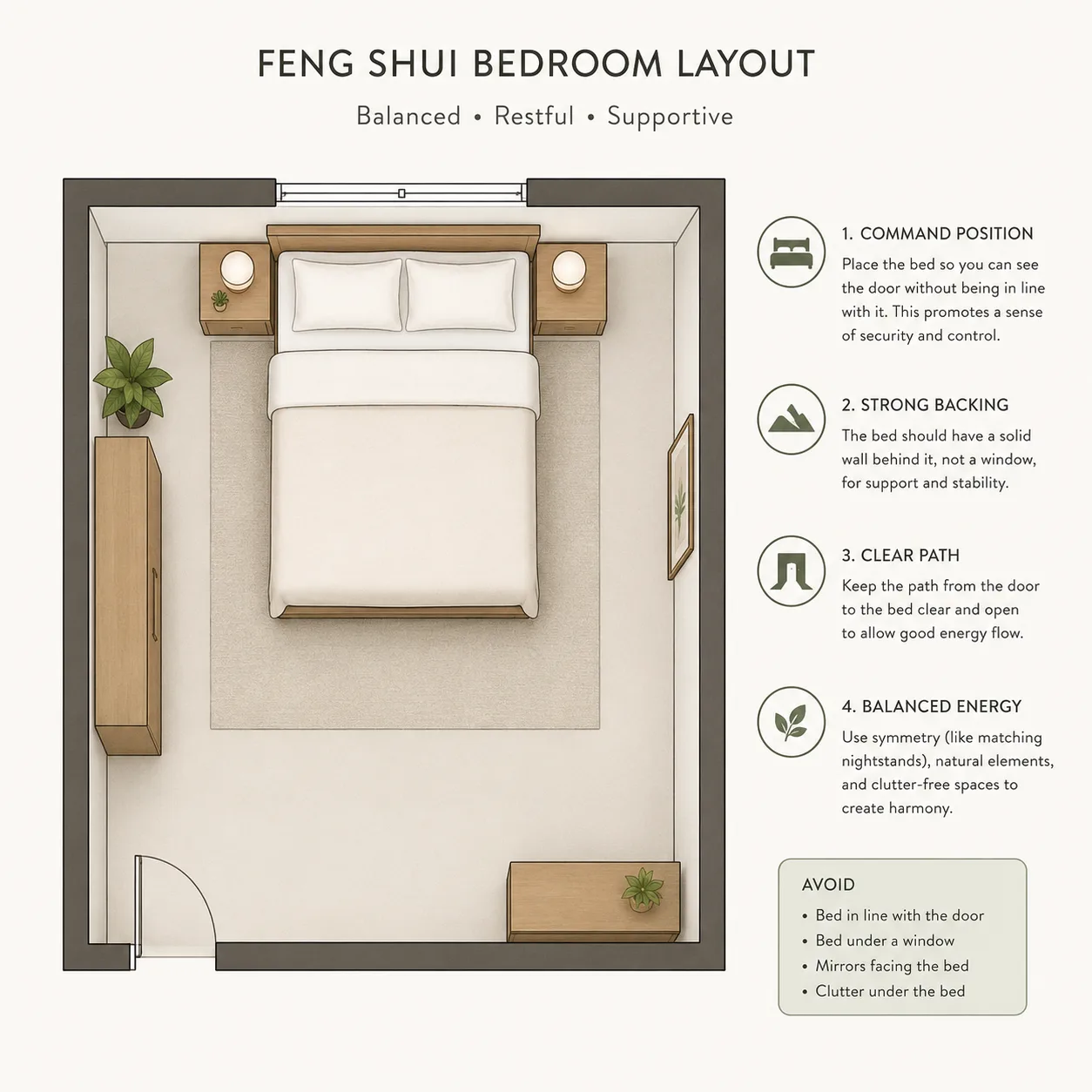
The best feng shui bed placement means putting the bed on the strongest available wall, keeping the door visible without letting the bed sit directly in line with it, and leaving at least one clear path so the room does not feel trapped.
Bed placement matters because the bed is where the room settles. If it feels exposed, the whole bedroom can feel slightly on edge no matter how pretty the decor is.
That is why feng shui bed advice is really about hierarchy. First, protect the bed. Second, keep circulation clear. Third, let the rest of the room support sleep instead of competing with it.
Bed Placement Ideas That Feel Best
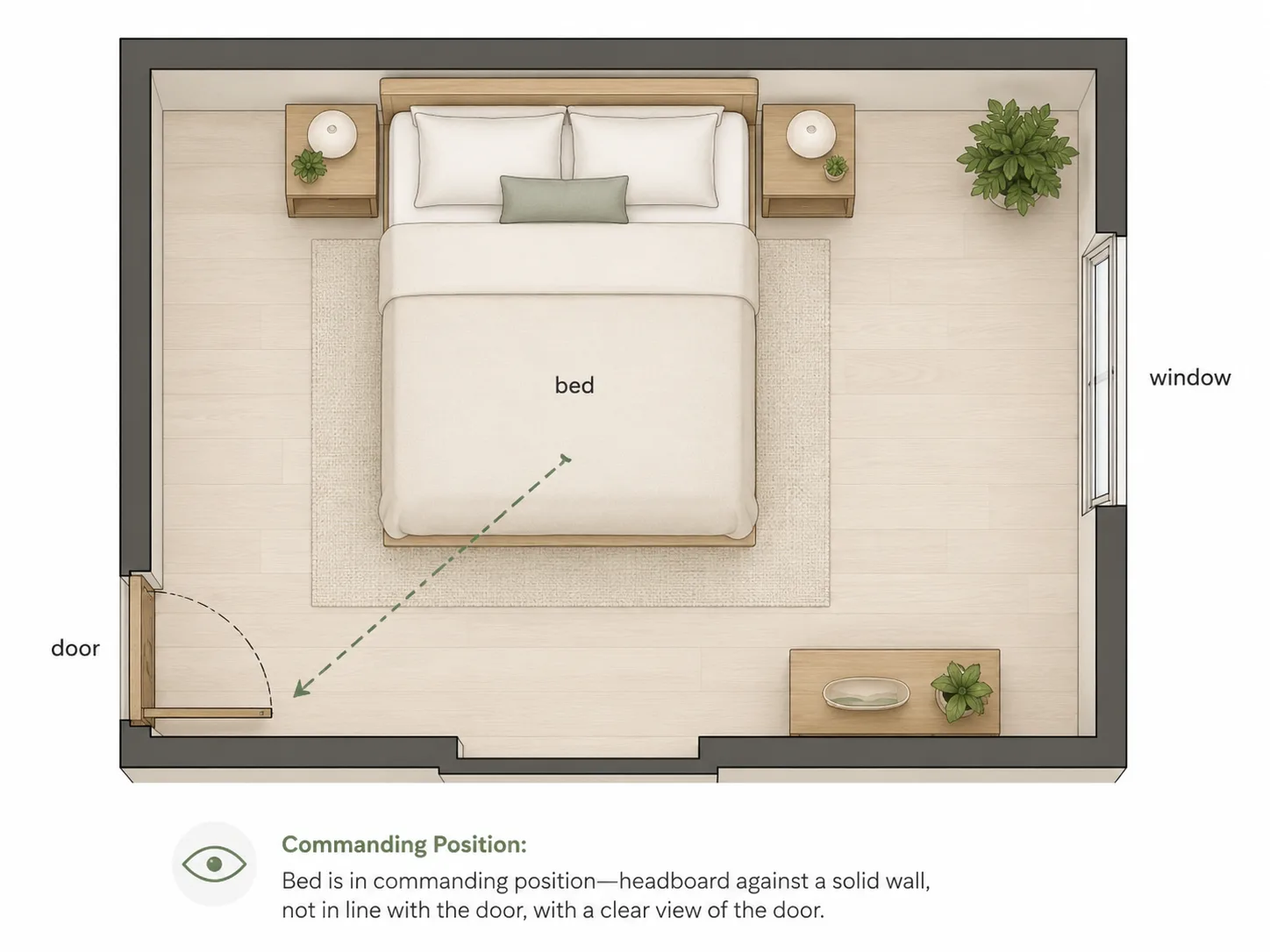
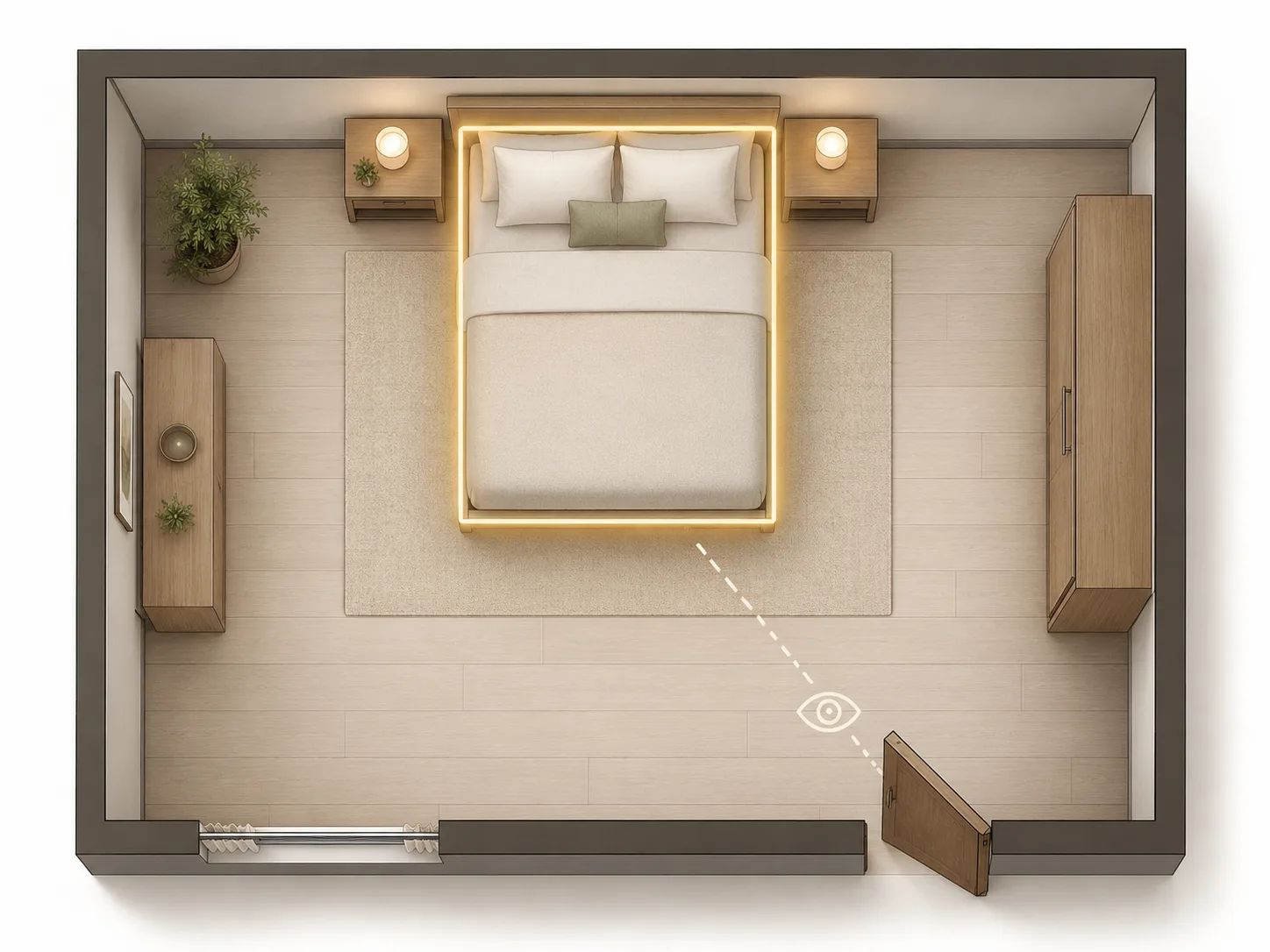
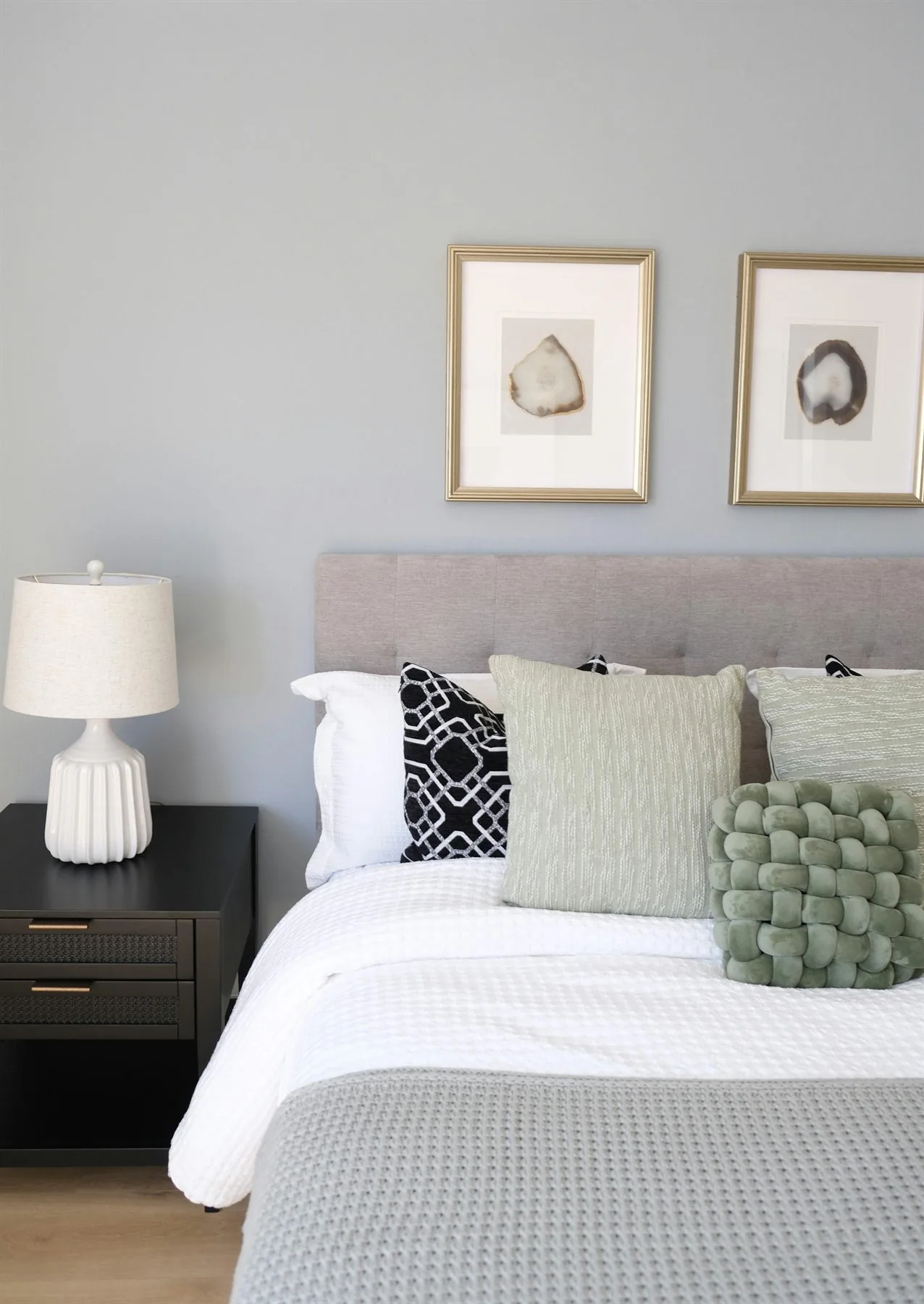
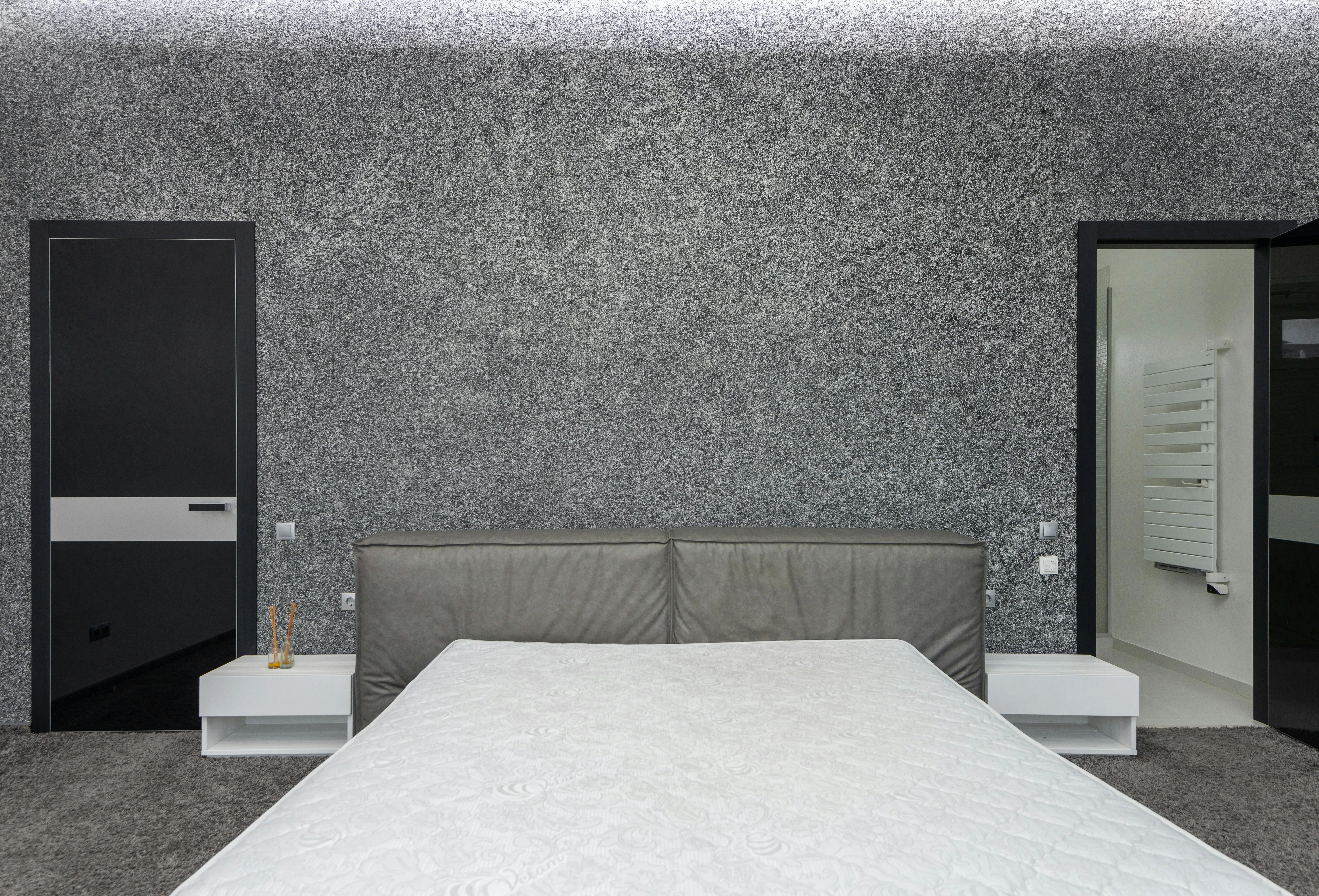
The bed wants the calmest wall, not the most dramatic view. A solid wall behind the bed, a visible door, and enough clearance to move around the bed create the most grounded feeling.
Scroll sideways to compare all columns.
| Placement idea | When it works | Why it helps |
|---|---|---|
| Solid wall with side access | Best in average-size rooms | The bed feels anchored and easy to use. |
| Angled view of the door | Best when the room has more than one strong wall | The bed can track the entry without feeling hit by it. |
| Small-room partial symmetry | When only one side table or one open side is realistic | The room still feels calmer if one path stays open. |
| Window compromise with support | When there is no stronger wall available | A strong headboard and simpler styling can reduce the exposure. |
Bed Placement Problems and Better Fixes
Most bedroom problems are not solved by one universal rule. The better question is what the room is asking you to protect: the headboard, the door view, the walking path, or the sleep zone from too much visual activity.
Scroll sideways to compare all columns.
| Room problem | Better bed-placement move | Why it helps |
|---|---|---|
| Bed directly in line with the door | Move it to an angled door view, or soften the line with a rug, bench, or lower divider. | The bed still feels aware of the entry without feeling exposed to it. |
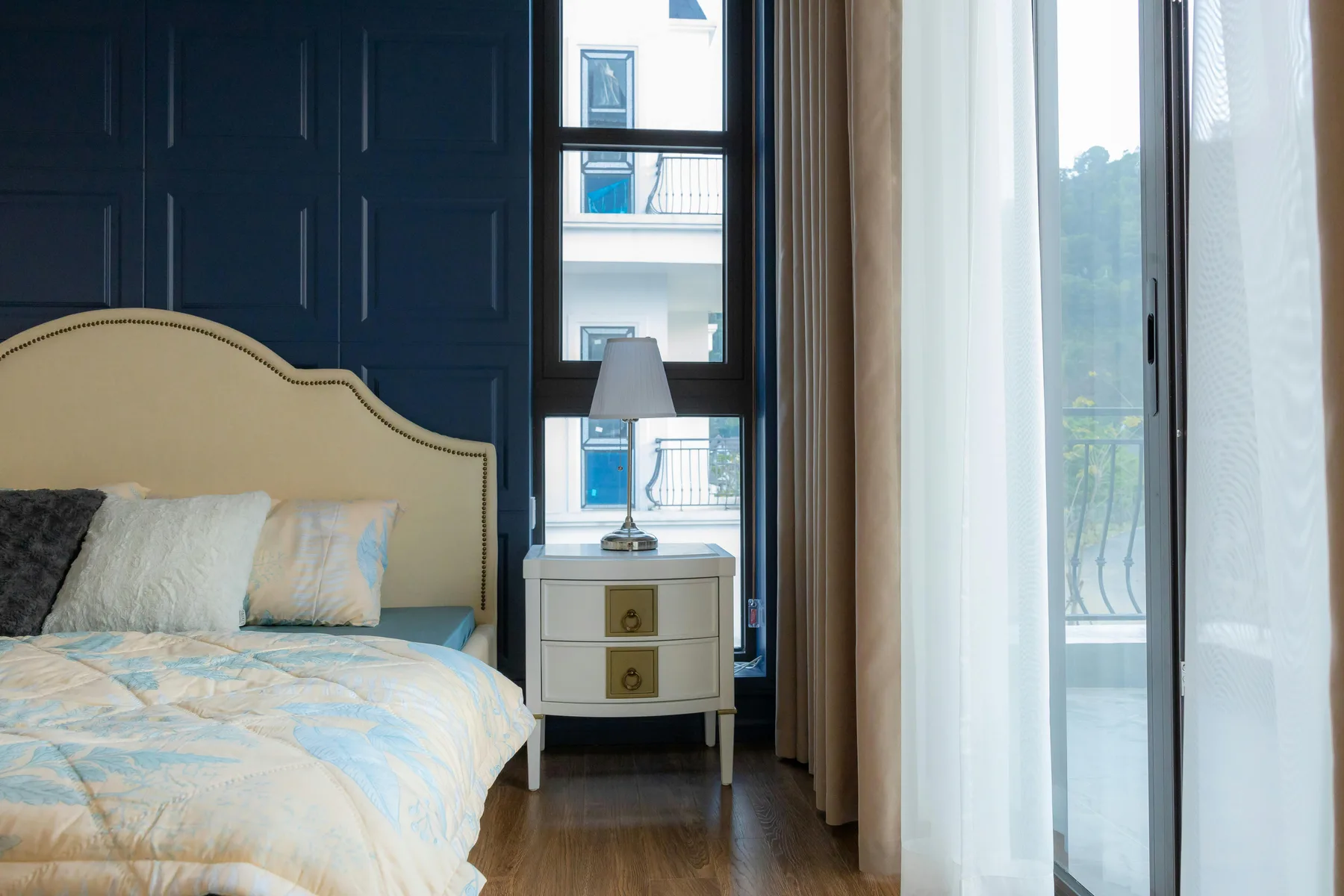
| Bed under a window | Use the strongest headboard you can, add full curtains, and keep the bedside styling simple. | The window feels less like a gap behind the bed. |
| Mirror facing the bed | Move the mirror, angle it away, or cover it at night if it keeps the room visually active. | The sleep zone feels quieter and less reflective. |
| Bathroom, closet, or work zone competing nearby | Keep those doors tidy and visually quiet, then let the bed wall stay the main anchor. | The bed reads as the room's purpose instead of one object among many active zones. |
Ideas for Awkward Rooms That Still Make Sense
Not every room gives you the best wall and two equal side paths. In awkward bedrooms, the better move is to improve the strongest part of the layout instead of chasing perfection.
Small-room or awkward-room moves that help
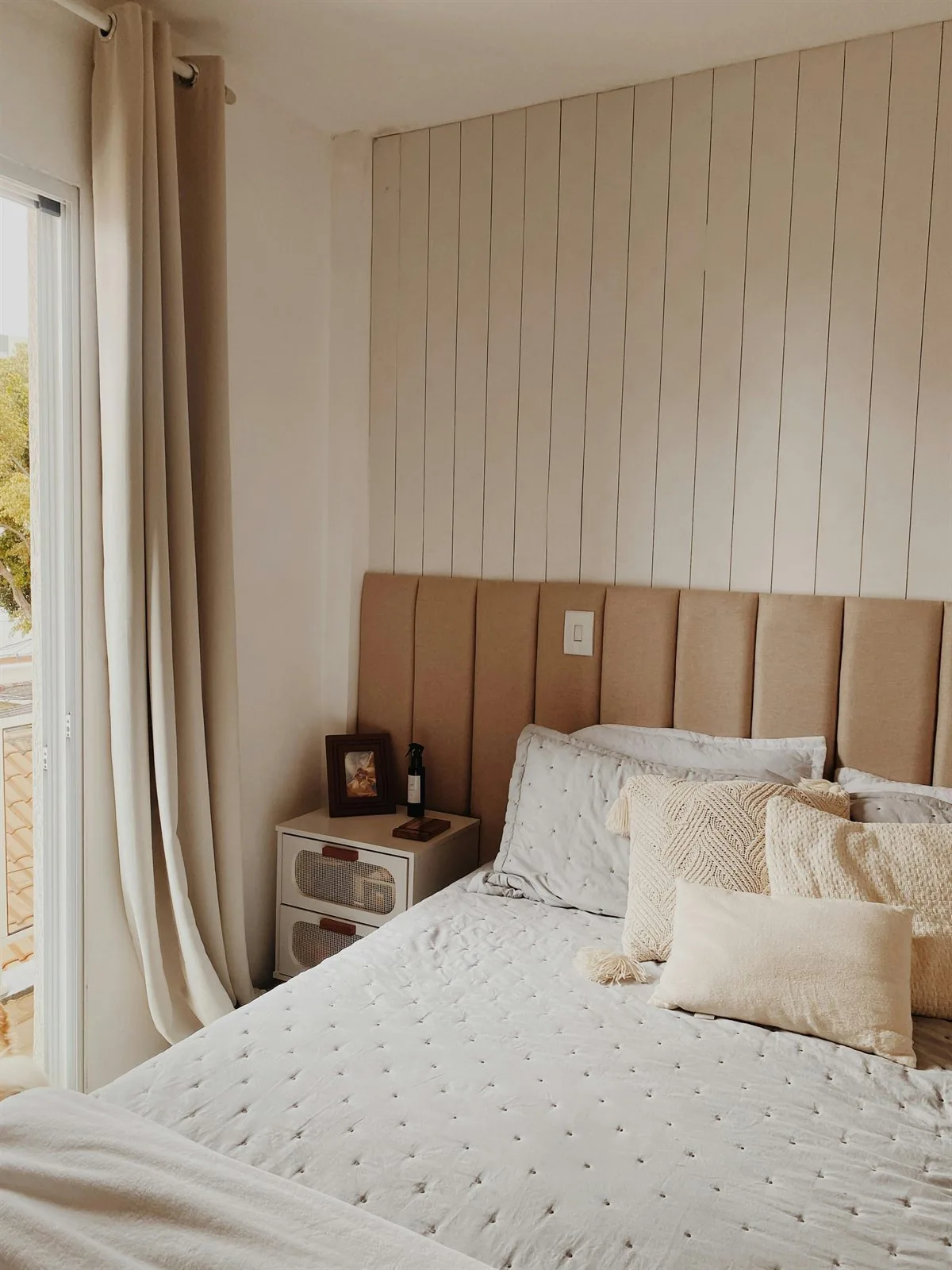
- +Choose the strongest wall even if both sides of the bed cannot be identical.
- +Keep one clear walkway from the door to the bed.
- +Use a stronger headboard and quieter styling when the bed sits under a window.
- +Let the bed stay more important than the desk, storage tower, or mirror.
What often makes the room harder
- -Jamming the bed into a corner just to fit more furniture.
- -Aiming the bed straight at the door when there is another workable option.
- -Using open shelving or a busy work zone as the main backdrop to the bed.
- -Trying to solve a cramped room by adding more small furniture pieces.
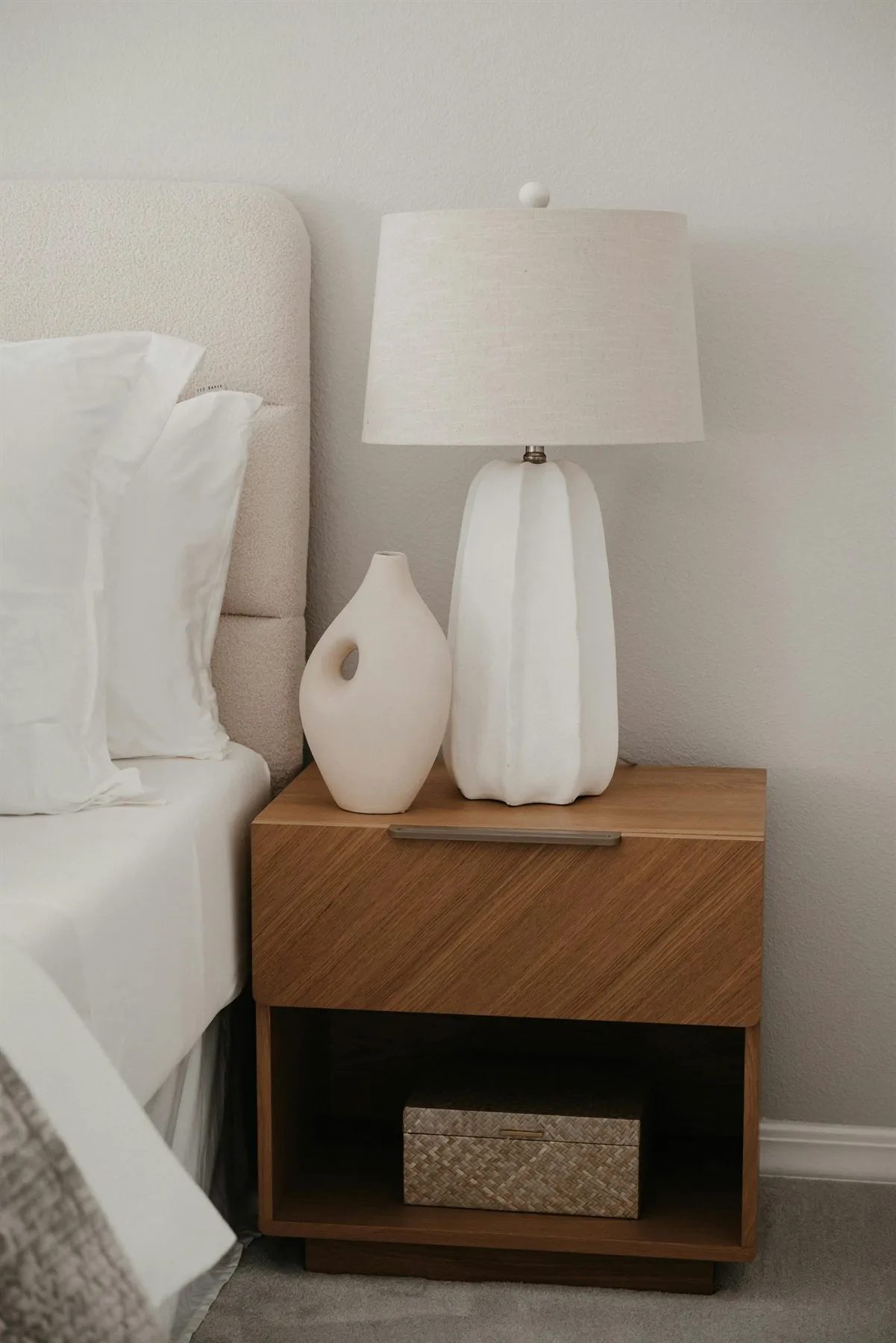
If you want the bigger room-layout version of this topic, feng shui bedroom layout goes deeper. If the bed wall still feels visually loud, feng shui colors for bedroom can help calm the room after the position is solved.
What to Skip When Bed Placement Already Feels Off
The most common problem is giving the bed a weak position and then trying to rescue the room with more decor. If the bed is exposed, overfilled, or visually crowded, the room rarely feels fully at rest.
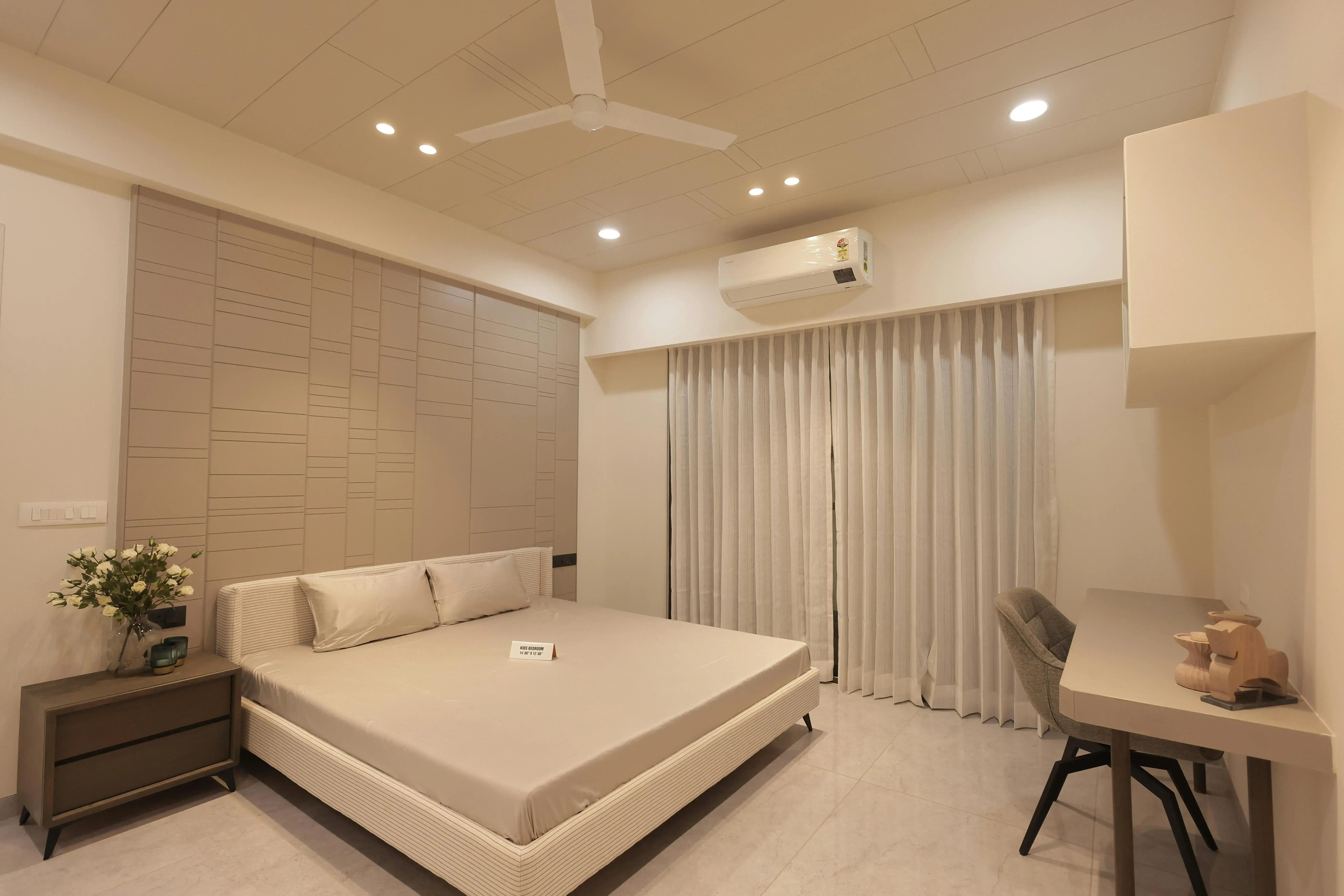
Fix the bed before styling around it
Lamps, art, and nice bedding can help a room, but they rarely solve a bed that is badly exposed, aimed directly at the door, or crowded by too many active pieces.
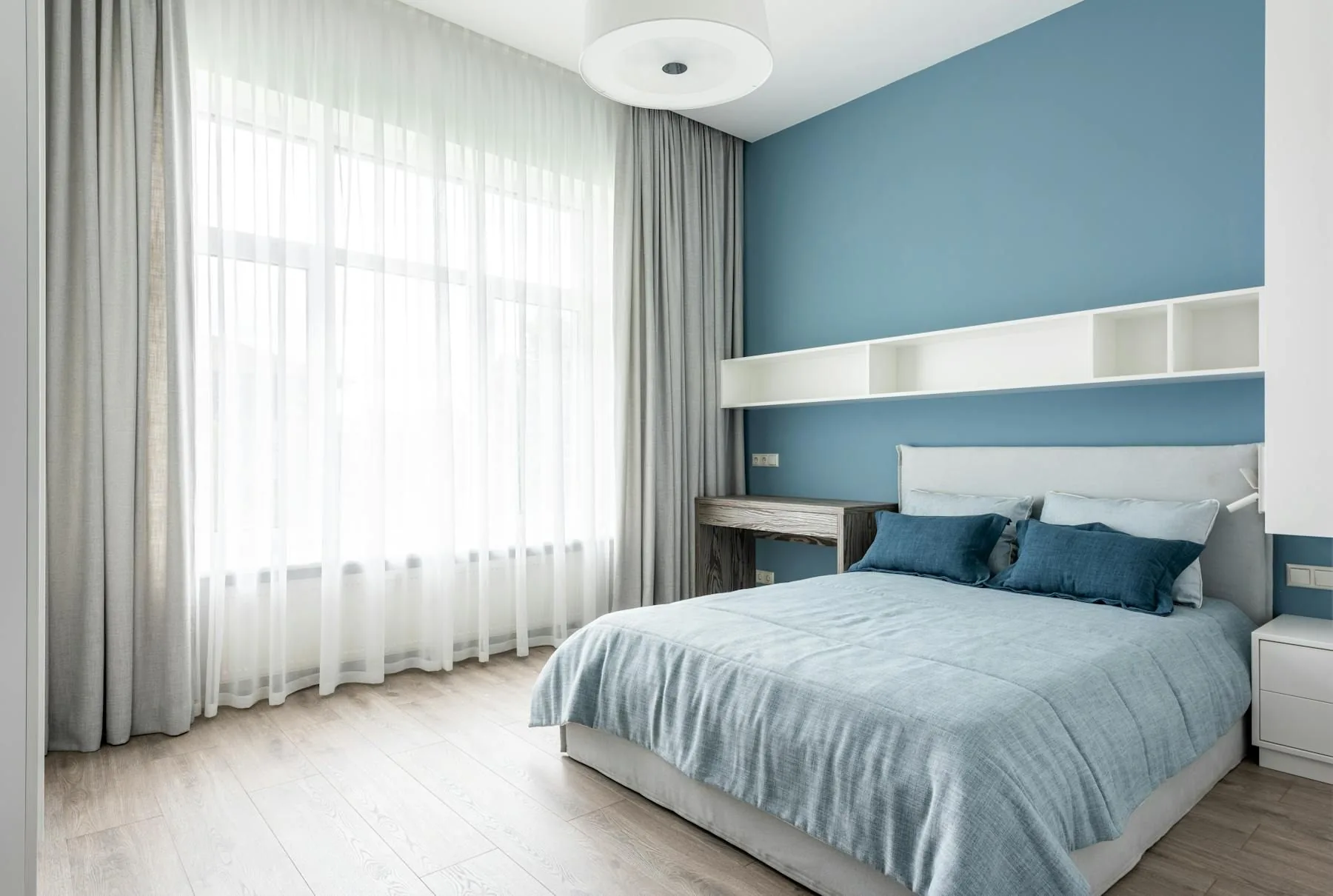
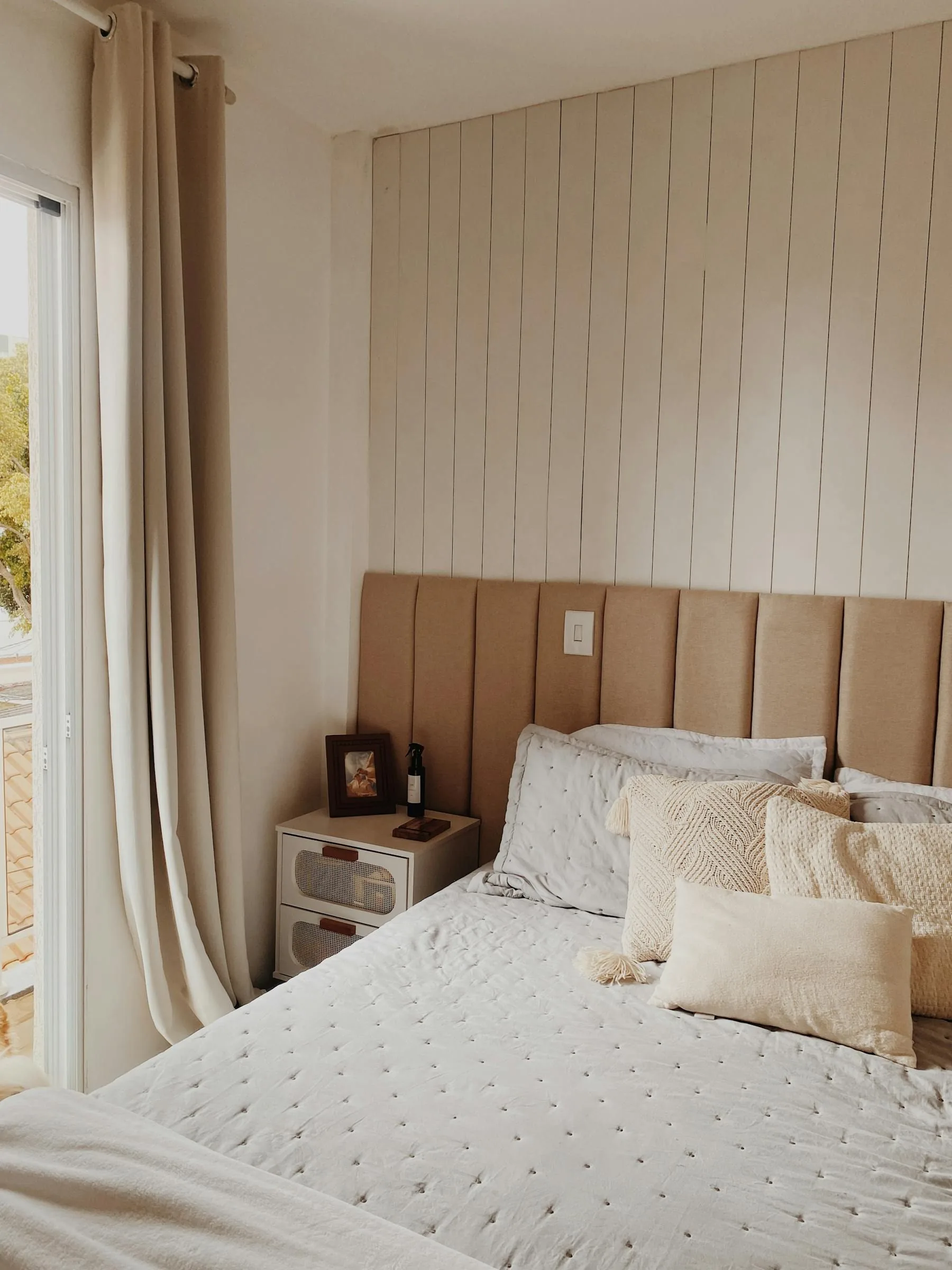
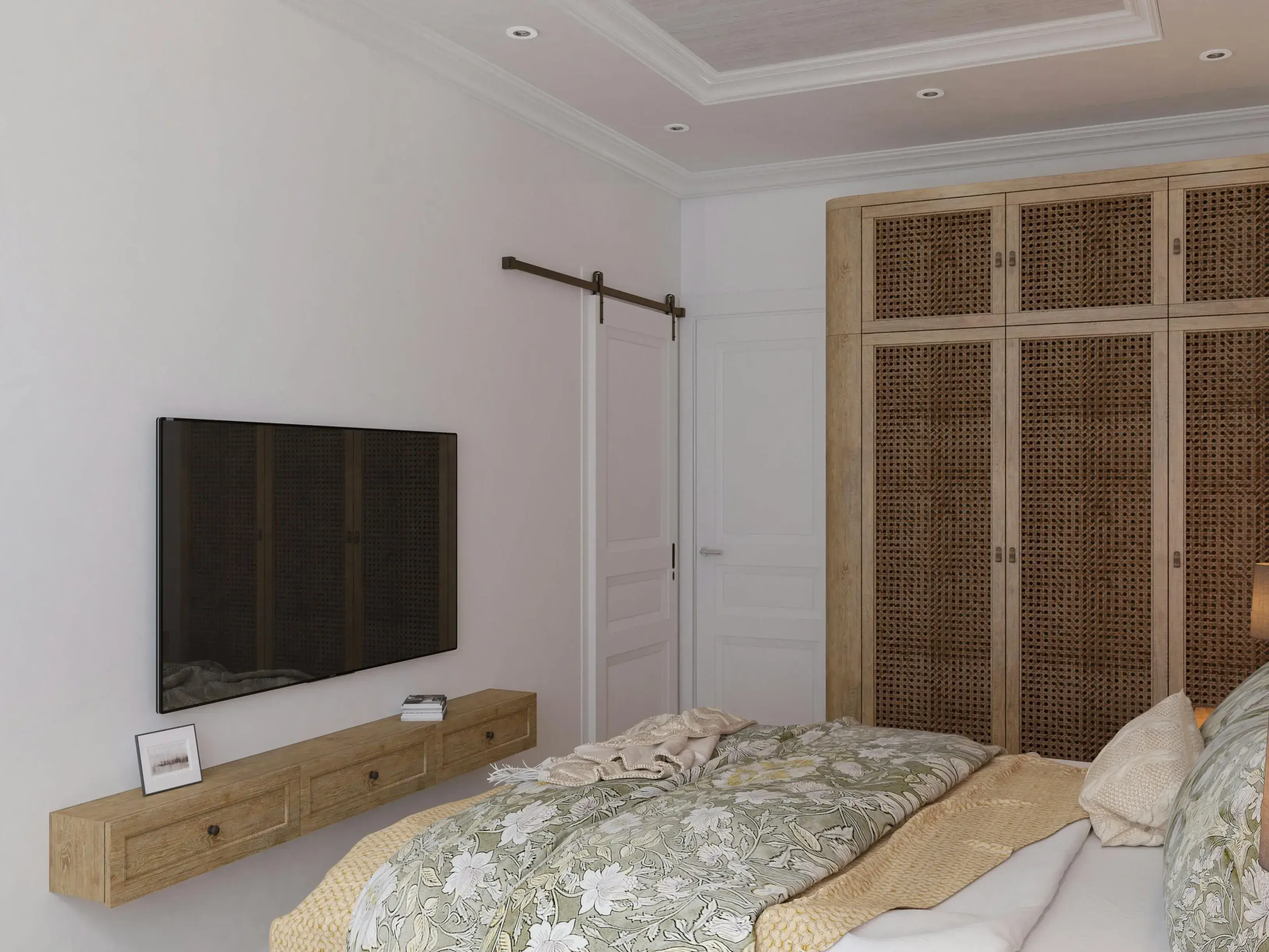
If the room also includes a mirror near the bed zone, it is worth checking feng shui mirror placement for good luck or feng shui mirrors so the reflection does not add more visual activity right where the room should feel quietest.
Frequently Asked Questions
What is the best feng shui bed placement?
Is it bad feng shui for the bed to face the door?
What if my bed has to go under a window?
How do I place a bed in a small bedroom?
The Bottom Line
The best feng shui bed placement ideas protect the bed first, then simplify the rest of the room around it. A solid wall, a visible door, and one clear pathway do more than most decorative fixes.
If the room is awkward, improve the hierarchy instead of chasing a perfect floor plan. A better bed position plus fewer competing pieces can change the room fast.