



Quick Answer
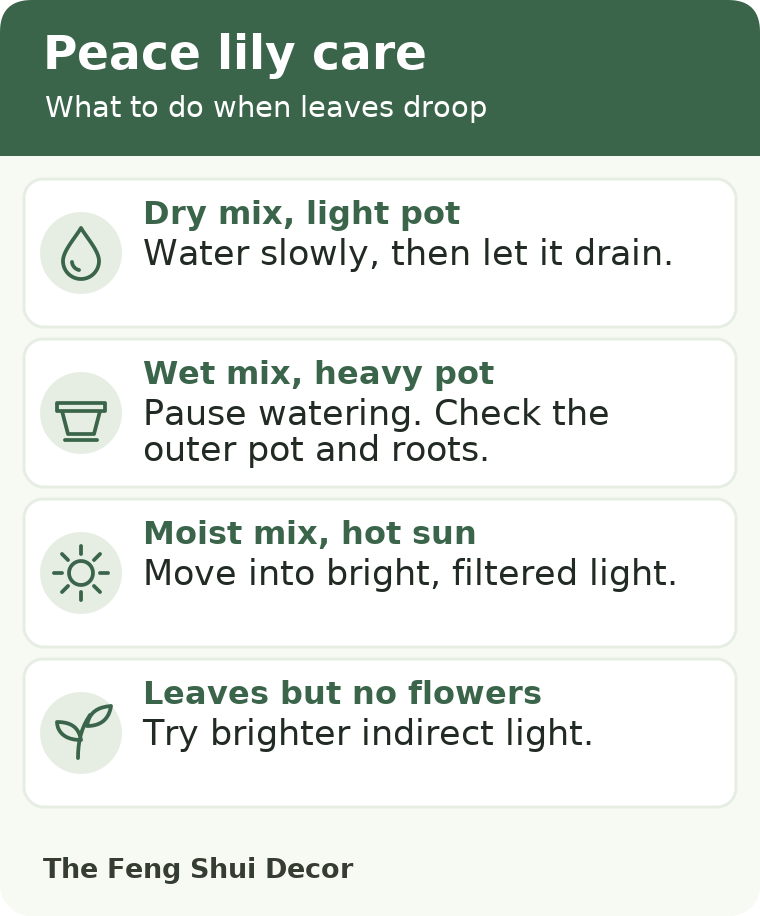
Put a peace lily in bright, indirect light. Water when the upper mix is starting to dry, then let the pot drain. If the leaves droop, feel the mix before watering again. A dry, light pot needs water. Wet mix and a heavy pot call for a drainage and root check.
Choose light for the leaves and the flowers
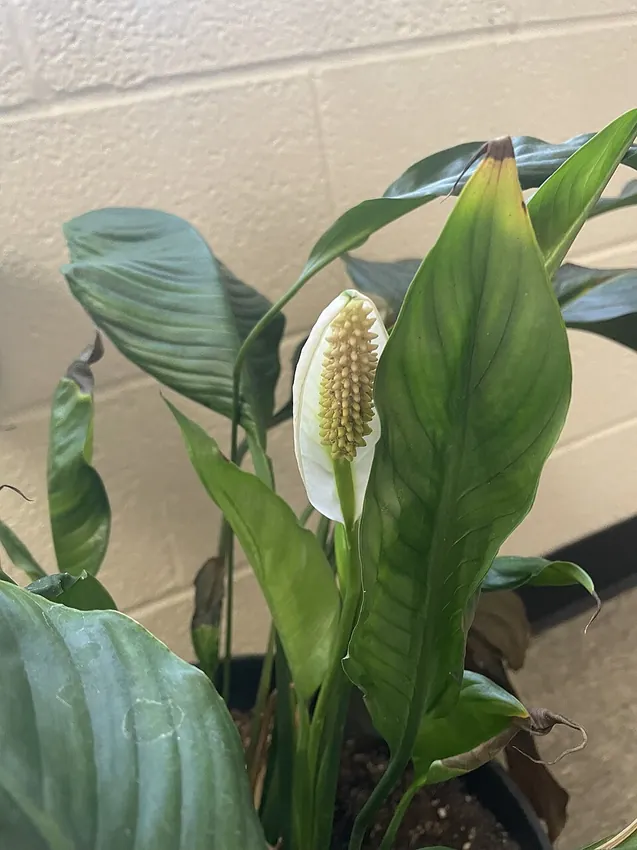
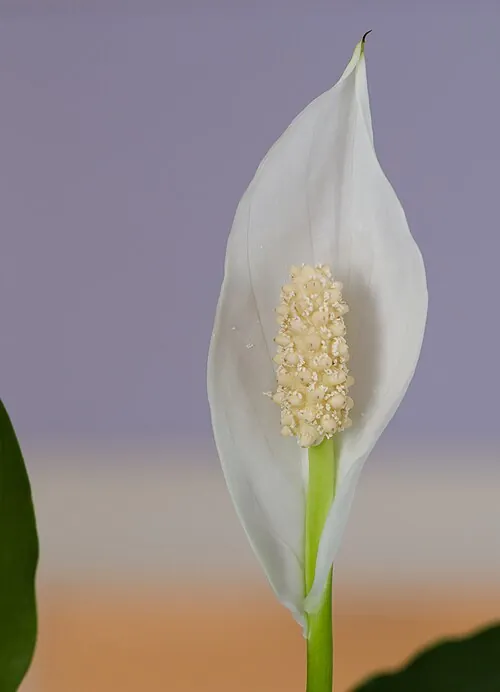
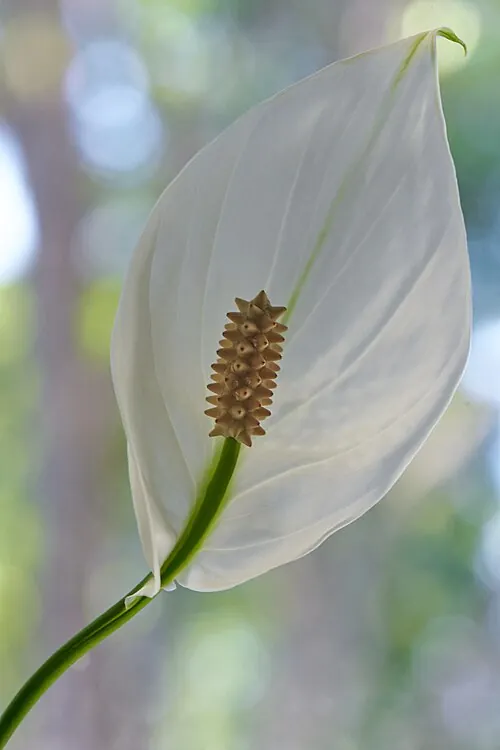
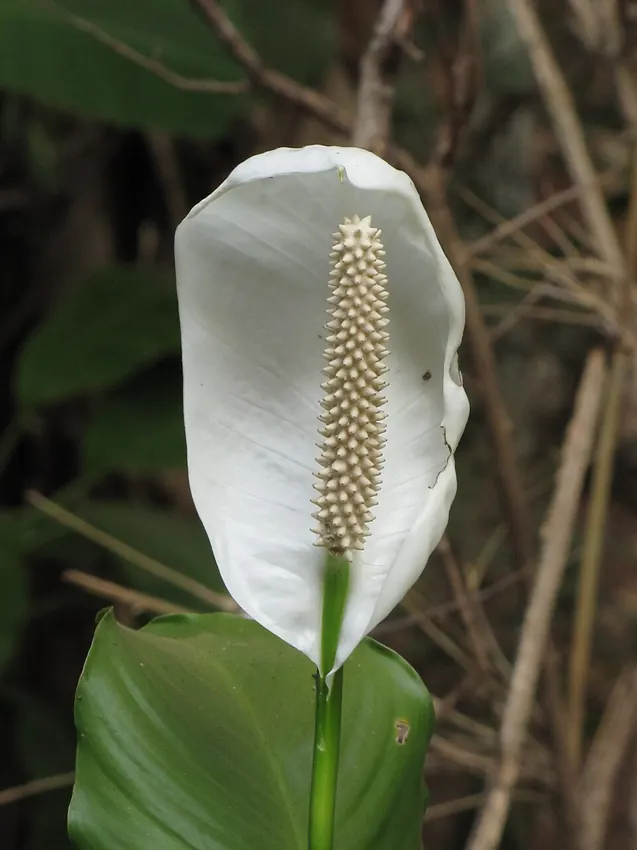
Peace lily is the common name for Spathiphyllum. The white hood is a modified leaf called a spathe. The tiny flowers grow on the spike inside it, the spadix. An older spathe can turn green or brown as it ages. Look at the rest of the plant before treating the color as a care problem.
A bright spot beside a window with filtered light is a good starting point. If hot sun lands on the leaves for hours, move the pot sideways or hang a sheer curtain. A darker spot can keep the foliage alive but may give you few or no blooms. The RHS peace lily guide explains the difference between surviving shade and getting enough light to flower.
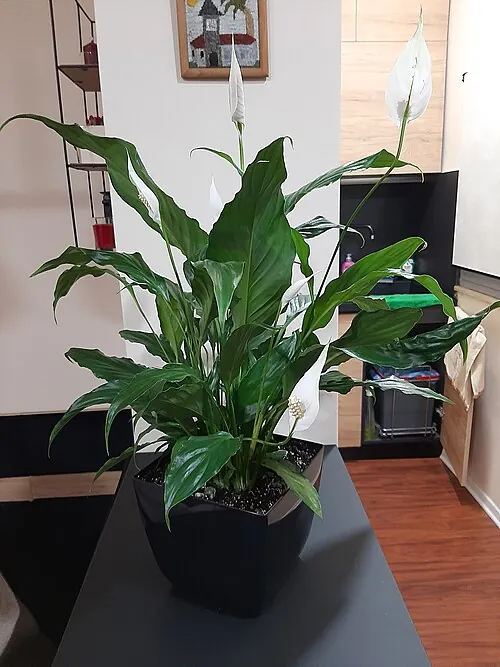
Watch where direct sunlight lands around midday and in the afternoon. Window light can move across the leaves even when the pot stays in the same spot. A bright bathroom can suit the plant if you can get to the pot easily for watering. Our peace lily Feng Shui guide covers placement and room considerations in more detail.
Water the root ball and empty the outer pot
Check the mix below the surface with a finger. When the top begins to dry and the pot feels lighter, take it to the sink. Water slowly until some runs out of the drainage holes. Empty the saucer after the pot finishes dripping. If you grow the peace lily in a plastic nursery pot inside a ceramic one, pull out the inner pot each time.
Check the plant more often during active growth and less often when the room cools or light levels drop. Let soil moisture tell you when to water. You can learn what the pot feels like just after a thorough watering by lifting it, then compare it the next time you check. Clemson Extension’s care guide covers drainage and keeping the mix moist without leaving the plant in standing water.
Check for dry mix, wet roots or heat
What to check first when a peace lily droops
Scroll sideways to compare all columns.
| What you notice | Check next | First action |
|---|---|---|
| Limp leaves, light pot, dry mix | Whether the root ball takes up water | Water slowly, let it drain, then check whether the leaves recover |
| Limp leaves, heavy pot, damp mix | Standing water, poor drainage and soft or dark roots | Hold off on watering and inspect the pot and root ball |
| Drooping during direct sun, mix already moist | Hot glass or a patch of sun on the leaves | Move into bright, filtered light and check again once the plant cools |
If the pot is dry and water runs straight down the sides, water slowly in two passes so the middle has time to moisten. If it stays wet between checks, inspect the roots. Firm roots are a better sign than soft ones that come apart easily. Remove dead roots and repot into fresh, draining mix if the existing mix has soured or collapsed.
Read yellow leaves and brown tips separately
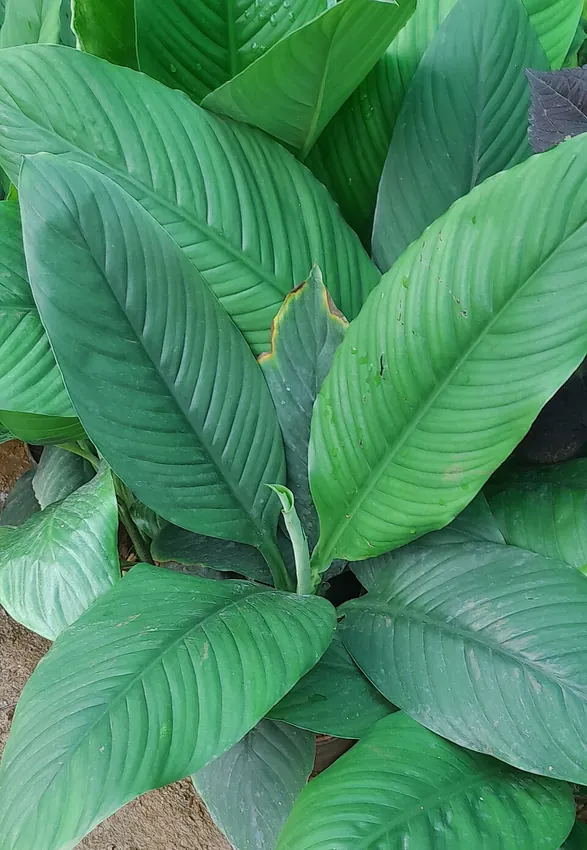
One old leaf yellowing at the base can be routine. Several leaves yellowing while the pot stays heavy is a reason to check drainage. A scorched patch on the side facing the window suggests that direct sun has been hitting the leaf. Check what changed before adding fertilizer.
Dry brown tips can show up after repeated dry spells or when fertilizer salts accumulate. If the pot dries normally but the plant sits next to a heating vent, try a spot with similar light and less dry airflow. If a white crust has formed on the mix or rim, look at how often you feed and whether excess water can drain through the pot. Correct the likely cause and judge by the next leaves. The old brown tissue will stay brown. Clean shears can remove a browned tip or a fully yellow leaf. Wear gloves when pruning because the sap can irritate skin.
Help a healthy peace lily flower again
If the plant is making leaves but no spathes, start with light. Move it closer to a bright window without putting it in hot direct sun. Give the plant time to establish after buying or repotting it. Once growth resumes in a good spot, feed lightly during active growth according to the label. Check the light before adding a bloom booster.
If you want more plants that flower in the light you already have, compare our indoor flowering plants. For a peace lily with spent spathes, snip the old flower stalk near its base. Keep healthy green leaves in place.
Repot when the roots or mix need it
Look for a root ball that has filled the pot, dries much faster than it used to, or is sitting in compacted mix. Move it up one pot size and keep the crown at the same depth. Use a pot with holes and an airy houseplant mix that holds some moisture. A large jump in pot size can leave wet mix around a small root ball.
If the plant has separate crowns, you can divide it while repotting. Each division needs its own roots and leaves. If you just want to keep one full plant, leave the crowns together.


Keep peace lilies away from pets that chew
The ASPCA lists peace lily as toxic to cats and dogs because it contains insoluble calcium oxalates. If a pet chews it, contact a veterinarian. For a home where you cannot reliably keep the leaves out of reach, choose from our guide to cat-safe houseplants.