



Quick Answer
Put a peace lily where it receives useful indirect light, can be watered and drained without difficulty, and stays out of reach of pets that may chew it. A bright bathroom can work, but humidity does not compensate for a windowless room with no meaningful plant light. Once the plant's needs are met, you can use Feng Shui associations such as living Wood energy, soft leaf shapes and renewal as an optional layer.
Peace lily is a common name for Spathiphyllum, a genus in the Araceae family. Despite the name, it is not a true lily. That distinction matters because the plant's care and toxicity are often described inaccurately when generic "lily" advice is copied onto it.
A good Feng Shui placement starts by keeping the plant healthy. If a position is too dark, waterlogged or unsafe for the household, it is not improved by being in a lucky corner.
Identify the Plant Before Using Placement Advice
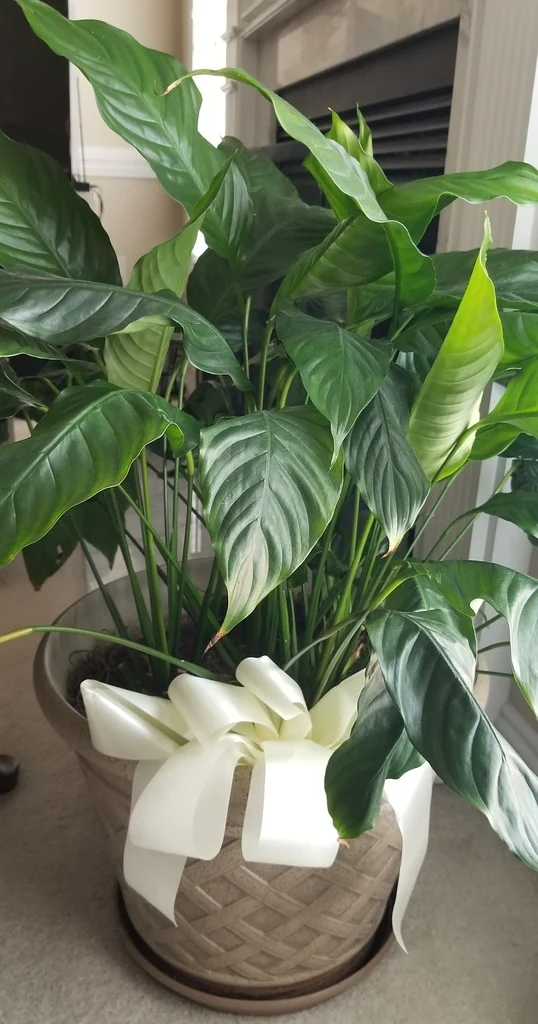
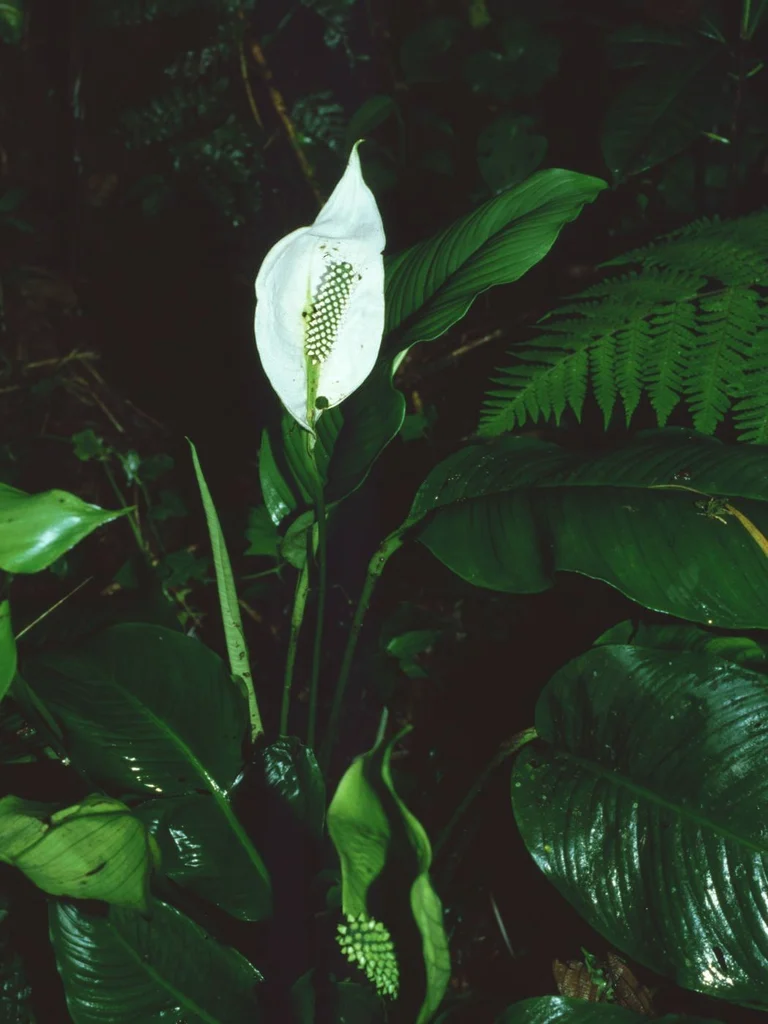
Peace lilies usually have glossy green leaves and a white or pale spathe surrounding the flower structure. Cultivars vary considerably in size. This matters for placement because a compact plant can sit on a side table while a mature large cultivar can become a substantial floor plant.
Do not choose a permanent corner based only on the size of the plant when you buy it. The plant is an aroid, related to other familiar houseplants in Araceae. North Carolina Extension describes a typical indoor spread of about three feet, while compact and much larger cultivars are available. Check the cultivar label before choosing a desk pot or floor position.
Start With Light, Not the Wealth Corner
Choose bright indirect light rather than harsh direct sun. A window filtered by a sheer curtain or a position outside the direct sun patch can work; the right distance depends on the window, season and shading. Watch the actual leaf exposure rather than assigning a universal distance from the glass.
That makes these positions generally easier to test:
- near a bright window but outside strong direct rays,
- a living-room corner with useful ambient daylight,
- a bathroom with a real window or suitable plant light,
- an office where the plant is not buried far from the window.
A dark decorative shelf several rooms away from daylight is a weaker choice even if a Feng Shui map labels the area favorable.
Bright Bathroom, Shaded Living Room or Dark Shelf?
A bright bathroom can work if the window or plant light supports growth and the pot is easy to drain. Humidity varies with room use and ventilation, so it is not a substitute for light. Inspect the shelf with the bathroom door in its normal position: daylight in the room beyond an often-closed door does not reliably reach the leaves.
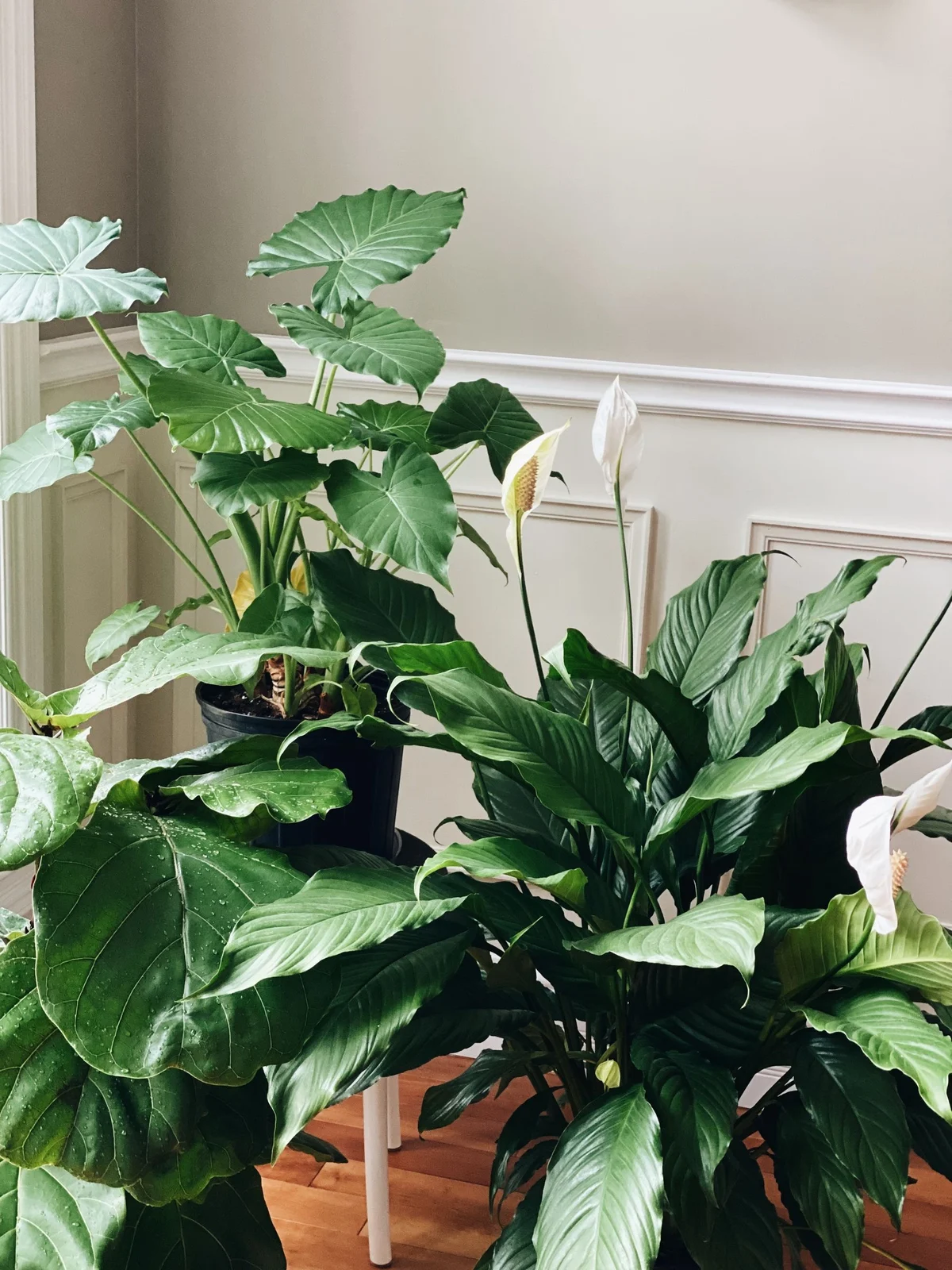
A shaded living-room corner can be easier to maintain when it still receives useful indirect light. Because you see the plant often, you are more likely to notice drooping or yellowing early. Leave room to remove the inner pot from its cover and inspect the drainage rather than hiding it behind a sofa.
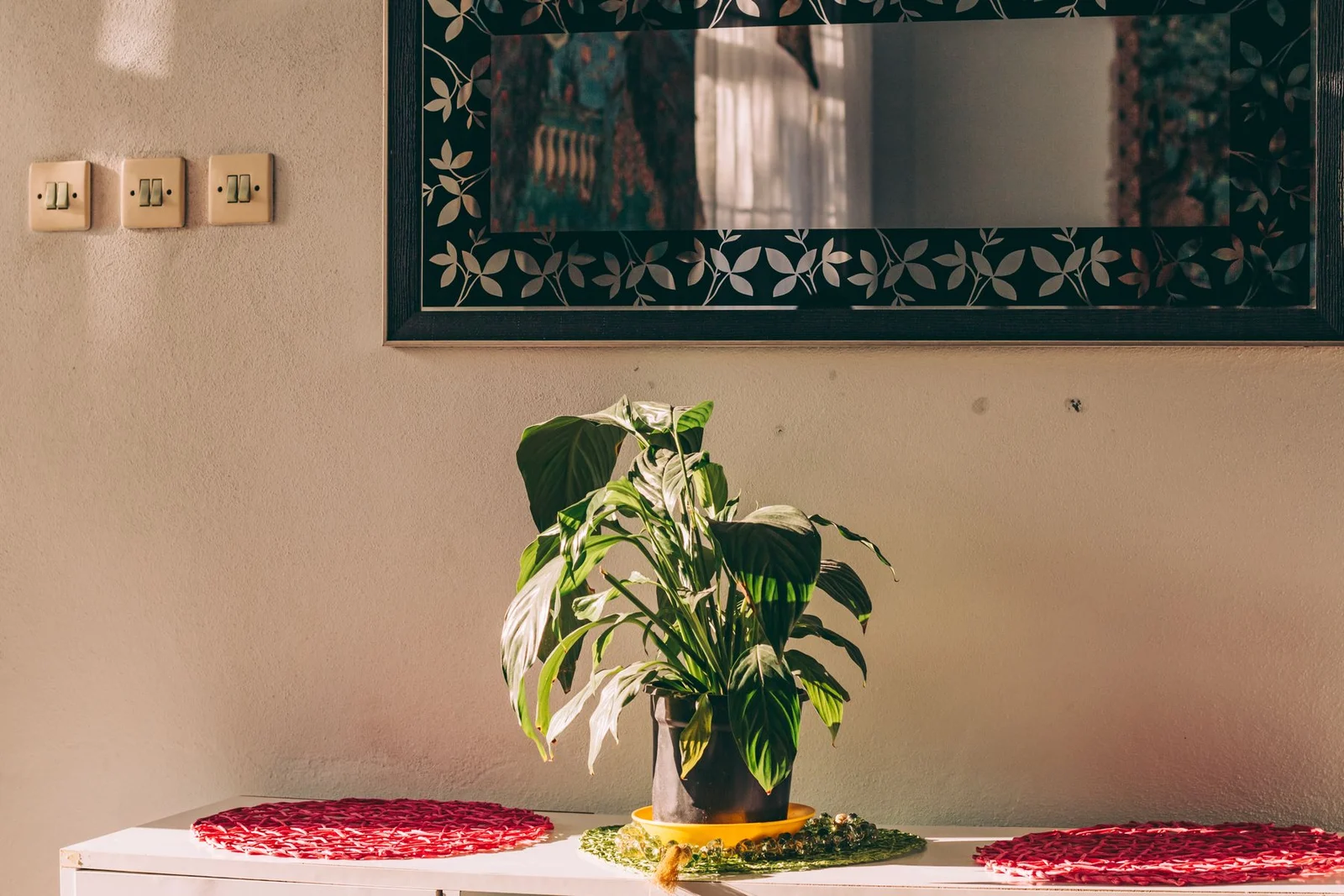
A dark shelf needs a different plan. "Low light" does not mean no light. Move the plant or provide suitable supplemental lighting if the position cannot support sustained growth. An occasional room lamp and humid air do not make a dark shelf a dependable plant location.
For comparing multiple species in a bathroom, use Bathroom plants for Feng Shui. For a room with no window, use the windowless-room plant guide to plan supplemental lighting before adding a live plant.
Water for the Plant, Not the Calendar
Peace lilies prefer moisture but should not sit in soggy soil or standing water. A fixed schedule such as "every Tuesday" can fail because water use changes with light, temperature, pot size, potting mix, plant size and season. A small pot near a bright window may dry differently from a large pot in a shaded corner.
Check the surface of the potting mix and the pot’s weight. When the surface has begun to dry, water thoroughly and let excess drain before returning the pot to its cover. Keep the mix moist rather than persistently soggy. If the leaves droop while the soil is still wet, do not automatically add more water; inspect drainage and roots.
Drooping is a prompt to check conditions, not a diagnosis. Feel the mix and inspect the cover pot before watering. Also watch whether the leaves sit in a strong sun patch or a cold draft. North Carolina Extension advises against direct sun and notes that cold conditions slow growth or damage the plant. Move a stressed plant out of unsuitable exposure rather than treating every wilt as thirst.
Pet and Child Safety Is Part of Placement
The ASPCA’s peace lily record lists Spathiphyllum as toxic to cats and dogs because it contains insoluble calcium oxalates. Chewing can cause oral irritation, drooling, vomiting and difficulty swallowing. That does not mean every home must avoid the plant. It means placement should account for the actual animals and children in the household.
If a cat routinely explores high shelves, simply putting the pot "up high" may not be enough. Choose a genuinely inaccessible location or a different plant. If ingestion is suspected, contact a veterinarian or animal poison service. Keep the pot away from children likely to mouth leaves, too.
Use Living Growth as the Feng Shui Symbol
Peace lilies are often associated online with peace, purification, prosperity and calm. These meanings vary by practitioner and are often modern interpretations rather than one universally fixed classical rule. Use the plant's visible qualities when deciding what it brings to the room:
- it is a living plant, so it can represent growth and Wood qualities,
- its broad foliage can visually soften a hard corner,
- white spathes can support a calm palette,
- and healthy growth is more coherent with the symbolism than a struggling plant in the "right" direction.
If you use the Five Feng Shui Elements, treat the plant as one part of the whole room rather than a guaranteed cure. In compass-based bagua interpretation, east and southeast are associated with Wood, which makes a healthy plant a coherent symbol there. The entrance-aligned map locates its areas differently. Use our bagua guide if you want that additional layer, and move the plant to a better-lit position if the mapped corner cannot support it.
Bedroom, Living Room and Office
Bedroom: Use a peace lily only if the plant has enough light and the room has space for the mature foliage. Keep soil, water and leaves out of the direct bed route.
Living room: A bright side position near a window can work well because the plant is visible and easy to maintain. Avoid placing it where people repeatedly brush against the leaves.
Office: The plant can soften equipment-heavy spaces, but do not put it on a dark shelf just because the desk is in a favorable Bagua sector. Light still controls the plant's performance.
For a small office, test a floor position beside the window rather than squeezing the pot behind the monitor. Pull the chair out, open nearby storage and check that neither brushes the leaves. If there is only desk space, choose a compact cultivar and leave the keyboard and paperwork area usable. The best-looking position is not necessarily the one that supports daily work and watering.
Do Not Use a Peace Lily as an Air-Purifier Appliance
You may see the plant promoted as an indoor air purifier based on sealed-chamber research. Iowa State University Extension explains why ordinary numbers of houseplants have little effect on indoor air quality in real homes and offices.
Grow a peace lily because you like the plant and can care for it, not because you expect one pot to replace ventilation or air-quality controls.