



Quick Answer
Start with a ZZ plant or snake plant if you forget to water. For a bright sill, try a ponytail palm or haworthia. If you like to check on your plants most weekends, a spider plant or baby rubber plant gives you a little more to do without a fussy routine.
Choose a plant for the way you water
Think about the last plant you lost. If the pot sat wet for days, look at drainage and light before you buy another. If you kept forgetting to water it, pick one that stores water in its leaves, roots or stem. The University of Minnesota’s indoor lighting guide can help you judge what your spot can support. For a room with soft daylight, compare the best low-light indoor plants before choosing a succulent. If you are just getting started, the guide to choosing indoor plants covers where to put them and how much room to leave.
Easy houseplants by the care they need
Scroll sideways to compare all columns.
| Your routine | Start with | What to check |
|---|---|---|
| You forget to water | ZZ plant or snake plant | Wait for the mix to dry through, then let the pot drain. |
| You have a bright sill and travel often | Ponytail palm or haworthia | Use a fast-draining mix and ease the plant into stronger sun. |
| You check pots most weekends | Spider plant or baby rubber plant | Check the soil each time and water only when it is ready. |
| You want a trailing plant | Golden pothos or wax plant | Give pothos moderate indirect light and wax plant a brighter spot. |
| You have a cat that chews leaves | Cast iron plant or baby rubber plant | Confirm the botanical name in the cat-safe guide before you buy. |
Plants that can wait for water
1. ZZ plant
Zamioculcas zamiifolia
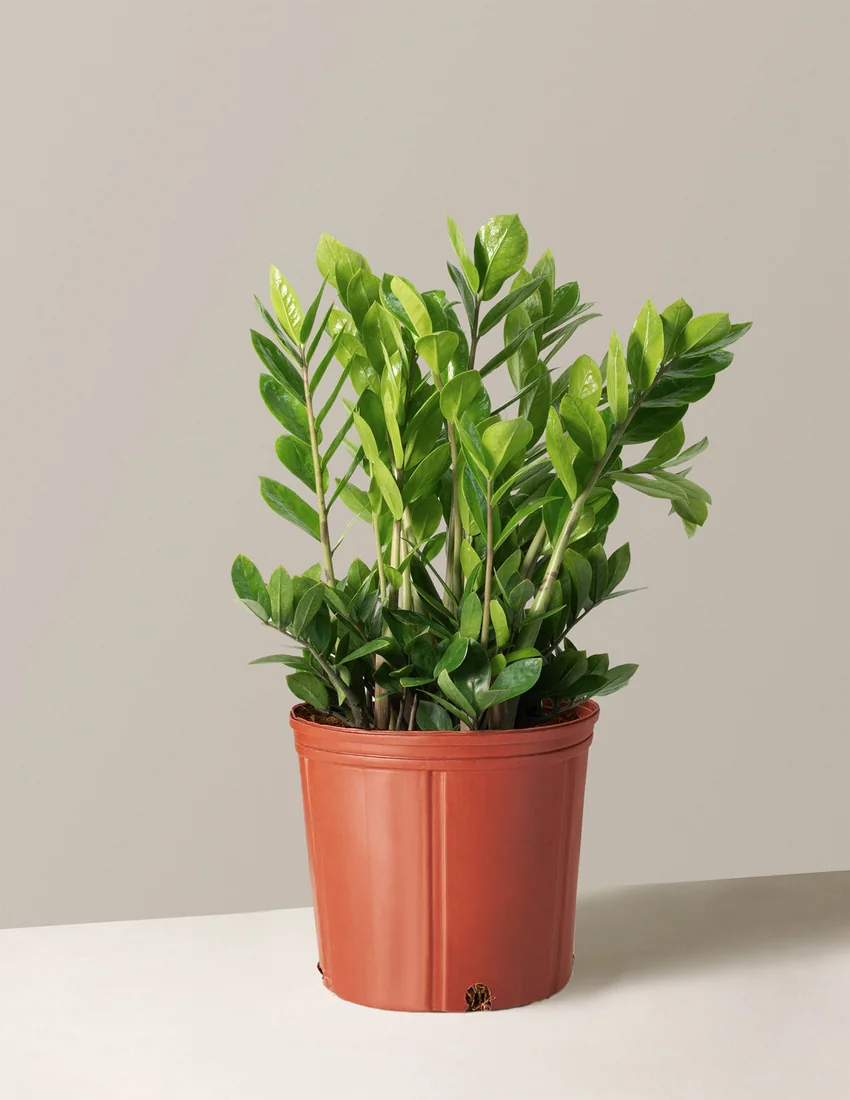
The thick underground rhizomes store water, which gives you some breathing room when life gets busy. Put it in indirect light and wait until the mix has dried all the way through. In a cooler, dimmer room, check the bottom of the pot before watering again. A dry surface can hide a damp root ball.
2. Snake plant
Dracaena trifasciata
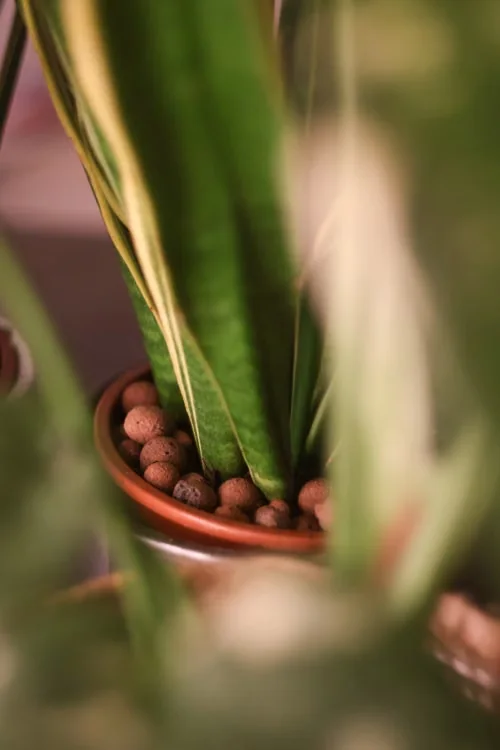
Choose it for an upright shape that fits beside a cabinet without a wide canopy. Let the mix dry through between drinks and pour away the runoff. For a tight ledge, look for a compact cultivar and check the snake plant placement guide for pot clearance and pet access.
3. Ponytail palm
Beaucarnea recurvata
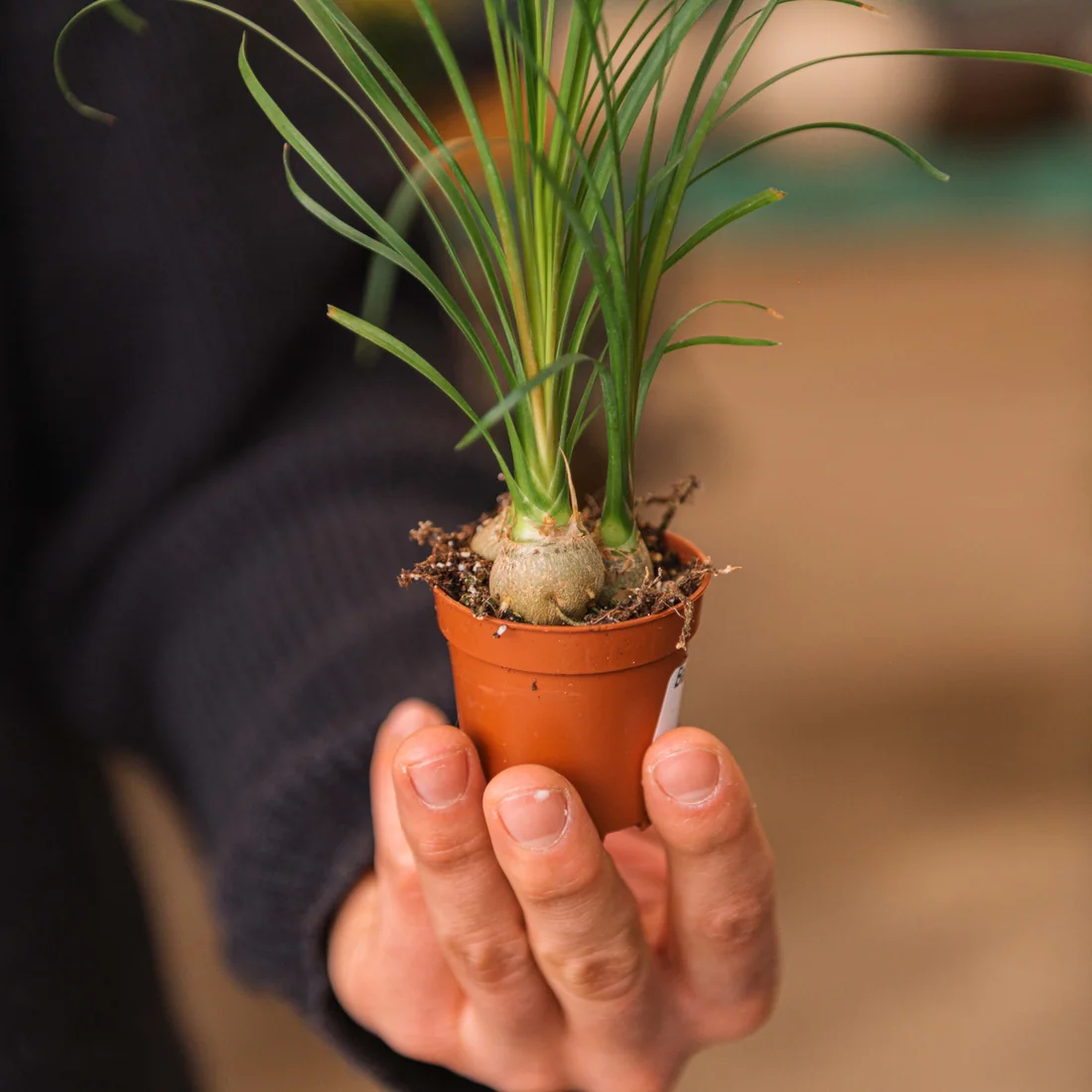
Its swollen base holds water. Give it the brighter window you would otherwise reserve for a succulent, then wait for the mix to dry thoroughly. Leave room for the long, curling leaves. A short nursery pot can still need a fairly wide landing spot.
4. Cooper’s haworthia
Haworthia cooperi
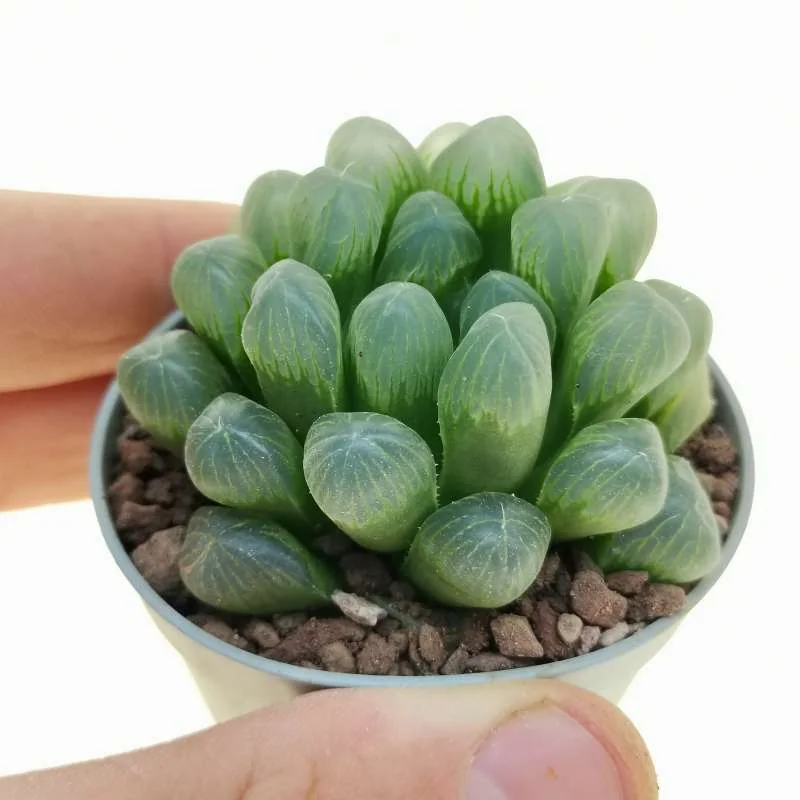
A small rosette suits a bright shelf where a trailing stem would get in the way. Use a small pot with drainage and a gritty mix. Let the mix dry before watering again. Introduce direct sun gradually, especially if the plant came from a shaded shop display.
5. Echeveria
Echeveria spp.
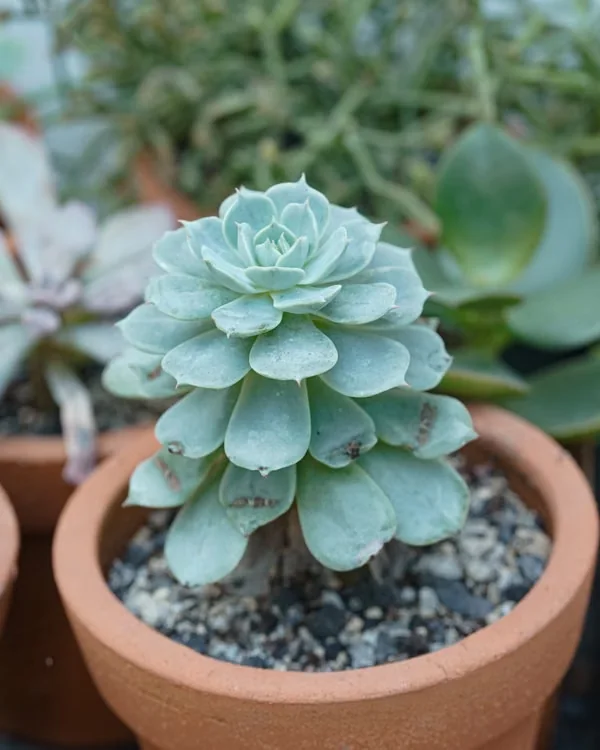
This rosette earns its place on your brightest sill. Water the mix thoroughly after it dries, and let excess water drain. If the new leaves grow farther apart and the rosette opens up, move it gradually into stronger light. Adding water will do little for a stretched plant.
Plants for a quick soil check
6. Baby rubber plant
Peperomia obtusifolia
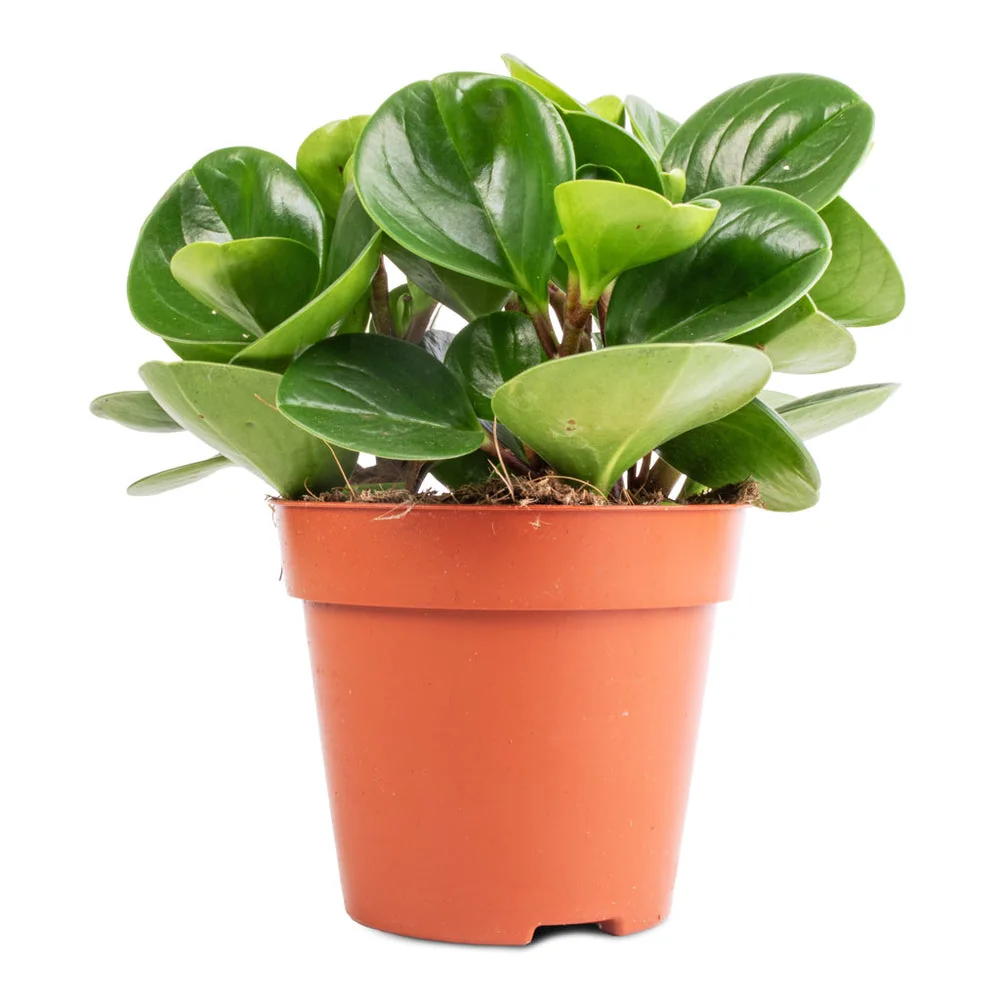
Its fleshy leaves handle a short dry spell, and its rounded shape works on a side table. In bright indirect light, let the upper mix dry before watering. Buy it by botanical name. The similarly named Ficus rubber plant grows much larger.
7. Spider plant
Chlorophytum comosum
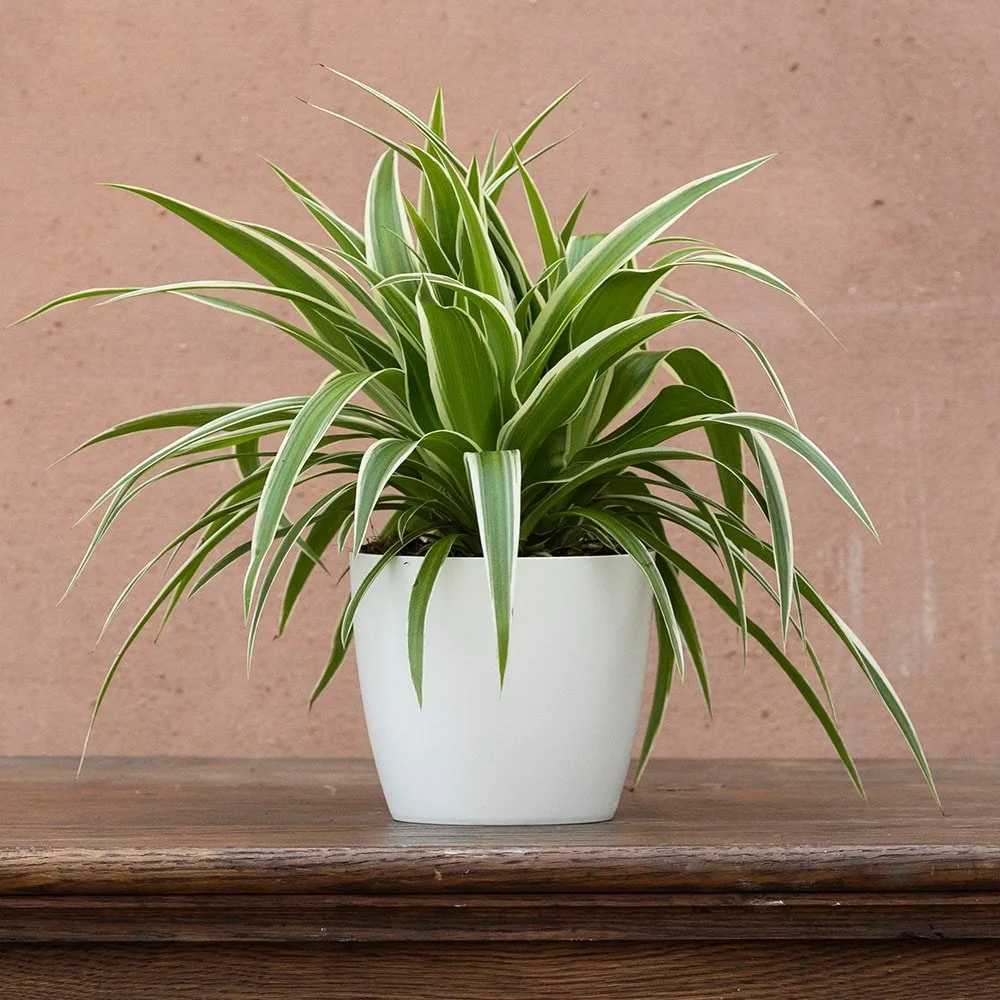
Give it indirect light and space for the arching leaves. When the top of the mix dries, water through and empty the saucer. If the plant sends out runners, leave room for the little plantlets or trim the runners for a tidier shelf.
8. Cast iron plant
Aspidistra elatior
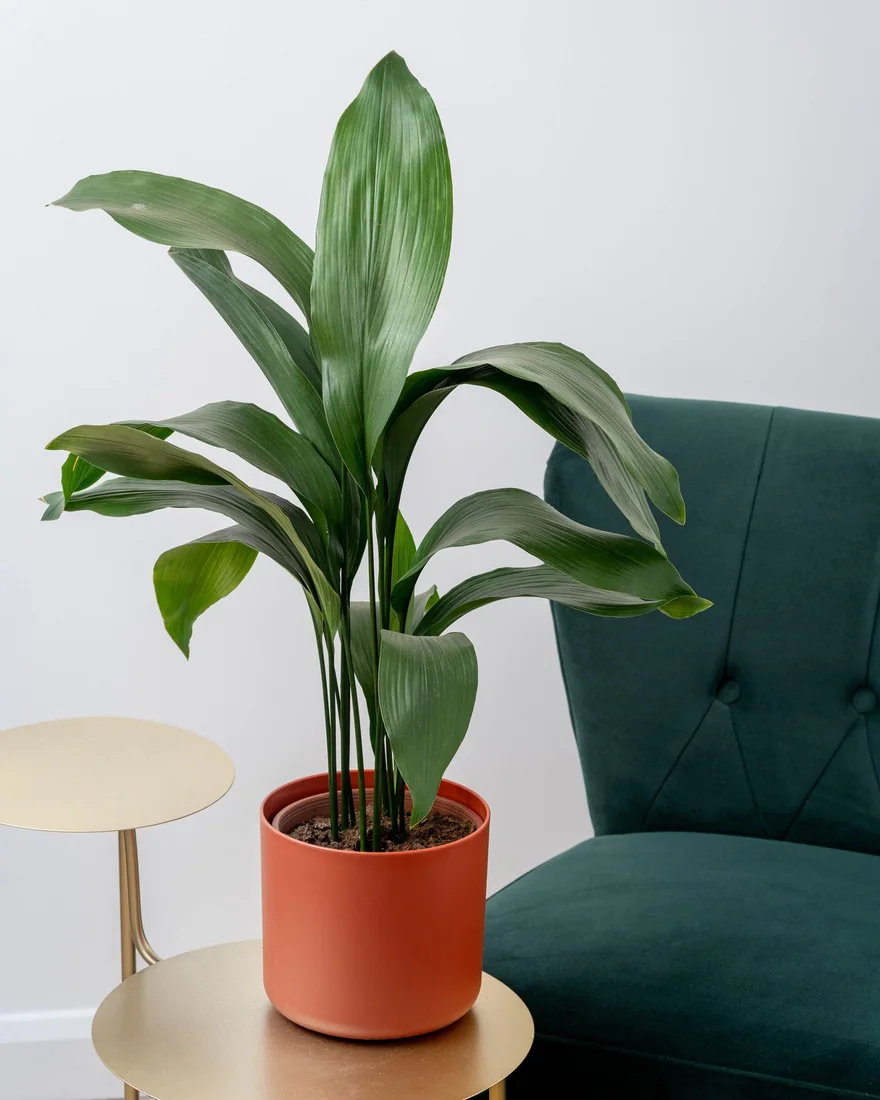
Choose this slow-growing plant for a quieter spot that still gets daylight. Let the upper mix dry before watering, and expect fewer drinks in winter. It is a good choice if you want broad leaves and have room for a clump to spread slowly.
9. Parlor palm
Chamaedorea elegans
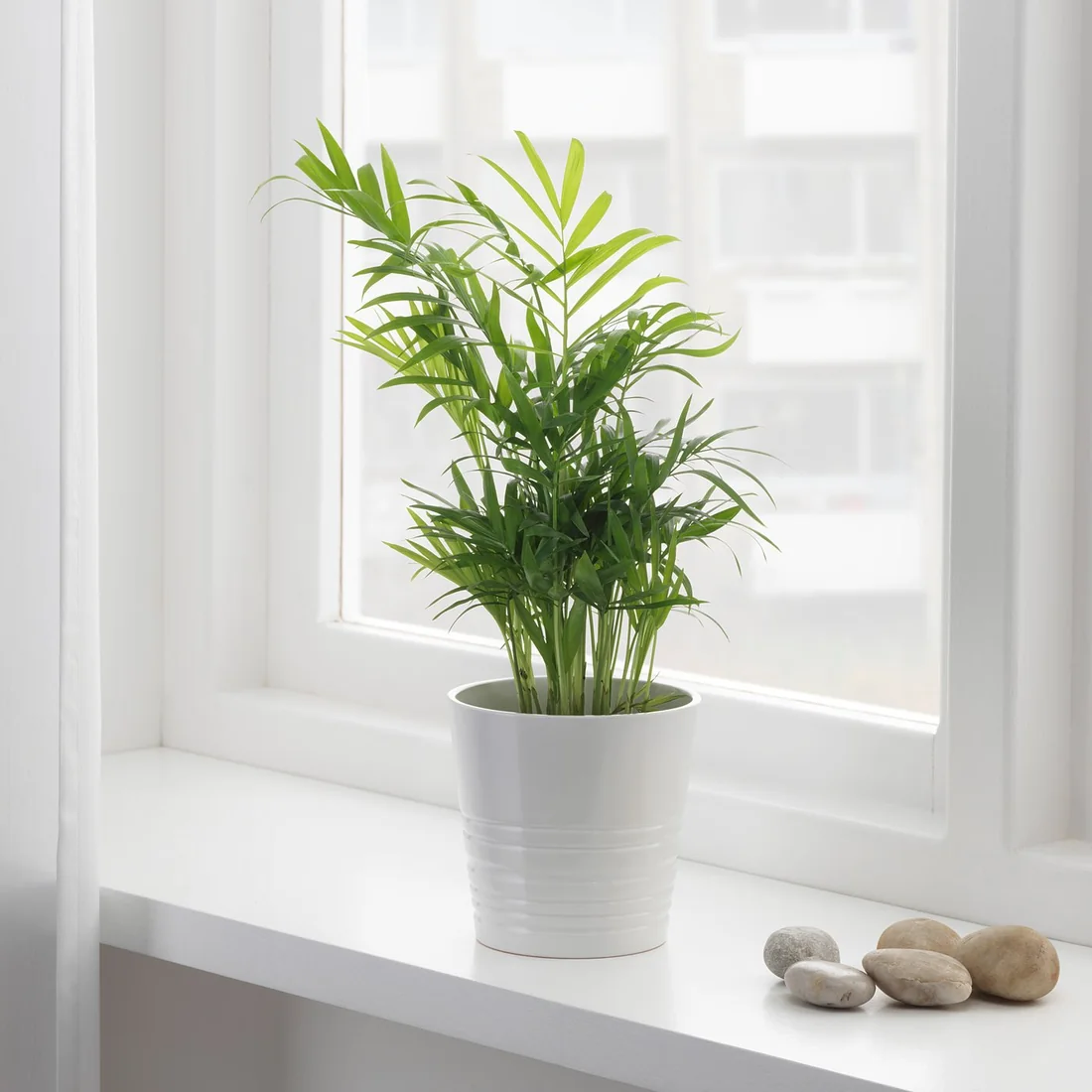
The soft fronds fit a side table or a low stand near gentle daylight. Check the upper layer of mix before watering and let the pot drain. Keep the palm away from heating vents. Trim fully brown fronds and leave green ones in place.
10. Chinese money plant
Pilea peperomioides
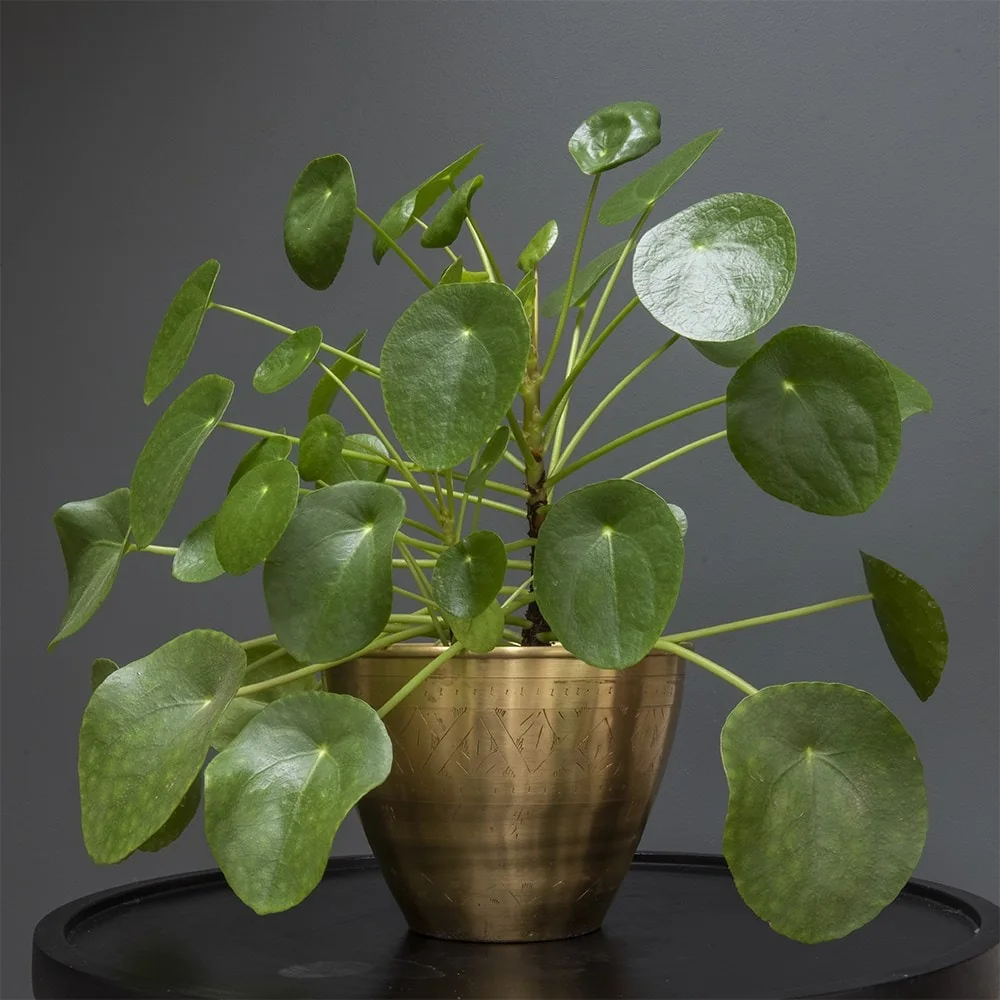
Pick it for round leaves on a bright table. Check the top of the mix before watering and turn the pot a little when growth starts to lean toward the window. Leave space around the rim for its canopy and the offsets it can produce.
Plants that trail or fill a bigger spot
11. Golden pothos
Epipremnum aureum
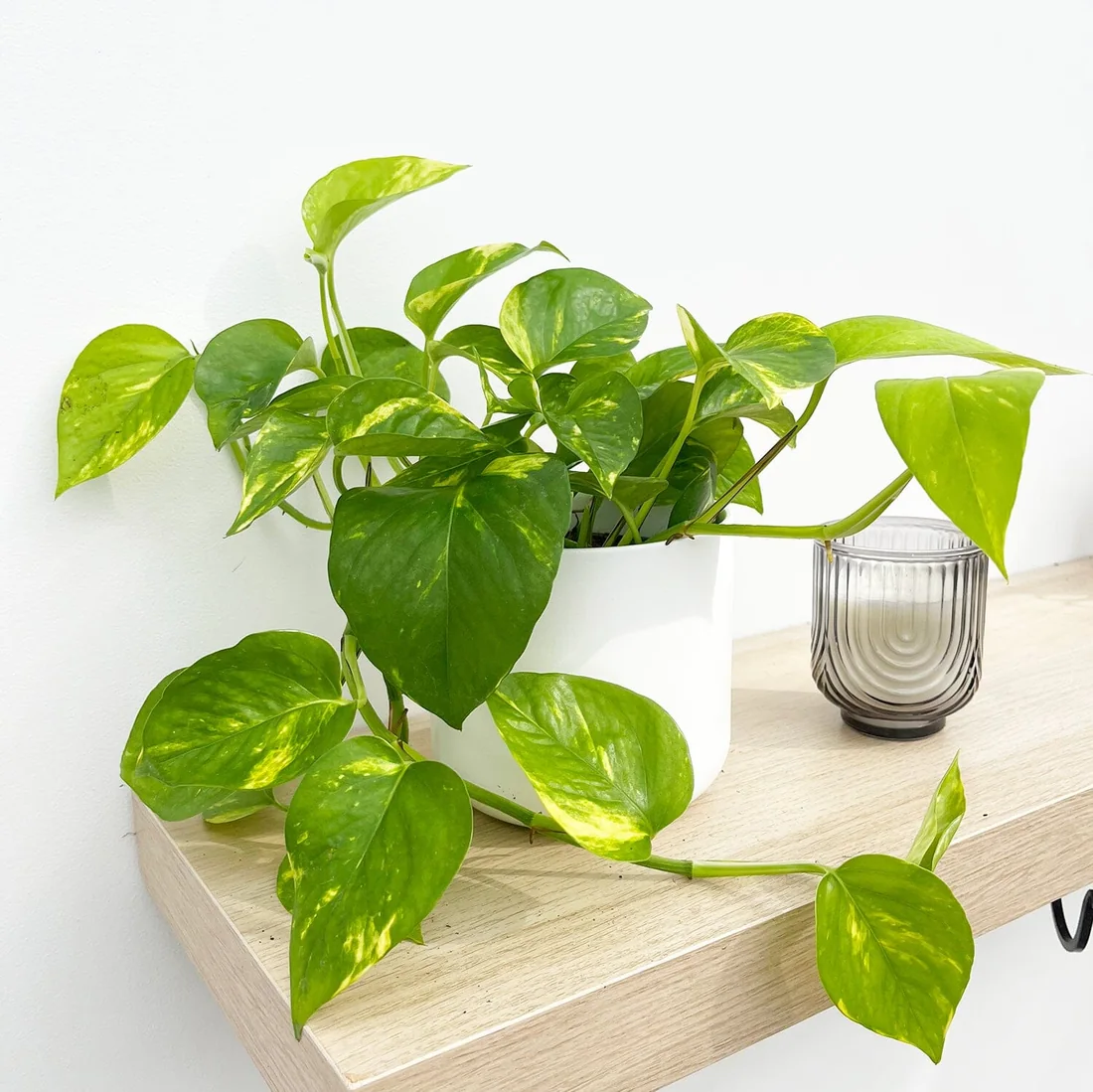
Let a few stems trail from a bright shelf and trim them before they reach the furniture below. Water once the upper mix dries. Sparse growth and long gaps between new leaves call for a brighter spot. For cats that can reach the vines, choose a verified non-toxic alternative.
12. Heartleaf philodendron
Philodendron hederaceum
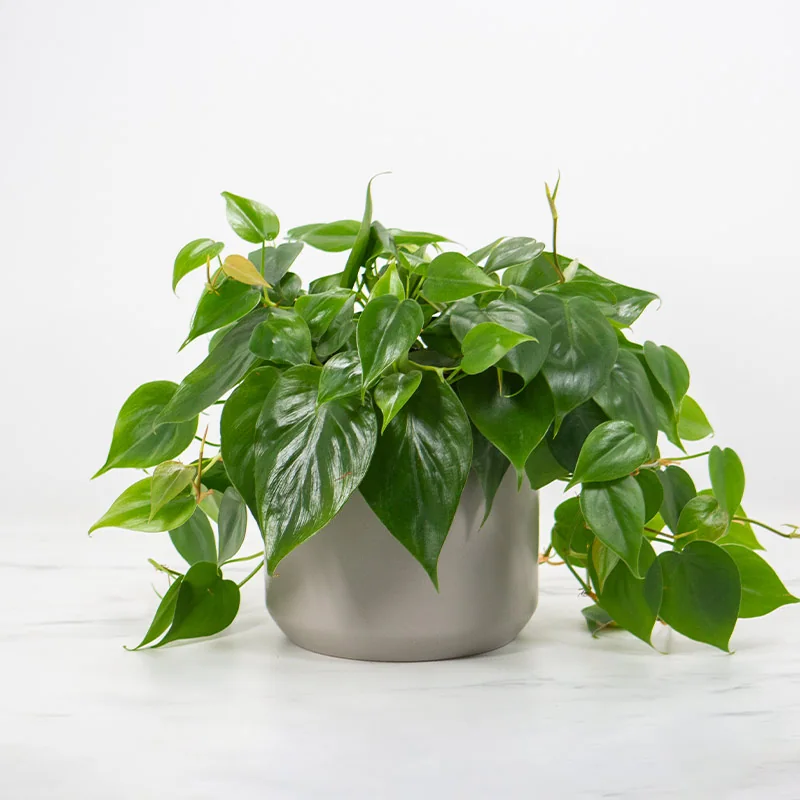
Its flexible stems can spill over a shelf or climb a small support. Give it indirect light and let the top of the mix dry between waterings. Pinch or trim long stems if you want to keep the canopy closer to the pot.
13. Wax plant
Hoya carnosa
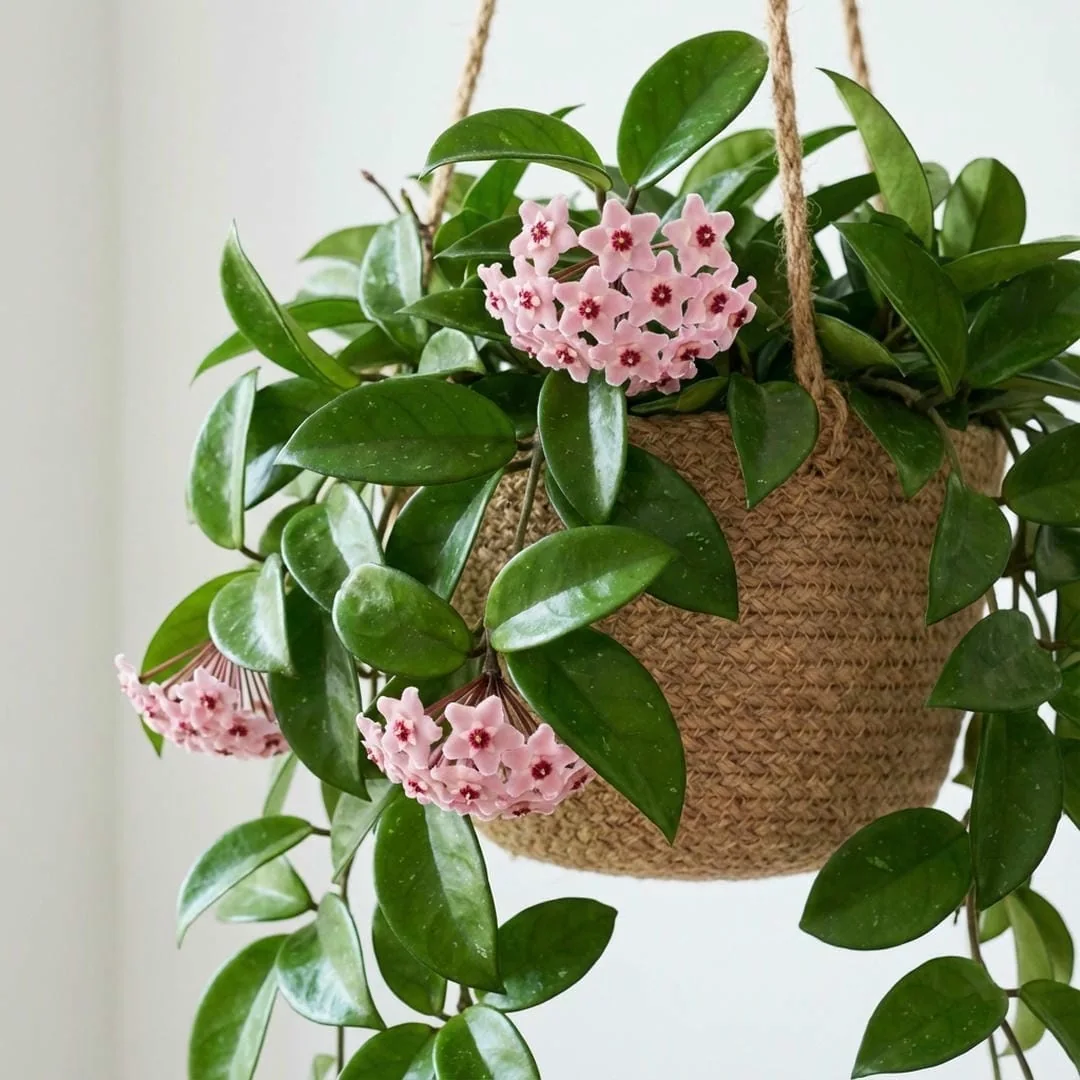
The thick leaves suit a bright room and tolerate a short dry spell. Use a loose mix, let it partly dry, and let the pot drain after watering. If you want flowers, give it strong filtered light and leave the old flower spurs in place.
14. Rubber plant
Ficus elastica
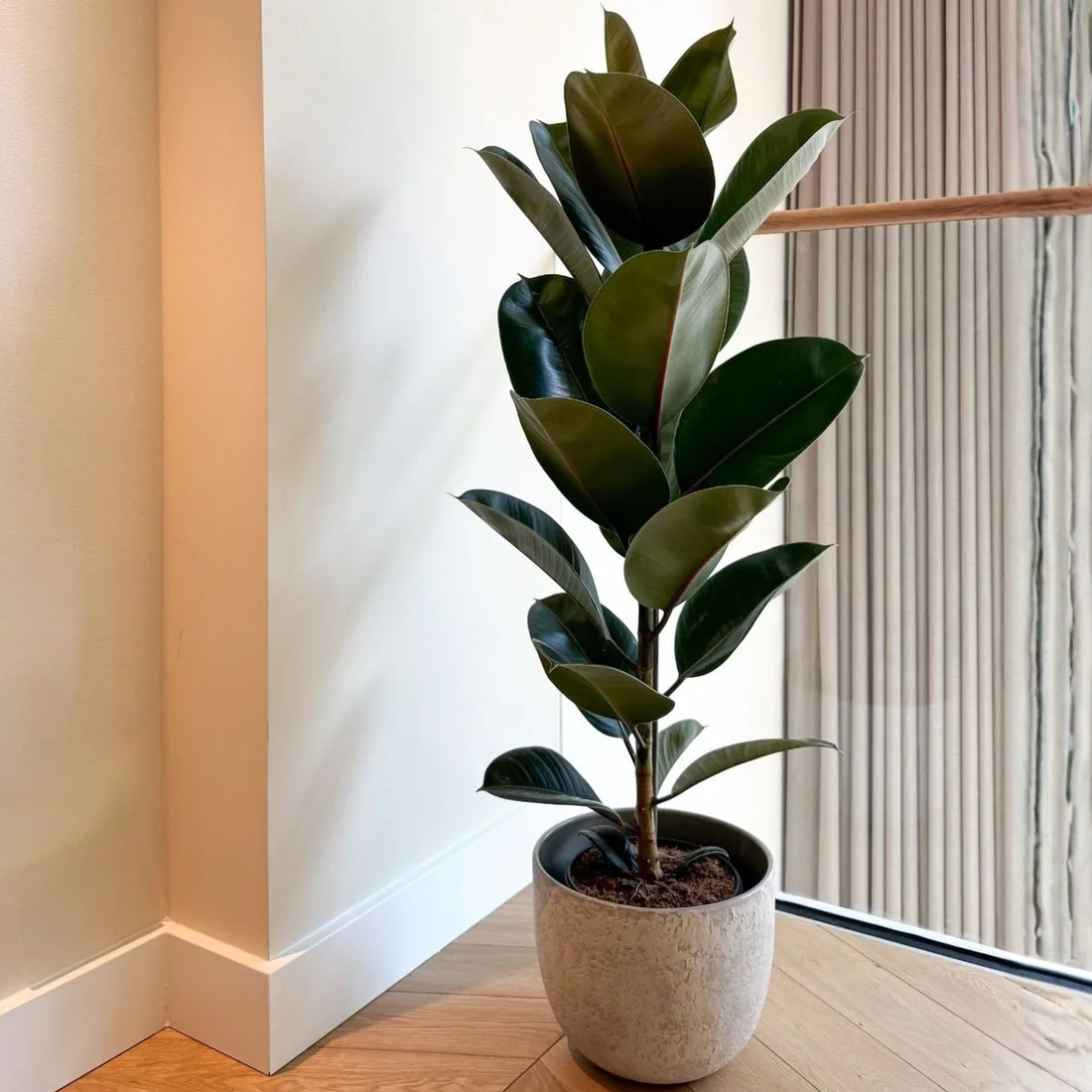
Choose this one if you have a bright corner and want leaves with more visual weight. Wait for the upper mix to dry, then water thoroughly. Wipe dusty leaves with a damp cloth and leave room for new growth. Compare tall easy-care plants if you need a floor specimen.
15. Corn plant
Dracaena fragrans
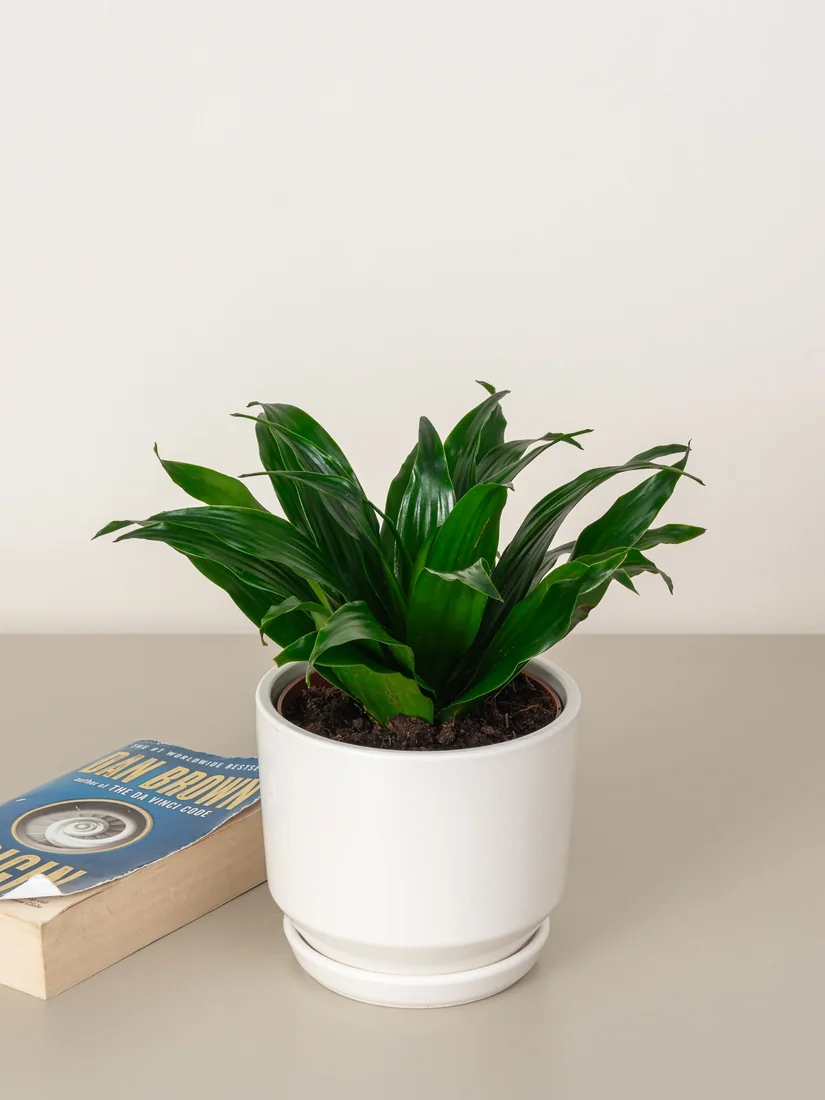
A compact corn plant can sit on a tabletop or low stand. Taller cane forms suit a floor spot with space for their leafy crowns. Give it filtered daylight and let the upper mix dry between drinks. Reach into the pot to check before watering. A large container can stay wet below the surface long after the top looks dry.
Make watering easier from day one
16. Keep the nursery pot inside the planter
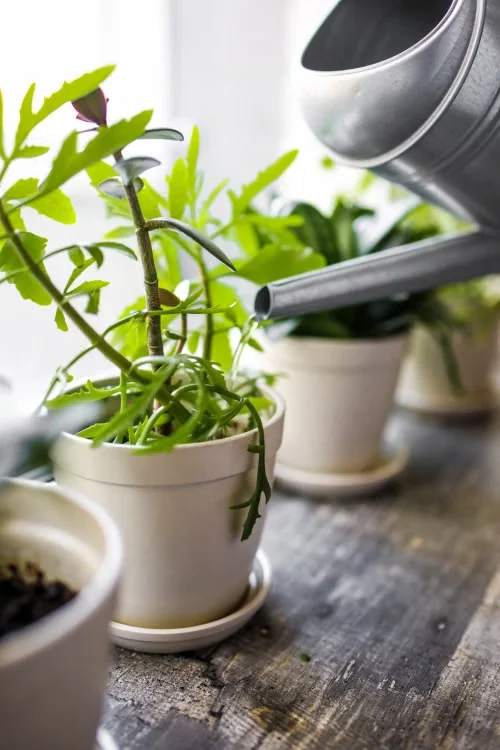
Lift the nursery pot out, water over the sink and let it drain before putting it back. That is easier to check than watering into a decorative pot and guessing how much water is sitting at the bottom. When you repot, pick a container just large enough for the roots and use a mix suited to the plant.
17. Set a reminder to check the soil
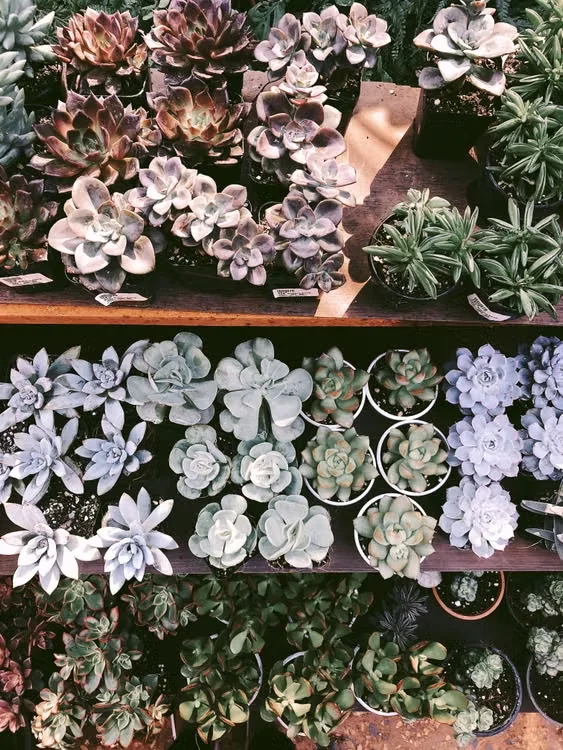
Start with one reminder that fits your week. The University of Maryland’s watering guide explains how to check the mix and water it evenly. Lift the pot and feel the mix at the depth the plant needs. If it is still damp, leave it and check again later. A small terracotta pot near a warm window can dry much faster than a large plastic pot across the room, even when both hold the same species. If you are choosing a spot for a plant and share the room with a curious cat, start with the cat-safe houseplants guide.