



Quick Answer
Choose monstera for a broad, spreading canopy, fiddle-leaf fig or rubber plant for an upright tree shape, and kentia or lady palm for softer fronds. A corn plant suits a narrower lower-light position. Measure the plant's canopy, pot and total height before choosing its place.
Start with the light, space and care routine you can provide. Our guide to indoor plants can help you compare options for different rooms. For botanical light levels, compare recommendations against the University of Minnesota Extension houseplant-light guide. For households with animals, consult the ASPCA toxic and non-toxic plant database using the scientific name. A label such as "low-light plant" never means a living plant needs no light.
If your goal is specifically to improve household air quality, use our indoor plants for air quality guide. A few decorative pots should not be presented as a substitute for ventilation or appropriate filtration.
Compare the Plants Before You Buy
Use the practical light requirement, shape and position to narrow the list. These are general conditions rather than hard rules; the actual growing environment is more important than the shop label.
Compare indoor plant options by light and primary feature
Scroll sideways to compare all columns.
| Plant | Light | Growth shape | Best feature |
|---|---|---|---|
| Monstera deliciosa | Medium to bright indirect light | Spreading climber; allow width around long leaf stalks | Split mature foliage delivers a wide sculptural look, but leaf stalks can push well beyond the original planter |
| Fiddle-leaf fig | Bright indirect light near a broad window | Upright tree or bush; check canopy width | A vertical tree-like outline adds height beside an armchair or sofa |
| Rubber plant | Medium to bright indirect light | Tree or bush; broad leaves need side clearance | Strong upright stems and large glossy leaves make a substantial feature without a highly feathery silhouette |
| White bird of paradise | Very bright light | Tall, broad fan of leaves; needs substantial headroom | Huge paddle-shaped leaves give a strong architectural statement by tall glazing |
| Kentia palm | Medium indirect light, with some low-light tolerance | Arching palm; fronds extend beyond the pot | Elegant arching fronds soften a hard furniture corner |
| Areca palm | Bright filtered light | Clumping palm; needs a wide floor position | Dense feather-like leaves make an airy visual divider between seating and a window |
| Corn plant | Low to medium indirect light | Upright canes with a top-heavy leaf crown | Tall cane stems create a small footprint for their height, making them useful beside a cabinet |
| Money tree | Bright indirect light | Branching canopy; size depends on pruning | An upright branched canopy can fill a bright living-room corner without the width of a mature monstera |
| Umbrella tree | Medium to bright indirect light | Branching shrub; choose a manageable cultivar | Radiating leaflets offer a lighter, branching canopy than a ficus with broad individual leaves |
| Lady palm | Low to medium indirect light | Clumping fans; allow lateral room | Multiple upright fan-shaped fronds provide structure in a room without a deep window bay |
| Ponytail palm | Bright light and an occasional sunny exposure | Swollen trunk with a cascading leaf crown | The swollen base and fine fountain-like leaves suit a light-filled contemporary room |
| Norfolk Island pine | Bright indirect light | Tiered branches; allow space around the full outline | A tiered upright form creates a softer alternative to a leafy tree near tall glazing |
Compare Indoor Size and Floor Space
A plant's outdoor height is a poor guide to its eventual size in a pot. Ask for the cultivar, current canopy width and expected indoor growth, and check whether the advertised height includes the container. Nursery labels such as "large" describe a sale size, not a promise that the plant will stay that size.
Examples of indoor size ranges from NC State Extension
Scroll sideways to compare all columns.
| Plant | Published indoor or container height | What to plan for |
|---|---|---|
| Monstera deliciosa | About 6 to 8 ft (1.8 to 2.4 m) in many homes | A climbing support and a canopy wider than the nursery pot |
| Fiddle-leaf fig | About 2 to 10 ft (0.6 to 3 m) as a houseplant | The chosen bush or tree form, broad leaves and room above the tallest leaf |
| Ponytail palm | About 6 to 8 ft (1.8 to 2.4 m) in a pot | Slow growth and long arching leaves; a small starter will not fill a room quickly |
These are species examples rather than guaranteed final dimensions. See the individual NC State profiles for monstera, fiddle-leaf fig and ponytail palm, then check the actual cultivar with the nursery.
Try a floor-space test: if an available corner is 36 inches wide and the specimen's current canopy is 30 inches wide, centering it leaves just 3 inches on each side. That may fit today but leaves little room for new foliage or access. Tape out the canopy as well as the pot, open adjacent doors and sit in the nearby chair before buying. This is a measuring example, not a recommended clearance for every plant.
12 Best Large Indoor Plants to Consider
1. Monstera deliciosa (Monstera deliciosa)
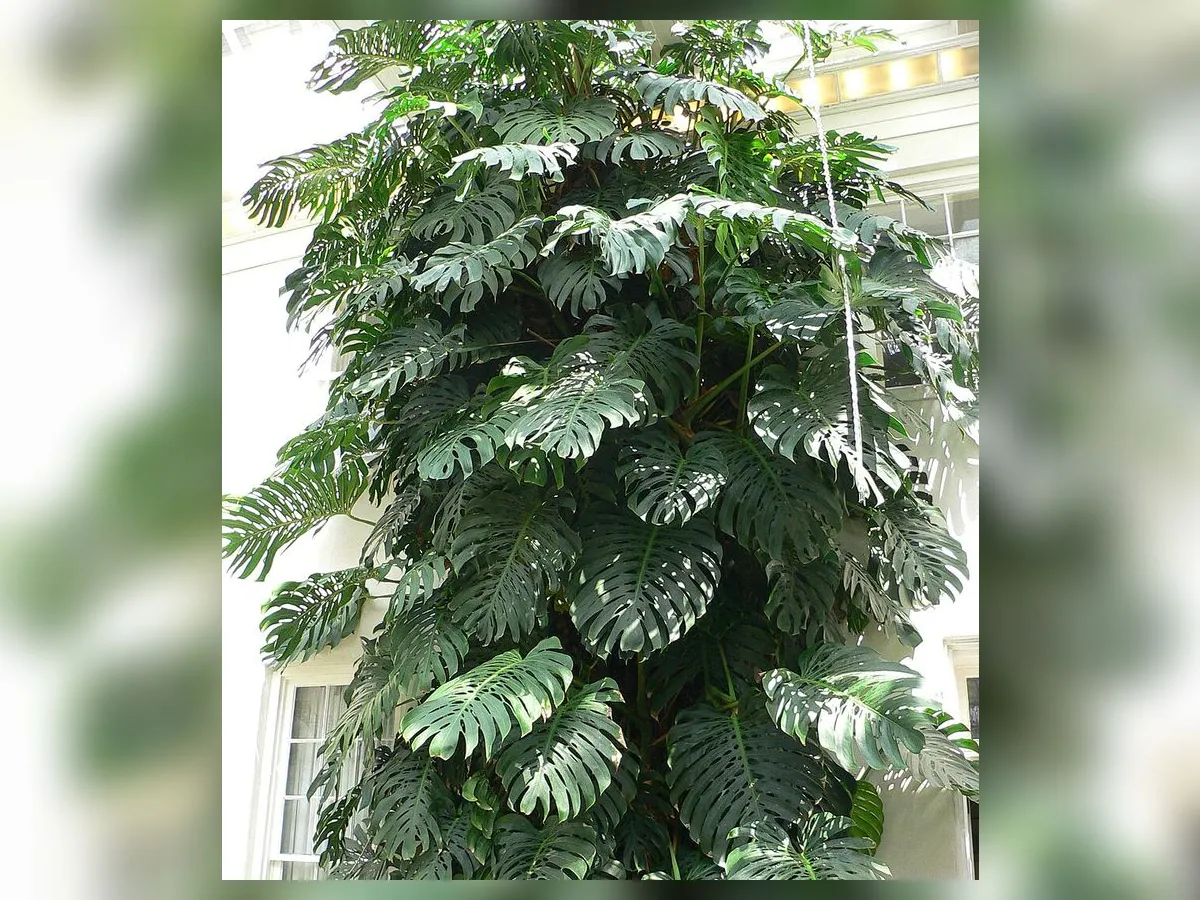
Best light: Medium to bright indirect light. Split mature foliage delivers a wide sculptural look, but leaf stalks can push well beyond the original planter. Give a support and enough floor clearance, rotating only as required for balanced growth.
Before you place it: Toxic to pets if chewed; keep the expanding canopy from blocking furniture or pathways.
2. Fiddle-leaf fig (Ficus lyrata)
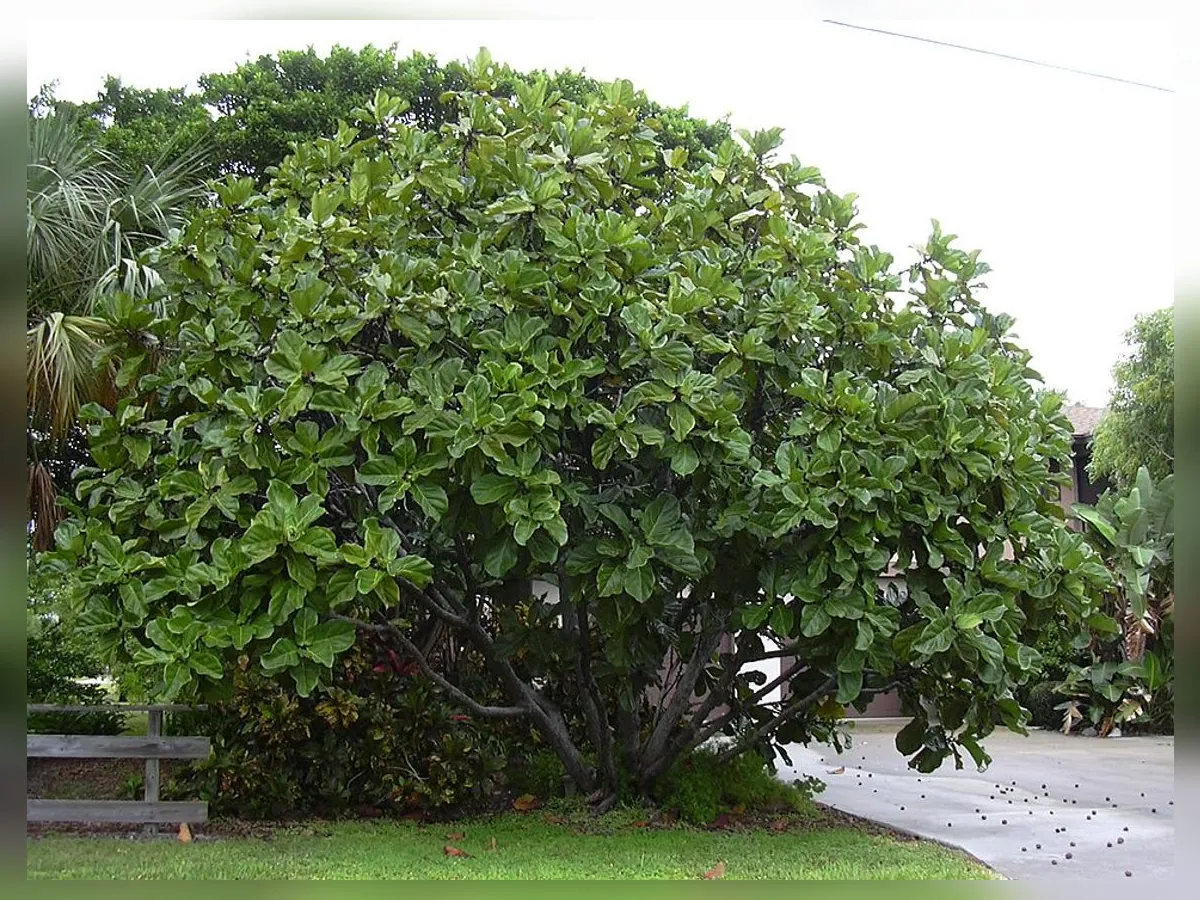
Best light: Bright indirect light near a broad window. A vertical tree-like outline adds height beside an armchair or sofa. Keep conditions reasonably consistent and turn the pot gradually rather than changing rooms.
Before you place it: Can shed leaves under abrupt light and watering changes; Ficus sap can irritate pets.
3. Rubber plant (Ficus elastica)
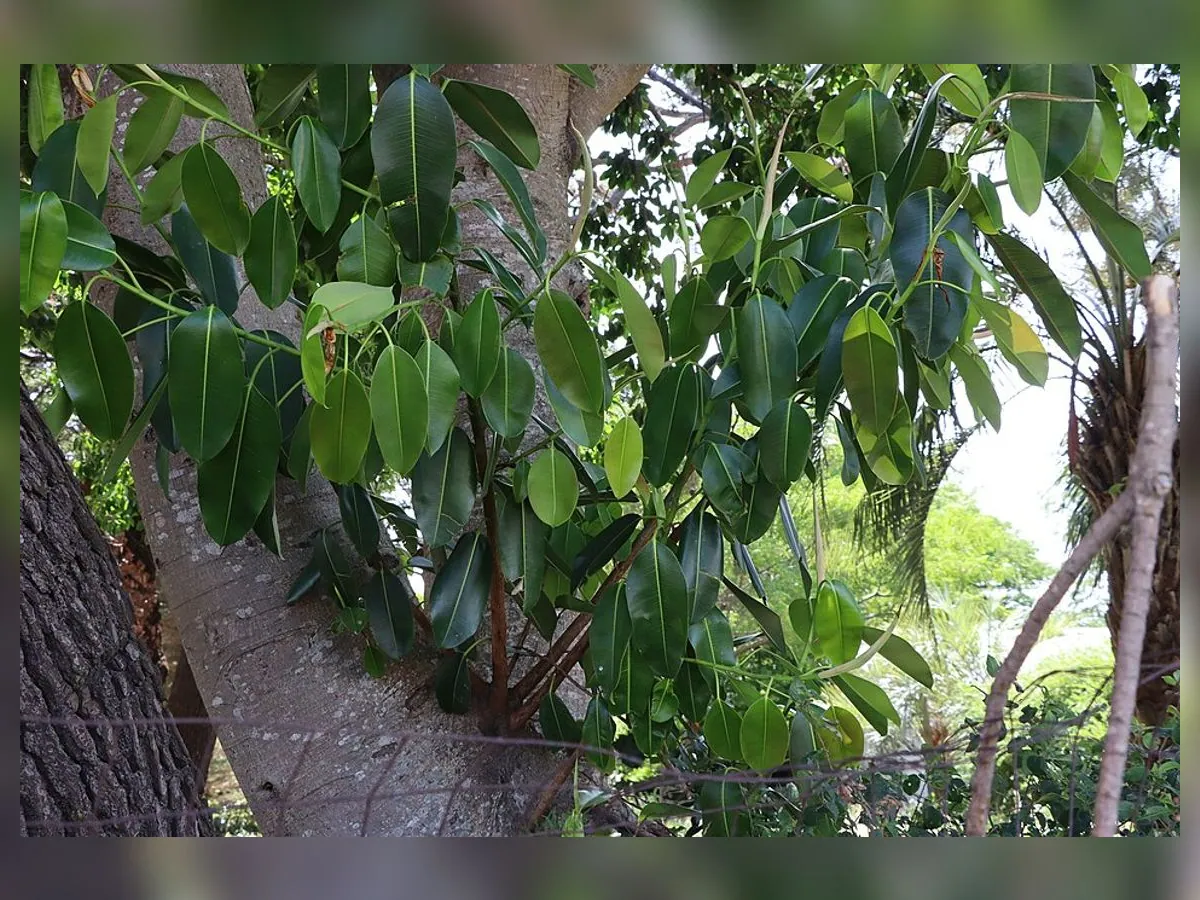
Best light: Medium to bright indirect light. Strong upright stems and large glossy leaves make a substantial feature without a highly feathery silhouette. Check the mature spread and support top-heavy stems as needed; avoid saturated soil.
Before you place it: Ficus elastica latex can irritate skin and is unsafe if pets chew it.
4. White bird of paradise (Strelitzia nicolai)
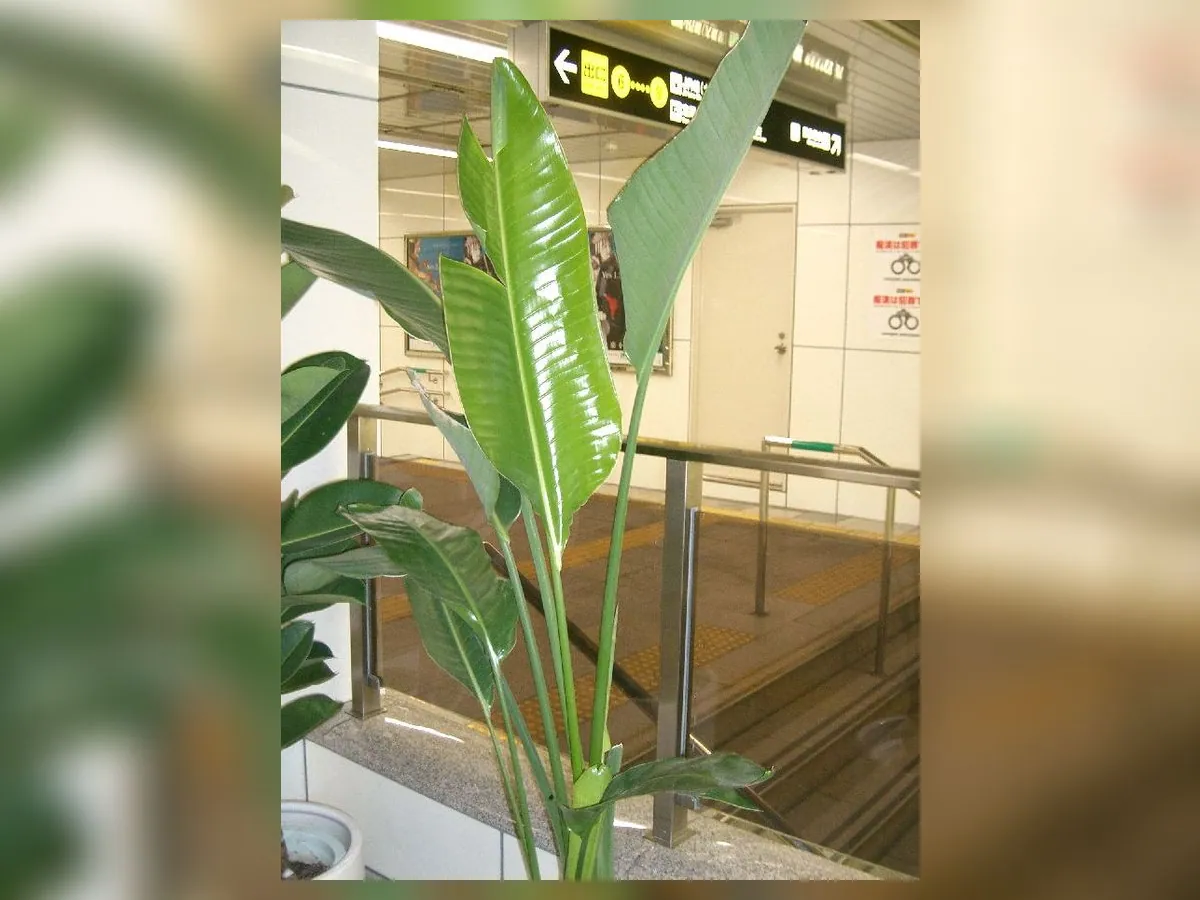
Best light: Very bright light. Huge paddle-shaped leaves give a strong architectural statement by tall glazing. Allow for eventual leaf height and width, and protect the plant from blasts of HVAC air.
Before you place it: This species becomes very large; leaf splitting and occasional tears are normal.
5. Kentia palm (Howea forsteriana)
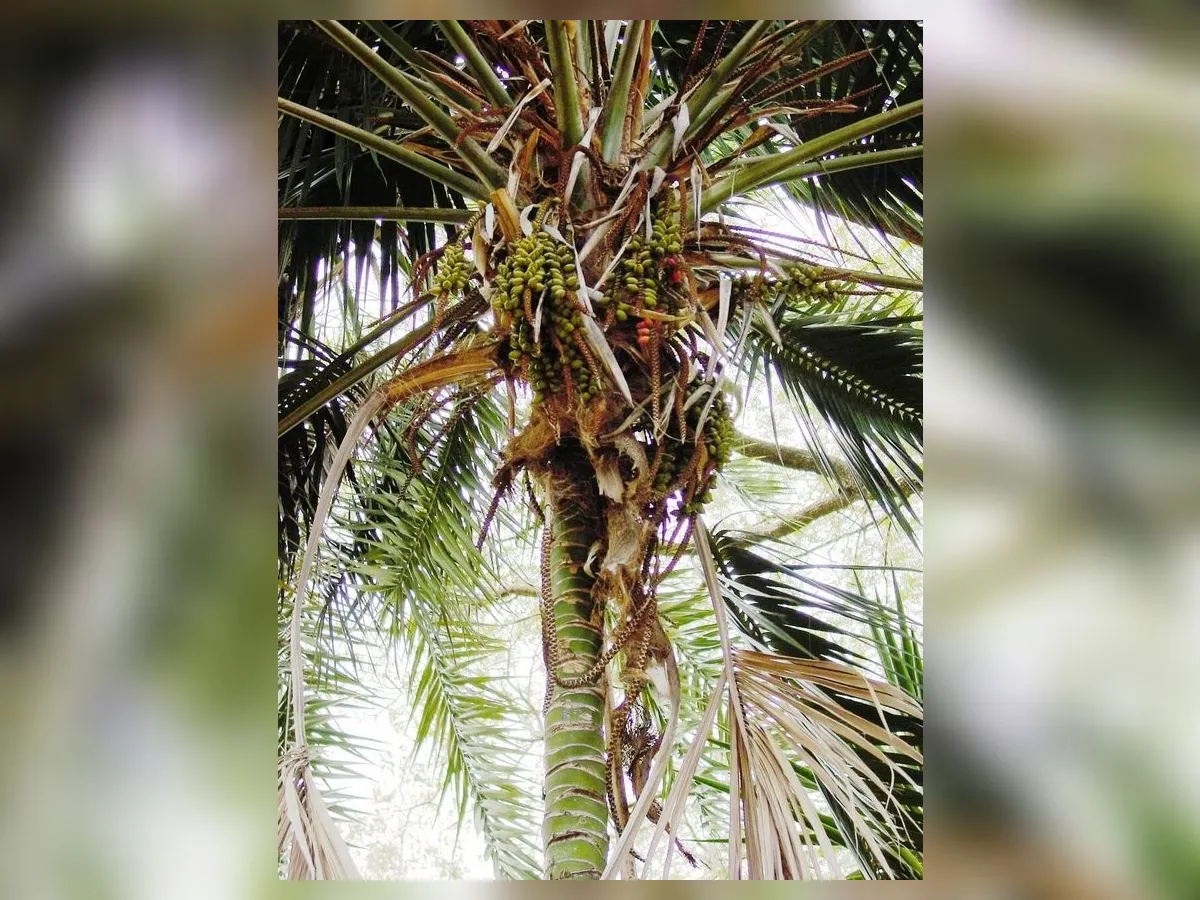
Best light: Medium indirect light, with some low-light tolerance. Elegant arching fronds soften a hard furniture corner. Allow ample space for the fronds and avoid waterlogged soil and repeated pot relocation.
Before you place it: Commonly listed as non-toxic to cats and dogs; verify the plant identity at purchase.
6. Areca palm (Dypsis lutescens)
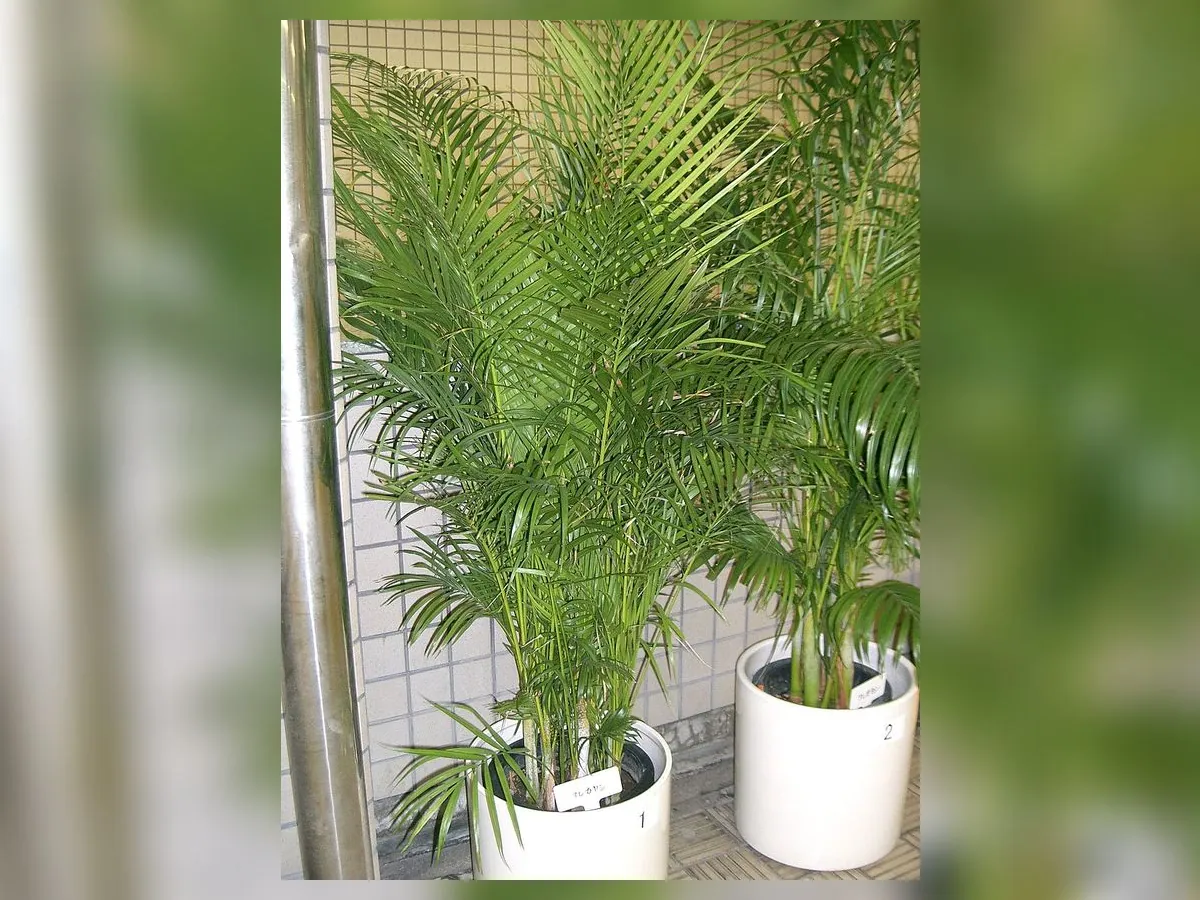
Best light: Bright filtered light. Dense feather-like leaves make an airy visual divider between seating and a window. Needs sufficient width, steady moisture and attention to dry indoor air.
Before you place it: Pet-safer than many large Ficus or aroids, but its fronds can crowd walkways.
7. Corn plant (Dracaena fragrans)
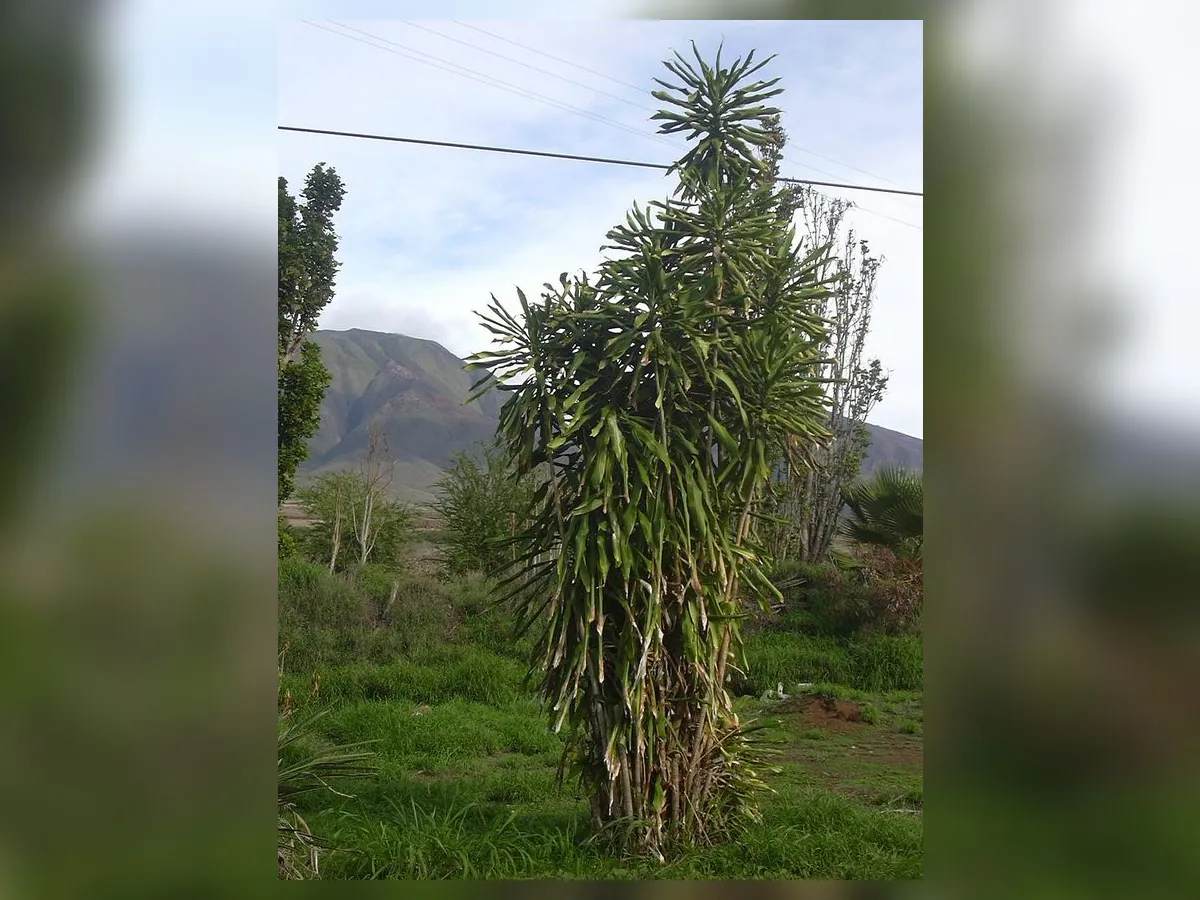
Best light: Low to medium indirect light. Tall cane stems create a small footprint for their height, making them useful beside a cabinet. Avoid standing water and cold drafts, and choose a cane size suited to the ceiling.
Before you place it: Dracaena is toxic to cats and dogs; don't choose it for chew-prone pets.
8. Money tree (Pachira aquatica)
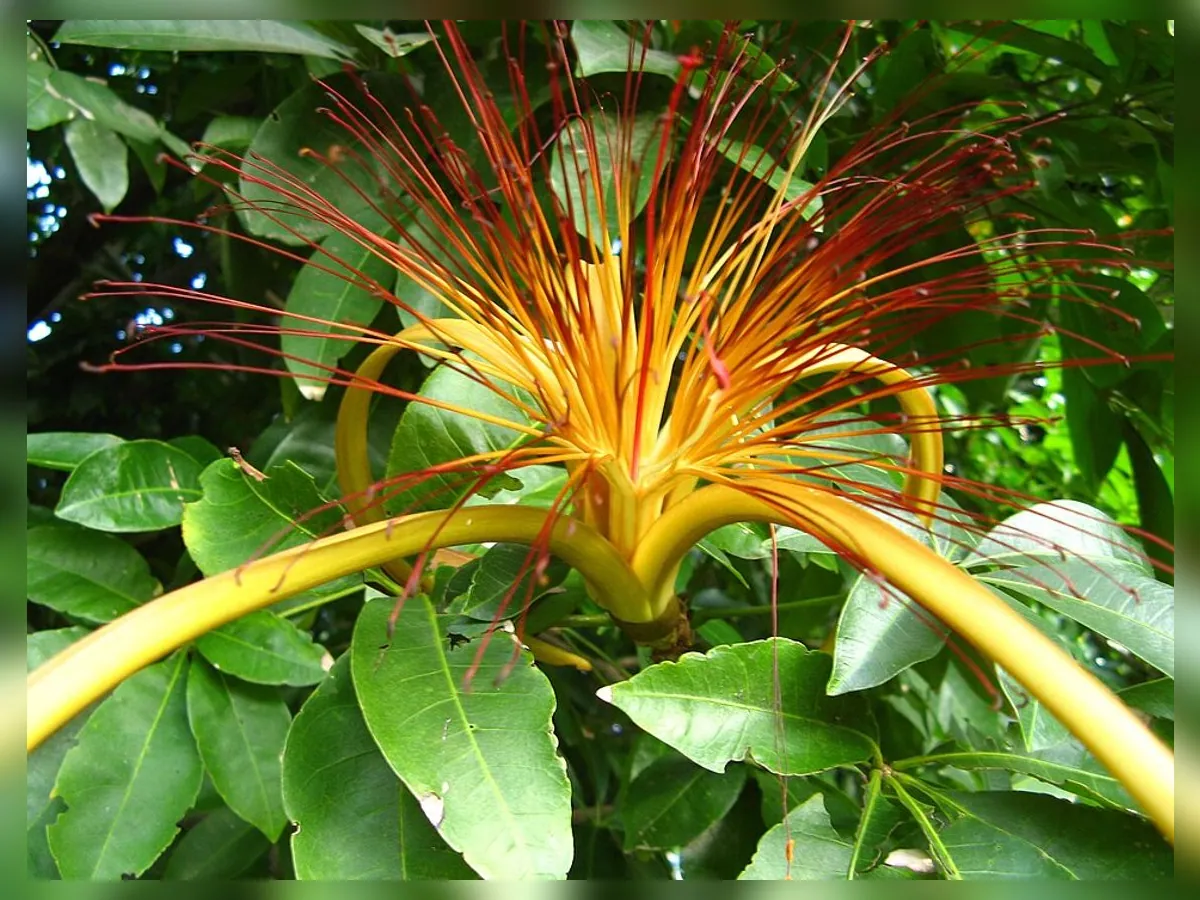
Best light: Bright indirect light. An upright branched canopy can fill a bright living-room corner without the width of a mature monstera. Inspect the trunk base and potting mix, watering when the substrate needs it instead of by a fixed calendar.
Before you place it: A braided trunk is horticultural styling, not a guarantee of prosperity.
9. Umbrella tree (Schefflera arboricola)
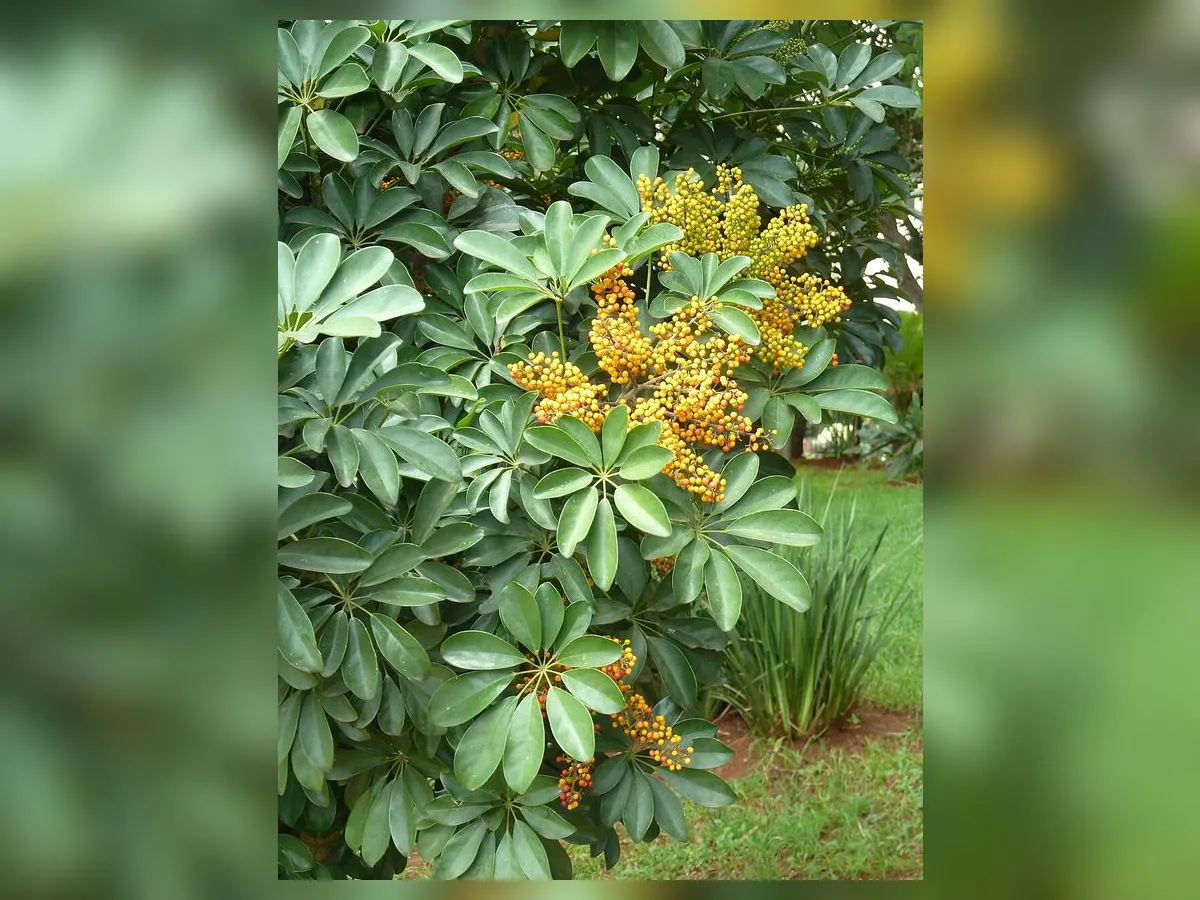
Best light: Medium to bright indirect light. Radiating leaflets offer a lighter, branching canopy than a ficus with broad individual leaves. Prune for scale and inspect stems for sticky pests before placing near a sofa.
Before you place it: Common Schefflera species can be toxic to pets.
10. Lady palm (Rhapis excelsa)
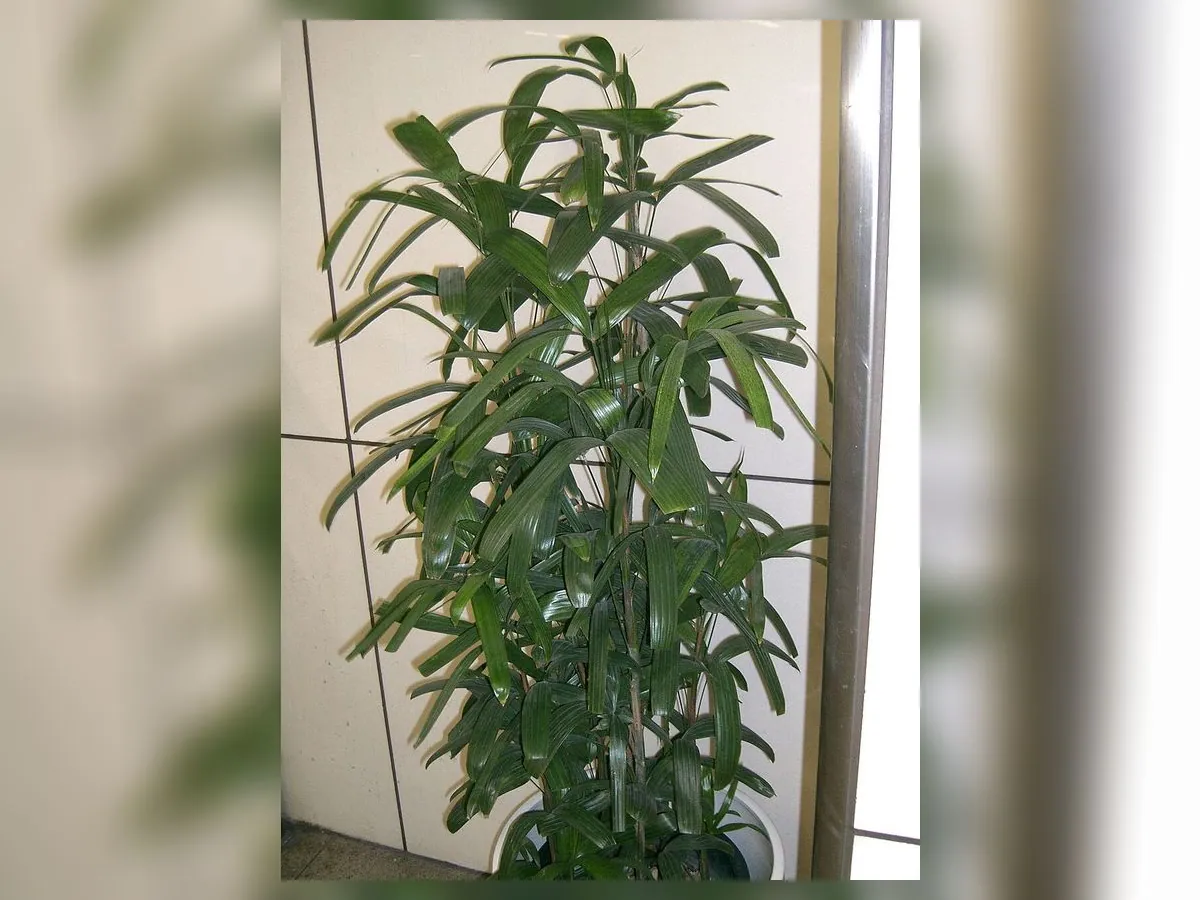
Best light: Low to medium indirect light. Multiple upright fan-shaped fronds provide structure in a room without a deep window bay. Plan for a clump that broadens over time and water according to actual soil dryness.
Before you place it: Buy an appropriately sized specimen rather than assuming a small plant will quickly fill the corner.
11. Ponytail palm (Beaucarnea recurvata)
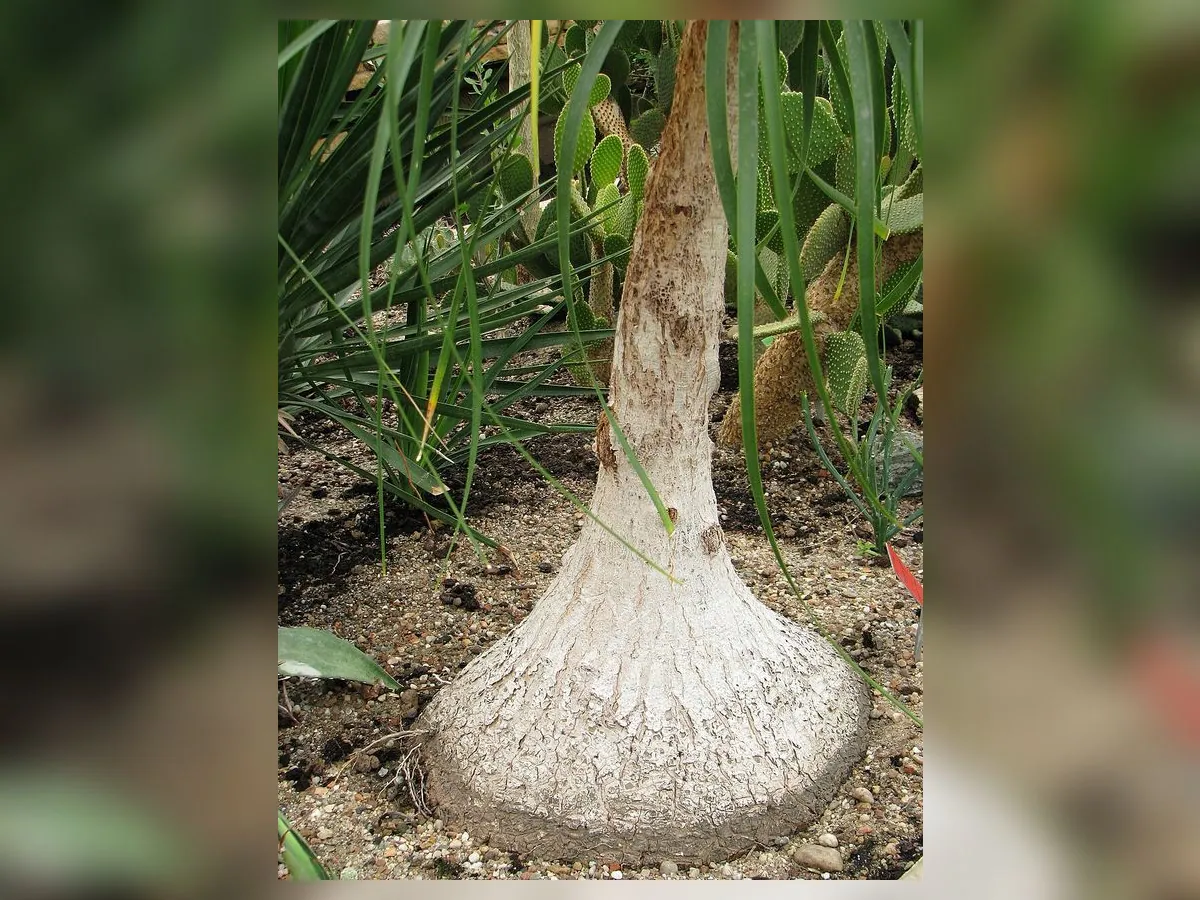
Best light: Bright light and an occasional sunny exposure. The swollen base and fine fountain-like leaves suit a light-filled contemporary room. Use a heavy stable pot and water sparingly compared with moisture-loving tropical palms.
Before you place it: Although commonly named a palm, it is not a true palm. ASPCA lists it as non-toxic to pets.
12. Norfolk Island pine (Araucaria heterophylla)
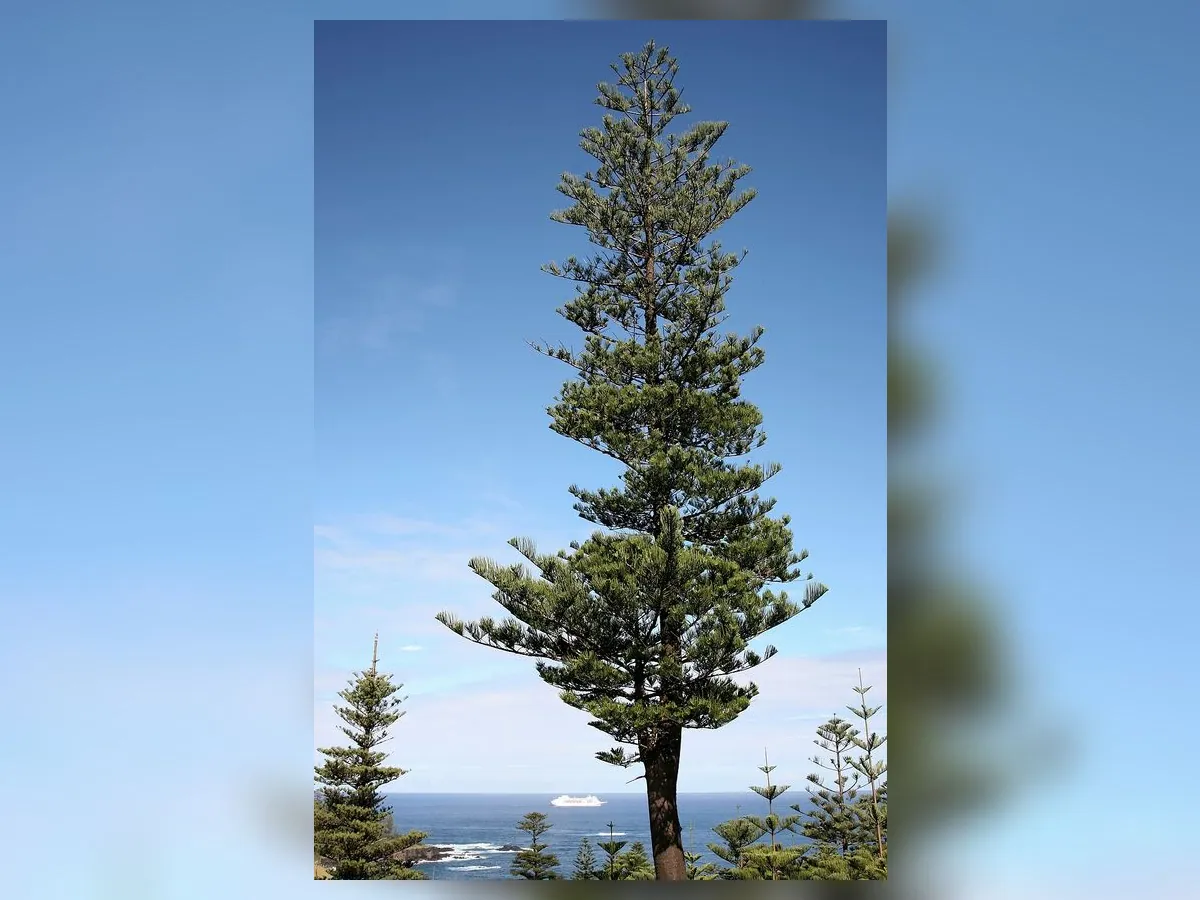
Best light: Bright indirect light. A tiered upright form creates a softer alternative to a leafy tree near tall glazing. Provide room for horizontal branch tiers and protect from heating vents and long dry spells.
Before you place it: It may lose its balanced shape when light comes from only one direction.
Six Practical Placement and Care Decisions
13. Measure the plant's width, not only height
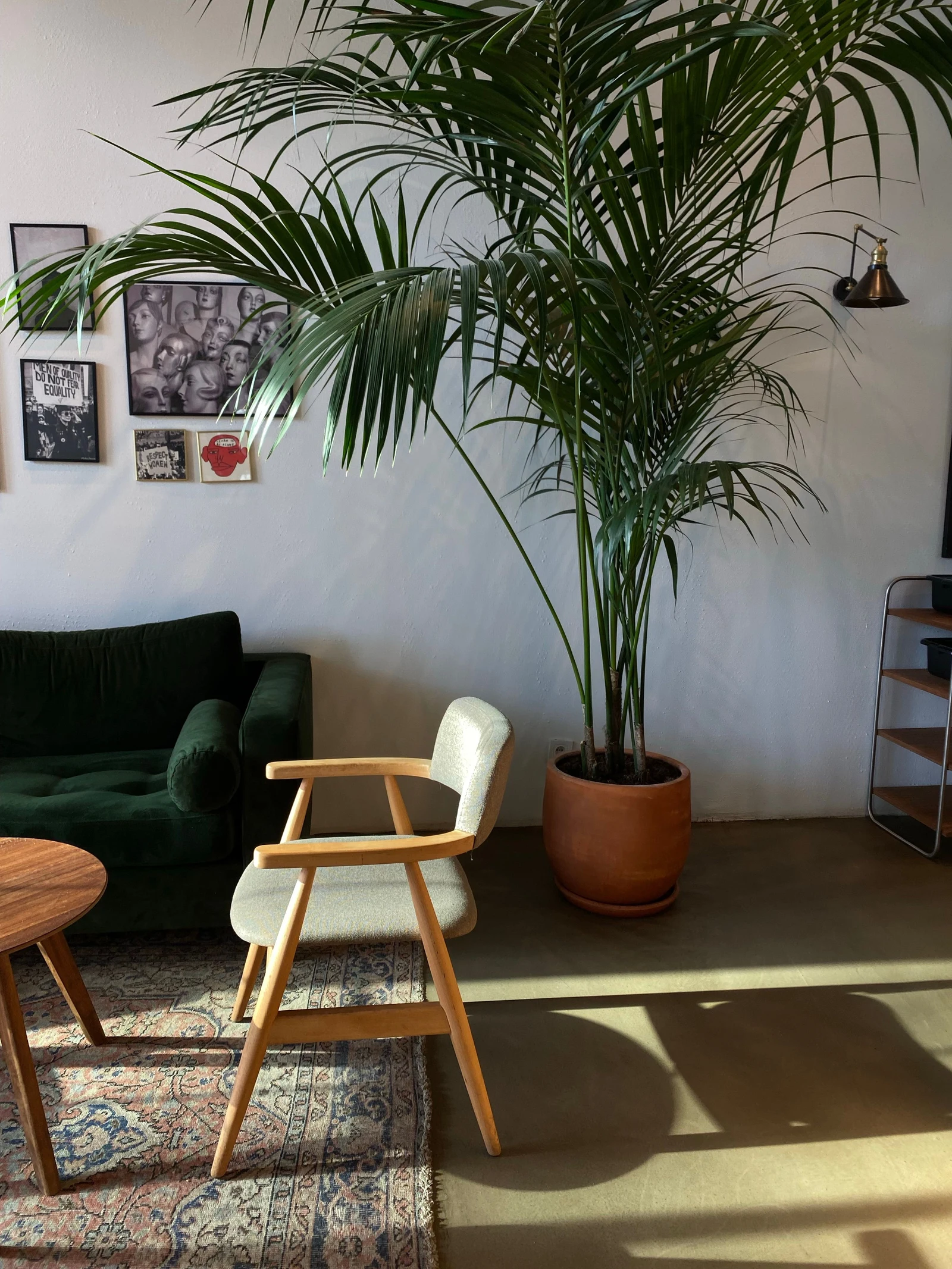
Tape out the proposed pot and mature canopy on the floor. Leave clear walking routes around sofas, doors and stair landings, and make sure broad leaves will not rub against the wall. A plant sold at four feet may become as wide as the chair beside it.
14. Read your windows before buying
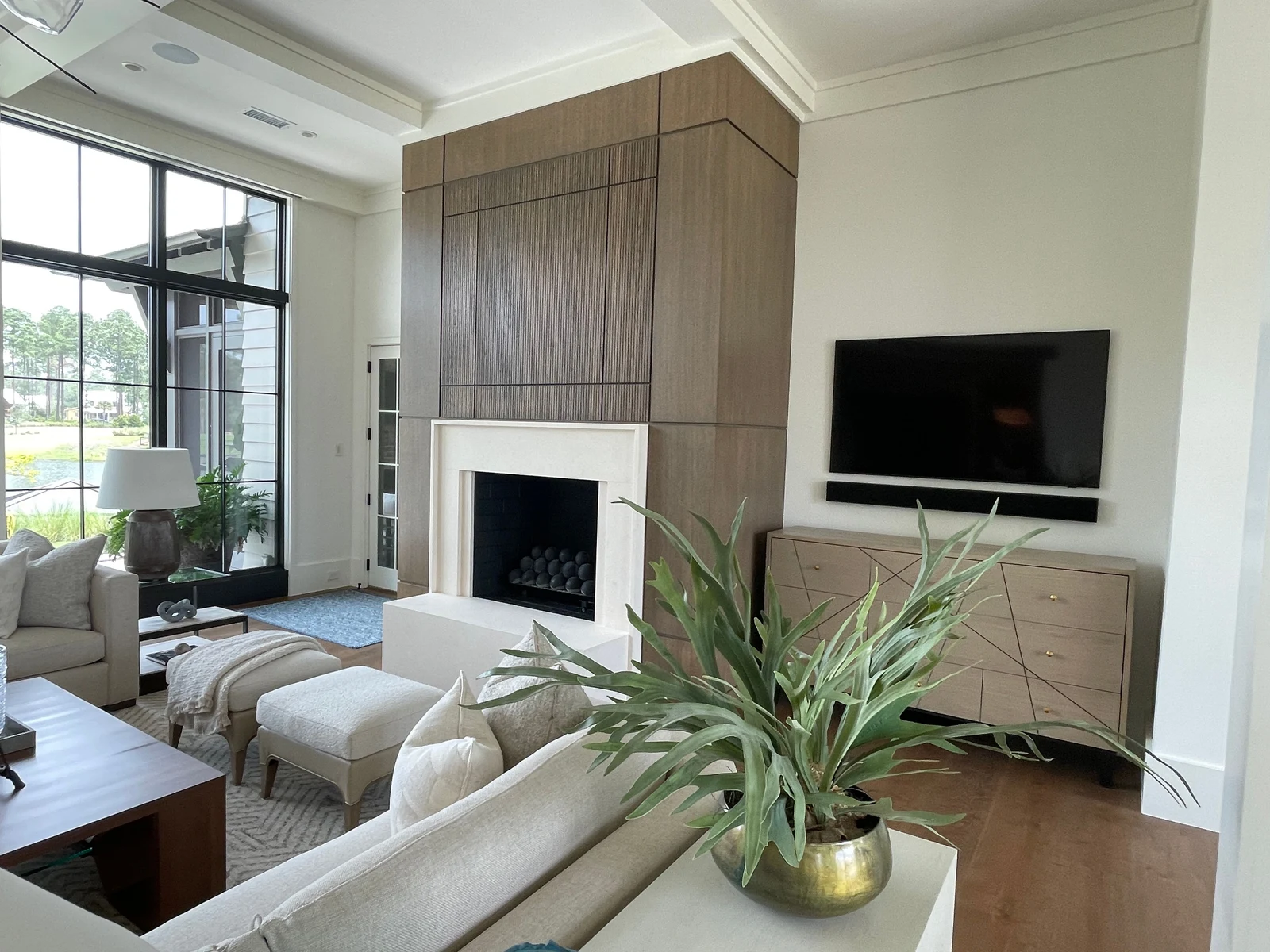
Light at floor level differs from light on a sill. A plant set well back from glazing may receive far less energy than the seller's showroom specimen. The University of Minnesota's indoor-light guidance is a useful starting point for comparing north, east and bright south-facing windows.
15. Allow for heavy pots and floor protection
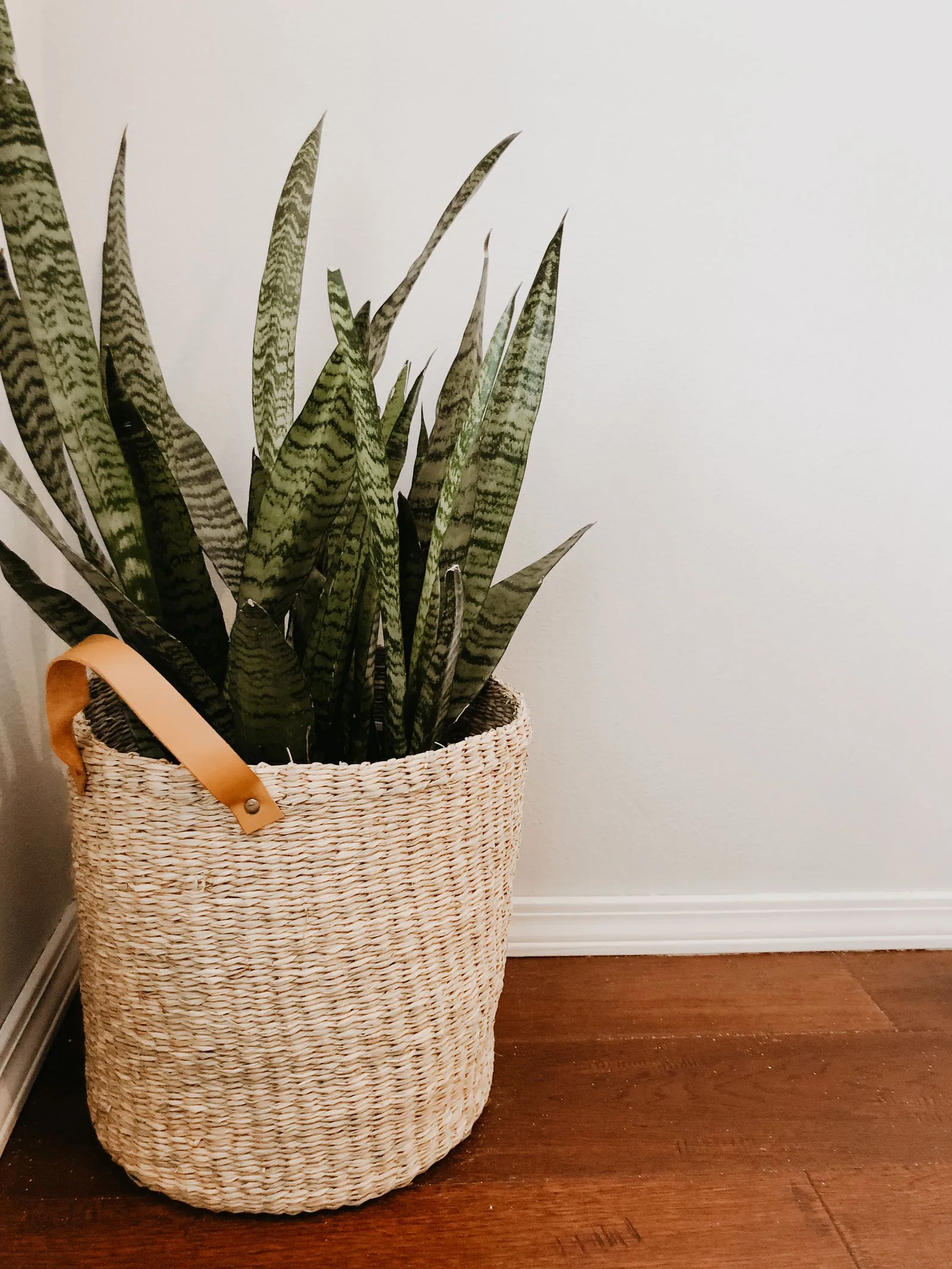
Use a stable planter or nursery-pot-plus-cover combination that can handle the full wet weight. Put a properly sized waterproof saucer below a draining pot and check timber, rugs and stone for trapped moisture. A wheeled plant caddy can help when it is load-rated and braked.
16. Choose a single focal plant before a jungle
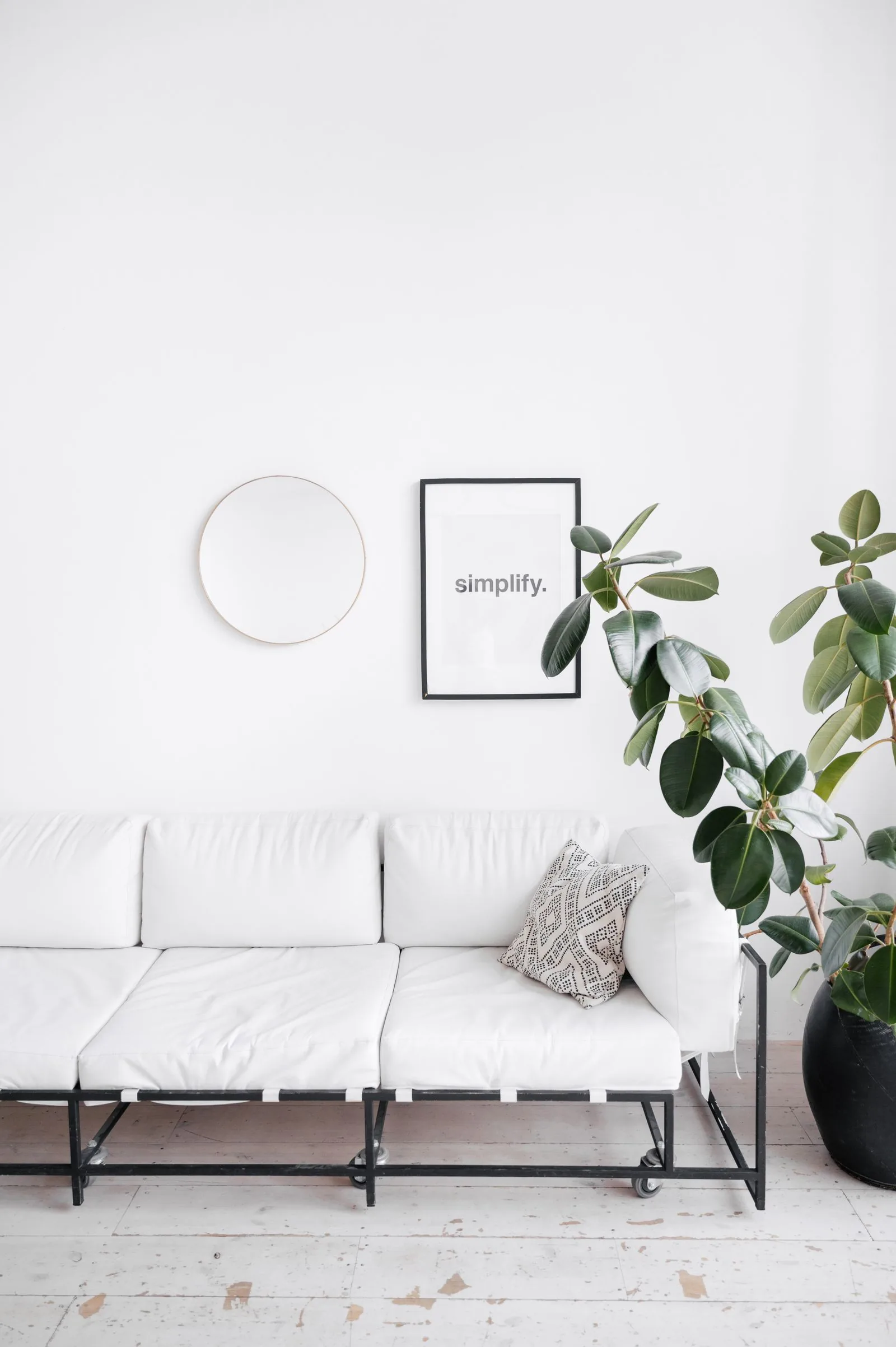
A rubber plant or monstera can anchor an empty corner by itself. Layer only if smaller pots have their own light and maintenance space. Too many large leaves beside one another can darken the room and create a visual barrier. Where floor space is limited, hanging indoor plants can add greenery without another floor pot.
17. Keep foliage away from children and pets
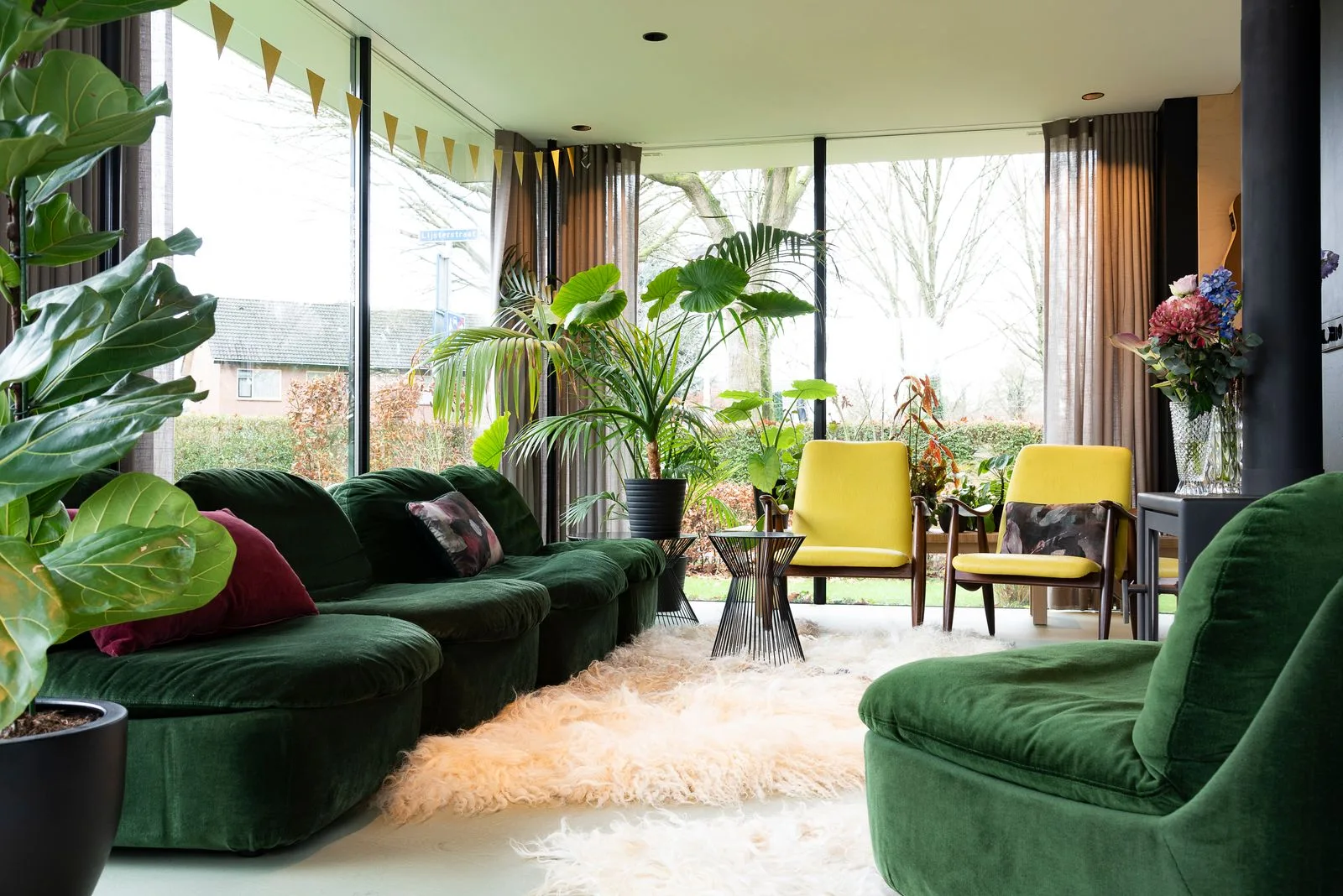
Large foliage often looks inviting to children and cats. Confirm the botanical identity in a reliable toxicity database, place heavy pots where they cannot tip and check for loose mulch or fertilizer within reach. Safety comes before any Feng Shui symbolism.
18. Inspect health and future costs
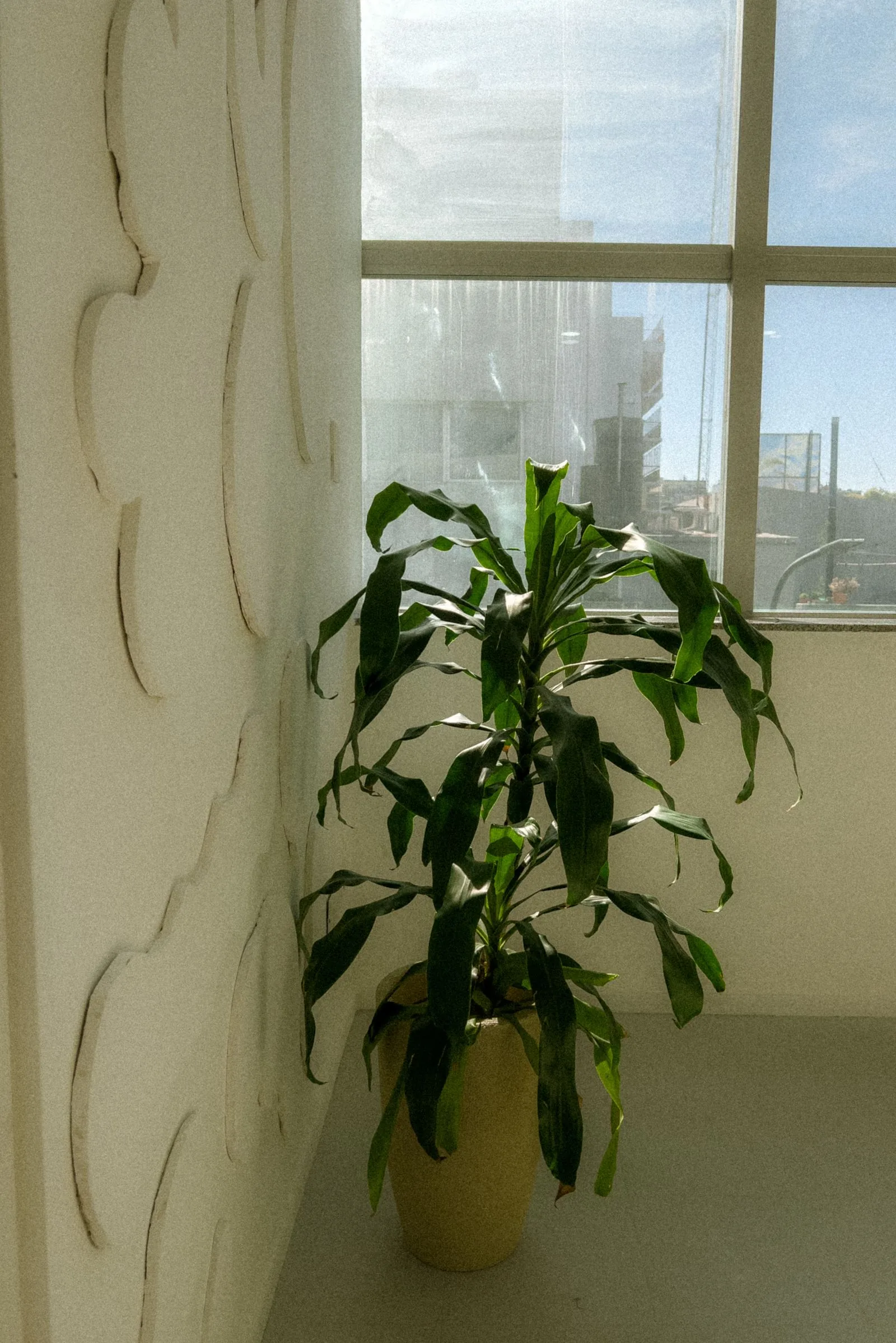


Check stems, roots, drainage and leaf undersides before buying. A cheap oversized plant with pests or root rot can cost more to maintain than a healthy smaller one. Plan for pruning, repotting help and winter light changes before choosing the largest nursery size. If an easy care routine matters more than a dramatic canopy, start with these tall low-maintenance indoor plants.
If a raised canopy and a visible trunk are the features you want, compare the best indoor trees by branch shape, sunlight and pruning needs.