



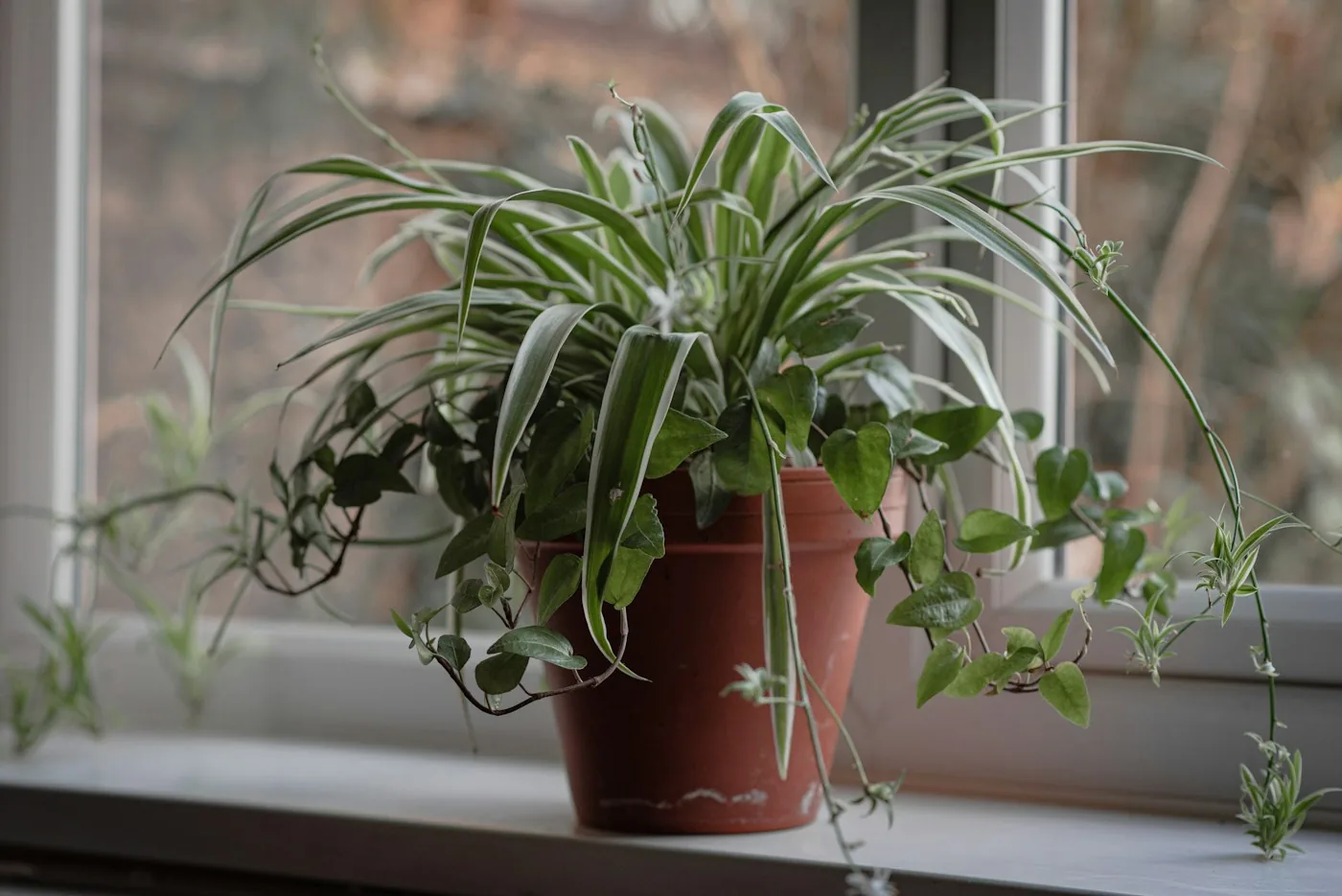
Quick Answer
Indoor plants can be enjoyable additions to a room, but a normal collection of pots is not a proven way to meaningfully clean household air. Choose plants for suitable light, manageable care and the space you have. Address air-quality concerns through the pollutant source, appropriate ventilation and suitable filtration rather than an “air-purifying” plant ranking.
Searching for indoor plants for air quality often leads to lists of snake plants, peace lilies and pothos. The difficult part is not finding another list. It is understanding whether a result from a laboratory chamber tells you what a plant will do in a living room with people, furnishings, windows and continuing sources of pollution.
This guide separates those questions. It explains what the research can support, helps you evaluate familiar plant claims and then shows how to choose greenery without asking it to do the job of ventilation or filtration. For symbolic placement, our feng shui indoor-plants guide covers a different question.
Can Indoor Plants Improve Air Quality
Plants and their growing media can interact with some chemicals. That does not establish a useful air-cleaning effect from a few pots in an occupied home. The U.S. Environmental Protection Agency says there is no evidence that a reasonable number of houseplants removes significant quantities of pollutants in homes and offices.
That distinction lets you keep the plant without keeping the sales promise. A rubber plant can provide an attractive shape beside a sofa. A pothos can soften a shelf. Neither needs an unsupported claim about removing toxins to justify its place in the room.
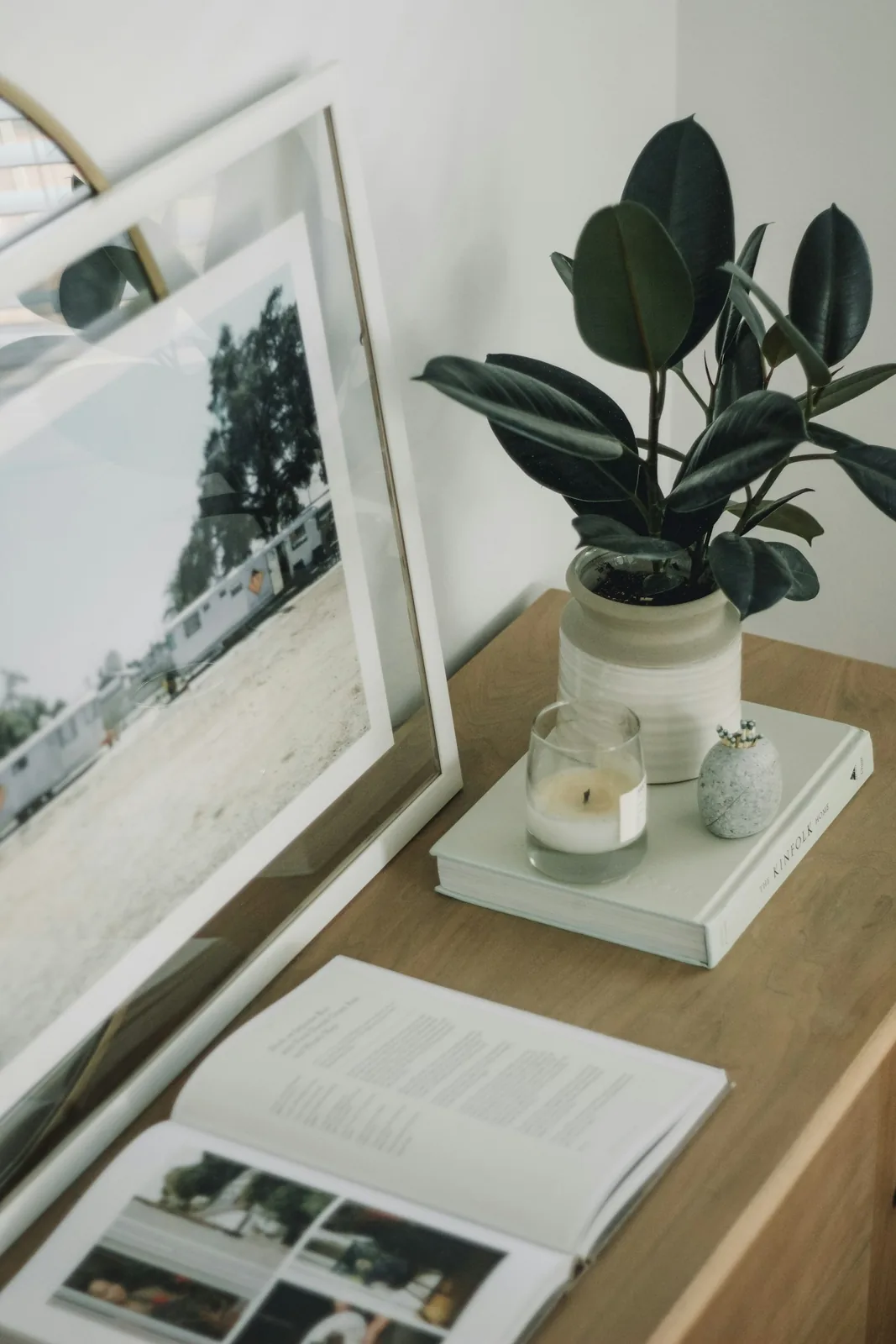
An attractive room is not an air-quality measurement. A photograph cannot show the concentration of fine particles or a particular gas. Likewise, leaves looking healthy cannot verify that the occupants' air is safe. Treat any claim about pollutant removal as a performance claim requiring evidence from a comparable setting.

What the NASA Research Actually Studied
The frequently cited 1989 report, Interior Landscape Plants for Indoor Air Pollution Abatement, investigated plants, roots, growing media and microorganisms. It also discussed a proposed system combining plants with activated carbon. That is a much more specific research setting than placing an ordinary decorative pot on a shelf.
Small chamber tests can show that a pollutant concentration changes under the test conditions. A home adds air exchange, varying room volume and ongoing emissions. Those differences matter when deciding whether a reported laboratory effect is large enough to be useful in practice.
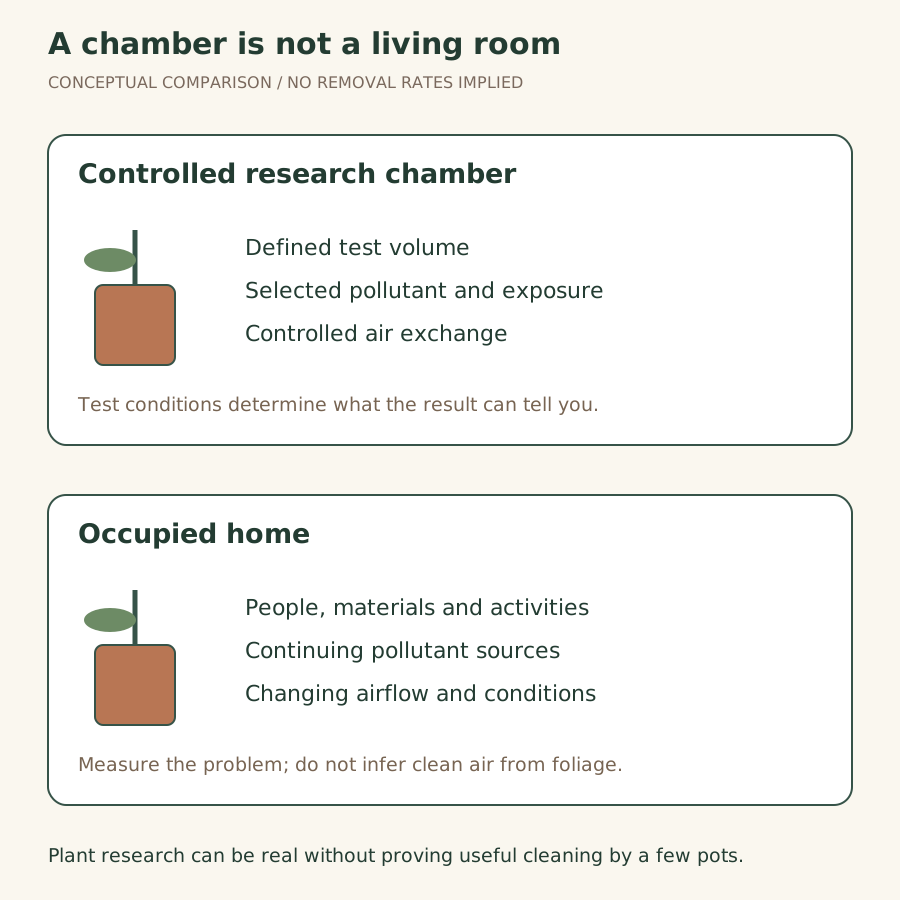
In their review of reported VOC removal efficiencies, Bryan Cummings and Michael Waring converted chamber results into clean-air delivery rates. They concluded that unrealistic plant densities would be needed to match the removal provided by ordinary building air exchange. The review concerns volatile organic compounds, so it should not be presented as a direct experiment on every pollutant or every kind of plant system.
This also explains why “NASA studied it” and “NASA approved this pot for your bedroom” are different statements. A commercial badge or a list of tested species is not a certification of household air-cleaning performance. Ask what was tested, in what volume, over what period and with what airflow.
Powered botanical biofilters and engineered living walls are a separate subject. A system that deliberately moves air through a treatment medium cannot be evaluated simply by counting its leaves. Its whole-system performance, maintenance and test setting need their own evidence.
Match the Response to the Pollutant
“Air quality” includes different problems. Fine particles, gases, moisture and carbon dioxide are not interchangeable. A device or practice suited to one issue may not solve another. Start by identifying the source or concern rather than choosing a plant because an article says it removes toxins.
The EPA's household guidance puts source control, adequate ventilation and supplemental air cleaning at the center of the response. That is a more useful framework than choosing a plant according to the chemical printed on a shopping label.
Different air concerns need different responses
Scroll sideways to compare all columns.
| Concern | Useful first question | Where plants fit |
|---|---|---|
| Cooking particles or smoke | Can the source and suitable exhaust be addressed? | Decorative planting is not a substitute for controlling the source |
| VOCs from a product or material | Can the emitting product be removed, changed or managed? | A laboratory species list does not establish household removal |
| Excess moisture or visible mold | Where is the water coming from? | Adding pots does not repair a leak or control building moisture |
| A stuffy occupied room | Is there suitable ventilation for the space and its occupants? | A plant collection is not a ventilation system |
The EPA air-cleaner guide distinguishes particles from gases. Particle filtration, including HEPA filtration, does not by itself solve gas pollution. Gas-removal media such as activated carbon have a different role, and no portable cleaner removes every pollutant. Match a device to its stated function and the room, rather than buying solely on a general “purifying” description.
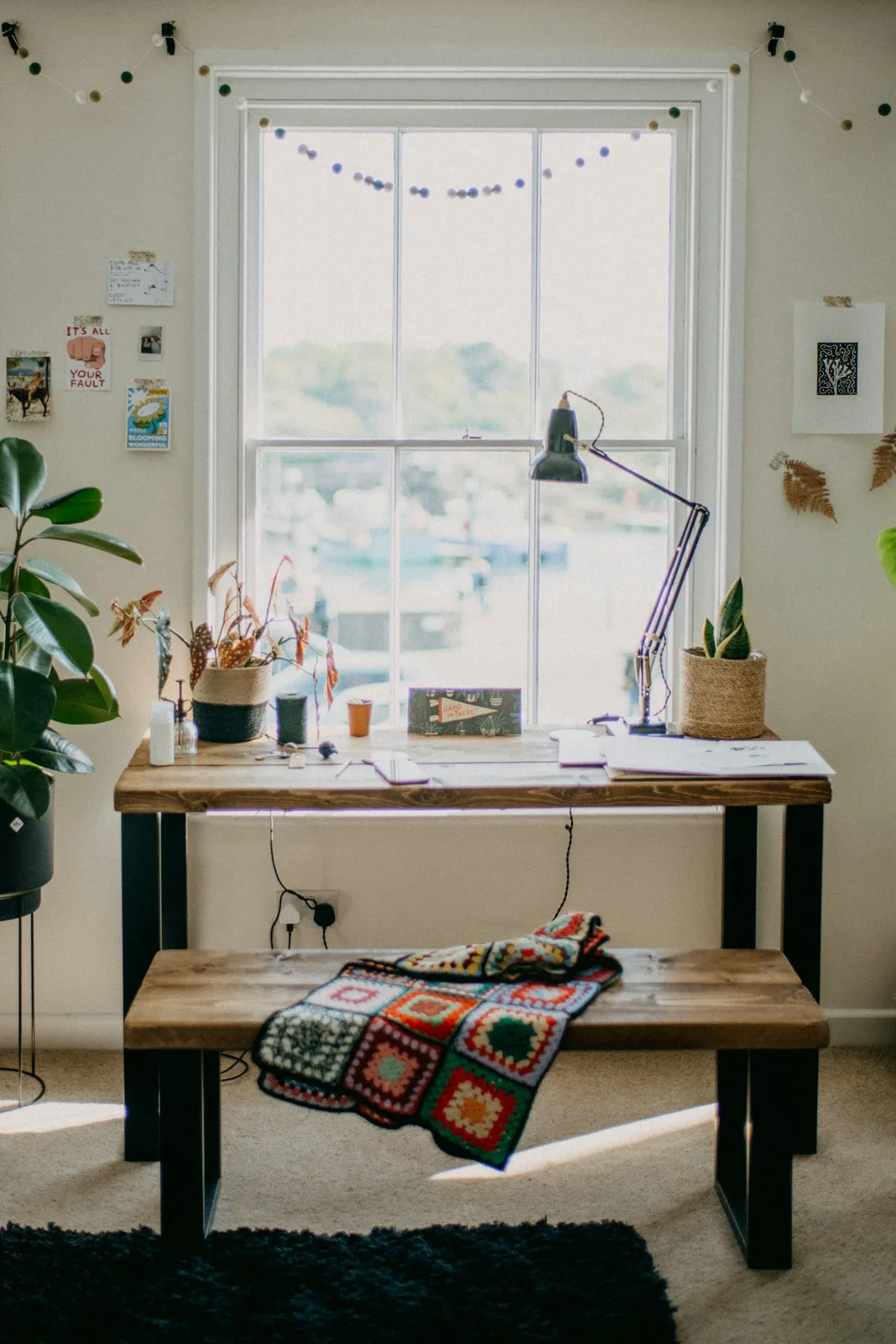
Ventilate with clean outdoor air when appropriate. Outdoor smoke, local pollution, weather and the building's ventilation system can change the suitable approach. A blanket instruction to leave all windows open is no more useful than a blanket instruction to buy a peace lily.
Choose Familiar Plants for Real Reasons
There is no evidence-based winner to name as the best ordinary houseplant for cleaning a home. You can still make a good plant choice. Begin with the light reaching the leaves, how much space the mature plant will occupy and whether its care fits your routine.
The University of Maryland Extension's lighting guide explains why distance, coverings, seasons and obstructions affect growing conditions. A bright-looking photograph or a compass direction alone does not establish suitable light. Inspect the actual position before buying.
Choose greenery by household fit, not an air-cleaning score
Scroll sideways to compare all columns.
| Plant identity | Reason to consider it | Placement decision |
|---|---|---|
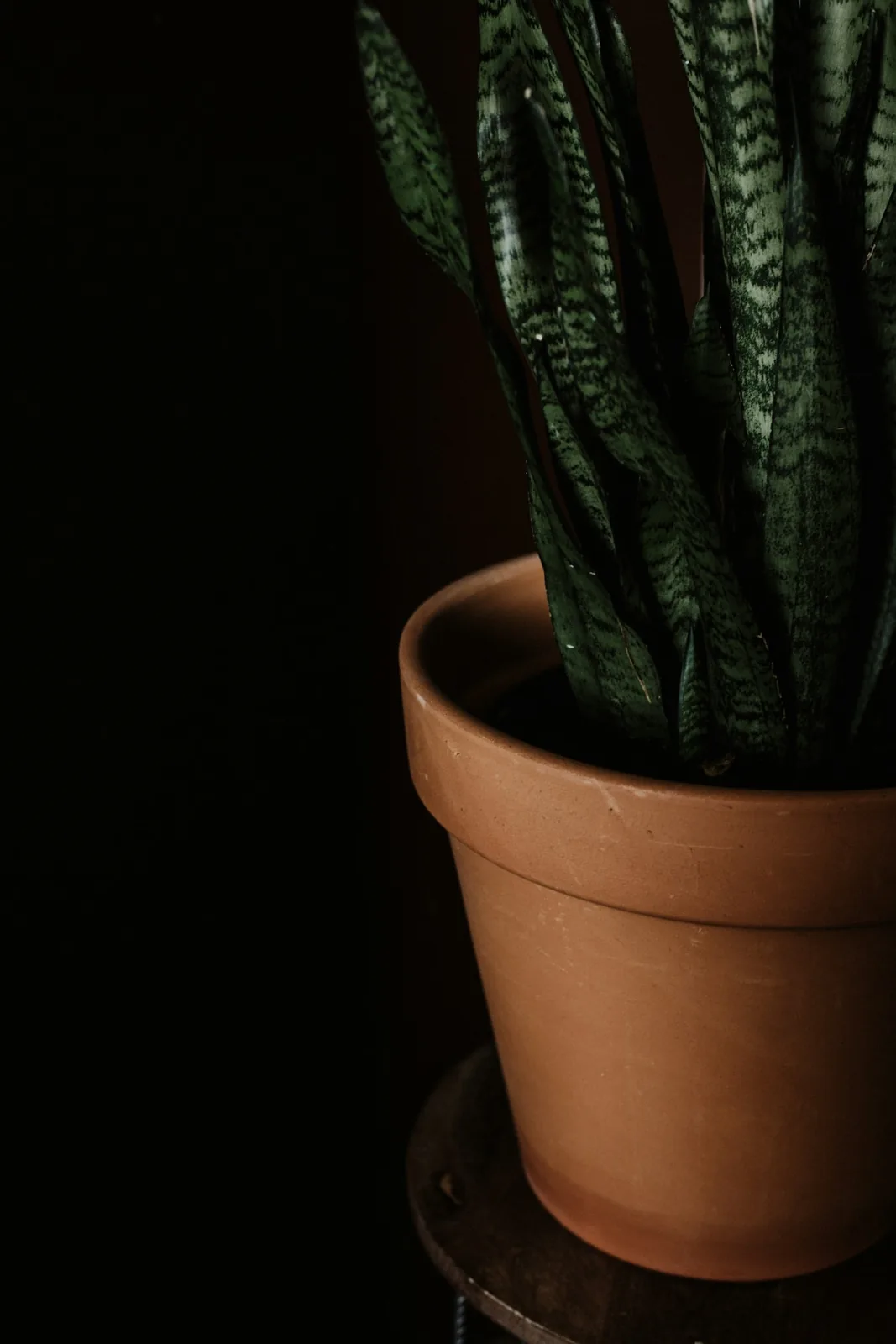
| Snake plant, Dracaena trifasciata, also sold as Sansevieria trifasciata | Upright leaves with a relatively compact base | Keep the pot out of the route and choose an appropriate watering routine |
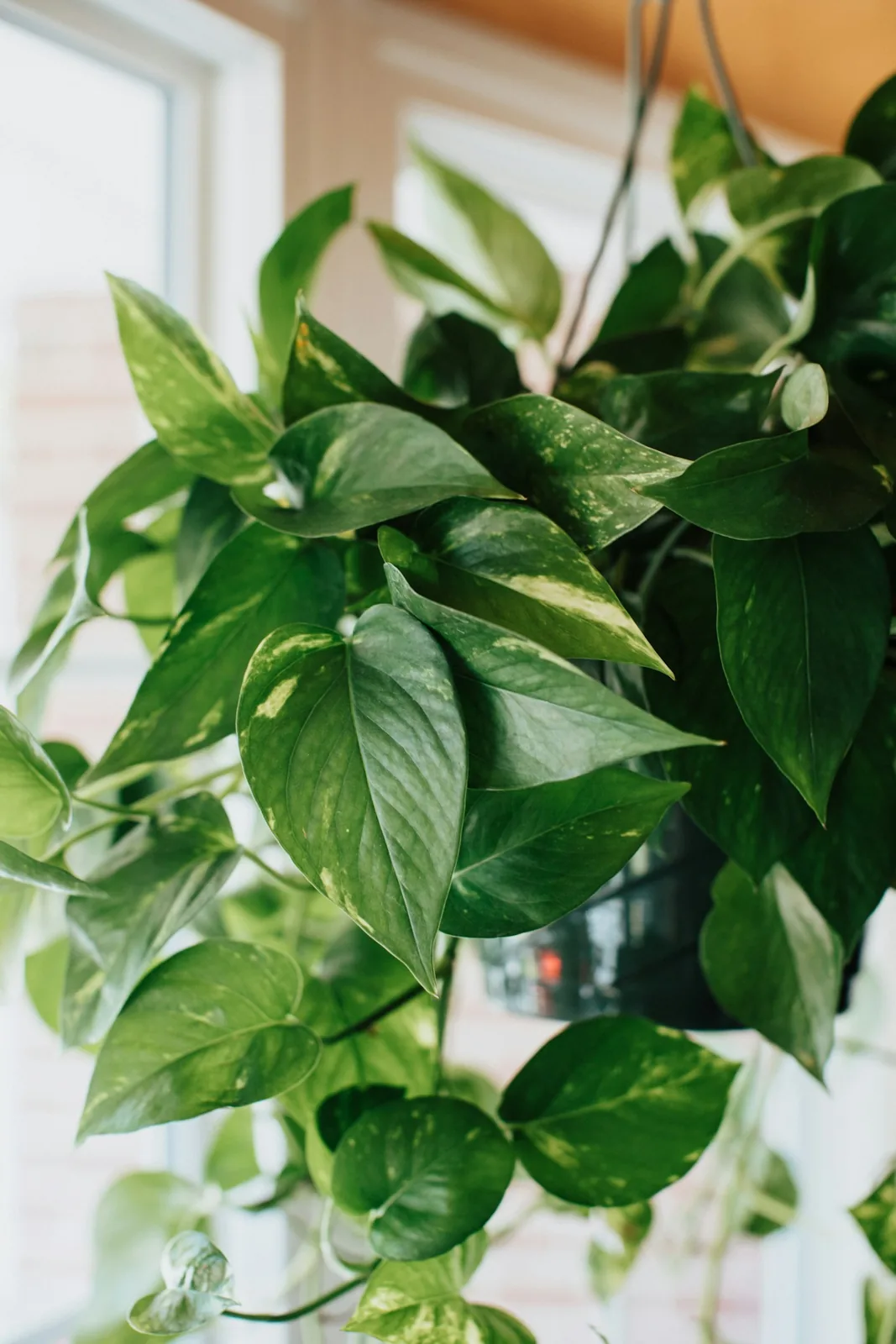
| Golden pothos, Epipremnum aureum | Trailing foliage for a suitable shelf or hanging position | Allow for the trail, watering access and pet reach |
| Rubber plant, Ficus elastica | A larger-leaf focal point for a room with adequate light | Reserve room for the canopy rather than fitting only the nursery pot |
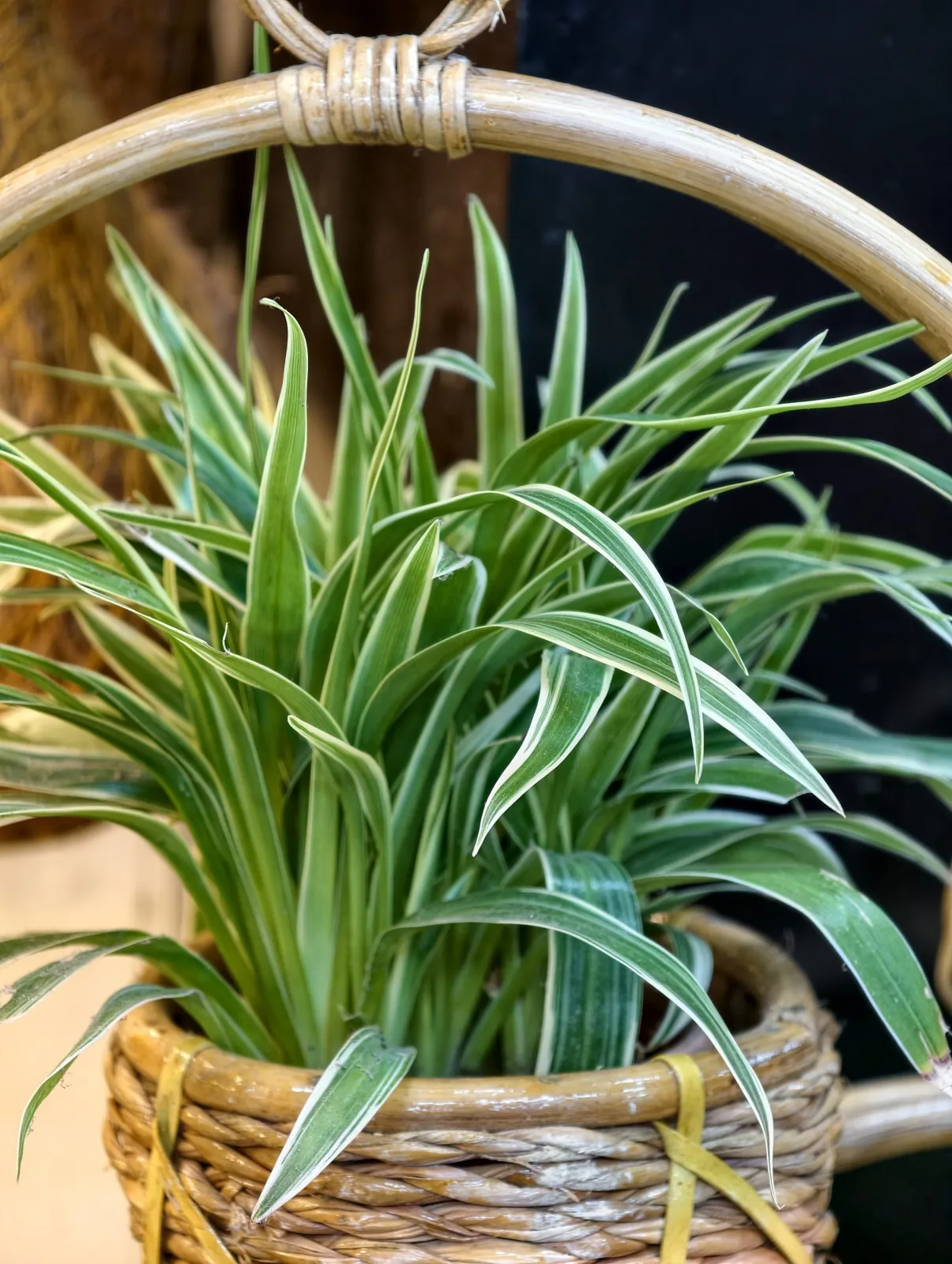
| Spider plant, Chlorophytum comosum | Arching foliage for a stable stand or suitable suspended pot | Check the mature spread and any hanging installation |
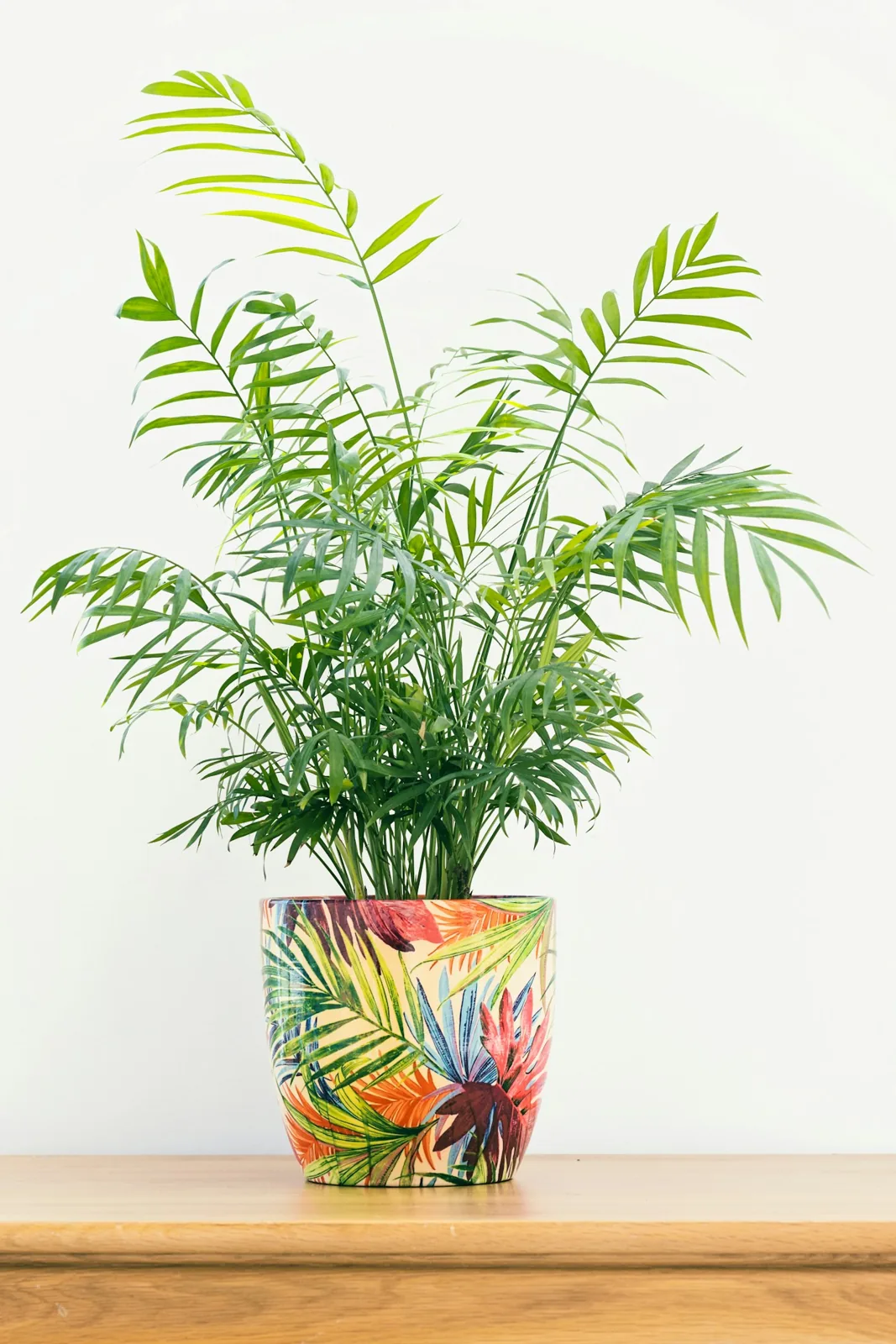
| Parlor palm, Chamaedorea elegans | A softer foliage shape for a position that supports its growth | Check both frond width and the route around it |
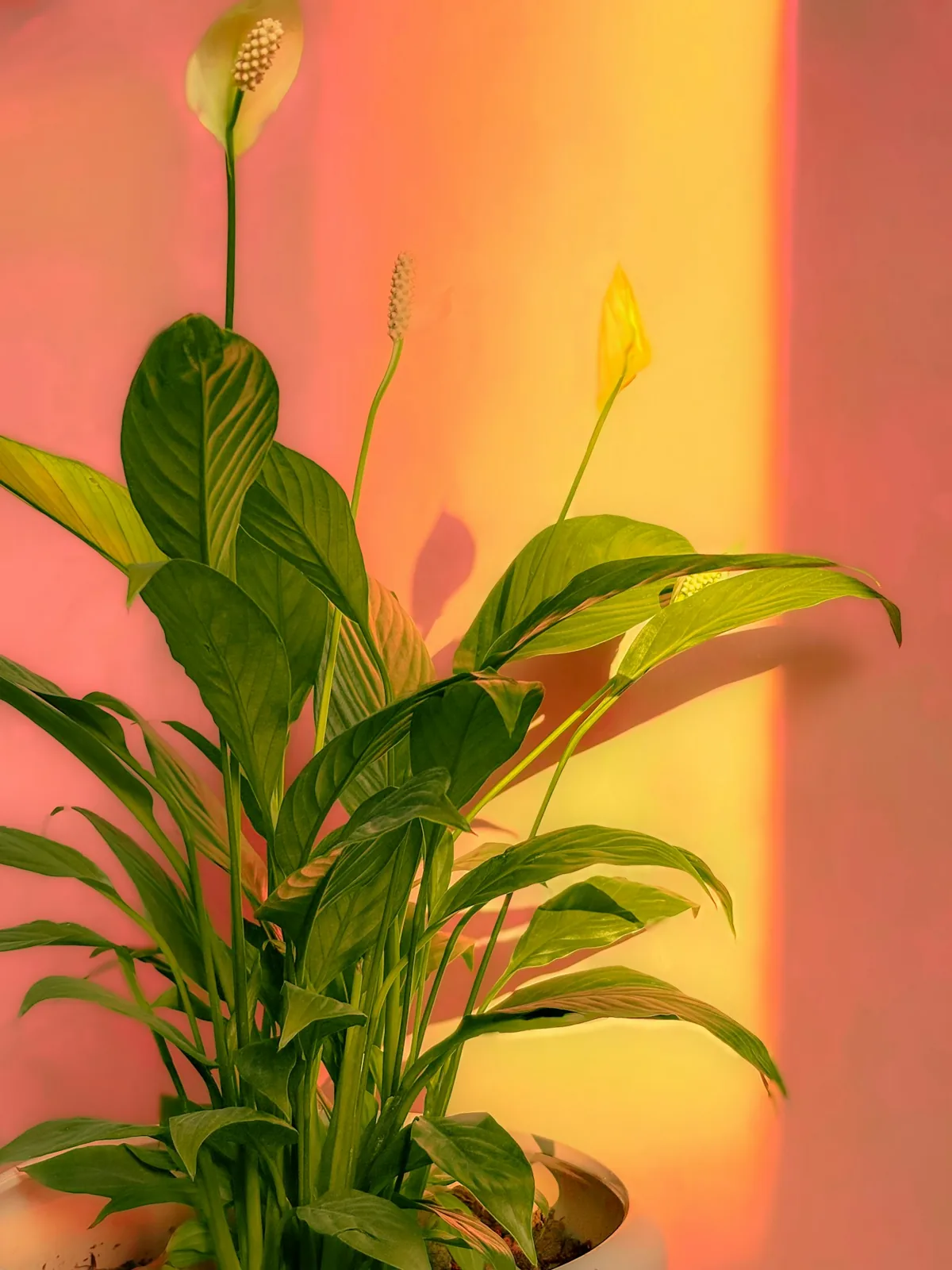
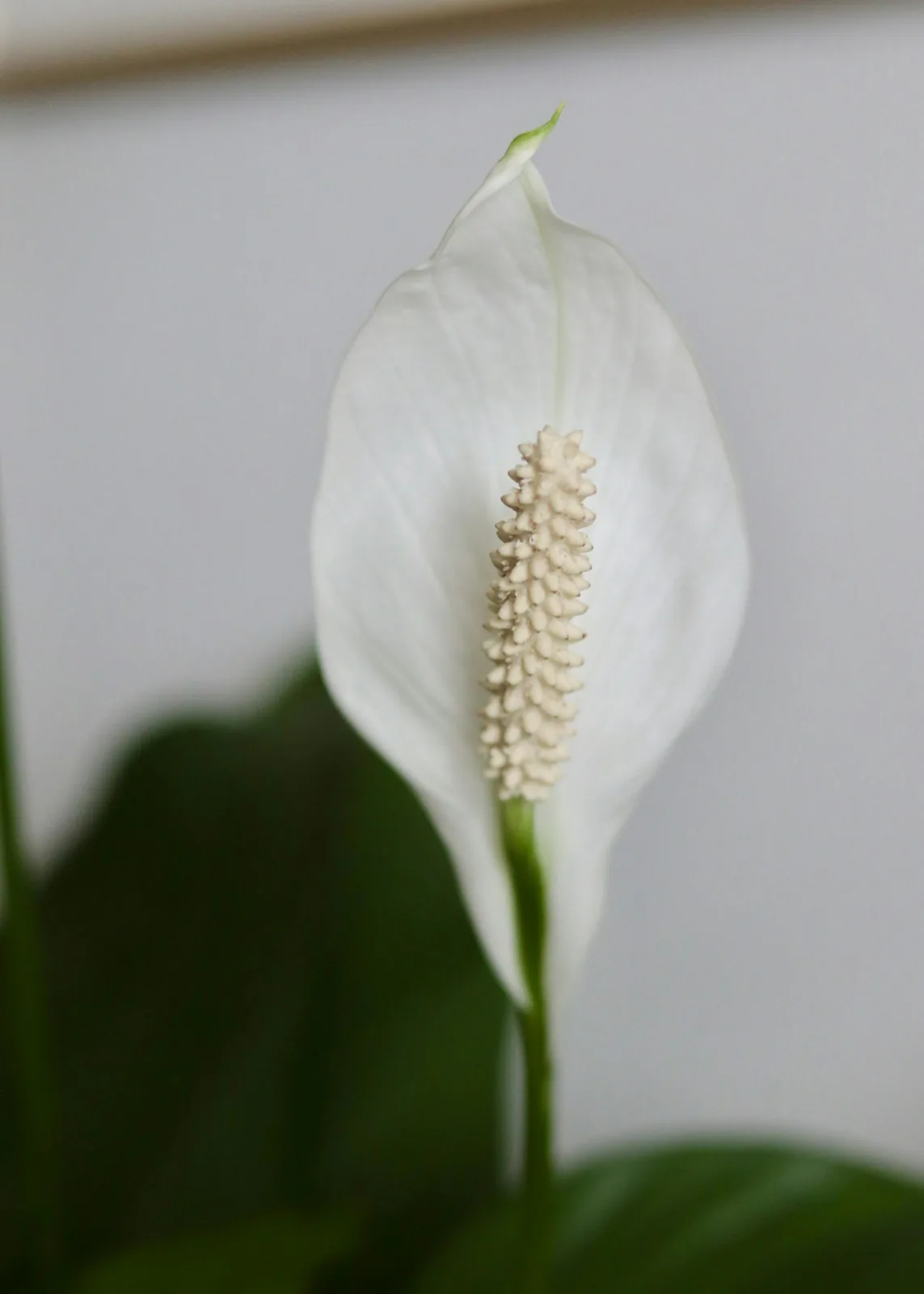
| Peace lily, Spathiphyllum | Glossy foliage and flowering when growing conditions suit it | Choose it for its care requirements, not a promise of cleaner bedroom air |
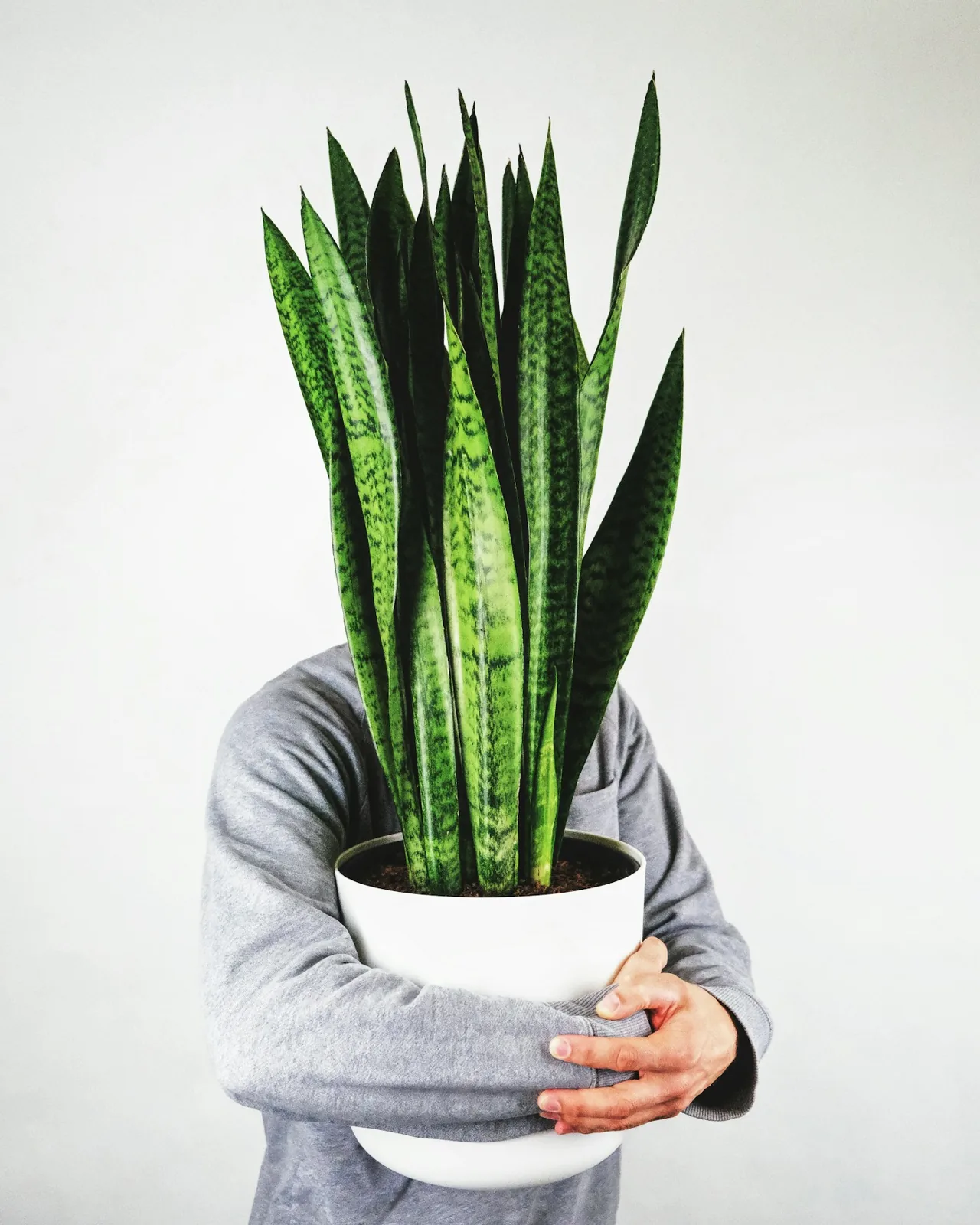
Our snake-plant placement guide examines room fit and access. The peace-lily guide separates its growing needs from symbolic placement. These are decisions about caring for a living object, not rankings of pollutant removal.
The money-plant guide helps identify pothos separately from plants sold under similar common names. For a larger floor plant, compare the tall indoor-plant guide against the space available around the full canopy.
Check Pet Access Before Buying
Species identity matters more than an “air-purifying” label. The ASPCA lists spider plant and parlor palm as non-toxic to cats and dogs. That does not make any plant a suitable food or remove the need to consider soil, containers and chewing behavior.
Its records list golden pothos, snake plant and peace lily as toxic to cats and dogs. Match the botanical name on the label. If safe separation is unreliable, choose another plant rather than relying on a high shelf that an animal can reach.
Keep a care plan as well as a location. Who takes the pot down for watering? Where does it drain? Can someone move past it carrying a child or a bag? Those questions can eliminate an unsuitable plant even when it looks attractive in the corner.
Keep Watering From Becoming a Moisture Problem
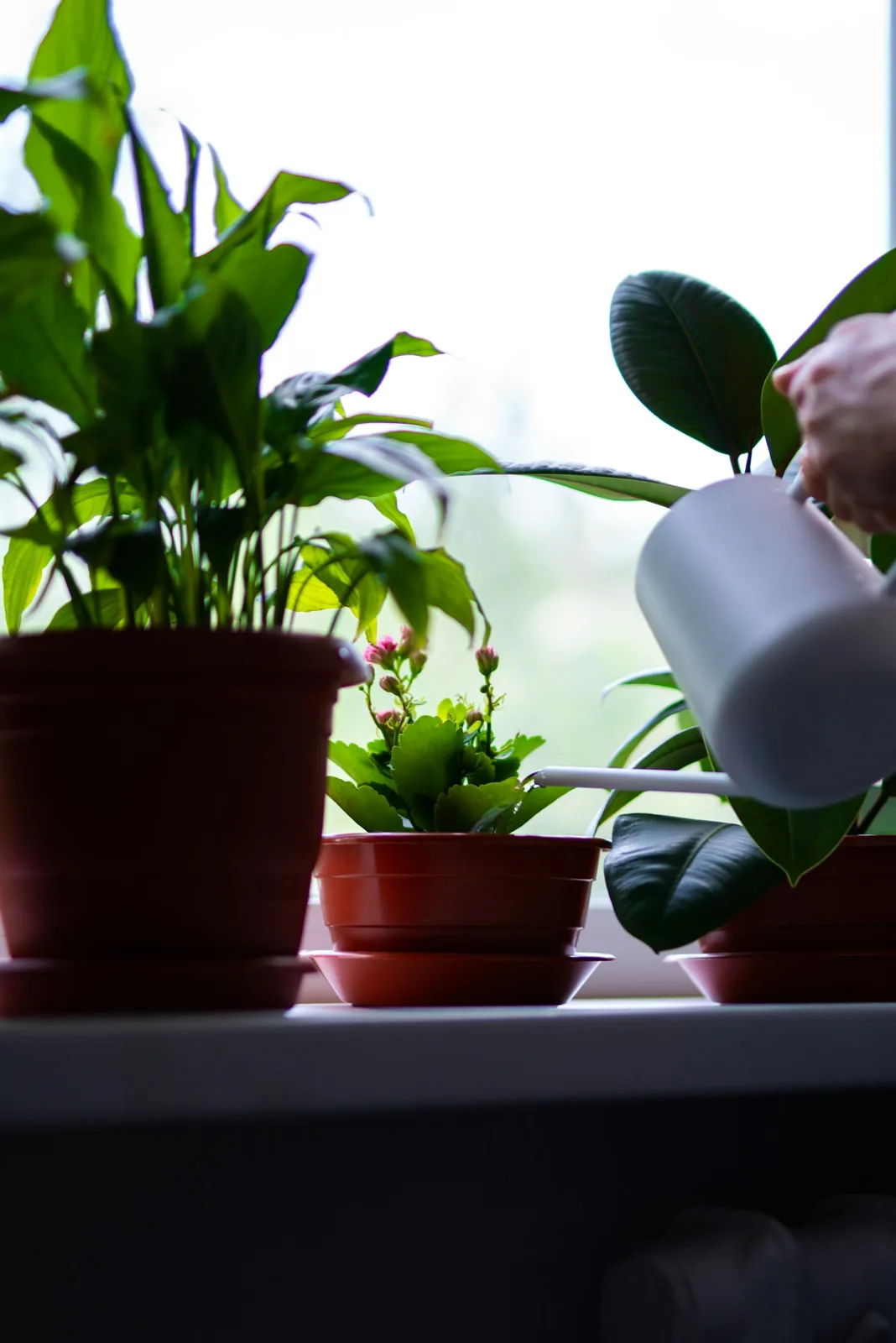
More water does not turn a decorative plant into a stronger air cleaner. EPA guidance cautions that overly damp soil can support microorganisms, and its home-air advice emphasizes moisture control. Keep the growing conditions suitable for the species instead of leaving every pot continuously wet.
Let a draining nursery pot finish draining before returning it to a decorative container. Check for standing water in saucers and outer pots. Investigate a recurring damp smell or visible mold rather than masking it with fragrance or adding more greenery. The underlying problem may involve watering, a container or the building itself.
Indoor humidity is a room condition, not a plant-count target. EPA's mold and moisture guidance recommends keeping it below 60 percent, ideally around 30–50 percent where practical. Do not turn a living room into a high-humidity plant enclosure in pursuit of an air-quality benefit that has not been established.
Plan One Plant and the Air Response Separately
Consider a hypothetical living room with a 36-inch-wide unused strip beside a sofa. A proposed plant stand and saucer occupy 14 inches across that strip, leaving 22 inches locally before leaves project beyond the base. If the strip is also needed for access, the plant may not belong there. This calculation describes the example, not a minimum route width.
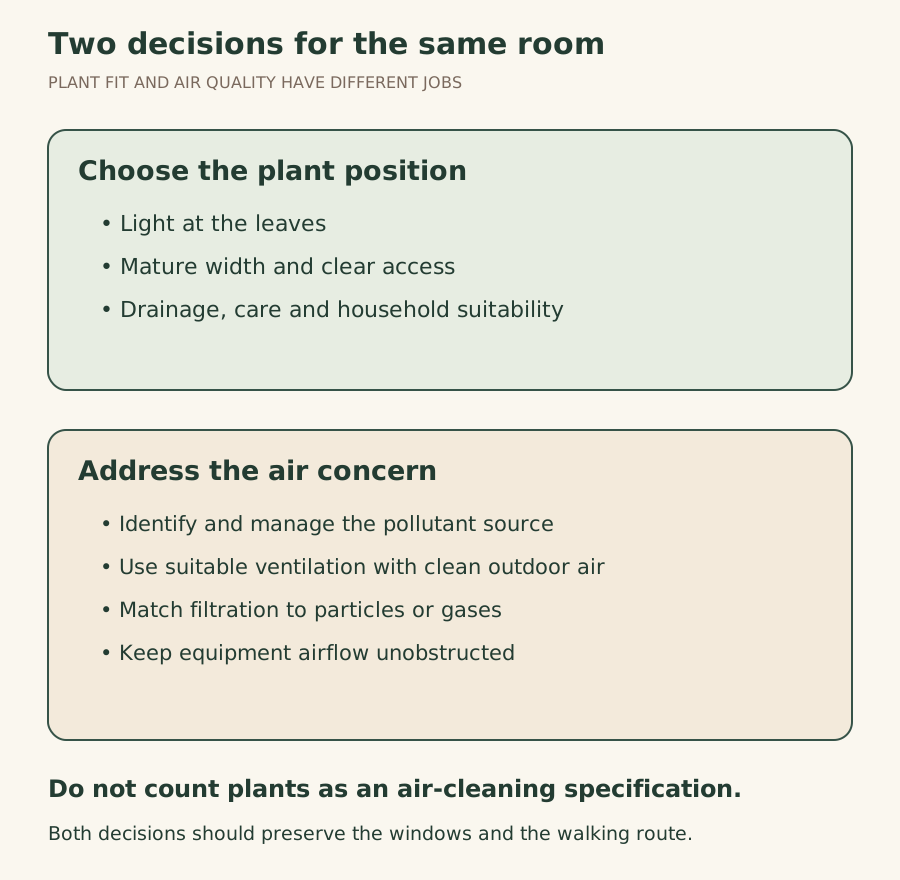
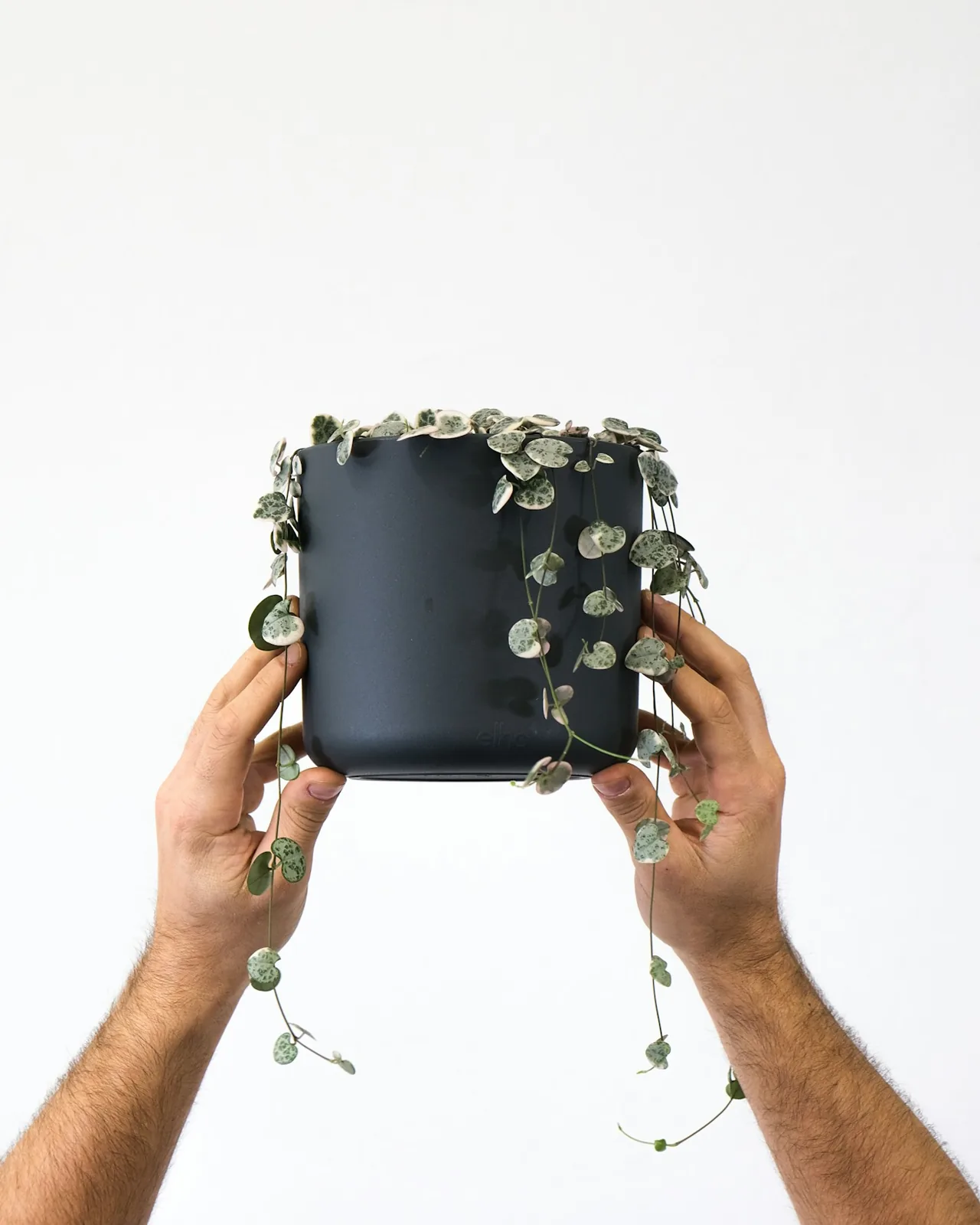
First decide whether the plant can grow at the proposed position and be cared for there. Separately identify the air concern. If cooking emissions are the issue, inspect the cooking and exhaust arrangements. If outdoor smoke is the issue, follow suitable local guidance rather than assuming an open window is always helpful. Do not move the pot around as a substitute for addressing the source.
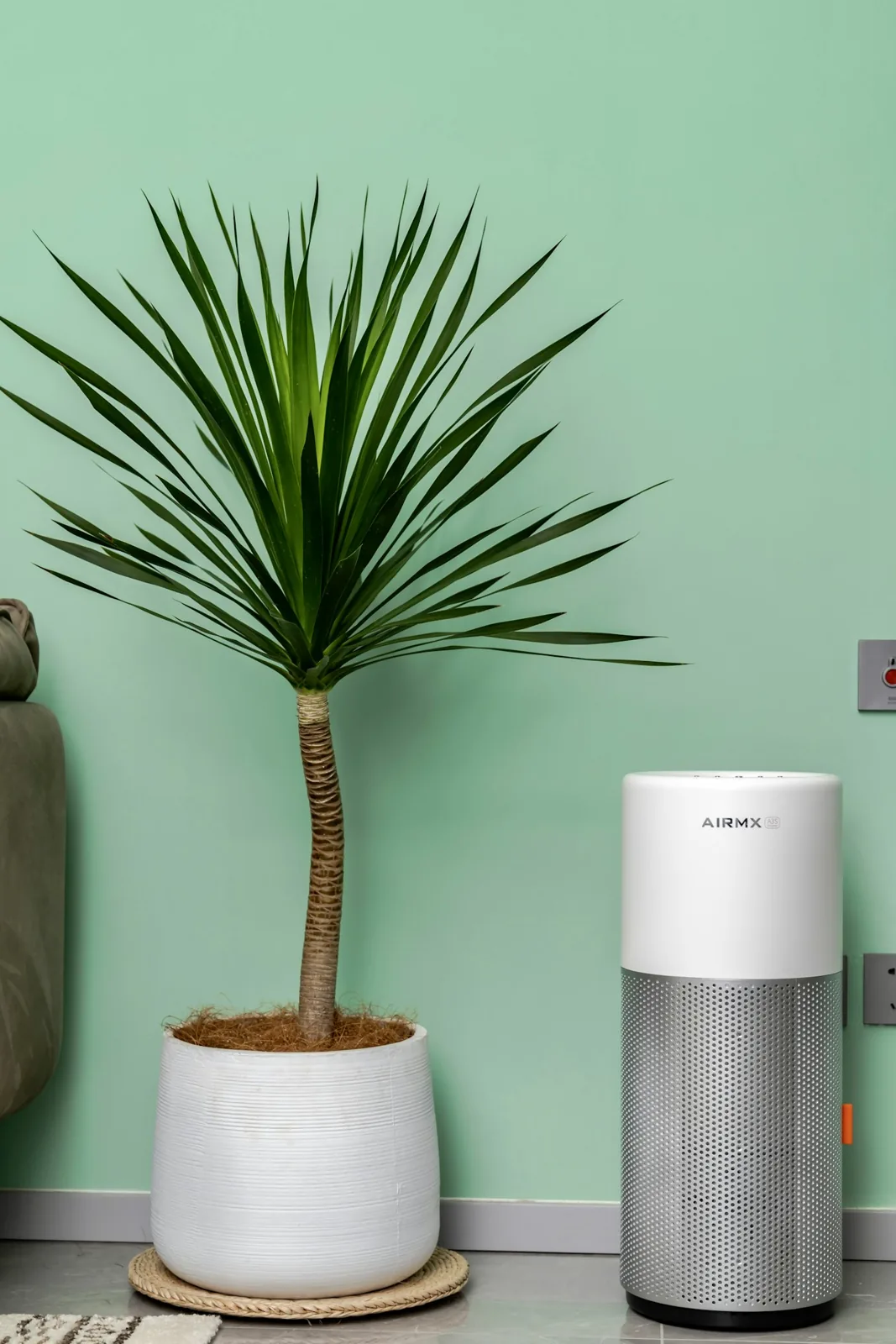
For a genuinely windowless position, our windowless-room guide explains the need for a suitable light source or an alternative. Do not buy a living plant for a dark corner solely because a list calls it a natural purifier.
Use This Plant Purchase Checklist
- Identify the plant by botanical name, not only its sales label.
- Check light at the proposed position and the space around the mature foliage.
- Choose a stable container and a workable drainage routine.
- Check household and pet access before bringing it home.
- Keep air-quality control as a separate, source-specific task.
A plant can make a room more enjoyable because you like its shape, color and growth. That is enough. The stronger choice is a plant you can maintain in a usable position, with an honest understanding of what it has and has not been shown to do.