



Quick Answer
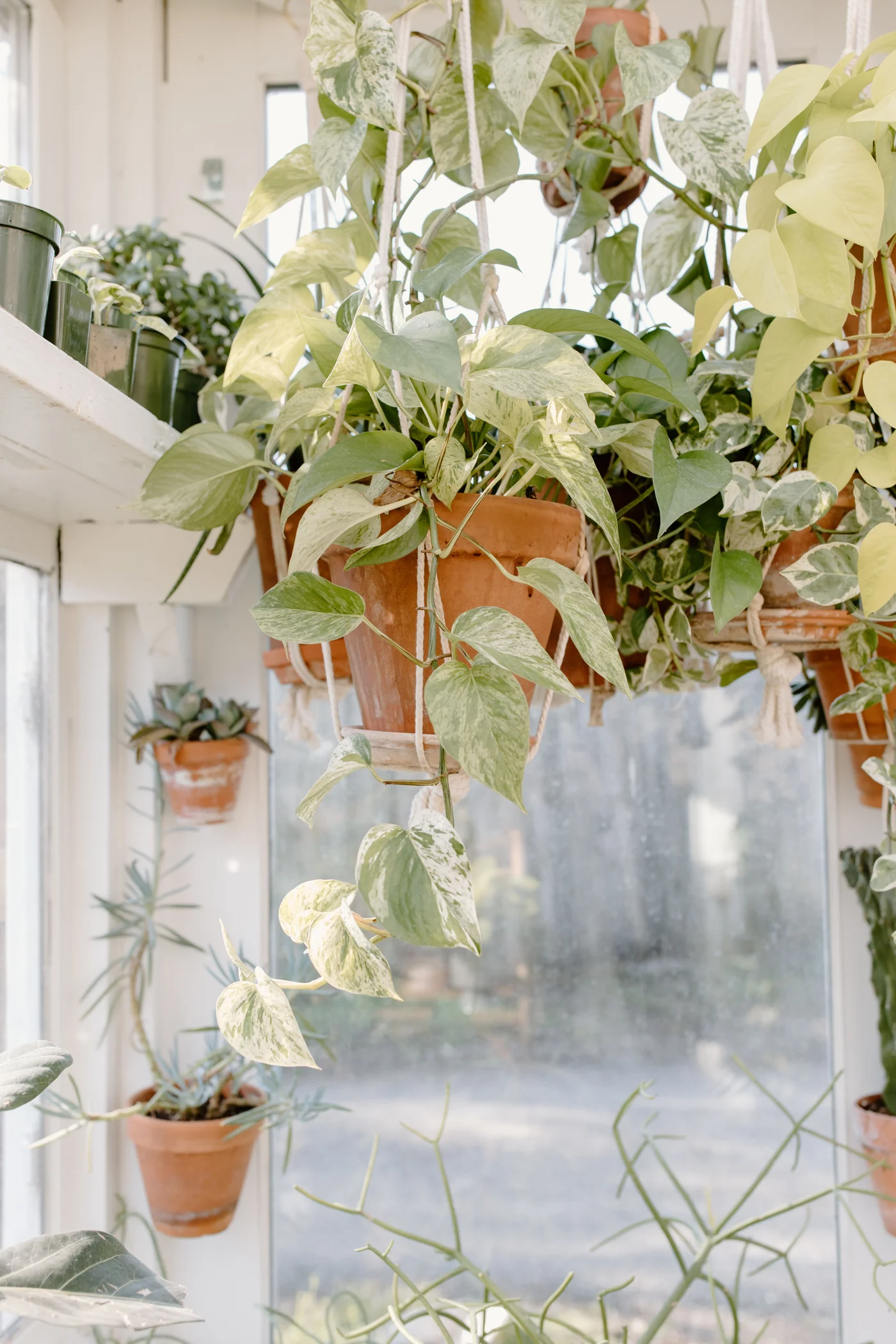
Pothos and heartleaf philodendron are forgiving hanging plants for lower indirect light. String of hearts and string of pearls suit brighter windows; spider plant, Boston fern and Hoya carnosa are useful options for homes with pets. Choose a secure basket that you can reach to water.
Start with the light, space and care routine you can provide. Our guide to indoor plants can help you compare options for different rooms. For botanical light levels, compare recommendations against the University of Minnesota Extension houseplant-light guide. For households with animals, consult the ASPCA toxic and non-toxic plant database using the scientific name. A label such as "low-light plant" never means a living plant needs no light.
If your goal is specifically to improve household air quality, use our indoor plants for air quality guide. A few decorative pots should not be presented as a substitute for ventilation or appropriate filtration.
Compare the Plants Before You Buy
Use the practical light requirement, shape and position to narrow the list. These are general conditions rather than hard rules; the actual growing environment is more important than the shop label.
Compare indoor plant options by light and primary feature
Scroll sideways to compare all columns.
| Plant | Light | Care trade-off | Best feature |
|---|---|---|---|
| Golden pothos | Low to bright indirect light | Let the upper mix dry, then drain fully | Adaptable trails and quick-growing greenery suit a deep shelf or hanging planter |
| Heartleaf philodendron | Medium to bright indirect light; tolerates softer light | Let the surface dry partly; trim leggy growth | Heart-shaped leaves make a lighter curtain than thick-leaved vines and are easy to guide around a high shelf |
| Spider plant | Medium to bright indirect light | Allow partial drying; protect the offsets | Arching leaves and baby plantlets create movement without a single exceptionally long vine |
| Satin pothos | Bright indirect light; tolerates some medium light | Let the upper mix dry partly | Soft silver-marked leaves look considered against timber shelves and neutral walls |
| Tradescantia zebrina | Bright indirect light for strong purple striping | Pinch stems to keep a fuller basket | Purple and silver foliage gives a striking contrast when a corner needs color, not more furniture |
| String of hearts | Bright light, including gentle direct sun | Dry between waterings in a gritty mix | Thin heart-shaped leaves produce an airy cascade in a small basket by a bright window |
| Wax plant | Bright indirect light | Let the mix dry between waterings | Fleshy leaves and twining growth can frame a shelf, while mature plants sometimes produce scented flower clusters |
| String of pearls | Very bright light with careful sun acclimation | Dry appropriately in a fast-draining succulent mix | Bead-like strands work beautifully on a high bright ledge when the beads remain visible |
| Boston fern | Medium indirect light and higher humidity | Keep evenly moist without waterlogging | The lush fronds soften a bright bathroom or windowed landing without needing trailing vines |
| Lipstick plant | Bright filtered light | Water regularly during active growth; ensure drainage | Compact glossy leaves and tubular red blooms bring seasonal detail to a sunny interior |
| Mistletoe cactus | Bright filtered to medium indirect light | Moderate watering in an airy mix | Thin branching stems create a loose sculptural silhouette rather than an orderly heart-leaf vine |
| Burro's tail | Bright light, with suitable sun acclimation | Water sparingly; avoid brushing fragile leaves | Plump overlapping leaves turn a high planter into a distinctive cascading accent |
12 Best Hanging Indoor Plants to Consider
1. Golden pothos (Epipremnum aureum)
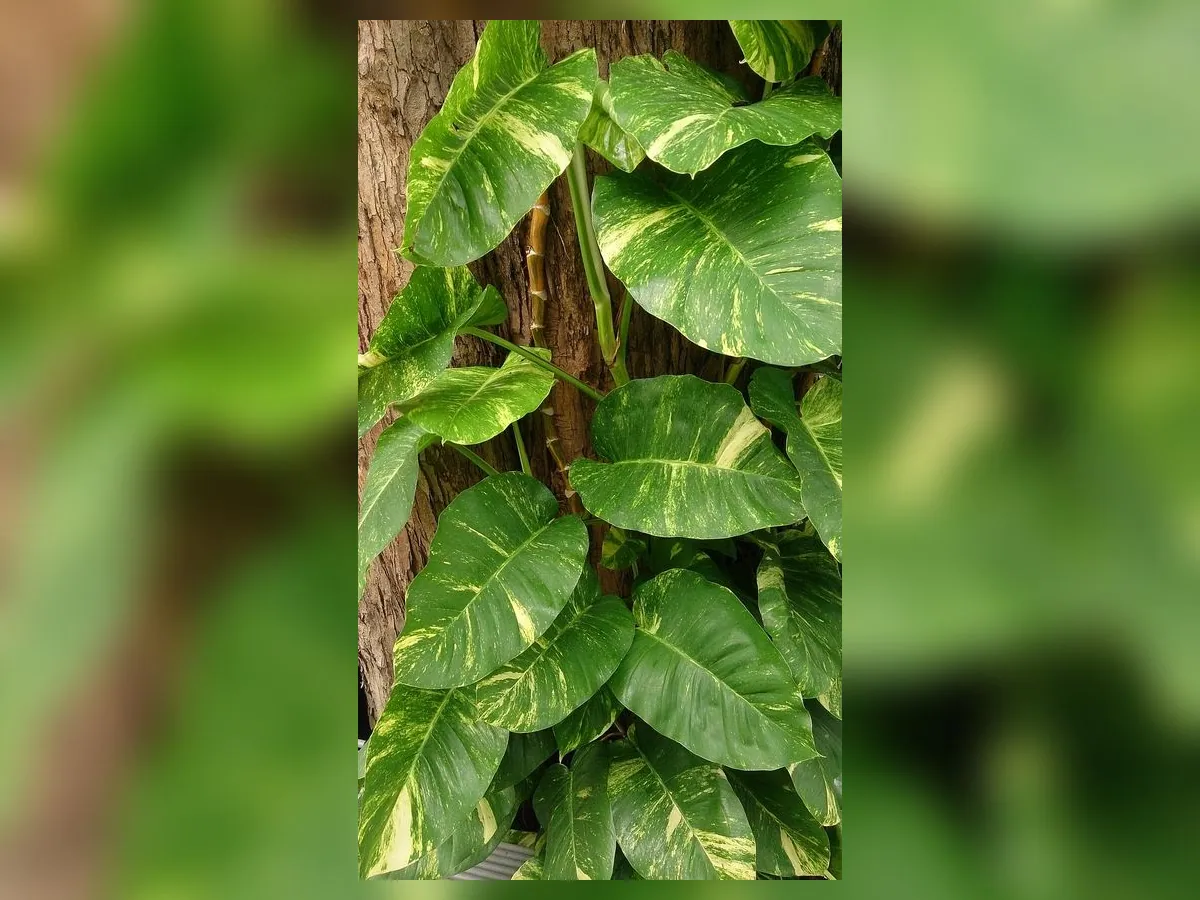
Best light: Low to bright indirect light. Adaptable trails and quick-growing greenery suit a deep shelf or hanging planter. Let the upper mix dry before watering, then drain fully outside a decorative cachepot.
Before you place it: Toxic to cats and dogs when chewed; height alone may not prevent access to long vines.
2. Heartleaf philodendron (Philodendron hederaceum)
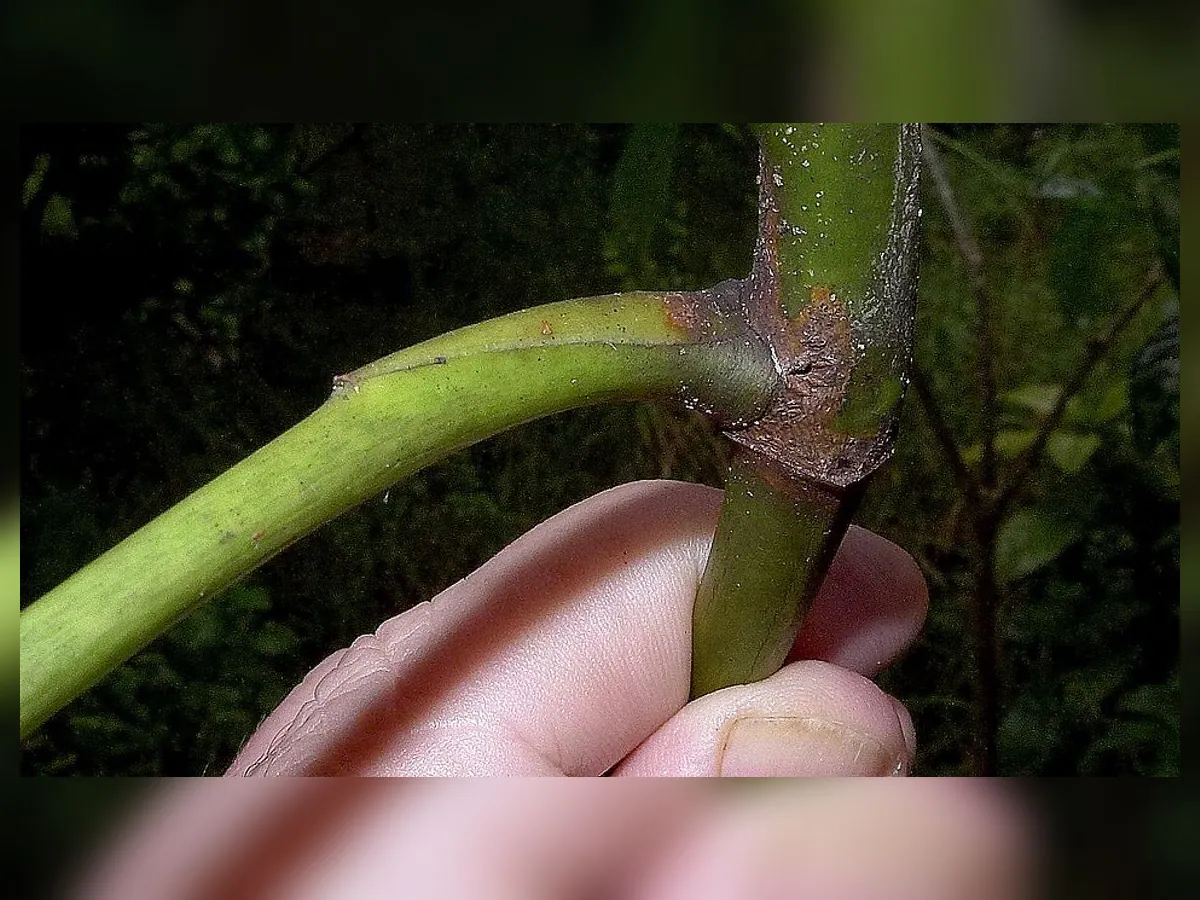
Best light: Medium to bright indirect light; tolerates softer light. Heart-shaped leaves make a lighter curtain than thick-leaved vines and are easy to guide around a high shelf. Trim just above a node to keep an even silhouette and root healthy cuttings if you want a fuller pot.
Before you place it: Contains irritating calcium oxalates; keep the trailing stems out of reach.
3. Spider plant (Chlorophytum comosum)
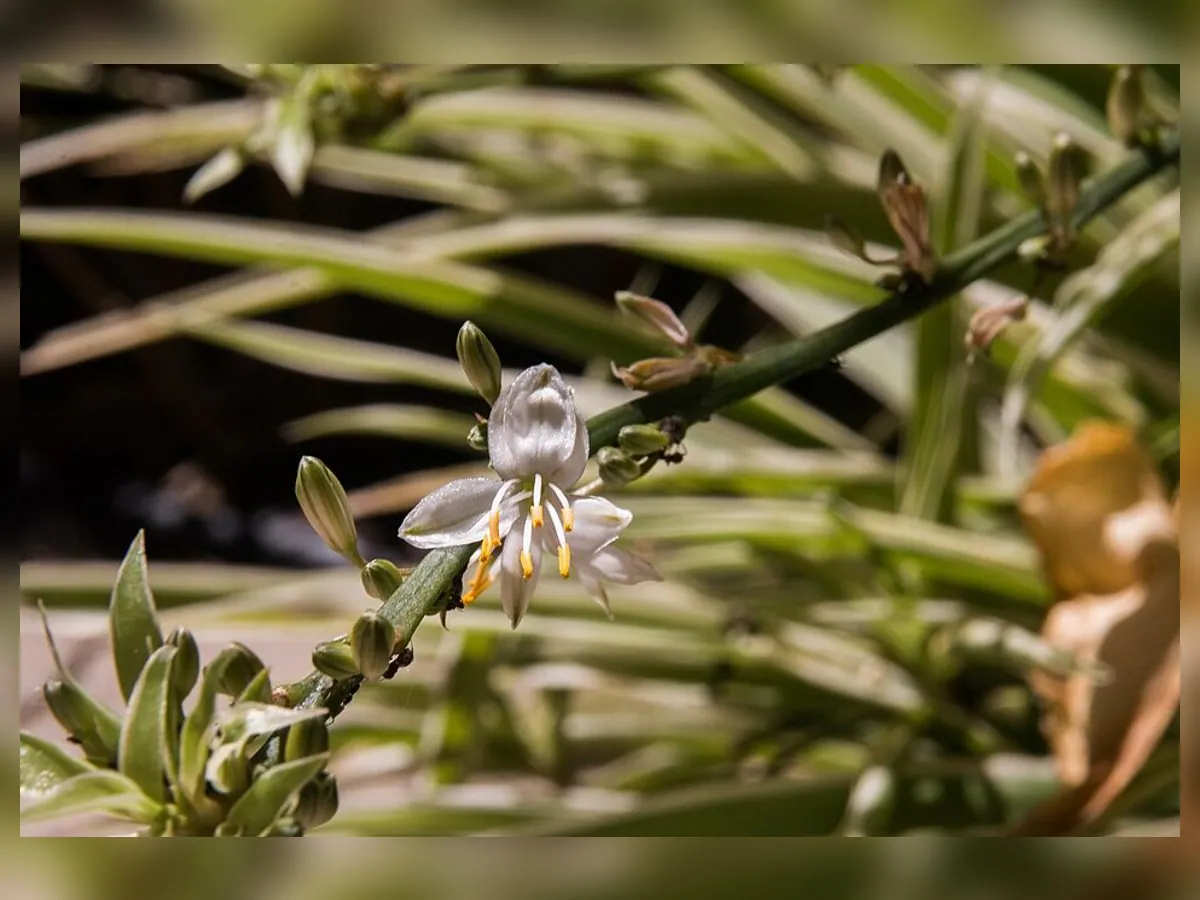
Best light: Medium to bright indirect light. Arching leaves and baby plantlets create movement without a single exceptionally long vine. Avoid soggy soil and flush mineral-heavy potting mix occasionally if brown leaf tips appear.
Before you place it: ASPCA lists spider plant as non-toxic to cats and dogs, although chewing can still upset digestion.
4. Satin pothos (Scindapsus pictus)
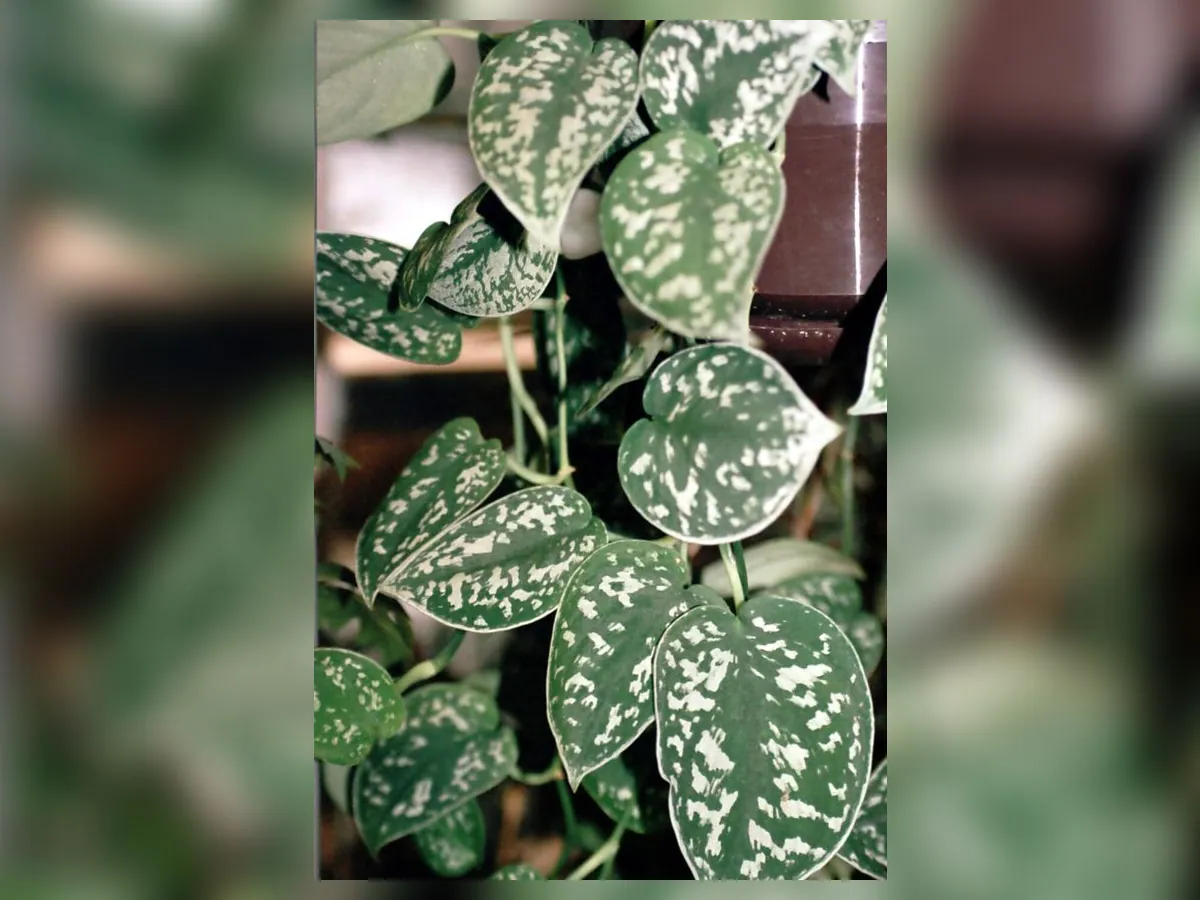
Best light: Bright indirect light; tolerates some medium light. Soft silver-marked leaves look considered against timber shelves and neutral walls. Let the upper layer of compost dry partly, rotate the basket and keep it away from cold window glass.
Before you place it: It is not the same species as golden pothos and is also unsuitable for chewing pets.
5. Tradescantia zebrina (Tradescantia zebrina)
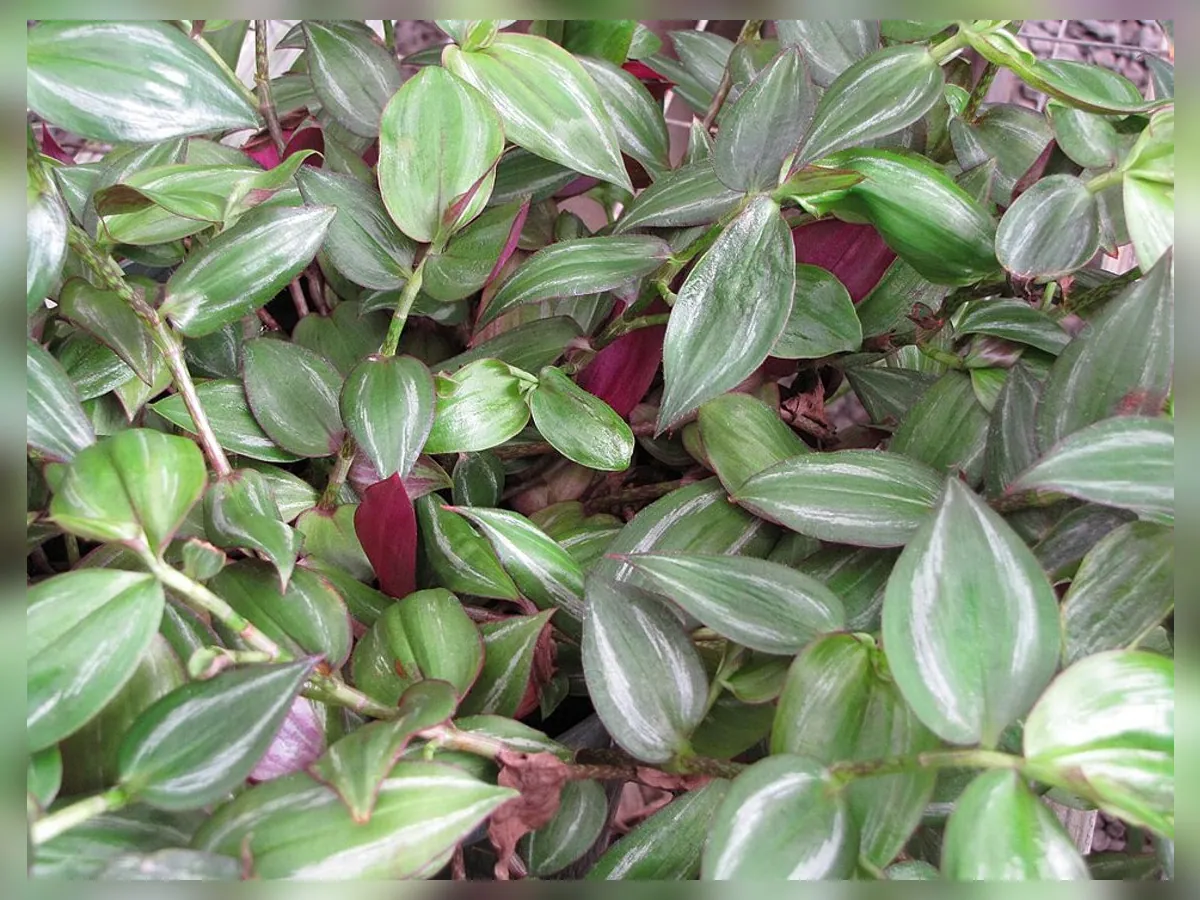
Best light: Bright indirect light for strong purple striping. Purple and silver foliage gives a striking contrast when a corner needs color, not more furniture. Pinch long leggy stems and replant cuttings to maintain a full hanging basket.
Before you place it: Sap can irritate sensitive skin; keep it away from pets who repeatedly nibble plants.
6. String of hearts (Ceropegia woodii)
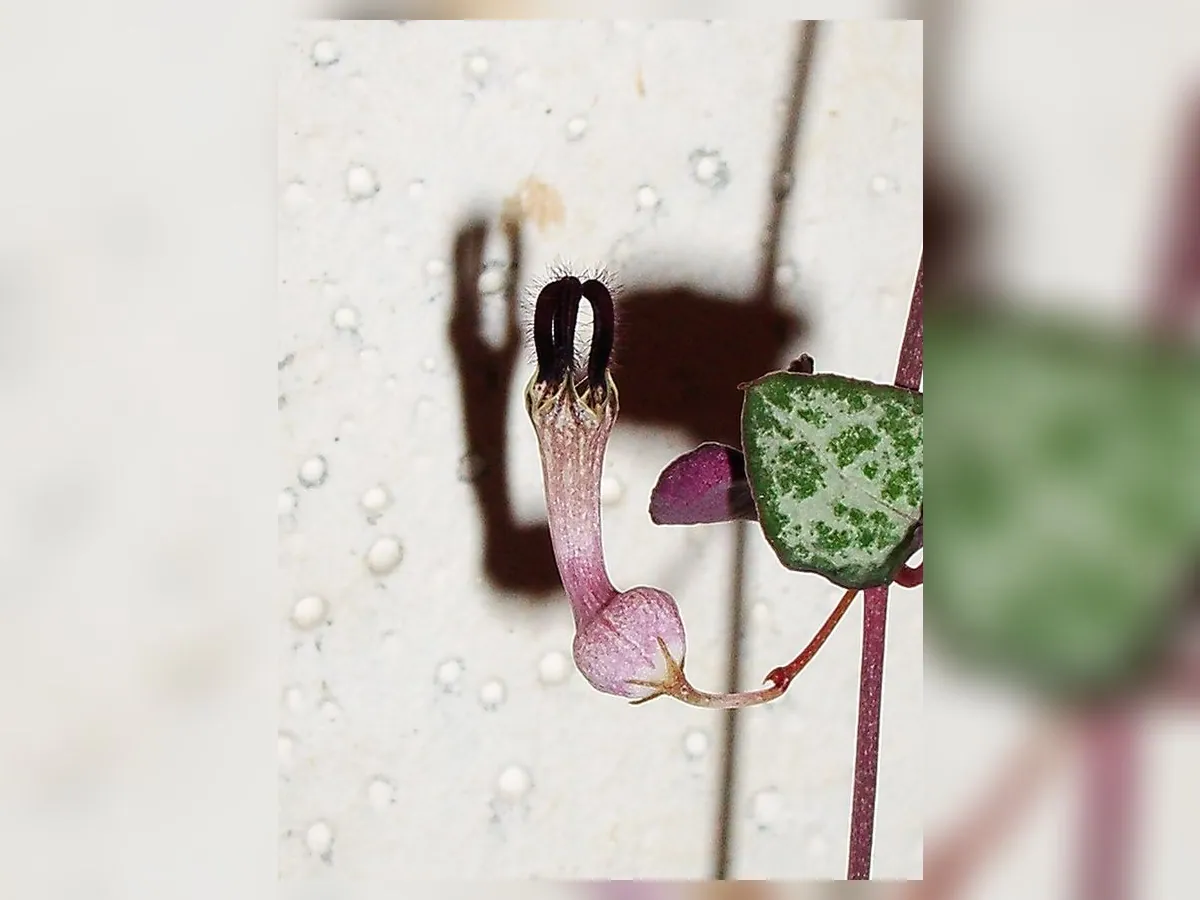
Best light: Bright light, including gentle direct sun. Thin heart-shaped leaves produce an airy cascade in a small basket by a bright window. Use a gritty mix and allow it to dry between waterings; thin strands are easily tangled.
Before you place it: Choose a spot where the fine stems cannot be caught in blinds or a frequently opened window.
7. Wax plant (Hoya carnosa)
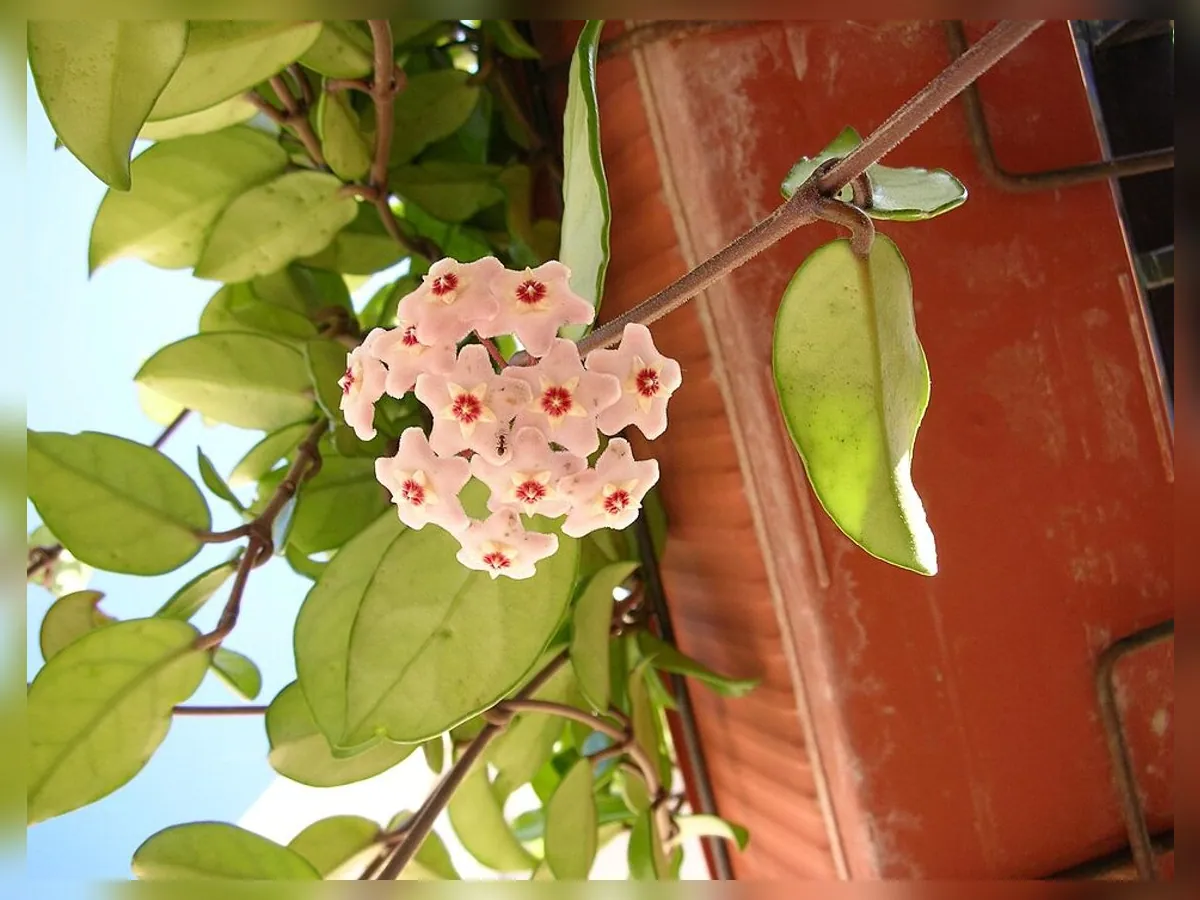
Best light: Bright indirect light. Fleshy leaves and twining growth can frame a shelf, while mature plants sometimes produce scented flower clusters. Let the medium partly dry and avoid moving a flowering plant unnecessarily.
Before you place it: Confirm that the label says Hoya carnosa when checking pet safety. Keep the short flowering spurs when pruning: NC State notes that they can flower again.
8. String of pearls (Curio rowleyanus)
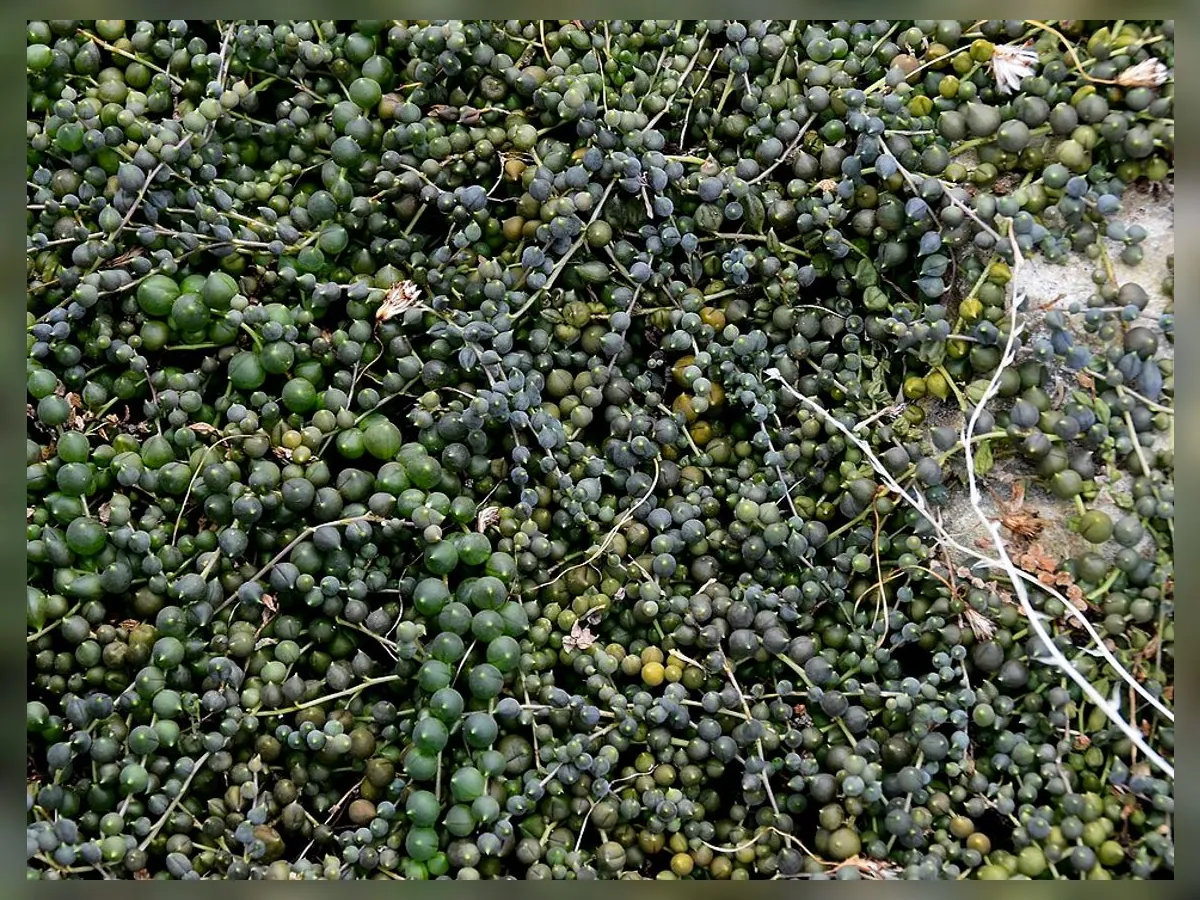
Best light: Very bright light with careful sun acclimation. Bead-like strands work beautifully on a high bright ledge when the beads remain visible. Use succulent drainage and water only when the mix has dried appropriately for the season.
Before you place it: Not a low-light hanging plant; potentially harmful if ingested, so choose secure pet-free placement.
9. Boston fern (Nephrolepis exaltata)
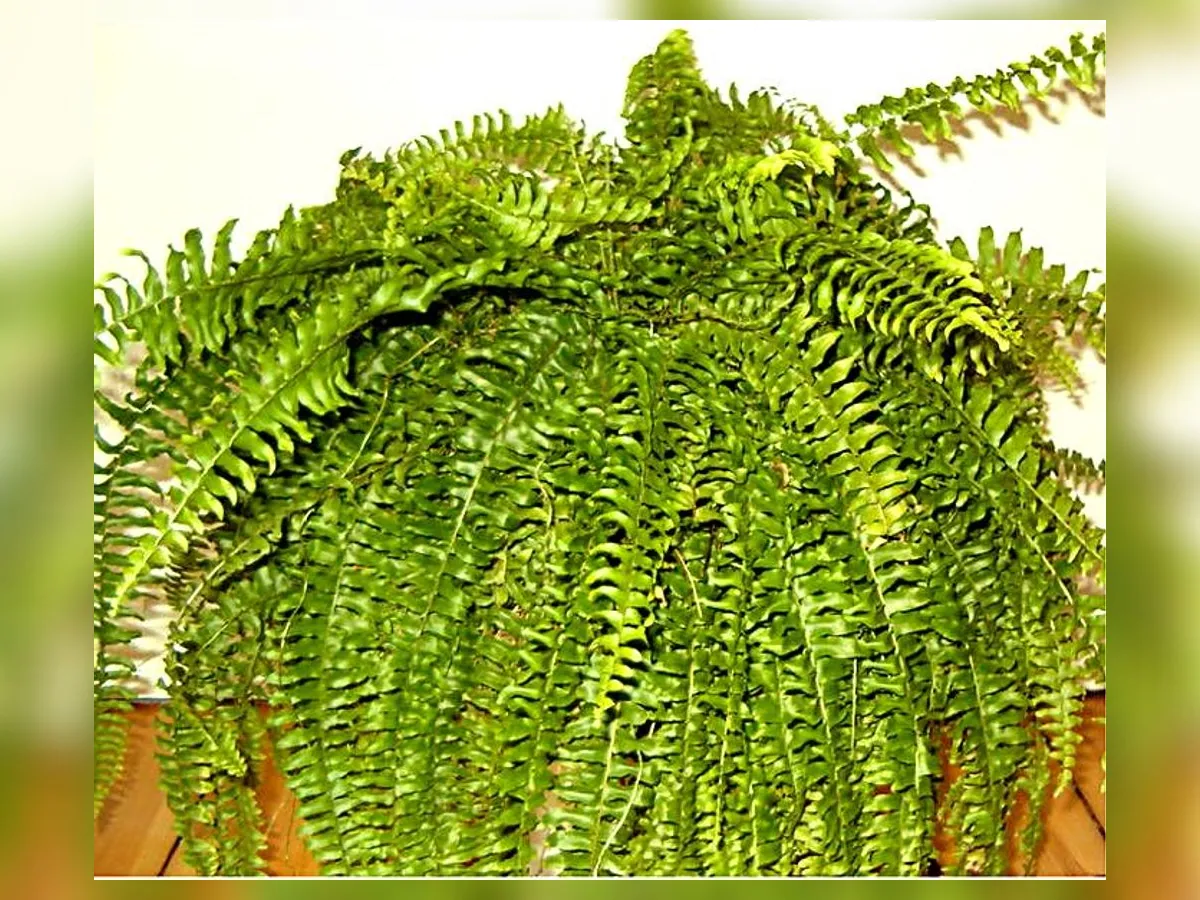
Best light: Medium indirect light and higher humidity. The lush fronds soften a bright bathroom or windowed landing without needing trailing vines. Keep the root ball evenly moist but never waterlogged and watch dry heated air.
Before you place it: ASPCA lists Boston fern as non-toxic to cats and dogs; it still needs enough light.
10. Lipstick plant (Aeschynanthus radicans)
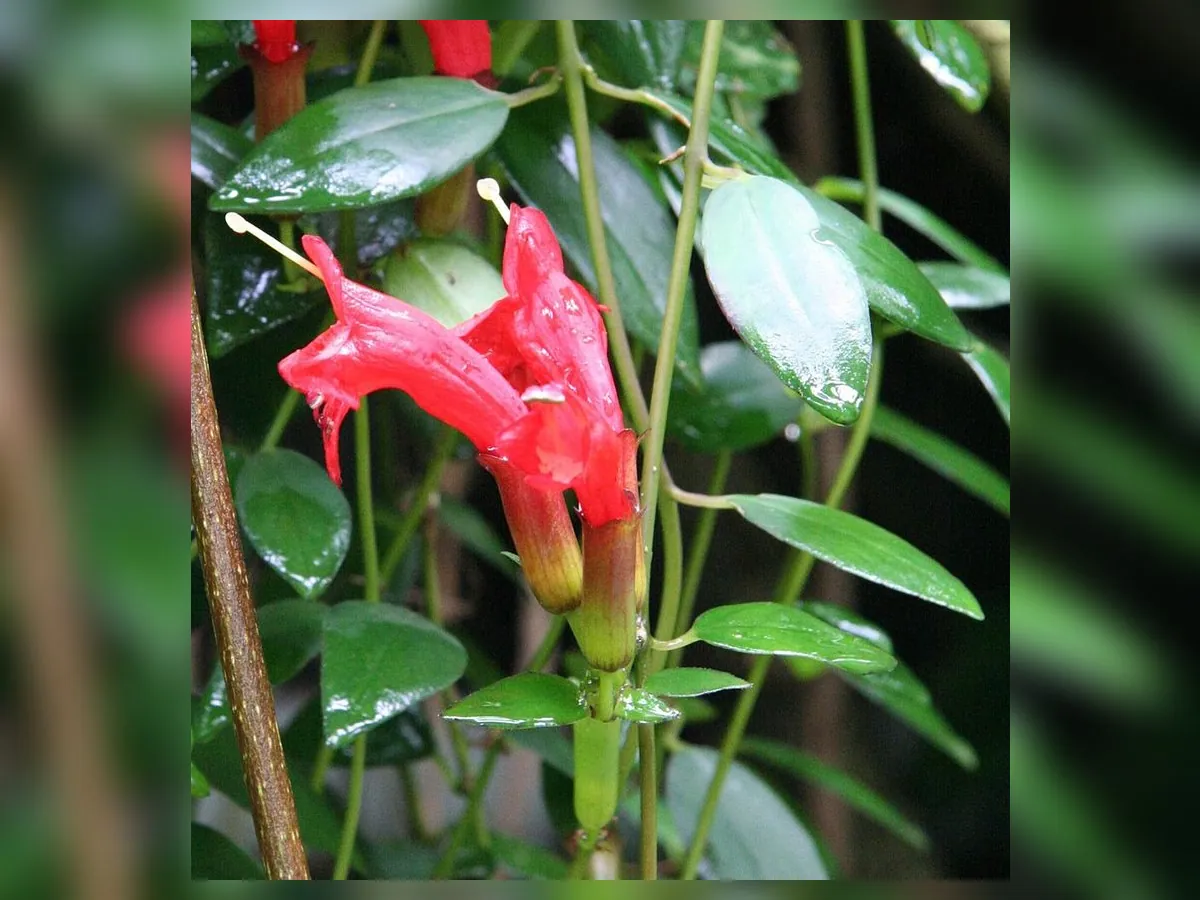
Best light: Bright filtered light. Compact glossy leaves and tubular red blooms bring seasonal detail to a sunny interior. Give warmth, good drainage and steady care rather than repeatedly moving it from corner to corner.
Before you place it: Expect less flowering in dim rooms; check pet safety against the exact variety.
11. Mistletoe cactus (Rhipsalis baccifera)
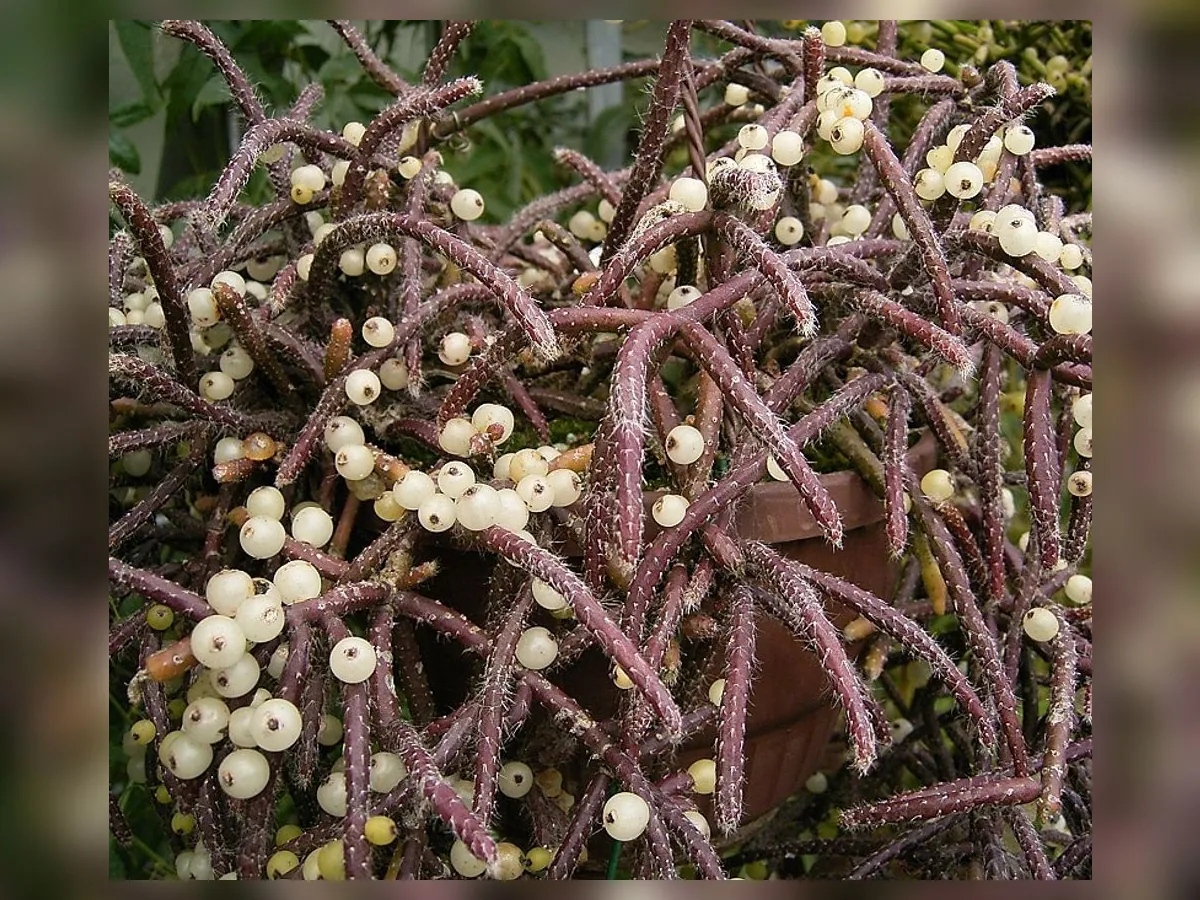
Best light: Bright filtered to medium indirect light. Thin branching stems create a loose sculptural silhouette rather than an orderly heart-leaf vine. Use an airy mix, moderate watering and protect it from harsh midday sun.
Before you place it: Despite the cactus name, Rhipsalis baccifera prefers filtered light rather than desert-succulent sun. NC State describes stems reaching up to 6 feet long, so leave room beneath the basket.
12. Burro's tail (Sedum morganianum)
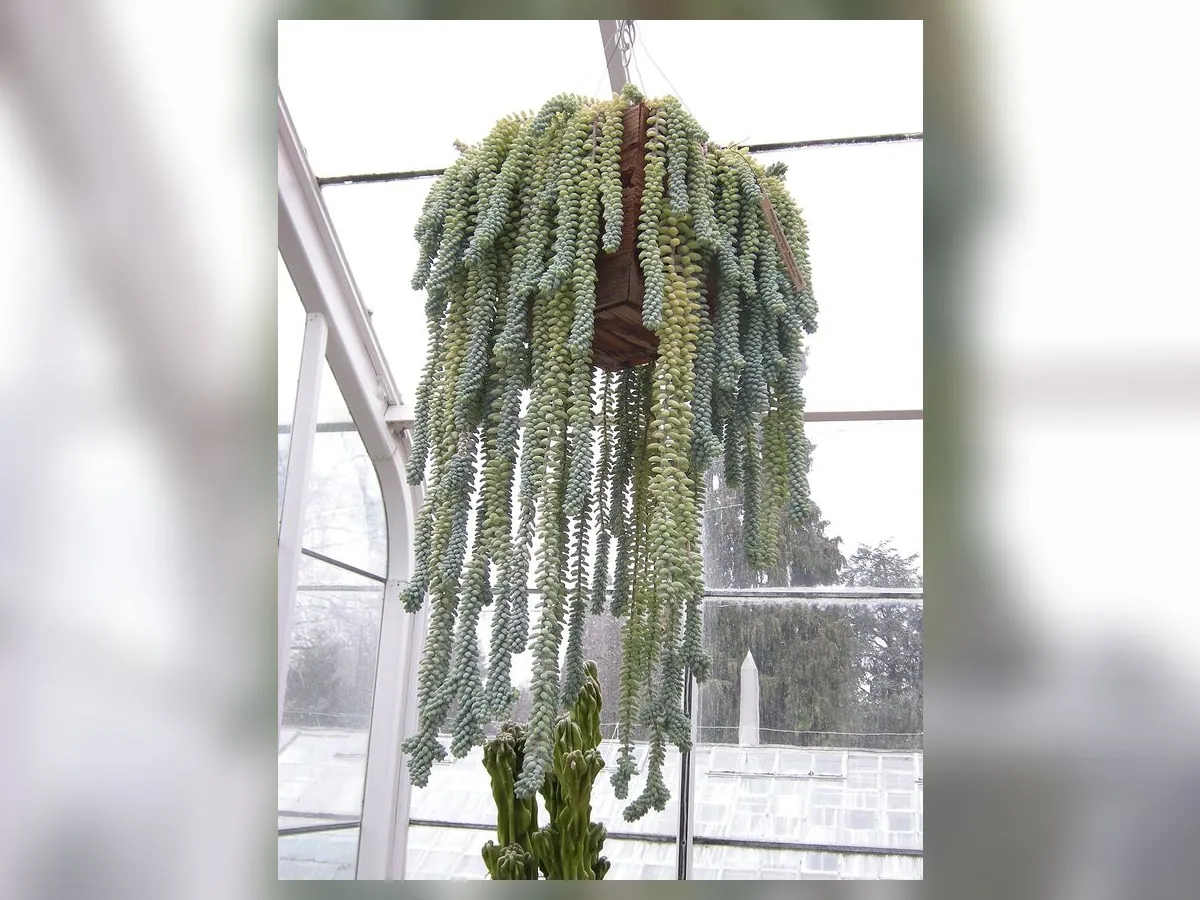
Best light: Bright light, with suitable sun acclimation. Plump overlapping leaves turn a high planter into a distinctive cascading accent. Water sparingly with excellent drainage and leave enough clearance when carrying the pot.
Before you place it: Leaves detach easily when brushed, so avoid busy doors, narrow corridors and frequently moved baskets.
Six Practical Placement and Care Decisions
13. Measure light at the height of the basket
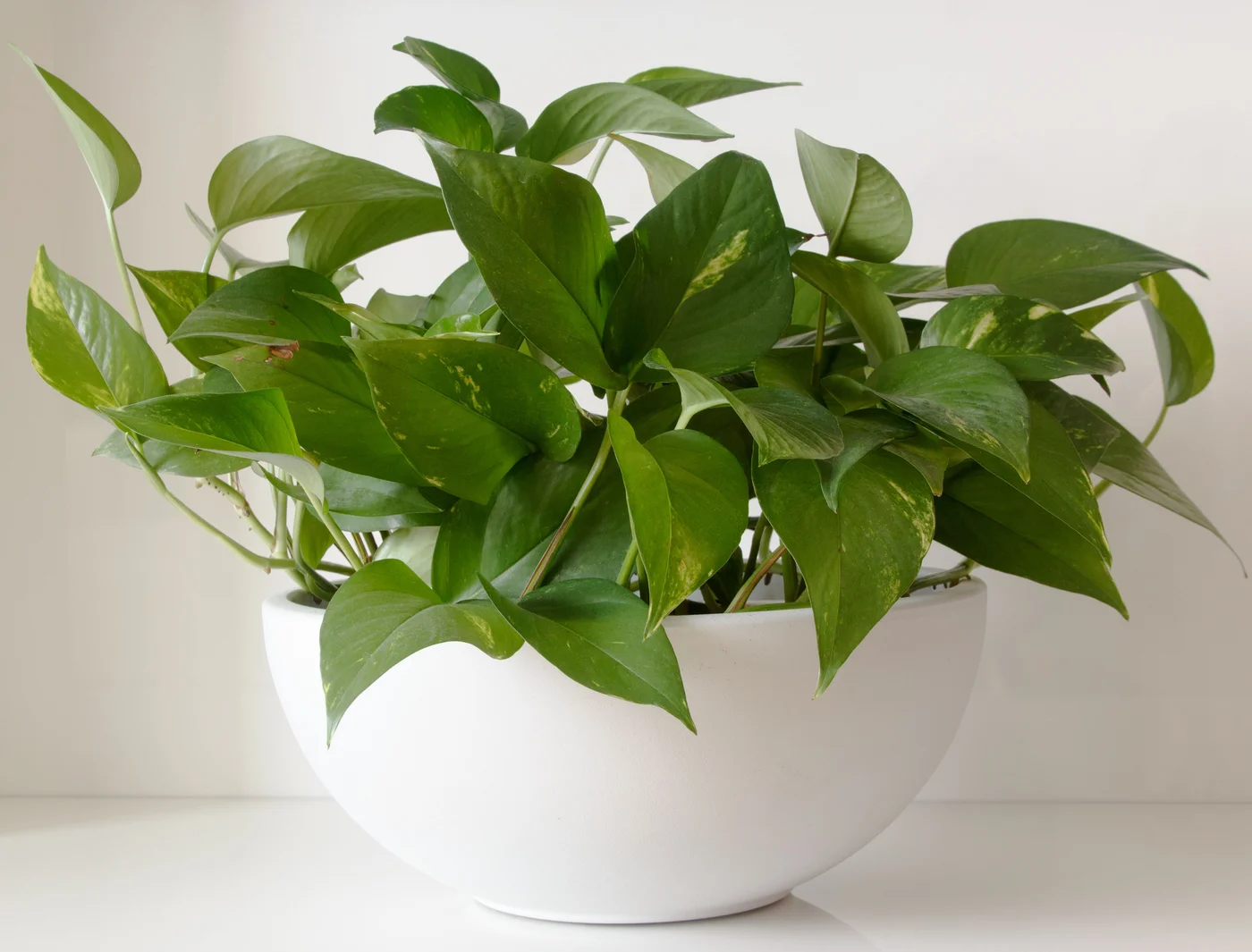
Hang a test object at the proposed hook and watch the light there during the day. The top of a room can be surprisingly dim if a curtain rail or lintel blocks the window. Consider a grow light when natural daylight is weak. Bright-window succulents do not belong above a shadowed doorway.
14. Choose ceiling fixings for the total wet weight
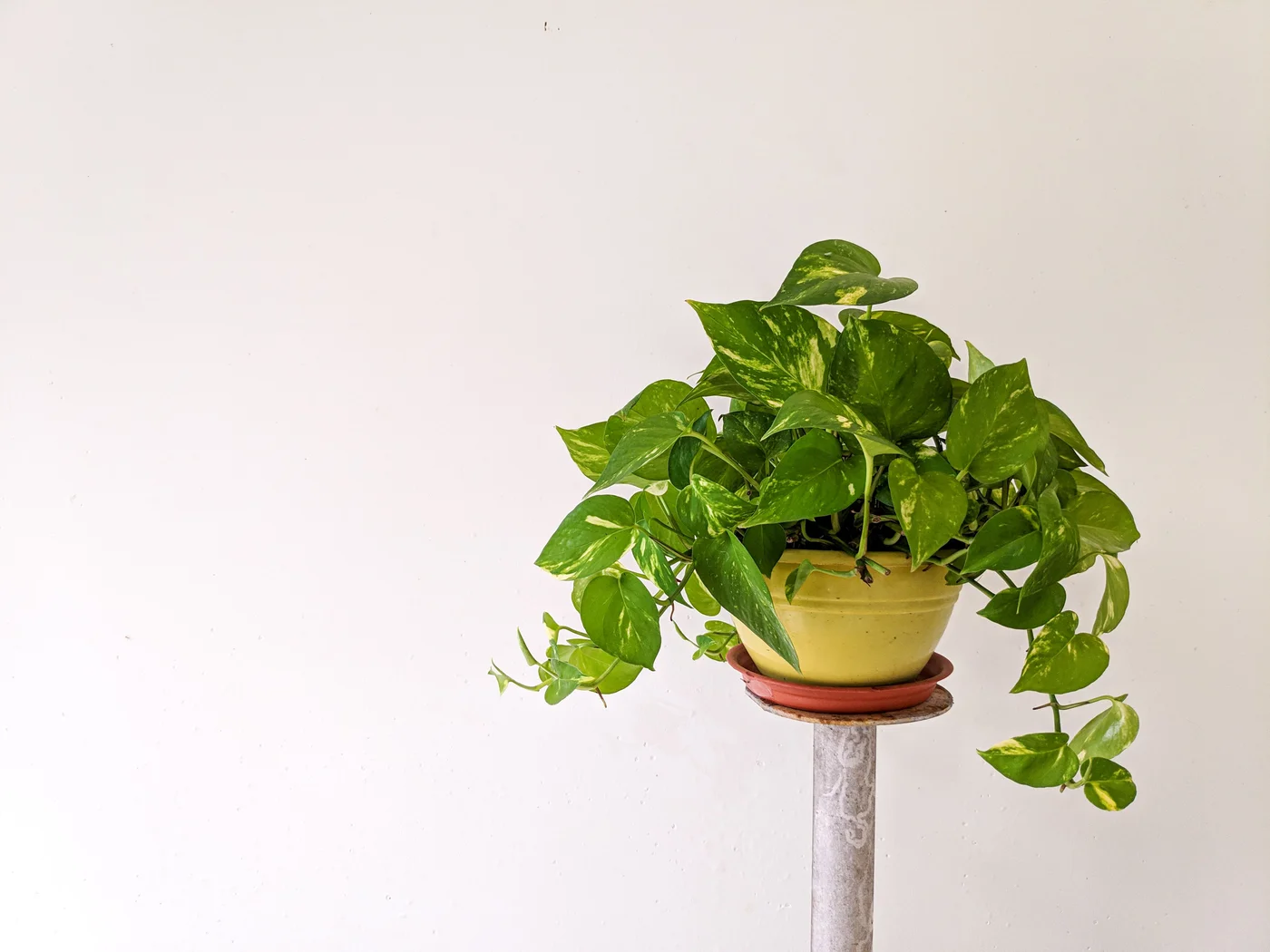
Weigh the pot, plant, wet substrate and drip tray together, not only the empty container. Secure the hook in a suitable structural fixing and follow its rated load. Do not assume plasterboard alone or a decorative adhesive hook can hold a watered terracotta basket overhead.
15. Plan a watering routine before hanging
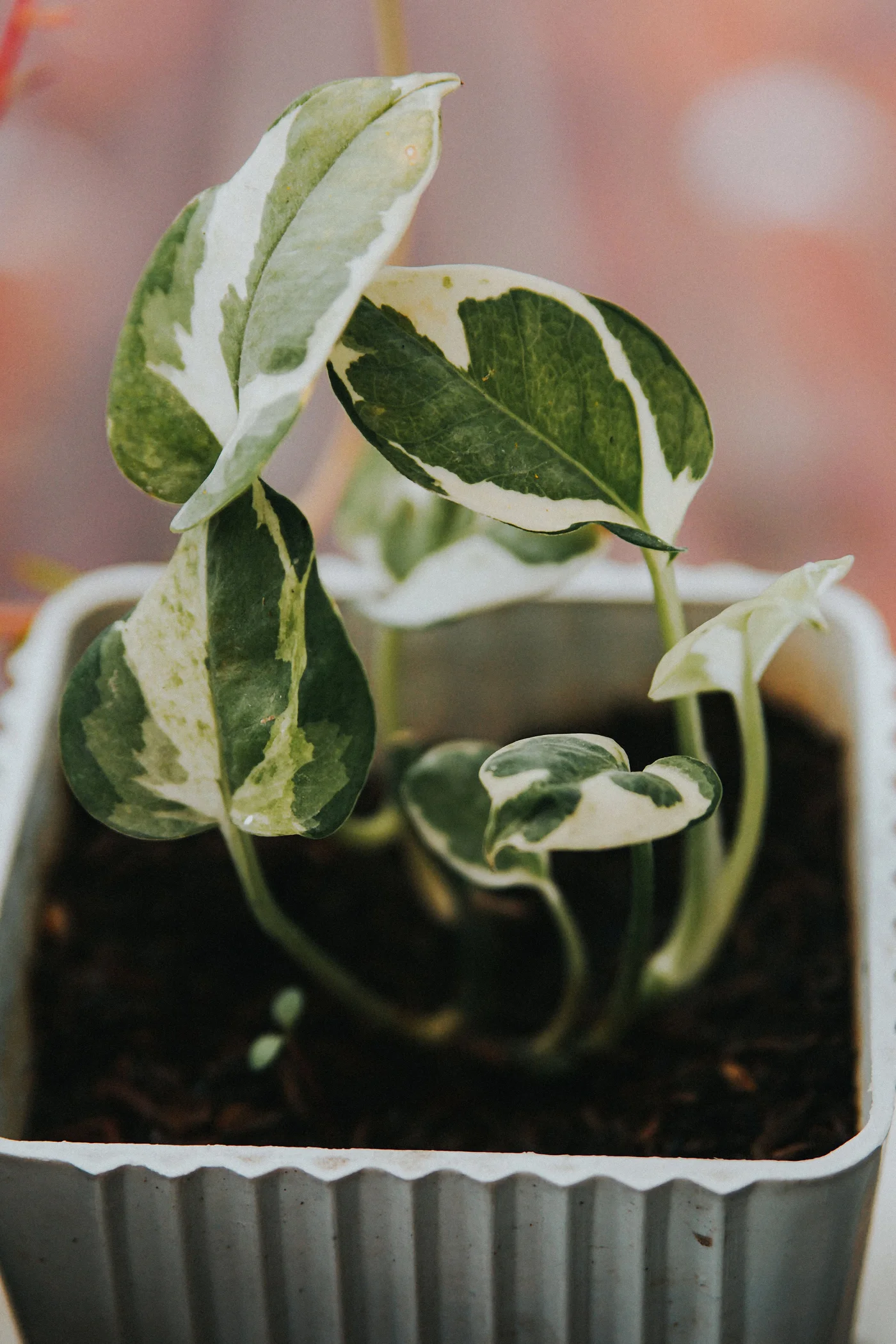
A hanging pot without a drain hole is easy to overwater. Lift out an inner nursery pot to water it over a sink, let it drain and return it only when dripping has stopped. Keep water away from wooden shelves, electrical outlets, furniture and painted ceilings.
16. Use high shelves when suspension is impractical
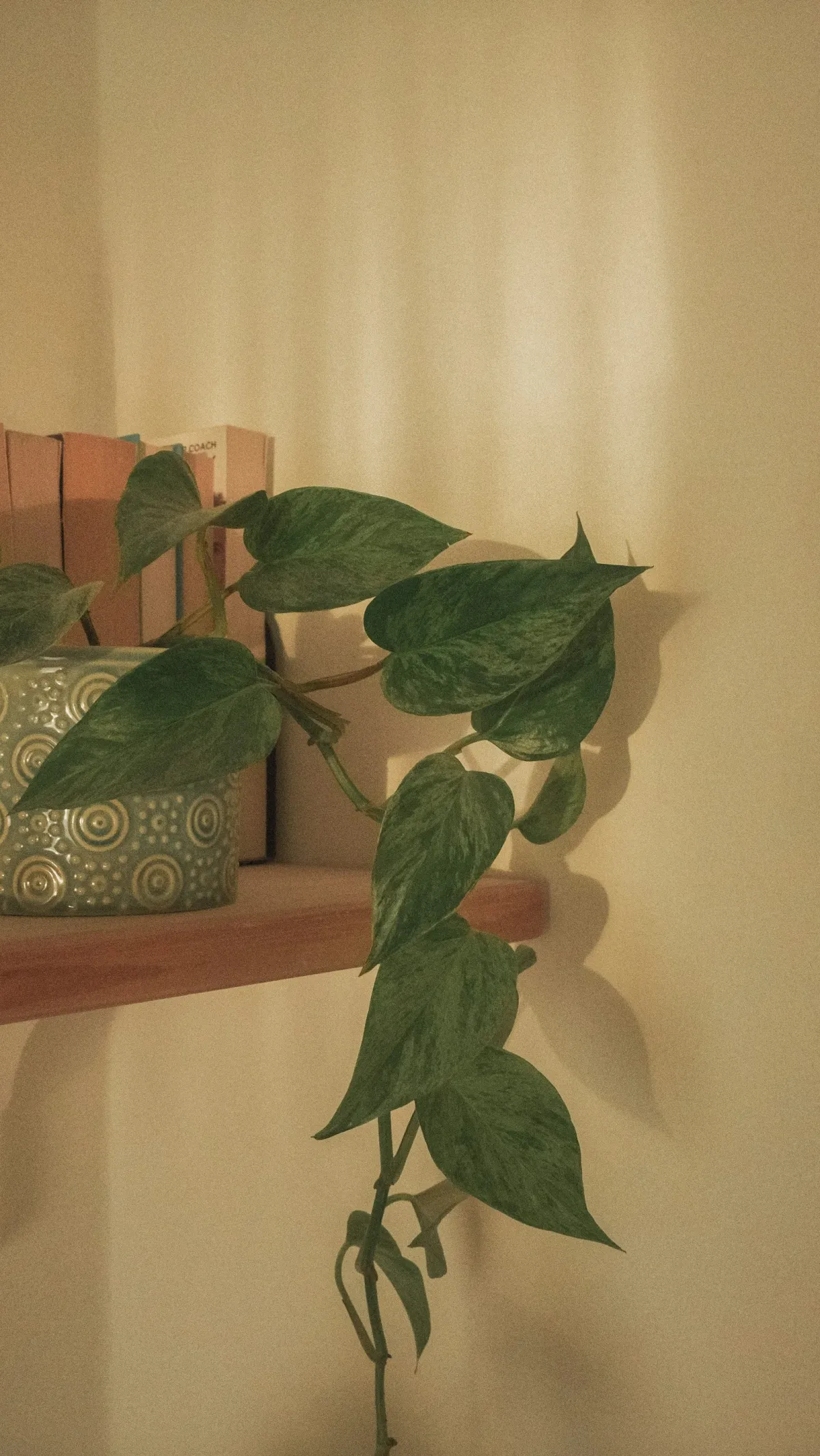
Trailing plants can work on a deep bookcase, cabinet or wardrobe without ceiling drilling. Keep the pot completely supported and prevent vines from blocking cabinet doors. The best location is one that makes inspection and routine pruning easy. For a shelf beside a workstation, compare the light and care needs in our office plants guide.
17. Build a pet-aware plant display
Pet-safe status needs the botanical name, not a 'non-toxic' label on a product card. Curious cats can reach high planters by jumping from furniture. Check the ASPCA database, prevent access where needed and prioritize stable, lightweight planters.
18. Style the cascade without clutter
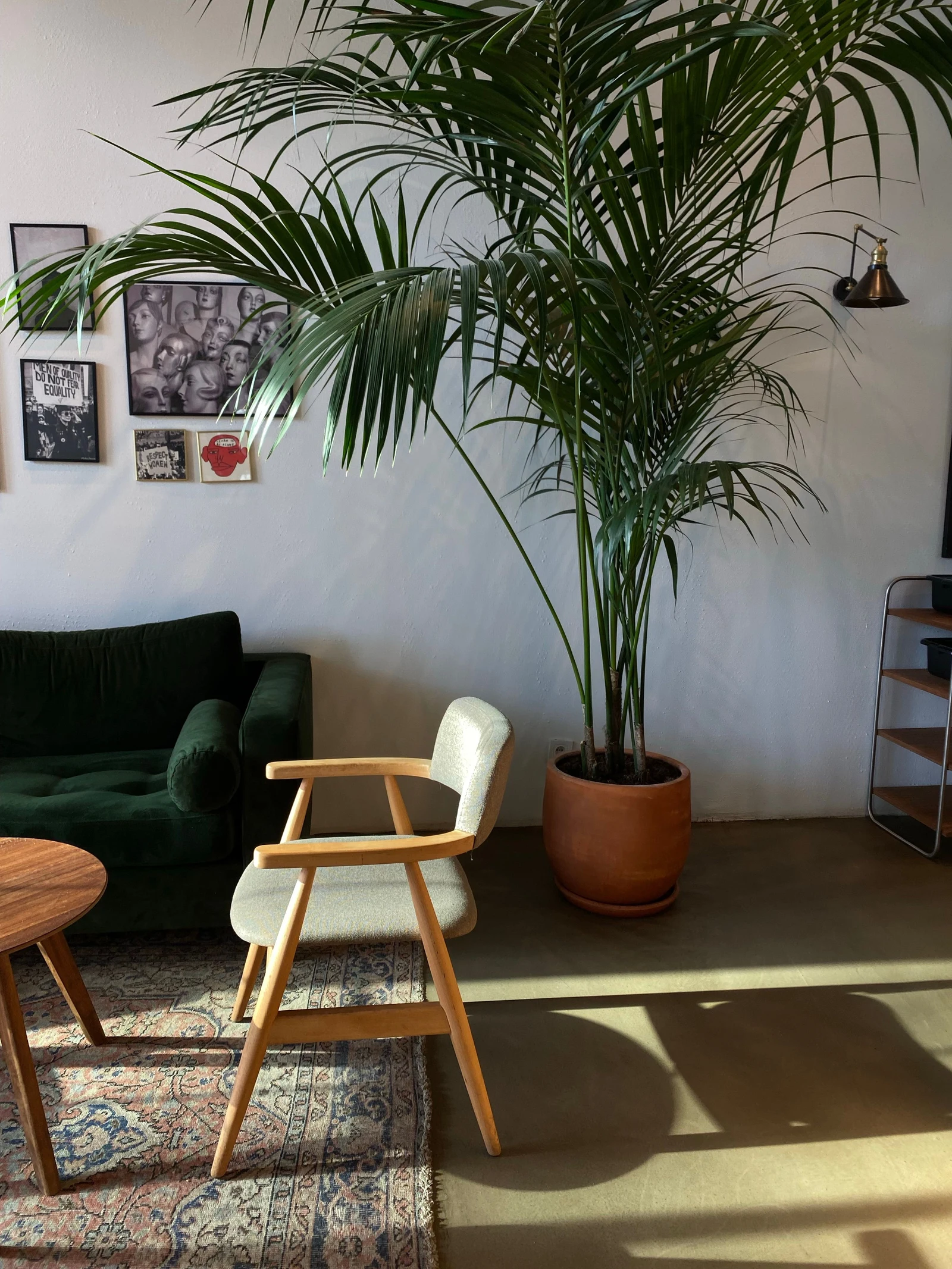


Use one strong trailing shape at the corner of a window or an edited group of two at different heights. Keep vines away from ventilation grilles and blinds. A healthy plant with room to fall naturally creates more visual calm than a dense wall of baskets. If you would rather fill an empty bright corner, a large indoor plant may suit the room better.