



Quick Answer
For a small desk, start with baby rubber plant or a compact ZZ plant. Choose snake plant or cast iron plant for a lower-light position, Haworthia for a bright desk, and pothos for a shelf. In a windowless office, plan suitable artificial light before buying.
Start with the light, space and care routine you can provide. Our guide to indoor plants can help you compare options for different rooms. For botanical light levels, compare recommendations against the University of Minnesota Extension houseplant-light guide. For households with animals, consult the ASPCA toxic and non-toxic plant database using the scientific name. A label such as "low-light plant" never means a living plant needs no light.
If your goal is specifically to improve household air quality, use our indoor plants for air quality guide. A few decorative pots should not be presented as a substitute for ventilation or appropriate filtration.
Compare the Plants Before You Buy
Use the practical light requirement, shape and position to narrow the list. These are general conditions rather than hard rules; the actual growing environment is more important than the shop label.
Compare indoor plant options by light and primary feature
Scroll sideways to compare all columns.
| Plant | Light | Best feature |
|---|---|---|
| ZZ plant | Low to medium indirect light | Glossy upright stems fit beside a monitor and handle occasional lapses in care |
| Snake plant | Low to bright indirect light | A vertical silhouette provides greenery without spreading across paperwork |
| Golden pothos | Low to bright indirect light | A compact pot can sit on a cabinet while short vines soften the hard edges of storage |
| Chinese evergreen | Low to medium indirect light | Variegated foliage introduces color without the maintenance of a flowering desk bouquet |
| Baby rubber plant | Medium indirect light | Rounded, thick leaves stay compact enough for a small desk or side shelf |
| Cast iron plant | Low to medium indirect light | Broad, simple leaves suit a low-traffic office corner where other foliage struggles |
| Spider plant | Medium indirect light | Arching foliage can sit on a high cabinet or shelf and soften acoustic partitions |
| Parlor palm | Low to medium indirect light | Soft upright fronds bring a gentler texture to a reception desk or shared workspace |
| Peace lily | Medium indirect light; tolerates less | An elegant leaf shape works on a credenza where occasional blooms are a bonus |
| Wax plant | Bright indirect light | Long-lived glossy leaves are a good fit for a bright office shelf away from paperwork |
| Haworthia | Bright filtered light | A tiny geometric succulent adds detail to a sunny desktop without taking over the work surface |
| Lucky bamboo | Medium to bright filtered light | Upright canes are compact and familiar in reception settings, whether grown in water or potting medium |
12 Best Office Plants to Consider
1. ZZ plant (Zamioculcas zamiifolia)
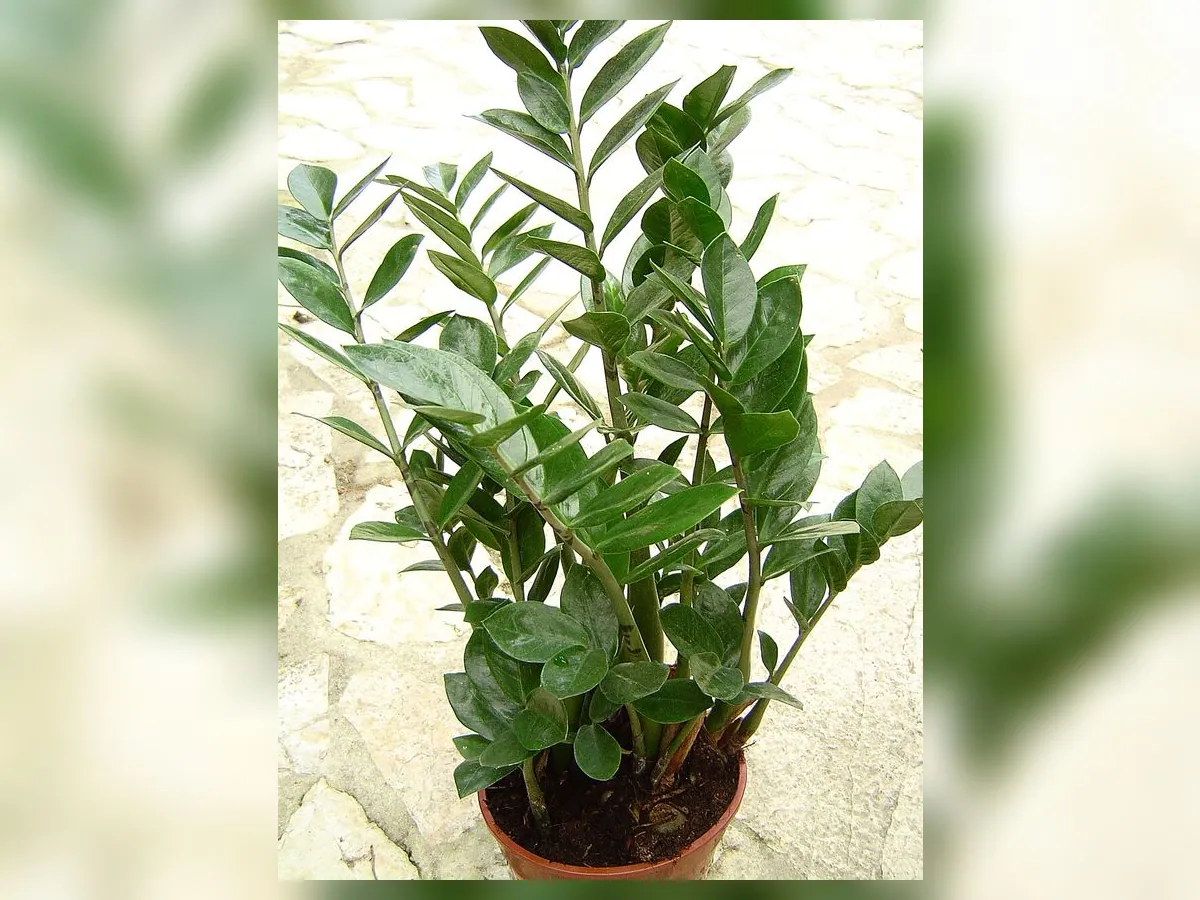
Best light: Low to medium indirect light. Glossy upright stems fit beside a monitor and handle occasional lapses in care. Let the potting mix dry substantially between waterings, especially in a cool office.
Before you place it: Toxic if chewed; avoid the edge of visitor desks or pet-accessible home workstations.
2. Snake plant (Dracaena trifasciata)
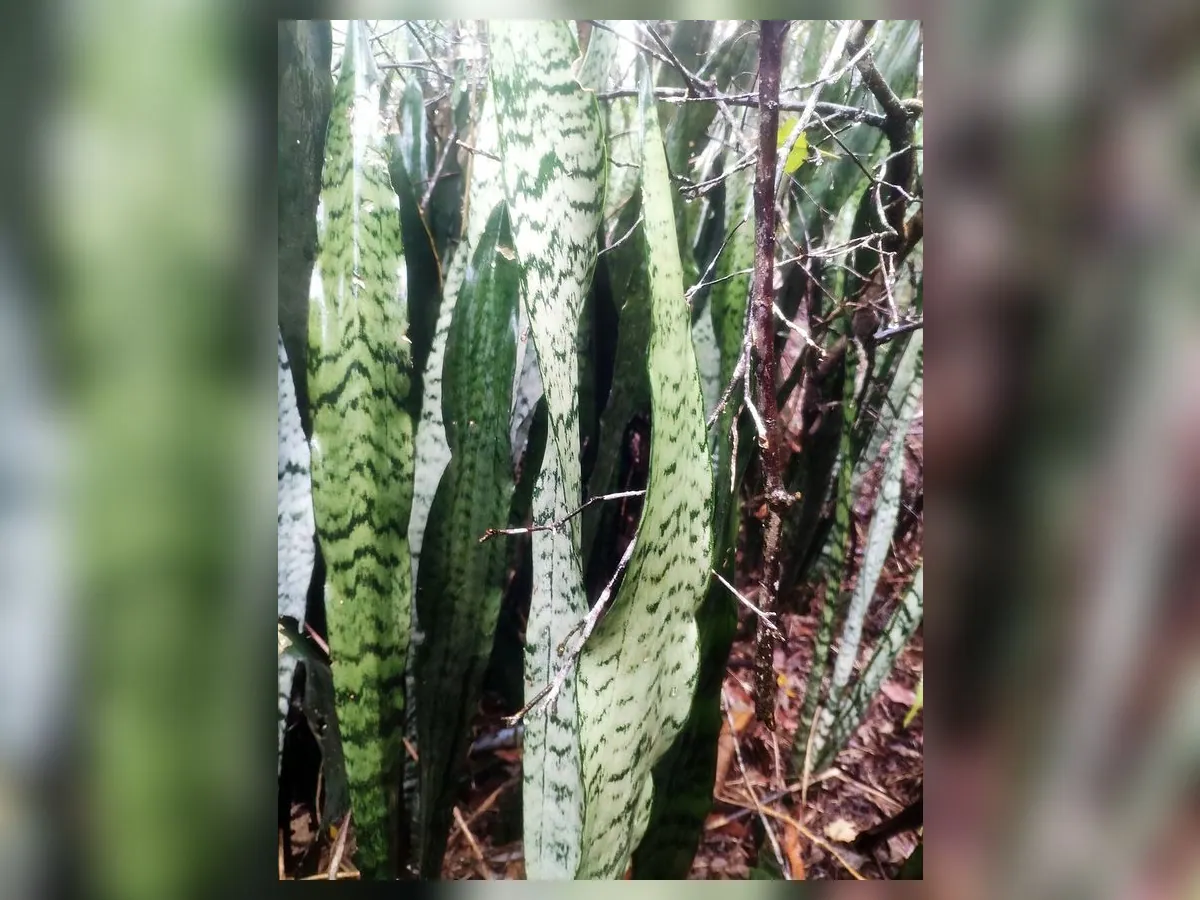
Best light: Low to bright indirect light. A vertical silhouette provides greenery without spreading across paperwork. Use a small footprint planter and avoid watering every Friday simply because it is Friday.
Before you place it: Toxic to cats and dogs; keep away from children who might chew leaves.
3. Golden pothos (Epipremnum aureum)
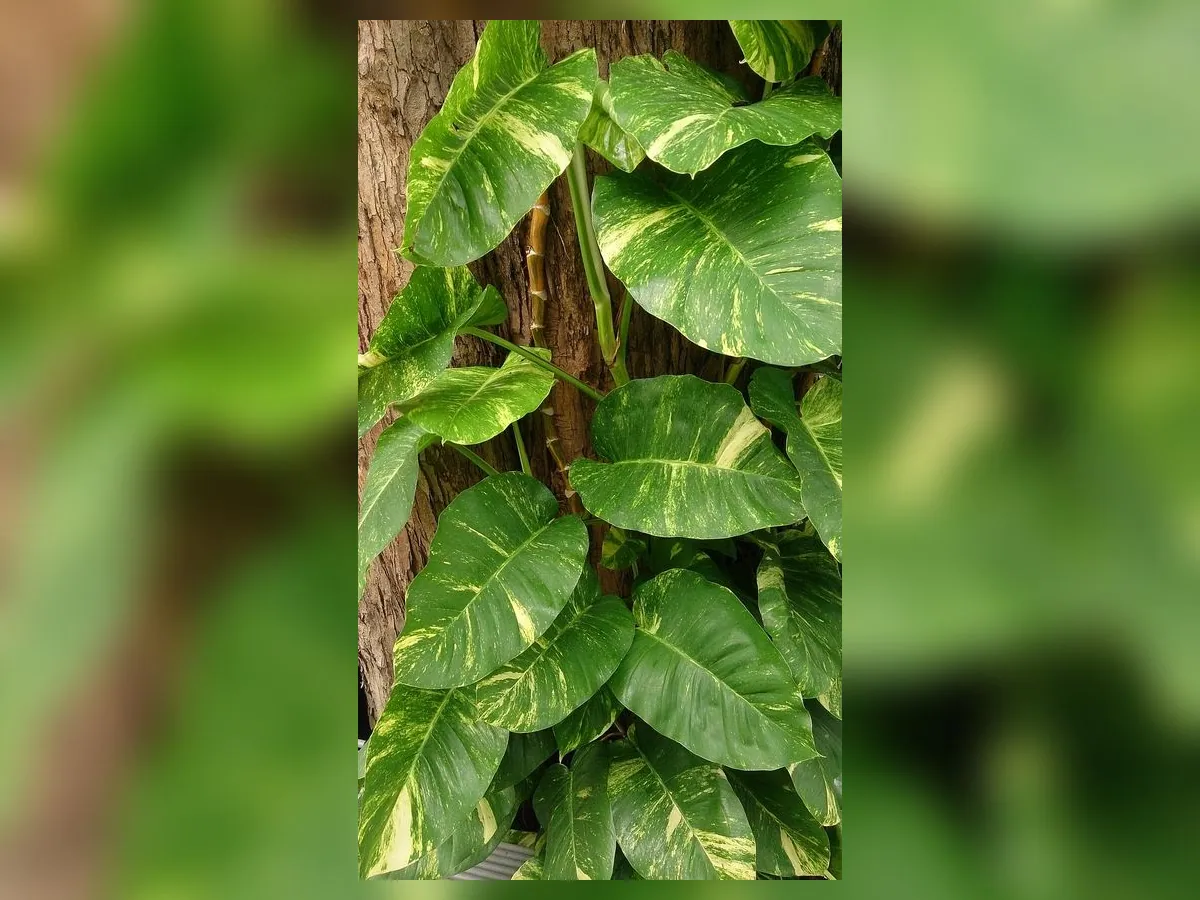
Best light: Low to bright indirect light. A compact pot can sit on a cabinet while short vines soften the hard edges of storage. Trim before stems reach keyboards or power sockets; drain pots outside the work area.
Before you place it: Pothos is toxic to pets and should not trail across shared desks.
4. Chinese evergreen (Aglaonema commutatum)
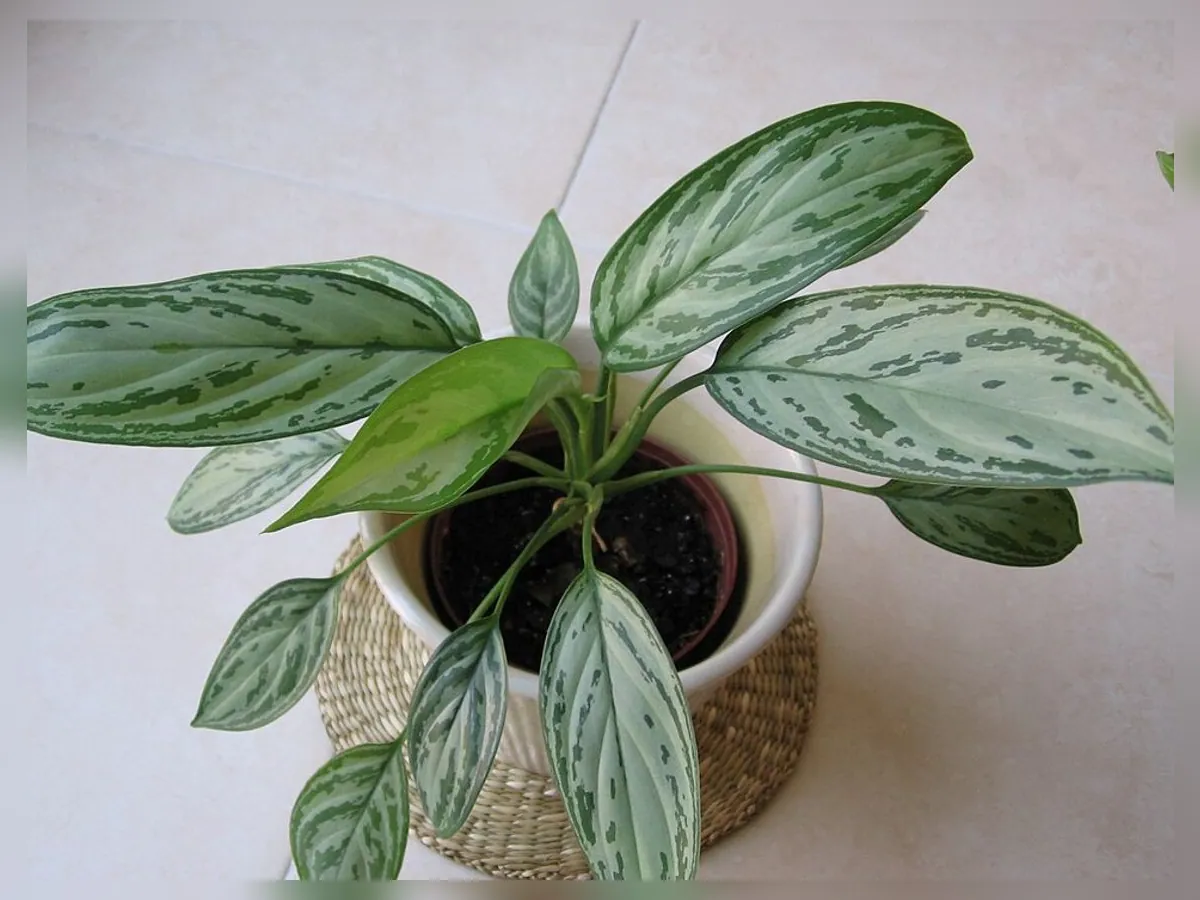
Best light: Low to medium indirect light. Variegated foliage introduces color without the maintenance of a flowering desk bouquet. Protect it from cold air-conditioning drafts and water when the soil starts drying.
Before you place it: Contains calcium oxalates and is toxic if chewed by pets.
5. Baby rubber plant (Peperomia obtusifolia)
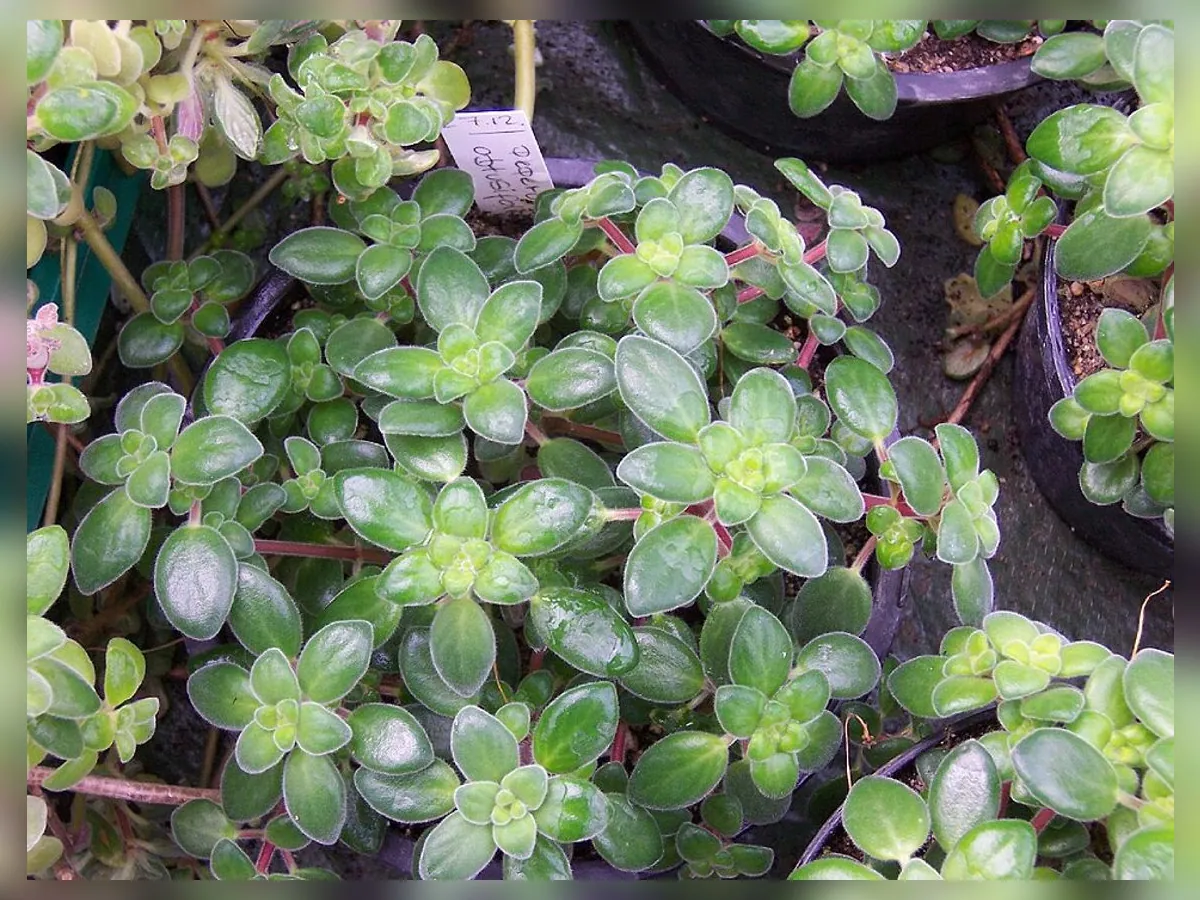
Best light: Medium indirect light. Rounded, thick leaves stay compact enough for a small desk or side shelf. Choose a small pot, rotate occasionally and avoid keeping the mix wet.
Before you place it: Not the same as Ficus elastica; ASPCA commonly lists Peperomia obtusifolia as non-toxic.
6. Cast iron plant (Aspidistra elatior)
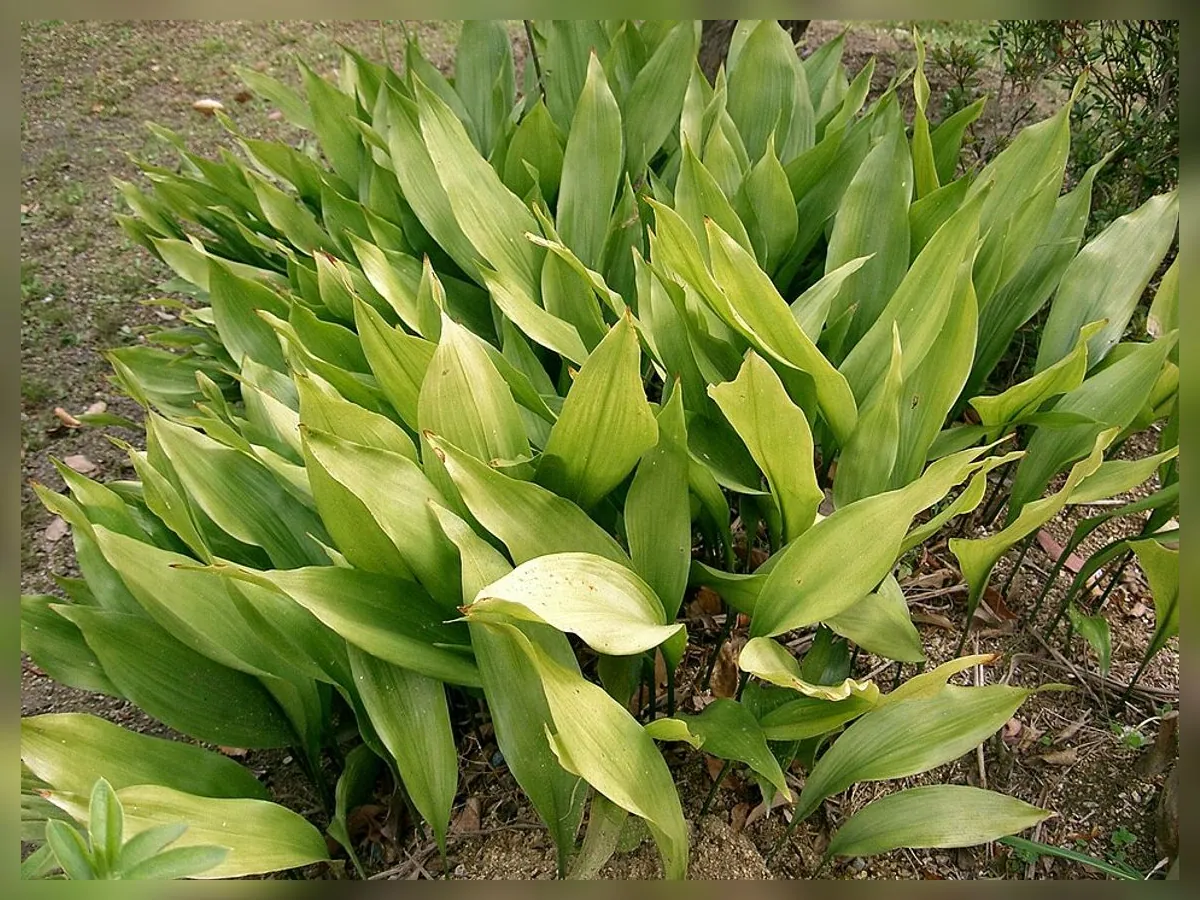
Best light: Low to medium indirect light. Broad, simple leaves suit a low-traffic office corner where other foliage struggles. Growth is slow; inspect for dust and avoid permanently waterlogged soil.
Before you place it: A better floor or cabinet option than a small keyboard-side pot.
7. Spider plant (Chlorophytum comosum)
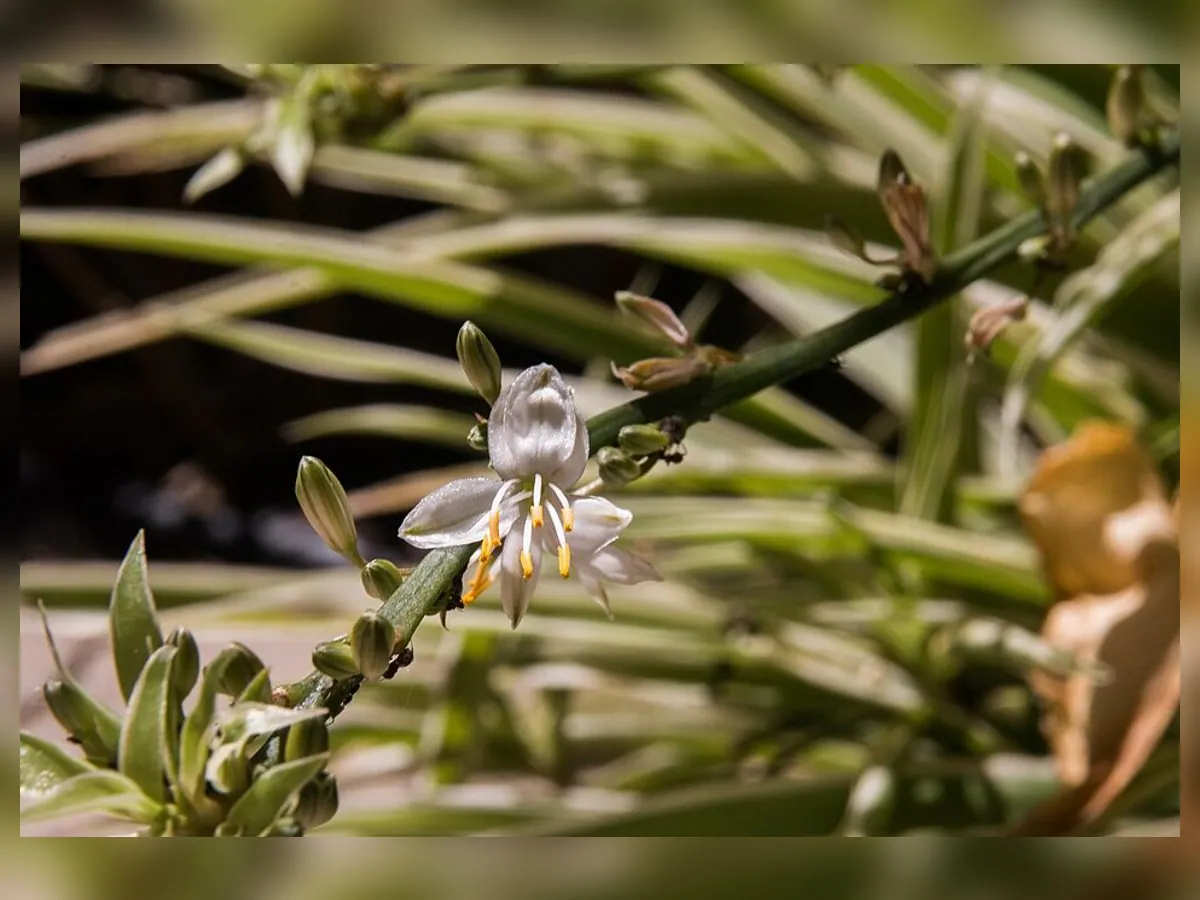
Best light: Medium indirect light. Arching foliage can sit on a high cabinet or shelf and soften acoustic partitions. Protect delicate offsets from moving chair backs; water when the mix is partly dry.
Before you place it: ASPCA lists spider plant as non-toxic to cats and dogs.
8. Parlor palm (Chamaedorea elegans)
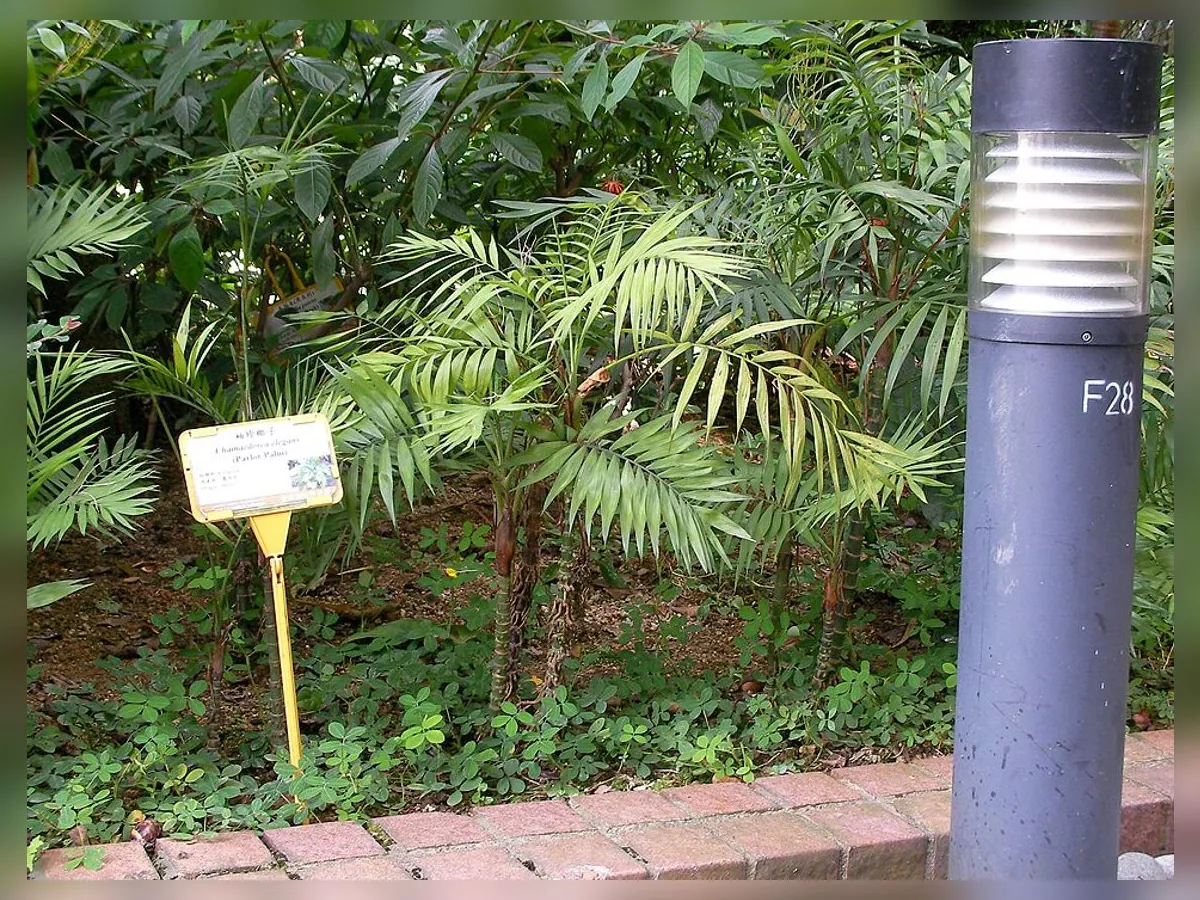
Best light: Low to medium indirect light. Soft upright fronds bring a gentler texture to a reception desk or shared workspace. Avoid placing the crown directly beneath strong HVAC airflow and keep drainage reliable.
Before you place it: Commonly listed as non-toxic to cats and dogs, with usual plant-chewing caution.
9. Peace lily (Spathiphyllum wallisii)
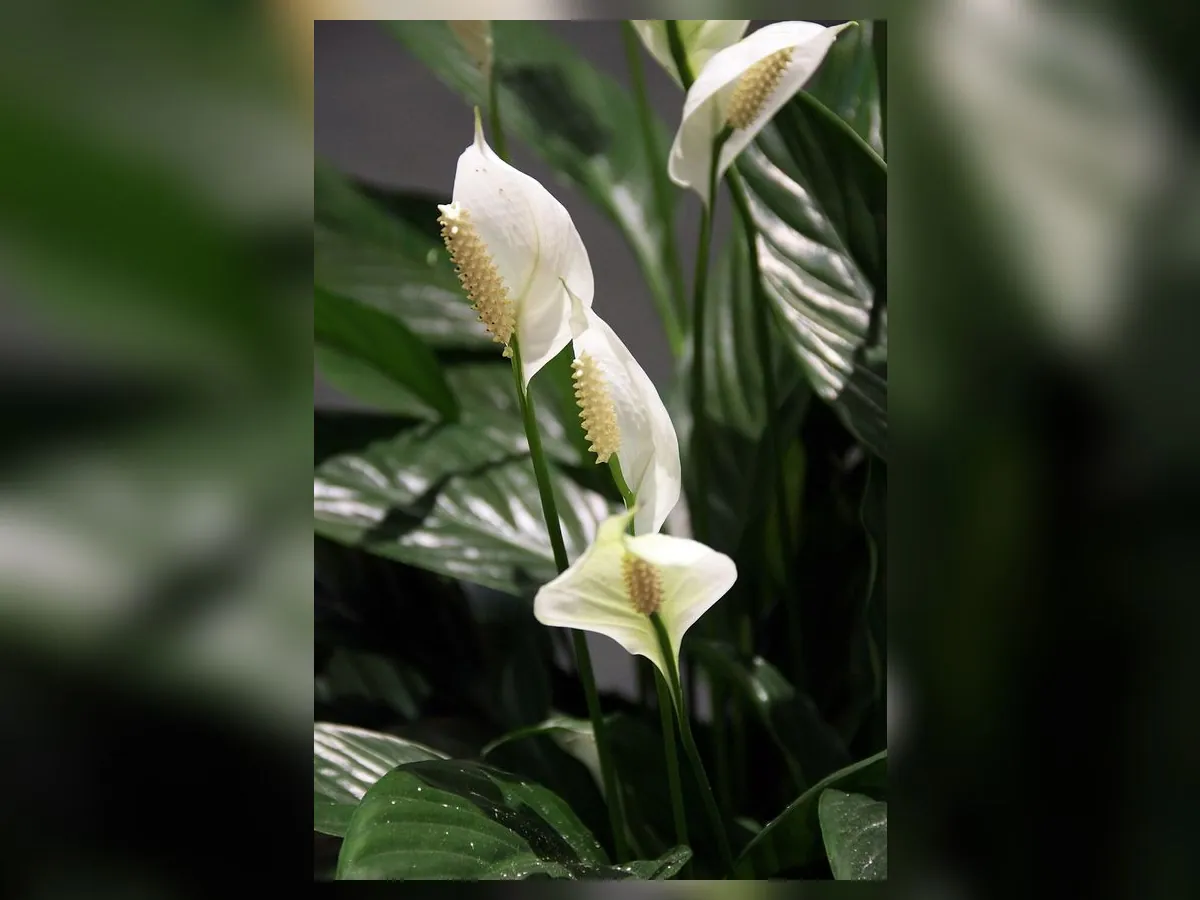
Best light: Medium indirect light; tolerates less. An elegant leaf shape works on a credenza where occasional blooms are a bonus. Keep moisture consistent without leaving water beneath the pot; more light is often needed for flowers.
Before you place it: Contains irritating oxalates and is toxic to pets; not an air-purifier replacement.
10. Wax plant (Hoya carnosa)
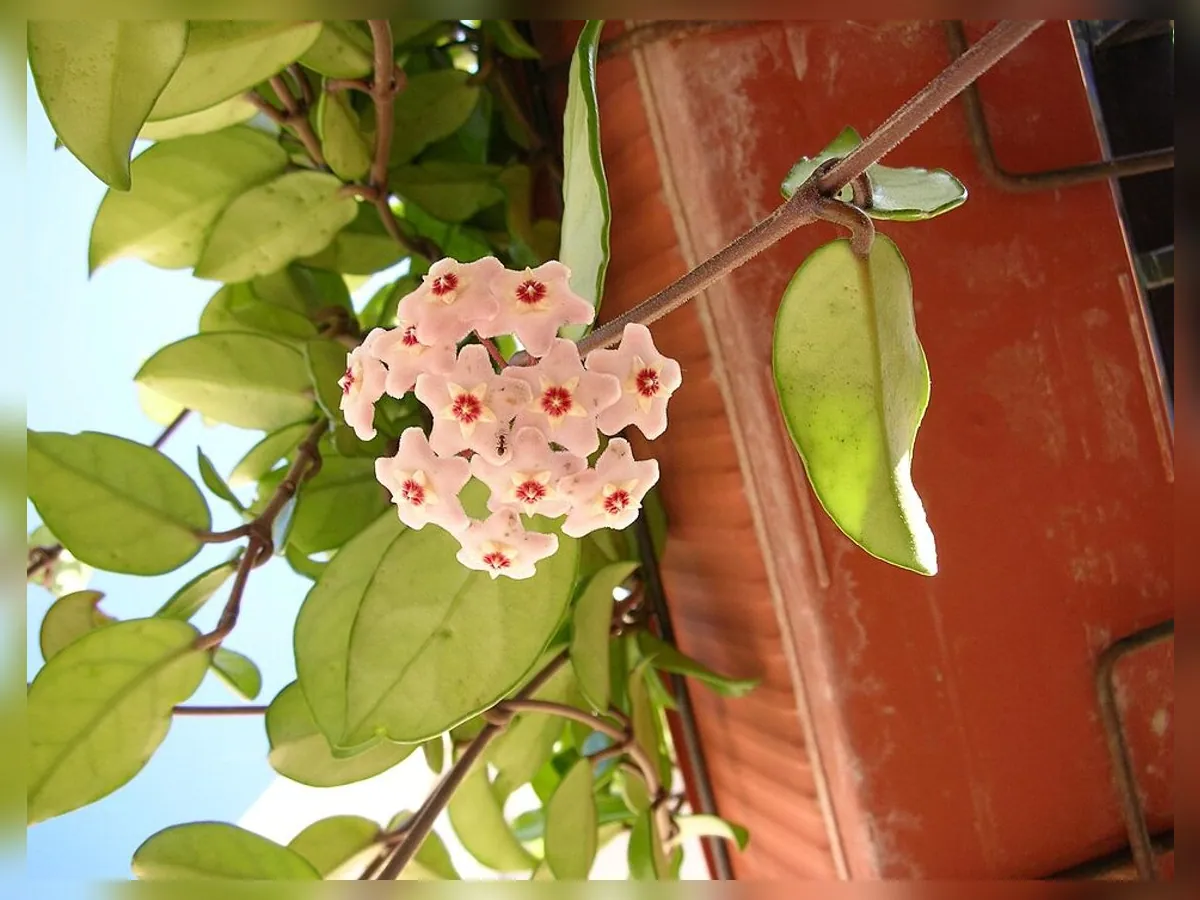
Best light: Bright indirect light. Long-lived glossy leaves are a good fit for a bright office shelf away from paperwork. Avoid repeatedly moving the vine and use a pot with drainage.
Before you place it: Suitable near a window, not a dim cubicle; many forms are ASPCA-listed non-toxic.
11. Haworthia (Haworthia cooperi)
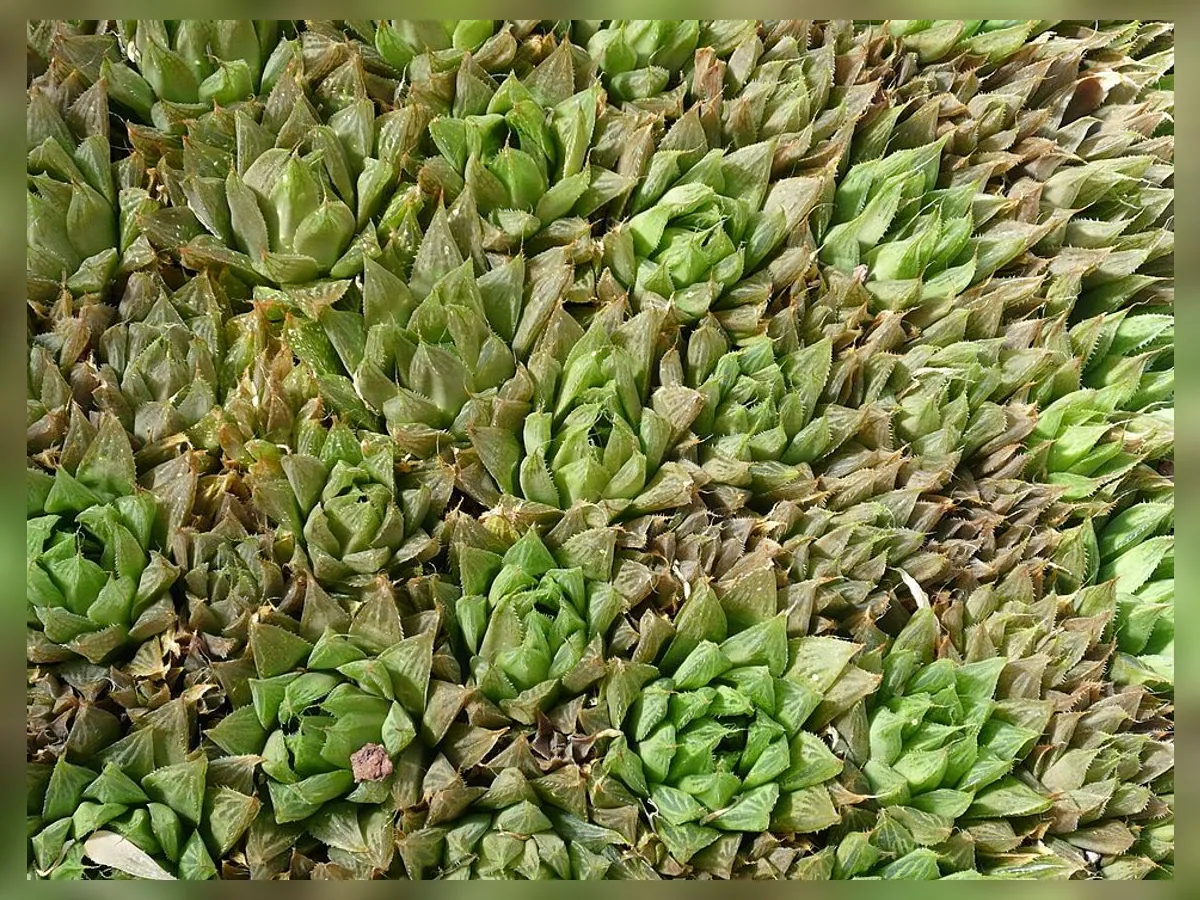
Best light: Bright filtered light. A tiny geometric succulent adds detail to a sunny desktop without taking over the work surface. Allow the substrate to dry and avoid dark desk corners, where succulents often stretch.
Before you place it: Keep loose grit and pots away from electronic vents and keyboard trays.
12. Lucky bamboo (Dracaena sanderiana)
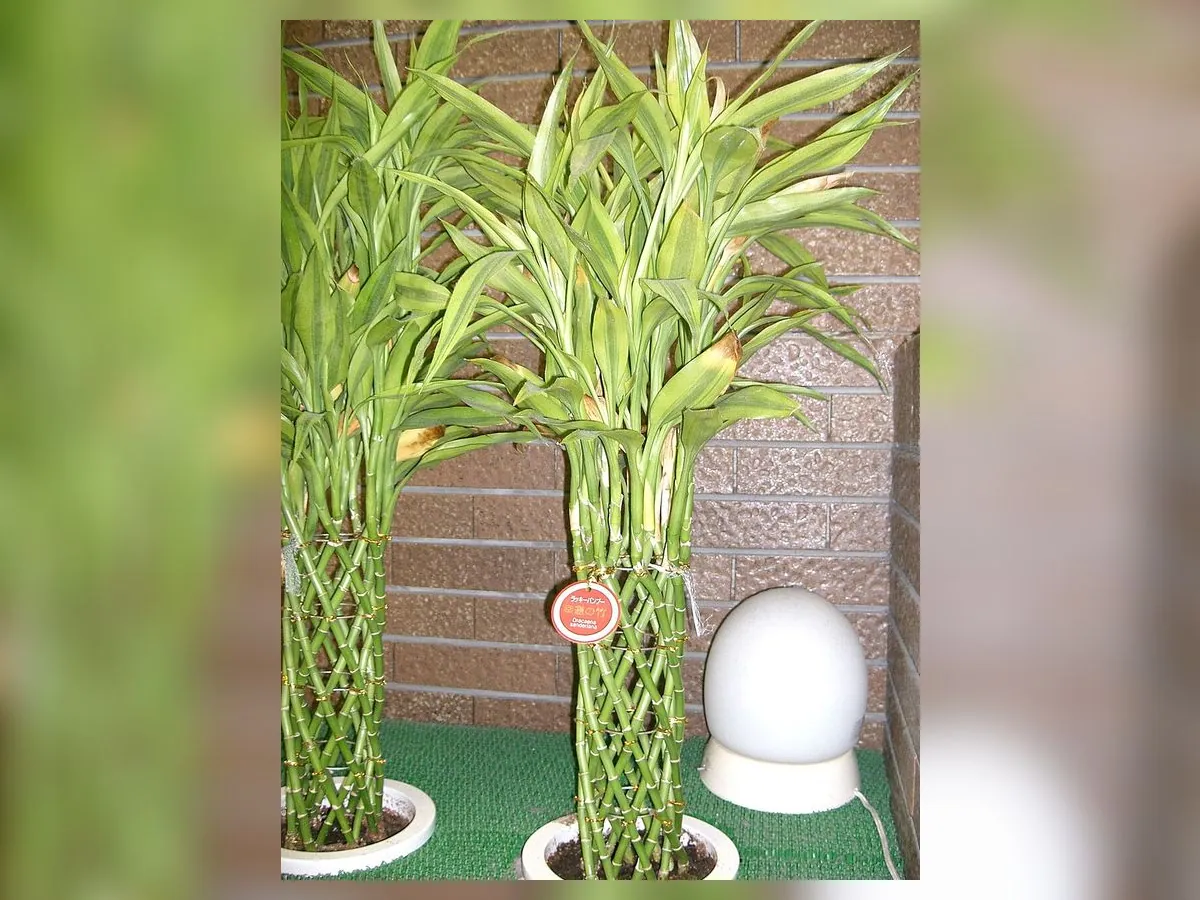
Best light: Medium to bright filtered light. Upright canes are compact and familiar in reception settings, whether grown in water or potting medium. If grown in water, change it regularly and keep containers clean; avoid direct hot sun.
Before you place it: It is a Dracaena, not true bamboo, and is toxic to cats and dogs.
Practical Placement and Care Decisions
13. Check window light versus office light
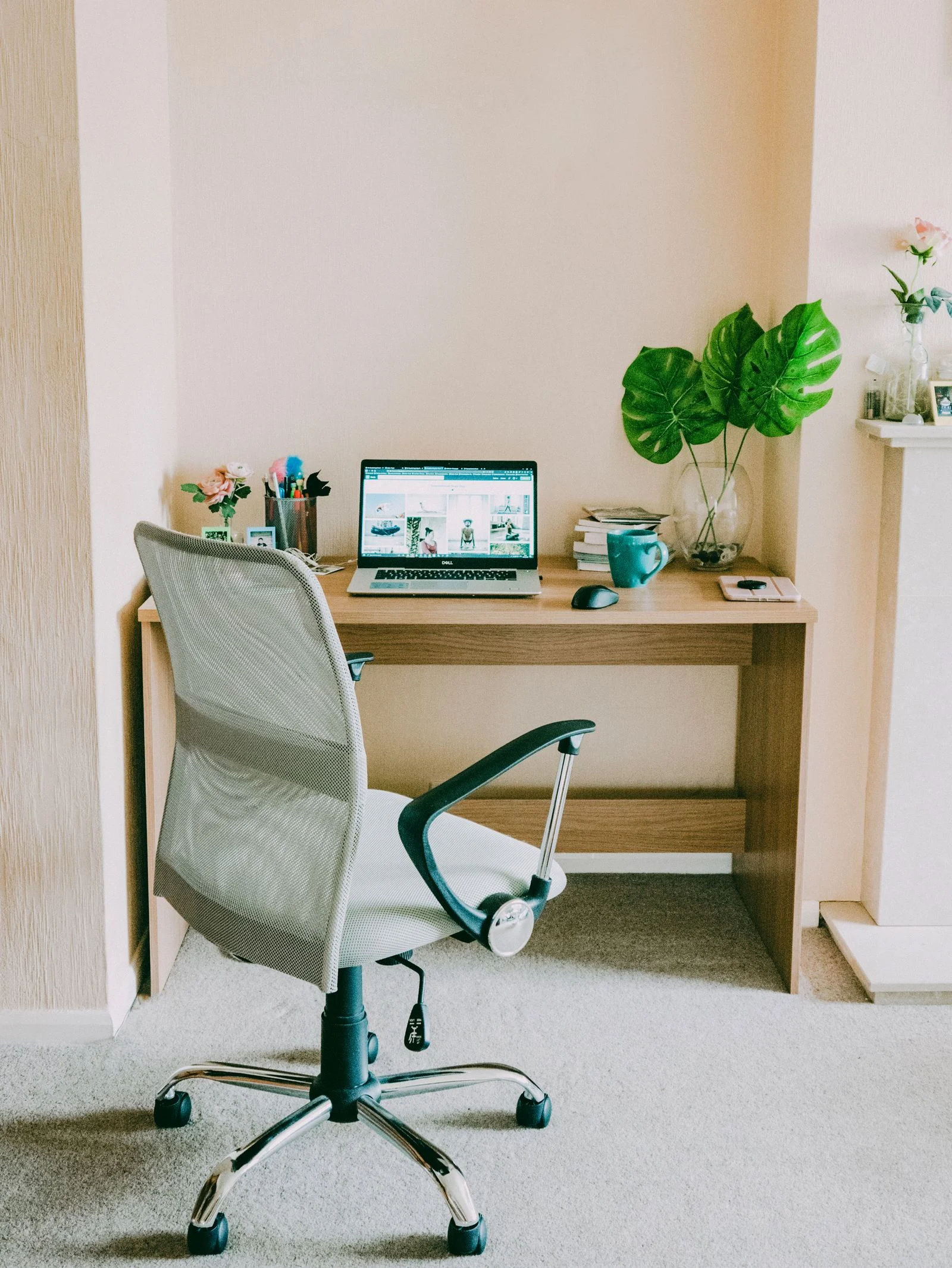
Check light where the leaves will sit, with the blinds in their normal position. A bright meeting room can still have a dim desk behind a partition. ZZ plant and cast iron plant tolerate lower indirect light; Haworthia needs a brighter position. Do not treat a lit computer screen or a ceiling fixture as proof of sufficient growing light.
For a windowless office, a timed grow light gives you control over the light reaching the foliage. University of Minnesota Extension suggests 12 to 14 total light hours for foliage houseplants. Follow the fixture's distance guidance, avoid glare across colleagues' screens, and check that the timer still runs on weekends. Use the windowless-room plant guide for a fuller setup.
14. Keep a keyboard-sized clear work zone
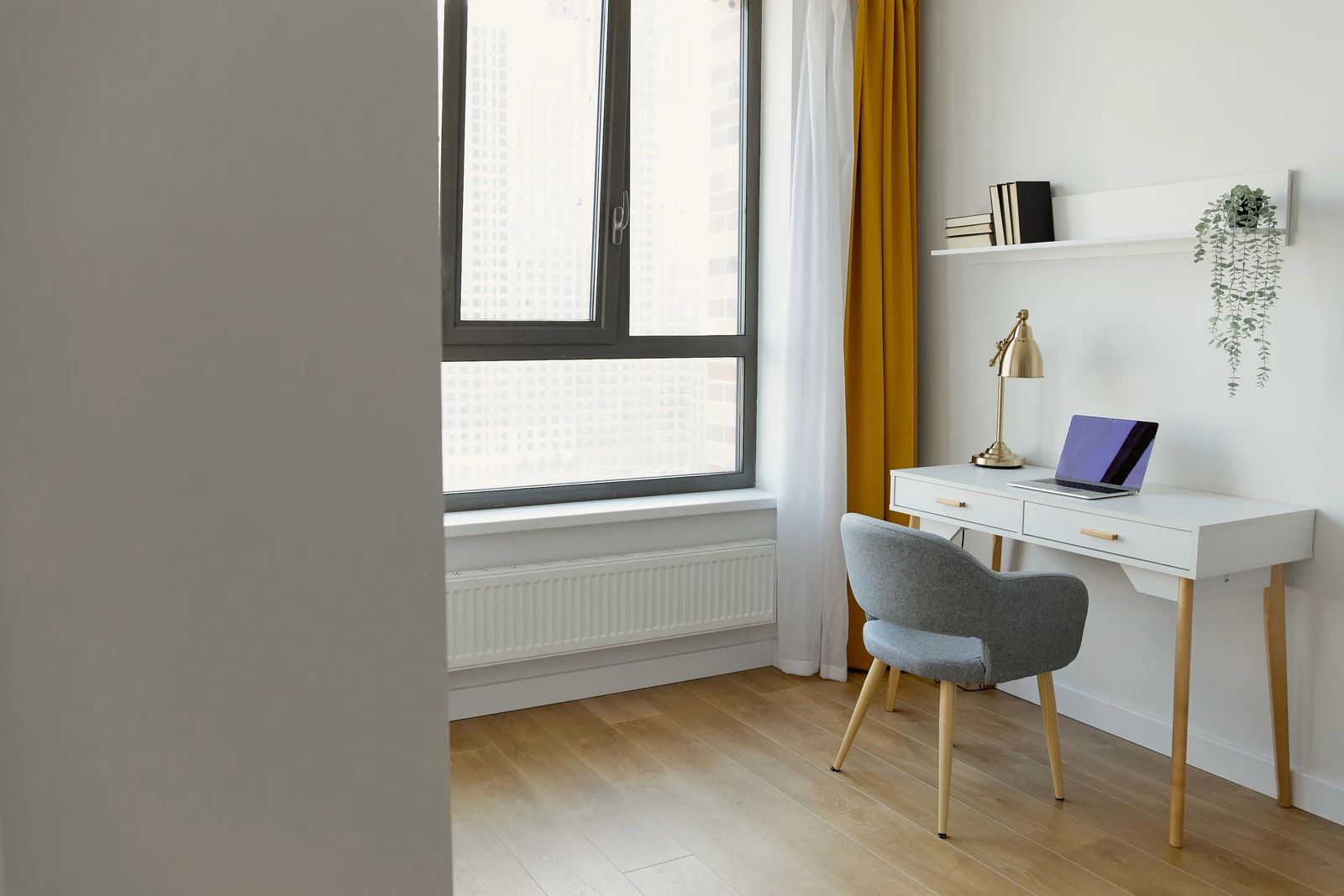
A plant should not crowd the mouse, block a monitor or force your wrists into awkward angles. Put small pots beyond the keyboard's spill zone and use a stable tray under the inner planter. A side credenza often works better than the front of a narrow desk. If a reception area has room for a floor plant, compare the canopy shapes and sizes in our large indoor plants guide.
15. Choose plants that tolerate weekends
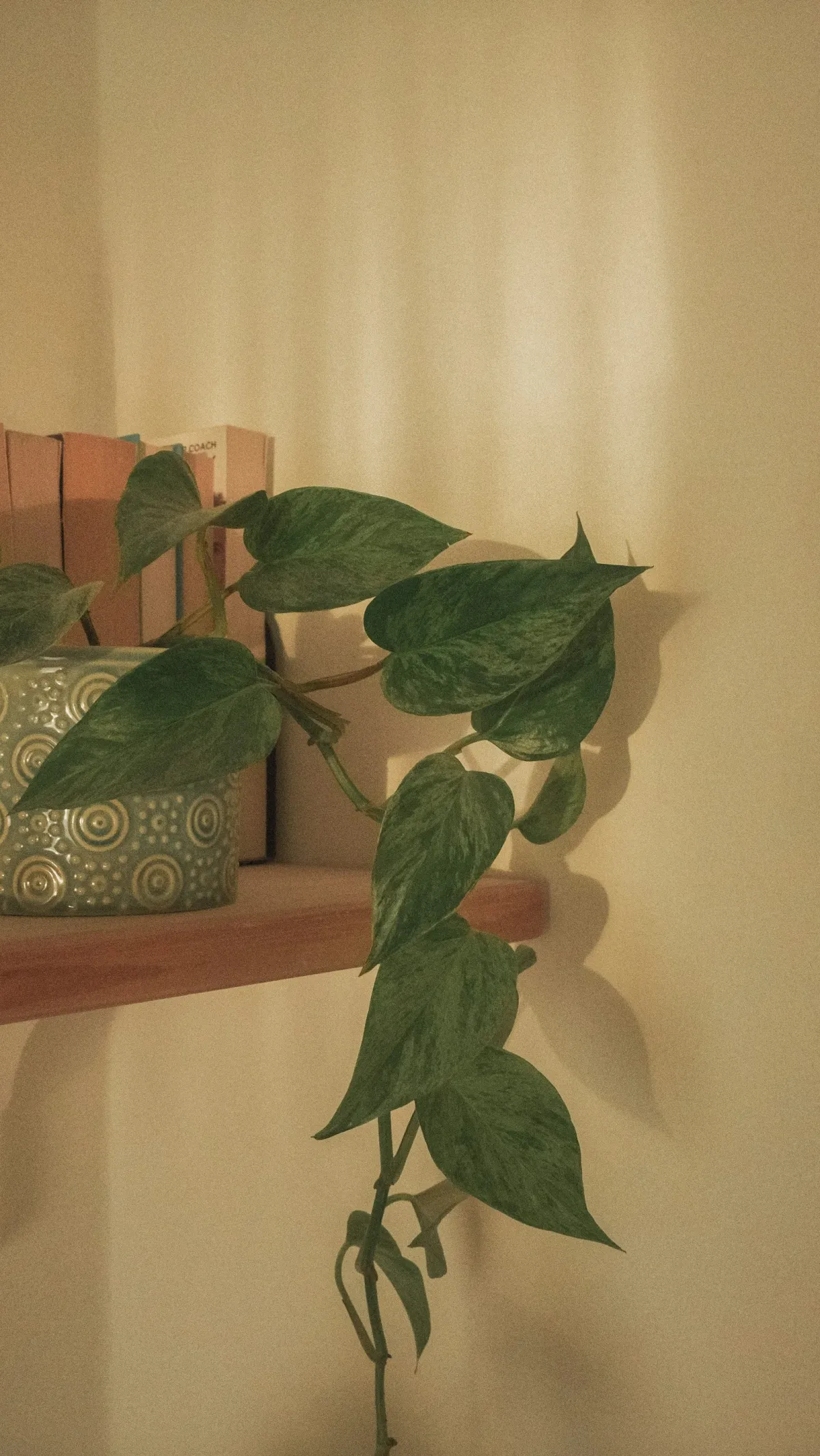
Match the plant to the longest period the office is normally empty. ZZ plant and snake plant tolerate a drier interval better than a moisture-loving peace lily, provided the light and potting mix suit them. Avoid buying a plant that depends on daily attention if the building closes every weekend.
Assign one caretaker and one backup. Keep a small note with the botanical name, the last watering date and whether the soil was checked. Before a holiday, check each pot individually; do not give every plant extra water as insurance. For a longer closure, agree a care visit or temporary suitable location before the office locks.
16. Avoid air-conditioning vents
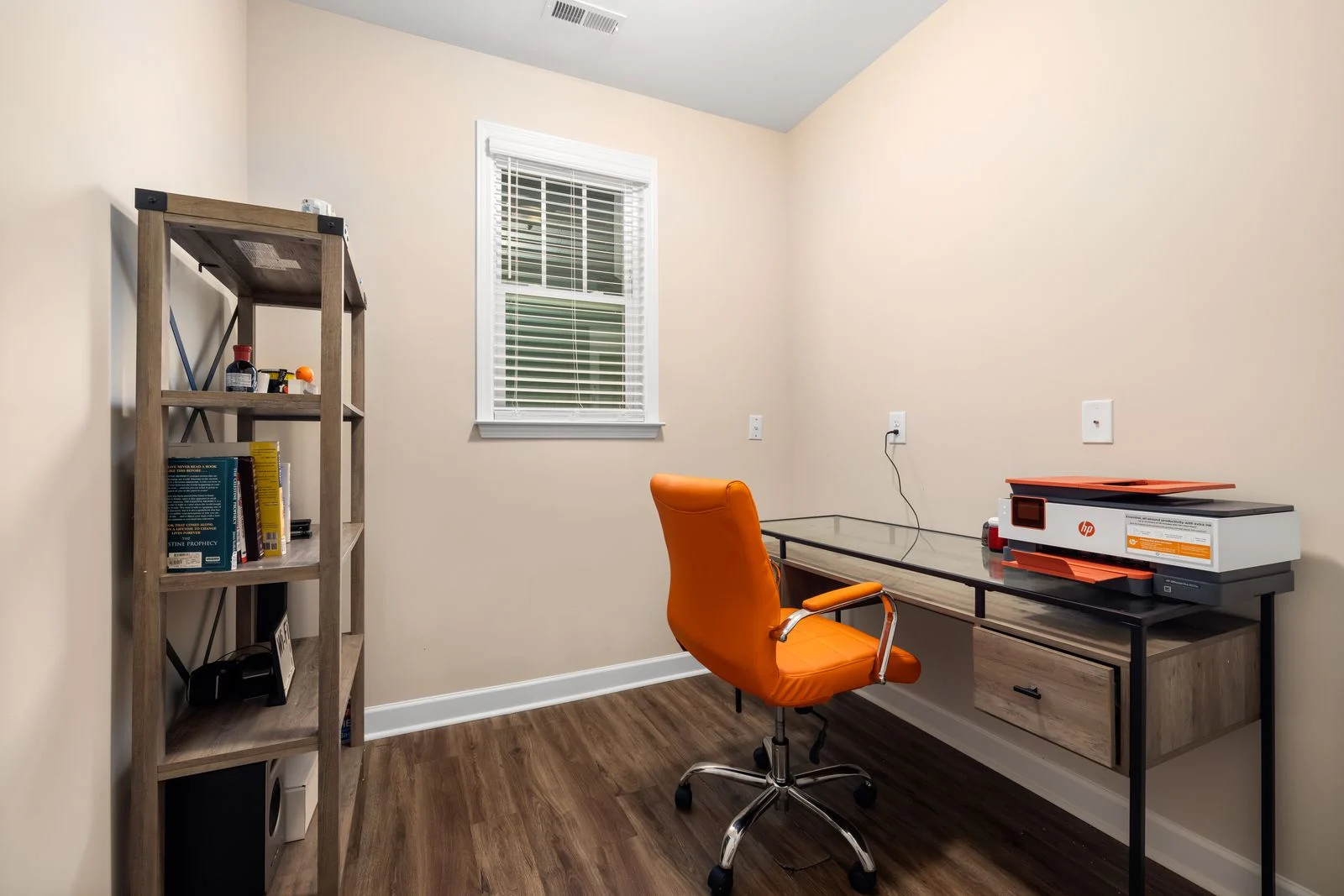
Check the plant's position while the heating or air-conditioning is running. Foliage that moves continuously under a vent is a sign to reconsider the spot. Radiators, cold window glass and entrance doors can also create a different environment from the rest of the room.
Brown edges alone do not tell you to add water. Check the mix and the airflow first, then move the pot out of the direct draft without putting it into a darker corner. A plant that needs consistently high humidity may be a poor match for a dry shared office.
17. Prevent leaks and pest problems
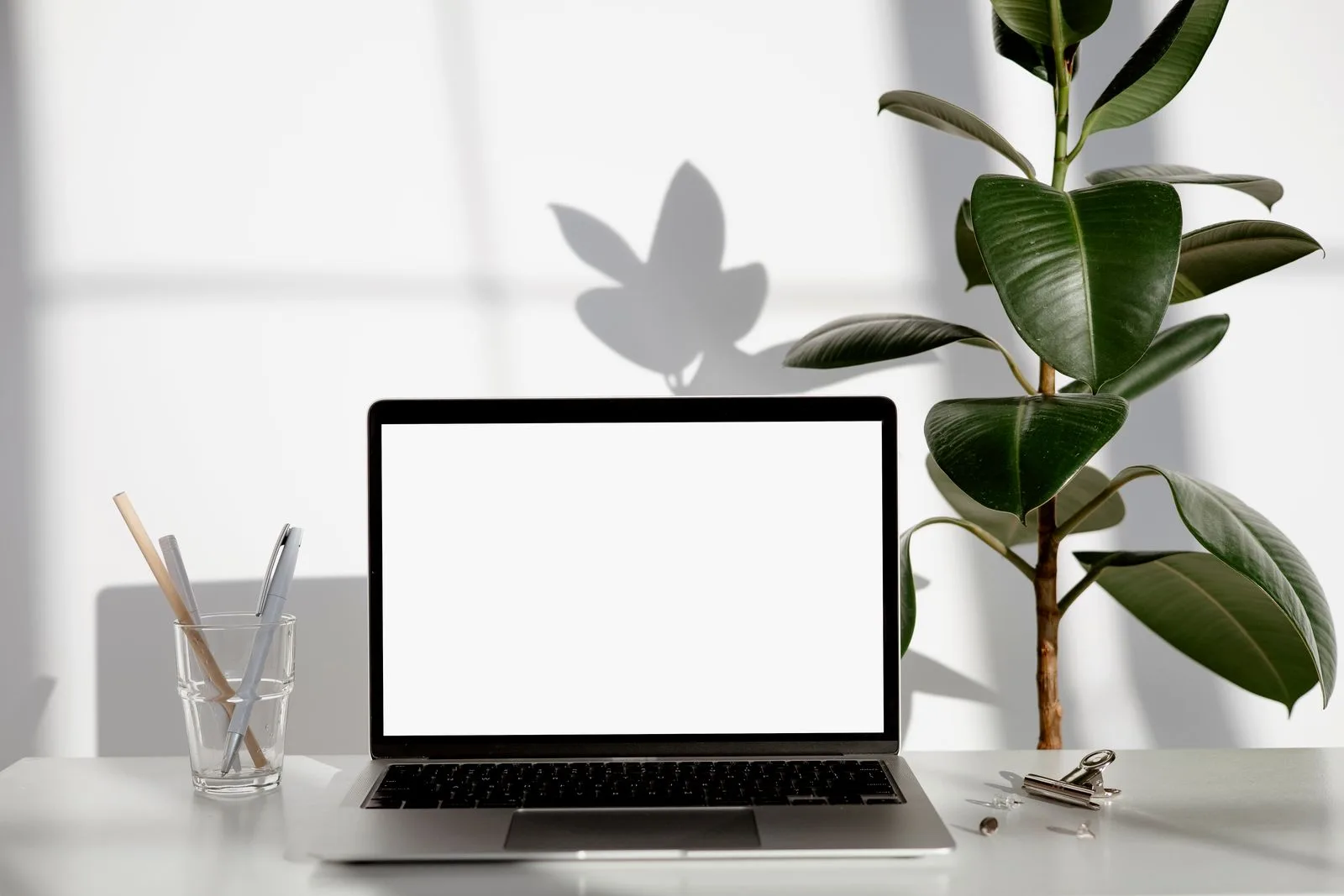
Use an inner nursery pot with drainage holes and a waterproof outer cover or saucer. Take small pots to a sink, water there and let them drain before returning them to the desk. Empty collected water; a decorative cachepot should not become a permanent reservoir around roots.
Inspect new arrivals before placing them beside established plants. University of Minnesota Extension recommends keeping newly acquired plants separate for one to two weeks. Look for fine webbing, cottony patches, sticky leaves or small flies around the mix. Isolate a suspect plant and identify the problem before treating a whole office collection.
18. Keep plant styling calm and purposeful
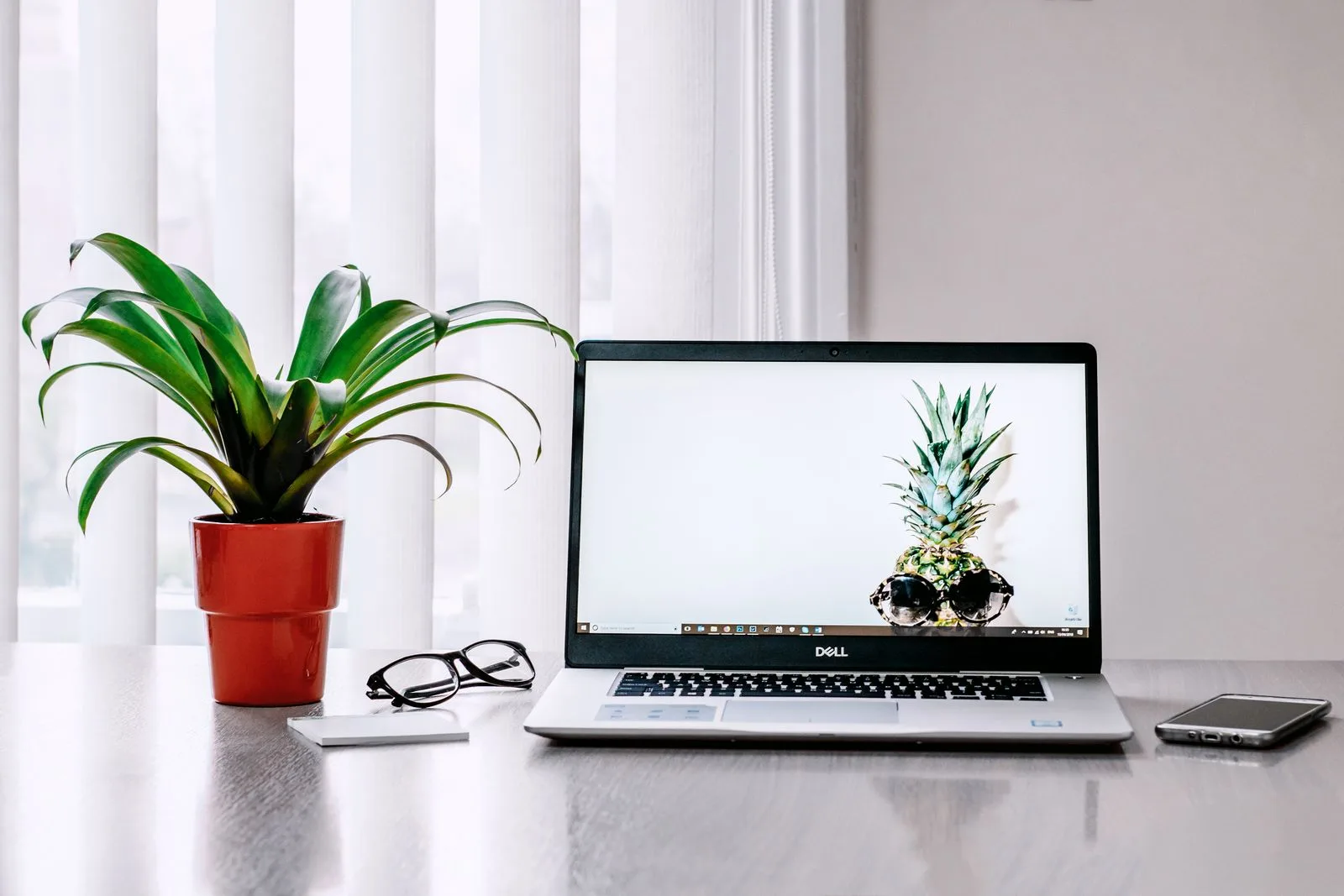


One healthy plant can be enough for a small office. For a shared open plan, repeat a consistent plant and container style rather than filling every surface. For ideas on arranging greenery around the desk, see our Feng Shui office plants guide.
19. Water by the potting mix, not the office calendar
Use a recurring reminder to check plants, rather than an automatic instruction to water them. Feel the mix below the surface and lift a small pot to judge whether it is still heavy with water. A dry surface can hide a wet root ball. Check a peace lily sooner than a ZZ plant or succulent, and follow the needs of the species rather than giving every pot the same cupful.
The University of Maryland's indoor watering guidance advises watering according to need rather than a fixed schedule. Yellow leaves or wilting can occur with either too much or too little water, so inspect the soil before reaching for the watering can. Keep water away from sockets, cables and electronics.
20. Match pots and potting mix to the plant
Keep a newly purchased plant in its draining nursery pot if it is healthy and fits comfortably inside the decorative cover. Repot when roots and drying behavior show that the current container is no longer suitable, rather than moving every new desk plant straight into a much larger pot.
Use a houseplant mix suited to the species; Haworthia needs a freer-draining succulent mix than a moisture-loving tropical plant. Adding stones below the roots does not replace a drainage hole. The University of Maryland's potting and repotting guide explains container and growing-medium choices. In a pet-friendly office, also check the plant's exact identity and keep loose top dressing and fertilizer out of reach.
21. Clean leaves, trim vines and feed during growth
Wipe broad leaves gently with a damp cloth and remove fallen foliage from the mix. Trim pothos vines before they reach cables, filing drawers or neighboring desks. Keep tools clean between plants and avoid cosmetic leaf-shine products.
Feed only when the plant is growing and follow a houseplant fertilizer's label. Do not try to fix a dark desk or waterlogged roots by adding fertilizer. The University of Maryland notes that excess fertilizer can cause salt buildup. Check whether the potting mix already contains feed before adding more.
22. Use a short check when a plant starts struggling
Start with the change you can observe, then check the likely conditions before moving or watering the plant again.
Office plant warning signs and the first check to make
Scroll sideways to compare all columns.
| What you notice | Check first | Practical next step |
|---|---|---|
| Long, weak new stems or fading variegation | Usable light at leaf level | Consider a brighter suitable position or supplemental light |
| Yellowing leaves with mix that stays wet | Drainage holes and water inside the outer cover | Empty standing water and reassess watering before adding more |
| Brown edges near a vent | Direct airflow, soil moisture and temperature changes | Move out of the blast while preserving suitable light |
| Webbing, sticky patches or insects | Leaf undersides, stems and nearby plants | Separate the affected plant and identify the pest |
These signs can have more than one cause. A photo and a note of recent watering, light and office closures make a nursery consultation more useful than repeatedly changing several conditions at once.