



Quick Answer
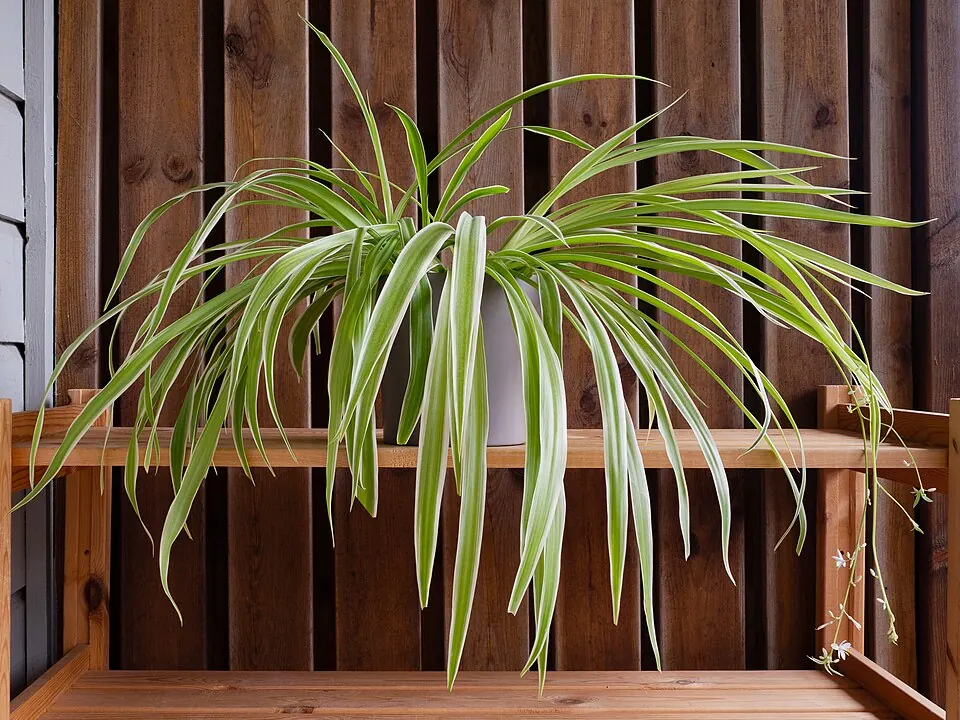
Grow a spider plant in bright, indirect light with a pot that drains. Water thoroughly after the upper mix has dried slightly. For brown tips, check watering, fertilizer and water quality before changing all three. If a healthy plant makes few plantlets, check its age, light and pot size.
Give the leaves and runners enough light
Start near a window where the plant gets bright daylight without sitting in a hot afternoon sun patch. A high shelf or hanging basket works if the leaves can see the window. Stand beside the basket at leaf height and check how much sky you can see from that spot. An overhang, shelf or nearby curtain can put a basket in much deeper shade than the rest of the room.
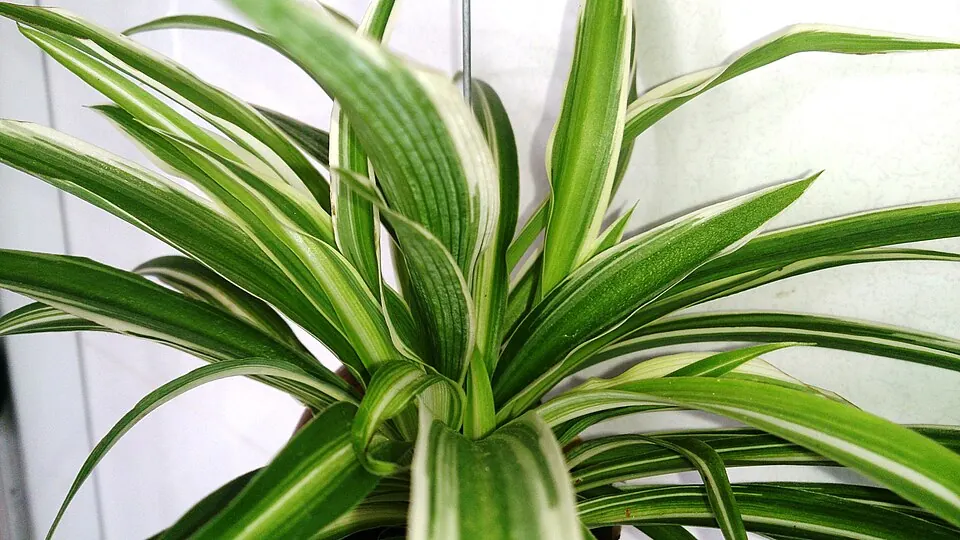
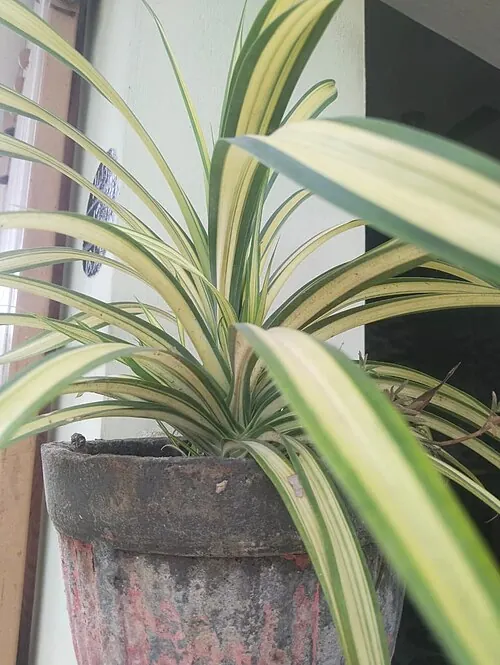
Chlorophytum comosum can have solid green leaves or white-and-green stripes. A cultivar can have a pale center stripe, pale edges or curled leaves, so compare new growth with the plant’s own healthy older leaves. University of Wisconsin Extension describes common varieties and their light needs.
Give the runners room to hang away from doors and walking routes. Leave enough space to reach the pot with both hands. Our hanging indoor plants guide has more ideas for baskets you can take down to water.
Water thoroughly, then let the upper mix dry slightly
Take the plant down and feel the mix below the surface. If the mix still feels cool and damp and the pot is heavy, give it more time. When the upper layer dries slightly, water thoroughly and let excess drain before you put the pot back. Empty the saucer or basket insert. Water at the sink so you can see when excess water has stopped dripping.
Spider plants have thick, fleshy roots that help them tolerate an occasional missed watering. Repeatedly soaking the pot or leaving it sitting in water can still damage those roots. A pot that dries overnight may be densely packed with roots or getting too much heat. Check both before increasing how often you water.
Work through brown tips one cause at a time
Brown tips and other leaf changes on spider plants
Scroll sideways to compare all columns.
| What you see | What to check | What to try first |
|---|---|---|
| Dry tips, very light pot | How long the root ball stays dry | Water thoroughly when the upper layer has dried slightly |
| Dry tips, pale crust on soil or pot | Fertilizer frequency and mineral buildup | Pause feeding and let excess water drain freely during watering |
| Dry tips on new leaves despite steady care | Local tap water and fertilizer use | Try distilled water or collected rainwater and watch the new leaves |
| Bleached patches on the window side | Hours of direct sun | Filter strong sun or move the pot back |
| Pale, floppy leaves in persistently wet mix | Drainage and root condition | Check the roots before watering again |
Several causes can affect one plant at the same time. Start with what you can confirm, such as a saucer full of water or a pot that dries hard between checks. If you try a different water source, compare the tips of leaves that grow afterward. Existing brown tissue will stay brown. The RHS spider plant guide explains how moisture, sun and water quality can contribute to tip browning.
Check age, light and feeding if you see no plantlets
Look for a thin arching stem from the center of the plant. This runner can carry little white flowers, followed by baby plants called plantlets or offsets. Each may develop small root nubs. Young plants may take a year or more to produce these runners. In a mature plant, inadequate light, a very large pot or heavy feeding can make them less likely. Some cultivars rarely make offsets. Check your plant and its growing conditions before changing its pot.
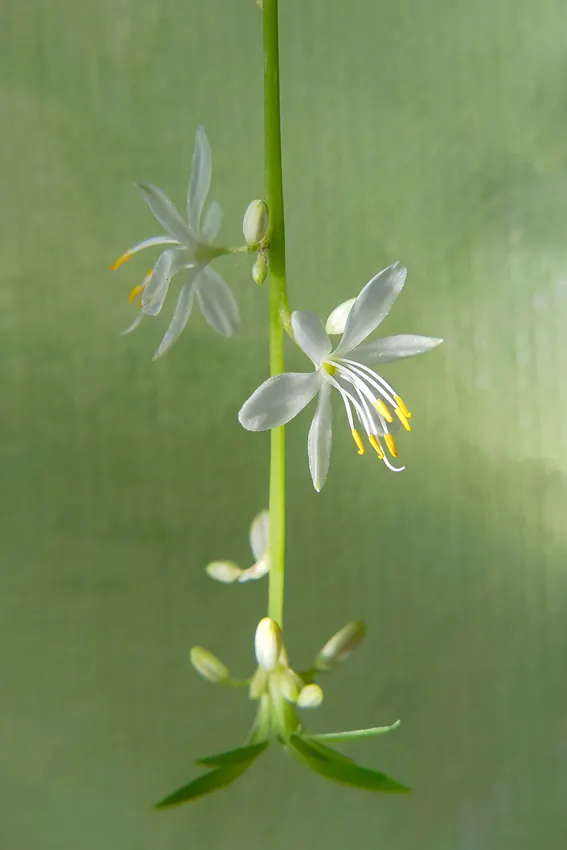
A snug pot can work well if you can still water the whole root ball. Let the shoots hang when you want the full trailing shape. If you want a new plant, choose a plantlet with visible roots and settle it into its own small pot. You can let it root while attached, then cut the runner after it establishes. The RHS spider plant guide also describes division for mature clumps without offsets.
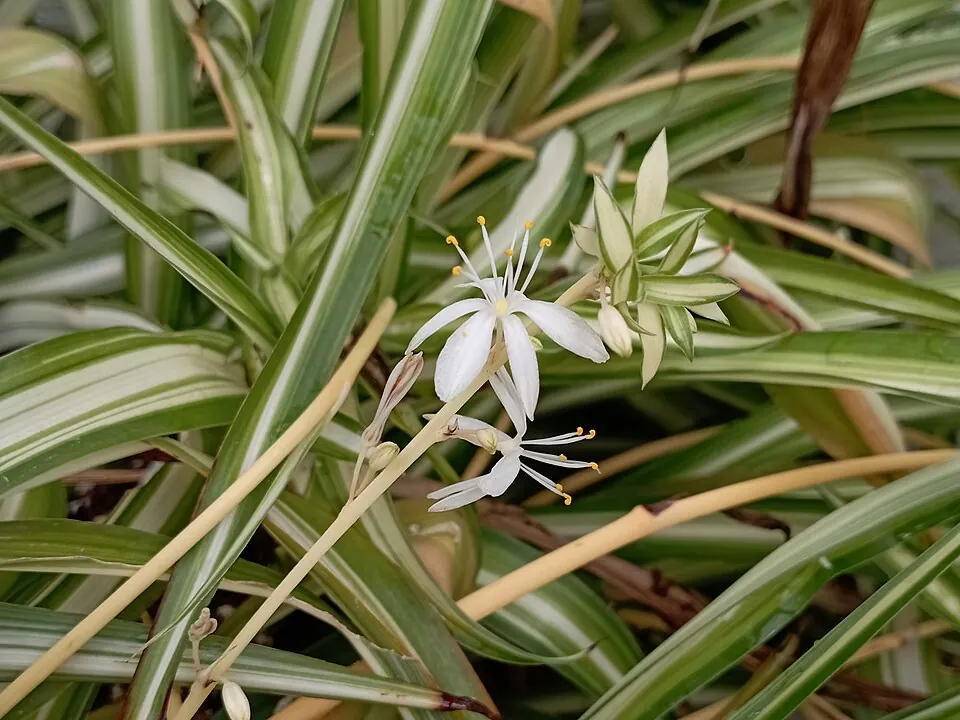


Move up a pot size when watering gets difficult
Look for roots packing the pot tightly, lifting the plant out of its mix or leaving too little mix to hold moisture. Move to a pot only one size larger, with drainage holes and fresh houseplant mix. Keep the leaf bases at their original depth. After watering, check that water can pass through the whole pot.
If you notice cottony deposits or fixed brown bumps, look closely at the leaf bases and undersides for mealybugs or scale. Move the plant away from other houseplants while you check. For ordinary dust, wipe the leaves gently with a damp cloth or rinse them and drain the pot.
Check the botanical name if you have pets
The ASPCA spider plant listing classifies Chlorophytum comosum as non-toxic to cats and dogs. A hanging spot can also keep long runners away from curious paws. For other pet-friendly choices, see our cat-safe houseplant guide.