



Quick Answer
Ask for the full plant name and a photo of the actual specimen. Check how it grows before paying for unusual color or pattern. A crawling stem needs room across the pot, while a big climber needs room above it.
Compare collectible plants by where they grow
Compare collectible plants by where they grow
Scroll sideways to compare all columns.
| What to look for | Plant | Space to leave |
|---|---|---|
| Pale veins on dark leaves | Clear-veined flamingo flower | Room for a wide leaf |
| A stem that crawls | Glorious philodendron | Open potting mix ahead of the stem |
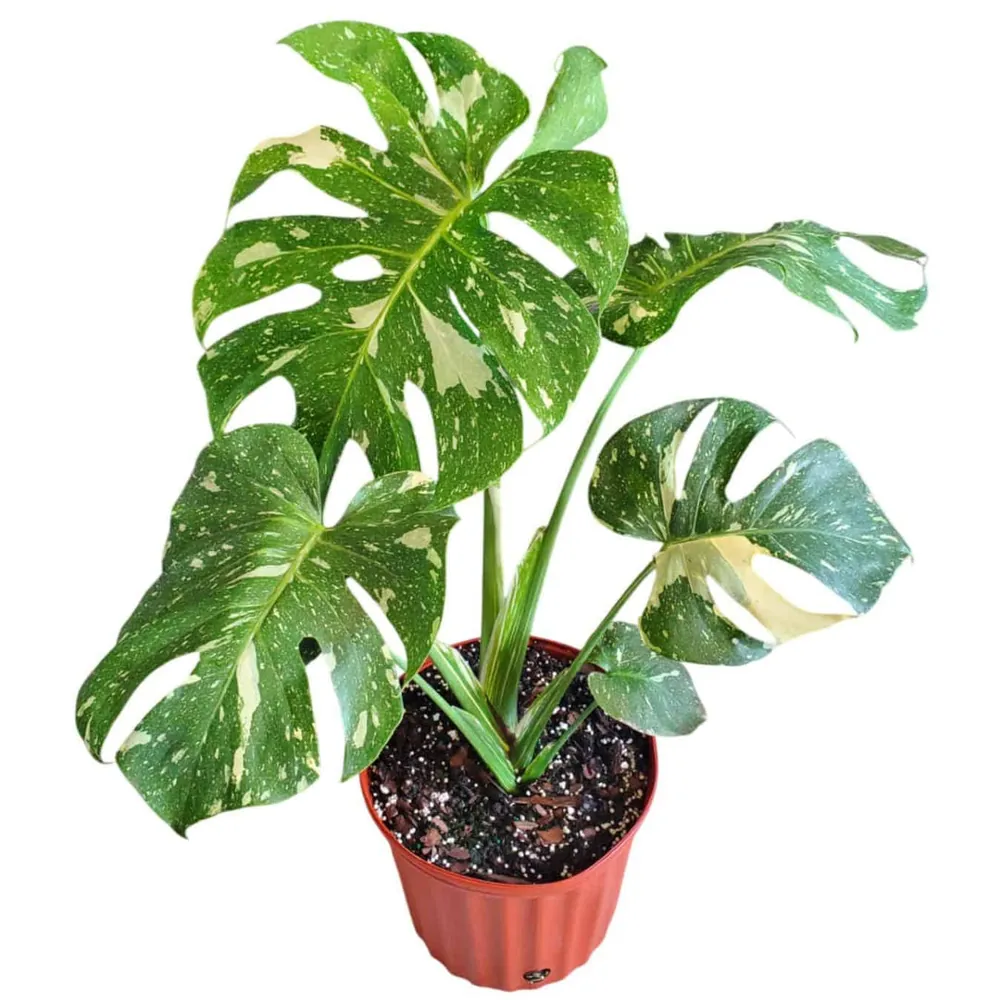
| Cream flecks on broad leaves | Thai Constellation monstera | Space for a pole and a wider canopy |
| Dark, striped leaves near the soil | Jewel orchid | A shallow shelf with room for the plant to spread |
Collectible aroids with bold leaves
Availability varies by location and over time. Compare plants by their features and care requirements. A plant you rarely see at a local shop may be widely propagated elsewhere.
1. Clear-veined flamingo flower
Anthurium clarinervium
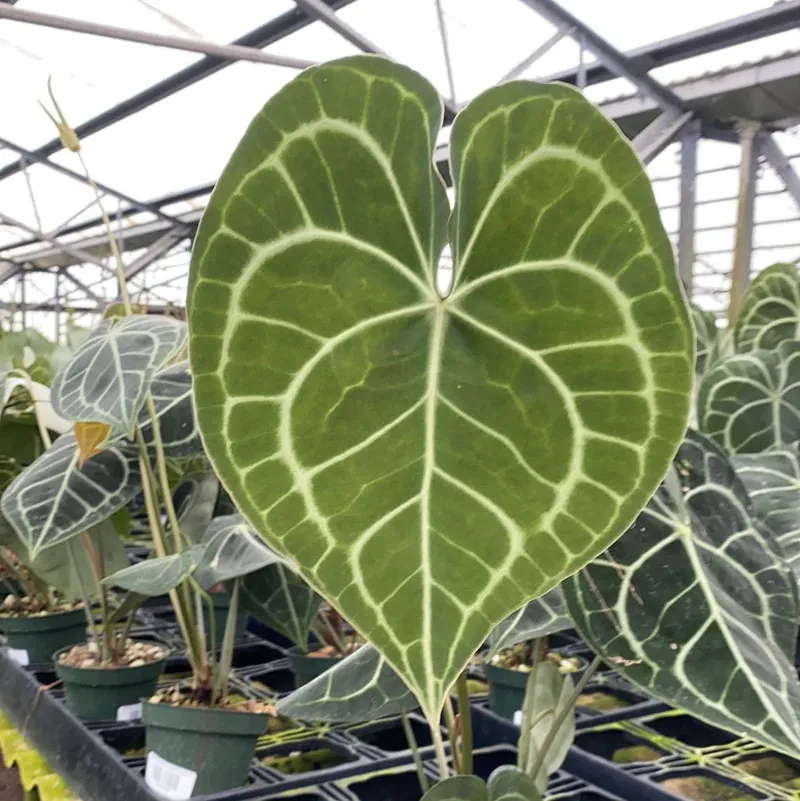
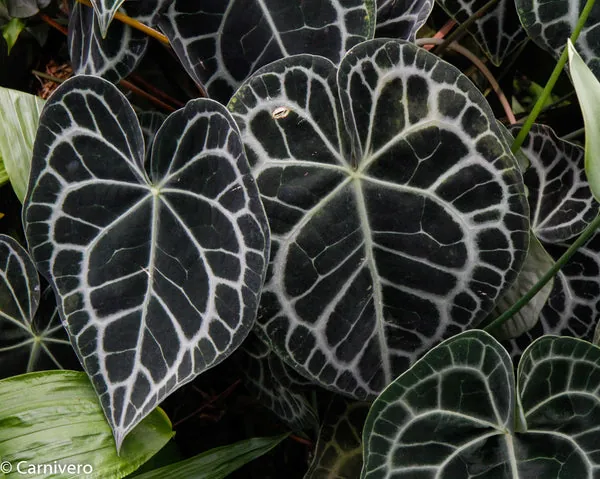
Velvety heart-shaped leaves have a pale vein network. Give it warm filtered light and an airy mix. Compare the RHS plant profile against the label rather than identifying it from pale veins alone.
2. Glorious philodendron
Philodendron gloriosum
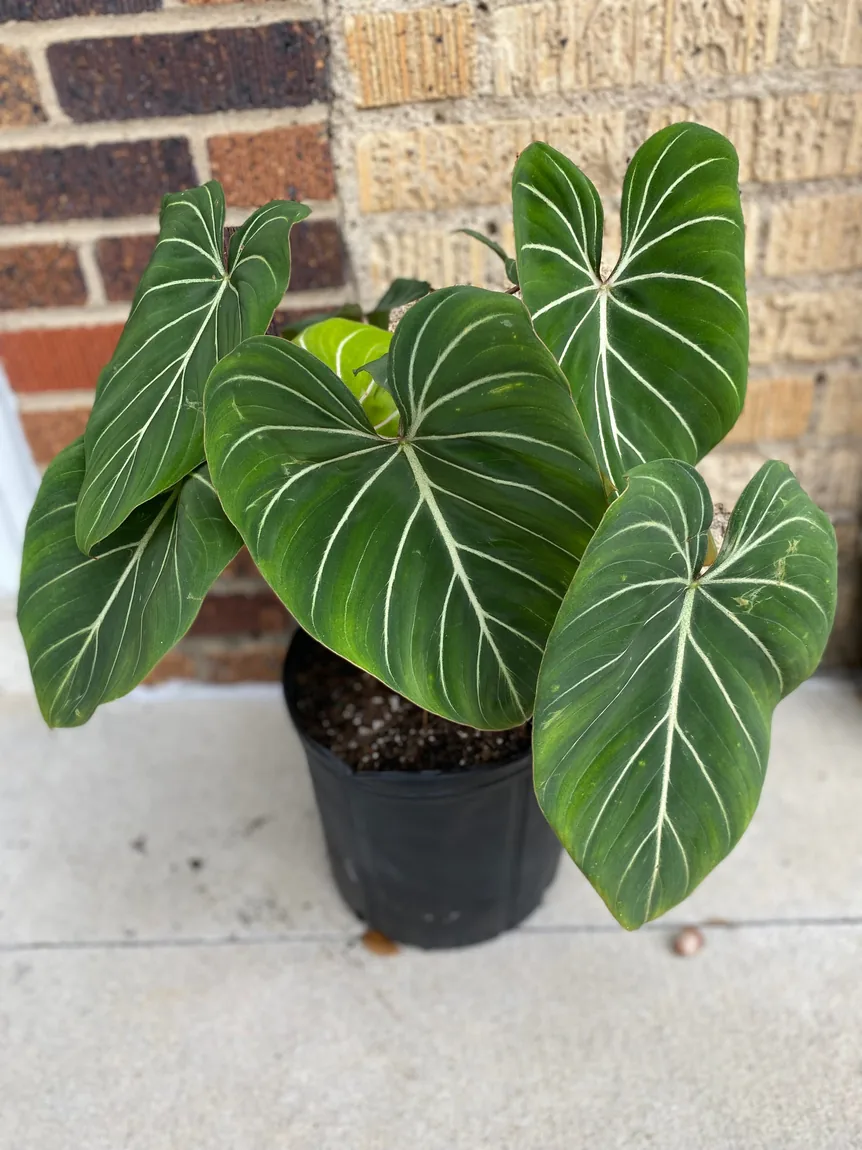
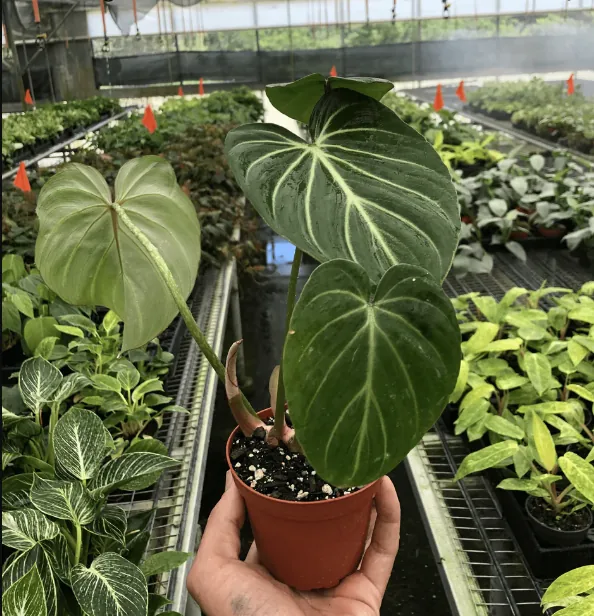
The creeping stem travels along the surface. Leave a strip of open mix in the direction it is growing. A long pot is easier to work with once the stem reaches the rim.
3. Thai Constellation monstera
Monstera deliciosa 'Thai Constellation'
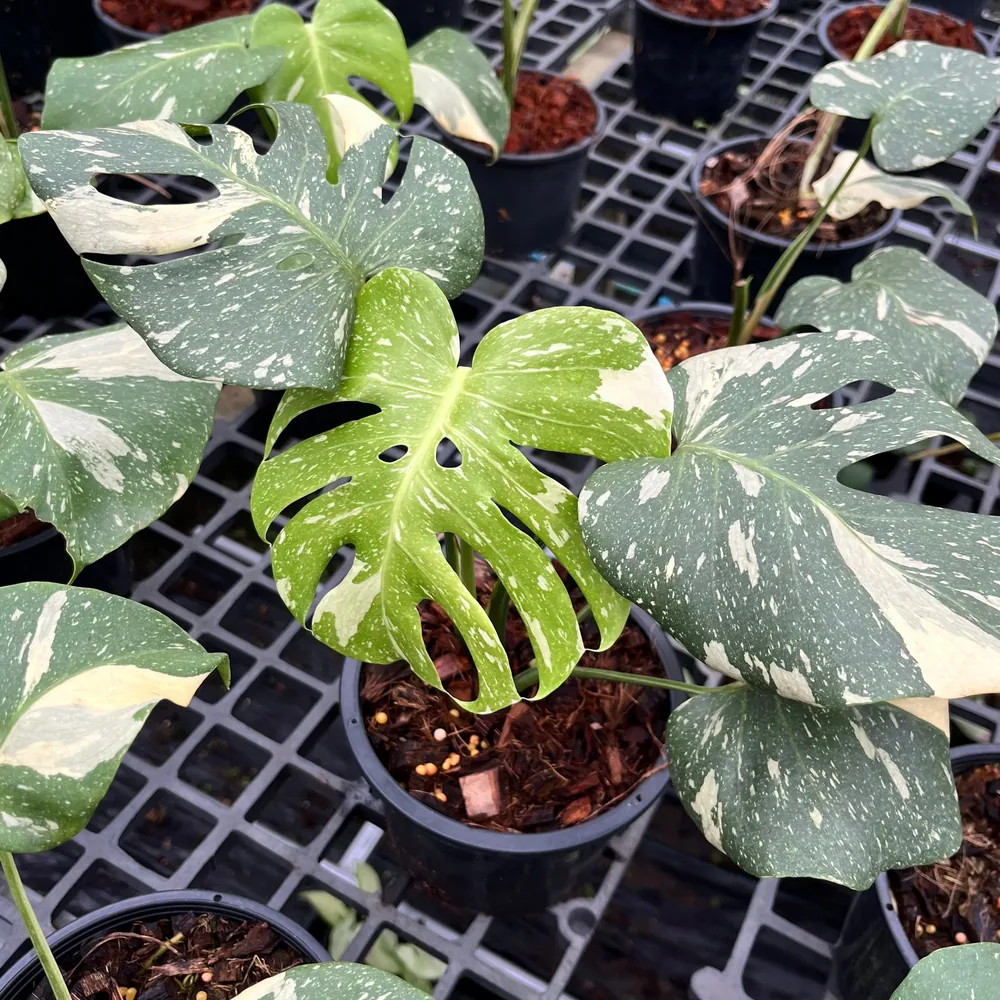
Look for cream flecks and patches across multiple leaves. A young plant can stay on a bright shelf temporarily. Plan for a stronger support and a larger footprint as it grows.
4. Albo monstera
Monstera deliciosa with white sectoral variegation
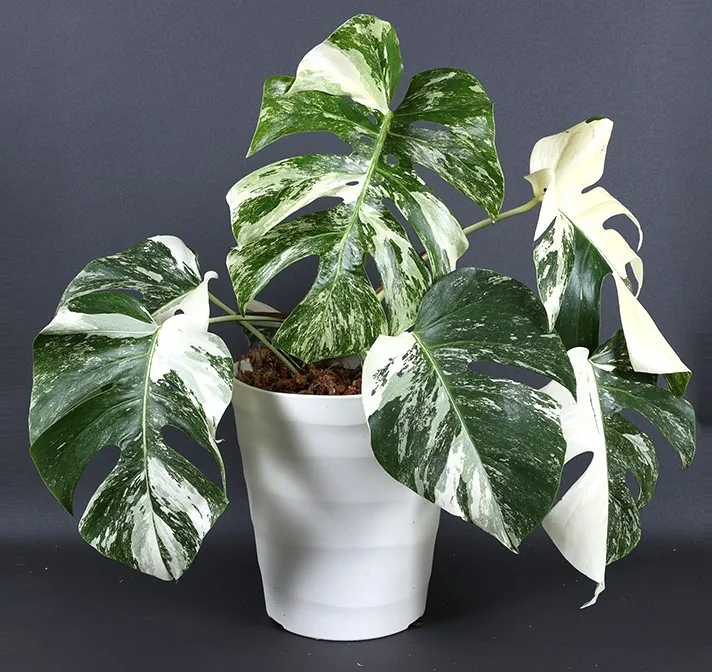
Look at where pale and green tissue appear across several leaves and stem nodes. If you are considering a cutting, ask to see the node and growth point. A photo of a single leaf tells you little about the next shoot.
5. Dragon Scale alocasia
Alocasia baginda 'Dragon Scale'
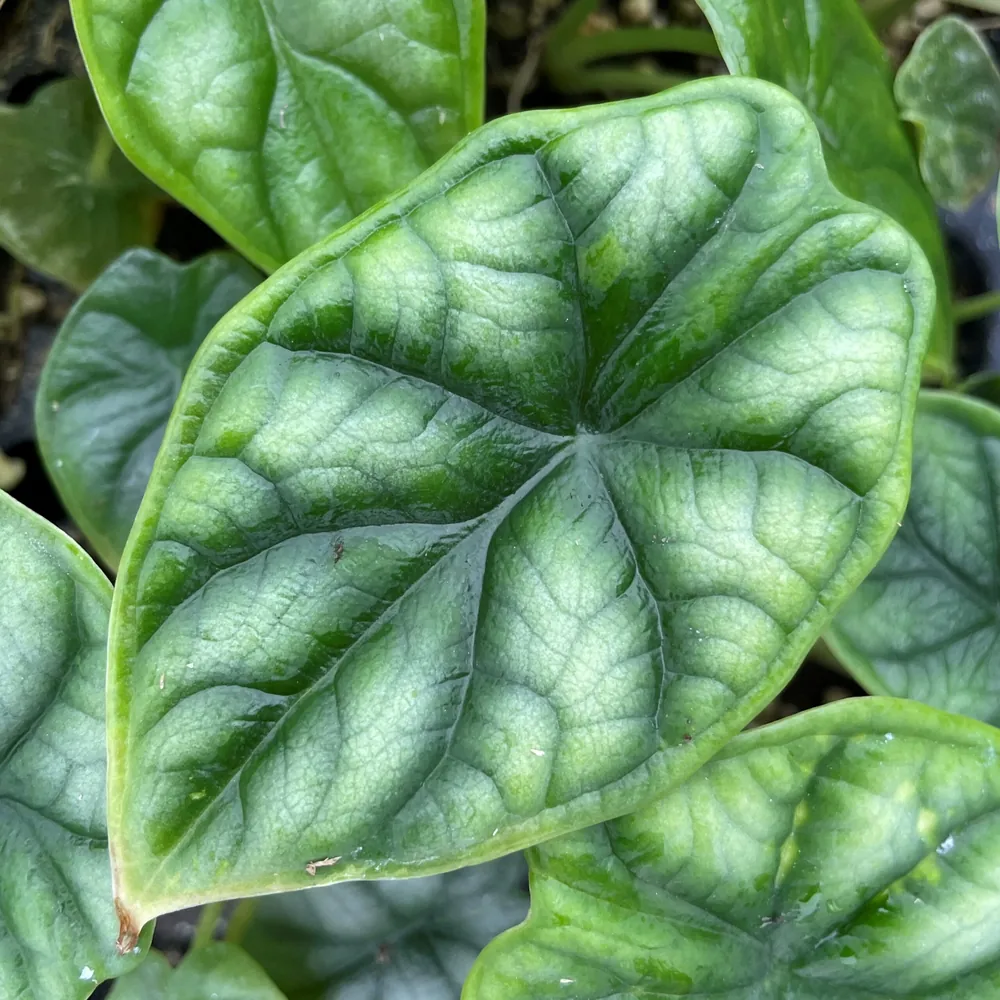
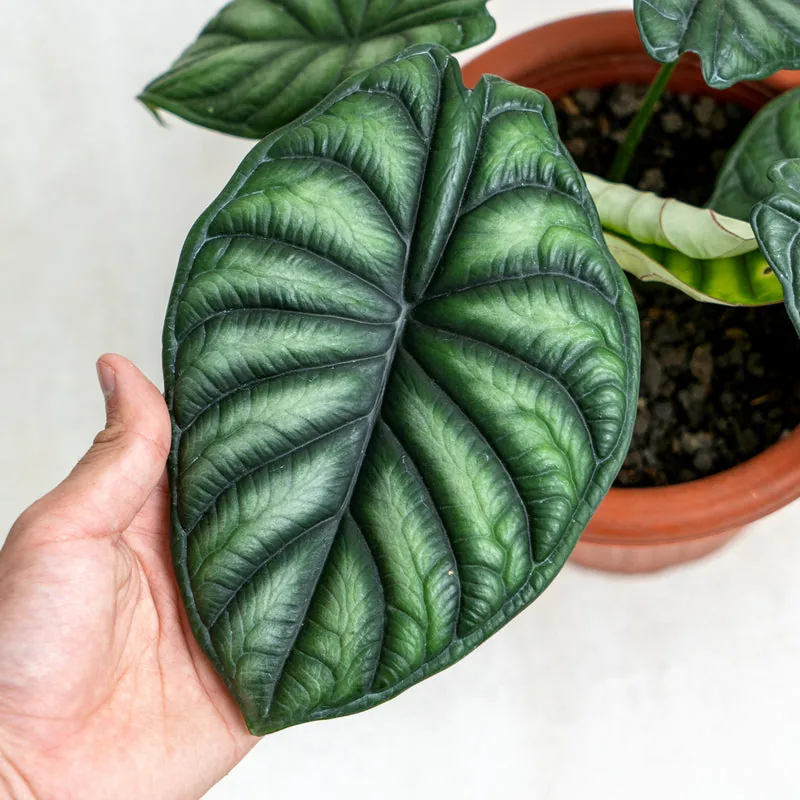
Raised green panels between dark veins give the leaf a quilted surface. Keep the plant warm and check the mix regularly. A small nursery pot inside a heavy planter still needs a way to drain.
6. Moonlight scindapsus
Scindapsus treubii 'Moonlight'
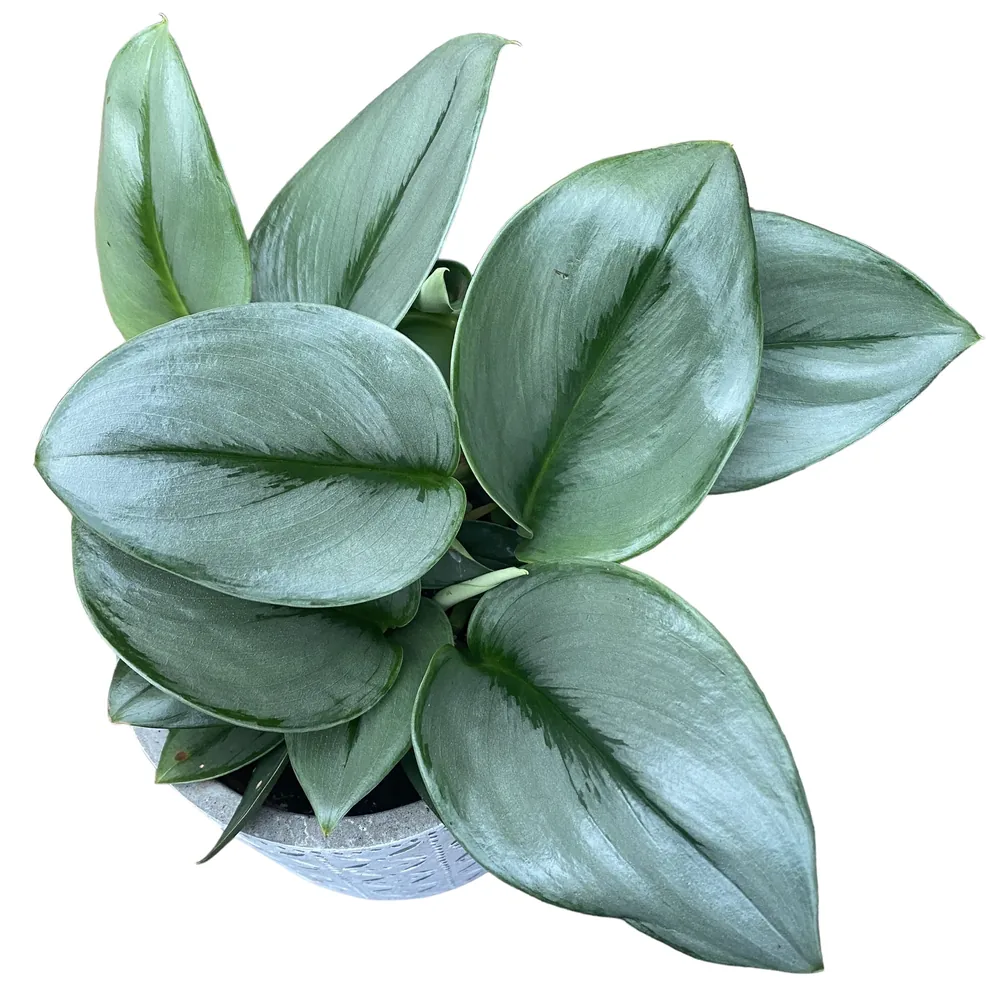
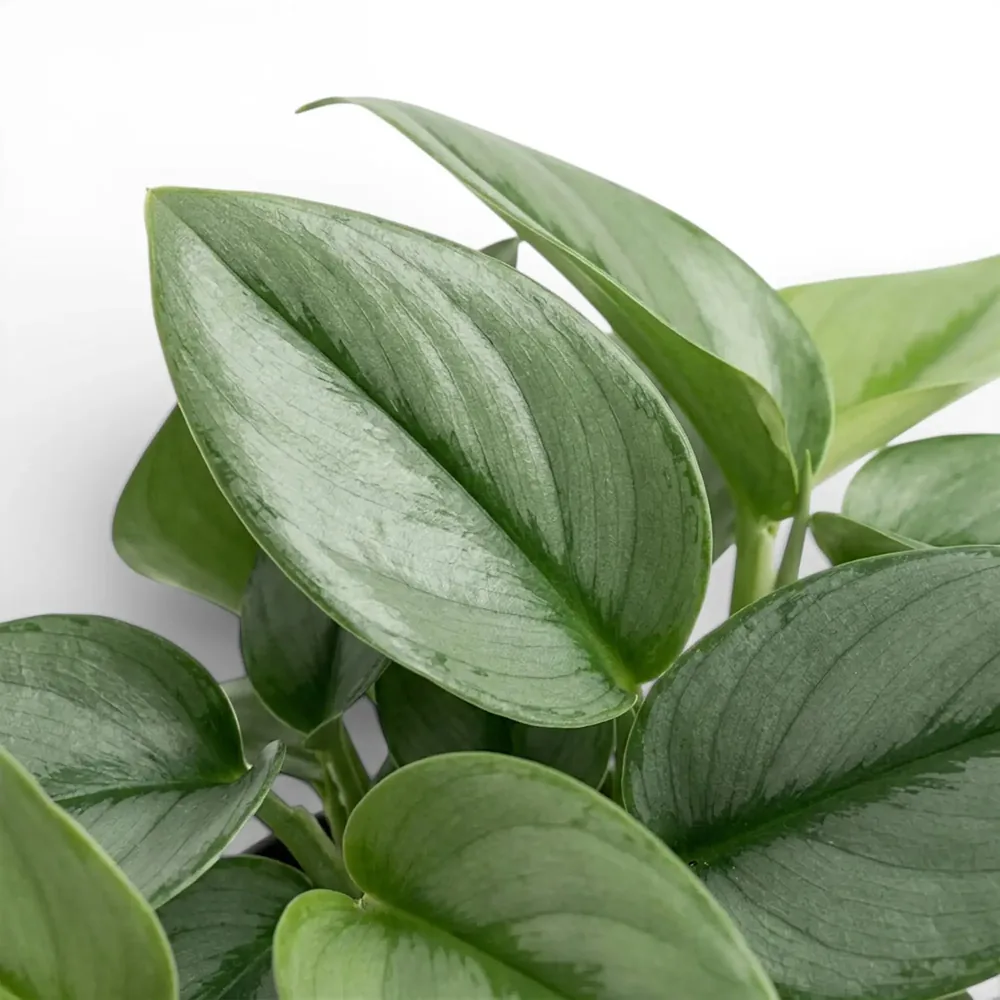
Thick, narrow leaves carry a broad silvery wash. Give the plant a textured support if you want it upright. NC State Extension describes the species as capable of climbing or trailing.
Smaller plants with unusual foliage
If you have one short shelf, take the pot height and upward growth into account. Check whether there is enough air around the plant and enough clearance to lift it out for watering.
7. Jewel orchid
Ludisia discolor
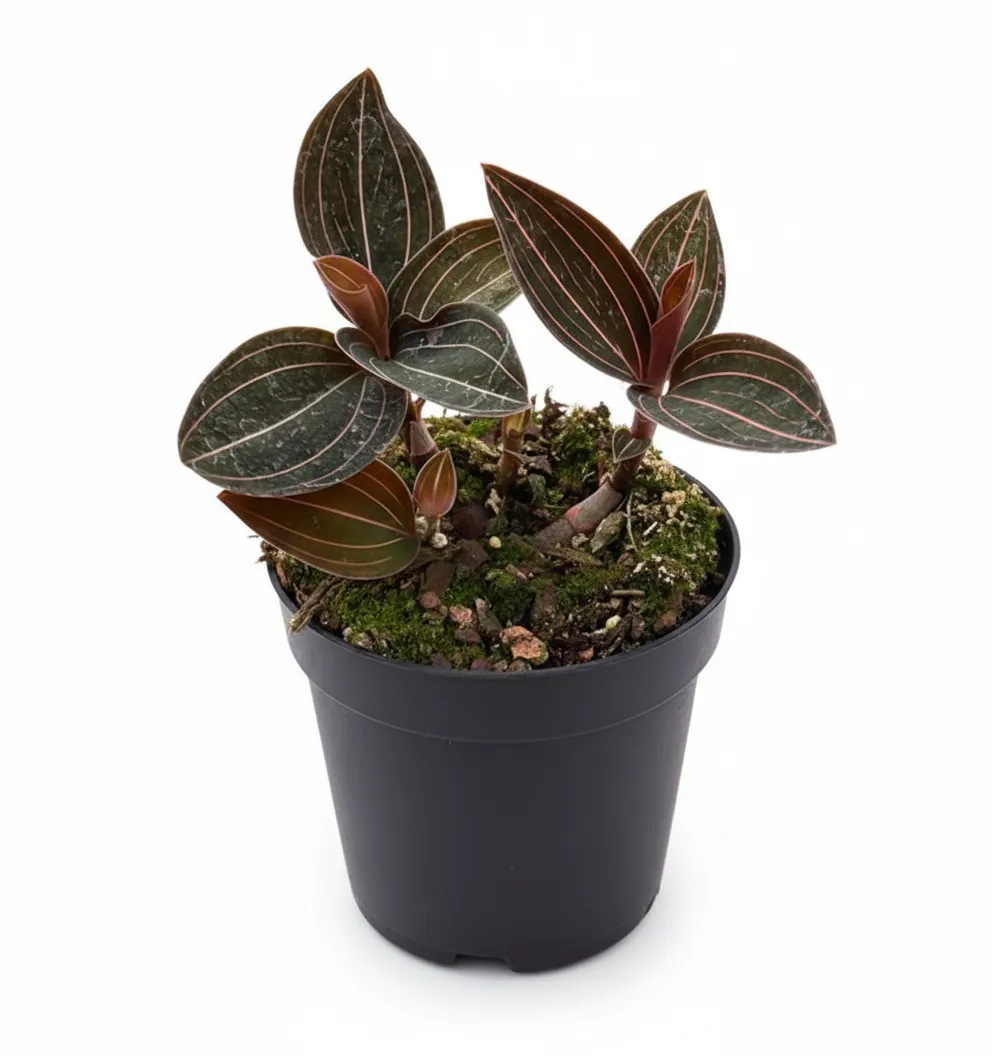
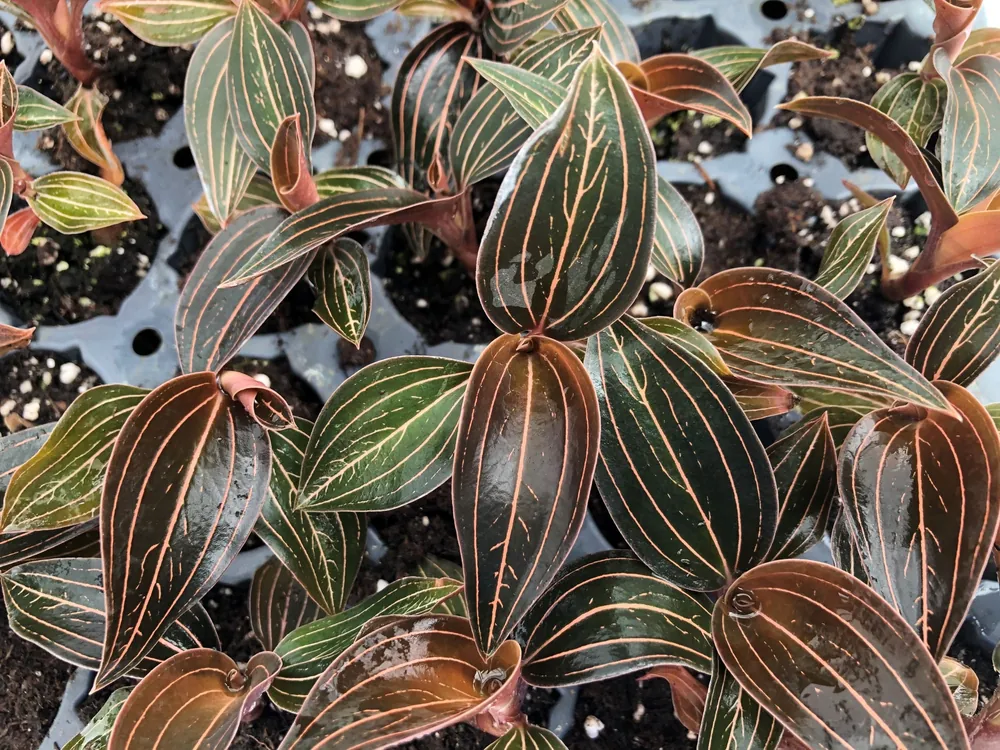
Dark leaves with fine lengthwise veins are visible even between flowering periods. This terrestrial orchid creeps across the pot. The NC State plant profile explains its need for humidity, an airy medium, and filtered light.
8. Hindu rope plant
Hoya carnosa 'Compacta'
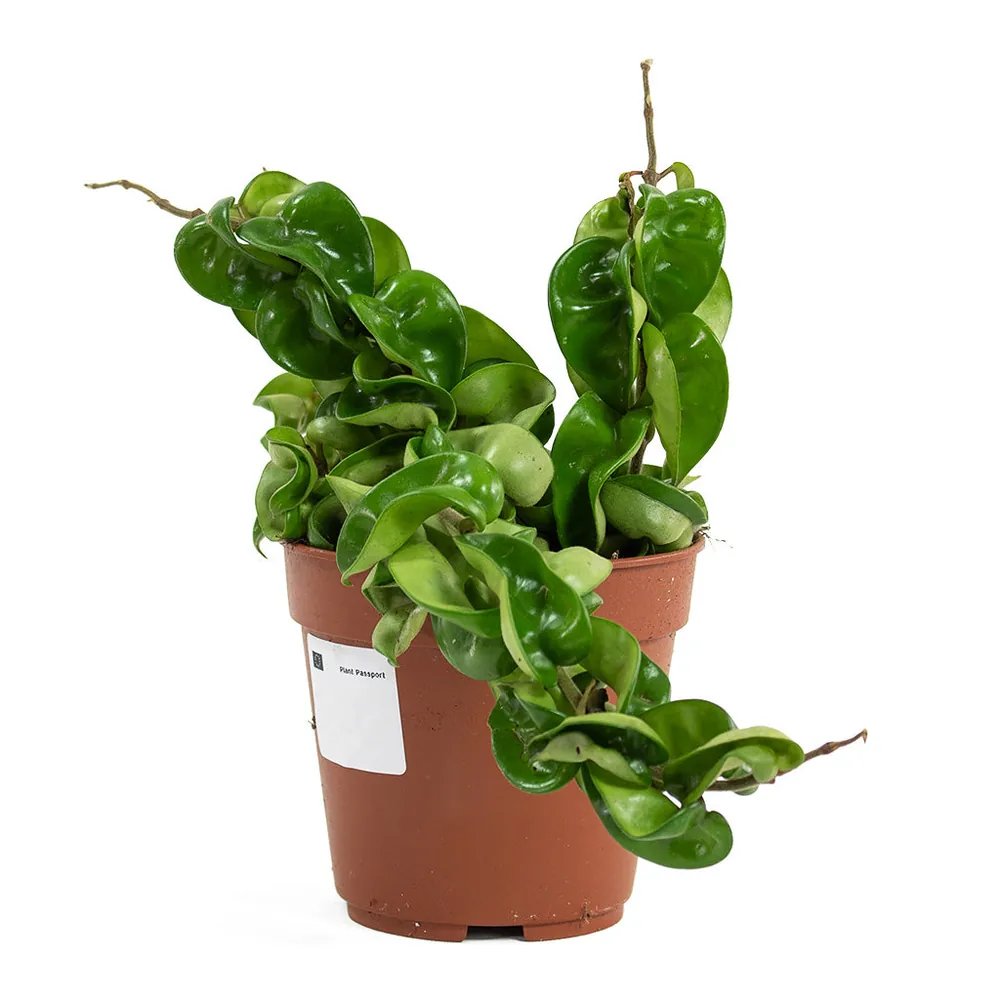
Curled leaves crowd the stems into rope-like strands. Look inside the folds for pests before buying. A bright site along a shelf edge lets you see the curls as the stems hang.
9. String of nickels
Dischidia nummularia
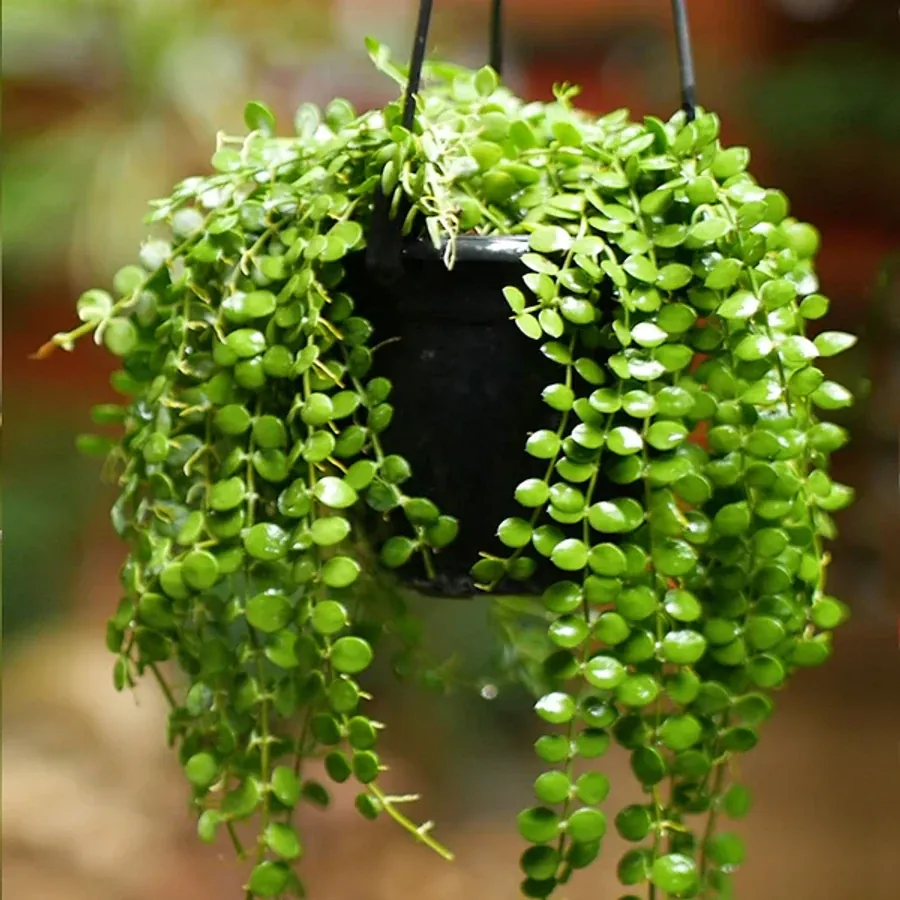
Coin-shaped leaves sit along fine trailing stems. Choose an airy container and bright filtered light. Check the center of the pot for lingering moisture before watering.
10. Watermelon begonia
Pellionia repens, also sold as Procris repens
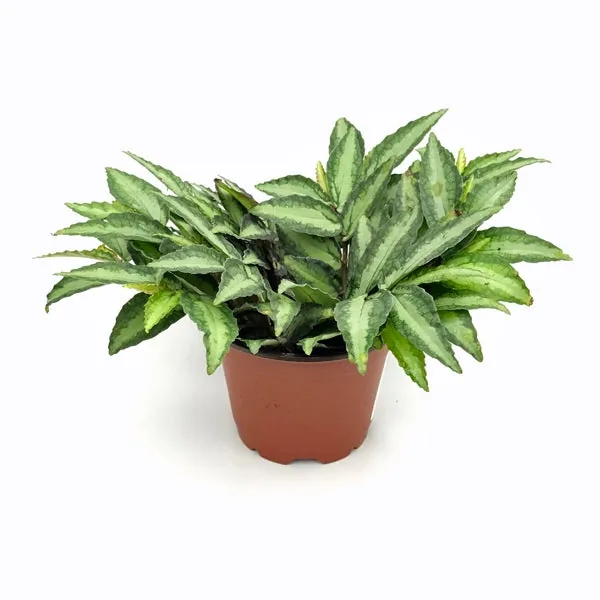
Oval leaves with contrasting darker margins spread out over a pot edge. Check the seller’s botanical label because the common name is also applied to other patterned plants. Give it filtered light and avoid letting the small root ball dry for long stretches.
Inspect the specimen before ordering
Ask what is included: a rooted plant, a fresh cutting, or a recently acclimated tissue-culture plant. Request the width of the pot, a view of the roots if available, and a photo of the newest growth. Check leaf axils for webbing or cottony clusters and choose nursery-propagated plants. If you like the shape more than the collector label, our colorful houseplants and indoor tropical plants guides show more foliage options.
For a variegated monstera, compare two or three recent leaves before buying. Thai Constellation typically has fine cream flecks as well as larger patches. An Albo can have broad white sectors, and the distribution can change from leaf to leaf. If a seller shows only an especially white leaf, ask to see the newest leaf and the stem around its node.
For a first collectible, a rooted plant in active growth simplifies the move to a new room. Ask whether the photo shows the exact plant or a representative specimen. On a recently acclimated tissue-culture plant, find out how long it has been growing in ordinary room air before changing its conditions again.
Our indoor vine guide shows support options for climbing collectibles.
Choose a first collectible for your room
For a bright shelf with limited height, start with a Hindu rope hoya if you like curled foliage, or a jewel orchid if you can check moisture more often. The hoya can hang over the edge. The orchid spreads across the pot, so a short, narrow shelf can still run out of room. Pick the plant by where its next growth will go.
For a wide shelf, check the growing direction of a Philodendron gloriosum before taking it home. Find the newest leaf and follow it to the end of the creeping stem. Leave room at that end of the pot so the next section can grow over potting mix. If the stem is already over the rim, plan where the next container will fit.
For a floor spot with room above the pot, compare the Thai Constellation and Albo forms by the amount of green tissue across several leaves. A mostly white leaf makes a striking photo. Green areas support the plant through photosynthesis. Ask to see the latest growth and check whether the plant has a stem you can guide up a sturdy support.
When the plant arrives, compare its condition with the seller’s photos. Record any damage, check leaf undersides and folds for pests, and confirm the pot drains. If the plant arrived in a small nursery pot and the existing mix drains well, give it time to settle before changing the container and the potting mix.