



Quick Answer
Check how much light actually reaches the shelf. Start with echeveria or jade in a spot with sun, and haworthia or gasteria where the light is bright but filtered. Choose a pot with a drainage hole.
Choose a succulent for the window you have
Choose a succulent for the window you have
Scroll sideways to compare all columns.
| Placement | Start with | Leave room for |
|---|---|---|
| Sunny sill | Echeveria | Light reaching the whole rosette |
| Bright, filtered shelf | Cooper’s haworthia | Offsets around the base |
| Wide, bright windowsill | Jade plant | Branches that spread over time |
| Bright shelf edge | Burro’s tail | Hanging stems clear of traffic |
Succulents for your sunniest window
Check the window across the day. An outside awning, nearby building, or closed blind can change the light a plant receives. Introduce stronger sun gradually after bringing a plant home.
1. Echeveria
Echeveria spp.
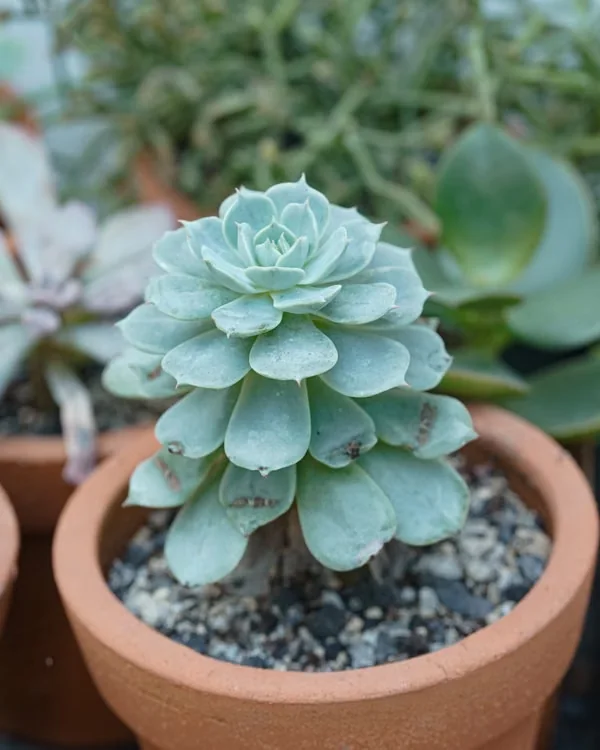
Look for a layered rosette with fleshy leaves. Give it your sunniest usable sill. If the newest leaves spread apart and the center rises, try stronger light for more compact future growth.
2. Jade plant
Crassula ovata

Oval leaves grow in pairs on stems that thicken with age. Keep it in a stable pot with space for the branches to spread. Let the mix dry between deep waterings.
3. Aloe vera
Aloe vera
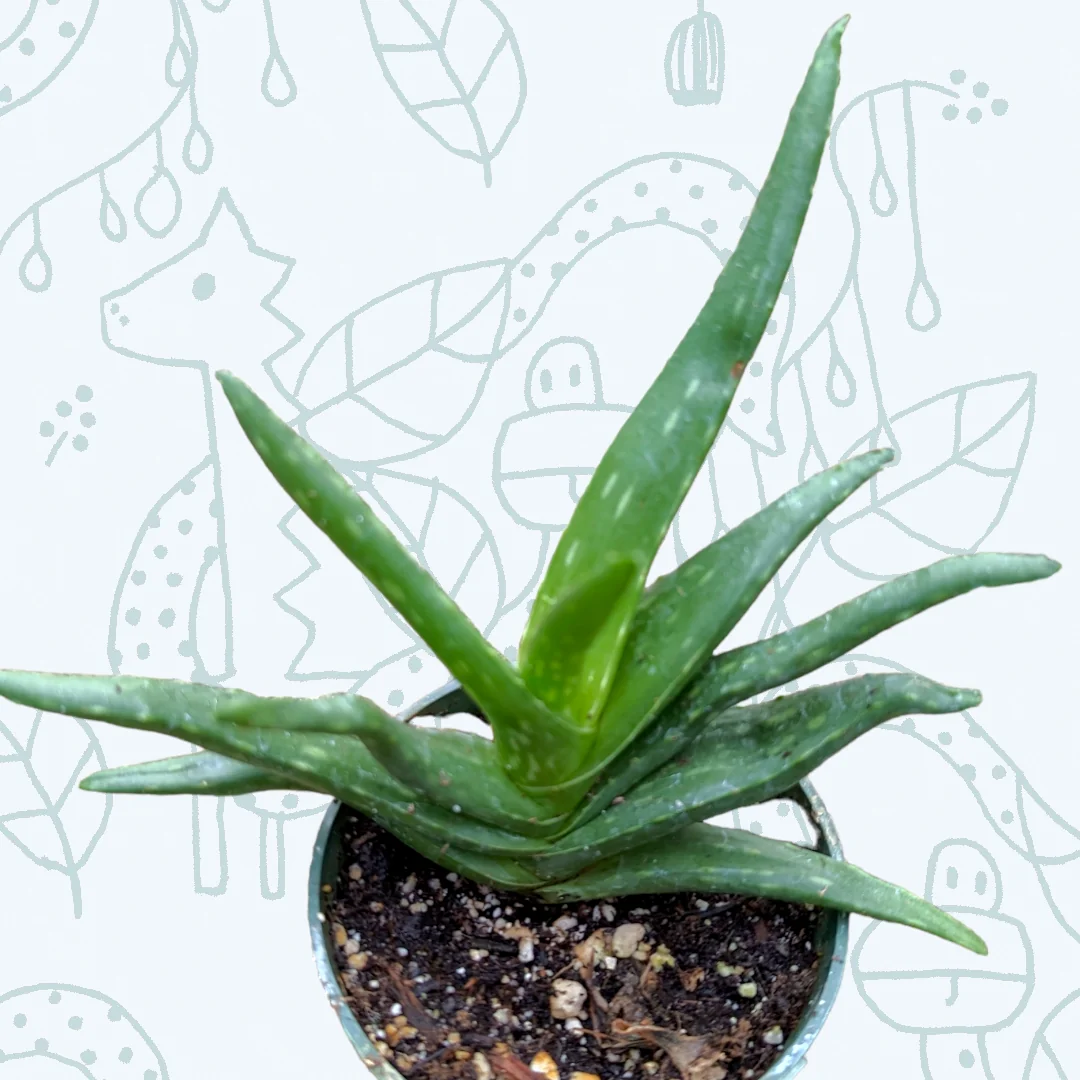
Upright fleshy leaves taper to a point and can have small teeth along the margins. Leave clearance around the pot for the outer leaves and avoid keeping the base wet.
4. Coppertone stonecrop
Sedum nussbaumerianum
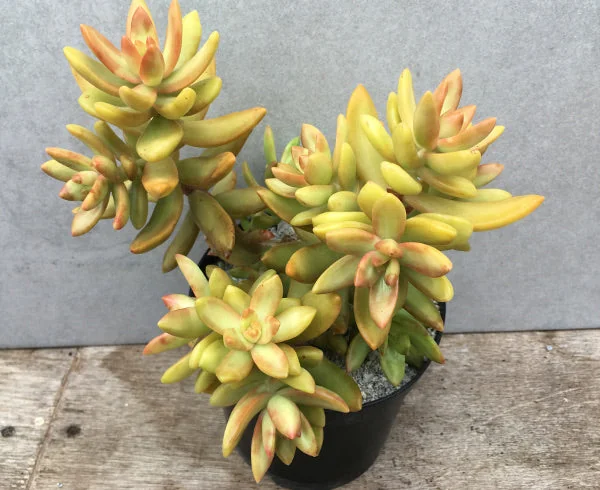
Clusters of pointed leaves form along branching stems. In strong light the foliage can take on a warmer color. Give it a bright spot and leave room for the stems to lean out over the rim.
Succulents for bright, filtered light
Filtered light works well for some smaller plants. If the shelf stays dim all day, move it closer to the glass or use a grow light. See Iowa State Extension’s indoor succulent guide for signs that a plant needs more light.
5. Cooper’s haworthia
Haworthia cooperi
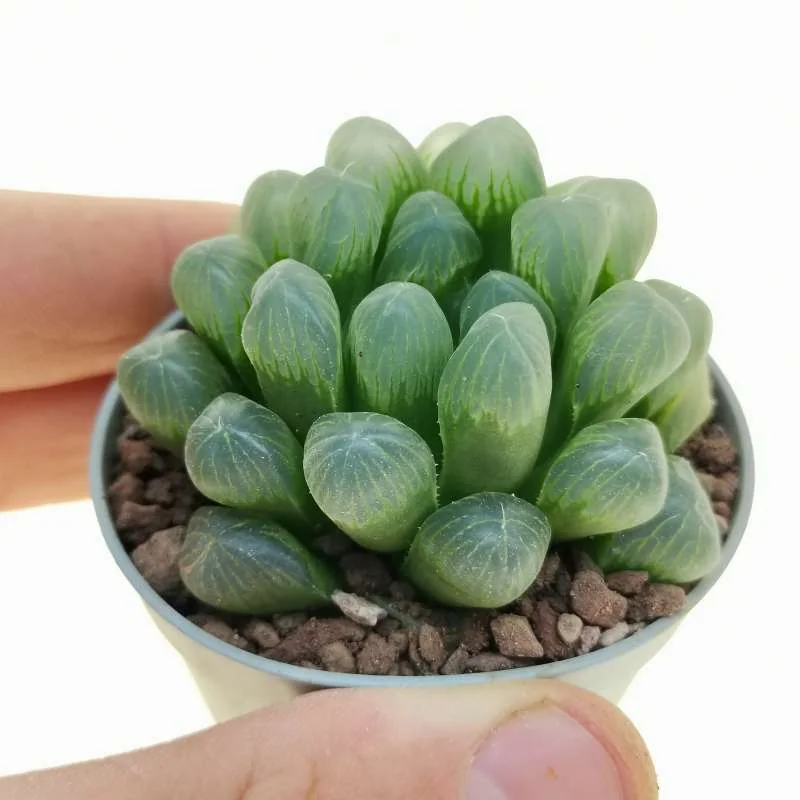
Translucent leaf tips gather in a compact rosette. Keep it in bright indirect light and give the small root ball a pot that dries evenly.
6. Zebra haworthia
Haworthiopsis attenuata
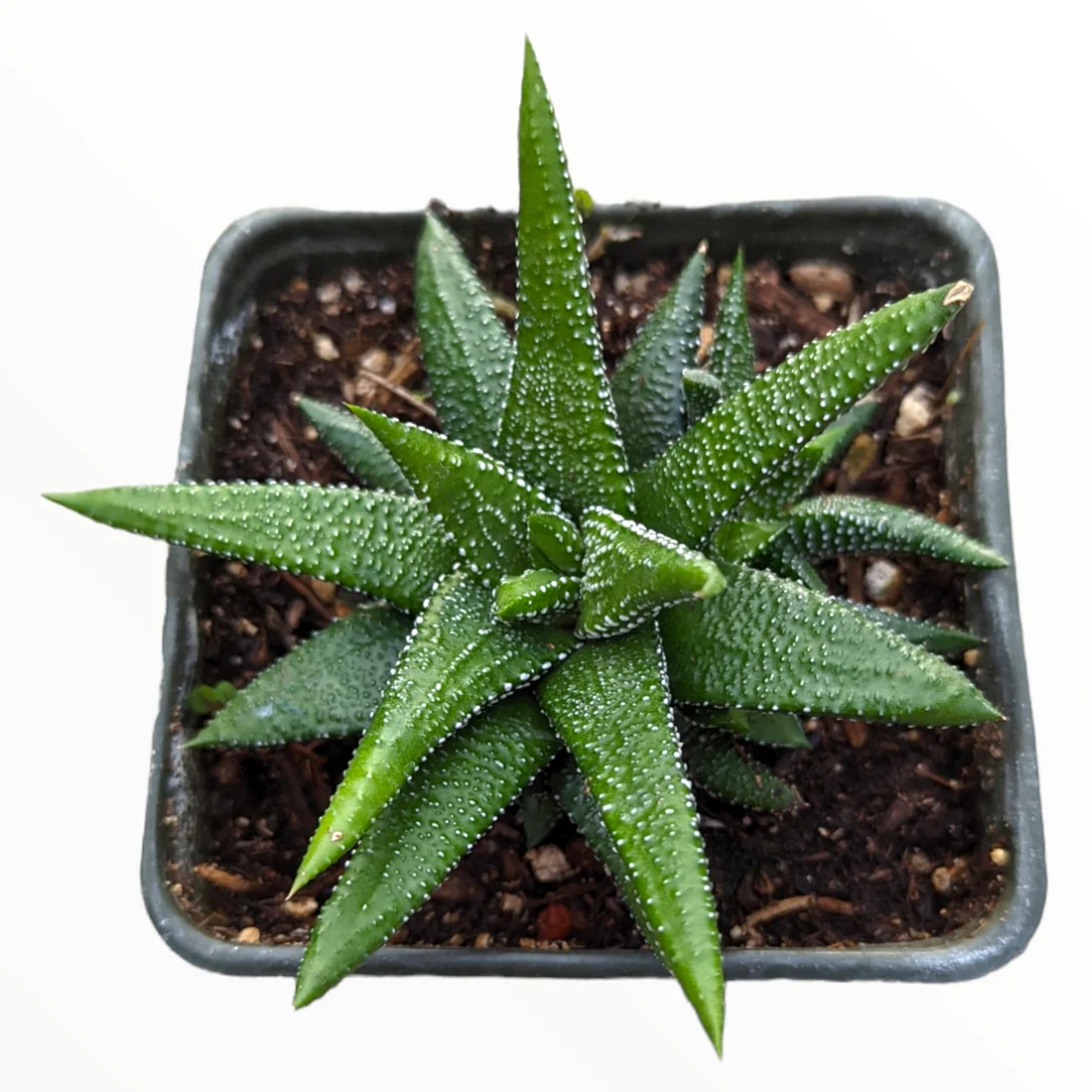
Raised white markings cover the pointed leaves, appearing as dots or bands depending on the form. If strong sun suddenly reaches the pot, introduce it gradually. Allow enough width for offsets to fill in around the base.
7. Gasteria
Gasteria spp.
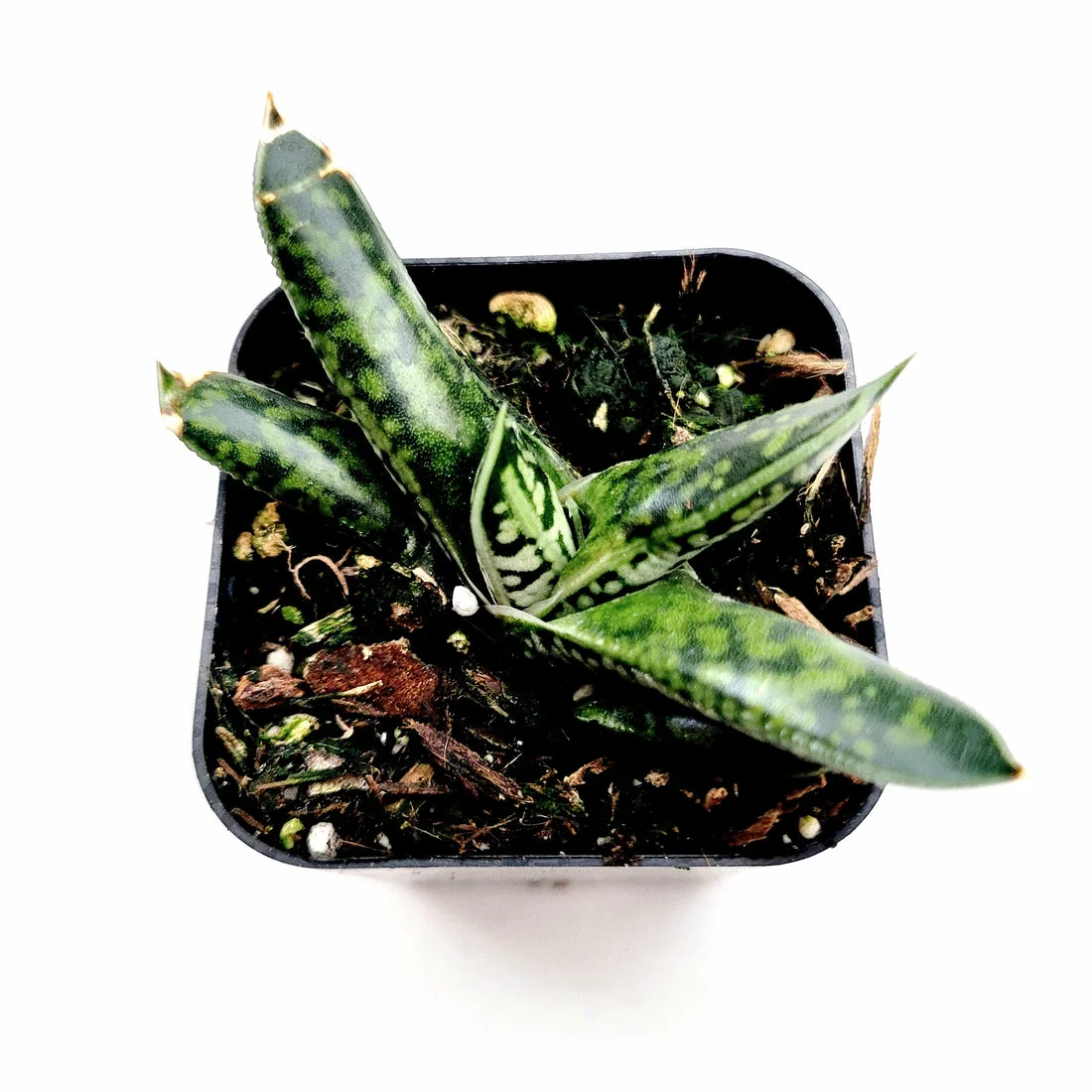
Thick tongue-shaped leaves often stack in two ranks on young plants. Check the nursery label for mature size. A compact specimen makes a good choice where shelf height is limited.
8. Snake plant
Dracaena trifasciata
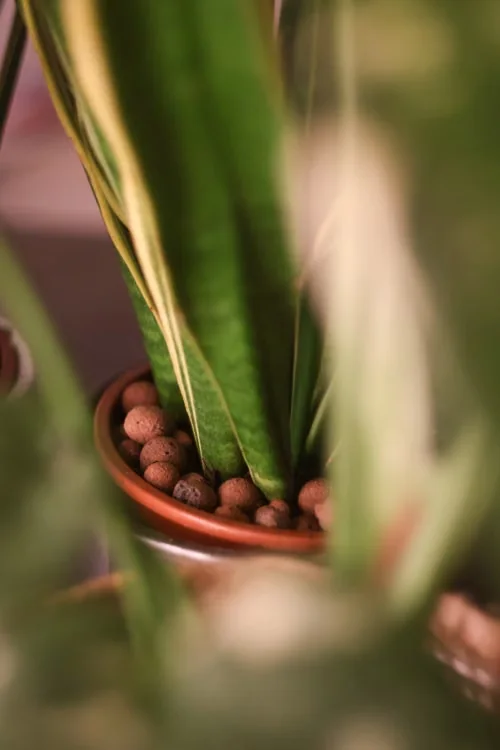
Stiff upright blades fit a narrow spot. Although it tolerates lower light, the pot dries more slowly there. Check lower in the mix before watering.
Trailing and flowering succulents
Allow enough room to lift a trailing pot from the shelf. If its stems tangle easily or shed leaves when brushed, find a spot away from daily traffic.
9. String of pearls
Curio rowleyanus
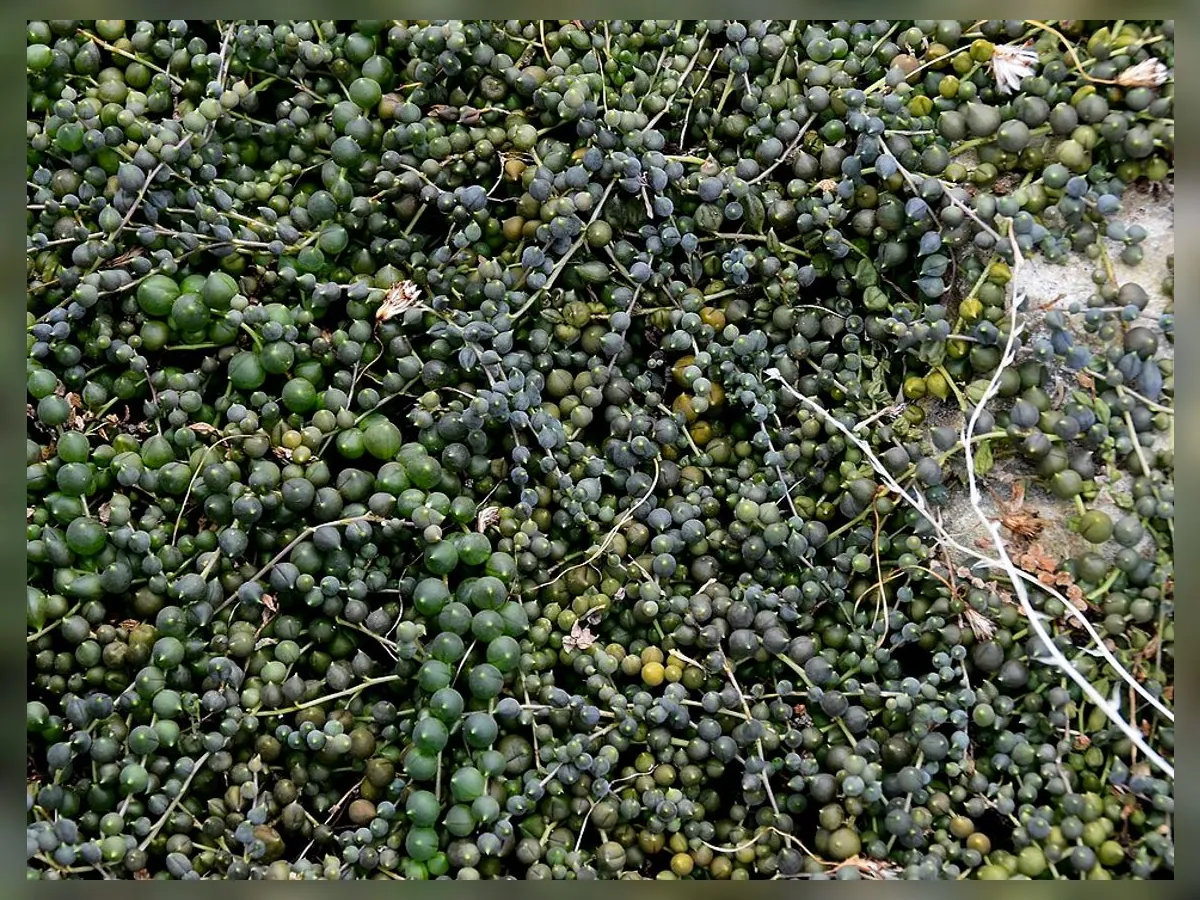
Round leaves line fine hanging stems. Position the crown where it receives light, even if the strands fall below the windowsill.
10. Burro’s tail
Sedum morganianum
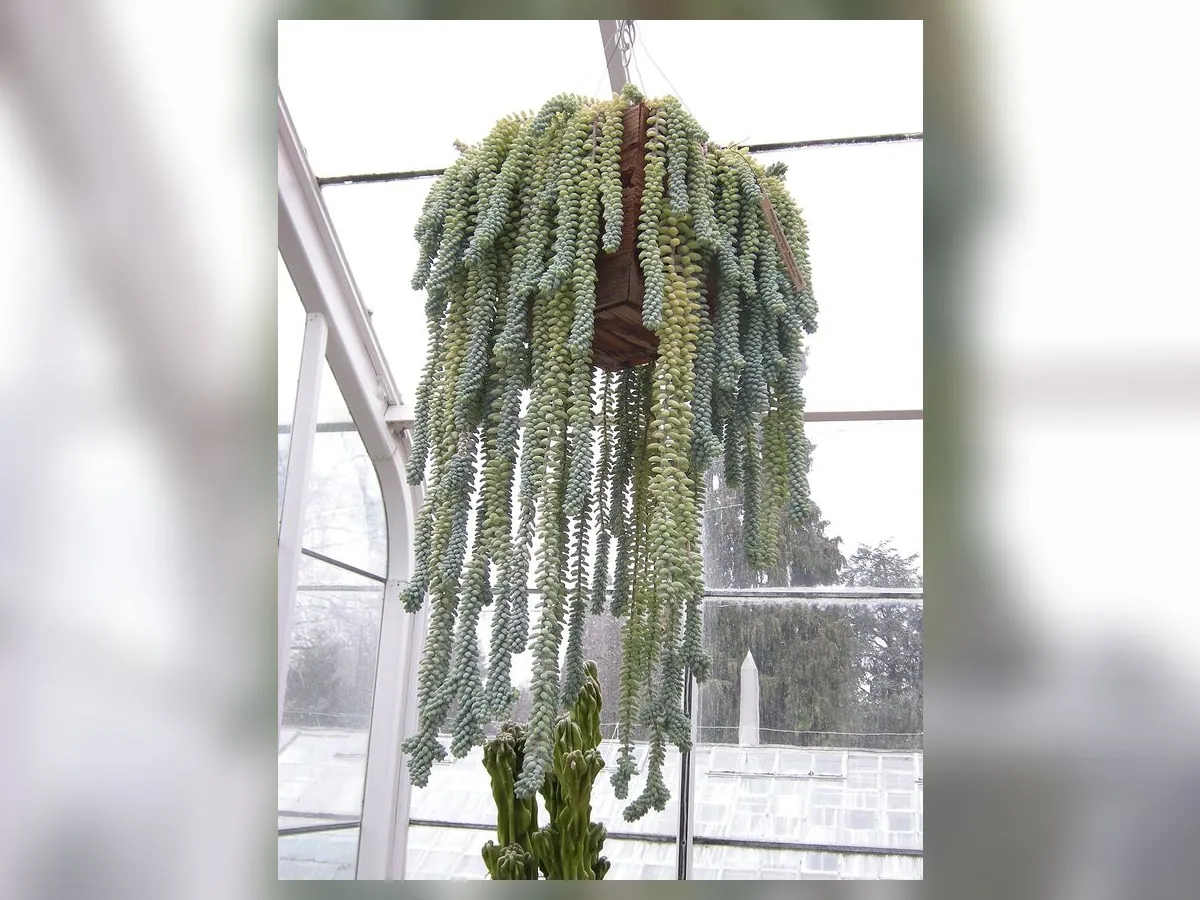
Overlapping leaves crowd the hanging stems. Choose its final position before arranging other pots around it. The leaves detach easily when jostled.
11. String of hearts
Ceropegia woodii
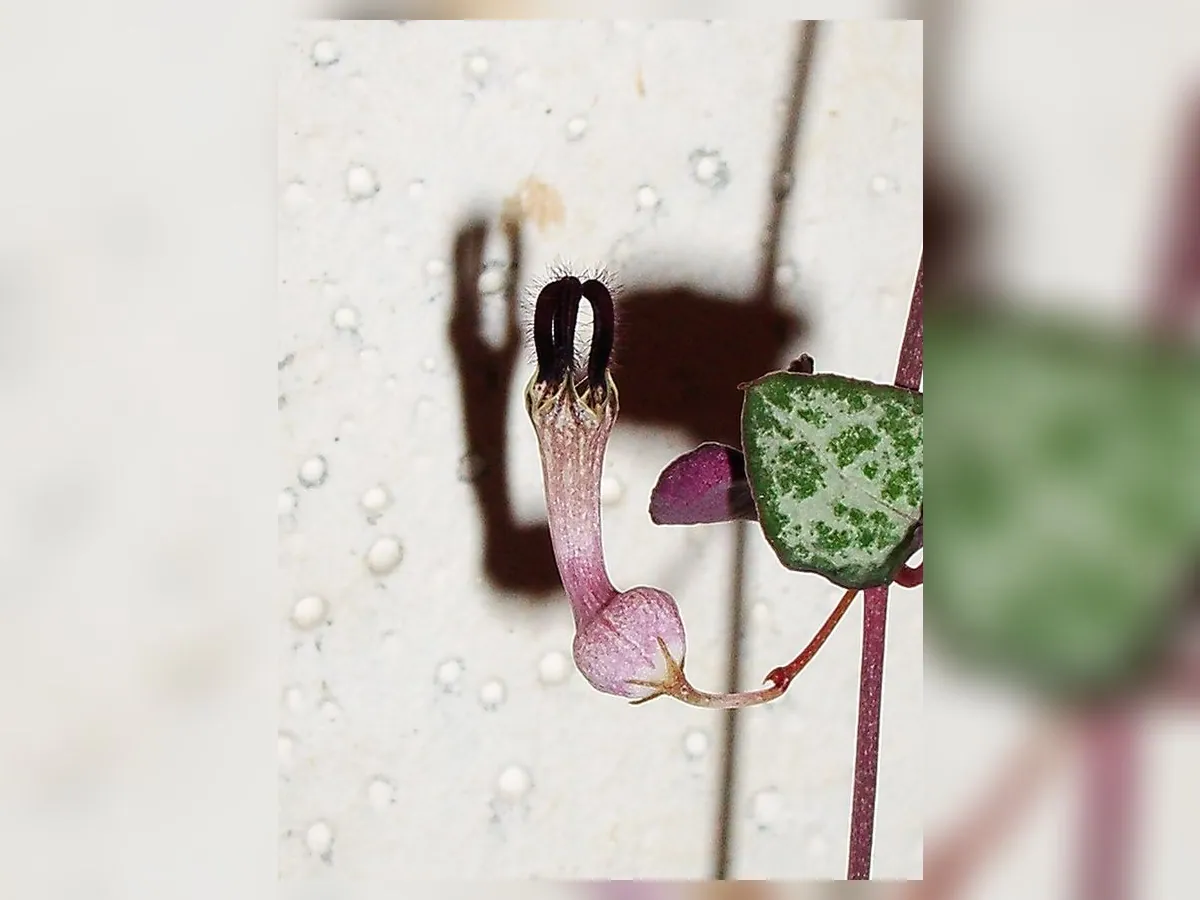
Small hearts hang along thin stems. Let them fall from a bright shelf or loop the stems gently around a frame. Our indoor vines guide covers more support options.
12. Florist kalanchoe
Kalanchoe blossfeldiana
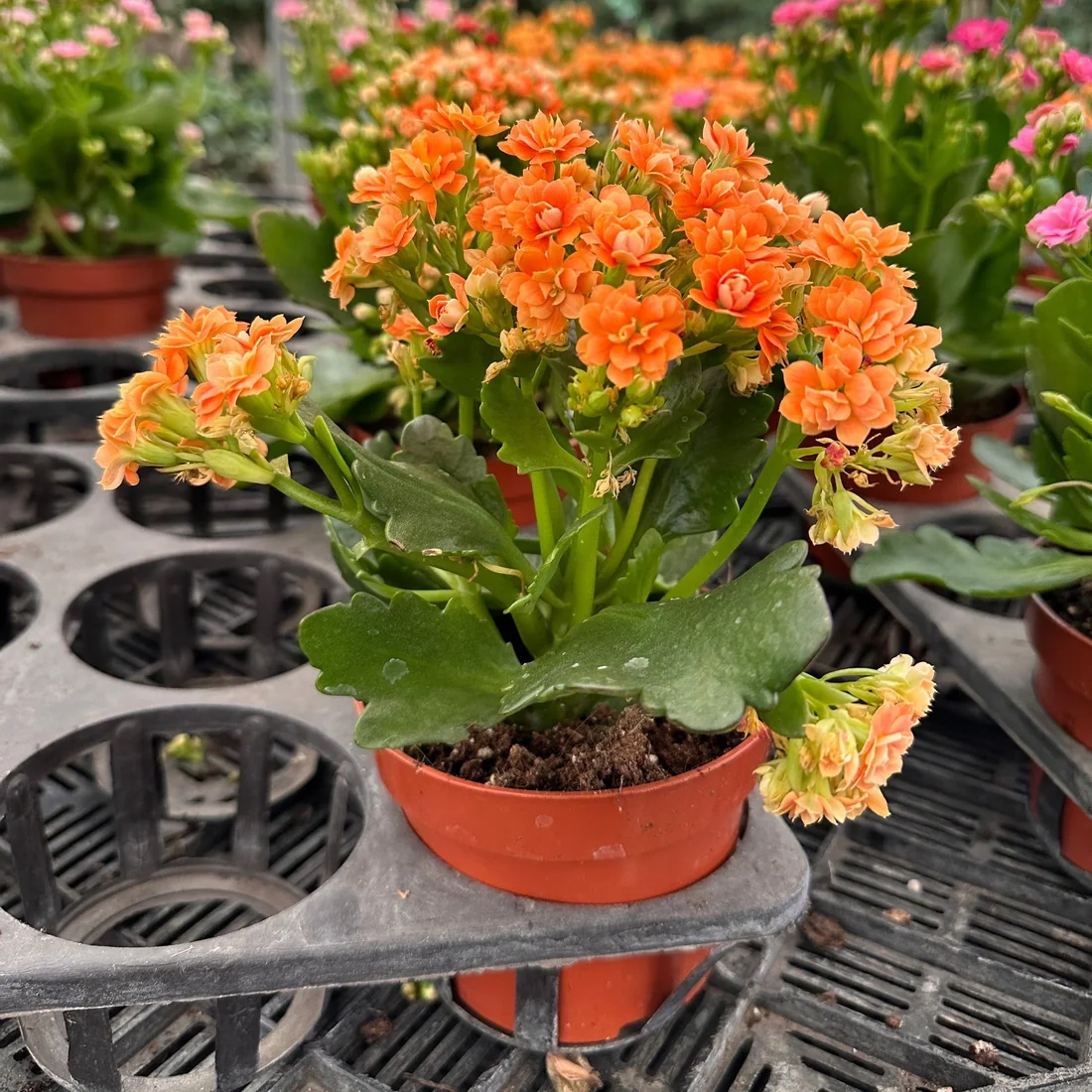
Bright flower clusters sit over fleshy leaves. Give it strong light while it grows. See indoor flowering plants if you’re comparing repeat bloomers.
Water the roots and let the pot drain
Check the mix near the drainage hole with a clean wooden skewer. If it comes out damp, give the pot more time. When the mix is dry enough for the plant you chose, water thoroughly and empty the saucer. A decorative outer pot can conceal standing water. Use one with a removable inner pot. If you are comparing plants with spines or flat jointed stems, see our indoor cactus guide.
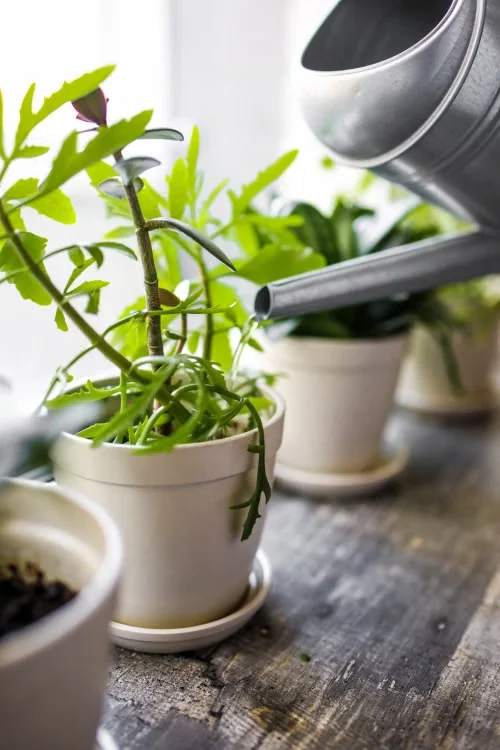


Give a plant that has been on a shaded shop shelf a few days in bright filtered light before increasing direct sun in stages. Dry, bleached patches on the exposed side can follow an abrupt move. If a plant instead develops long gaps or smaller, paler new leaves, look at how much light reaches it across the day. For a shallow windowsill, choose a compact haworthia or a small gasteria with room for offsets. Put a wide aloe or a top-heavy jade on a deeper, stable surface.
Read the leaves and the mix together
Wrinkled leaves and dry mix. Check whether the pot feels unusually light and whether the leaves farther down the plant are losing firmness. If the mix is dry all the way down and the base is firm, water the mix thoroughly and drain the pot. A single old leaf drying at the bottom of a rosette can be part of normal growth.
Soft leaves or a soft base with damp mix. Check the drainage hole and tip out any water held in a saucer or outer planter. Wait for the mix to dry before watering again. If the base continues to soften, inspect the roots and stem for rot. Iowa State Extension’s succulent guide explains how container size and soil affect moisture.
A rosette that opens up and leans. Compare the newest leaves with the older ones. A widening gap between leaves or a new lean toward the glass points to light as the first thing to check. Move the pot closer in stages and watch the shape of the new growth.
If you grow a few varieties together, keep them in separate nursery pots at first. That lets you move a light-hungry echeveria closer to the glass and water a small haworthia separately. Use similarly sized plants with similar light and moisture needs if you later plant them in one container.