



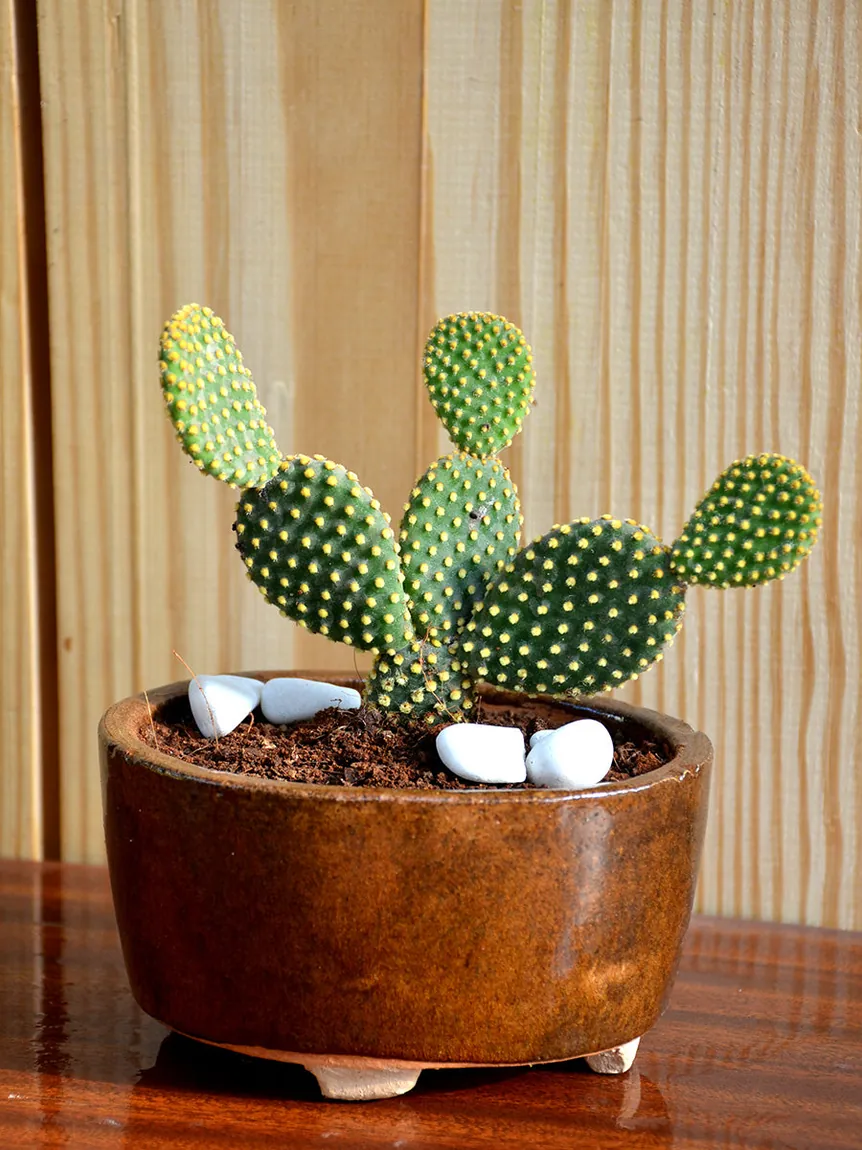
Quick Answer
A sunny sill suits many desert cacti. A bright spot with filtered light suits forest cacti such as Thanksgiving cactus. Look for areoles, the small points on the stem from which spines, hairs, or flowers may grow.
Compare cactus shapes and window light
Compare cactus shapes and window light
Scroll sideways to compare all columns.
| What you see | Likely example | Placement |
|---|---|---|
| Round stem with bumps | Pincushion cactus | Sunny sill with elbow room |
| Flat, spiny oval pads | Bunny ears cactus | Strong light away from hands |
| Flat, jointed stems with toothed edges | Thanksgiving cactus | Bright filtered light |
| Fine, hanging cords | Mistletoe cactus | Bright filtered light above a clear ledge |
Desert cacti for strong window light
Start near the brightest window you can spare. Increase direct sun gradually after bringing a plant home. A pencil-thin tip forming on a formerly round cactus can indicate insufficient light. See the Clemson Extension guide to indoor cacti for care by habitat.
1. Pincushion cactus
Mammillaria spp.
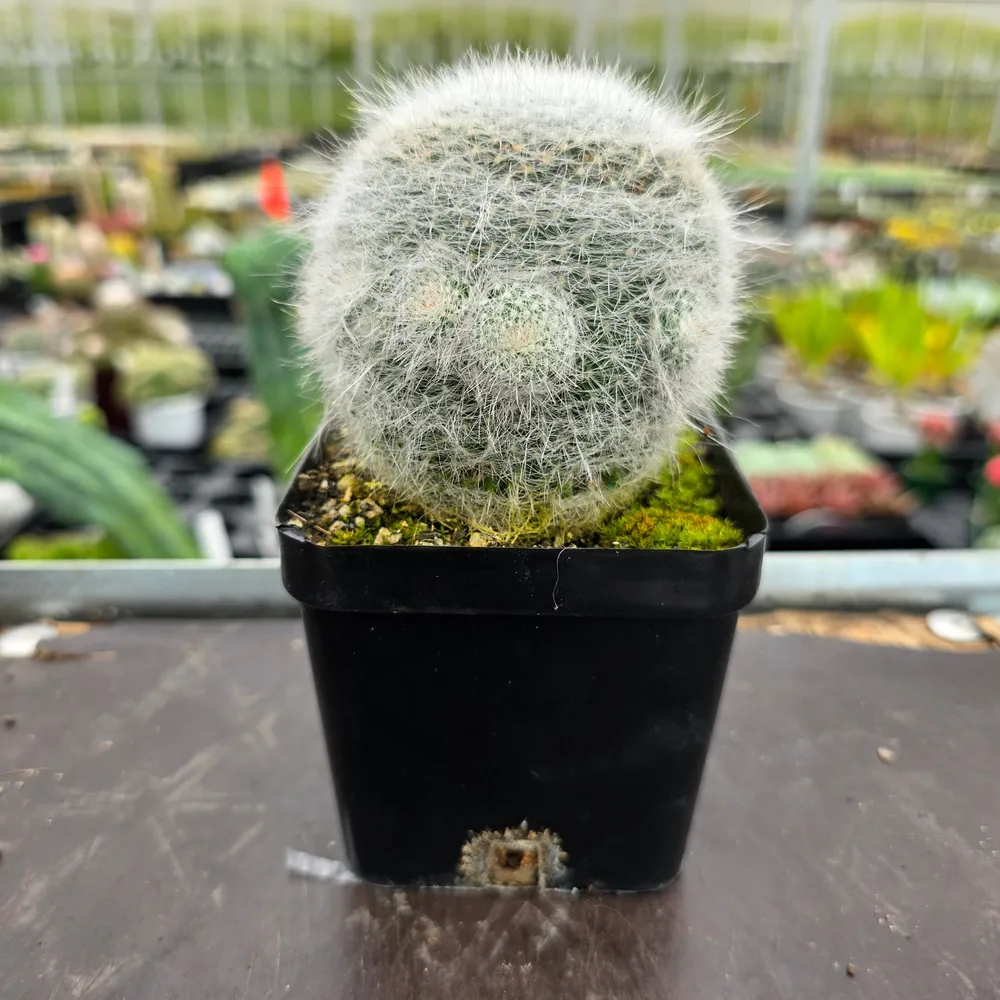
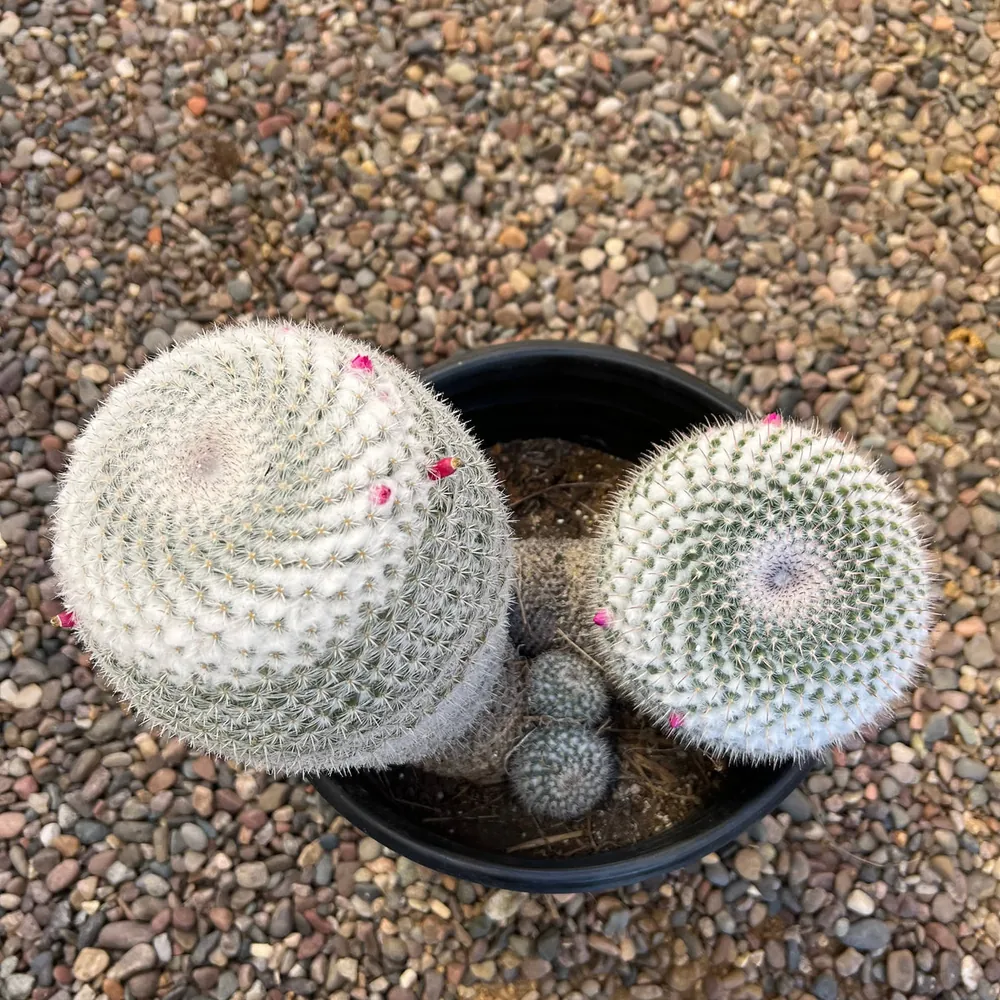
Small tubercles give the plant its bumpy shape. Many forms stay compact or produce a cluster. Leave room to lift the pot without brushing the spines.
2. Bunny ears cactus
Opuntia microdasys
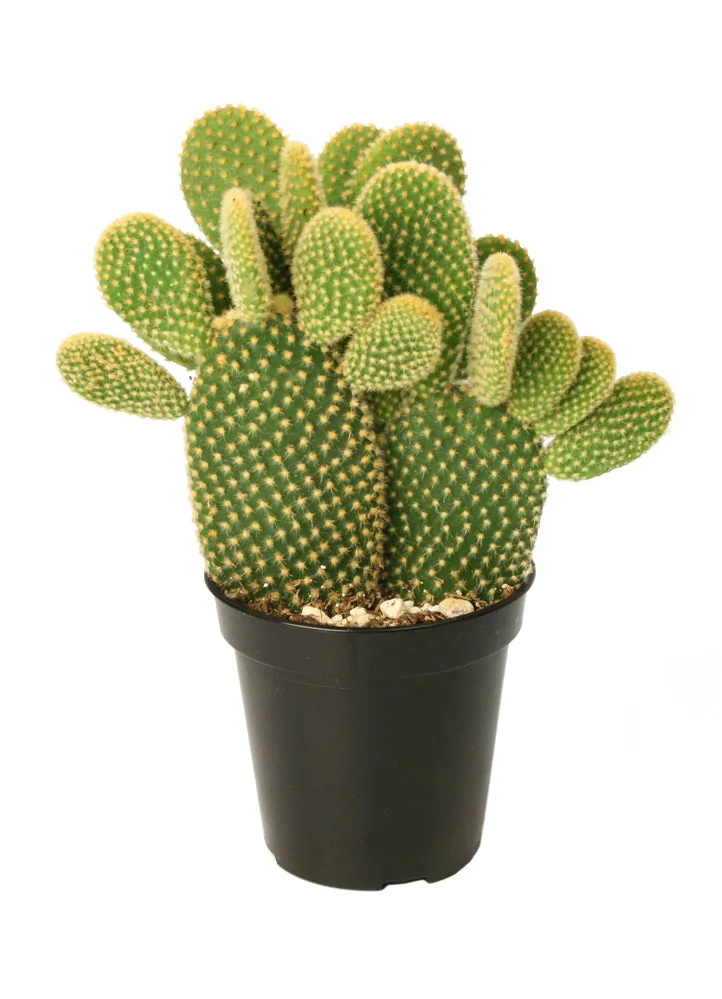
Flat oval pads carry clusters of fine barbed glochids. Handle the pot and place it where sleeves, hands, and pets will not brush the pads.
3. Golden barrel cactus
Kroenleinia grusonii, also sold as Echinocactus grusonii
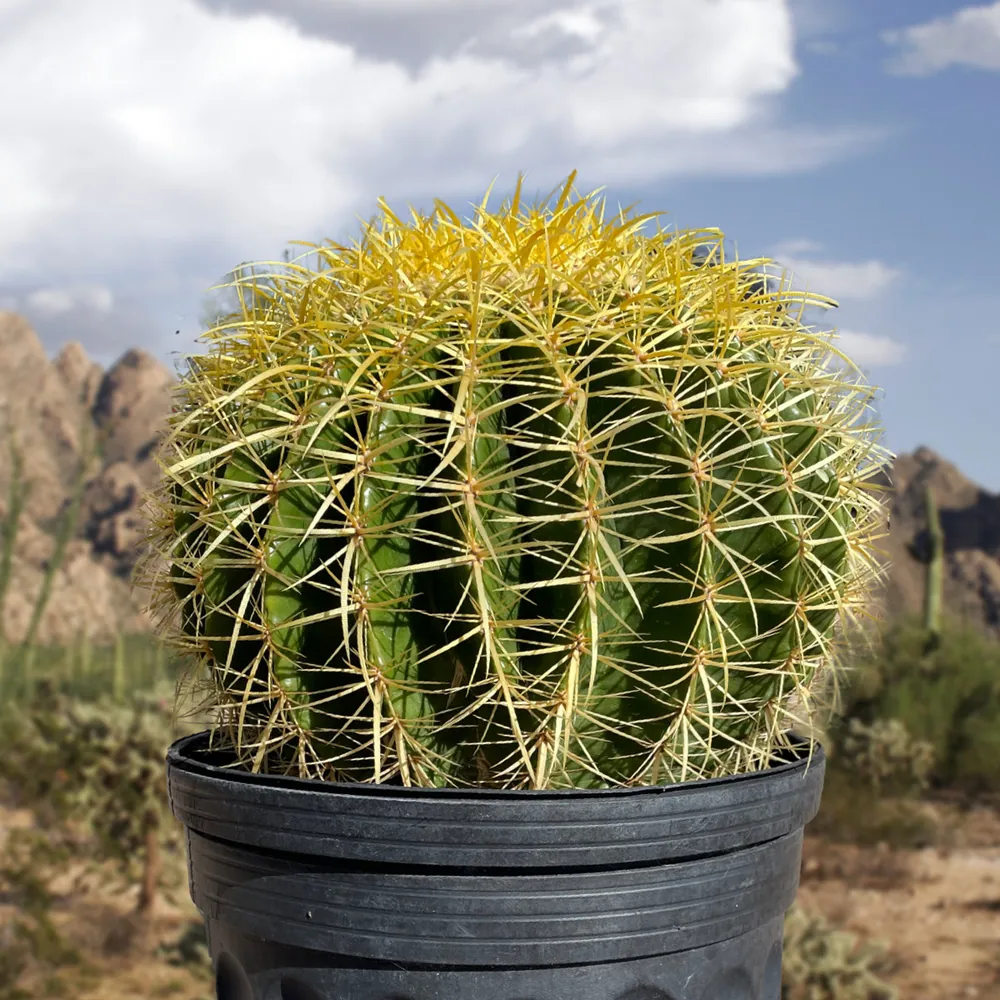
Yellow spines follow the ribs around the globe. A young plant fits on a sill, but give it a stable pot with clearance as it widens.
4. Chin cactus
Gymnocalycium spp.
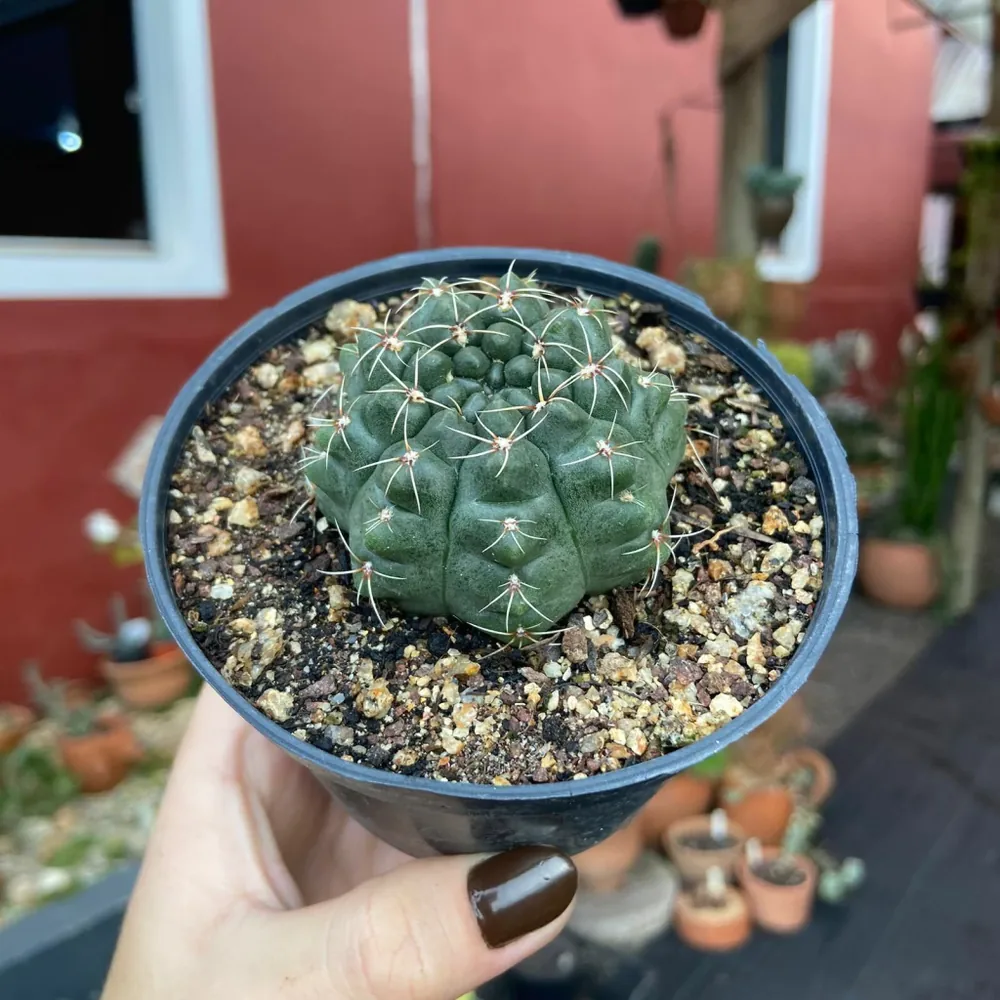
Rounded bodies display distinct ribs and areoles. Buy by species if possible and check its light needs before moving it straight into a hot afternoon window.
5. Bishop’s cap
Astrophytum myriostigma
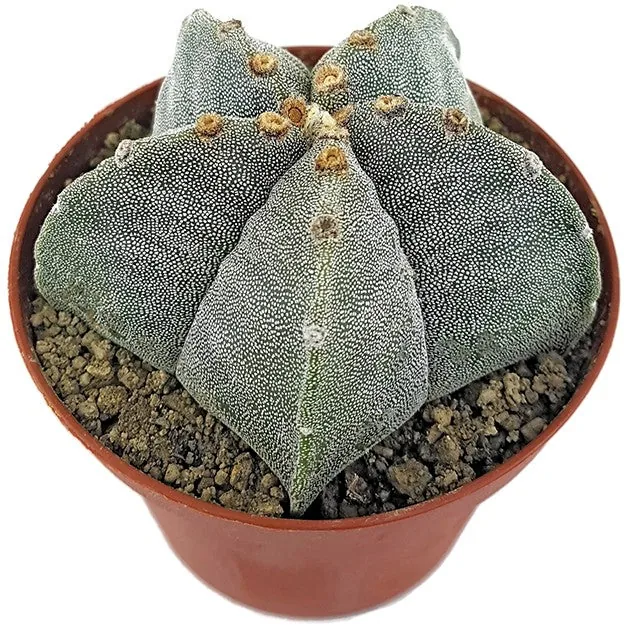
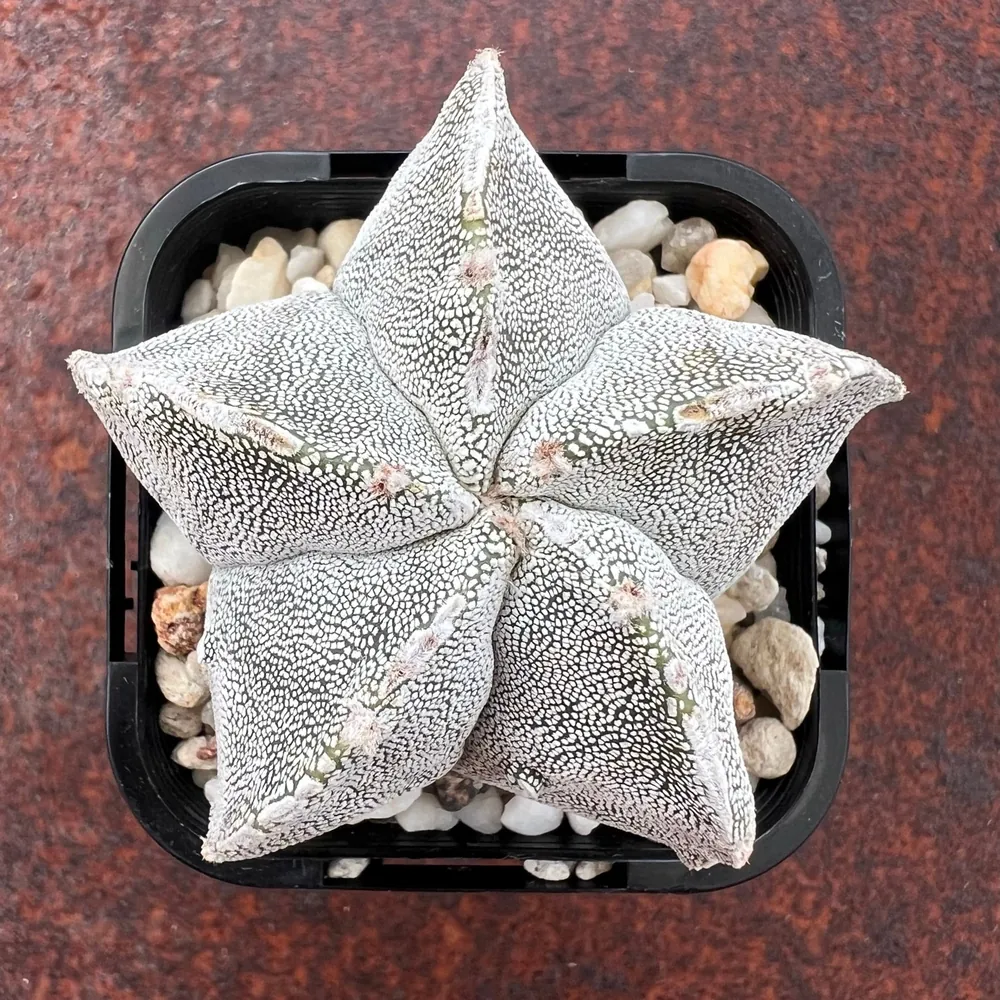
Angular ribs make a star outline from above. The pale flecks are part of the surface pattern. Give it a bright position and a pot that drains quickly.
6. Fairy castle cactus
Acanthocereus tetragonus, fairy castle form
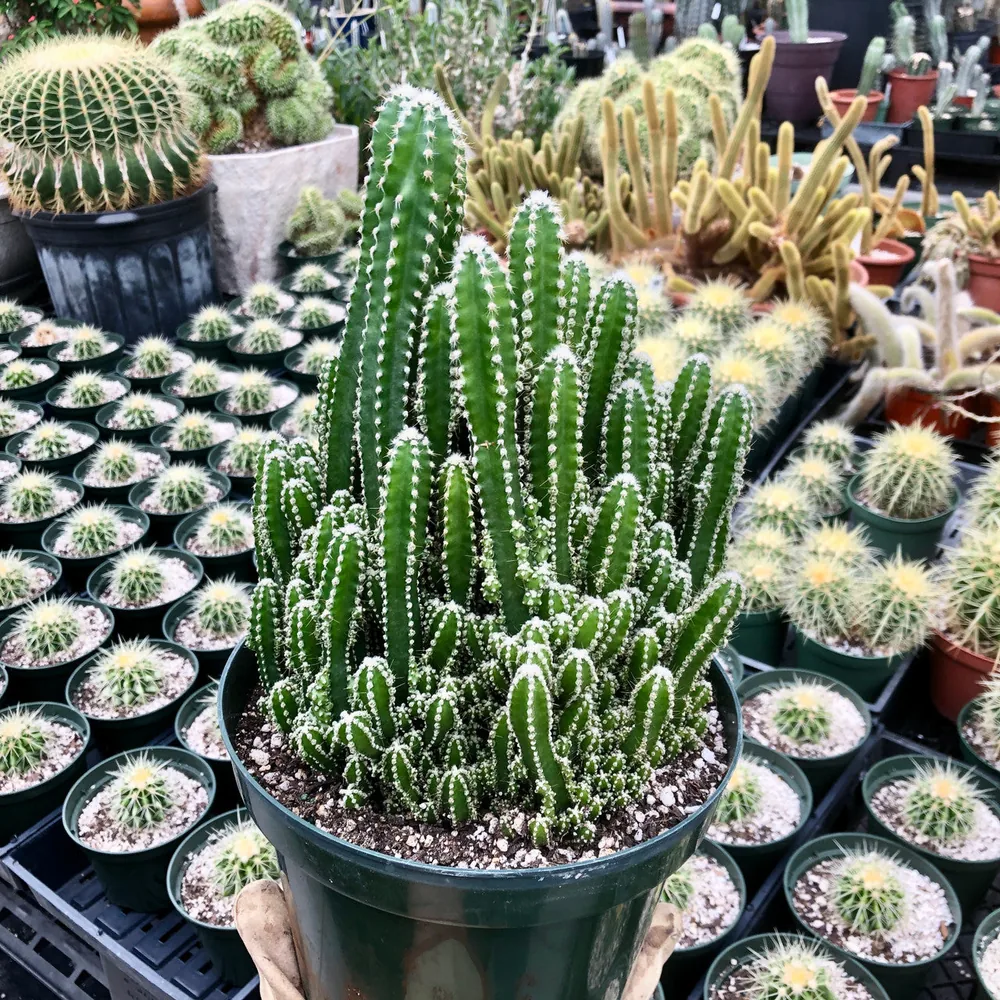
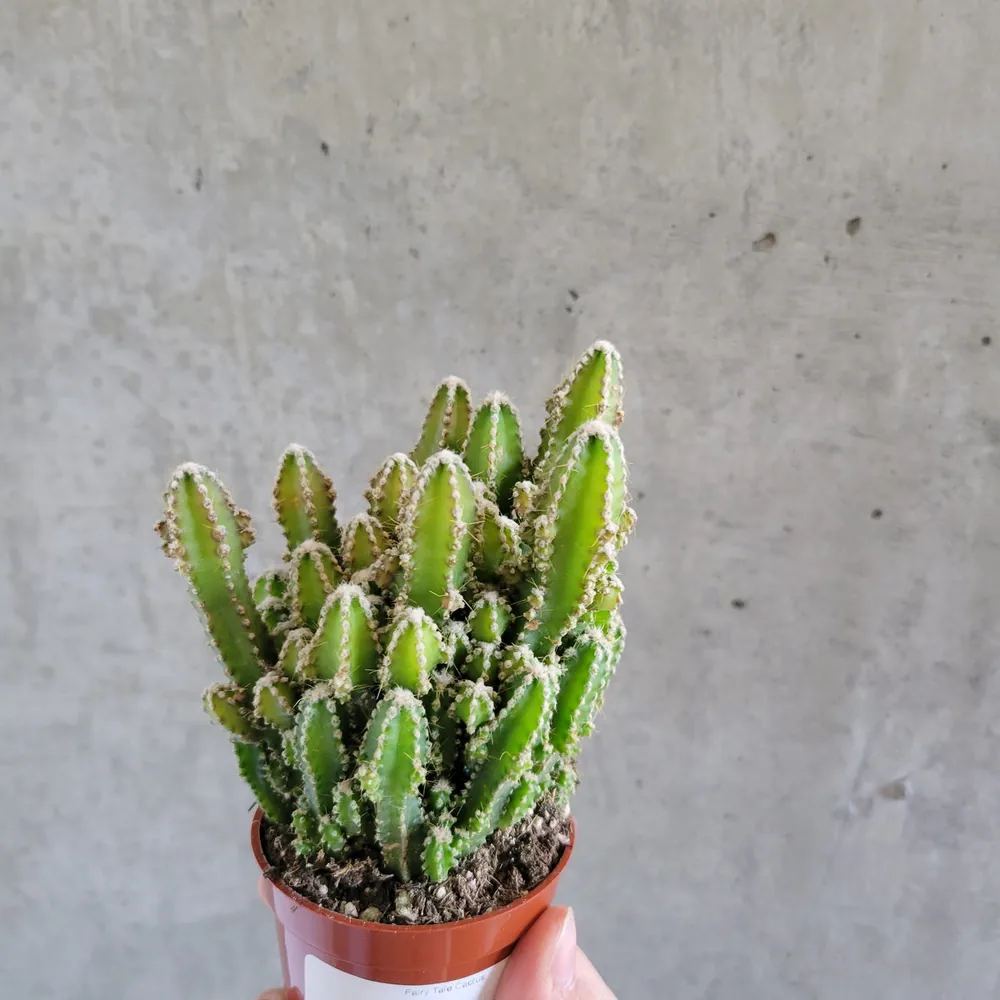
Many upright stems rise in a cluster at different heights. Leave room above the pot and give the entire cluster strong light so new stems grow evenly.
Forest cacti for bright filtered light
Forest cacti often grow on trees in their native habitat. Indoors, give their roots air and check the pot more often than you would for a desert cactus. The RHS growing guide explains why habitat changes the watering routine.
7. Thanksgiving cactus
Schlumbergera truncata
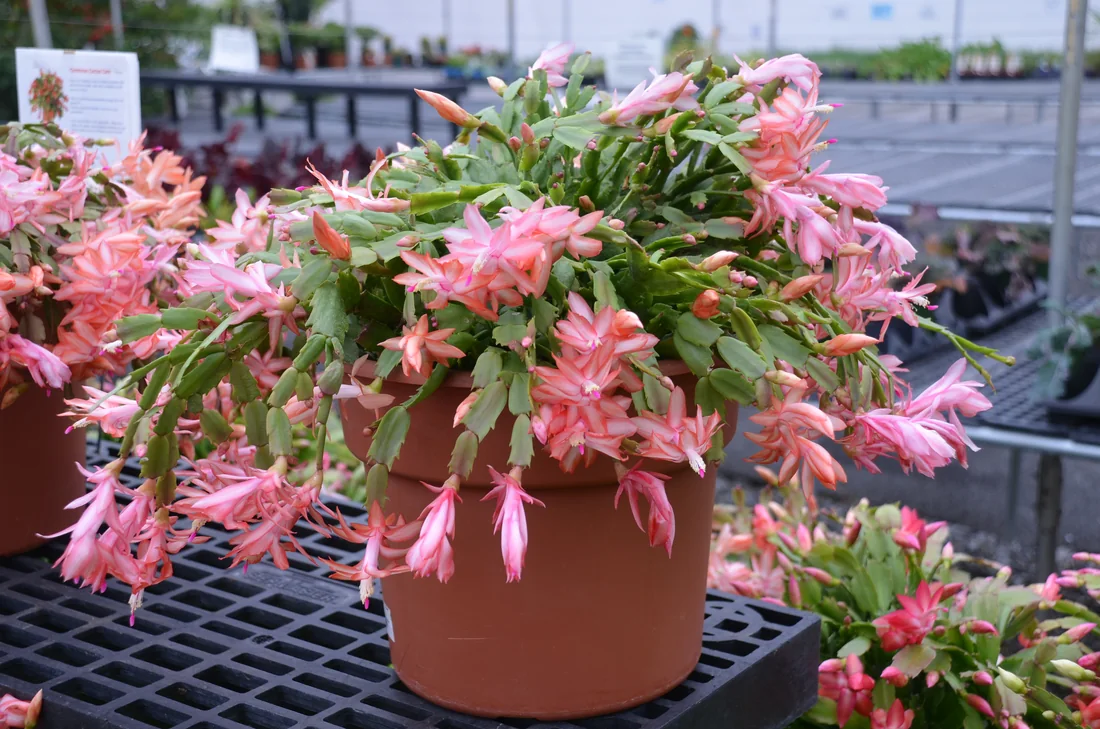
The flattened segments often have pointed teeth along the edges. Set it in bright filtered light and check the mix as it begins to dry. Our flowering houseplants guide compares other seasonal bloomers.
8. Christmas cactus
Schlumbergera × buckleyi
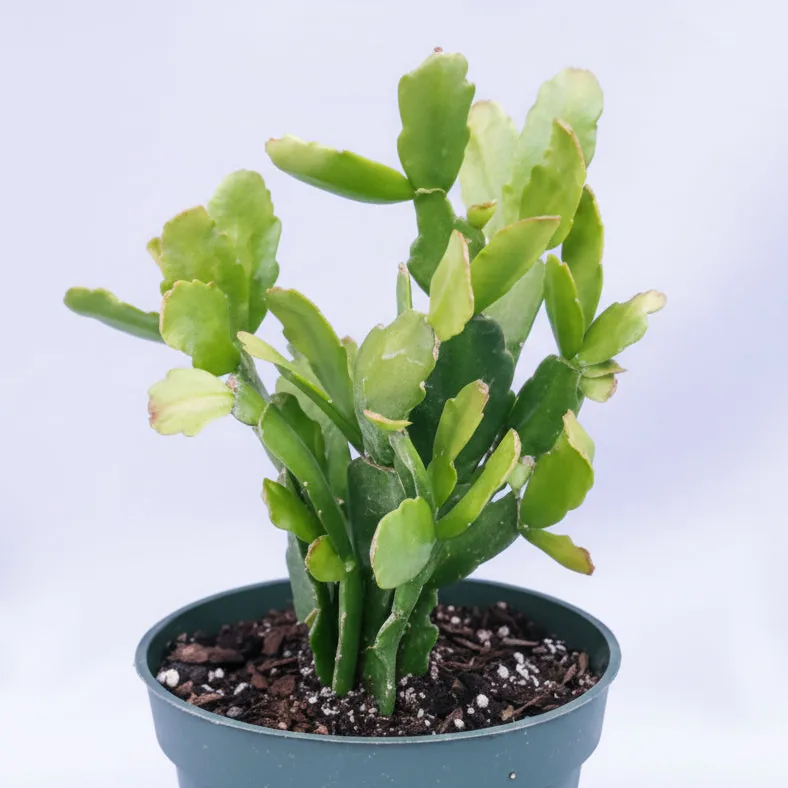
Stem edges tend to have rounder scallops than Thanksgiving cactus. Check the segments alongside the nursery label, since holiday cacti are often sold under interchangeable names.
9. Mistletoe cactus
Rhipsalis baccifera
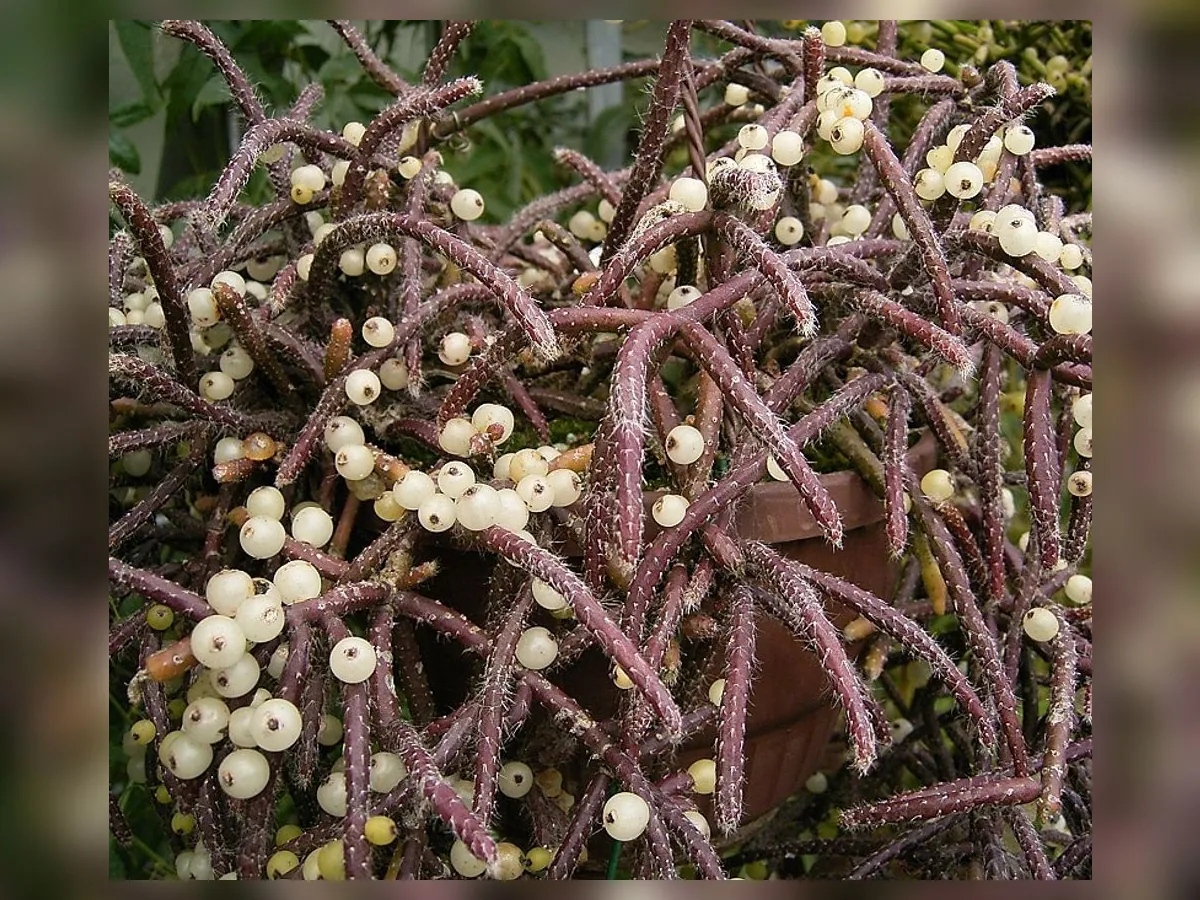
Thin stems hang from the pot like cords. NC State Extension describes mature indoor stems reaching several feet, so check the space below the pot before choosing a shelf. Put the crown where it gets bright filtered light and leave room below for the shoots.
10. Queen of the night
Epiphyllum oxypetalum
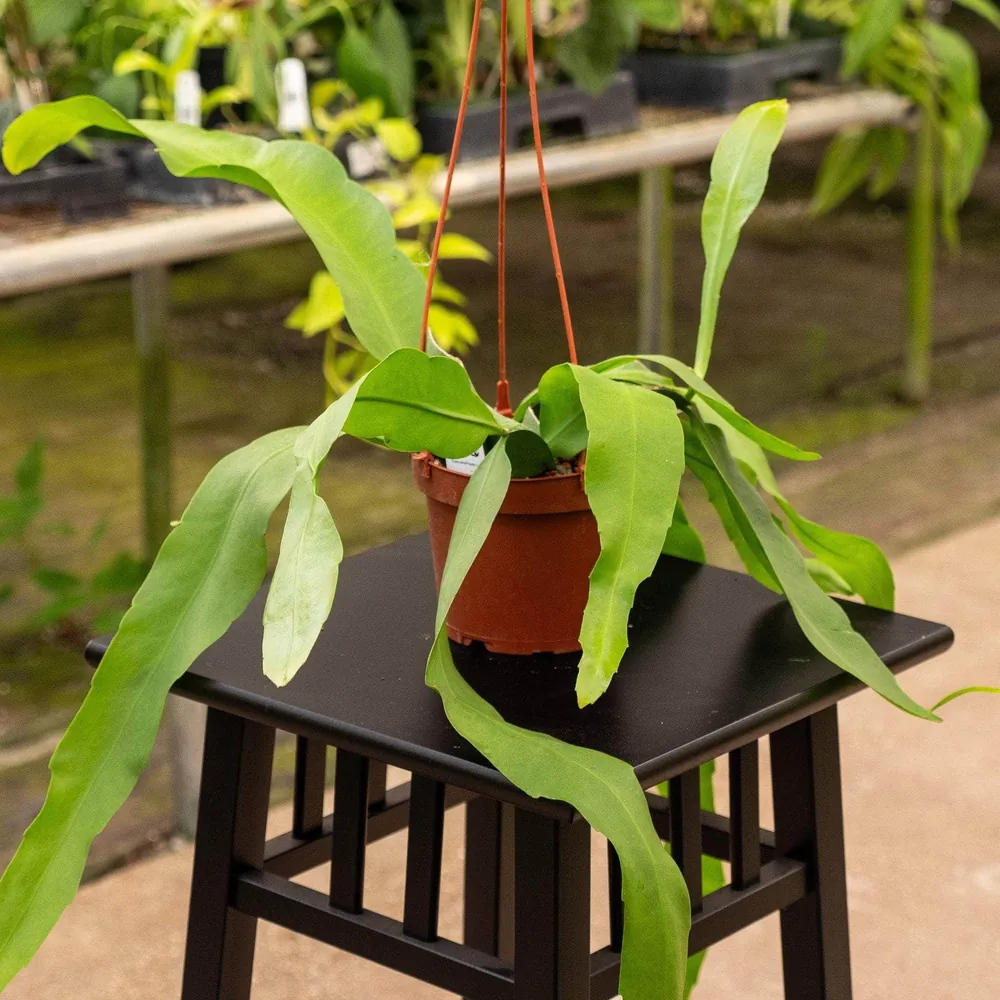
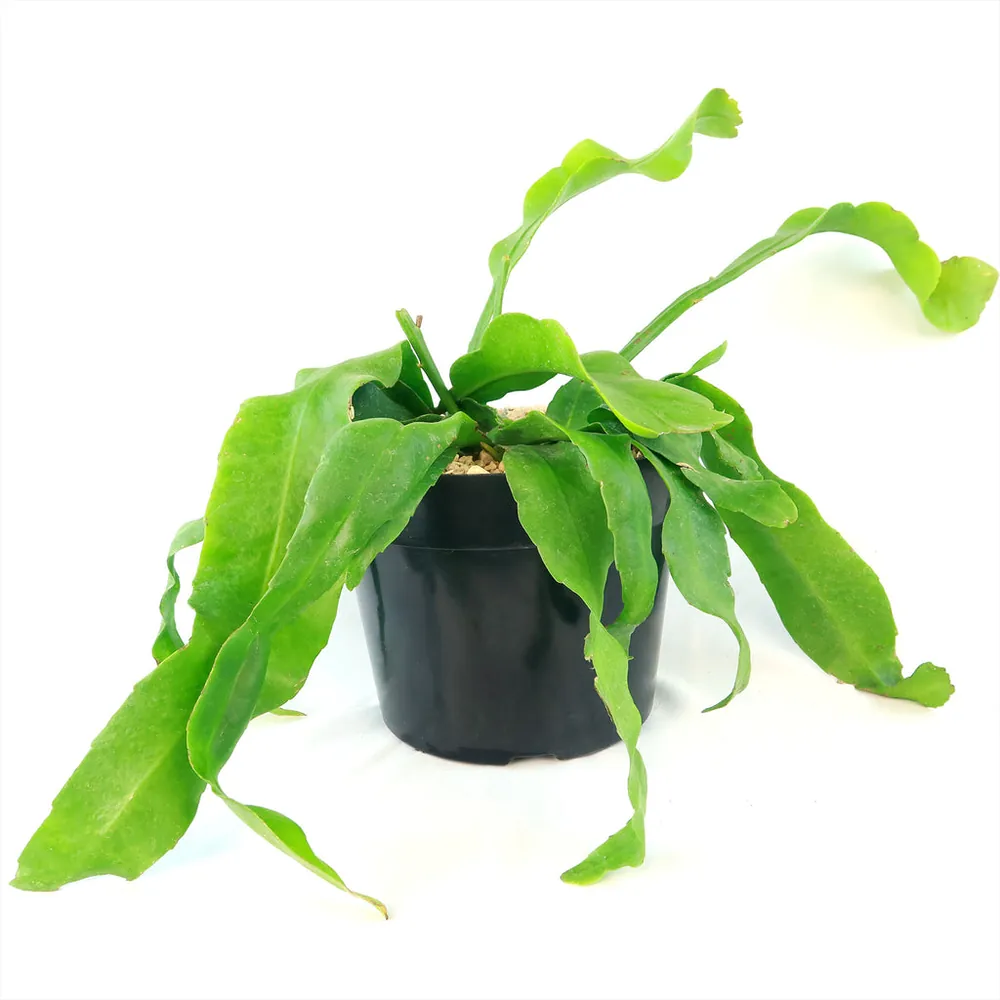

Broad flattened stems arch outward and mature plants can produce large night-opening flowers. Start with a stable pot and plan for a wider display.
Match the watering routine to its habitat
For desert species, check that the mix has dried before soaking and draining the pot during active growth. Water less often when light and growth drop. For forest species, check the upper mix and water before the entire root ball stays dry for a prolonged period. Keep the pot out of standing water. If the plant has fleshy leaves or spines but you can’t find areoles, compare it with the examples in our indoor succulents guide. Keep spiny plants away from busy paths. Our indoor plants guide has more placement considerations.
Give each cactus a pot with a drainage hole. Use a gritty mix that dries promptly for most desert cacti. For a forest cactus, use an airy mix that can hold a little moisture between checks, as described in the New York Botanical Garden’s indoor cactus guide. Move a recently purchased desert cactus into stronger sun in stages. On bunny ears cactus, pick up the pot by its rim and keep your hands clear of the glochids.
If a holiday cactus arrives without flowers, compare several mature stem segments. Thanksgiving cactus usually has sharper projections along the edges. Christmas cactus typically has rounder scallops. Read the plant label alongside those features because nurseries commonly group several kinds under the same holiday name.
A planted shelf can include both cactus groups if there’s room to move each pot closer to or farther from the glass. Compare the conditions in our guide to indoor plant types before expanding the display.
Check the stems before you change the care
Look for areoles. On a golden barrel cactus, the spines grow from small points arranged along its ribs. On bunny ears, the little dots on each pad hold fine barbed glochids. On a holiday cactus the areoles are less obvious, so look at the margins and tips of the flattened segments. A spiny plant sold alongside cacti may be a euphorbia. Match the plant label with what you see before you use a cactus watering routine.
Check the newest growth. If a formerly round cactus makes a noticeably narrower, paler top, compare its current light with its previous spot. Use a brighter window or a suitable grow light, and increase exposure gradually. Judge the adjustment by the next growth. A cactus that gets enough light can still struggle if the pot stays damp at the bottom.
Check how the container dries. Lift the inner pot out of any decorative planter and feel its weight after watering and again when the mix dries. A deep outer pot can hide standing water. Check a forest cactus more often, especially if it hangs in a smaller pot with an airy mix. The Clemson Extension indoor cactus guide explains how watering differs between the two groups.
Leave enough space to pick up a spiny cactus by the pot. For very fine glochids, choose a spot away from people brushing past or children reaching across the sill. A hanging mistletoe cactus or a holiday cactus on a bright shelf is easier to place where the stems will stay clear of traffic.