



Quick Answer
Good feng shui lighting helps you see comfortably and change the room's mood when its use changes. Keep enough ambient light to move around, add task light where you read or work, and use accent light for depth. Start by fixing glare or one dark work surface, not by making every bulb brighter. Traditional associations with light are optional; comfort, safe circulation and useful controls come first.
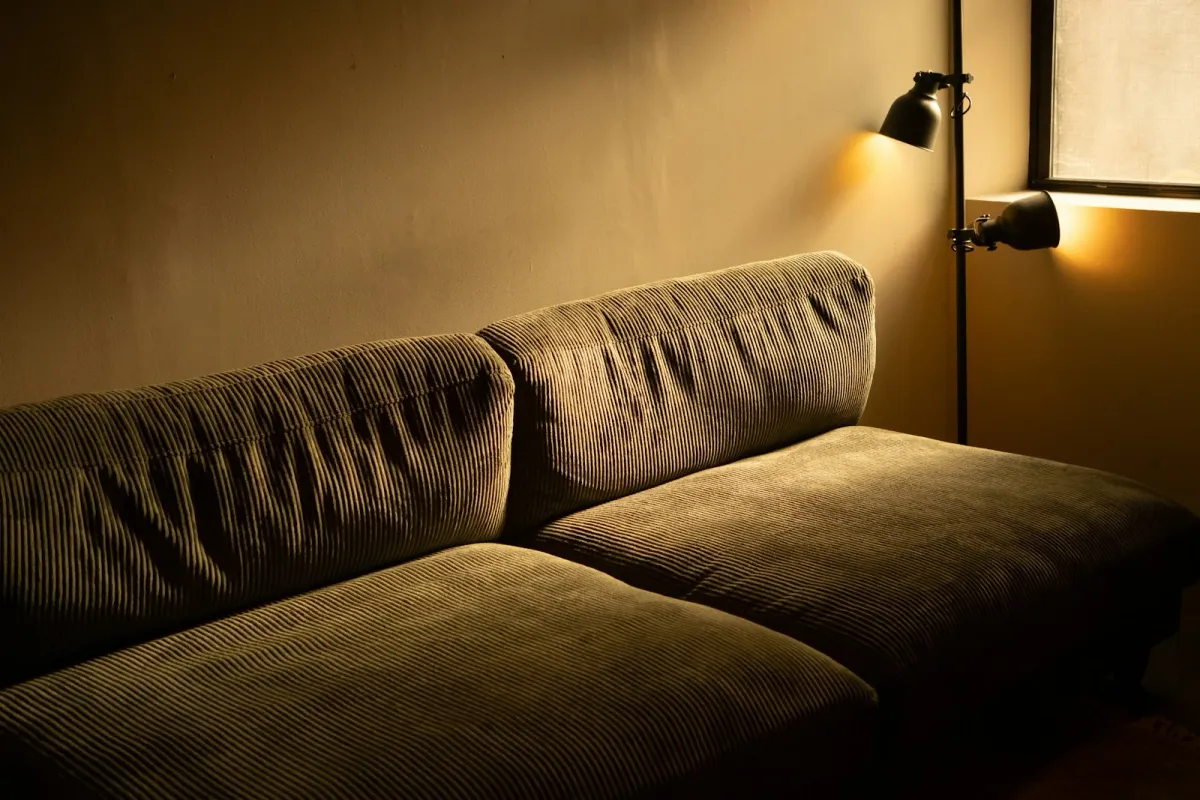
A living room can feel harsh under one ceiling light yet become difficult to read in when that light is switched off. The answer is usually another useful layer, not a choice between floodlight and darkness.
Start with movable lamps so you can test the result from your own seat. For hard-wired fixtures, use a qualified installer and follow local electrical requirements and the manufacturer's instructions.
Start With the Place That Feels Wrong
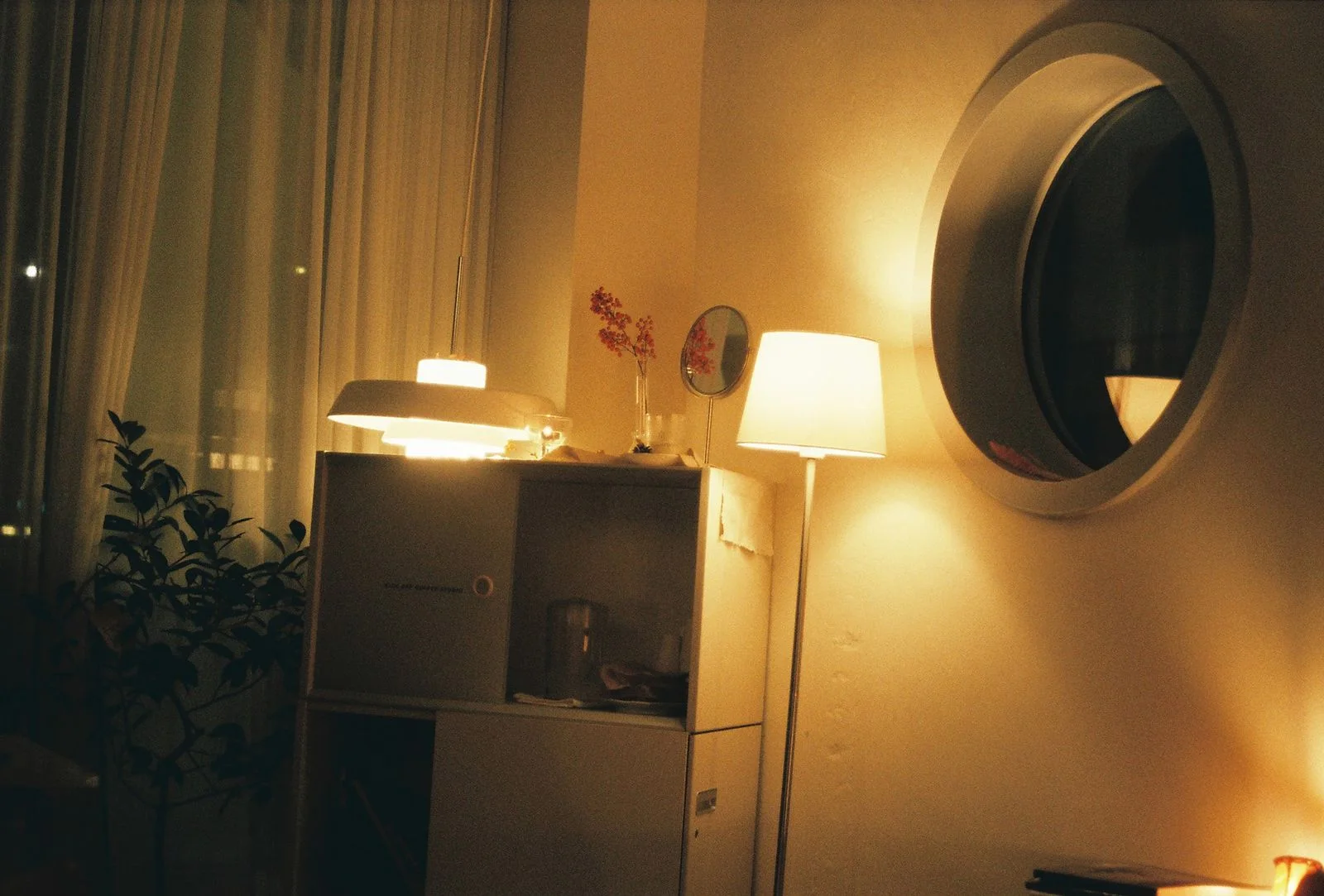
Walk through the room once in daylight and once after dark. Sit where you read, stand at the kitchen counter and look from the entrance. A bright room can still leave a book or worktop in shadow, while a well-lit desk can sit beside an uncomfortably dark route to the door.
Name the problem in ordinary terms: "I cannot read here," "the lamp reflects in the television," or "the hallway disappears when we turn off the ceiling light." That tells you where to try a change. A note about the activity and time of day is more useful than a shopping list of fixtures.
Daylight is a starting point, not a guarantee. Curtains may need adjusting for glare, and a room that works at noon may still need a local lamp in the evening.
Give Each Light a Job
The Illuminating Engineering Society's definition of task-ambient lighting distinguishes general illumination from light provided for a specific activity. Thinking this way makes it easier to buy fewer, more useful fixtures.
Ambient light helps you move around
A ceiling fixture, pendant or combination of wall lights can make the room legible and illuminate circulation. Keep this layer comfortable enough for conversation, but do not expect it to illuminate every page, counter and face equally well.
Task light reaches the activity
A reading lamp should reach the book; a desk lamp should reach the paper. In a kitchen, local worktop lighting can be useful when your body blocks the ceiling source. The right position is the one that lights the task without directing the brightest source into your eyes.
Accent light gives a corner depth
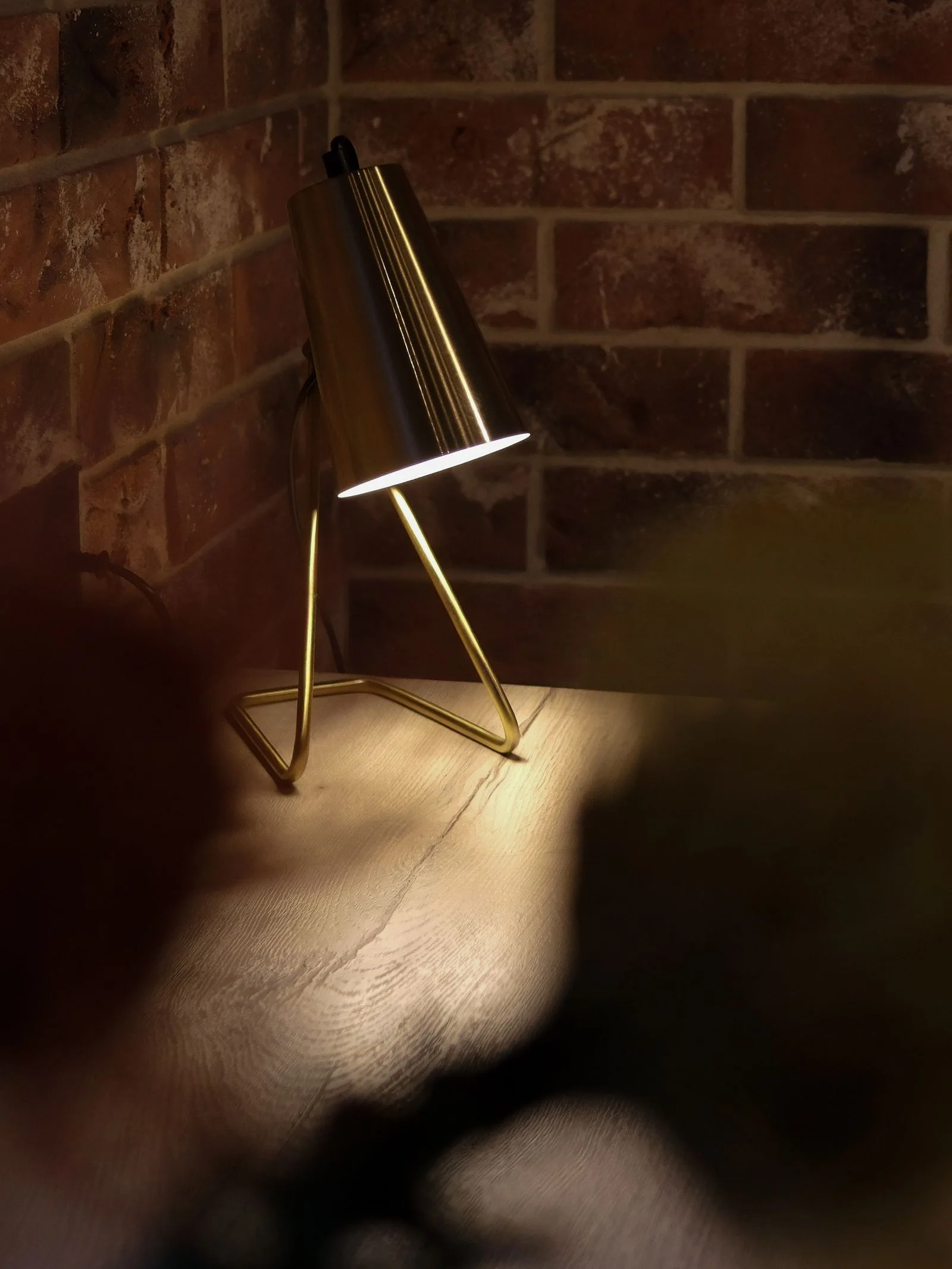
A small lamp or controlled beam can bring attention to a textured wall, artwork or shelving. This is the finishing layer, not a replacement for light needed to read or move safely.
Make the Reading Seat Comfortable
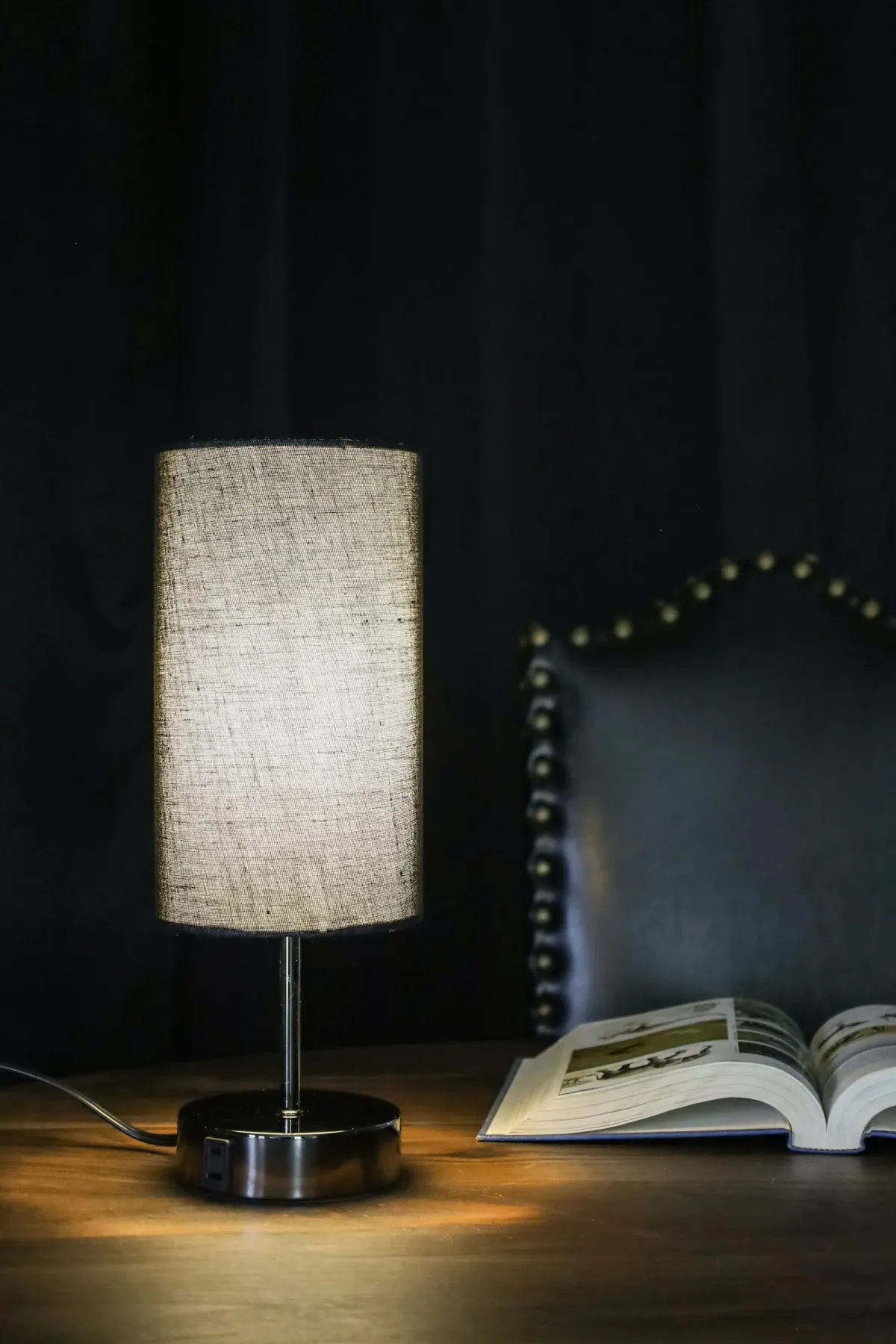
Sit down with the book or craft project before deciding where the lamp belongs. Try it beside the chair, then adjust the height and direction. If your hand casts a shadow across the page, move the light rather than automatically choosing a brighter bulb.
The useful test: can you read, reach the switch and look up without seeing a glaring source? Check the side seats too. One lamp position will not work for every chair, shade or activity.
Nearby screens, mirrors and framed glass can reflect the lamp even when its direct light is comfortable. Use the reflection check in our feng shui wall art guide before replacing a lamp that may simply need moving.
Keep Daylight and Desk Light Working Together
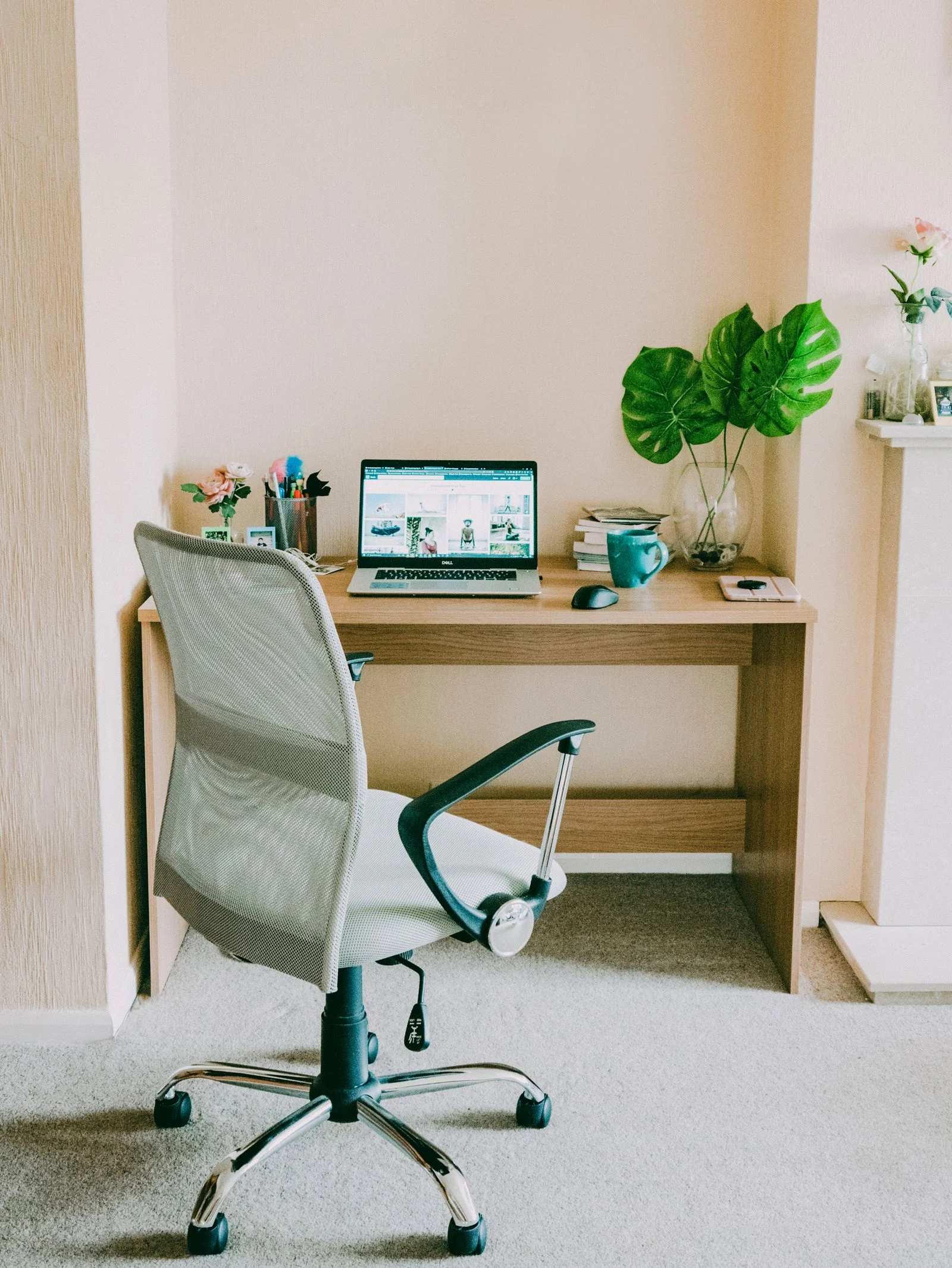
For paper work, try an adjustable lamp that leaves the working surface free. Aim it where the task happens and check whether your head or writing hand blocks the beam. For screen work, look for reflected windows and lamp hotspots rather than judging the desk from a photograph.
After dark, keep some background light instead of leaving a bright monitor in a completely black room. Separate controls let you adjust the paper-reading light without changing the whole room. A movable lamp is a useful first trial before paying for a permanent installation.
If light is only part of the problem, our feng shui office layout guide covers desk position, and office items guide covers cables, storage and the working surface.
Give the Entrance a Welcoming Evening Layer
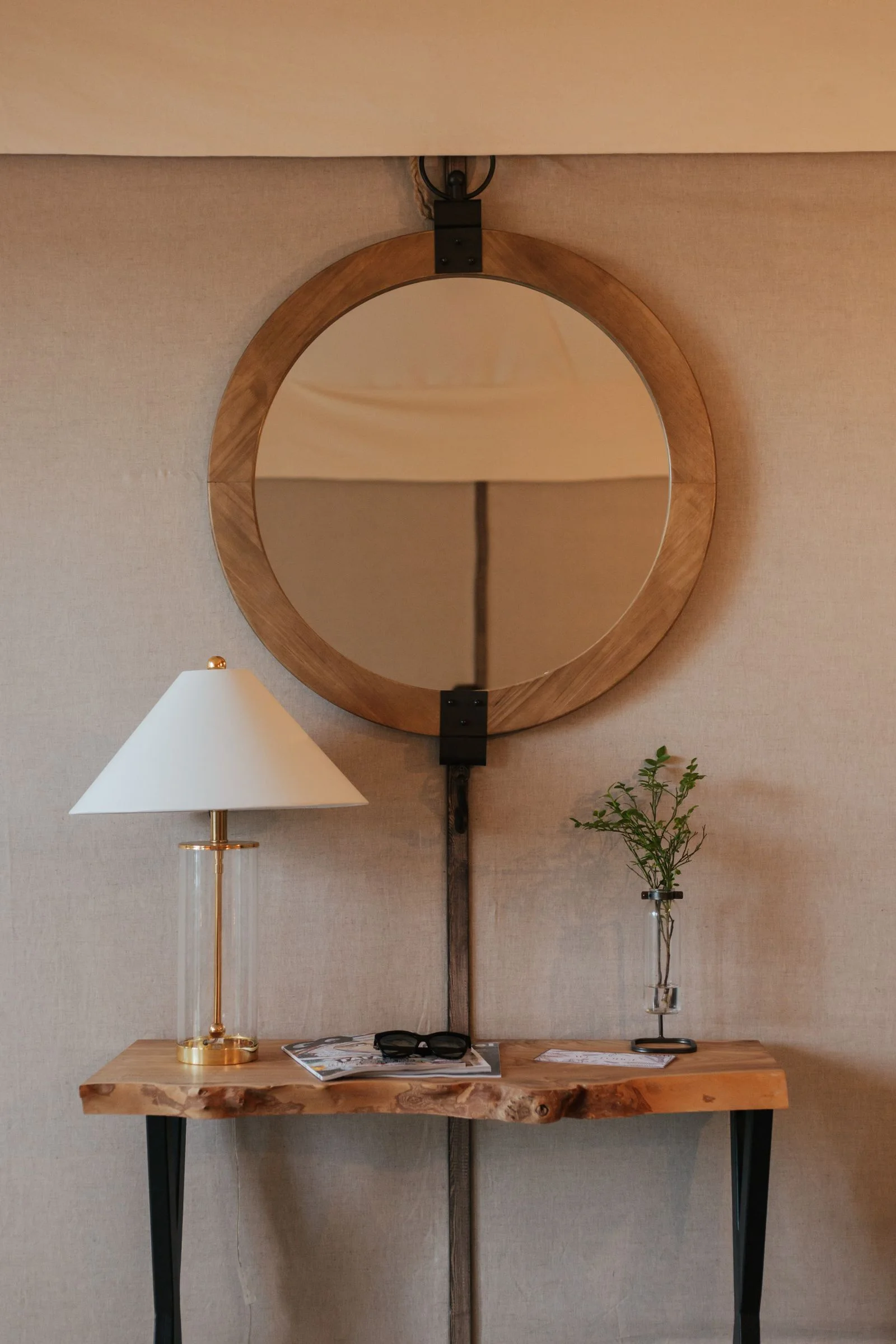
At the entrance, you need to see the lock, handle, threshold and any change in level. A bright fixture behind you can still leave your hands in shadow. Test the light while actually opening the door, not just while looking at the facade.
Inside, a console lamp can soften the transition into the home when the ceiling light feels harsh. Outside, use fixtures suitable for their exposure and follow the relevant electrical and installation requirements. Our front door color guide addresses the entrance's visual contrast, which lighting alone cannot always fix.
Choose Bulbs for the Room You Actually Use
Warm-looking light can be comfortable for evening relaxation, but "always warm" is not a universal feng shui rule. Detailed work, grooming, daylight and personal preference can call for a different appearance. Try one bulb in the real room before replacing the whole set.
Compare the wall, upholstery and timber under it after dark. Keep lamps in the same visual zone reasonably coherent unless you deliberately want contrast. If the underlying palette is the problem, use our feng shui colors for home guide rather than trying to correct it entirely with bulbs.
The Department of Energy explains that lumens describe light output, kelvin describes color temperature and watts describe power use. Do not compare the brightness of different bulb technologies by wattage alone.
What to compare on the bulb label
Scroll sideways to compare all columns.
| Label | What it tells you | Your next check |
|---|---|---|
| Lumens | Light output | Compare with the bulb you already use before increasing brightness |
| Kelvin | Warmer-looking or cooler-looking light | Test the appearance on walls, fabrics and timber after dark |
| Dimmable marking | Whether dimming is supported | Check compatibility with the specific fixture and dimmer |
| Base, size and fixture rating | Whether the replacement is permitted | Follow the fixture manufacturer's specifications, not just socket fit |
Let the Room Change From Work to Evening
A shared living room may need a reading scene, a conversation scene and enough light to clear up afterward. Separate switches or compatible dimming let the same fixtures serve those different activities. Local task-light switches also mean one person can read without turning every light up.
Use compatible controls, bulbs, drivers and fixtures, following the manufacturer's instructions. Dimming is not available just because a control can be attached; incompatible components can flicker or behave unpredictably.
Fix a Dark Corner Without Overlighting the Room
If someone reads or works in the corner, bring task light close to that activity. If the corner is simply visually flat, a shaded lamp or gentle wall wash may add enough depth without increasing every bulb's output.
Before buying, check whether furniture or a dense curtain blocks useful daylight. Also look at the shade: an opaque directional shade and a light fabric shade distribute light differently. Moving an existing lamp may solve more than changing its brightness.
A glossy frame or mirror can turn a new pool of light into glare. Check the mirror's reflected view from the seats and walking route before deciding the lamp is in the right place.
Adapt the Light to the Room
Bedroom light you can adjust from bed
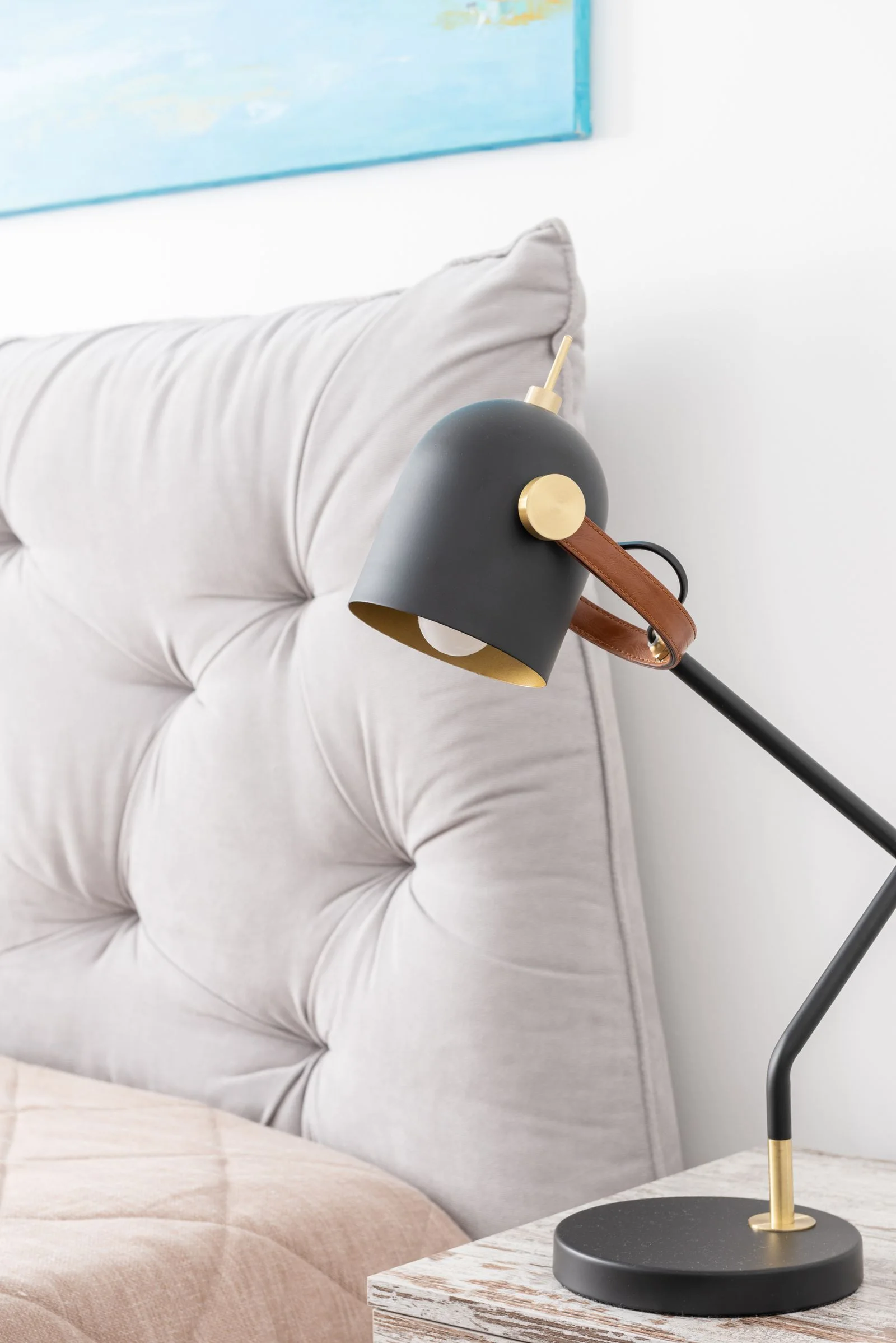
Use controllable bedside light for reading and keep a safe route to the door. In a shared bedroom, separate local controls help each person choose the light they need. Do not place a lamp where bedding can cover it, and follow its clearance instructions.
Kitchen lighting that reaches the worktop
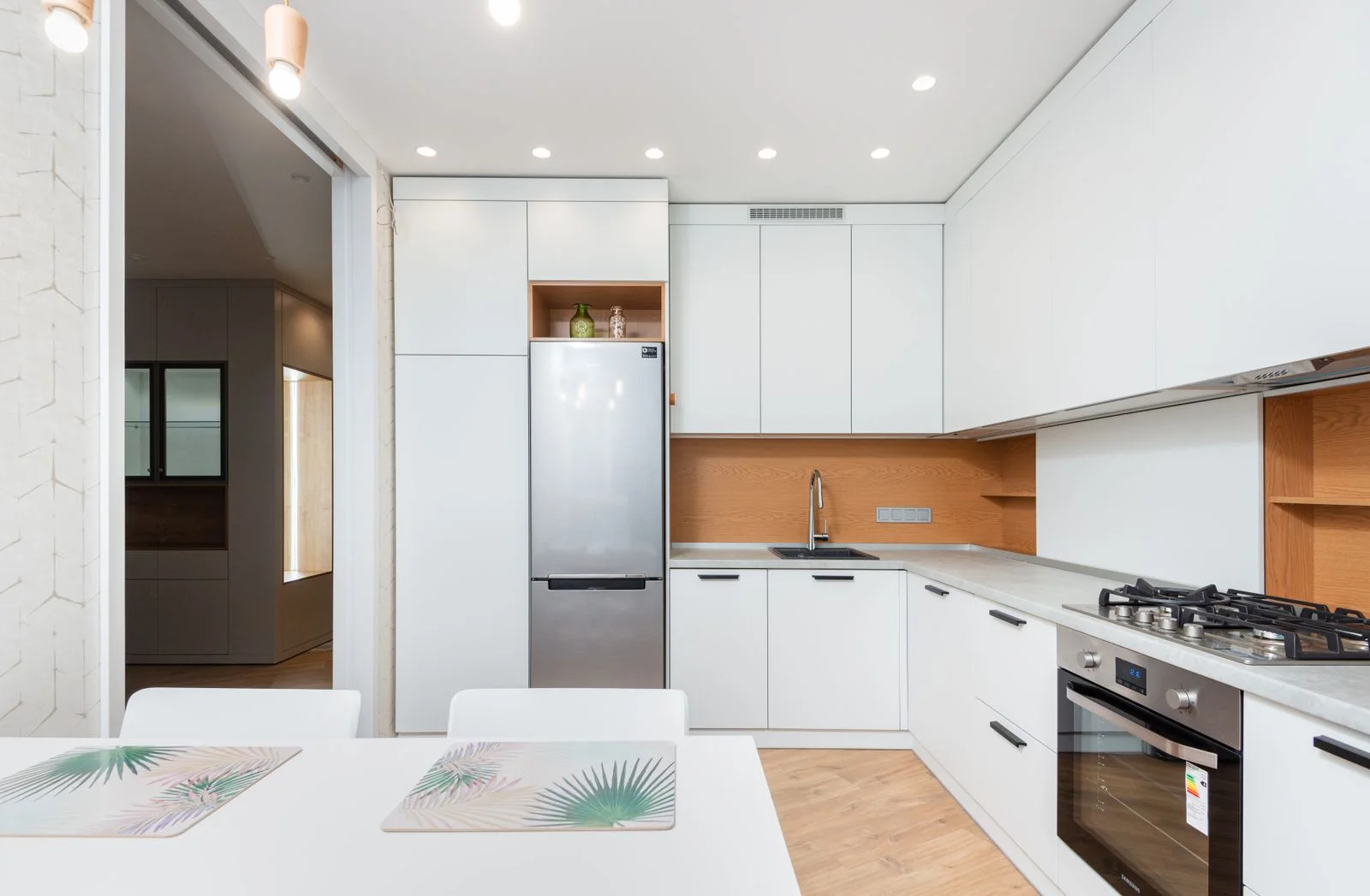
Light the surfaces where you chop, prepare and cook, not just the middle of the room. A dining pendant may serve the table well while doing little for a counter behind you. Arrange any additional worktop lighting with a qualified installer where hard-wiring is involved.
Bathroom light that helps you see your face
Check the mirror while standing where you groom. If one overhead source creates severe shadows under your eyes and chin, assess more even illumination around the mirror rather than simply increasing its brightness. Use products and installation methods suitable for bathroom conditions and applicable electrical zones. Our bathroom guide covers ventilation and other practical room checks.
Hallways and stairs that remain readable
Keep changes in level, obstacles and switches visible when the nearby rooms are dimmed. Decorative low light is not enough if you cannot distinguish tread edges or a threshold. Test the route with the evening setup you actually use.
Use Symbolic Meaning as a Finishing Layer
Feng shui often describes light as active, or yang, and associates illumination with Fire. You can use that language to think about a lively work area or a quieter evening setting without turning it into an electrical rule.
Within the five-element design framework, timber and paper shades may suggest Wood, ceramic or stone bases Earth, and metallic finishes Metal. Dark reflective materials can suggest Water. These are optional visual associations, not a requirement to buy five lamps or install lights in prescribed sectors.
Try One Change Tonight
- Choose one problem. Name the activity, seat and time of day that feel uncomfortable.
- Test a movable light. Check the task, your eye-level view, reflections, switch access and the walking route.
- Keep only the useful change. If it works, choose compatible equipment for the permanent setup. If not, adjust position or shade before buying more brightness.
Lighting should make the room easier to use, not create another collection of objects to work around.