



Quick Answer
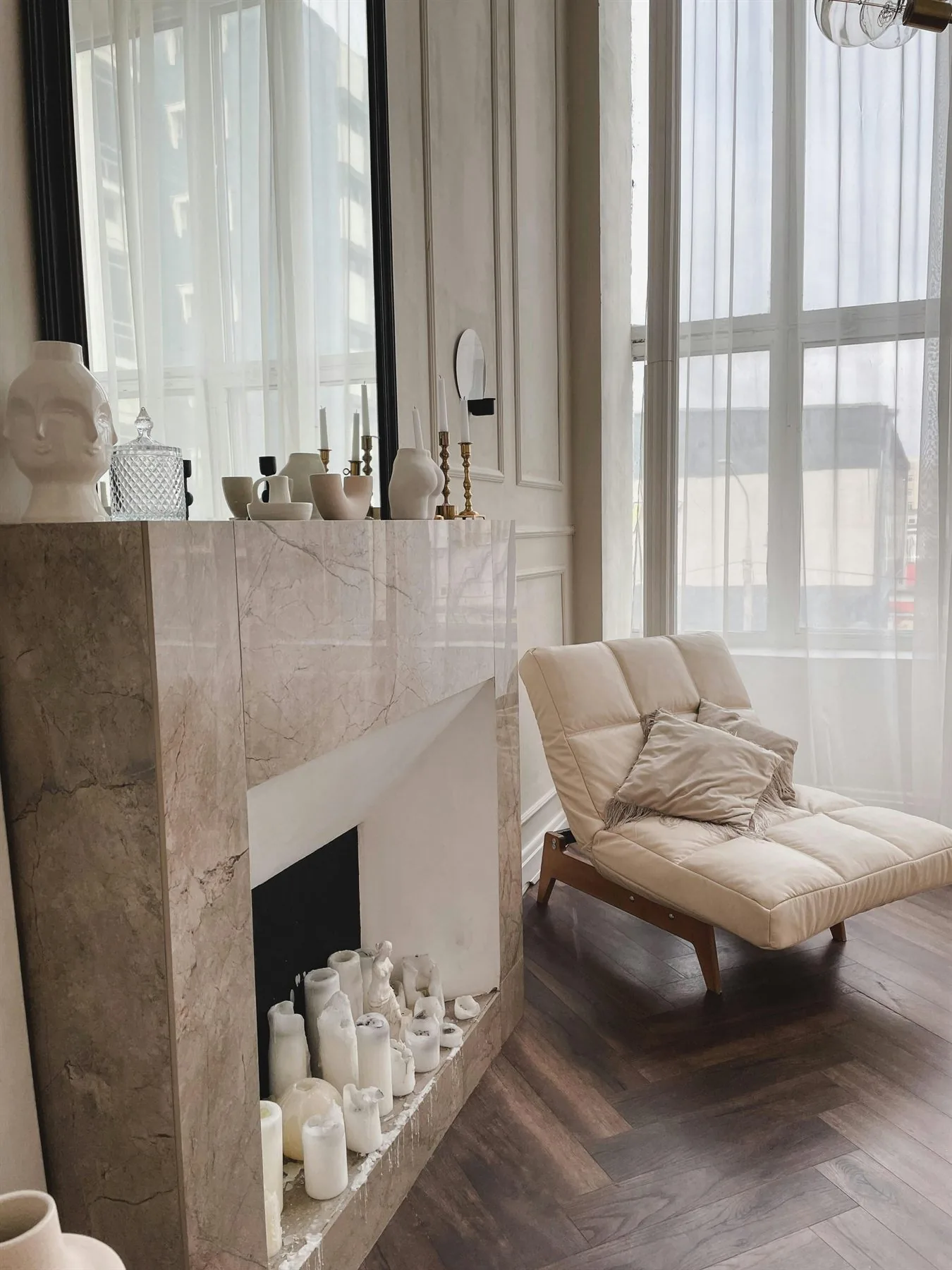
The best feng shui paint colors make the walls feel calmer, warmer, and less emotionally sharp. Warm white, soft greige, mushroom, quiet sage, and dusty blue-green are some of the easiest wall colors to use well because they support the room without demanding all the attention.
Paint color changes the emotional field of a room faster than almost anything else because walls take up so much visual space. That is why feng shui paint color should be treated differently from smaller decor color.
A throw pillow can be bright and playful without taking over the room. Wall paint does not have that luxury. If the undertone is too cold, too harsh, or too intense, the whole room starts to feel it. The strongest feng shui paint colors create an easy backdrop first, then let furniture, lighting, art, and texture build the rest of the mood.
The Best Feng Shui Paint Colors Feel Quiet on the Wall
Paint has to work across big surfaces, changing light, and daily life. That is why the safest colors are not the most dramatic ones. They are the colors that still look good in the morning, in lamp light, and on tired evenings when the room needs to feel supportive rather than overstimulating.
The most reliable feng shui paint directions
These paint colors hold up well on larger wall surfaces and stay easier to live with over time.
Warm white
Bright but soft
Warm white + Oat + Oak
Best when you want the room to feel open without the sharper edge that stark bright white can create.
Soft greige
Quiet and connecting
Soft greige + Mushroom + Walnut
A strong all-purpose wall color when you need flexibility across mixed woods, layered textiles, or open rooms.
Mushroom taupe
Grounded and settled
Mushroom taupe + Cream + Dusty blue
Helpful in bedrooms, dens, and quieter living spaces that need more depth without becoming dark or heavy.
Quiet sage
Restorative and natural
Quiet sage + Linen + Walnut
Good for rooms that need a little more life than beige or greige while still staying soft and highly livable.
Dusty blue-green
Cool relief without chill
Dusty blue-green + Warm white + Moss
Best in brighter rooms where a cooler wall can feel refreshing as long as warmer woods and textiles stay in the mix.
How the Five Elements Translate Into Paint
The five elements are useful for paint because they explain the feeling behind a color, not just the name on the swatch. Wood colors can feel fresh and growing. Earth colors feel settled. Metal colors feel clean and precise. Water colors feel quiet and deep. Fire colors feel active and visible, so they need the most restraint on full walls.
Wood paint
Sage, olive, blue-green, and soft botanical greens help a room feel fresher and more alive. They work best when balanced with wood, cream, or woven texture.
Earth paint
Cream, beige, taupe, mushroom, clay, and stone colors are the easiest full-wall choices when a room needs warmth, grounding, and daily calm.
Metal and Water paint
Warm whites, soft grays, blue-gray, navy, and black can sharpen focus or quiet the room. Use enough warmth nearby so the walls do not feel cold or severe.
Fire paint
Red, coral, bright orange, and hot pink are powerful in feng shui, but they can overwhelm large walls. Try them through art, lamps, or one controlled accent instead.
Paint palettes that fit different rooms well
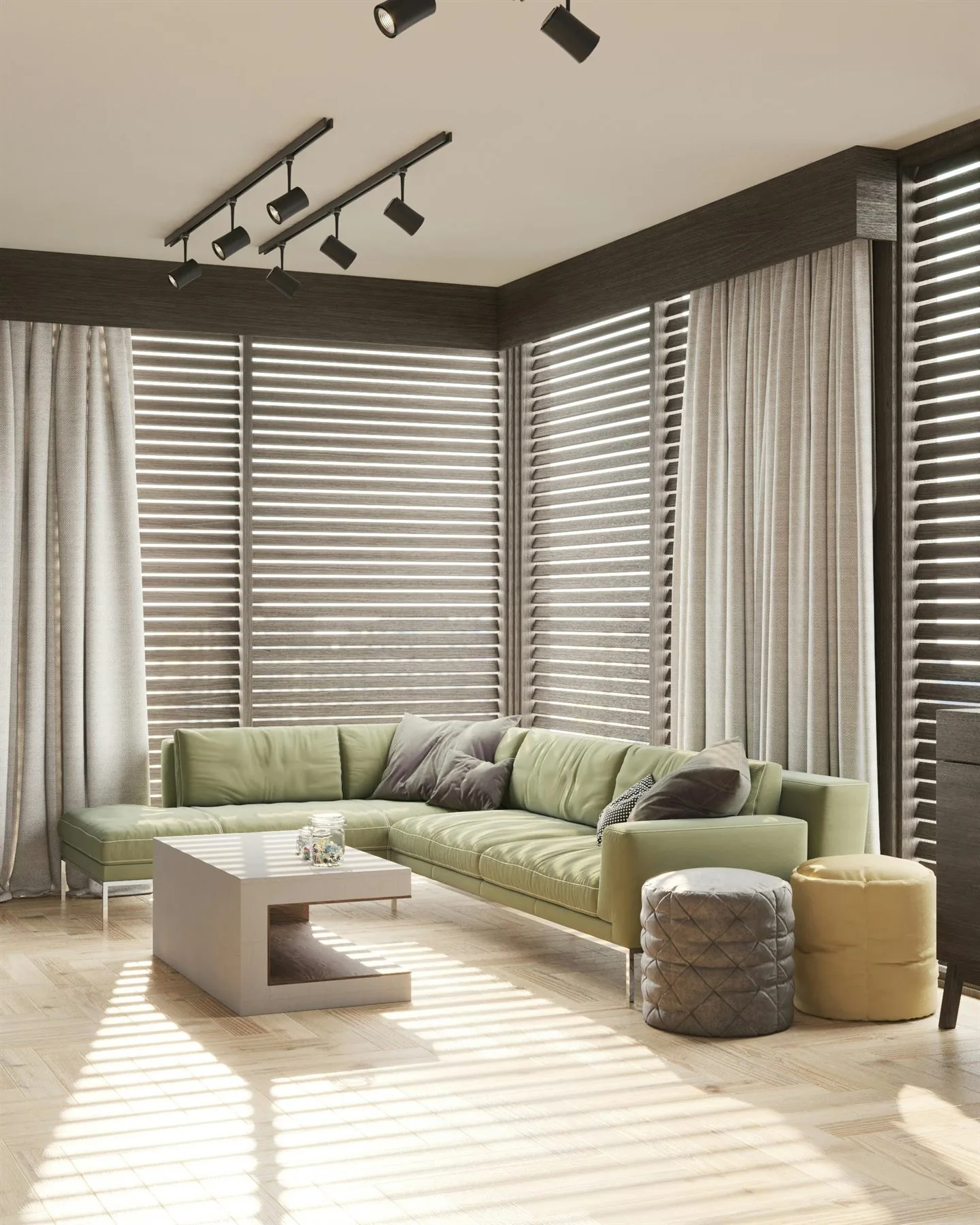
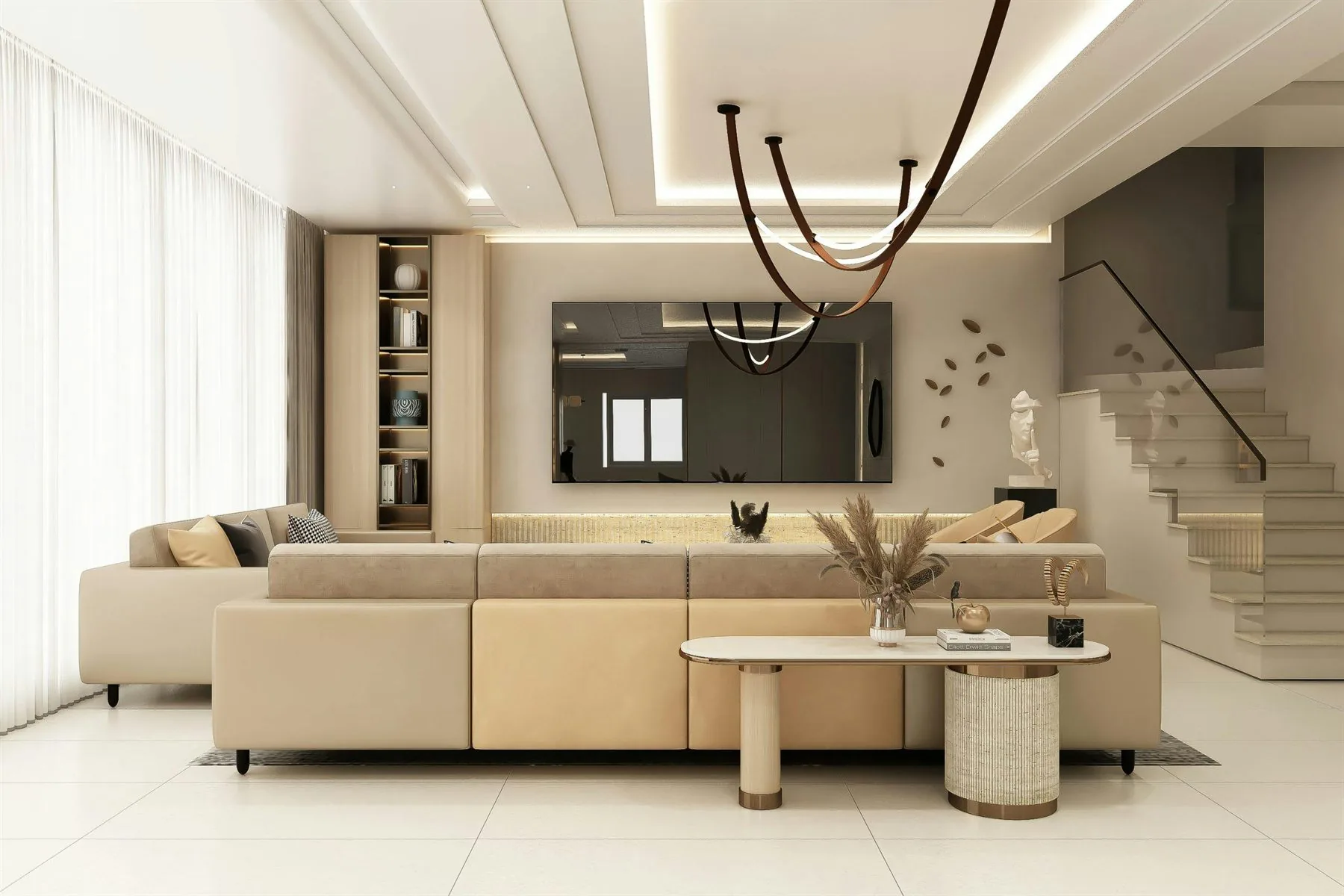
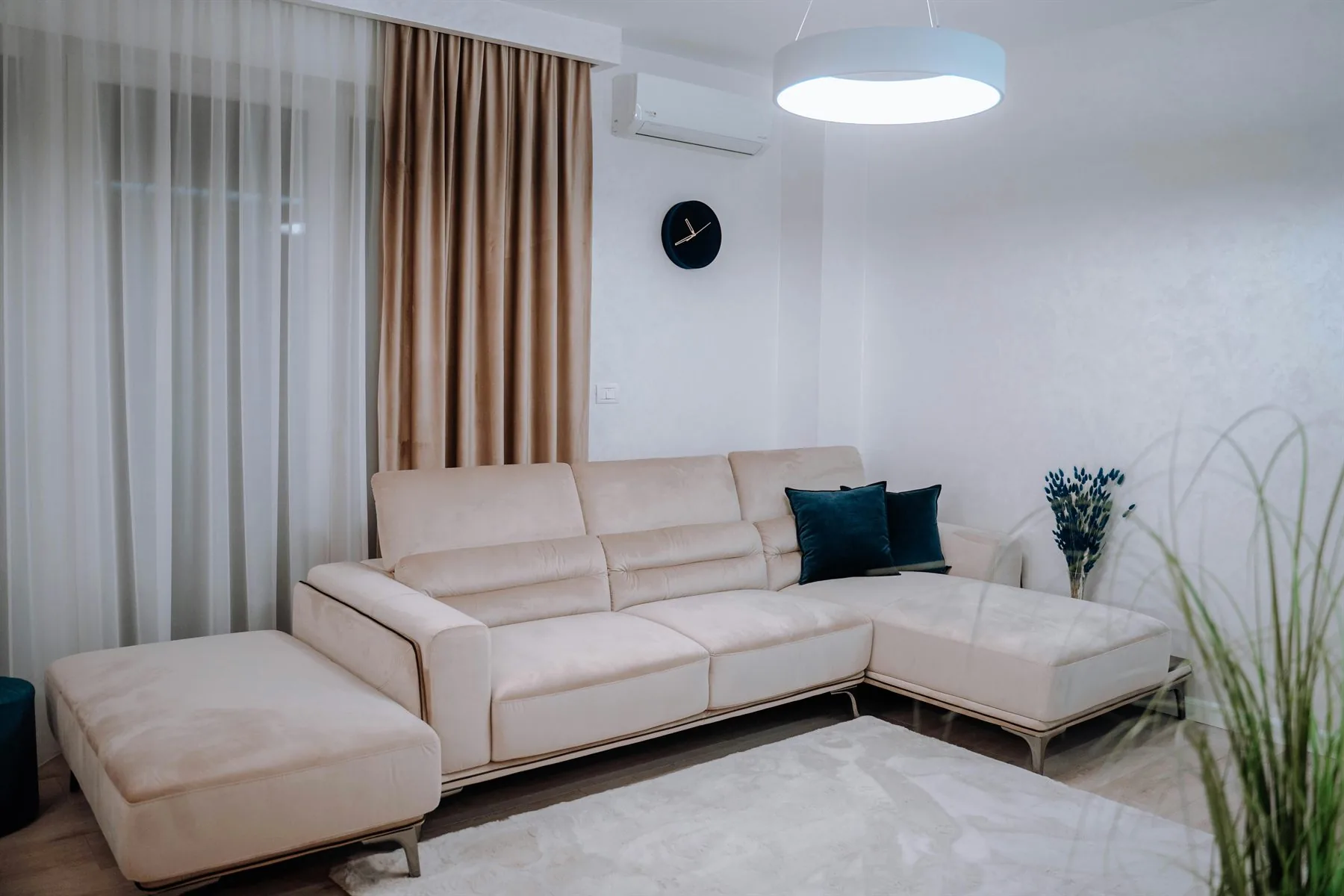
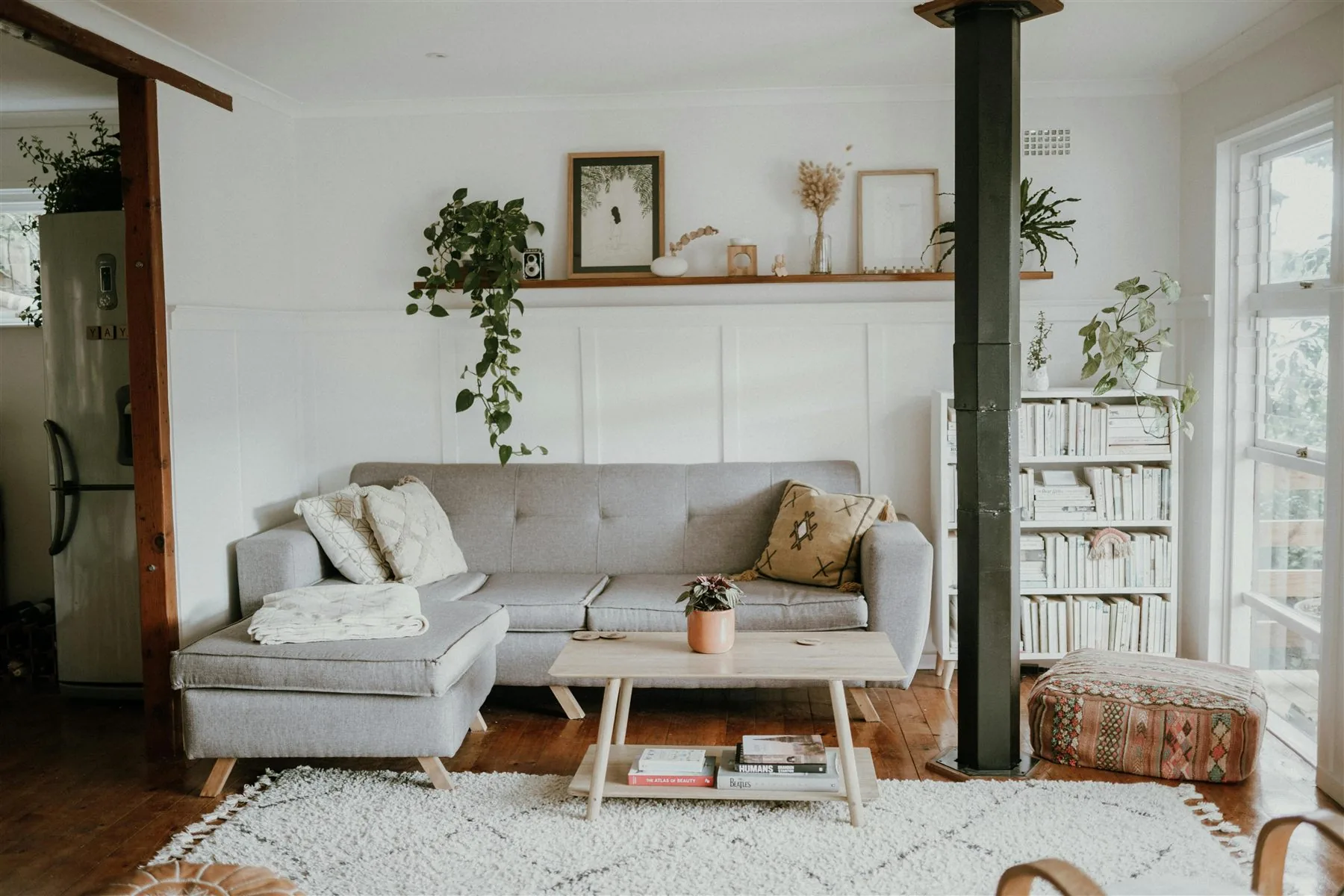
Living room walls
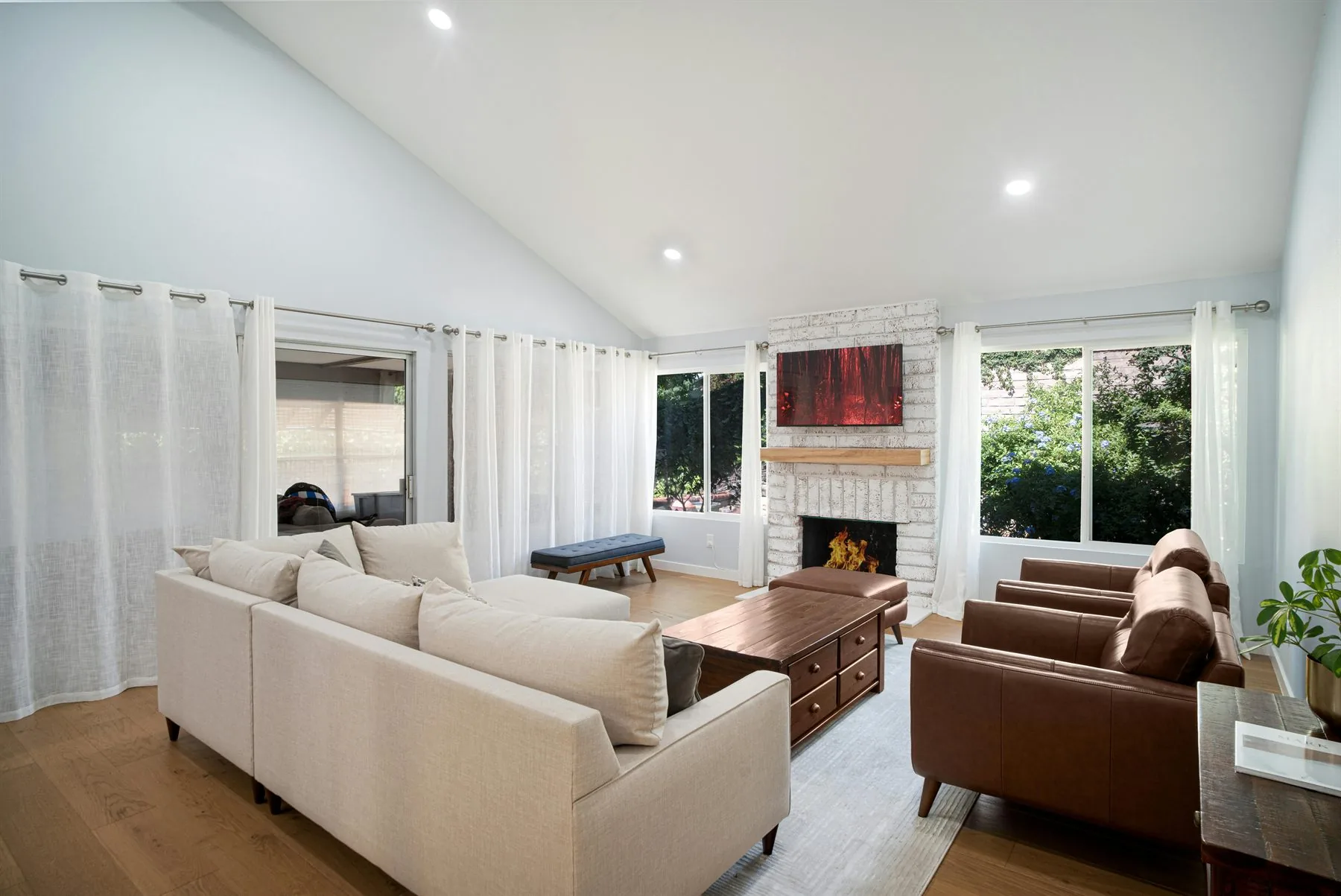
Warm white + Soft beige + Walnut
Stronger when the paint stays warm, open, and welcoming enough to carry conversation and everyday movement.
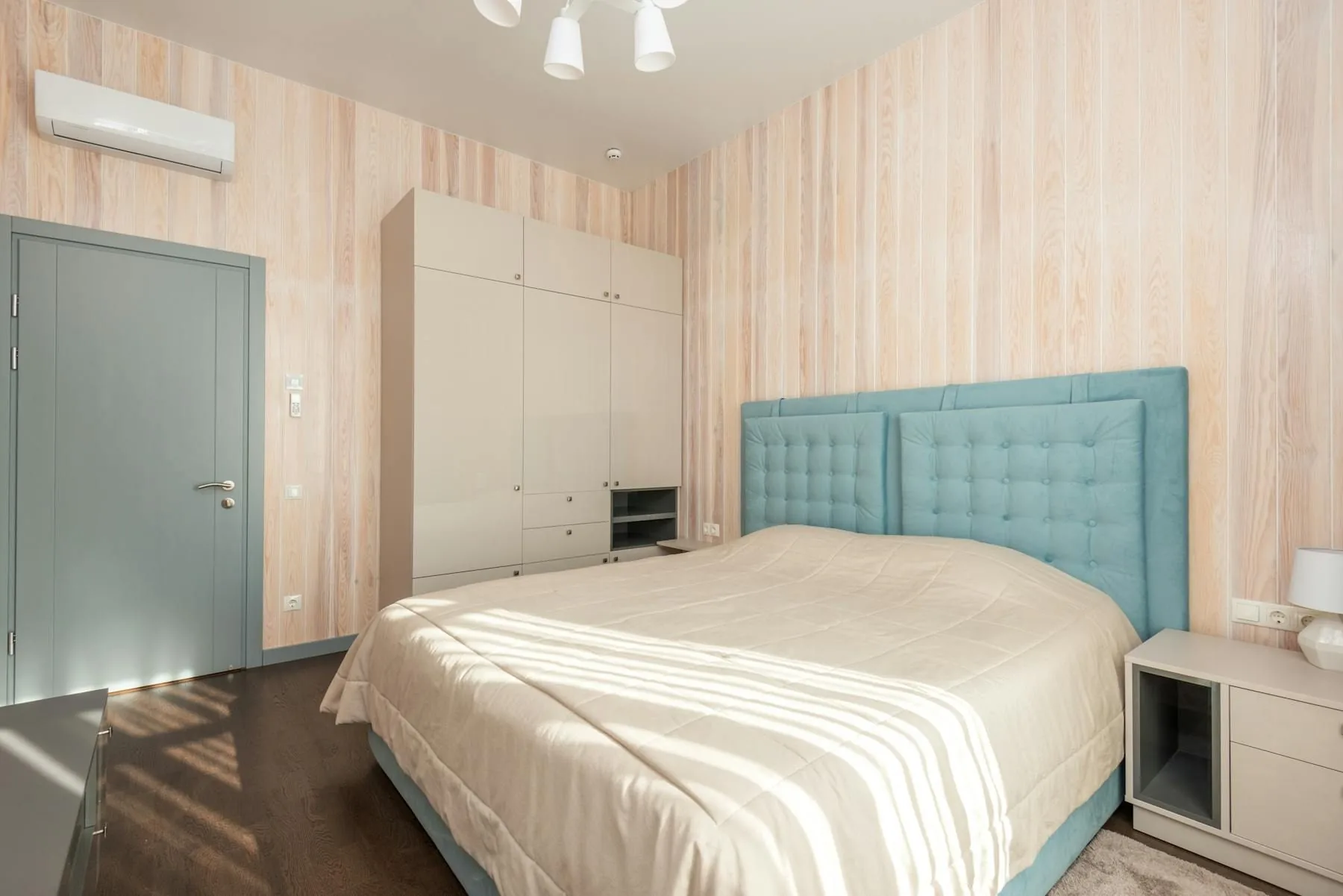
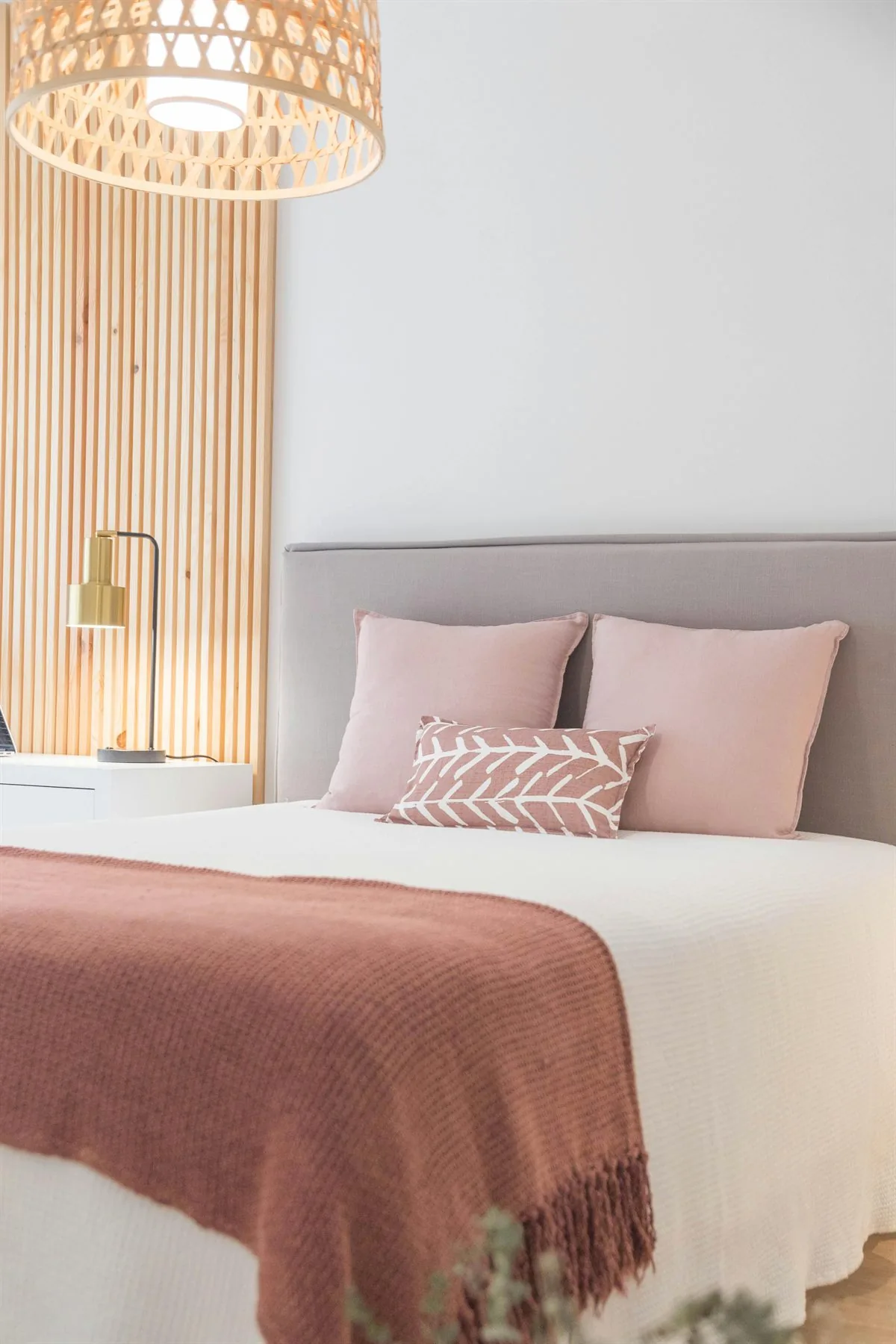
Bedroom walls
Warm beige + Mushroom + Dusty blue
Best when the paint gets softer and more sleep-friendly than the rest of the home.
Bathroom walls
Pale greige + Soft gray-taupe + Stone
Cleaner and lighter, but still better with a warmer or quieter undertone than icy gray.
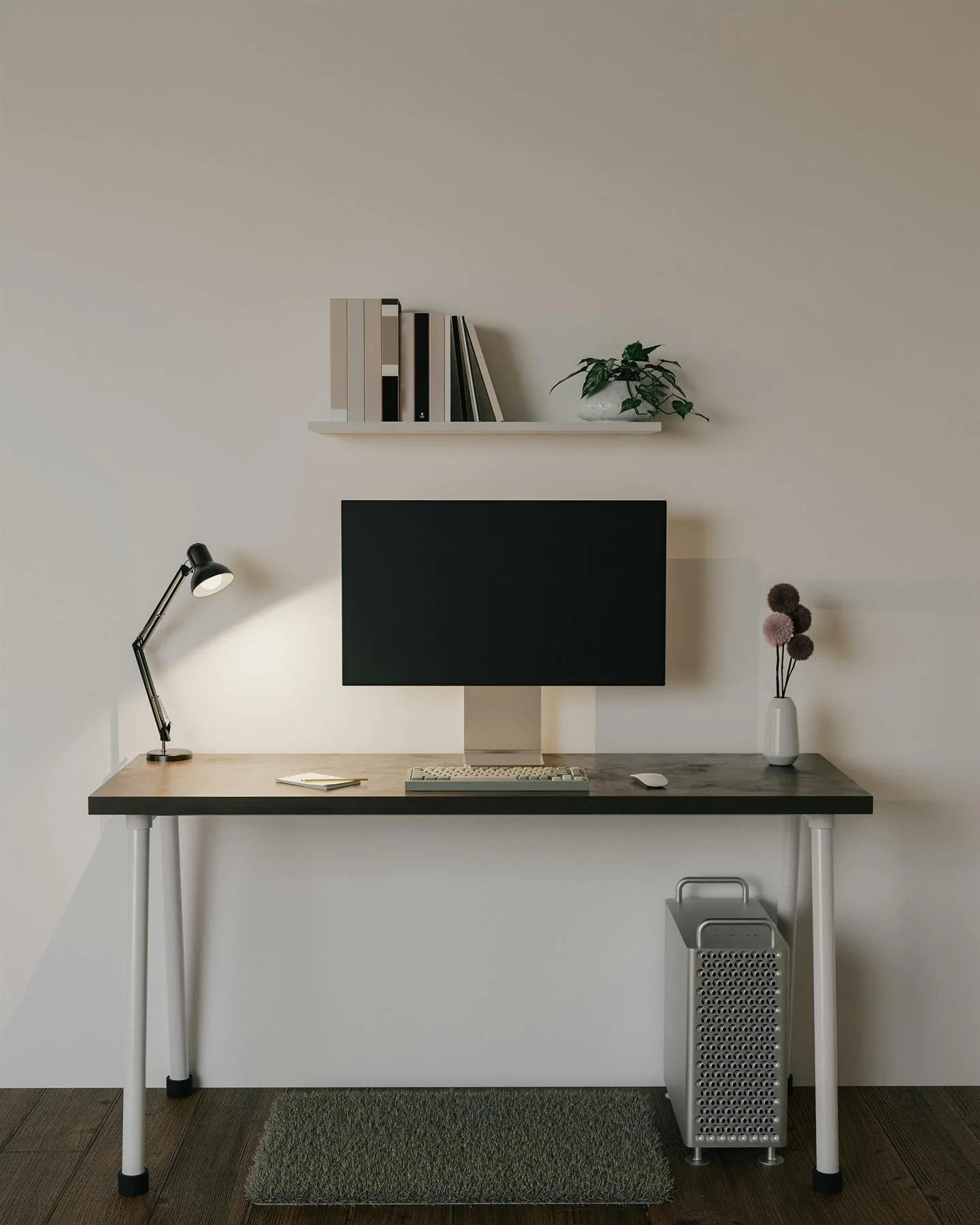
Office walls
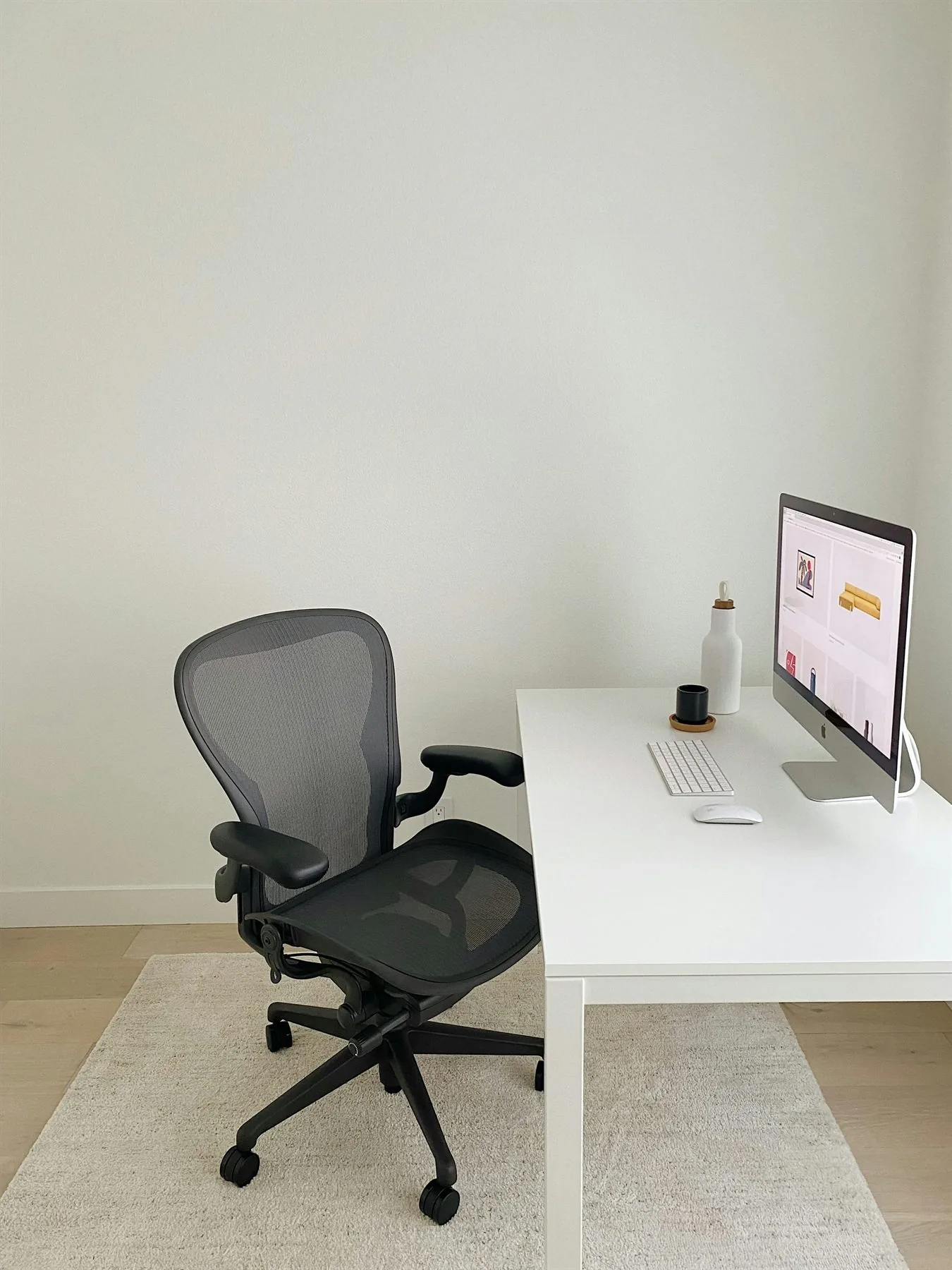
Quiet white + Greige + Walnut desk
Steadier with one clear neutral so focus does not have to fight a loud or emotionally sharp wall.
How to Choose Feng Shui Paint Colors Without Overthinking Symbolism
Paint color goes wrong when people choose it for theory only. A room is not improved by the label of a color if the actual undertone makes the room feel cold, washed out, muddy, or tense. Good feng shui paint is still practical paint. It has to work with light, flooring, textiles, furniture, and the job of the room.
Give the paint one clear job
Best base wall color
Warm white or soft greige
Use this when the room needs more light, more breathing room, or a calmer neutral field that can work with many furniture directions.
Best grounding wall color
Mushroom or quiet sage
Use this when the room feels too blank, too echoey, or slightly unanchored and needs a little more depth without losing calm.
Best cooler relief color
Dusty blue-green
Use this when a room gets harsh bright light and you need visual relief, but still pair it with warmer materials so it does not turn chilly.
Check Light, Undertone, and Finish Before You Paint
Paint changes with light more than most people expect. A warm white can look creamy in morning sun and dull under a cool bulb. A blue-green can feel peaceful in a bright room and too gray in a darker one. Before committing, test the color on at least two walls and check it in daylight, evening shadow, and lamp light.
Finish matters too. Matte and eggshell finishes tend to look softer in bedrooms and living rooms. Satin can make kitchens, bathrooms, and trim easier to wipe down, but too much sheen can make a wall feel busy. In feng shui terms, the goal is not just the right color family. The surface should also feel calm enough for the room's job.
Three paint pairings that work well
Bright but warm walls
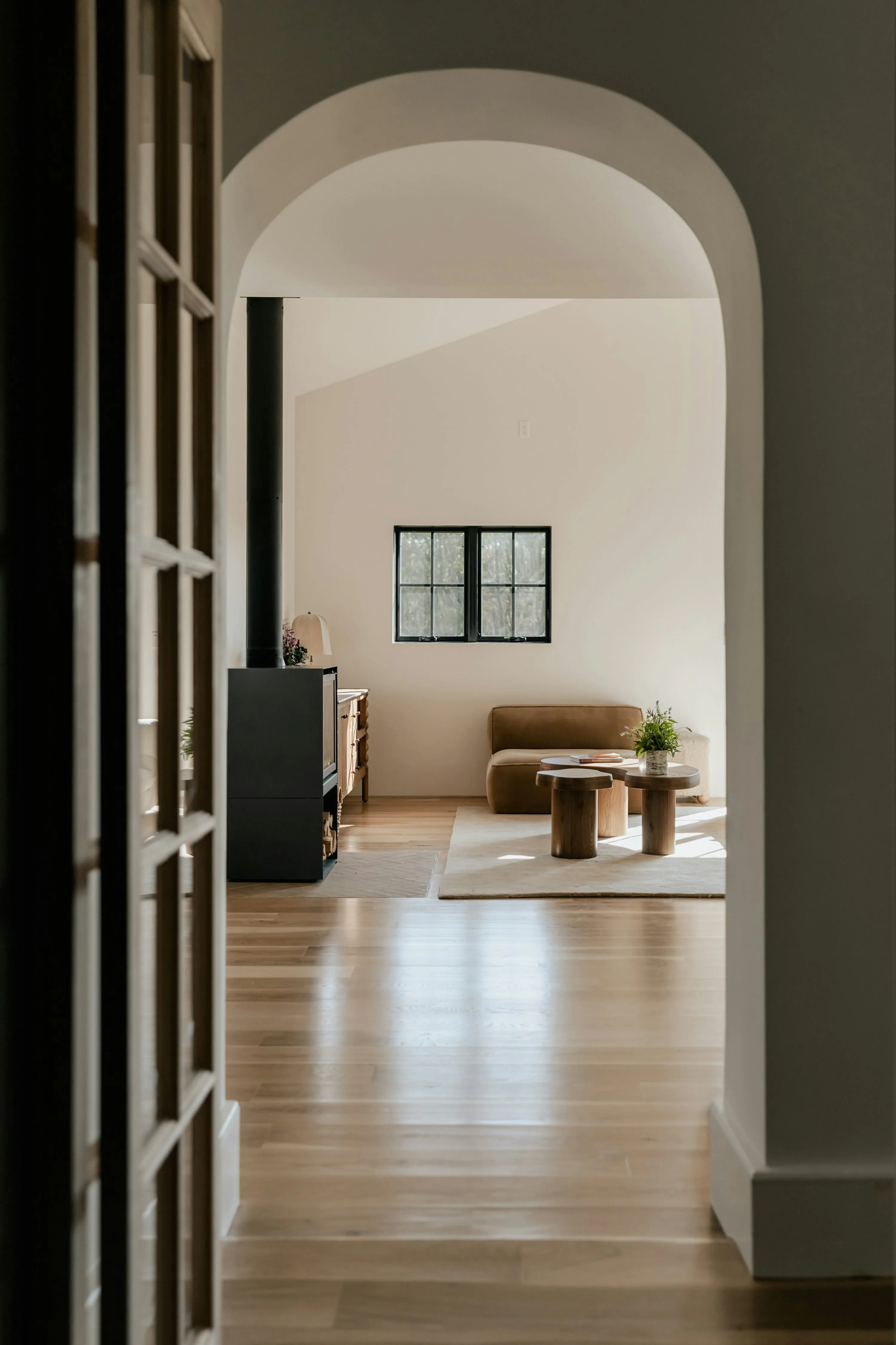
Warm white + Oat trim + Oak
A dependable paint formula for homes that want more light without tipping into stark white.
Quiet grounded walls
Mushroom + Cream textile + Walnut
Good when the room needs more softness and visual weight, but still has to stay easy to live with every day.
Cool relief with warmth
Dusty blue-green + Warm white + Clay accent
Useful in very bright rooms as long as wood, linen, or warmer trim keep the paint from feeling cold.
If you want paint guidance by room instead of just by undertone, the best follow-up pages are feng shui room colors, feng shui colors for home, feng shui colors for living room, and feng shui colors for bedroom.
Paint Colors to Use More Carefully
This does not mean darker or sharper colors are forbidden. It just means they need more support. Large walls amplify whatever is on them. If a paint color is already slightly cold or emotionally tense on the swatch, it will feel even stronger once it covers the whole room.
The paint mistake that happens most often
Use more carefully
Cold gray + Stark white + Sharp red
Very cold gray, harsh bright white, black-heavy paint, or highly saturated red often makes walls feel sharper and less forgiving across large surfaces.
Try this instead
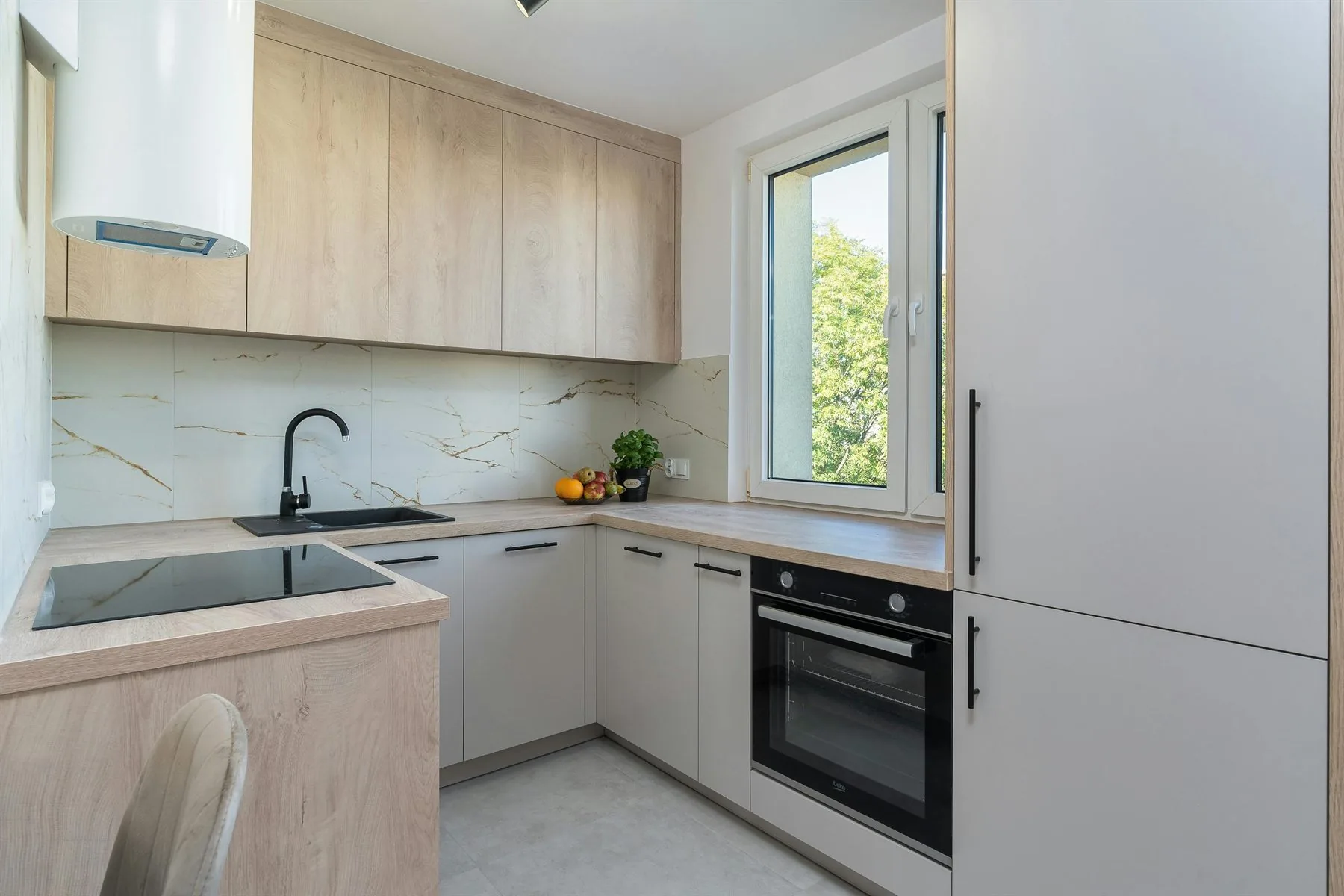
Warm cream + Greige + Quiet sage
A room settles more easily when the wall color has a warmer undertone and only one stronger note appears in smaller accents.
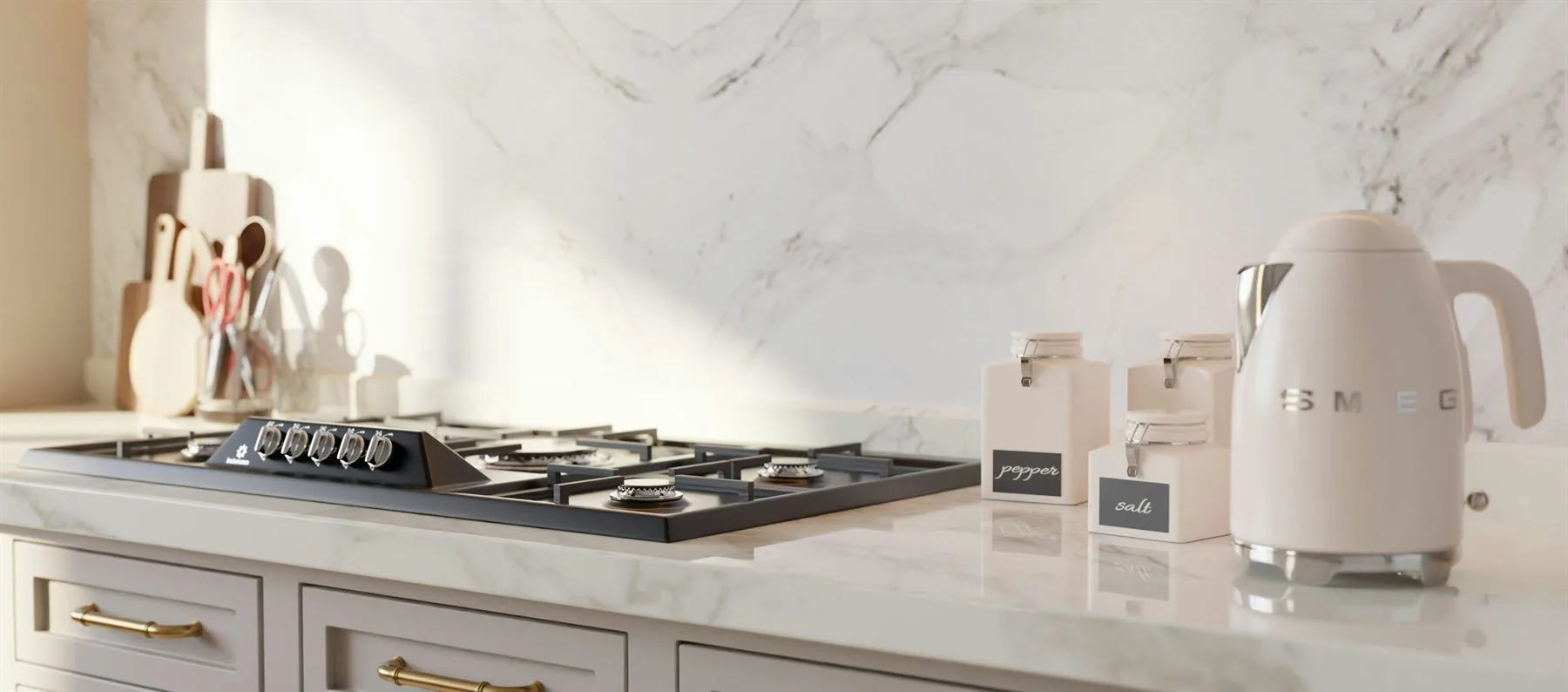
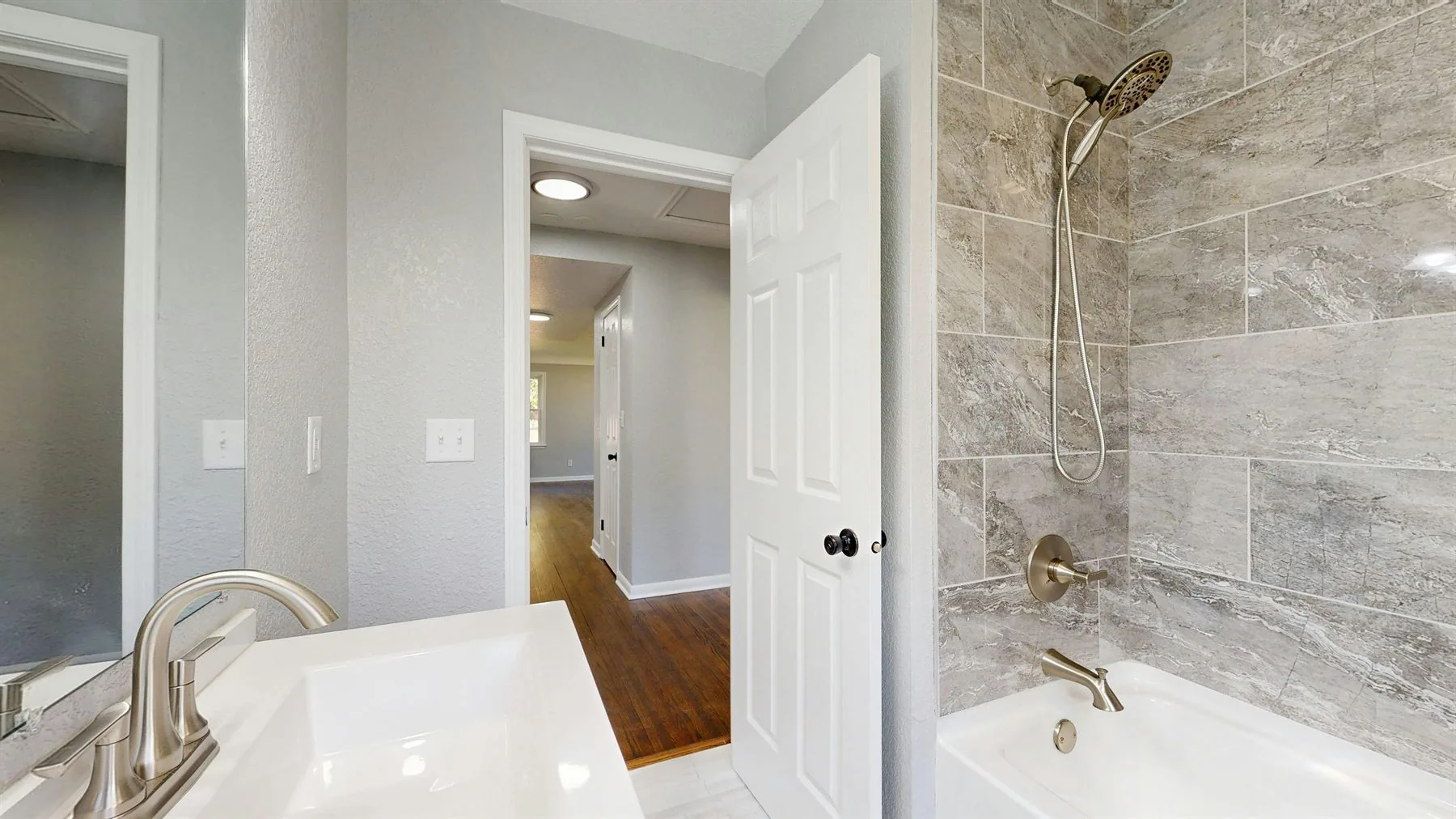
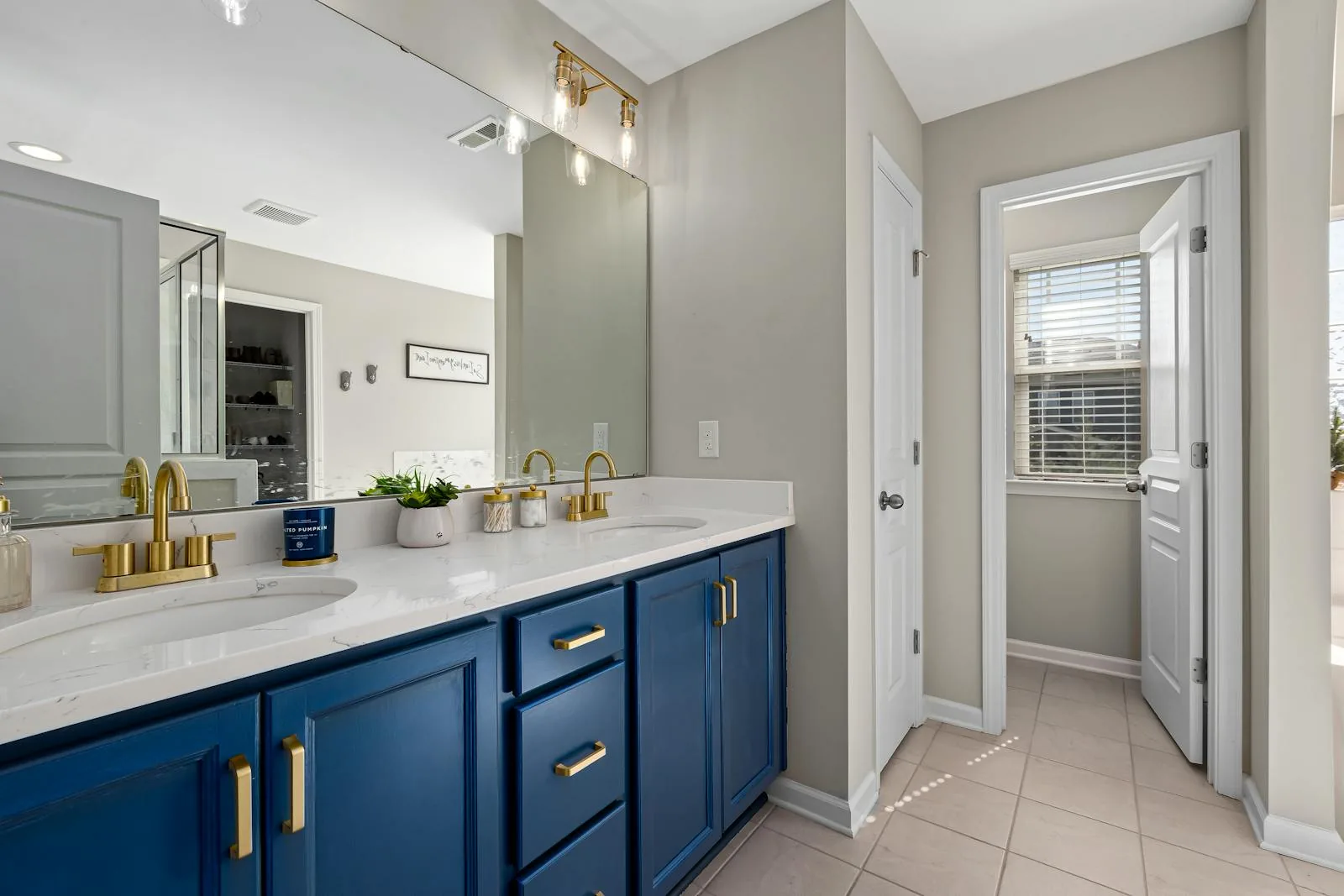
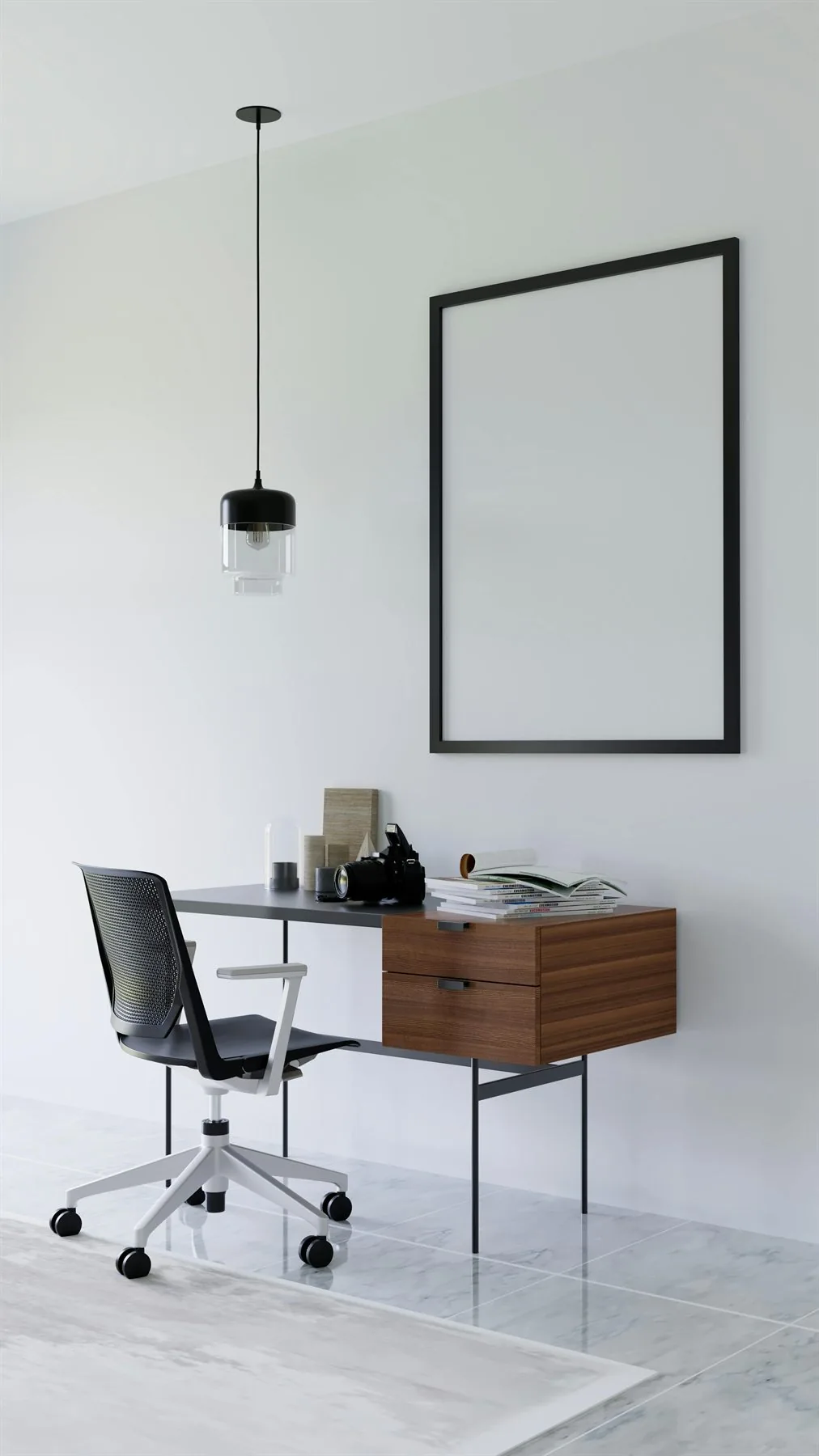
Paint test first
If two paint colors are close, test them on a larger section of wall and look at them in daylight, lamp light, and evening shadow. A color that feels calm on a swatch can turn icy, muddy, or flat once it covers more surface.
Frequently Asked Questions
What are the best feng shui paint colors?
What paint color is best for good feng shui in a home?
Should feng shui paint colors be light or dark?
What paint colors should be used more carefully in feng shui?
The Bottom Line
The best feng shui paint colors make the room feel quieter, warmer, and easier to live with on a full wall. Warm white, greige, mushroom, sage, and dusty blue-green are some of the most useful paint directions because they support the room instead of pushing at it.
If the paint helps the room feel calmer before any styling goes in, the color is probably doing its job.