



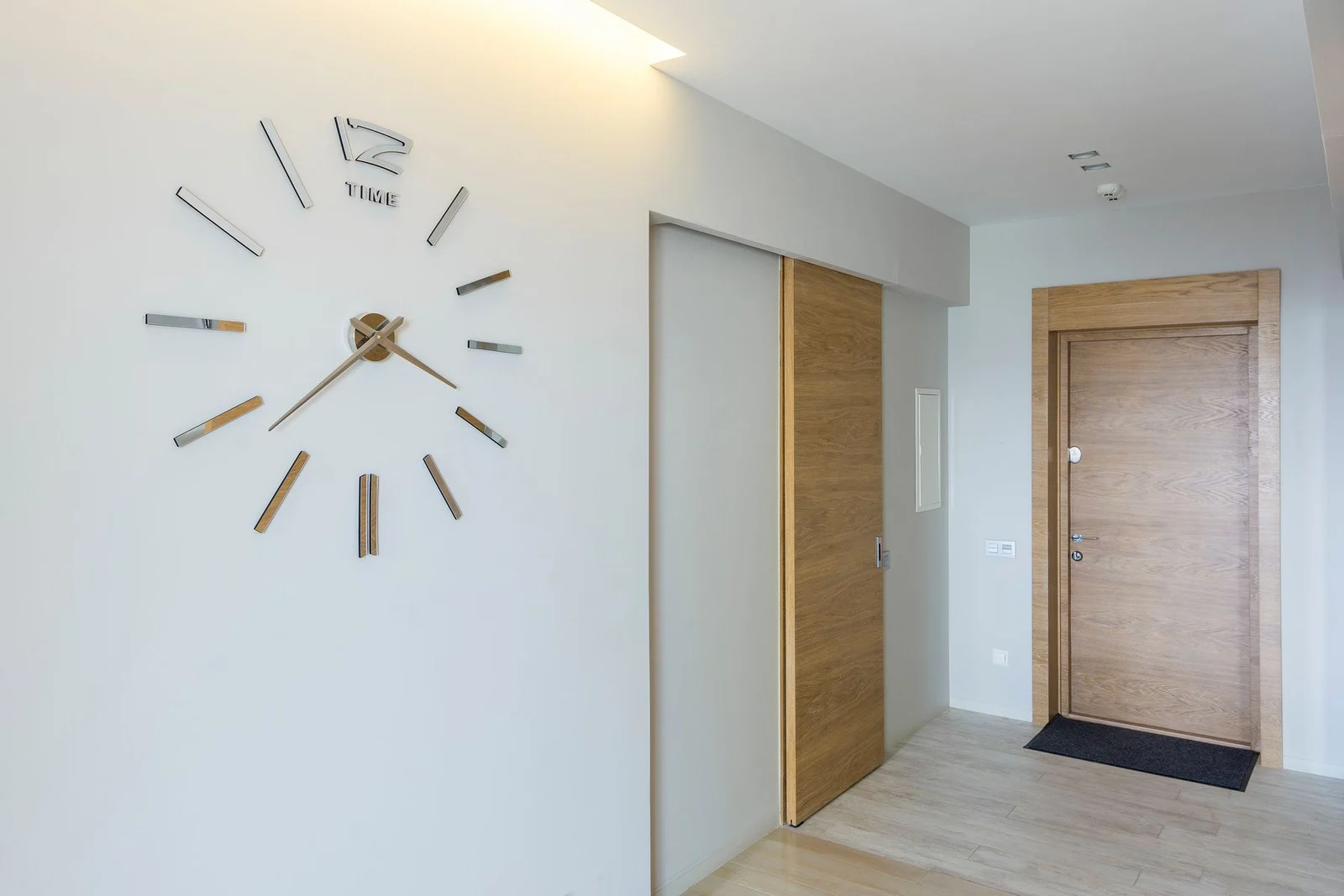
Quick Answer
Put a clock where the people who need it can read it easily without the sound or visual emphasis becoming intrusive. In a work zone, visibility may matter most. In a bedroom, ticking and a bright display may matter more than compass direction. Mount the clock with hardware appropriate to its weight and wall, and treat rules about broken, stopped or direction-specific clocks as traditions rather than physical facts.
A clock is both symbolic and functional. It marks passing time, but its everyday job is to tell the time from the position where you need it.
If a wall clock cannot be read from the place where you need it, the placement is weak even if the direction is considered auspicious.
Decide What the Clock Is For
Kitchen and work zones: choose a dial you can read from the worktop or desk without stopping to turn around. Test it with the task lamp on, because a reflective cover may catch glare that is absent in daylight. A decorative face with tiny markers may be attractive but less useful at a distance.
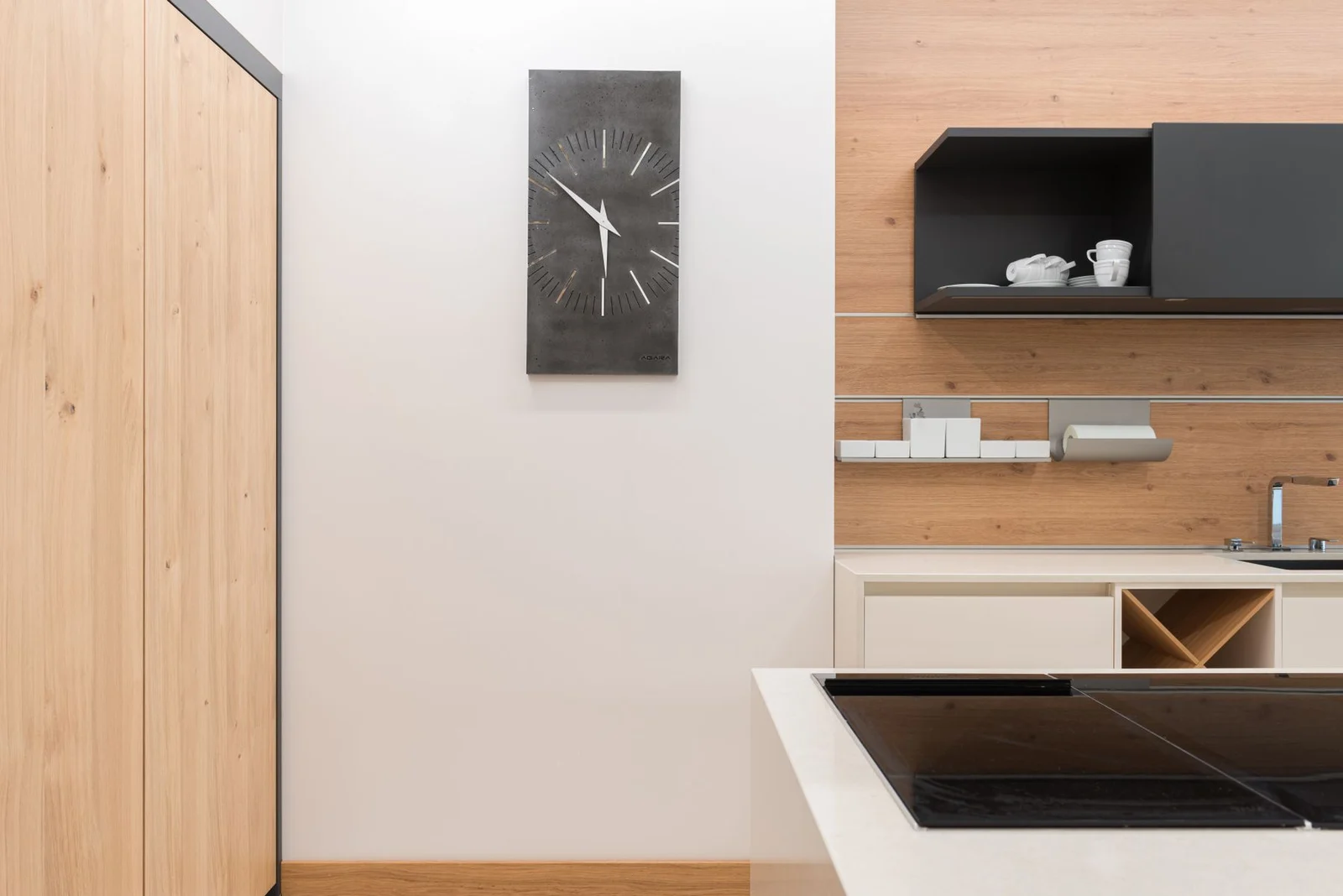
Living rooms and entrances: test the view from the sofa or the normal route out of the house. A clock that becomes readable only when you stand directly beneath it is poorly placed for that job. Compare its outline with nearby art and door trim so the group has a deliberate focal point rather than competing circular shapes.
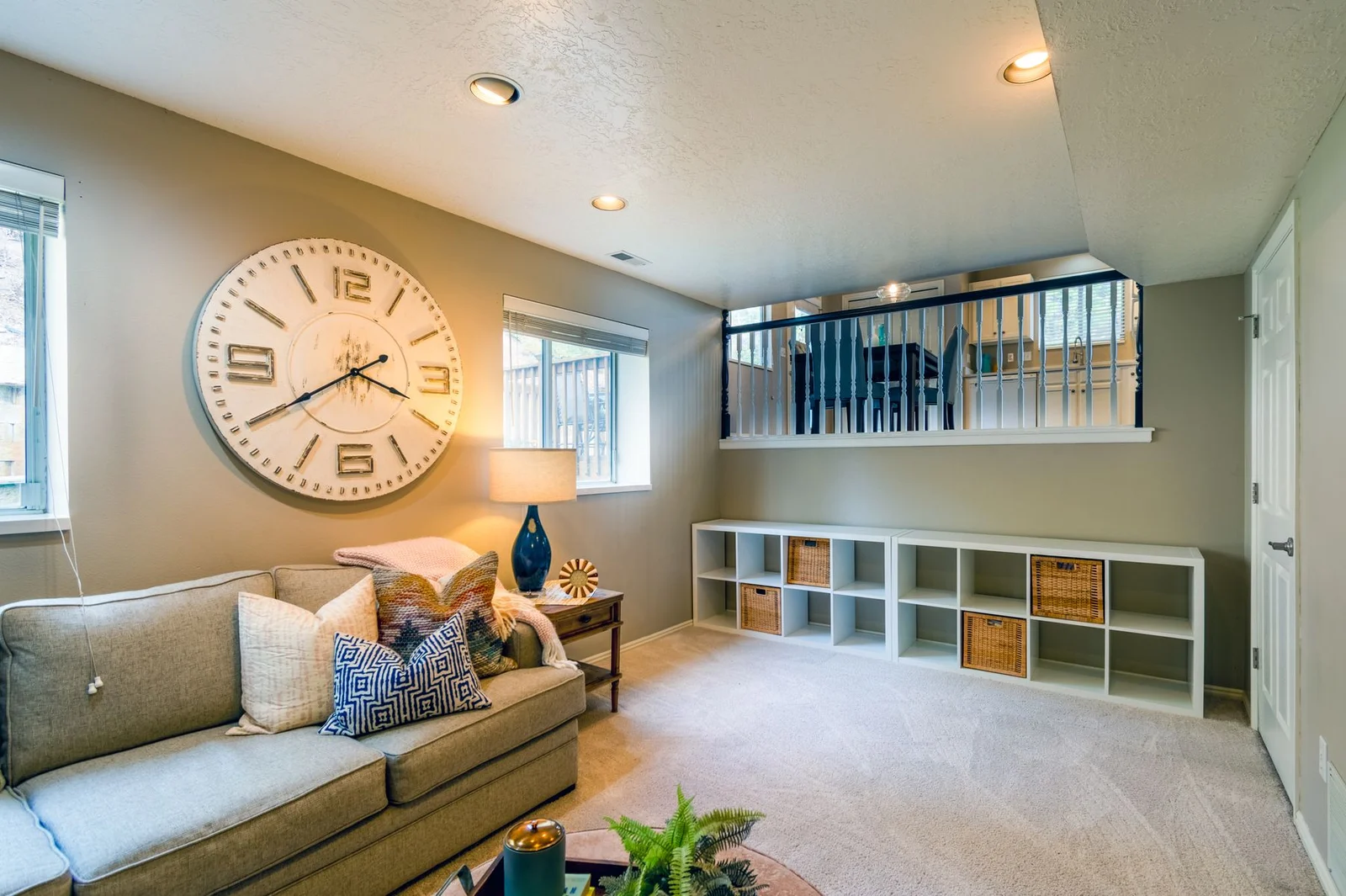
Bedrooms: decide whether you need to read the time from bed at all. Sound, display brightness and the urge to keep checking the time can matter more than compass direction. Try the clock in the room before making holes, and choose a less prominent position or remove it if it makes resting harder.
Test the Sightline From the Real Position
Tape a paper circle the size of the clock to the proposed wall, then sit or stand where you normally need the time. Check whether the hour markers are readable, whether daylight or a lamp reflects across the face, and whether the height makes you crane your neck. Repeat the test in daylight and evening lighting rather than using one universal hanging height.
For example, a clock beside the desk may work from the chair but be hidden behind the monitor from the door. Decide which viewing position matters most before moving it higher. If the face competes with the television, mirror or main artwork, try the second candidate wall with the same paper template.
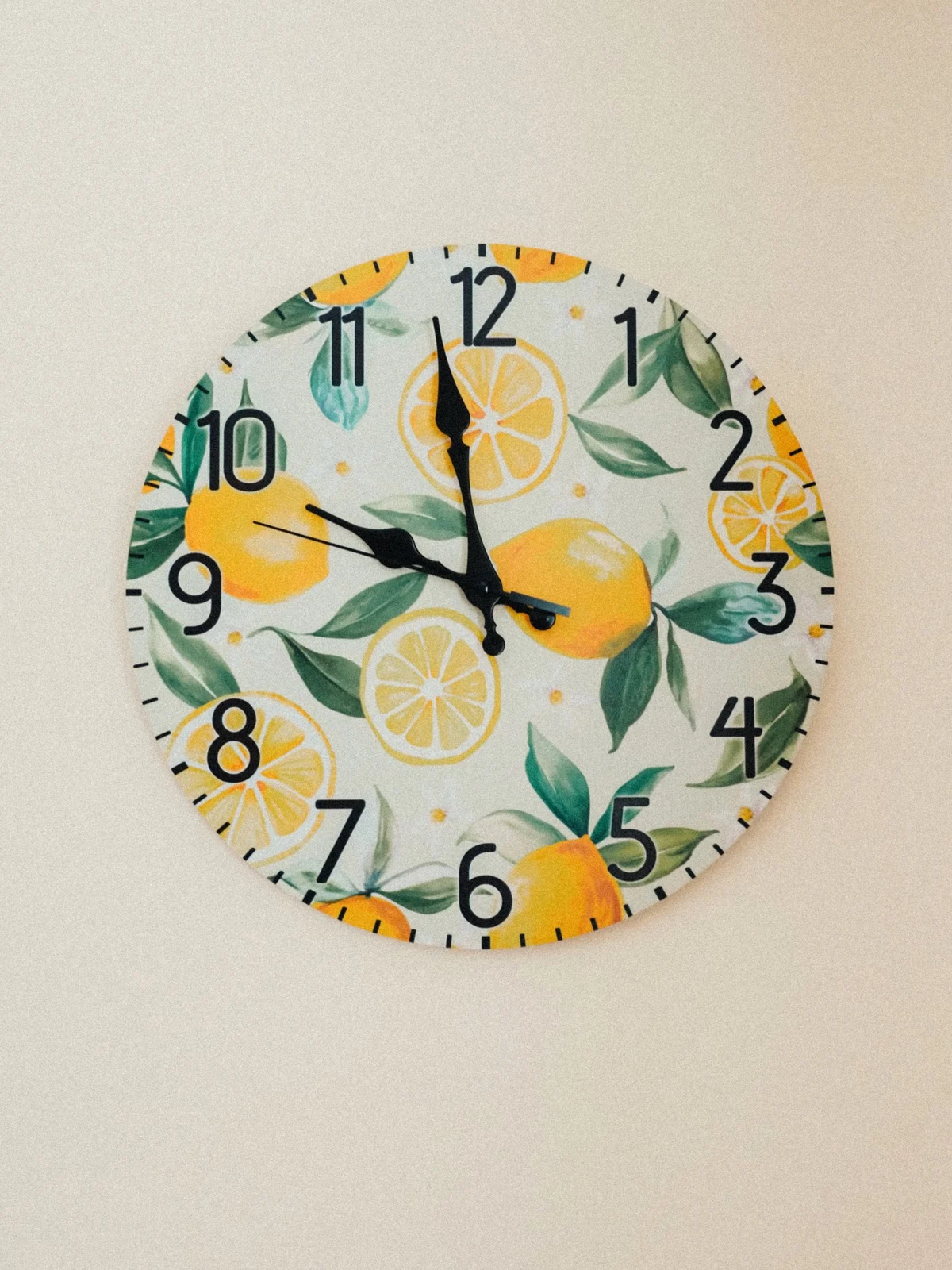
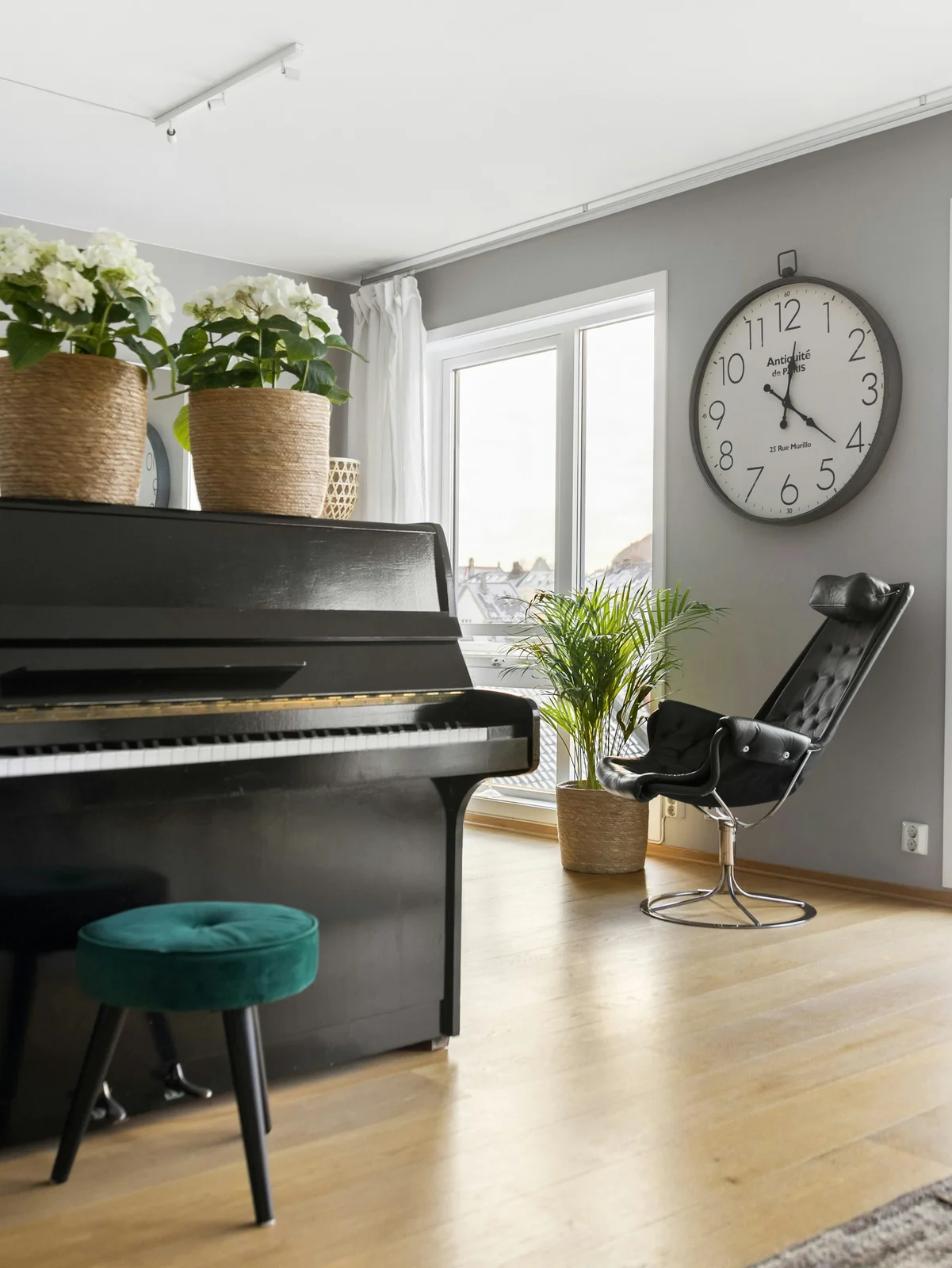
For the wider styling question, use Feng Shui home decorating. Compare the taped outline on two candidate walls in daylight and lamplight before choosing between them.
Listen Before You Mount It Near a Bed
A ticking clock that disappears into daytime background noise may become obvious at night. "Silent" or "sweep" is a product description, not a guarantee that every sleeper will find it inaudible. Listen to the actual movement in your room before mounting it.
Before putting an audible clock beside or opposite the bed, run it in the room for several nights. If the sound becomes irritating, options include:
- moving it farther from the bed,
- choosing a quieter movement,
- using a non-ticking display,
- or removing the bedroom clock entirely if you do not need one.
This is a real comfort issue. You do not need a Feng Shui explanation to justify it.
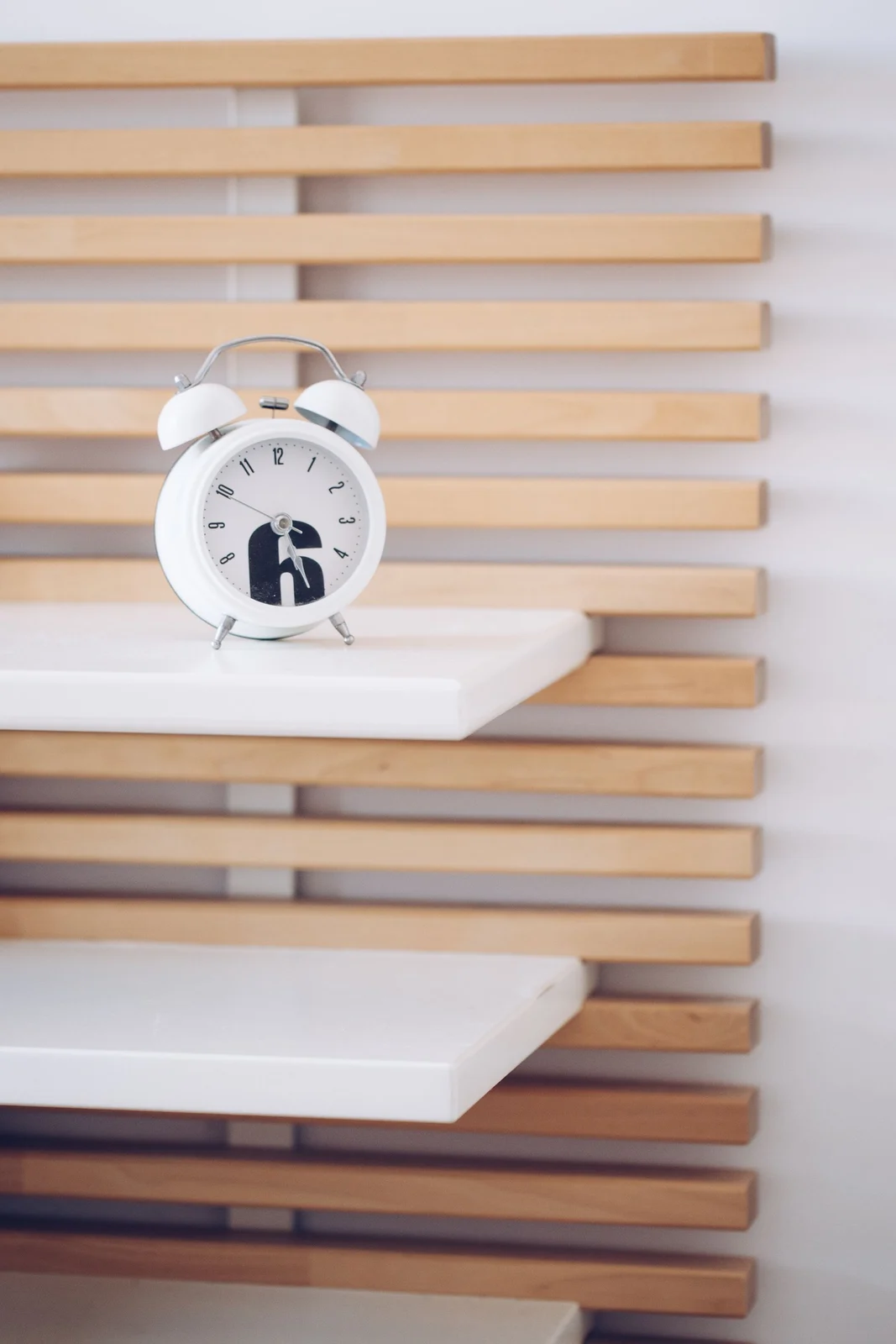
For example, try a small clock on a dresser rather than immediately hanging a large dial opposite the pillow. Check whether you can read it when getting dressed without making it the brightest or most prominent object from bed. If you still find yourself checking it repeatedly at night, turn it away or choose a location outside the direct pillow sightline.
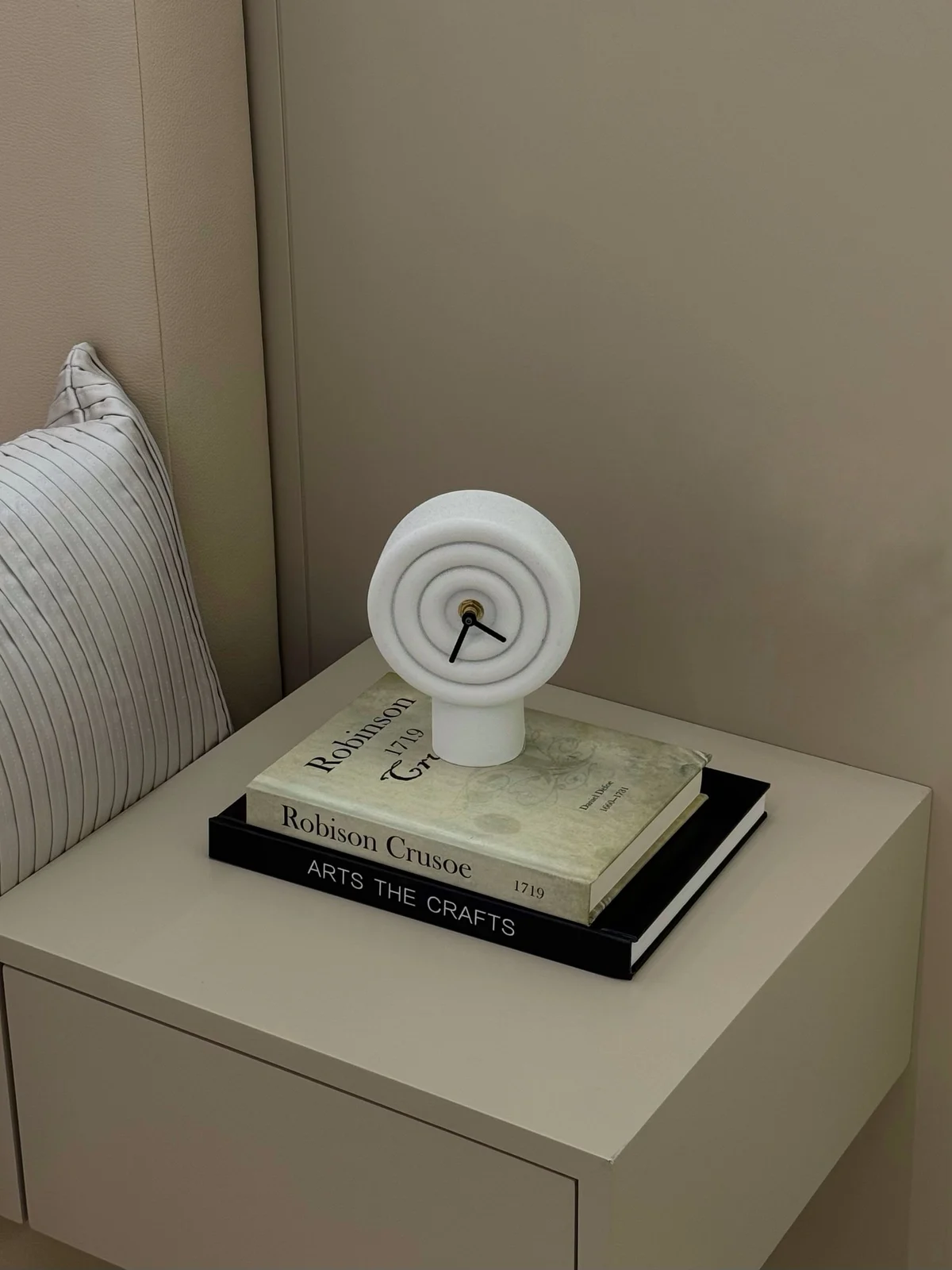
Compare a Work-Zone Clock With a Bedroom Clock
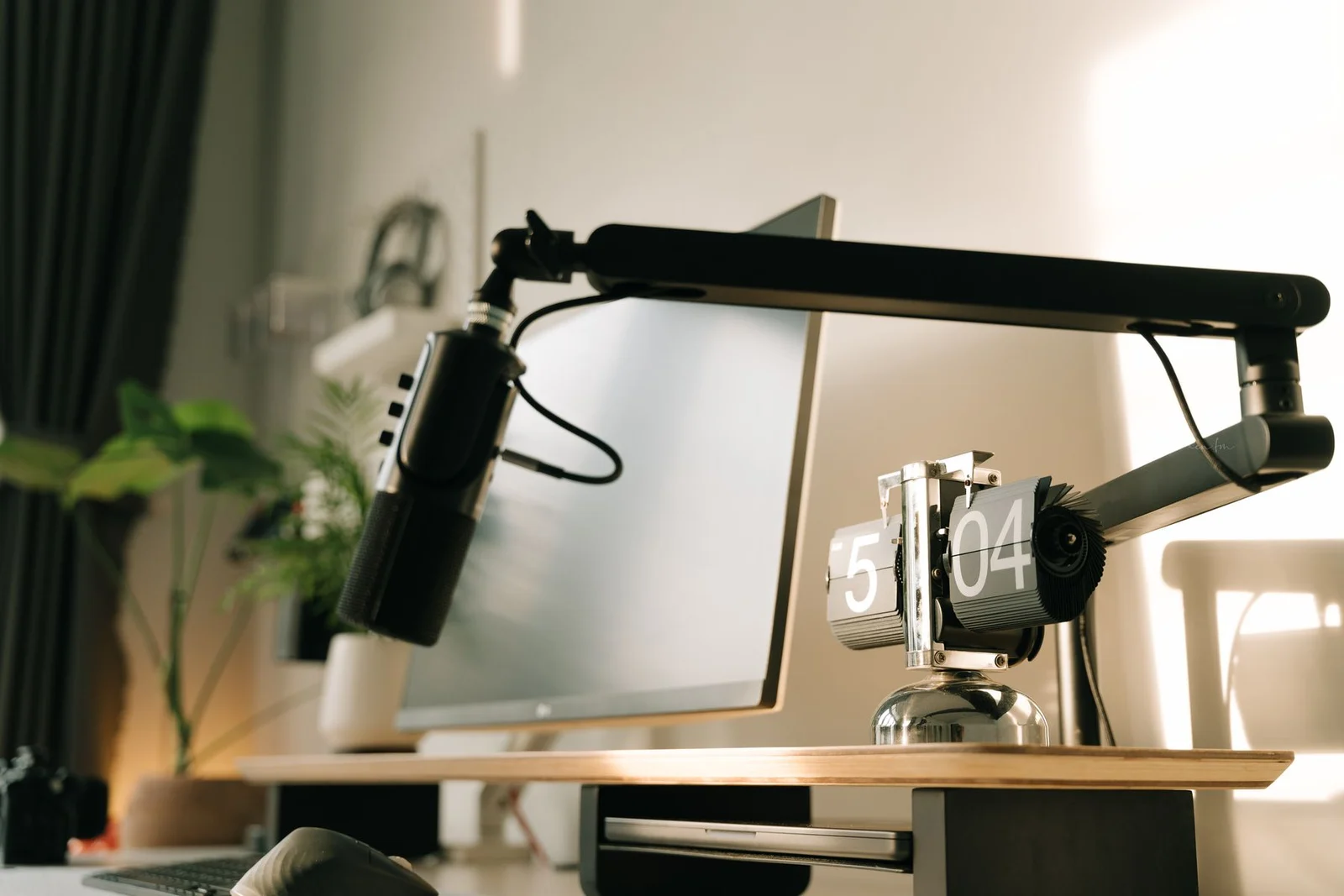
Work zone: A clock above or beside the desk can be useful when it is visible without turning completely away from the work surface. Keep it separate from a bright task lamp reflection.
Bedroom: A wall opposite the bed may be visually prominent even if the clock is silent. If checking the time increases stress, reduce visibility from the pillow or use a clock that can be viewed only when needed.
Our Feng Shui lighting guide can help where glare or bright displays are part of the problem.
What About a Clock Above a Door?
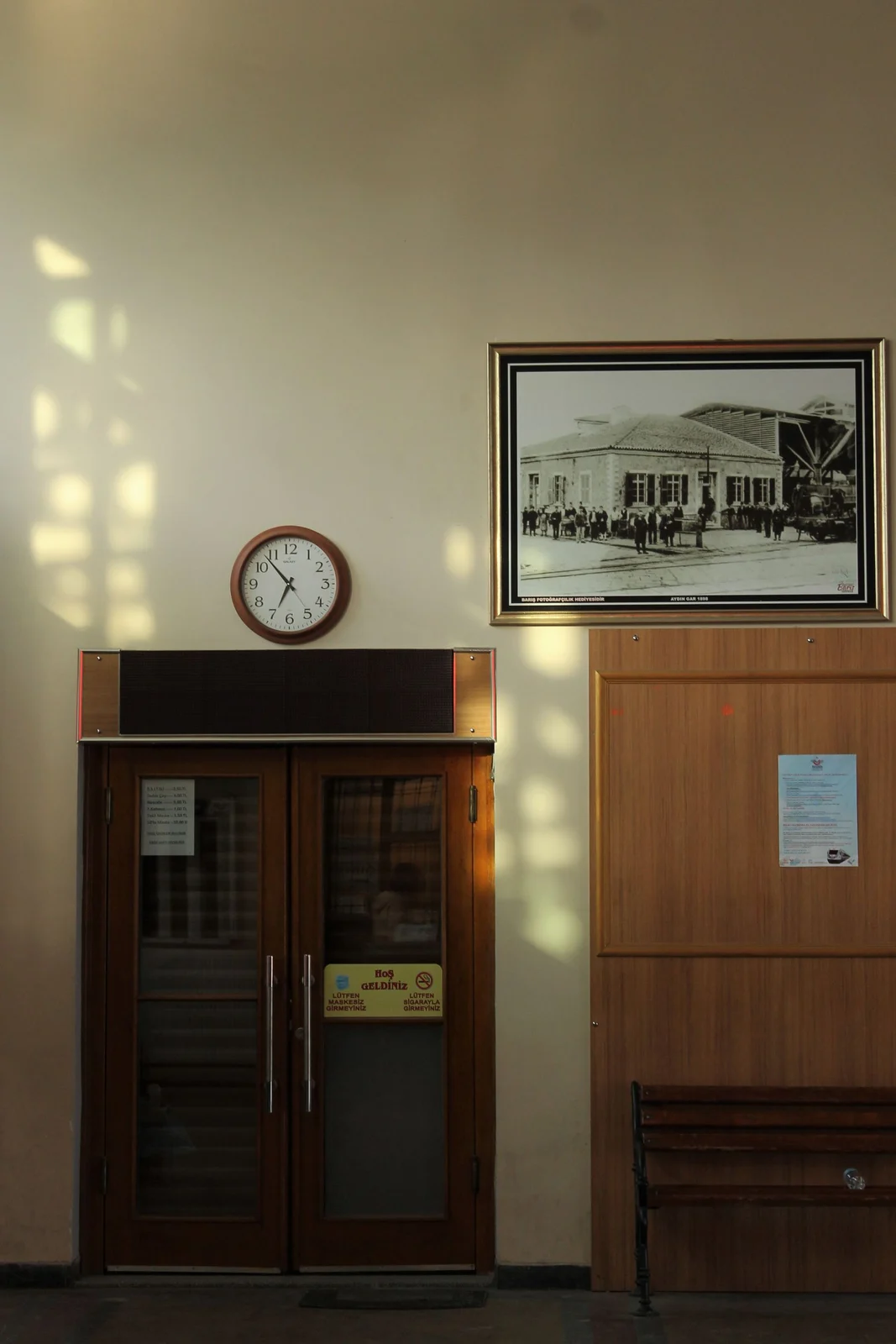
Online Feng Shui advice often bans clocks above doors. There is no universal physical reason a clock cannot be mounted there, but the position may be poor for practical reasons:
- it may be too high to read,
- the door movement can make a loosely mounted object feel insecure,
- the clock can visually crowd the header,
- servicing the battery may require awkward access.
If the position is structurally appropriate, securely mounted and easy to read, treat symbolic objections as tradition-specific rather than universal facts.
Broken or Stopped Clocks
A stopped clock fails its primary function. That alone is a good reason to repair, reset, repurpose or remove it. Feng Shui traditions sometimes describe broken or stopped clocks as stagnant or inauspicious. You can use that symbolism as motivation to fix neglected household objects, but there is no need to fear a supernatural consequence.
If the clock is valuable as an heirloom but no longer works, consider displaying it intentionally as an object rather than pretending it is still active timekeeping.
Clock Direction and Bagua
Separate location from facing. A clock mounted on the north wall faces into the room, usually toward the south; it is not a north-facing clock. Advice about a northern sector describes where the object sits, not necessarily where its dial points.
For a concrete example, FengShuied's clock-placement teaching recommends the northern sector for a round metal clock, using an element-based interpretation. It also gives a separate relative-position rule: in a hallway, stand inside looking outward through the entrance and consider the left-hand side. These are the site's contemporary recommendations, not interchangeable instructions or evidence that another wall causes illness or lost money.
If you want to follow that northern-sector convention, locate north on the floor plan, then test the available wall from your usual viewing position. If glare, an obstructed dial or unsafe mounting makes it unsuitable, choose a useful alternative rather than forcing the symbol. An entrance-aligned Bagua map is a different framework; its lower-center zone should not be relabeled compass north.
If direction is genuinely important to your practice, measure it with the Feng Shui compass guide rather than guessing from where the sun appears in one room.
Mount the Clock for Its Real Weight
Use hardware appropriate to:
- clock weight,
- hanging mechanism,
- wall material,
- and manufacturer instructions.
A heavy decorative clock may need more support than a small lightweight quartz clock. Do not hang heavy clocks above a bed or seating area with an improvised fixing. Keep battery access in mind. A clock that requires moving furniture every few months is poorly placed.