


Quick Answer
A west-facing house is not automatically bad feng shui. Verify what faces west, separate traditional Metal symbolism from practical design, and address afternoon glare and heat where they actually occur. A usable entrance, suitable shading and a palette tested against the existing facade matter more than forcing rooms into lucky directions.
West-facing advice often starts with a verdict about luck. The more useful questions are whether the entrance is comfortable in the afternoon, which windows receive direct sun and whether the layout supports daily life. A house can have a west-facing frontage without every room overheating.
This guide complements our east-facing house and south-facing house guides. Its distinctive task is managing afternoon exposure while making sensible entrance, palette and furniture choices.
Check What Actually Faces West
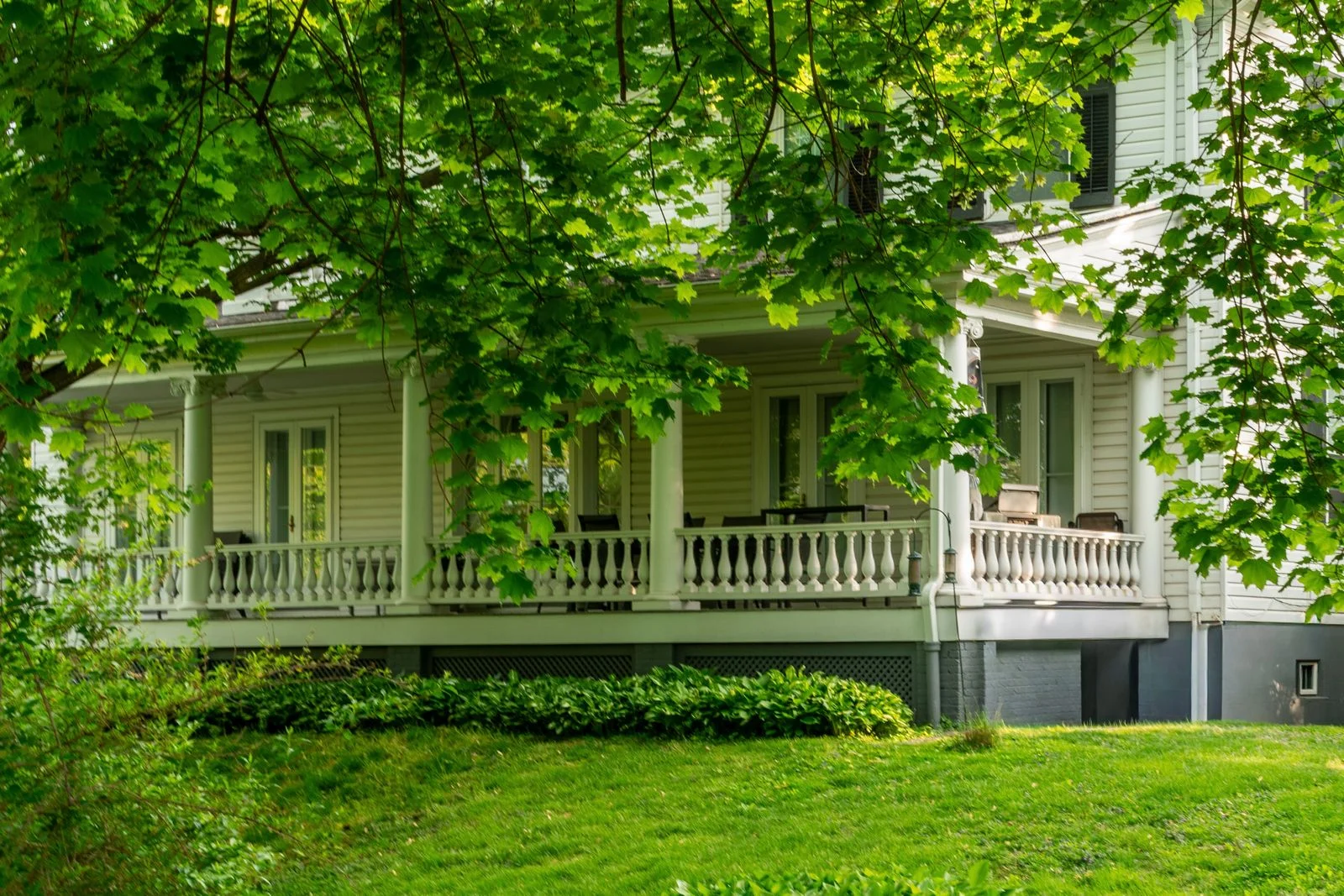
Hero photo: covered white-house porch on Pexels.
Record the main facade, door and exposed windows separately. A door on the side may face west while the principal frontage faces another direction. In an apartment, the corridor entrance and exterior windows can also point different ways. Do not label the whole property from one west-facing window.
To check the door heading, stand at the threshold looking outward. Due west is 270 degrees on an ordinary compass. Take repeated readings away from large metal objects and compare them with a north-marked site plan, accounting for magnetic versus true north. If the readings conflict, keep the uncertainty rather than rounding it into a convenient sector.
A specialist assessment may define the building's facing and sitting using its school and surrounding context. The outward door reading alone is not enough to assign every classical house chart. Use the floor-plan guide to mark the actual room relationships before applying generic direction advice.
Is a West Facing House Good or Bad in Feng Shui?
In common compass bagua symbolism, west is associated with Metal and with children or creativity. White, gray and metallic finishes are therefore frequent decorating suggestions. That symbolism does not establish a home's luck, safety or suitability, nor does it mean the whole house needs metal furniture.
Different schools use different maps and additional information. Avoid mixing an entrance-based wealth corner, a personal Kua direction and a building-facing chart as if they were one rule. Our bagua map guide explains the starting distinction. You can use the traditional associations as optional design inspiration without treating them as guaranteed outcomes.
Afternoon Glare and Heat: Fix the Actual Exposure
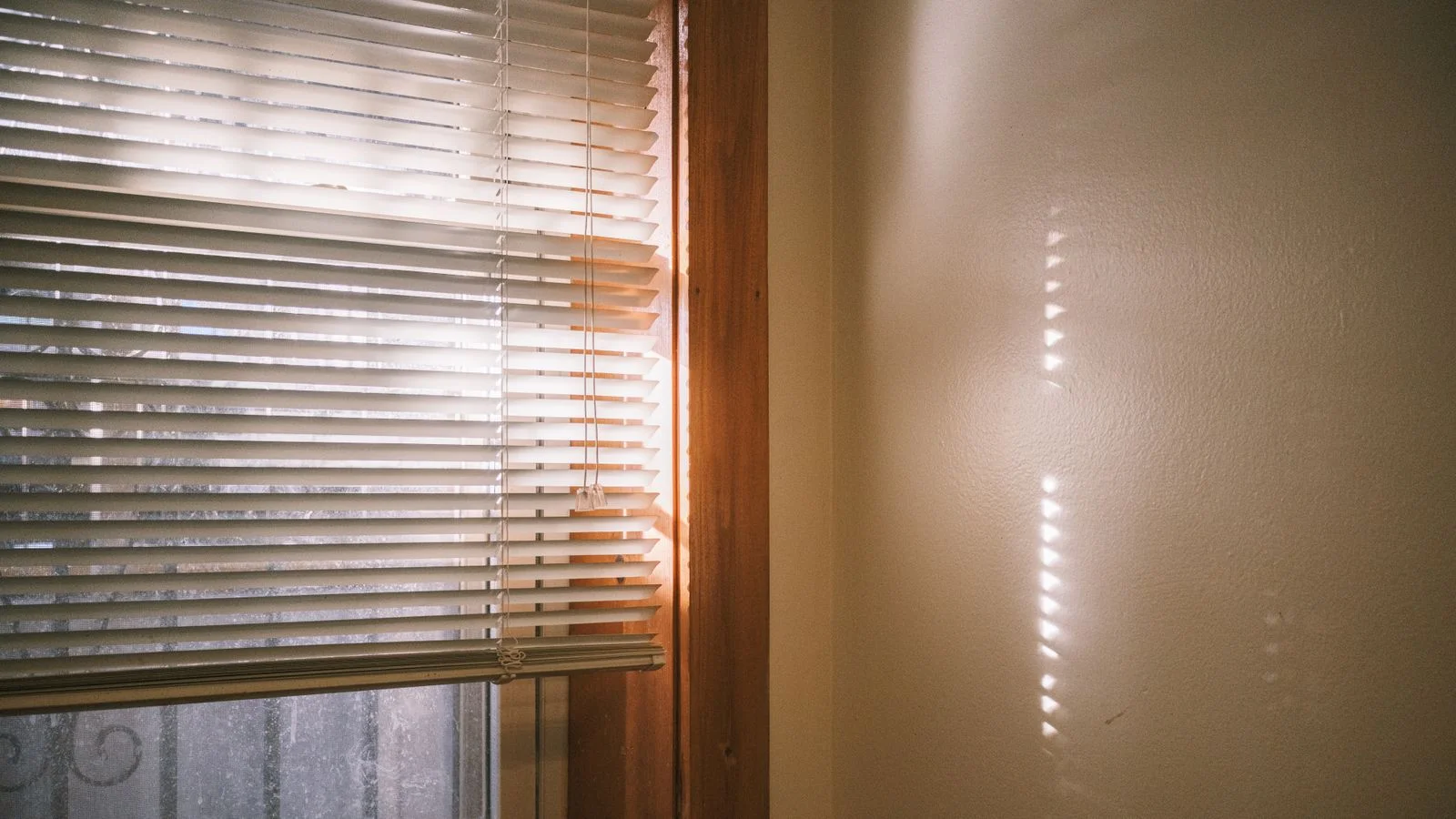
Photo: Alec Adriano on Pexels. Choose safely managed cords or a suitable cordless system where children may reach the window.
West-facing windows can receive low-angle afternoon sun. How much this affects comfort depends on climate, season, glazing, nearby buildings, trees and how you use the room. The U.S. Department of Energy explains the heat and glare challenge of east and west windows. Direction alone cannot predict your room temperature.
Observe the room during the hours when it becomes uncomfortable. Note whether the problem is direct light on a screen, a warm seating area, a hot entrance or privacy after dark. Solar control and decorating solve different problems: a softer wall color can reduce visual contrast, but it does not block incoming heat.
Choose the response to the afternoon condition you actually have
Scroll sideways to compare all columns.
| What you notice | Useful starting response | What not to assume |
|---|---|---|
| Glare on a screen | Move or angle the screen away from direct reflections and use an adjustable covering. | A pale wall alone will solve the glare. |
| Room warms before evening | Assess suitable exterior solar shading and glazing with a qualified supplier. | A shallow overhead canopy blocks every low sun angle. |
| Porch gets harsh late light | Check side screening, safe planting or adjustable shading that preserves access. | A covered roof makes the entrance shaded all afternoon. |
| Winter afternoons feel pleasant | Use adjustable shading so useful light can remain when wanted. | The room must be kept dark year-round. |
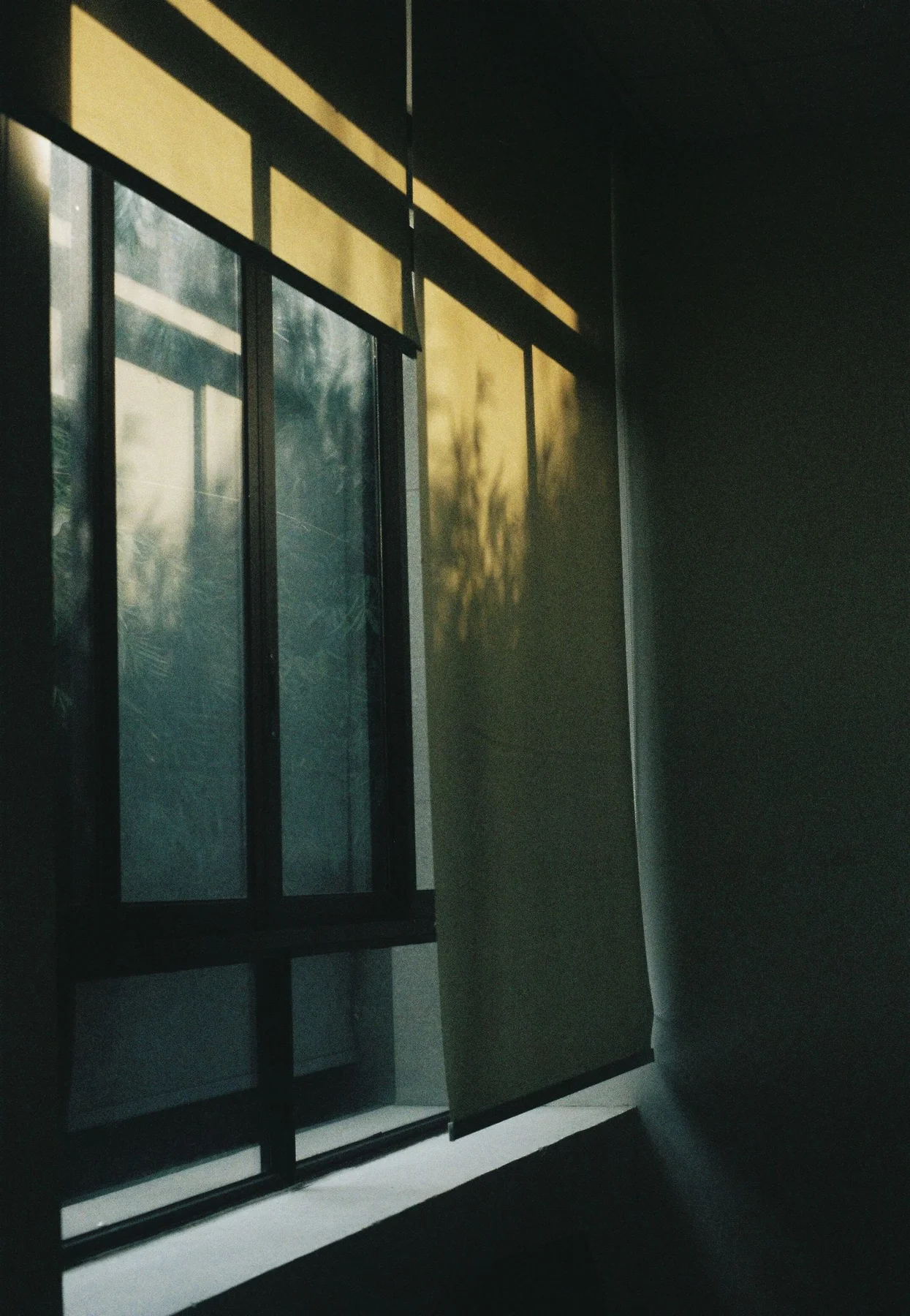
Photo: Pexels window with roller blinds. For heat control, the Australian Government's window guidance discusses shading and coverings. Choose a system suited to the climate, glazing and building rules; keep ventilation, emergency escape and safe cord handling in mind.
A Front Door That Works in Late Afternoon
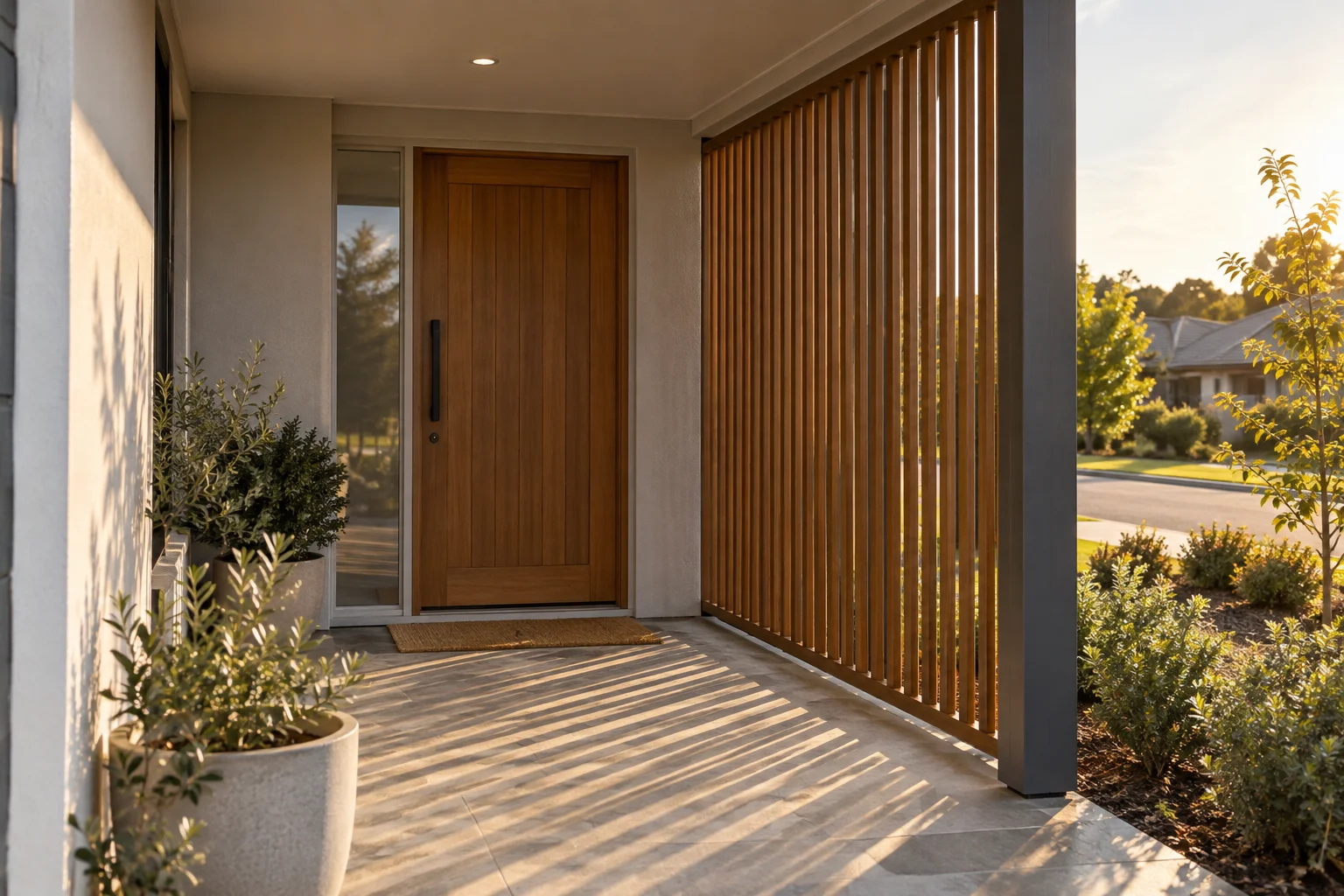
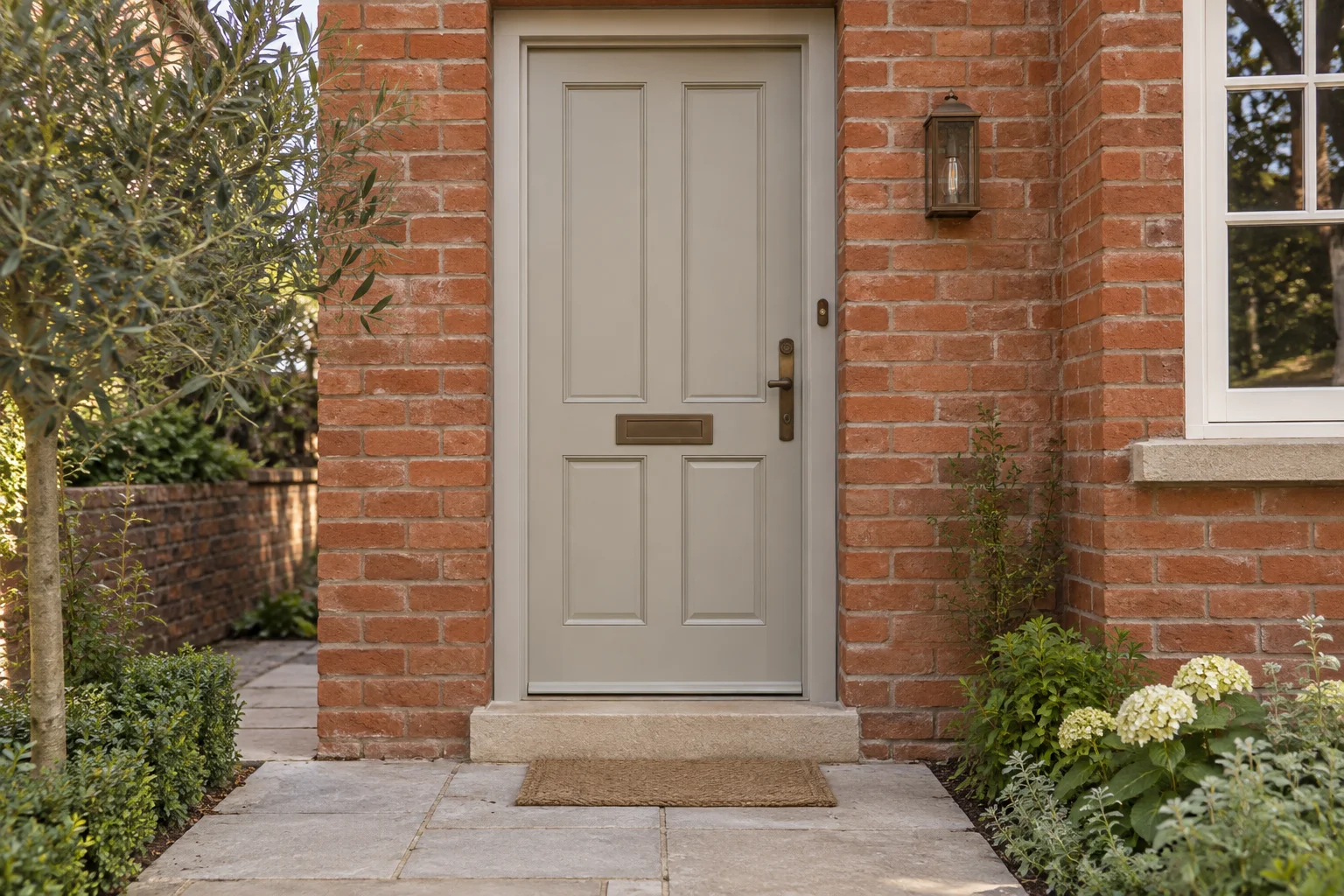
Stand at the entrance in late afternoon before choosing a paint color or adding objects. Check the door handle, glare at eye level, the delivery area and the route inside. Planters should not narrow the threshold or block the door swing. Select plants for the actual heat, light and watering access rather than the direction label.
A porch roof can be useful, but low sun may enter beneath it. A suitable side screen or professionally selected adjustable shade can address that specific angle. Any change must preserve safe access, visibility and the building's requirements. In a shaded entrance, adding another dense screen may make things worse.
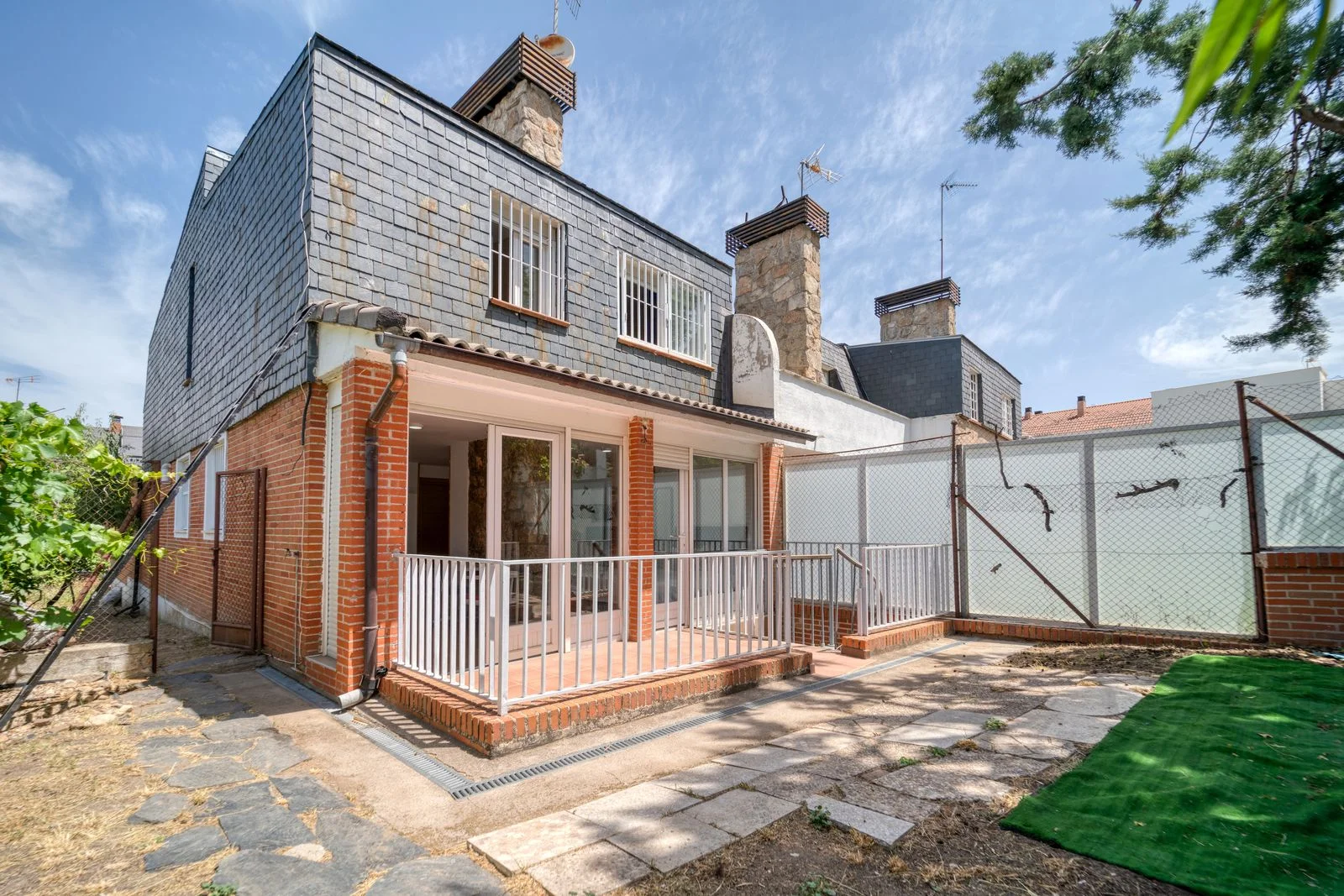
Photo: Pexels brick house with porch. For the door itself, compare the front-door color guide before choosing a finish.
Three Optional Palettes for a West Facing Home
Treat these as decorating combinations, not guaranteed lucky colors. Use the door or trim for the stronger color, larger surfaces for the quieter one and small hardware accents for metal. Screen swatches are only a starting point: test real samples against brick, stone and flooring in afternoon and evening light.
Choose a palette that suits the facade
Soft white, warm gray and brushed steel
Soft white + Warm gray + Brushed steel
Soft white for larger surfaces, warm gray for the door or cabinetry, and restrained steel hardware. Useful when cool stone needs a gentler transition.
Chalk white, charcoal and pale oak
Chalk white + Charcoal + Pale oak
Chalk white keeps shaded entrances readable; charcoal can define a small door or trim area. Pale oak softens the contrast without making every surface dark.
Light greige, muted bronze and limestone
Light greige + Muted bronze + Limestone
Try light greige on larger surfaces beside warm brick, bronze on small fittings and a compatible pale stone tone. Test undertones before committing.
In strong afternoon light, view both the painted sample and the sheen. A glossy finish can create unwanted reflections even if the color is subtle. With warm red brick, a very blue gray may look disconnected; with cool gray stone, an overly yellow white can seem mismatched. Neither outcome is a feng shui violation, but both are reasons to test another sample.
In a dark entrance, reserve charcoal for a smaller surface and keep the surrounding wall lighter if that improves visibility. Painting a door white for Metal symbolism is optional. If the existing finish is sound and suits the building, changing it need not be your priority.
Room Layout Without Forcing a Direction
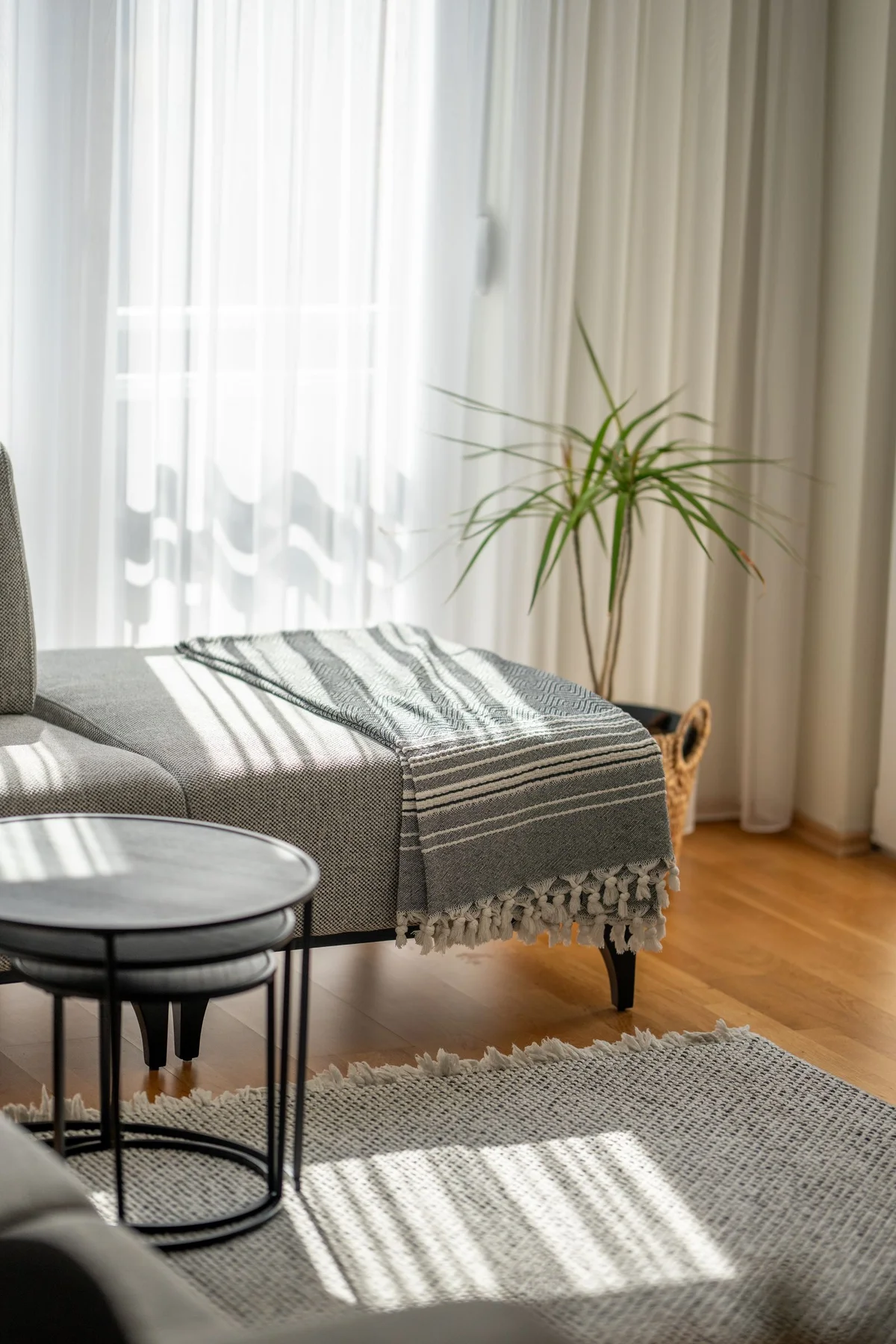
Photo: Edmond Elshani on Pexels.
Arrange a living room around the doors, seating and the actual glare pattern. Try a sofa position with a comfortable back support and a clear route before considering a symbolic compass orientation. Keep the television out of a strong reflected sun path where possible, and use coverings instead of turning the furniture into an obstacle course.
For bedrooms, preserve headboard support, circulation and sleep comfort. A west window can make the room warm in the evening, so assess exposure and coverings rather than moving the bed solely to face east. Our bedroom layout guide covers awkward doors and windows. In an office, avoid both direct screen glare and a chair placed in a passage.
A mirror can intensify an unpleasant view or bright reflection. Do not place one where late sun reflects into seated eyes or onto a screen. Use our mirror placement guide to judge what it reflects from normal viewing positions.
Softening Light Is Not the Same as Blocking Heat
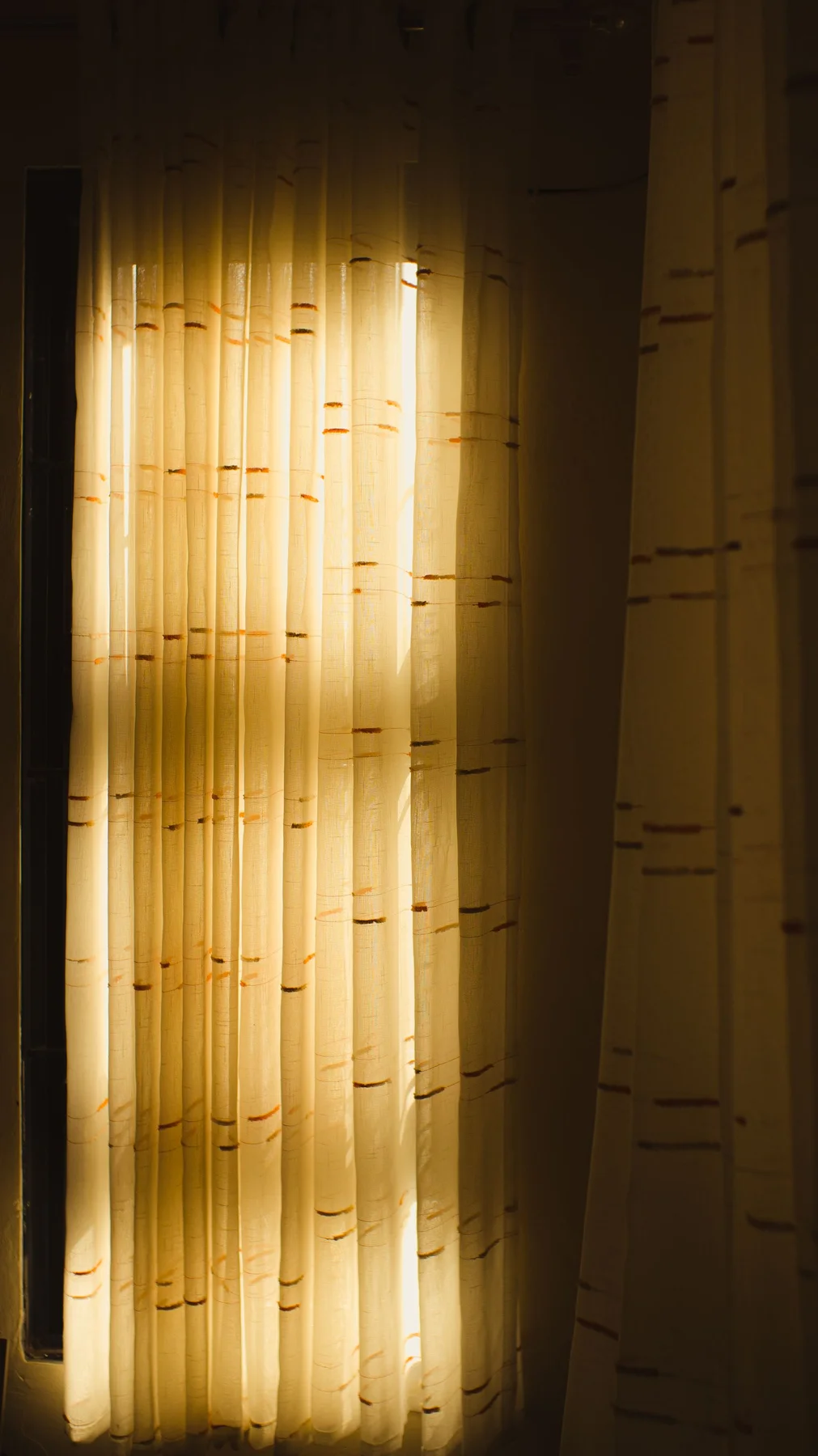
Photo: Nothing Ahead on Pexels. For stronger control, compare suitable adjustable blinds or lined curtains rather than relying on the sheer alone.
A Worked Example: Warm Brick and a Hot Afternoon Entry
Suppose the frontage has warm brick, a dark door and a small roof above the threshold. At 4 p.m., light reaches under the roof and makes the handle uncomfortable. Start with shade options appropriate to that low angle and safe access, not with a list of lucky objects.
Once the exposure is addressed, test light greige beside the brick and a restrained bronze fitting. Keep planters outside the walking line and check them for real afternoon heat tolerance. Inside, use an adjustable covering on the affected window and retain a sensible sofa position. The changes solve identifiable problems without claiming that the compass direction caused bad luck.