



Quick Answer
A south facing house can work well in feng shui, but it needs balance. The strongest fixes are often about softening harsh sun, grounding the entry, controlling glare and heat, and making sure the home still feels calm instead of overly exposed.
South facing homes do not need more intensity. They need smarter filtering and more grounding.
That is the main shift to understand. Brightness is not automatically a problem, but too much glare, heat, and exposure can make a house feel harder to settle into. This is why entry design, shade, room color, and the way light lands across the main spaces matter so much here. Feng shui front door and feng shui entryway colors are useful companion guides because the front approach often carries the strongest directional message first.
In classical feng shui language, south is connected with fire, visibility, recognition, and brightness. That can make a south-facing house feel lively and positive, especially when the entry is clear and welcoming. The mistake is adding more fire when the home already feels hot, exposed, or visually loud. In that case, the better move is balance: shade the threshold, soften the light, and give the main rooms enough grounding to hold the brightness.
What a South Facing House Needs Most
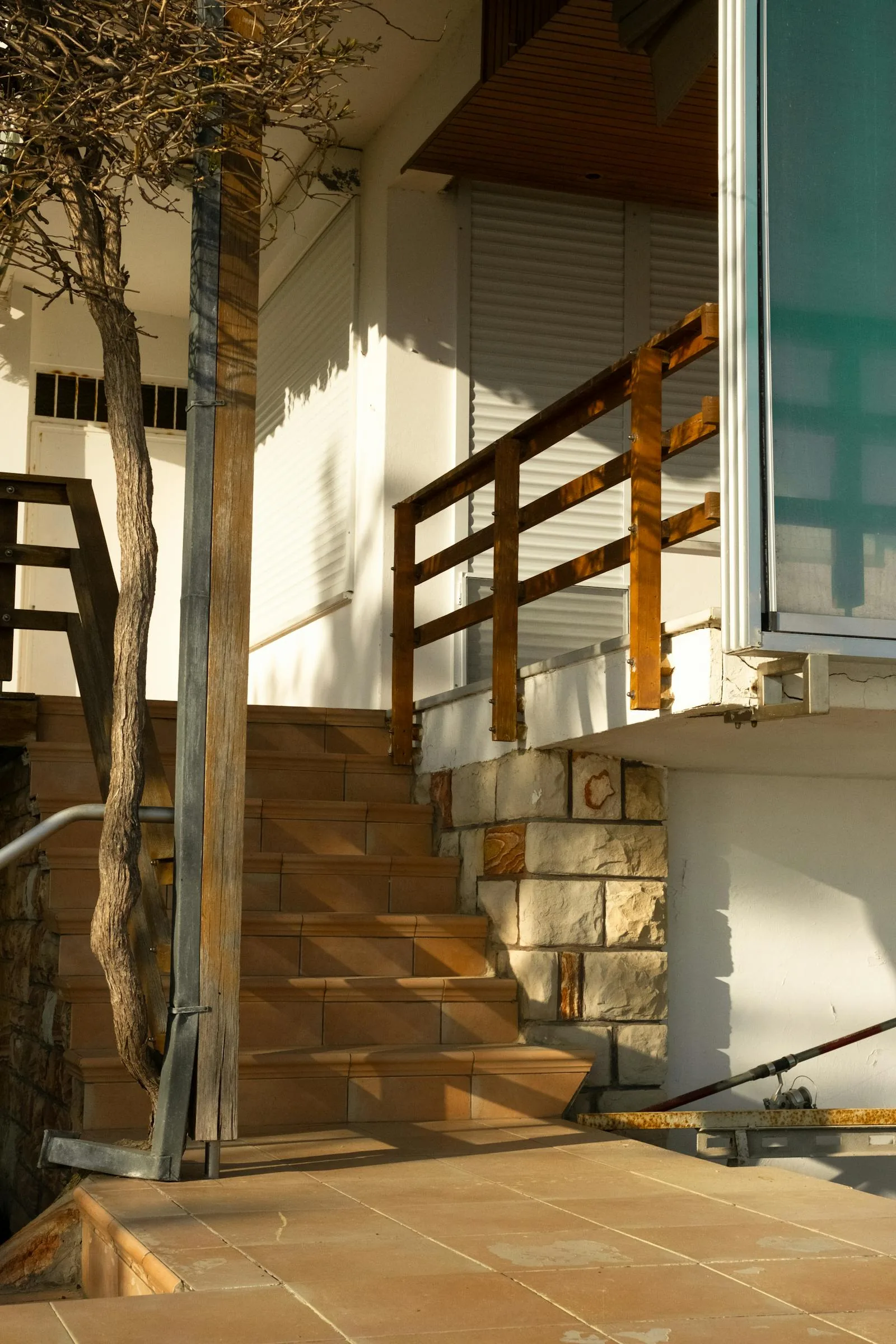
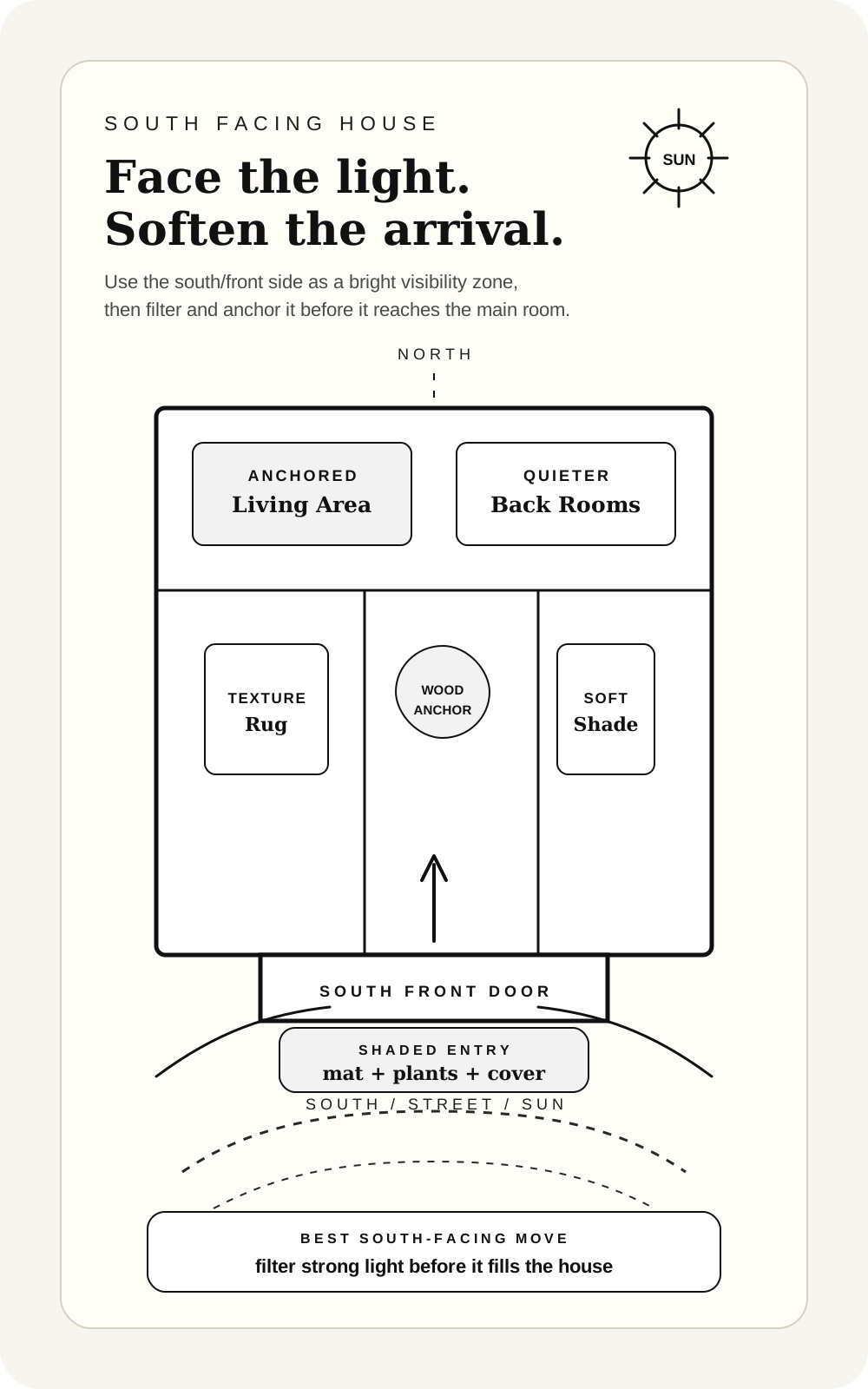
The main job is balancing the brighter, hotter, more visually exposed side of the home. That can mean deeper overhangs, curtains, plants, shade, grounded entry details, or cooler neutral color choices in rooms that receive a lot of direct sun. The point is not to kill the light. It is to make the light feel usable and welcoming.
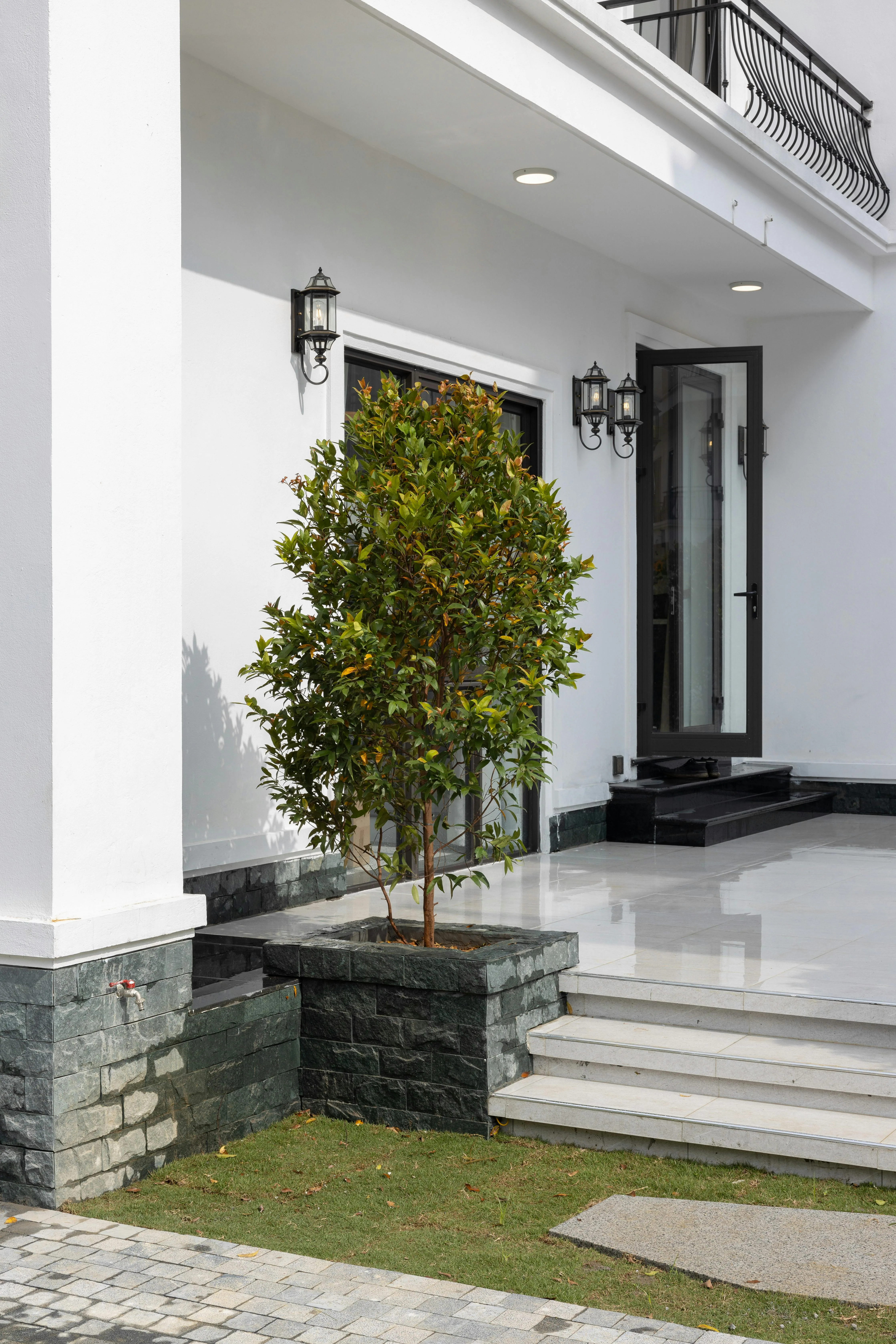
Think of the south side as a visibility zone. It can be excellent for a clear front door, a confident approach, and a home that feels open to life. But if the threshold feels bare, glaring, or too public, that same visibility starts to feel like exposure. A mat, shaded porch, healthy planters, natural wood, and warm-but-not-hot colors can make the entry feel protected without making it dull.
| South-facing challenge | What it can feel like | Best balancing move |
|---|---|---|
| Harsh direct sunlight | Glare, visual fatigue, and rooms that feel overexposed | Use sheers, layered curtains, plants, or material softness to diffuse it. |
| Extra heat at the front | An entry that feels too dry, hot, or hard | Add grounded texture, shade, and calmer color near the threshold. |
| Too much visual exposure | Less privacy and less settled arrival energy | Strengthen the approach with planters, a mat, art, or stronger entry definition. |
| Rooms that feel too bright | Brightness without softness | Use a more grounded palette, wood, textiles, and less reflective surfaces. |
How to Balance a South Facing House More Gracefully
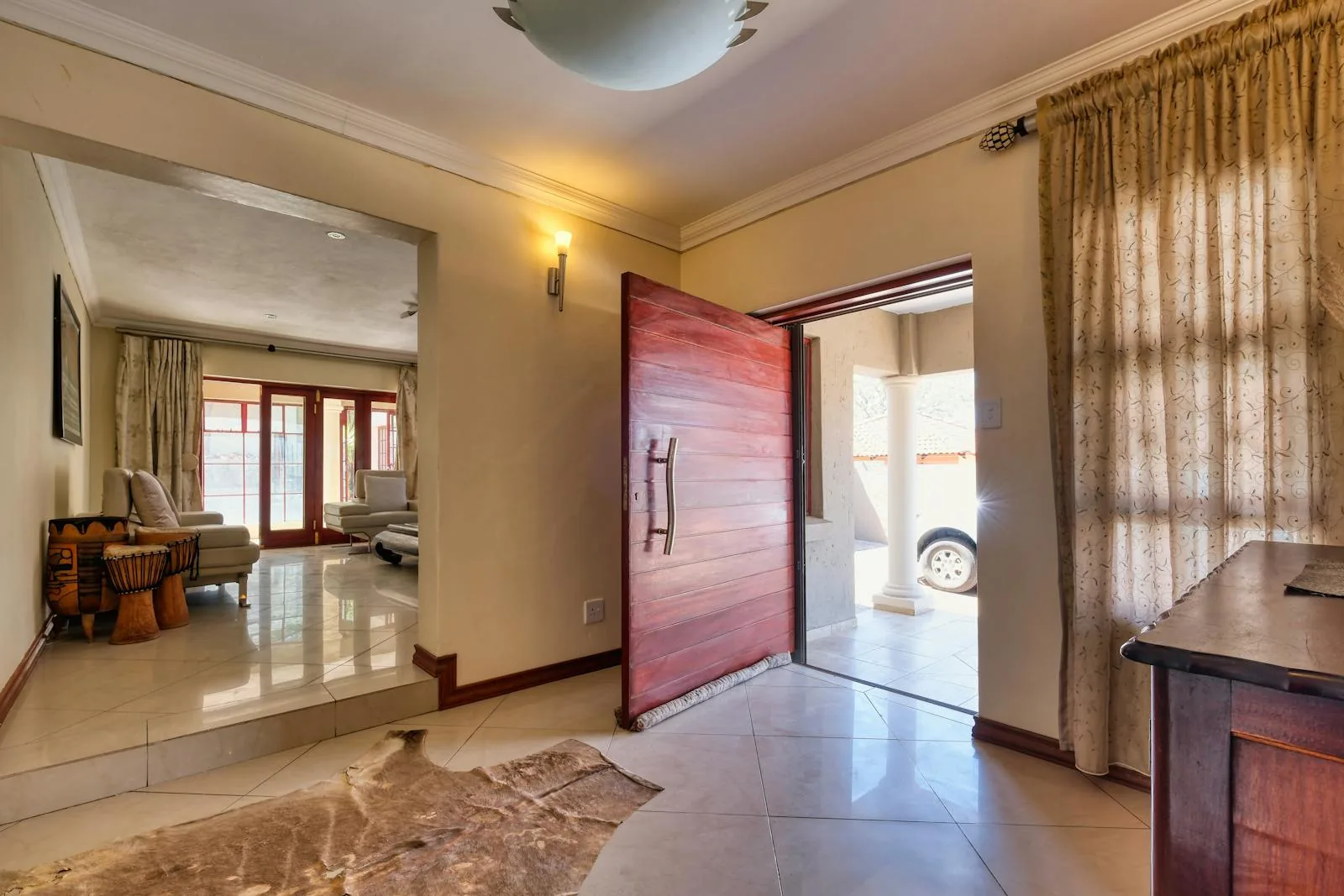
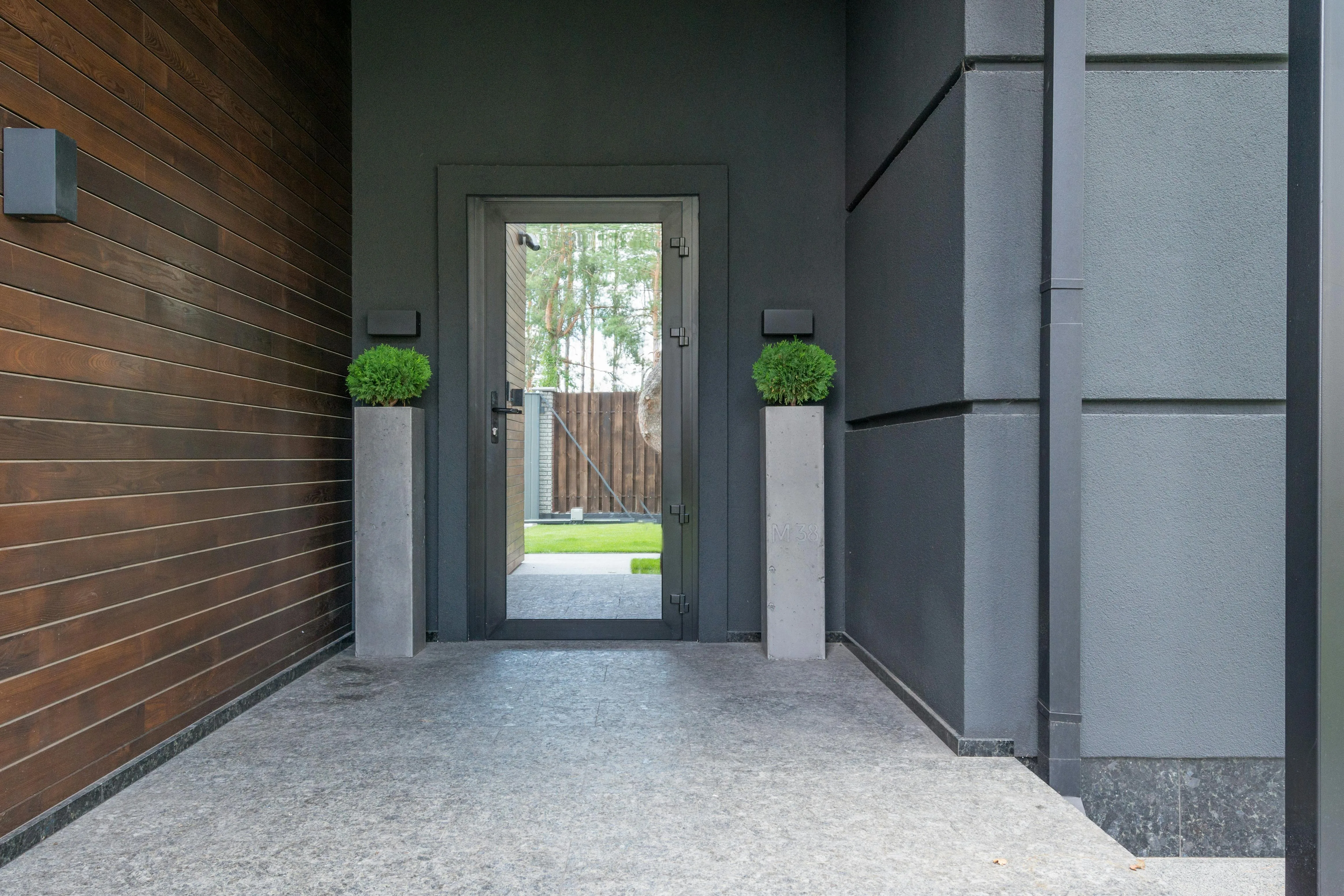
These are the fixes that make the biggest difference first.
Filter the light instead of fighting it
Ground the entry
Use cooler or quieter neutrals where needed
Watch reflective surfaces
Give the living areas a calmer anchor
Best Colors and Materials for South Facing Homes
Because south is tied to Fire in classical feng shui, color advice can get exaggerated quickly. A south-facing home does not automatically need more red, orange, or visual heat. The better question is whether the entry and main rooms already feel bright, hot, or exposed. If they do, choose colors and materials that help the fire feel steady rather than sharper.
| Direction | Best use | Why it helps |
|---|---|---|
| Warm neutrals, oat, cream, and sand | Use as the main base for walls, larger textiles, and entry surfaces. | They soften strong light without making the house feel cold or flat. |
| Wood, woven texture, and healthy green | Use through planters, benches, rugs, shades, and natural furniture. | Wood supports Fire gently while giving the entry and living areas more grounding. |
| Muted red, terracotta, or clay | Use in small accents only if the entry feels dull rather than hot. | It acknowledges Fire without turning the home visually louder. |
| Blue, black, or very watery tones | Use carefully in small cooling doses, especially in over-bright rooms. | Too much water symbolism can feel like it fights the south-facing character instead of balancing it. |
| Glossy metal, mirrors, and stark white | Use with restraint around strong sun and reflective front rooms. | These can amplify glare and make a bright home feel sharper than necessary. |
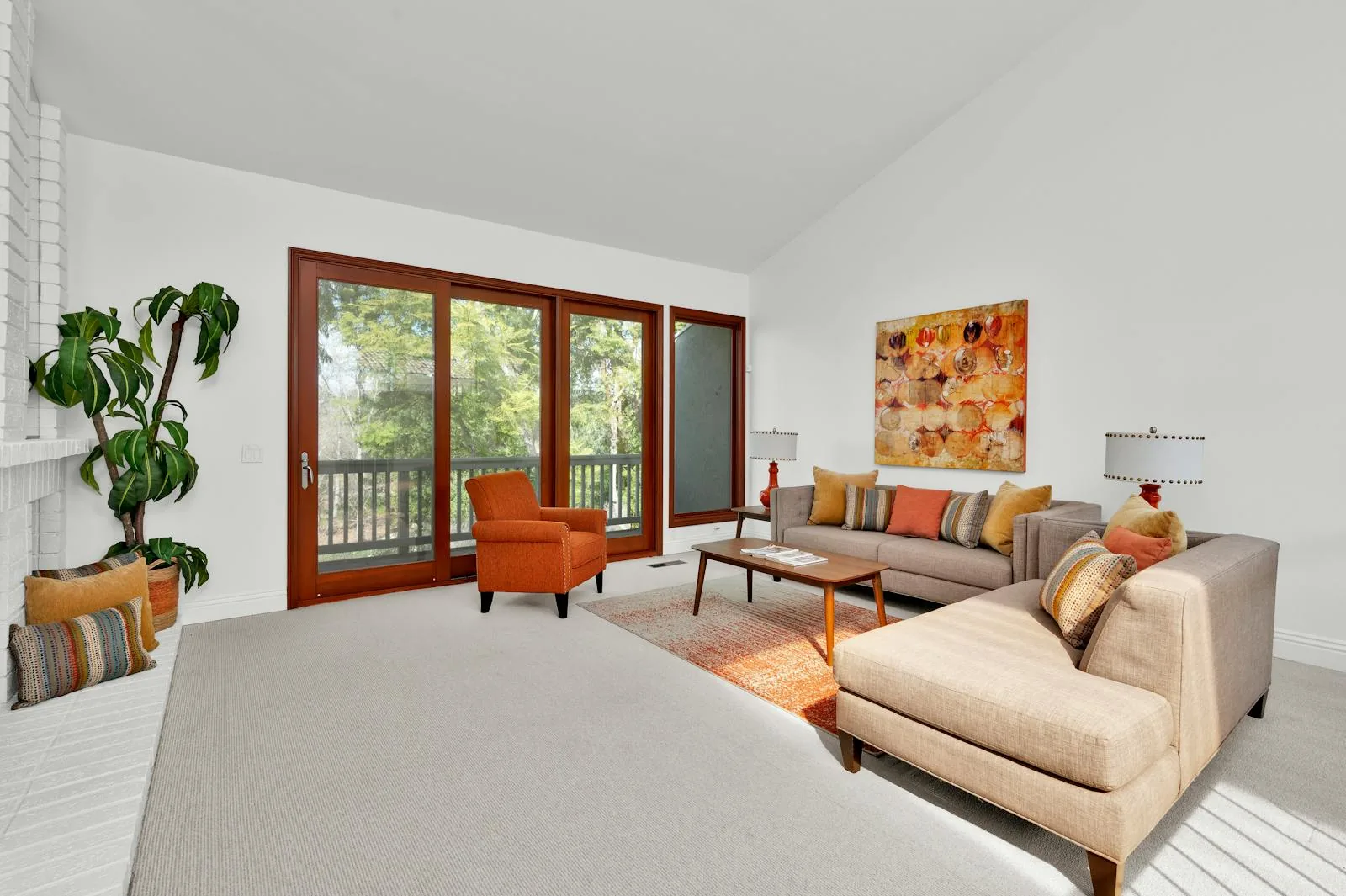
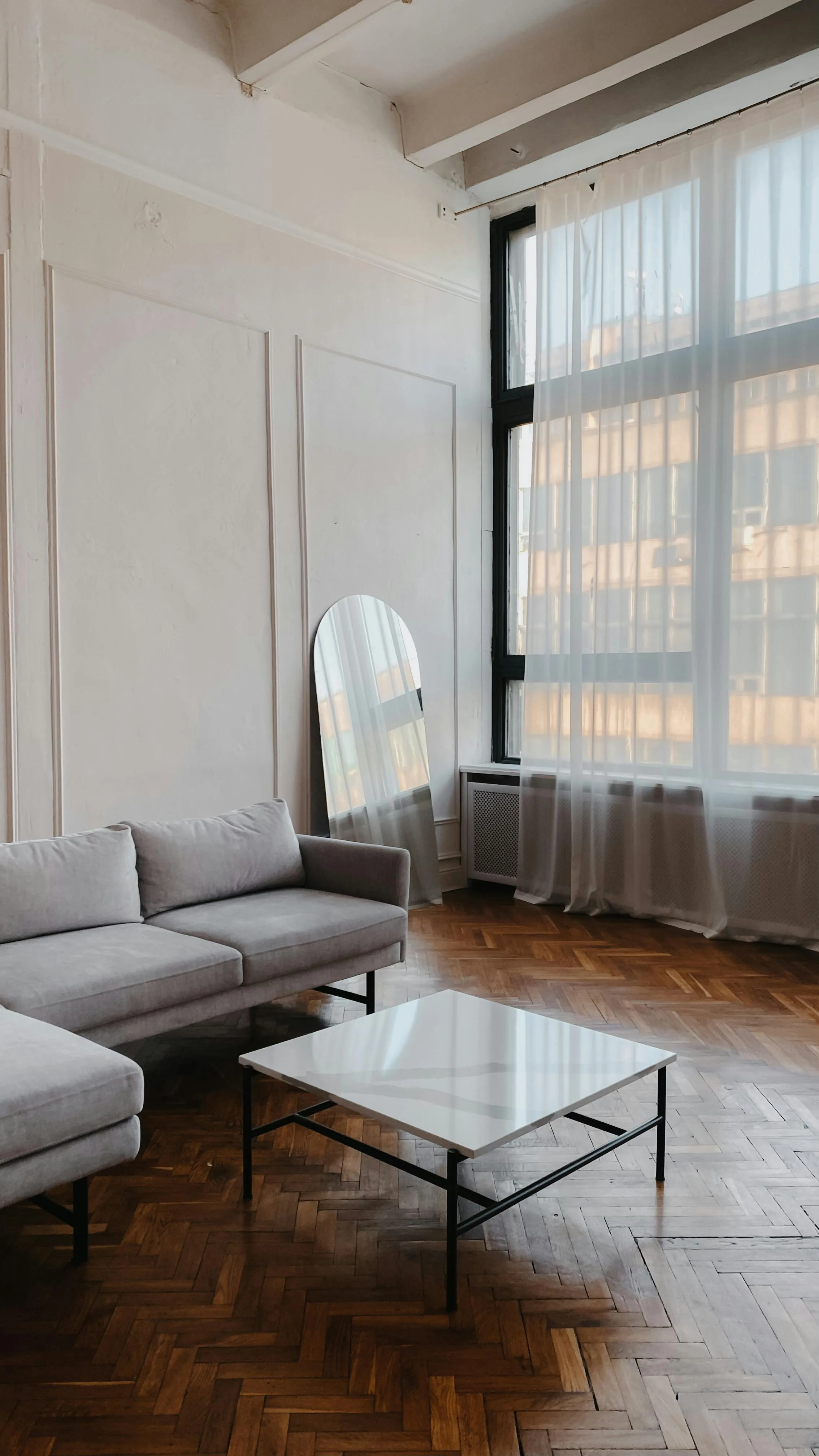
Color matters here too, but it should follow the light. If the brighter rooms already feel hot, washed out, or sharp, feng shui room colors and feng shui paint colors can help you choose a calmer base that still works with the sun instead of against it.
This is the difference between balancing fire and activating more fire. A south-facing house does not need to prove it has energy. It already has brightness, presence, and a stronger relationship to the outside world. The smarter feng shui choice is to help that fire become warm and steady: less glare, less sharp reflection, more shade, more texture, and a clearer place for people to land when they enter.
What Weakens a South Facing House
What helps
- +Use filtered light, shade, and softer textures to make bright rooms more livable.
- +Give the entry a grounded, welcoming threshold instead of leaving it visually bare.
- +Balance sun-heavy rooms with wood, rugs, upholstery, and calmer paint.
- +Let brightness feel warm and open, not glaring and overexposed.
What weakens it
- -Adding more heat through very sharp red-orange palettes everywhere.
- -Leaving the front approach too bare when it already feels visually exposed.
- -Using too many reflective surfaces in rooms that already get strong sun.
- -Treating the light as automatically good without checking how the room actually feels.
Frequently Asked Questions
Is a south facing house good in feng shui?
What is the main feng shui issue in a south facing house?
How do you balance a south facing home?
What colors are best for a south facing house in feng shui?
Does the front door matter more in a south facing house?
The Bottom Line
A south facing house works best when the brighter side of the home is balanced instead of left completely exposed. Filtering light, grounding the entry, and cooling visual heat often matter more than anything symbolic.
You do not need to dim the house into flatness. You just need to help the light land more gracefully.