




Quick Answer
The best feng shui books are the ones that help you understand how rooms feel, function, and hold energy in real life. Good books should make the home easier to read and easier to improve, not leave you with a longer list of symbolic objects to buy.
Feng shui books are worth it when they help you slow down and see the whole home more clearly.
A good feng shui book can connect the entry, bedroom, kitchen, clutter, layout, and symbolism into one calmer point of view. The best first choice depends on whether you want practical room fixes, a design lens, a clutter reset, or a more traditional foundation.
Disclosure: This article includes affiliate links. If you buy through them, we may earn a small commission at no extra cost to you.
Which Feng Shui Books Are Actually Worth Buying?
The useful ones earn their place by doing one of four jobs well. They explain the basics clearly. They connect feng shui to clutter and maintenance. They help you read interiors and layout more skillfully. Or they translate older concepts into modern homes without making every decision feel mystical.
Best first picks
| Book type | Best for | Why it helps | Best first pick |
|---|---|---|---|
| Beginner foundation | Learning the vocabulary and main room principles | It gives you a map before you start changing the home. | Buy |
| Decluttering and energy | Homes that already feel visually or emotionally heavy | It connects clutter with drag, maintenance, and emotional load. | Buy |
| Interior design and layout | Readers who care about atmosphere and room styling | It helps feng shui feel like better design rather than superstition. | Buy |
| Modern practical reads | People who want usable ideas without too much ceremony | It translates the core ideas into normal homes and daily choices. | Buy |
Choose a Book by Feng Shui Style
Feng shui books do not all teach from the same angle. Some are Western and bagua-focused, some are closer to classical direction and form ideas, and some translate feng shui into modern interior design. Knowing that difference helps you buy a book that matches how you actually want to use feng shui at home.
| Style of book | What it focuses on | Best if you want |
|---|---|---|
| Western or bagua-led | Life areas, intention, clutter, and room-by-room changes | A friendly starting point that feels easy to act on |
| Classical or traditional | Land form, direction, compass logic, yin and yang, and the five elements | More background before you trust placement advice |
| Design-led modern | Layout, circulation, sightlines, furniture placement, and atmosphere | Help with real rooms, apartments, and awkward floor plans |
| Clutter-focused | Stagnant areas, emotional backlog, maintenance, and decision fatigue | A reset before buying decor or changing furniture |
The Best Feng Shui Books to Start With
For these verdicts, I judged each book by the problem it solves best, how specific the advice feels, where it sits in the beginner-to-advanced path, and whether it gives you enough practical direction to act on. The goal is not to crown every book as amazing. It is to help you buy the one that fits your actual home problem.
The books most worth buying first
Start with the book that fits the kind of help you want most. Some are better for the basics, some are strongest for clutter, and some are more useful if you care about layout and atmosphere.
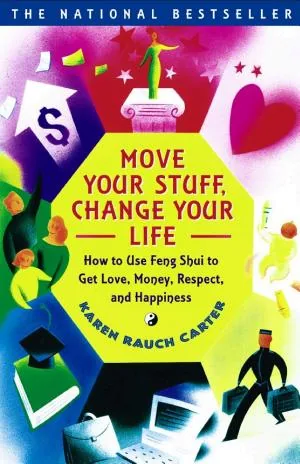
Beginner
Move Your Stuff, Change Your Life by Karen Rauch Carter
Karen Rauch Carter
Our verdict: I see this as the most approachable first book when someone wants feng shui to feel doable within a normal week. Its strength is not academic depth; it is momentum. The tone is upbeat, the examples are easy to remember, and the room-by-room approach makes the subject less intimidating if you have never used a bagua map or thought about intention in a room. If you want one book that helps you start moving furniture, clearing corners, and noticing how your home reflects your daily life, this is the friendliest entry point on the list.
What readers seem to love: Readers often respond to how easy it is to apply, how humorous and encouraging the voice feels, and how often they come back to it as a reference instead of reading it once and forgetting it.
Best for: Beginners who want a motivating first read that makes the subject feel approachable quickly.
Where it may not fit: It leans Western, self-help oriented, and optimistic. If you want a classical or technical feng shui reference, this may feel too light or too personality-driven.
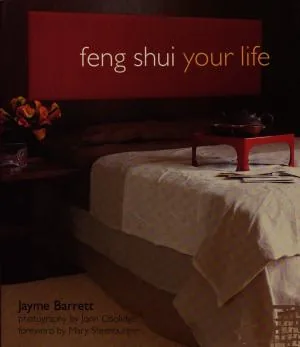
Modern
Feng Shui Your Life by Jayme Barrett
Jayme Barrett
Our verdict: I would choose this when I want feng shui to feel connected to beauty, routine, and the emotional tone of the home. It is more lifestyle-led than technical, and that is both its charm and its limit. The book is good at helping you think about flowers, color, clutter, rituals, and rooms as part of one lived environment. It works especially well if you want a softer book you can browse, mark, return to, and use for inspiration while decorating or settling into a new home.
What readers seem to love: Readers tend to praise the clear advice, beautiful photos, peaceful mood, and the way it makes feng shui feel less overwhelming. Some also like that it connects the home to inner balance, not just furniture placement.
Best for: Readers who want a modern, softer, more lifestyle-friendly introduction to feng shui.
Where it may not fit: Some suggestions can feel too spiritual, decorative, or idealized for small ordinary homes. If you dislike crystals, fountains, or polished lifestyle photography, you may prefer a more grounded title.
Declutter
Clear Your Clutter with Feng Shui by Karen Kingston
Karen Kingston
Our verdict: I would buy this before any decor-focused feng shui book if the home already feels heavy. It is not trying to teach every placement rule or make your rooms prettier. It is trying to make you understand why piles, storage guilt, unfinished decisions, and visual backlog change the emotional weather of a home. That narrow focus is what makes it effective. If you keep postponing the same closets, boxes, papers, and sentimental items, this book gives the push that a prettier decorating guide will not.
What readers seem to love: The big recurring strength is motivation: this book makes people feel ready to clear, donate, sort, and finally deal with clutter they had ignored for years. It also has a large long-term reader base, which matters for a clutter title.
Best for: Anyone whose home feels blocked, crowded, emotionally heavy, or hard to reset.
Where it may not fit: It is not the right first pick if you want floor plans, layout diagrams, furniture guidance, or a modern interiors lens. Some readers also find the body-and-energy sections more eccentric than the practical clutter advice.
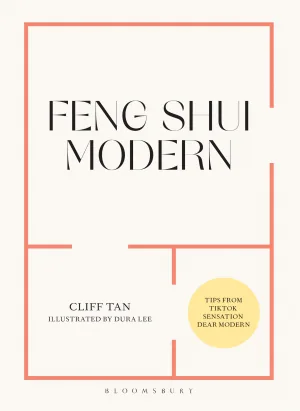
Design
Feng Shui Modern by Cliff Tan
Cliff Tan
Our verdict: I think this is the best fit if you came to feng shui through layout problems rather than spirituality. Cliff Tan's architect brain shows: the advice keeps coming back to doors, sightlines, command position, circulation, support, and why a room does or does not feel comfortable. That makes it more useful for apartments, awkward bedrooms, desks, sofas, and real floor-plan decisions. Among these picks, it feels especially aligned with the way modern readers look for feng shui help now.
What readers seem to love: Readers often mention the clear explanations, illustrations, and practical furniture logic. Many like that it makes feng shui feel less mysterious and more like common-sense spatial design.
Best for: Readers who care about room layout, floor plans, design logic, and contemporary homes.
Where it may not fit: It is not a deep classical handbook, and some readers want more detail or more flexible fixes when a layout cannot realistically be changed.
Practical
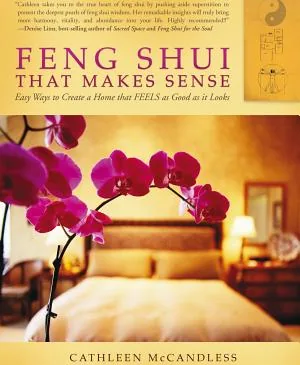
Feng Shui That Makes Sense by Cathleen McCandless
Cathleen McCandless
Our verdict: I like this as the skeptical reader's feng shui book. It spends more time explaining why a room feels safe, tense, supported, exposed, balanced, or irritating, and less time asking you to accept every cure at face value. The best part is the way it demystifies form, furniture placement, color, room feeling, and common myths without stripping the subject of meaning. If you want feng shui to sit closer to psychology, comfort, and practical design, this is one of the most trustworthy picks.
What readers seem to love: Readers often praise the common-sense tone, the myth-debunking, the before-and-after style sketches, and the feeling that they can still use their own taste instead of decorating by fear.
Best for: Readers who want a practical, room-feeling-first explanation that stays grounded.
Where it may not fit: It is not the most visually polished or trend-aware book. Some readers also find later sections less grounded than the strongest early chapters.
Reference
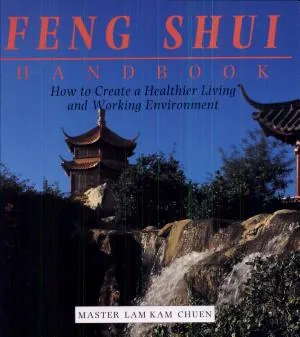
The Feng Shui Handbook by Master Lam Kam Chuen
Master Lam Kam Chuen
Our verdict: I would treat this as a second-stage book, not the easiest first purchase. Its value is that it feels closer to a traditional handbook, with more emphasis on forces, natural harmonies, directions, shapes, and the underlying philosophy behind placement. That gives it a different weight from the modern lifestyle books. It is useful when you already know the basic room advice and want a reference that feels more rooted, slower, and less blog-like.
What readers seem to love: Readers who like it tend to value the illustrations, the cultural and philosophical framing, and the feeling that it explains principles rather than only handing out quick fixes.
Best for: Readers who want a more traditional reference book after the basics start making sense.
Where it may not fit: It can feel dry, older, and less immediately practical for small modern rooms. If you want quick decorating actions, start with one of the beginner or modern titles first.
Which Feng Shui Book Should You Buy First?
The smartest first purchase depends on your actual problem. If you are new and want something that pulls you in, start with Move Your Stuff, Change Your Life. If your house feels clogged with backlog and emotional drag, start with Clear Your Clutter with Feng Shui. If you are mostly interested in layout and room planning, start with Feng Shui Modern. If you want a more grounded, sensible explanation that still feels practical, start with Feng Shui That Makes Sense.
A better way to choose
- +Buy one beginner book if you want the broad framework first.
- +Choose a decluttering title if the home already feels heavy or visually stuck.
- +Choose a design-led book if your real goal is better room atmosphere and layout.
- +Use the book that matches your current home problem, not the one that sounds most mystical.
What wastes money
- -Buying several books at once and reading none of them deeply.
- -Choosing only by spiritual promise instead of actual room usefulness.
- -Treating books as substitutes for fixing obvious clutter, light, or layout issues.
- -Collecting titles without deciding what you want the home to change first.
If you want to pair your reading with practical site guides right away, the best follow-ups are feng shui for beginners, feng shui rules, and does feng shui work. Those make it easier to turn a book into a real next step instead of just one more thing you agree with in theory. If you want a more design-led next move after reading, feng shui home decorating and feng shui bedroom layout are the strongest companion articles.
Frequently Asked Questions
What are the best feng shui books for beginners?
Are feng shui books worth buying?
What is the best feng shui book for clutter?
Do feng shui books help with interior design too?
The Bottom Line
The best feng shui books are the ones that help you understand the home more clearly and make better room decisions with less confusion. Start with the book type that matches your current problem: basics, clutter, design, or modern practical guidance.
One useful book that you actually work through can do more than a stack of titles you only skim.