



Quick Answer
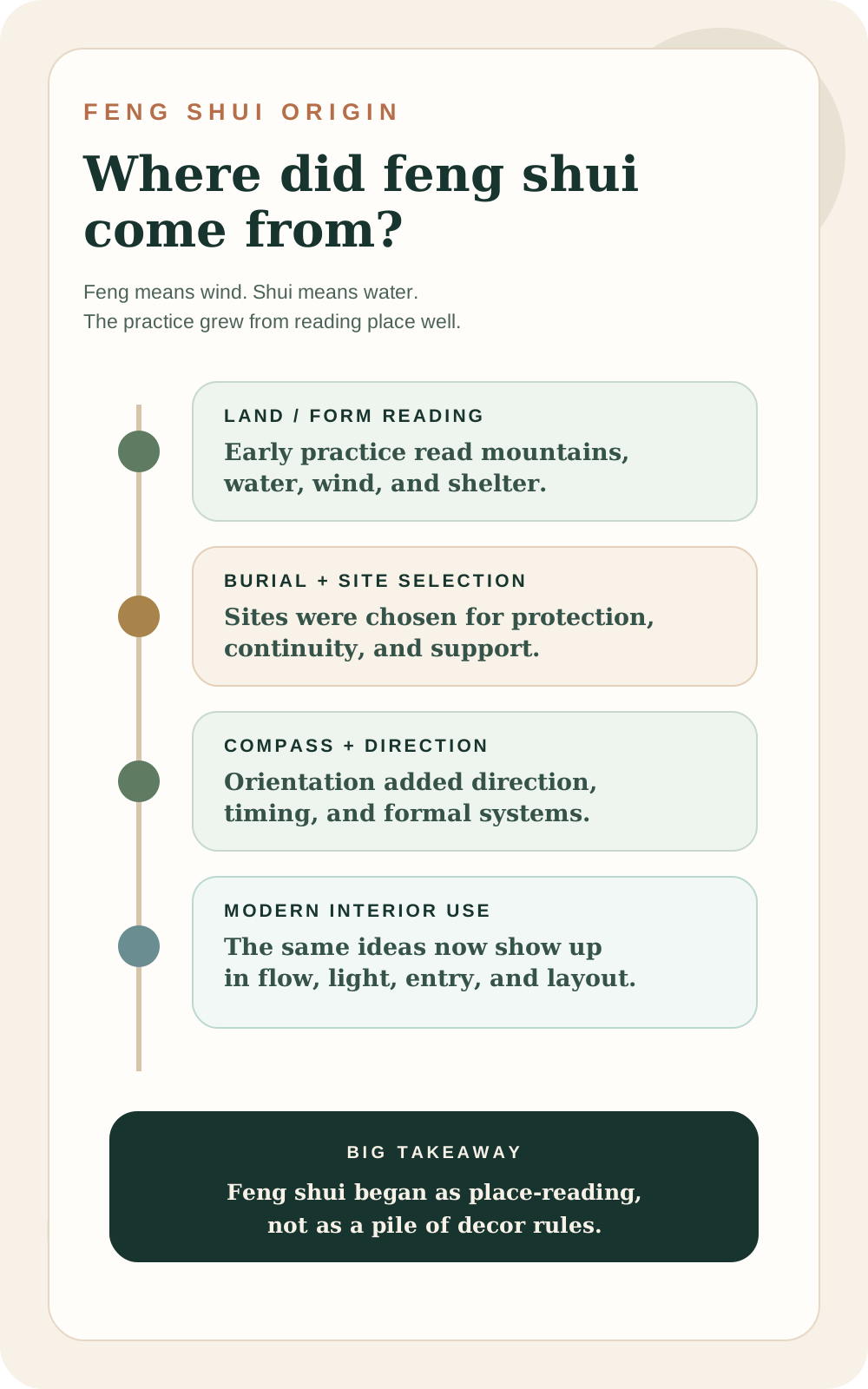
In broad historical terms, feng shui developed in China as a way of reading land, orientation, wind, water, and shelter. Before it was used to talk about bedrooms and decor, it was mainly concerned with choosing sites that felt more protected, more balanced, and more supportive for human life.
The origin of feng shui matters because it explains what the practice was originally trying to solve. At its oldest layers, feng shui was more about environmental reading than about collecting lucky objects.
The name also gives a useful clue: feng means wind, and shui means water. The phrase points back to the movement of air and water through a landscape, and to the older question of whether a place felt protected, nourished, and well arranged for life.
That is why modern feng shui makes more sense when you see it as a way of understanding place. The older concern was not, "What decor item should I buy?" It was, "Is this site protected, well oriented, and likely to support life?" If you want the modern version of that question, does feng shui work and feng shui for beginners show how those same ideas now play out inside real homes.
This page is written as a simplified historical overview rather than a school-specific timeline. Exact dating, terminology, and lineages can be framed a little differently by historians, classical practitioners, and modern popular writers, so the goal here is to stay close to the broad historical picture rather than present one rigid version as the only one.
Where Feng Shui Started
In broad historical terms, feng shui developed within a wider Chinese concern with how land and environmental conditions affect human life. Early feng shui traditions paid attention to shelter, orientation, terrain, water, and the relationship between a site and its surroundings. It came to be used in choosing places for homes, settlements, and burial sites because place was understood to shape continuity, comfort, and long-term wellbeing.
| Early concern | Why it mattered | Modern home translation |
|---|---|---|
| Shelter and protection | People wanted sites that felt safer and less exposed to harsh conditions. | Today this shows up in protected bed placement, calmer entries, and stronger room backing. |
| Orientation and direction | Sunlight, climate, and seasonal exposure shaped how a place felt and functioned. | Today it helps explain why room facing, glare, and natural light still matter. |
| Water and land form | Movement, fertility, and the shape of the terrain affected how supportive a site seemed. | Today it survives as attention to flow, path clarity, and how movement works through space. |
| Long-term harmony | Site choice was tied to continuity, inheritance, and the broader feeling of support. | Today it shows up in the idea that the home should feel stable, usable, and easy to maintain. |
How Feng Shui Developed Over Time
The history is not one neat straight line, but this compact timeline gives the useful beginner shape. Feng shui moved from reading land and protective forms, into site selection and burial placement, then into more structured compass and direction systems, and eventually into the modern home advice most readers encounter today.
| Development | What it focused on | Why it still matters |
|---|---|---|
| Land/form reading | Reading mountains, water, wind exposure, shelter, and the shape of the surrounding site. | This is the root of modern ideas about backing, protection, flow, and how exposed a room feels. |
| Burial and site selection | Choosing graves, homes, and settlements that felt supported by the surrounding land. | It explains why feng shui is concerned with continuity, stability, and long-term support. |
| Compass and direction systems | Adding orientation, direction, timing, and formal methods to the reading of place. | This is where compass-based ideas, facing direction, and directional analysis become easier to understand. |
| Modern interior translation | Applying older place-reading ideas to rooms, furniture layout, light, entry quality, and daily use. | It keeps modern feng shui grounded in environment instead of turning it into random decor rules. |
A few named anchors make the history easier to follow. The Book of Burial, often associated with Guo Pu, is one of the best-known classical references for the idea that wind, water, land form, and site choice affect how qi gathers or disperses. Later approaches are often grouped into Form school and Compass school language: one reads visible land shape and protection, while the other adds direction, timing, and tools such as the luopan compass.
| Historical anchor | Why it matters | Modern translation |
|---|---|---|
| Book of Burial and Guo Pu | Often cited in classical discussions of qi, burial, wind, water, and site quality. | It keeps feng shui tied to place-reading rather than only interior styling. |
| Form school | Focuses on land shape, shelter, backing, water, and how exposed or protected a site feels. | This survives in modern advice about backing, room protection, and softer flow. |
| Compass school and luopan | Adds direction, orientation, timing, and a more formal reading method. | This helps explain facing direction, bagua discussions, and directional house advice. |
| Modern Western feng shui | Translates older ideas into room layout, entry quality, furniture placement, and decor. | It is easiest to use well when it stays connected to flow, support, light, and daily life. |
The major shifts that shaped feng shui
At a high level, feng shui became more layered over time rather than staying only a simple landscape-reading practice.
It began with land and form
Site choice carried practical and symbolic weight
Compass and direction systems added structure
Modern popular feng shui pulled the logic indoors

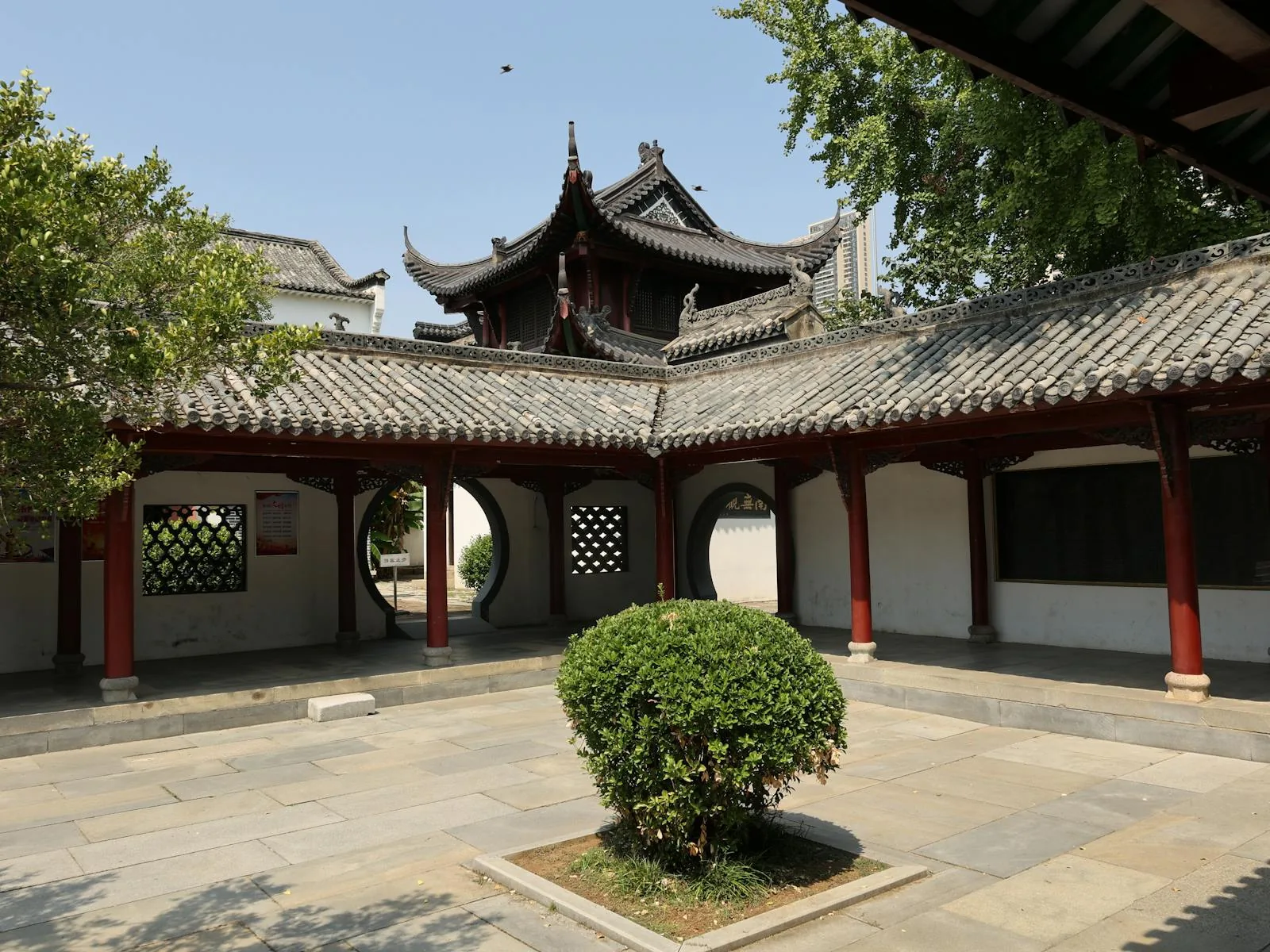
This is also why modern feng shui tends to work best when it stays grounded in environment. The strongest parts of the practice still care about entry, orientation, backing, circulation, light, and the relationship between people and place. That is the same practical thread you can still see in feng shui rules, feng shui bedroom layout, and feng shui front door.
Why Feng Shui Origin Still Matters Today
What the origin helps you remember
- +Feng shui is fundamentally about environmental relationships, not just lucky objects.
- +Place, orientation, and movement have always mattered more than decorative superstition.
- +Modern room advice makes more sense when you connect it back to support, shelter, and flow.
- +The practice becomes clearer when you see it as a way of reading how a space affects life.
What it helps you avoid
- -Reducing feng shui to a shopping list of cures with no attention to the room itself.
- -Forgetting that outdoor setting, site quality, and direction were part of the original logic.
- -Treating every symbolic rule literally while ignoring layout, light, and maintenance.
- -Assuming feng shui began as a modern decorating trend.

A Note on Feng Shui History
Feng shui history is not always told in one neat timeline. Historians, classical practitioners, and modern popular writers sometimes use different dates, school names, and terminology. For a deeper history, it helps to compare more than one source rather than treating a single summary as the final word.
If you want a firmer historical starting point, these are useful references:
- Encyclopaedia Britannica: feng shui for a concise overview of origins, classical schools, and later development.
- Ole Bruun, An Introduction to Feng Shui on WorldCat for an academic introduction to Chinese origins, meanings, and later interpretations.
- Stephen Skinner, Feng Shui History on Google Books for a more detailed English-language historical timeline.
Frequently Asked Questions
Where did feng shui come from?
Was feng shui originally about interior design?
Why does feng shui use compass and direction ideas?
Why does the origin of feng shui still matter today?
The Bottom Line
In broad historical terms, feng shui developed in China as a way of understanding how land, direction, shelter, and environmental balance affect human life. Its roots are in place-reading, not product collecting.
That origin still matters because the clearest modern feng shui advice still respects environment first: better orientation, better flow, better support, and better daily use.