



Quick Answer
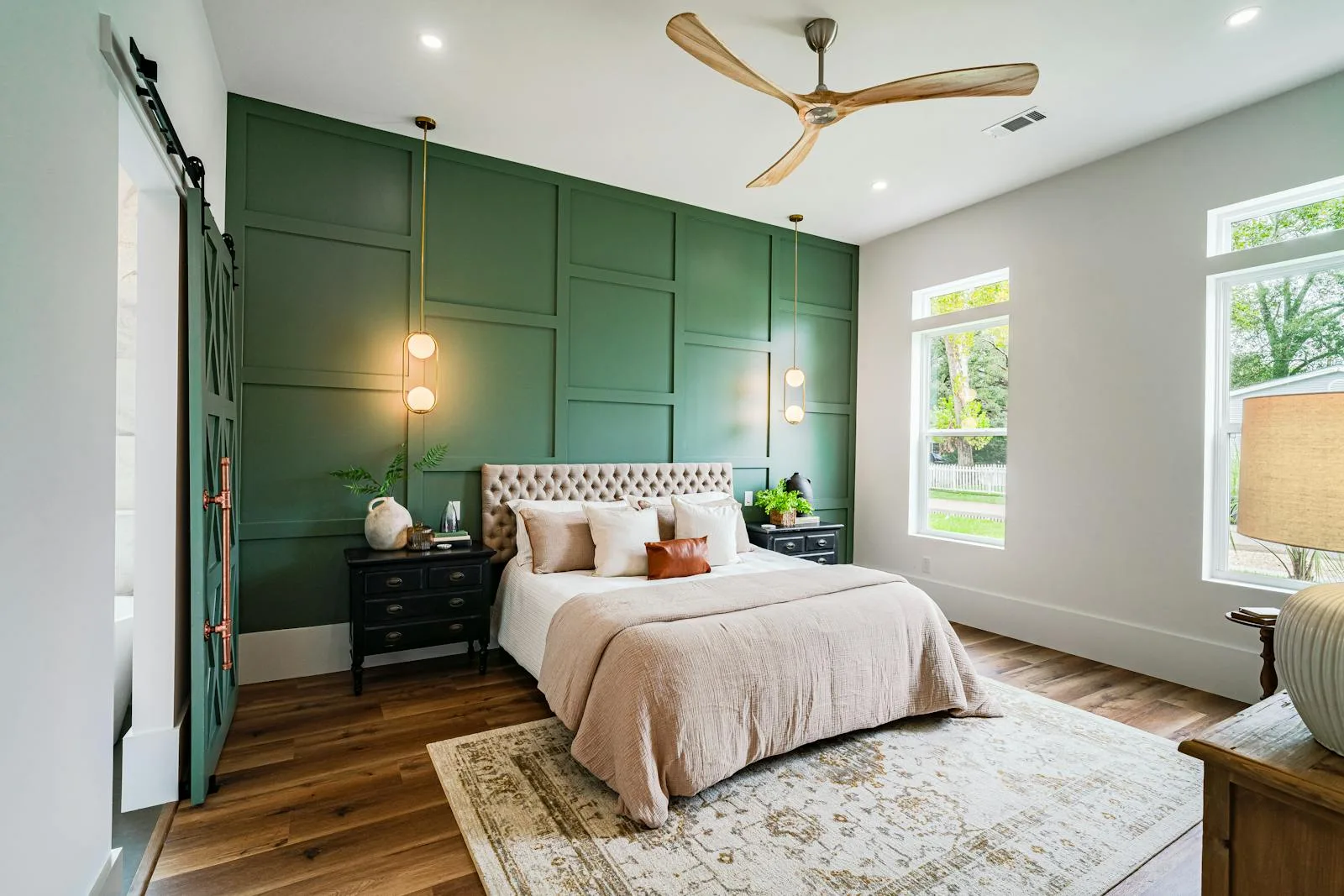
If you want one feng shui color for health, soft green is the easiest place to start. But a healthier-feeling room comes from a palette: soft green, warm beige, cream, and quieter blue-green or wood support working together.
Health color works best when the room feels restorative, breathable, and easy to live in instead of cold, sharp, or overly themed.
This is why a single symbolic color rarely solves the whole problem. A room feels better because the palette calms the eye and the body together. Softer green can suggest renewal, beige can make the room feel stable, cream keeps things lighter, and quieter blue-green can cool a room that feels too hot or visually tense. For broader palette planning, feng shui color palette ideas covers the full room-by-room approach.
The Colors That Feel Most Health-Supportive
The easiest health-supportive color directions
Think of these as the most reliable palette families rather than strict symbolic rules.
Soft green
Renewing and gentle
Soft green + Cream + Warm oak
Best when the room needs life, calmer energy, and a more restorative feel without getting loud.
Warm beige
Settled and supportive
Warm beige + Mushroom + Ivory
A strong base for rooms that should feel soothing, grounded, and easy on the eyes every day.
Cream
Breathable and clear
Cream + Beige + Sage
Helpful when the room needs lightness without the sharpness of a bright clinical white.
Quiet blue-green
Cooling relief
Quiet blue-green + Greige + Moss
A good support tone in bright rooms that need calm and a little visual exhale without turning icy.
Use Wood and Earth Without Making the Room Feel Themed
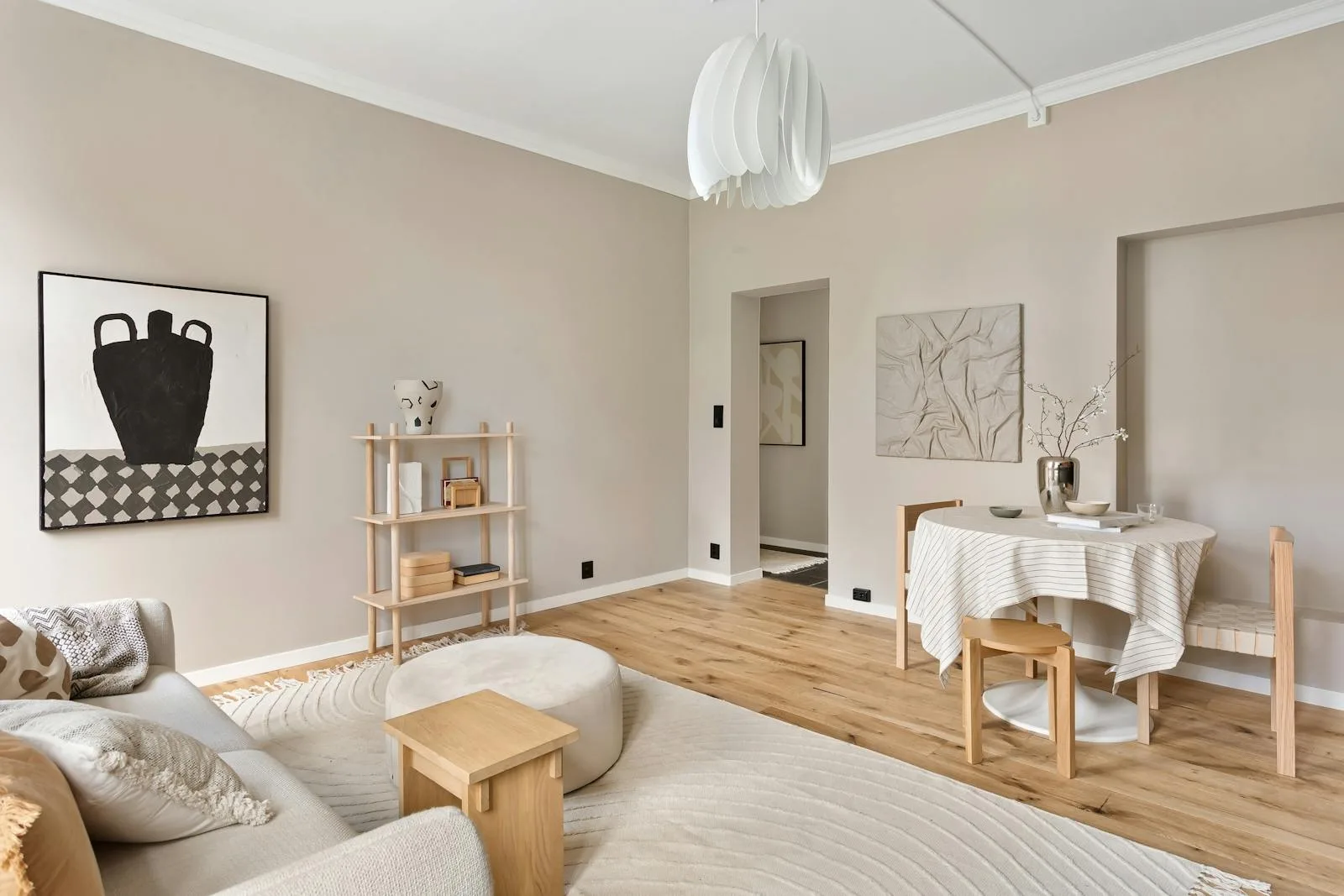
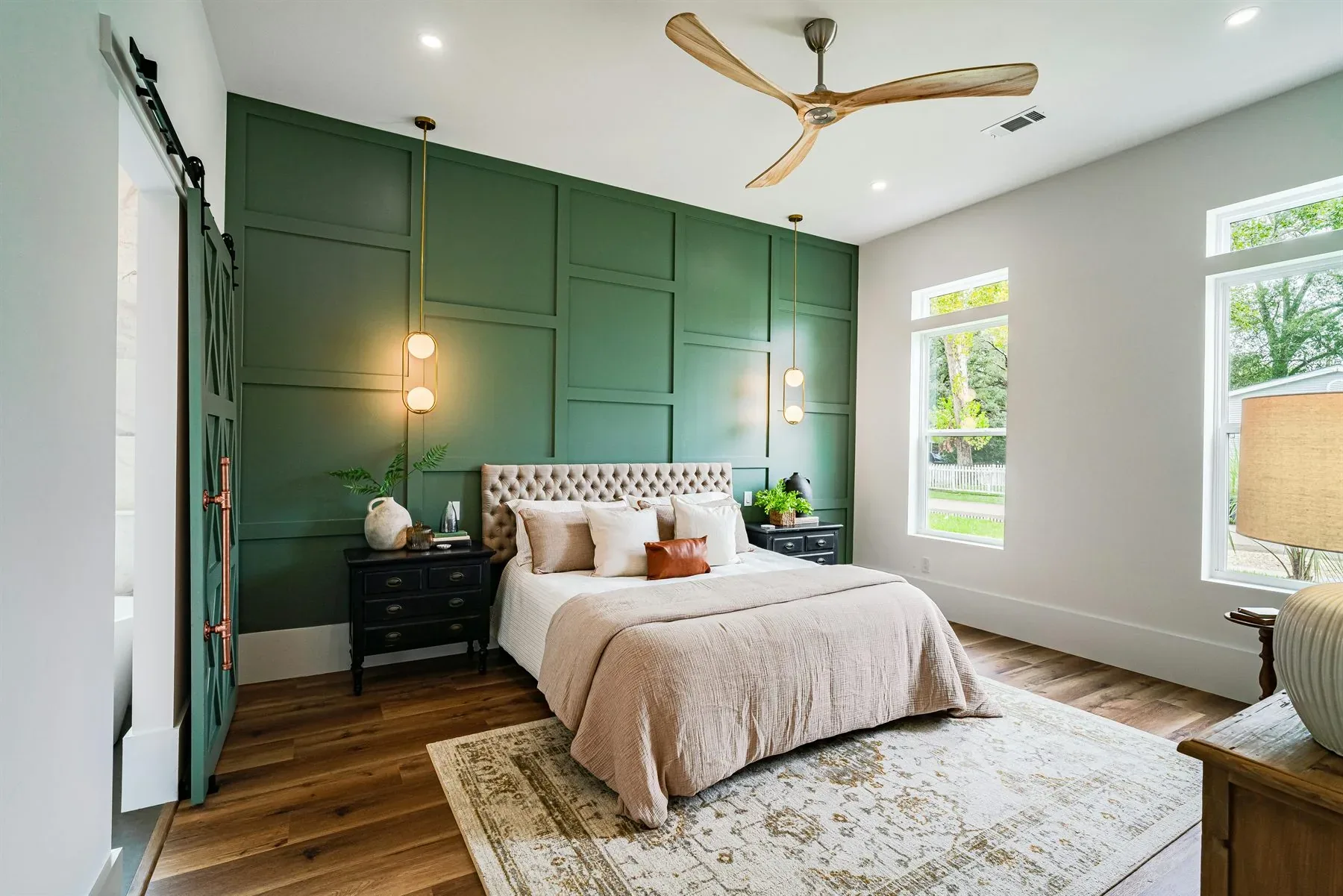
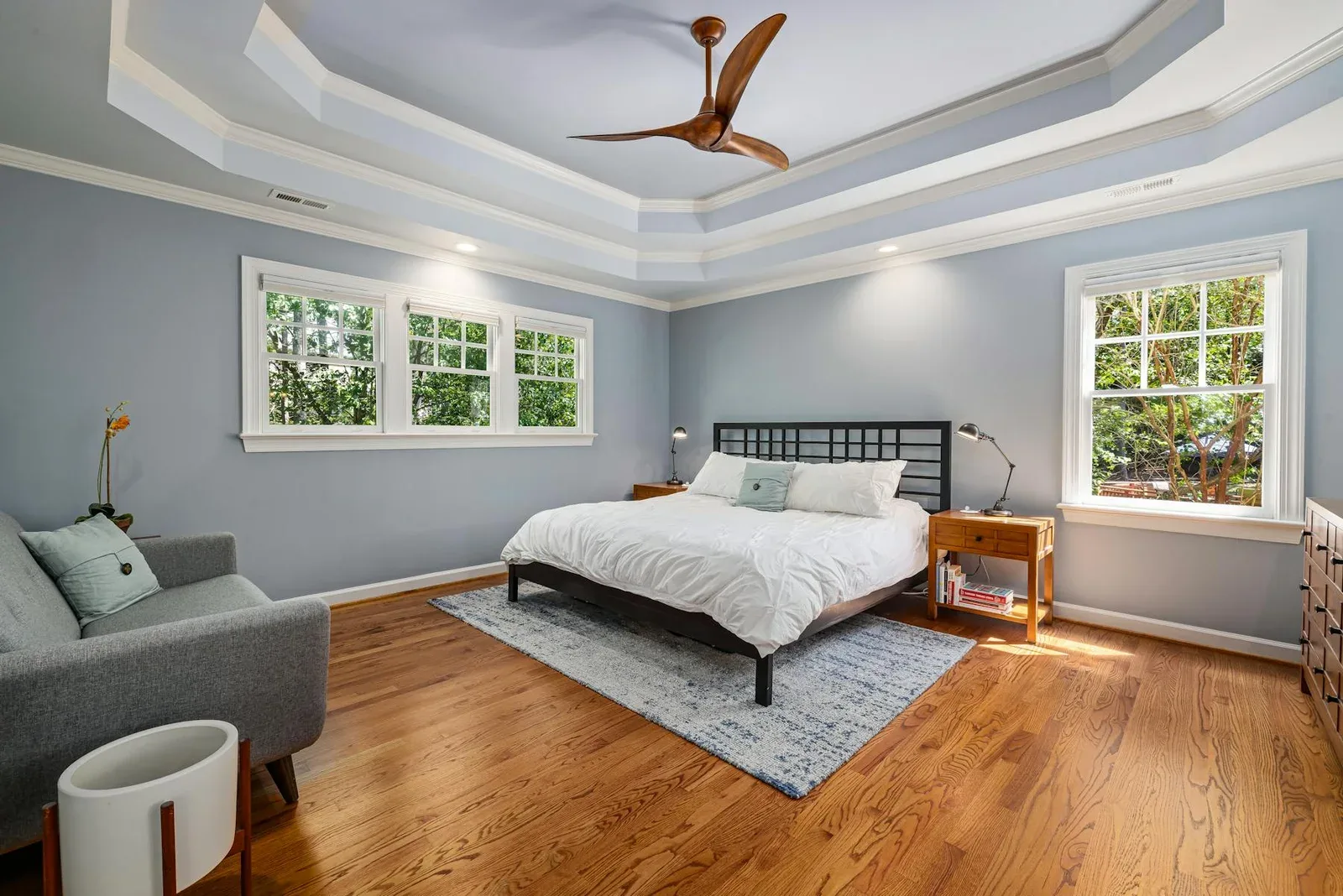
In many feng shui systems, health is tied to the family and health area of the Bagua, with Wood energy playing a major role. That is why soft green, healthy plants, wood tones, and natural texture make sense here. Earth colors such as beige, cream, taupe, and mushroom help the palette feel steadier, so the room does not become too leafy or visually busy.

Build the Palette So the Room Still Feels Calm
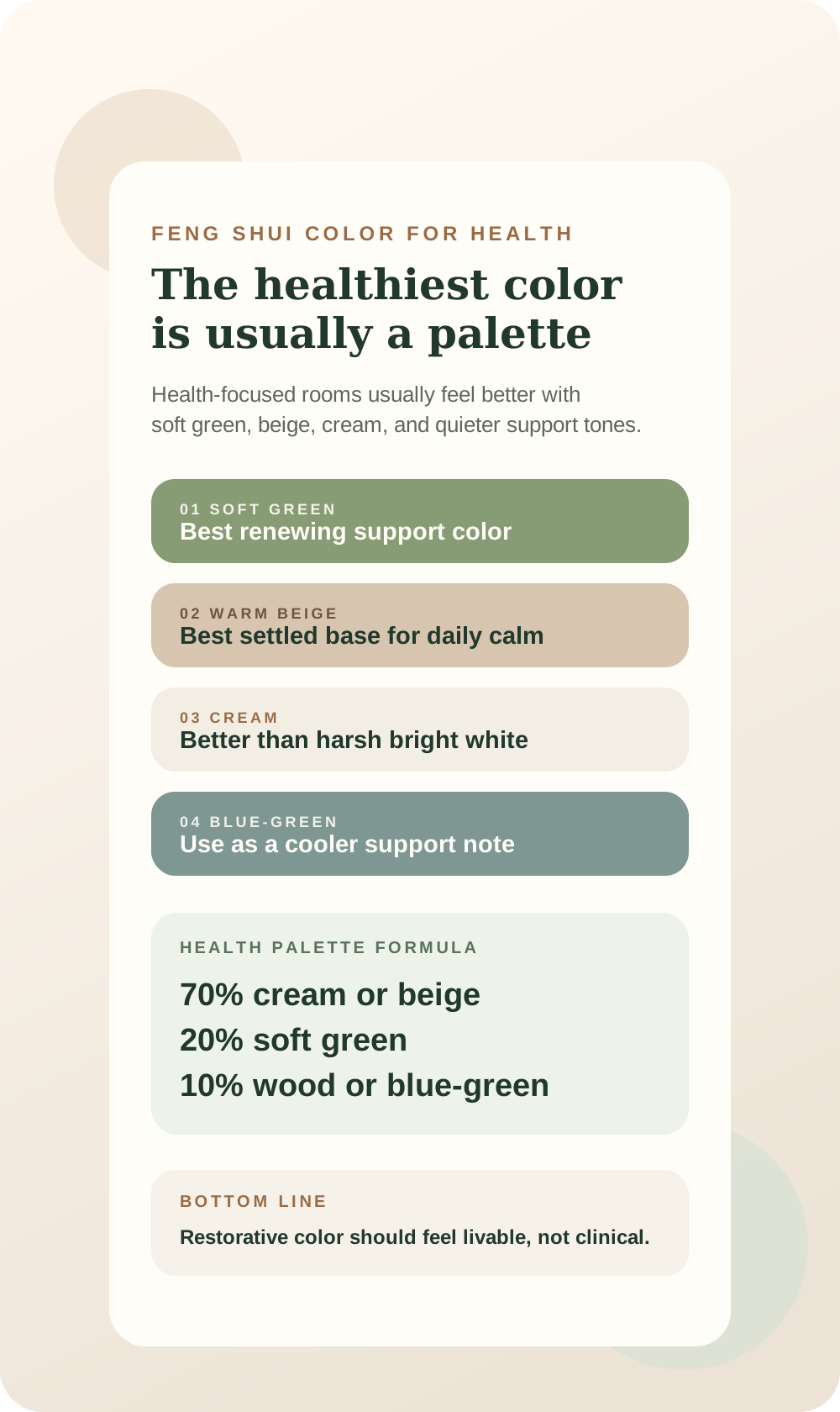
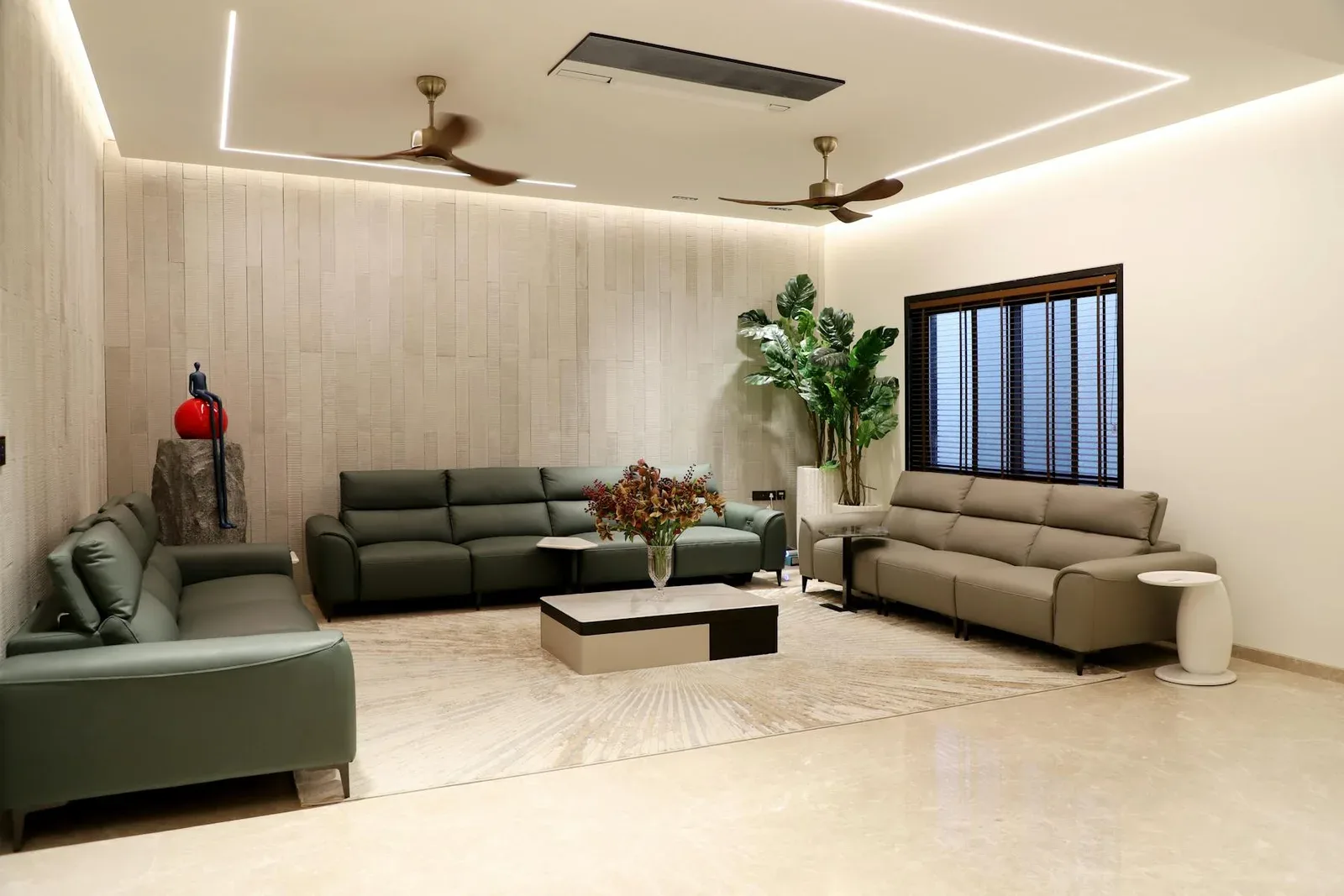
The health-palette formula that works best
70% base
Warm beige or cream
Use the softest tone on the biggest surfaces so the room feels settled and breathable.
20% support
Soft green or mushroom
Let the room gain its restorative mood through one greener or earthier support layer.
10% accent
Wood, blue-green, or clay warmth
Keep the deepest color smaller so the room gets depth without losing calm.
Give each health color one job
Best base color
Cream or warm beige
The base should make the room feel clean and breathable without turning harsh or clinical.
Best support color
Soft green or mushroom
This is where the room gets its restorative mood and natural stability.
Best accent color
Blue-green, oak, or clay warmth
A smaller accent keeps the room from feeling flat while still preserving a calm health-focused mood.
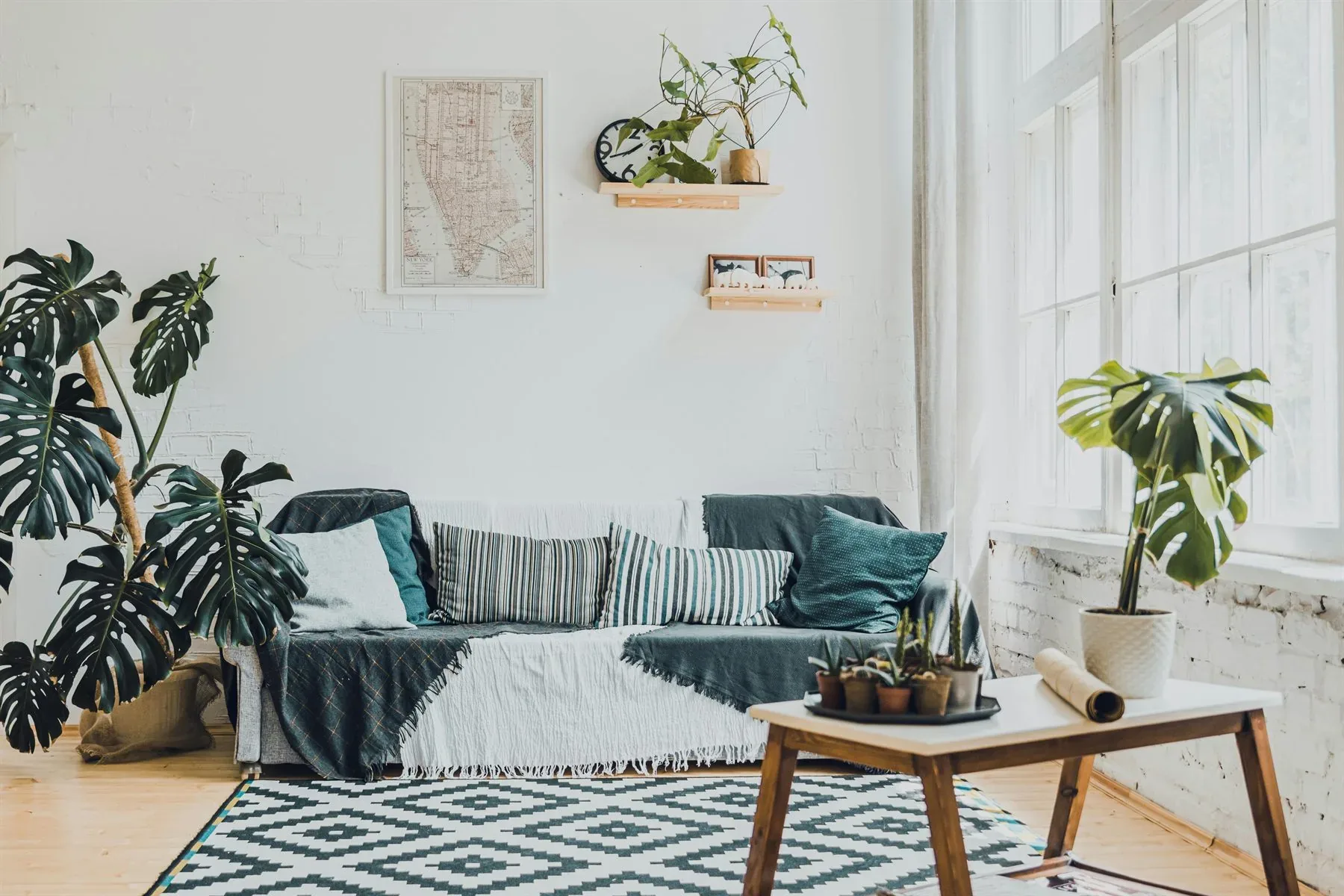
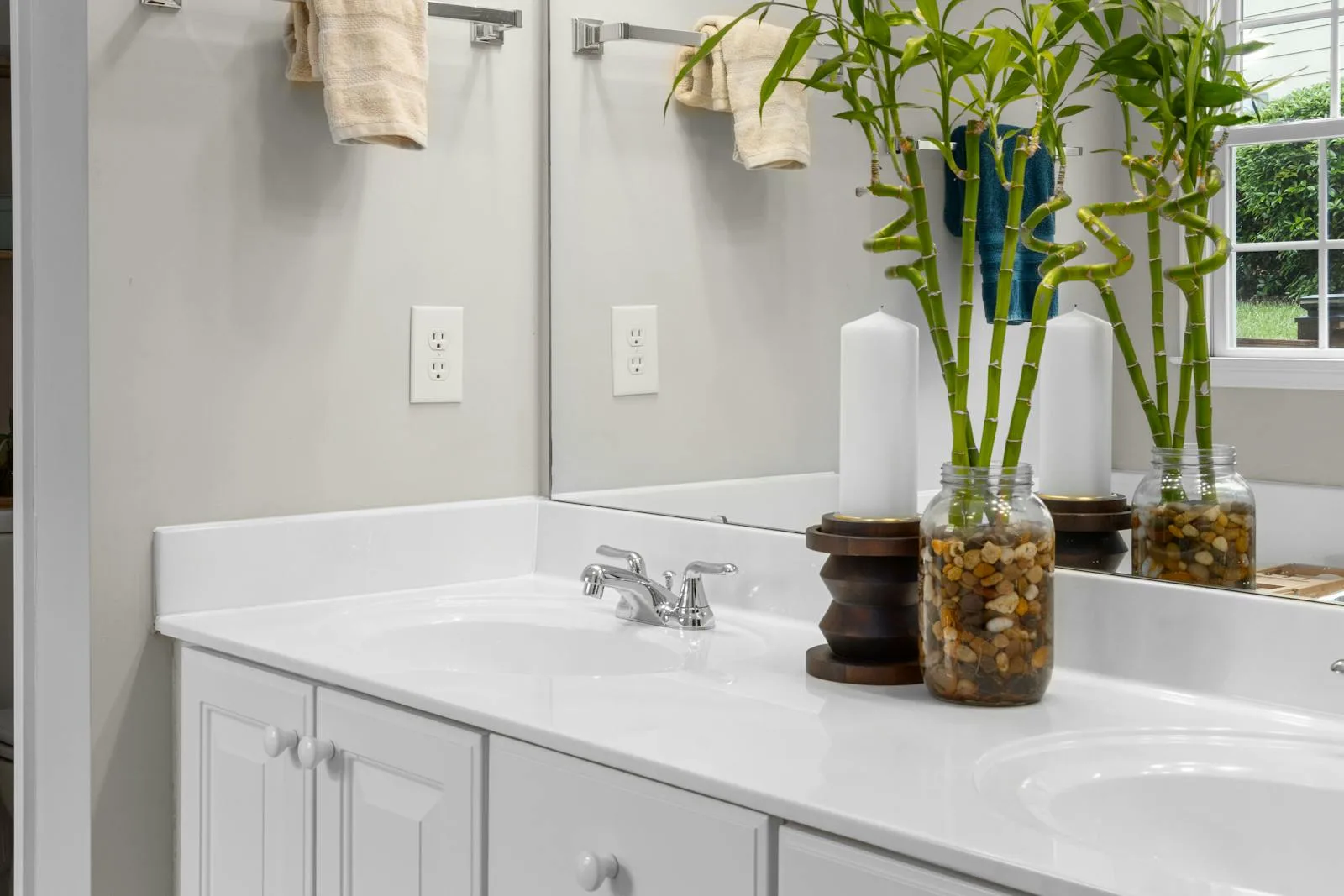
Where to Use Health Colors at Home
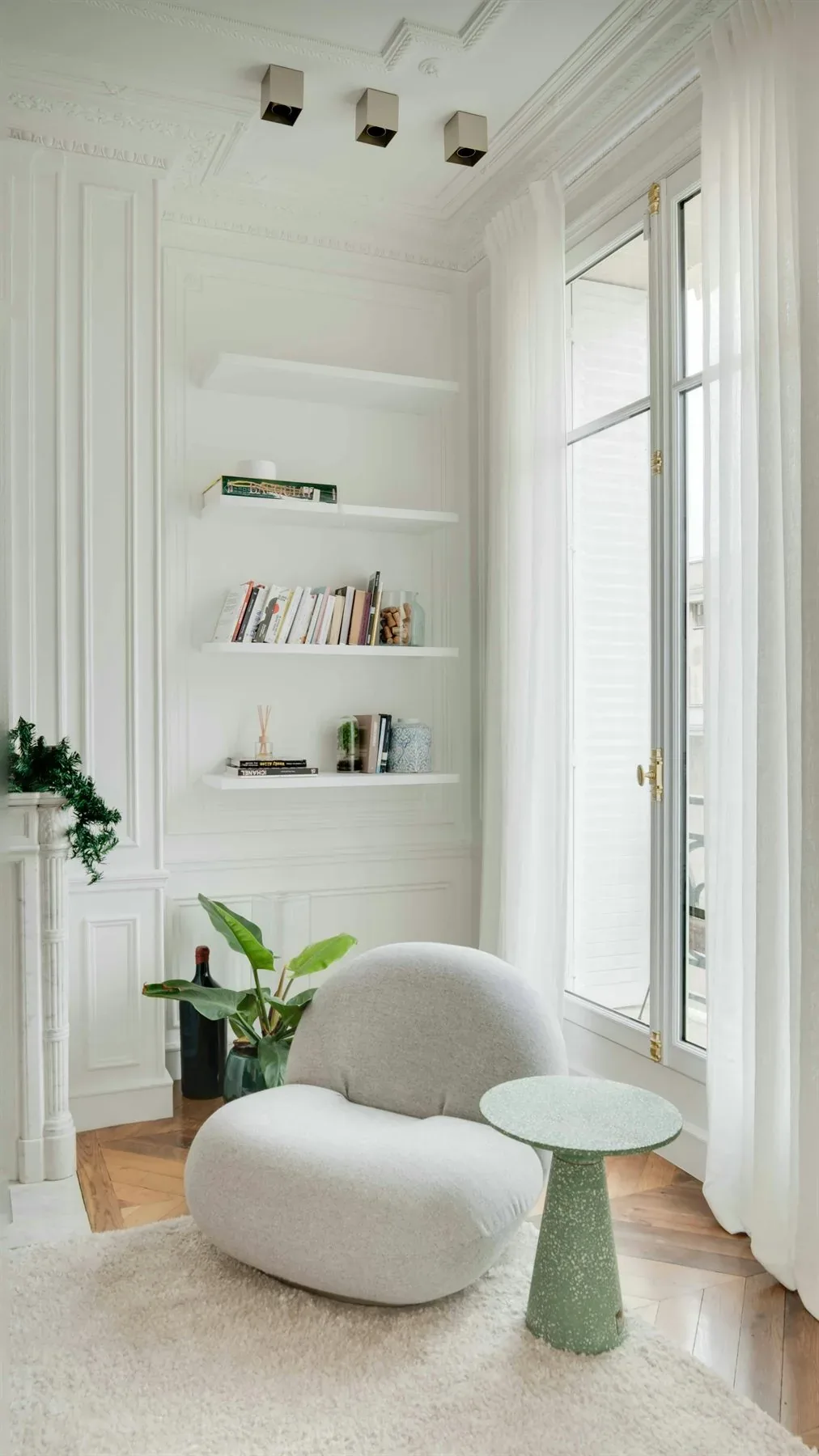
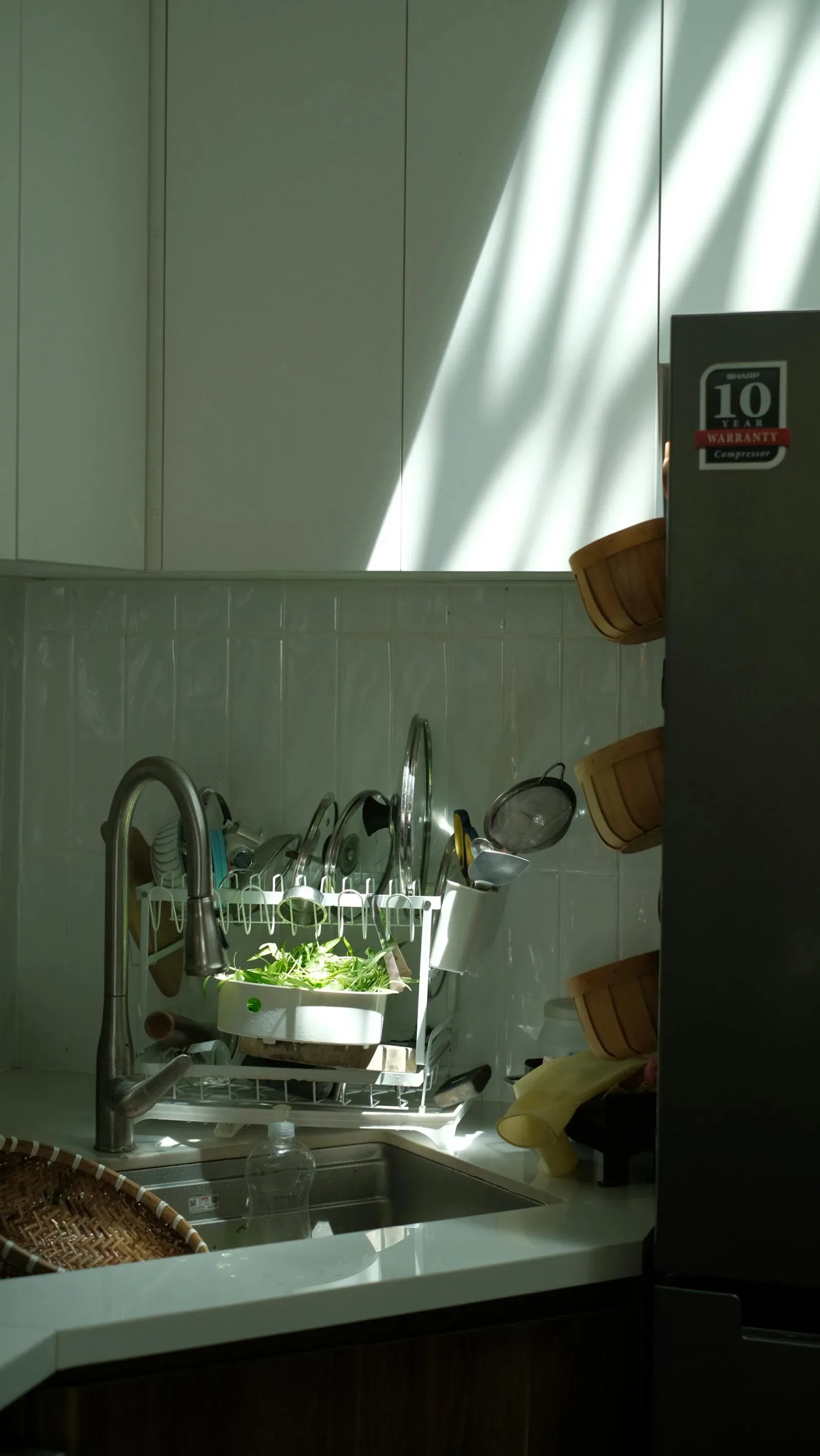
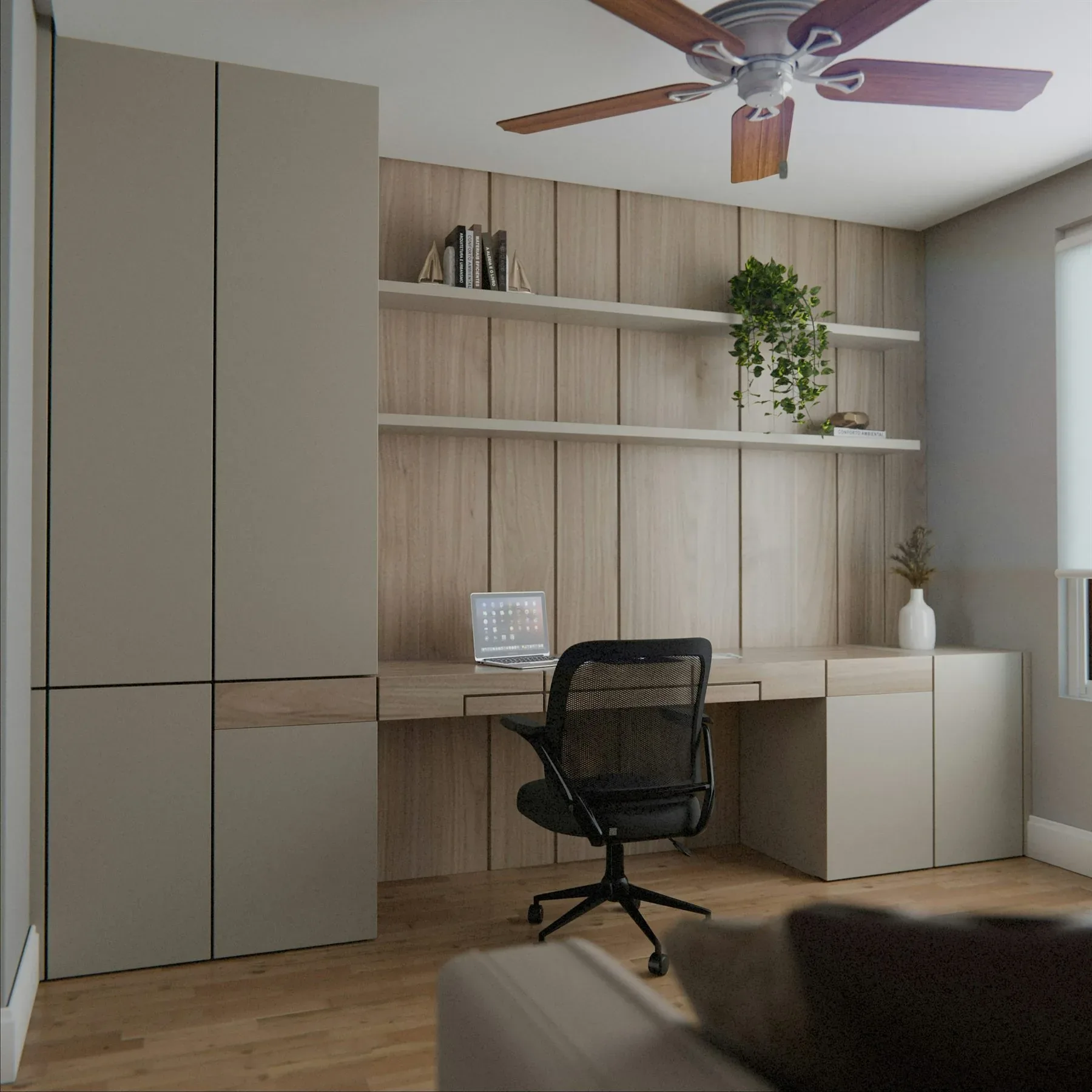
Health colors work best in rooms where the body needs to settle: bedrooms, bathrooms, recovery corners, kitchens, and any space that currently feels sterile or visually tense. The color should make the room easier to use, not turn it into a wellness display.
Bedroom
Try: Use cream, beige, soft green, and lower contrast around the bed.
Why it helps: The room feels restorative without becoming visually sleepy or heavy.
Bathroom
Try: Use warm white, stone, pale beige, soft green, and one natural texture.
Why it helps: The room stays clean without feeling cold or clinical.
Kitchen
Try: Use cream, light wood, muted green, and warmer lighting.
Why it helps: The palette supports nourishment and daily care rather than sterile brightness.
Rest corner
Try: Use soft green, oat, wood, and a calmer blue-green accent.
Why it helps: The corner gets a quiet recovery mood without looking overly themed.

What Weakens a Health-Focused Color Palette
What helps
- +Use softer base tones that the eye can rest in for long periods.
- +Bring in green through one support layer rather than painting everything the same color.
- +Let wood and natural material warmth keep the palette human and livable.
- +Choose cream over harsh bright white if the room already feels sterile.
What weakens the palette
- -Using health color in a way that makes the room feel clinical or hospital-like.
- -Relying on one green tone everywhere until the room loses balance.
- -Using very cold gray, neon color, or harsh contrast in rooms meant to restore.
- -Forgetting that texture and light matter as much as the paint itself.
Frequently Asked Questions
What is the best feng shui color for health?
What colors support health in feng shui?
Can beige be a health-supportive feng shui color?
What colors weaken a health-focused palette?
The Bottom Line
If you want a feng shui color for health, think palette before single swatch. Soft green, warm beige, cream, and quieter blue-green work because they help rooms feel restorative instead of sharp or sterile.
The healthiest-feeling room is the one that looks calm enough to live in every day, not the one that tries hardest to symbolize wellness.