



Quick Answer
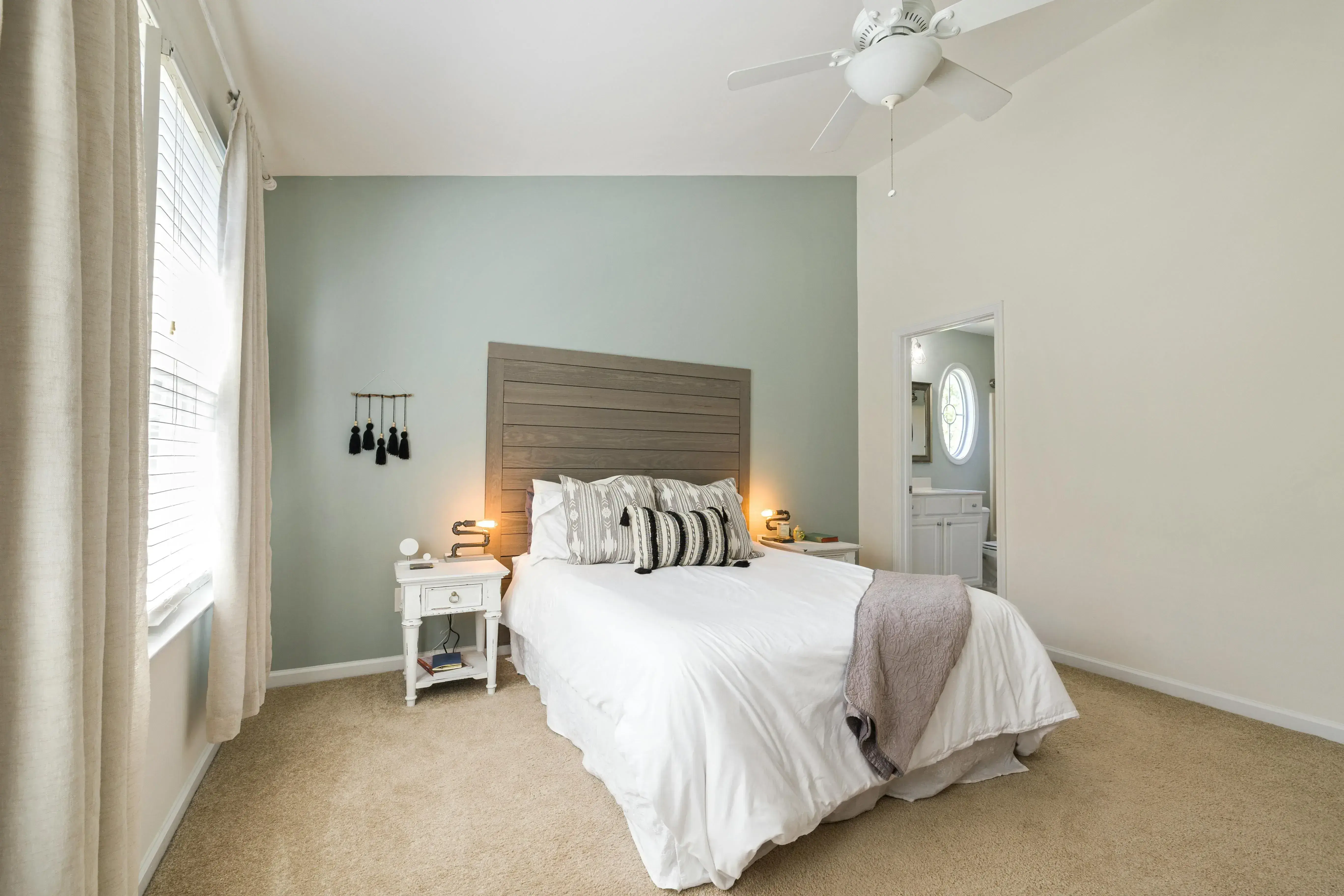
The best feng shui bedroom tips start with the basics: put the bed in the strongest position possible, keep the sleep zone visually quiet, soften the lighting, and remove the objects that make the room feel active when you are trying to rest.
A bedroom should feel quieter than the rest of the house. If it feels busy, bright, or emotionally noisy, the room is asking for fewer competing signals.
The strongest fixes are not mysterious. Better placement, edited surfaces, a supported headboard, fewer sharp reflections, and gentler light do more for the room than adding symbolic decor after the space already feels overstimulated. If you want the direct question answered first, does feng shui affect sleep explains why these moves change how the room feels at night.
The Core Bedroom Tips That Change the Room Fastest
These five bedroom tips do the heaviest lifting.
Let the bed lead
Protect the headboard wall
Reduce bedside clutter
Use layered softer light
Keep the room on purpose
The Bedroom Reset Order I Would Use First
If the bedroom feels wrong but you cannot tell why, work in this order. It keeps the advice practical and stops the room from turning into a shopping list before the main layout is solved.
Scroll sideways to compare all columns.
| Check first | Why it matters | Simple fix |
|---|---|---|
| Bed position | The bed should feel protected, not caught in traffic. | Use a solid wall, keep the door visible, and avoid lining the bed directly with the doorway when possible. |
| Headboard support | A weak or floating bed wall makes the room feel less settled. | Add a proper headboard or make the wall behind the bed feel cleaner and more grounded. |
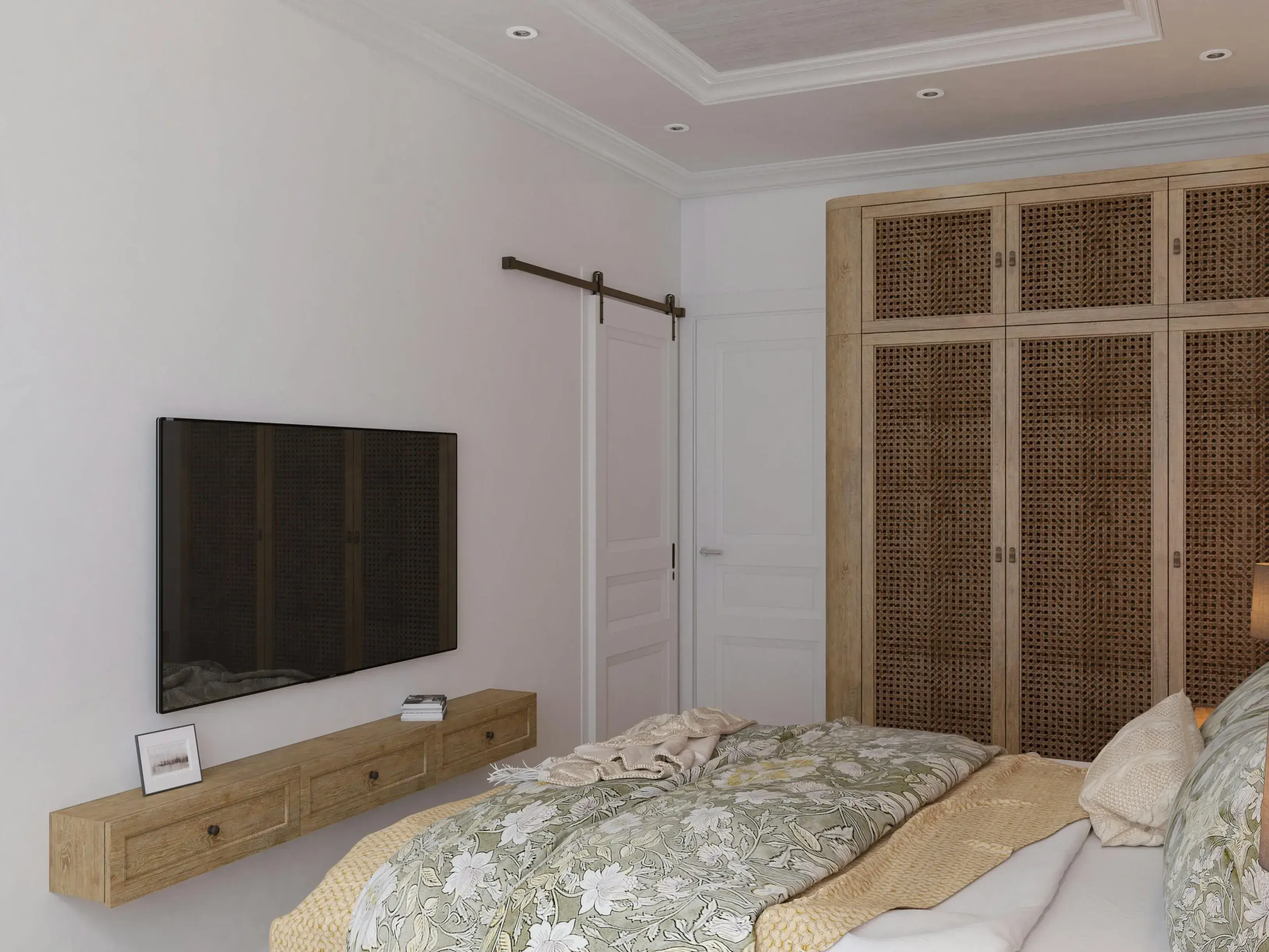
| Mirrors and screens | Reflections and screens can make the room feel more alert at night. | Move mirrors away from direct bed reflection and make the TV, laptop, or work screen less dominant. |
| Under-bed storage | The bed feels lighter when the sleep zone is not packed with visual or emotional backlog. | Keep the space under the bed clear, or use it only for soft, seasonal bedding. |
| Night lighting | Harsh overhead light keeps the room in daytime mode. | Use warm lamps, shaded bulbs, or dimmer lighting before sleep. |

Layout, Light, and Surfaces Carry the Biggest Mood Shift
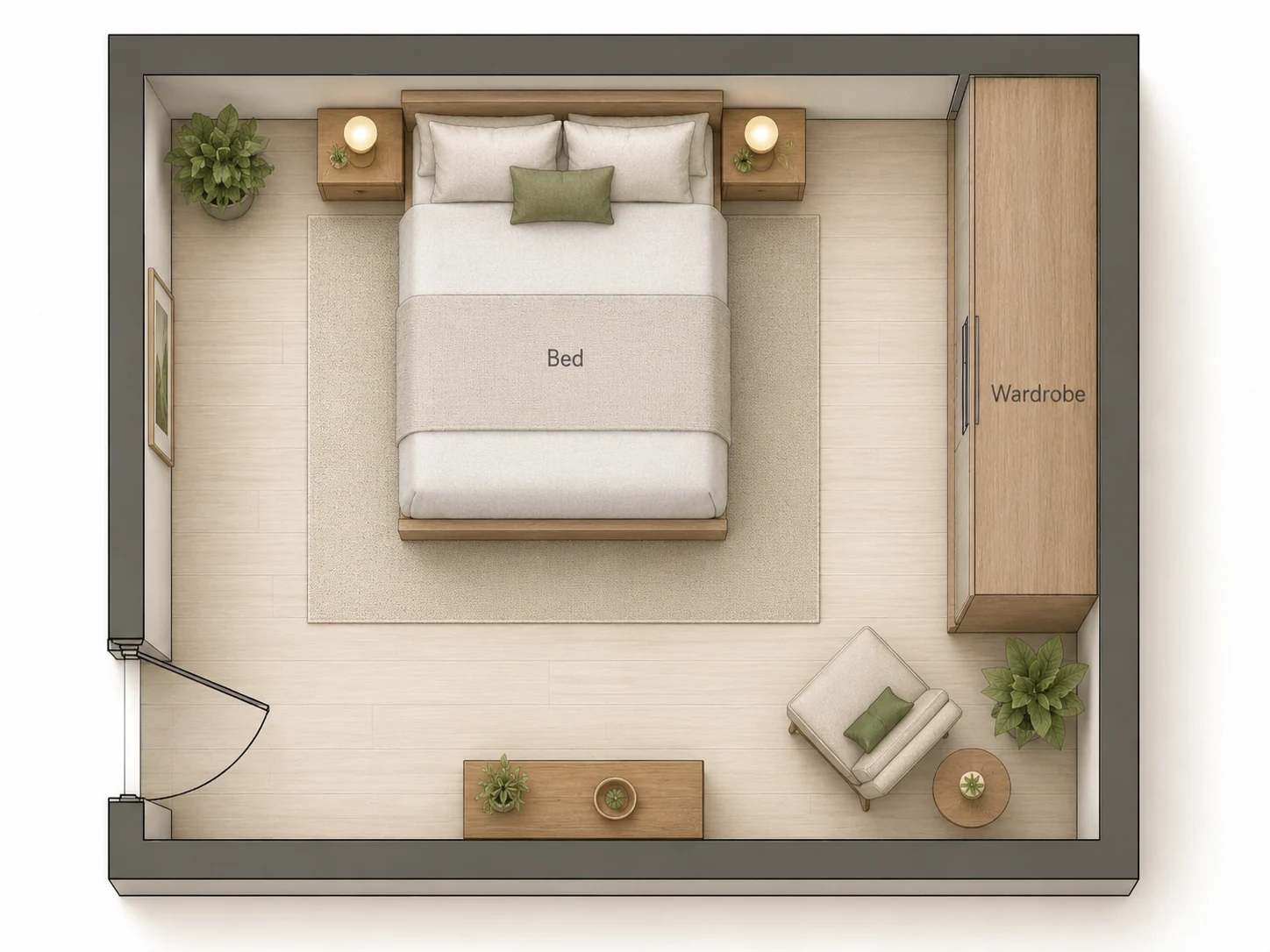
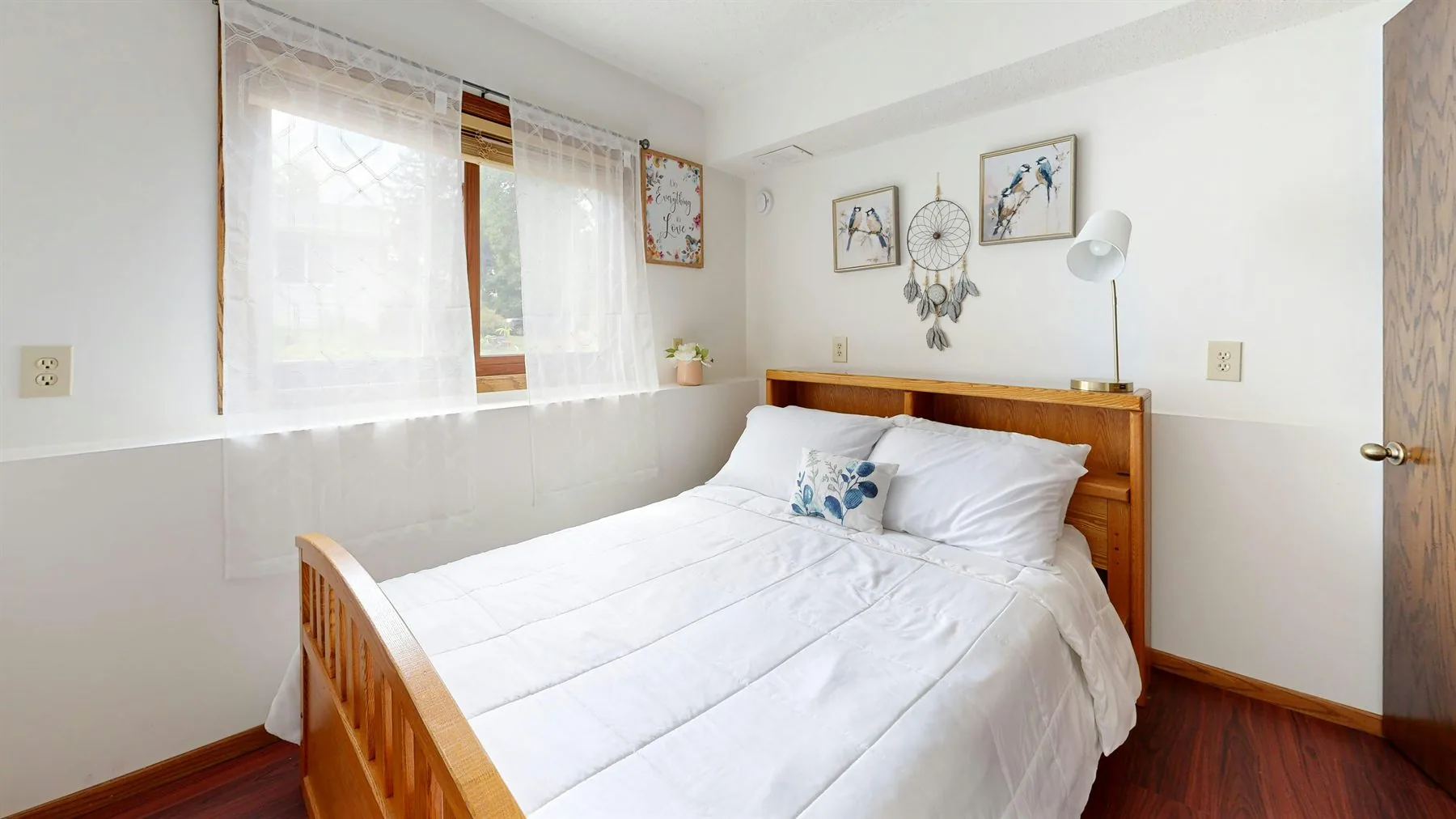
If the room still feels off, layout should come before styling. That is why feng shui bedroom layout, feng shui bed placement ideas, and feng shui bedroom mistakes are worth treating like the bedroom core cluster. Color still matters, but it should support the room after the bed, pathways, and night routine already feel right.
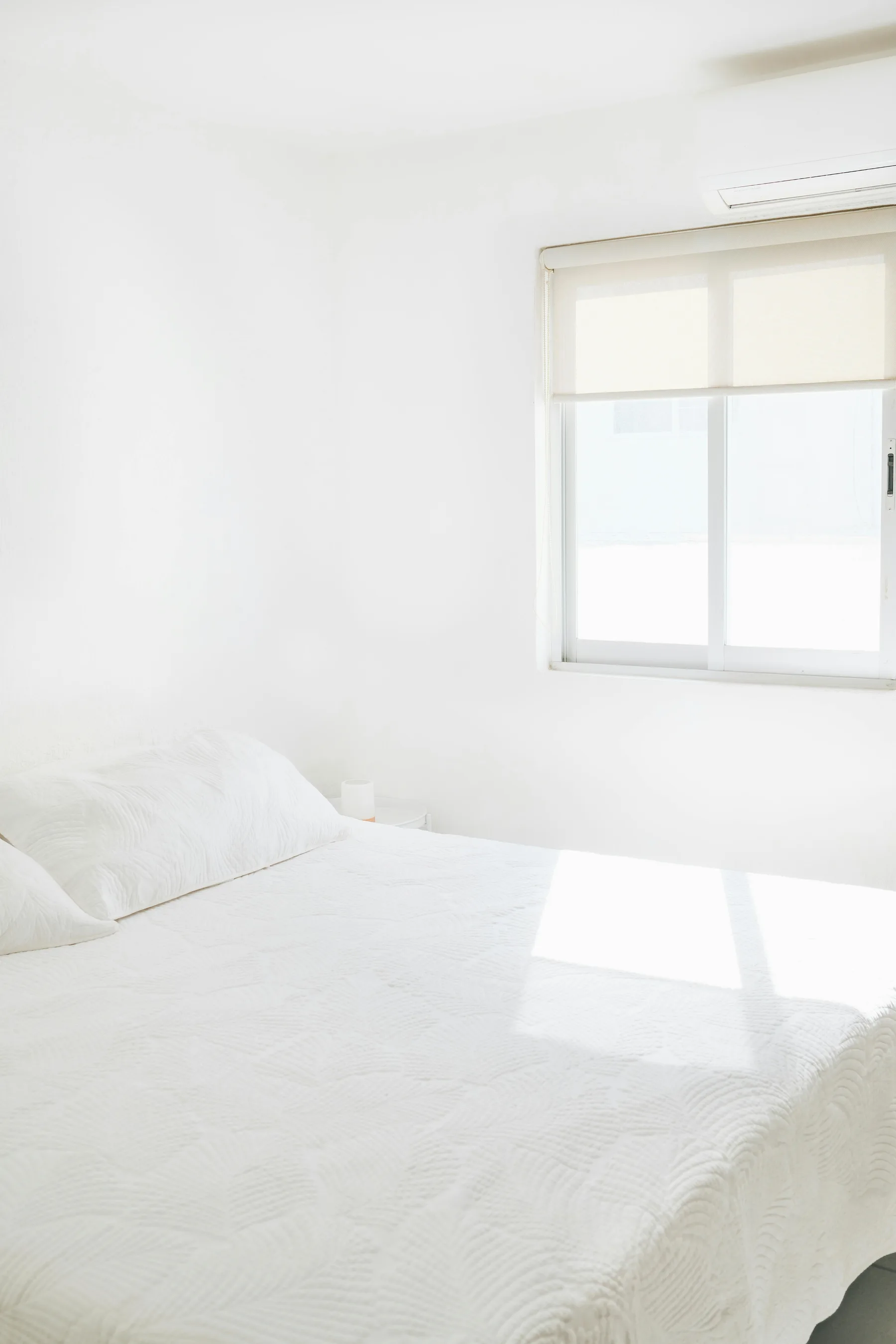
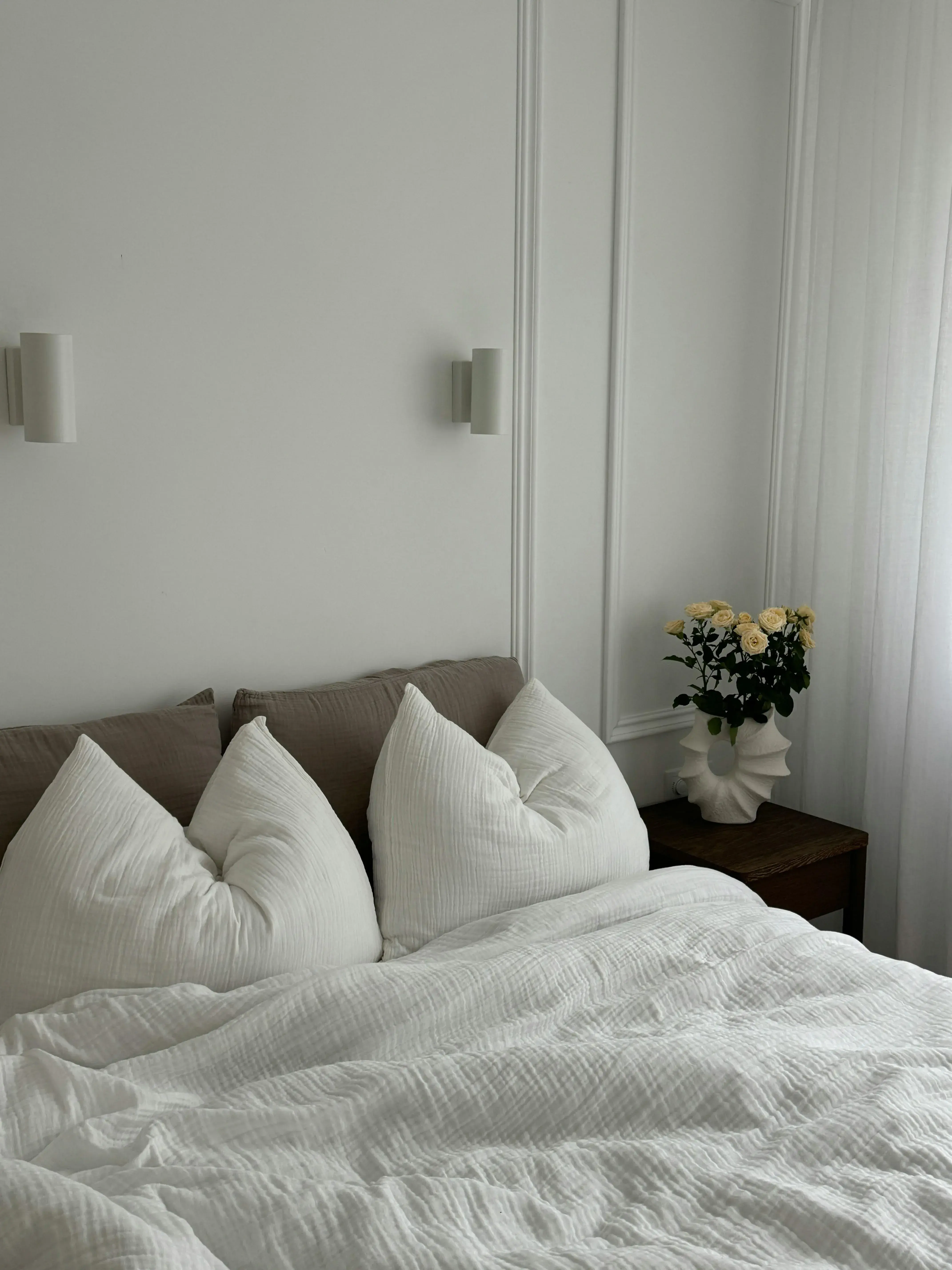
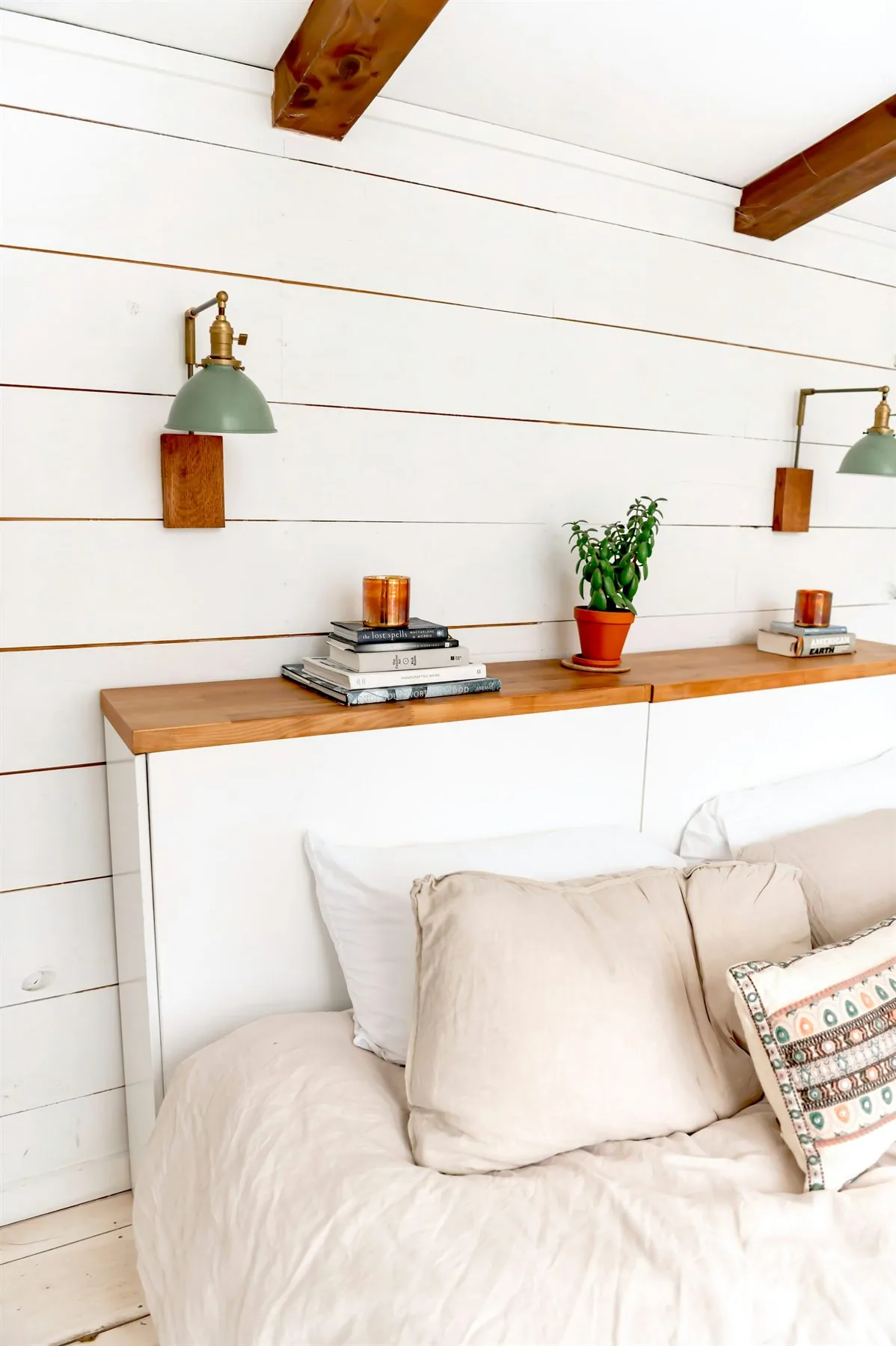
The trick is not to make the bedroom flat. It is to keep it from feeling visually restless. One softer lamp, one cleaner bedside surface, or one calmer textile can shift the room without turning the page into a color project. If color is the main question, use feng shui colors for bedroom or the romance-specific guide to feng shui bedroom colors for romance.
Mirrors, Plants, Screens, and Other Active Objects
A bedroom can still have personality, plants, art, and useful storage. The key is whether those objects let the bed remain the main signal in the room. If something keeps pulling your eye at night, it may be better in another room or a quieter position.
Scroll sideways to compare all columns.
| Bedroom item | Use it well | Use more carefully |
|---|---|---|
| Mirrors | Beside a wardrobe, on an inside closet door, or where it helps dressing. | Facing the bed, doubling clutter, or reflecting a busy doorway. |
| Plants | One healthy, soft-looking plant if the room has enough light and space. | Spiky plants, crowded plant shelves, or plants that are struggling. |
| Desk or laptop | Kept visually secondary, with papers cleared before sleep. | Dominating the bed view or turning the nightstand into a work station. |
| Storage | Closed drawers, calm wardrobes, and baskets used with restraint. | Open piles, boxes under the bed, or visible laundry backlog. |
What to Use More Carefully in the Bedroom
What helps
- +Use one calmer color family and repeat it through larger surfaces.
- +Keep the bed area cleaner and more protected than the rest of the room.
- +Use lamps or softer evening light to reduce harshness.
- +Edit objects near sleep so the room reads rest first.
What makes the room harder
- -Using the bedroom as a catch-all for laundry, storage, and visual backlog.
- -Putting too many mirrors or reflective distractions around the bed.
- -Keeping very bright or sharp color on major surfaces when the goal is calm.
- -Letting every bedside surface become a storage pile.
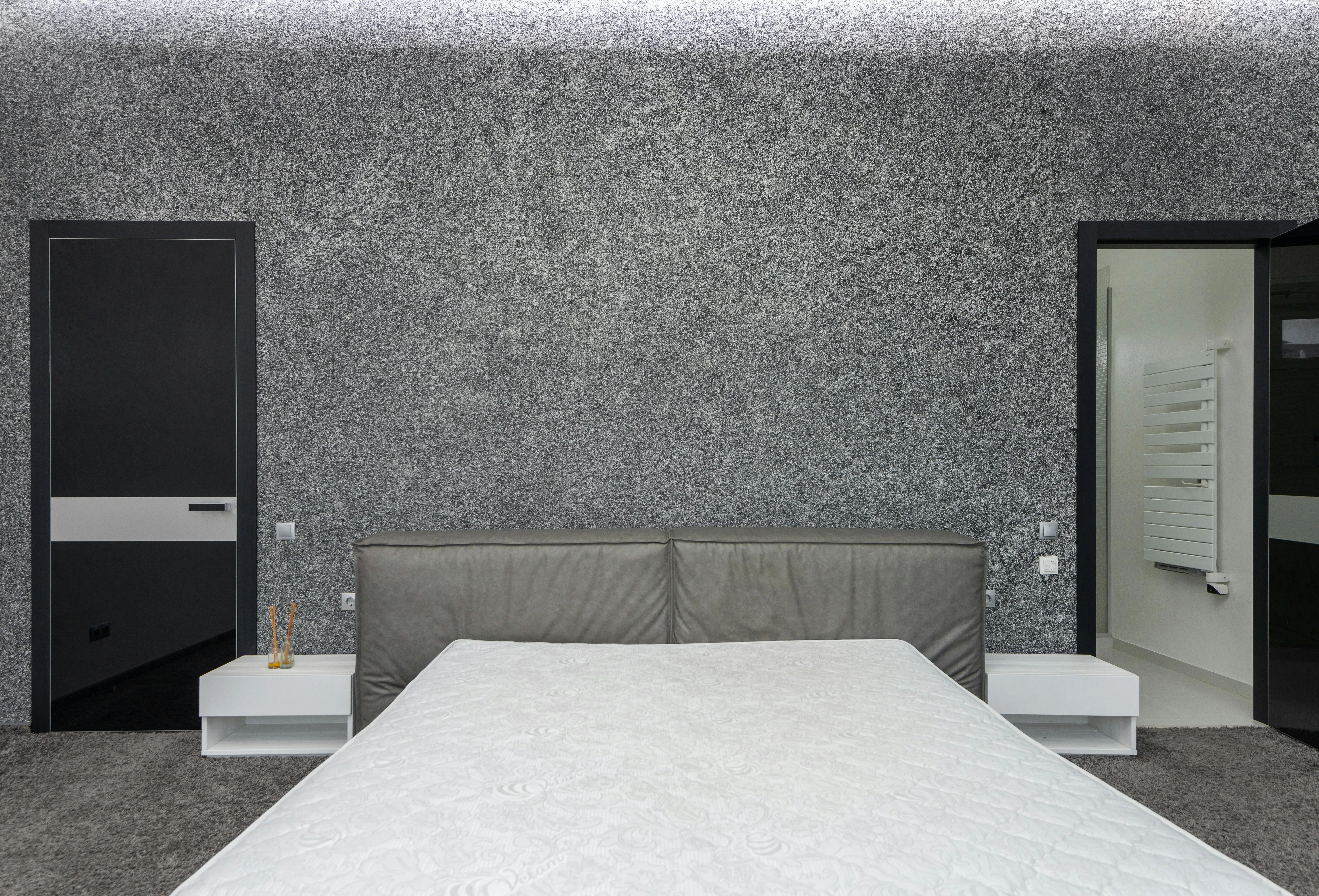
The quickest bedroom fix
If you do not know where to start, clear one bedside surface, soften the lighting, and calm the bedding palette. Those three moves often change the room faster than anything else.
Frequently Asked Questions
What are the most important feng shui bedroom tips?
What color is best for a feng shui bedroom?
What should I avoid in a feng shui bedroom?
Do small bedroom feng shui tips still work?
The Bottom Line
The best feng shui bedroom tips make the room feel quieter, softer, and more intentional. Bed position, calmer surfaces, gentler light, and less bedside clutter often carry most of the improvement.
If the bedroom feels easier to settle into at night, the room is probably moving in the right direction.