



Quick Answer
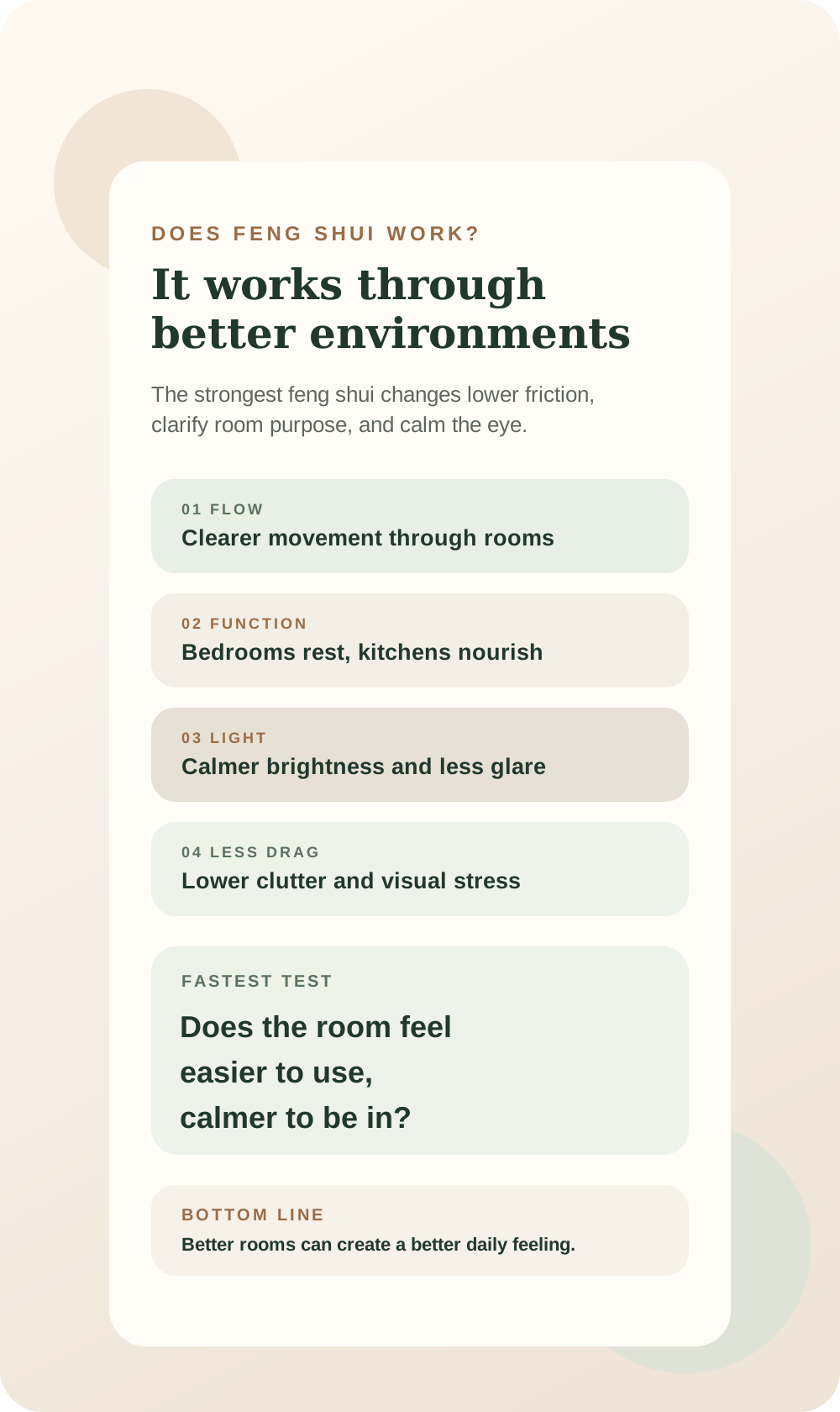
Yes, feng shui works in the practical sense that rooms affect mood, stress, and behavior. A home with clearer pathways, calmer light, stronger room purpose, and less clutter can feel easier to live in than one full of friction, visual drag, and confusing layout.
Feng shui tends to work when it improves how the home actually functions, not when it is treated like a magic object hunt.
The difference is easiest to feel when the change solves a real room problem. Move the bed to a better wall, clear a blocked entry, soften harsh light, and stop a room from doing five jobs at once, and the home has clearer environmental feedback. Feng shui for beginners, where did feng shui come from, and common feng shui mistakes all go deeper on why these changes matter and which first moves tend to shift a home the fastest.
Why Feng Shui Can Feel Effective in Real Life
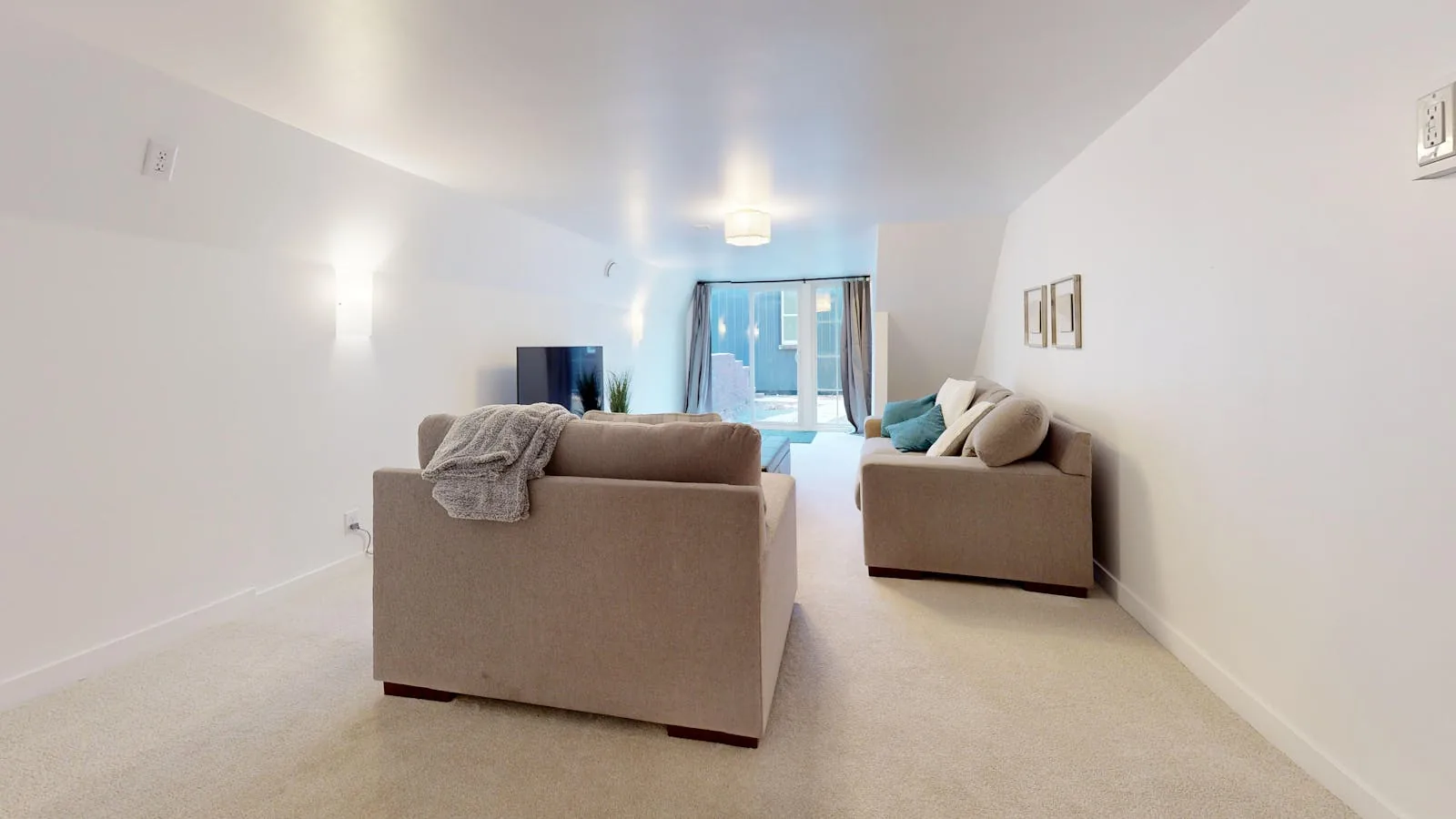
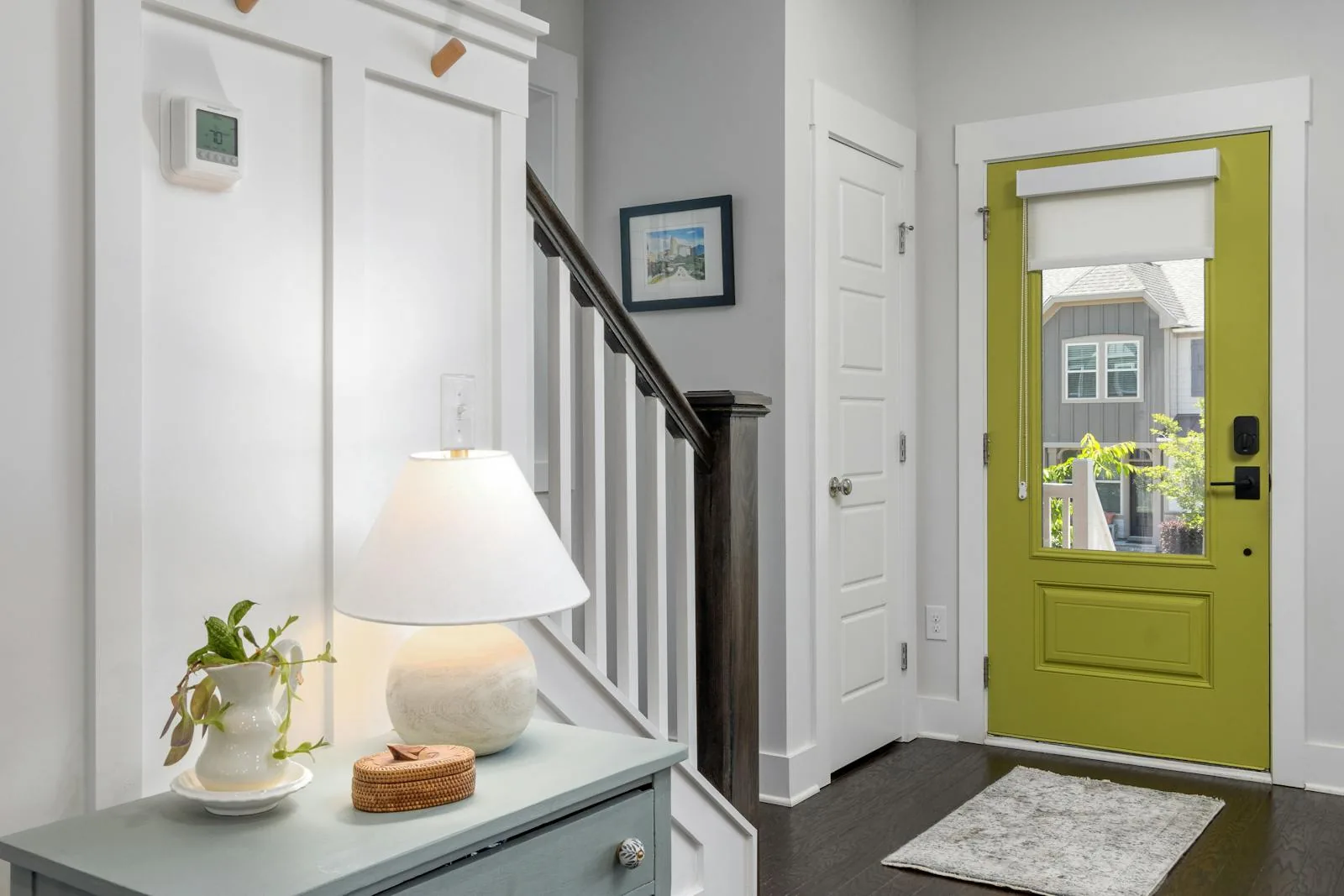
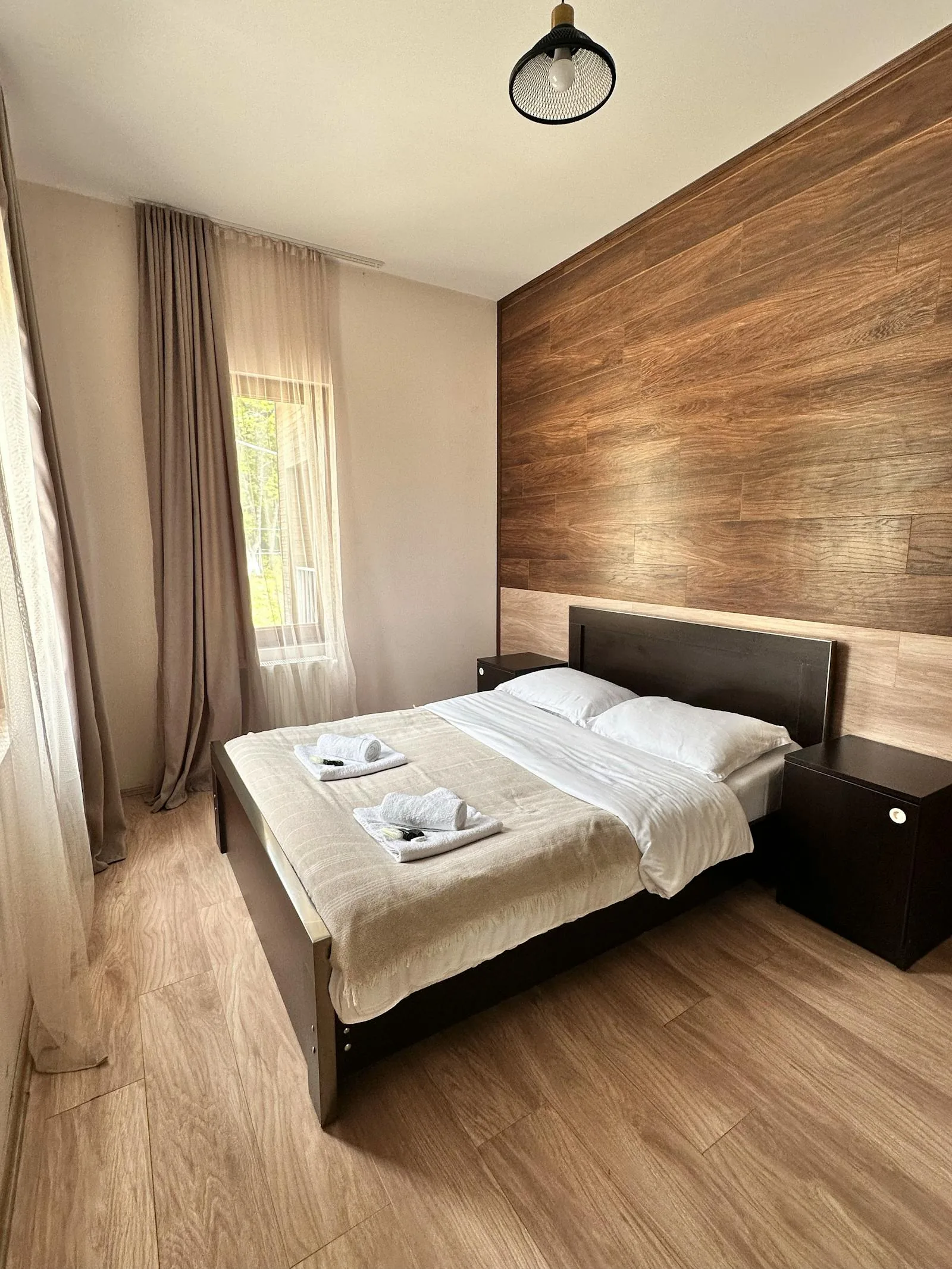
The strongest parts of feng shui overlap with things people respond to every day: usable pathways, readable room purpose, lower visual stress, and spaces that feel safer or easier to relax in. A calm entry feels more welcoming than a blocked one. A bedroom with one strong bed wall feels more restful than a room where work, storage, and mirrors all compete with sleep. A kitchen with clean counters feels easier to nourish yourself in than one where every surface is crowded.
What Feng Shui Can Show, and What It Cannot Prove
A balanced answer separates the practical side from the belief-based side. Feng shui can give you a useful way to read a room, but it should not be presented as proof that one object will create a guaranteed life outcome.
| Part of feng shui | What is practical | Where to stay careful |
|---|---|---|
| Layout and flow | Furniture placement changes movement, sightlines, and how supported a room feels. | It does not guarantee a specific life event. |
| Clutter and maintenance | Less visual drag can make a room easier to use, clean, and relax in. | A symbolic cure will not override a room that is still difficult to live with. |
| Light and sensory load | Softer light, clearer surfaces, and calmer contrast can reduce room stress. | Personal taste, health, and daily habits still matter. |
| Qi, luck, and symbolism | These ideas can help people make intentional choices and notice the home more closely. | They are belief-based, not laboratory proof of cause and effect. |
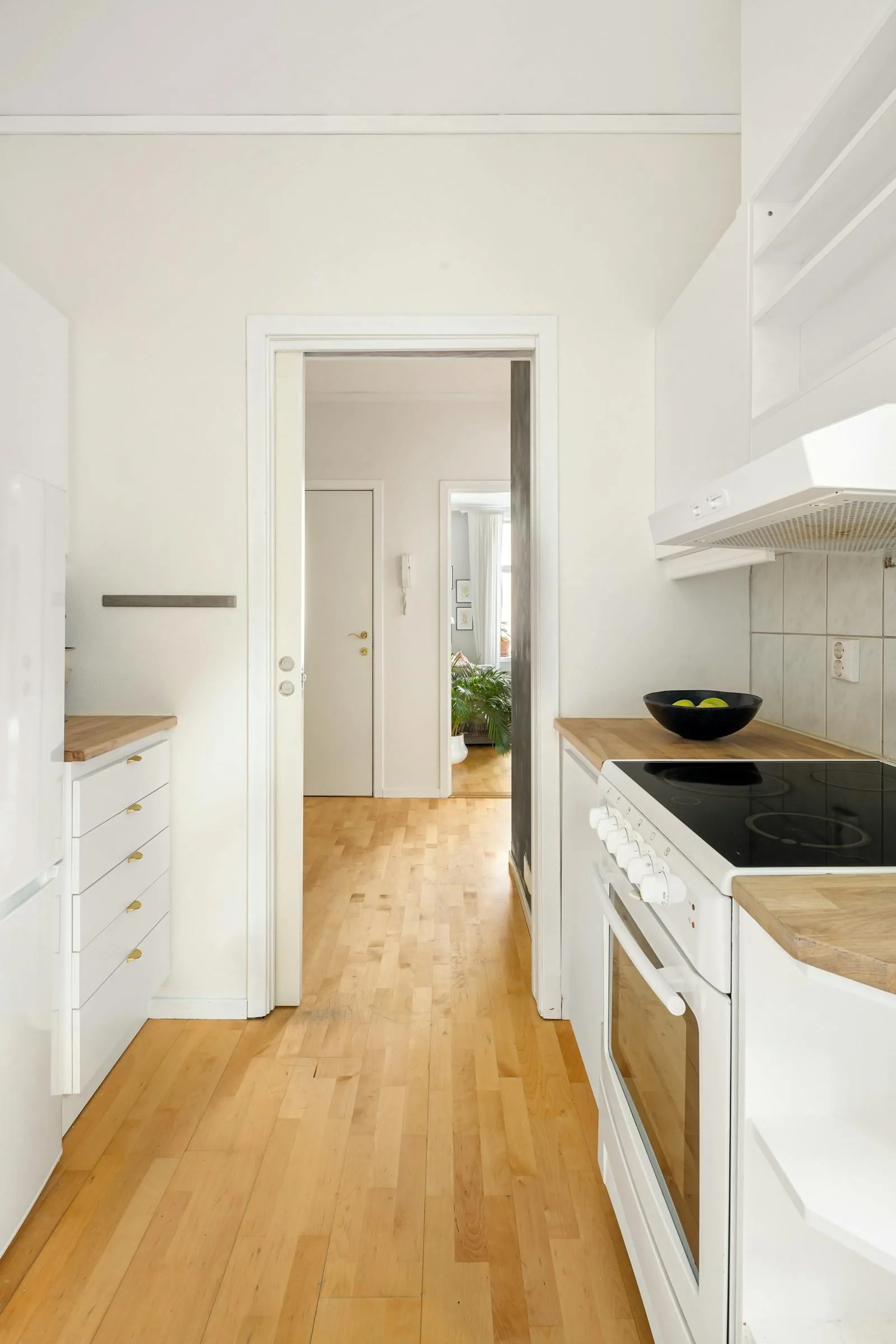
Room purpose is part of the answer too. When a dining area feels ready to use and a desk area feels focused instead of chaotic, the home gives clearer behavioral cues. That is one reason feng shui can feel effective even to people who do not think of it in spiritual terms.
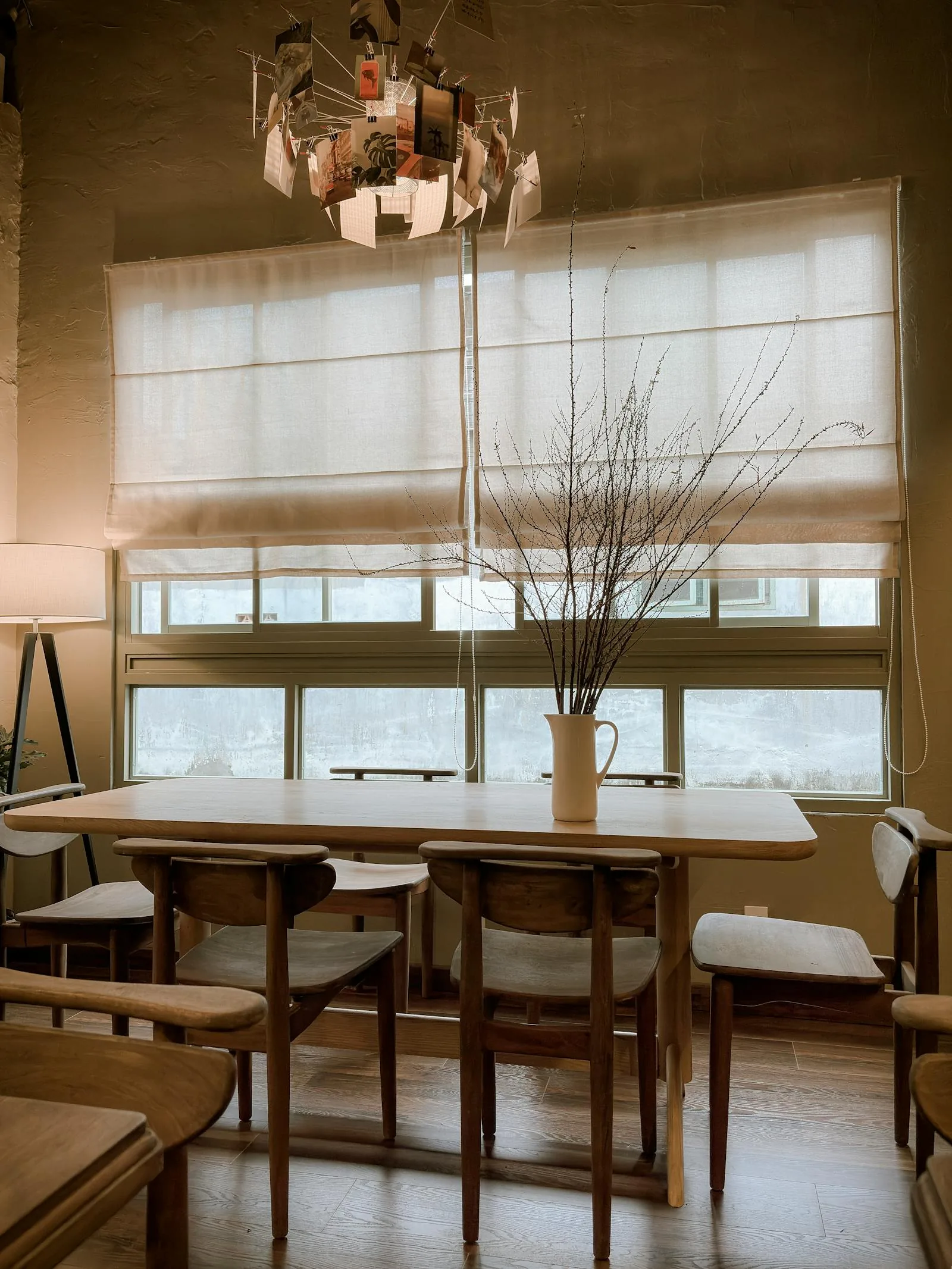
What Feng Shui Changes First
These are the parts of a home that most often make the difference feel real.
Movement through the room
Sensory load
Room purpose
Body cues
Maintenance and care
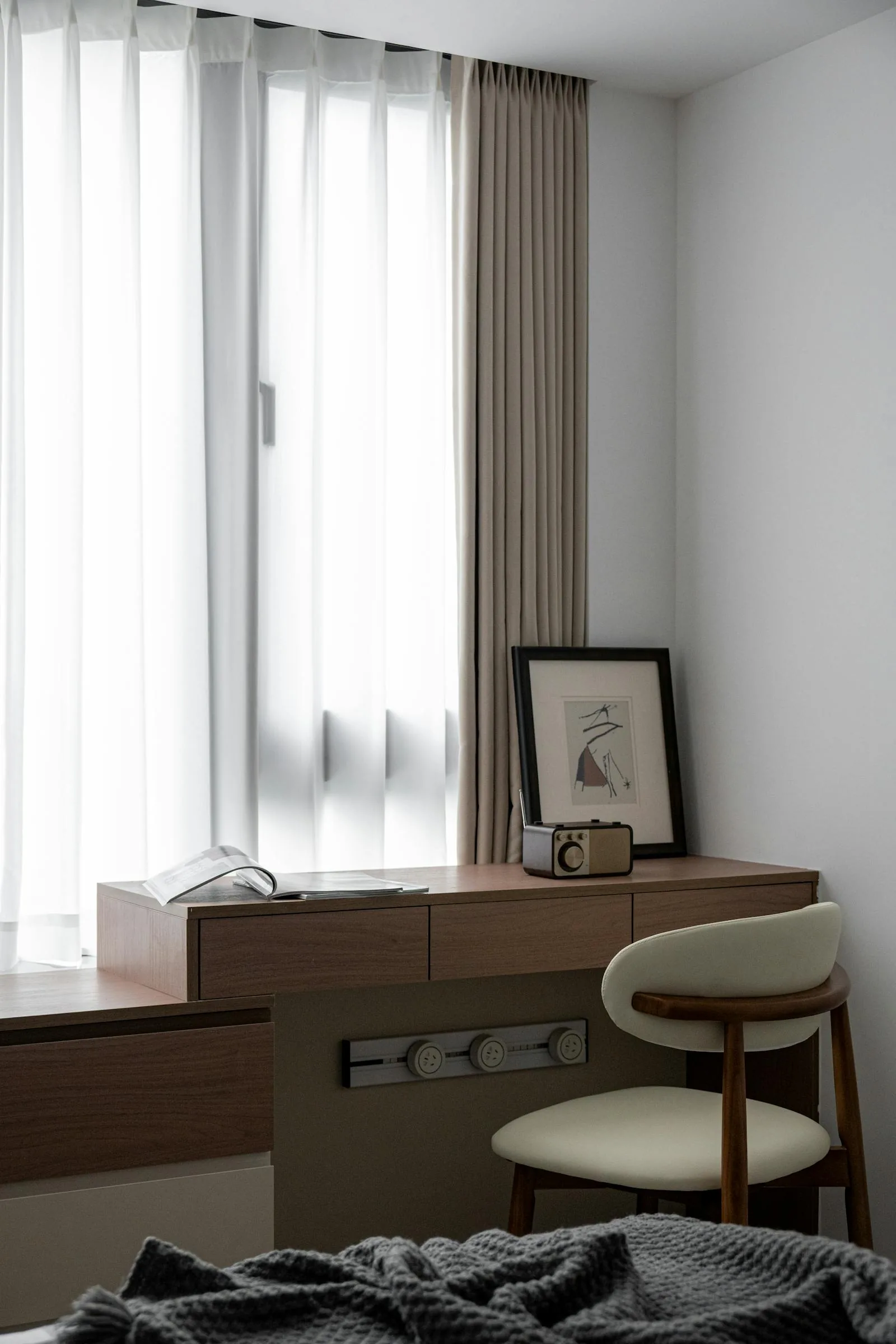
Feng shui tends to fail when it is reduced to lucky objects alone. If the room is still blocked, noisy, dim, or confusing to use, a symbolic item will not override that bigger message. The wider feng shui rules article explains the same idea through flow, command position, and room balance rather than through a yes-or-no question.
What Feng Shui Cannot Do on Its Own
What feng shui can do
- +Improve how rooms feel and function day to day.
- +Reduce visual friction and layout stress.
- +Support better rest, focus, arrival, or gathering through environment.
- +Help you notice where the home is quietly draining energy.
What feng shui cannot replace
- -Replace medical care, finances, or major life decisions.
- -Make a broken layout disappear without real changes to the room.
- -Override constant clutter, poor maintenance, or bad lighting by symbolism alone.
- -Fix everything if the home still ignores basic function.
The simplest test
If a feng shui change makes the room easier to move through, easier to maintain, or easier to relax in, it is probably working in a real and useful way.
Frequently Asked Questions
Does feng shui really work?
How does feng shui work?
Is feng shui scientific?
What makes feng shui feel effective fast?
The Bottom Line
Feng shui works best as a practical way of improving the home, not as a detached belief system. It helps because rooms affect people, and better rooms can create a better daily experience.
If the change makes the home calmer, clearer, more usable, or more restful, that is the result that matters.