



Quick Answer
The most common feng shui mistakes are simple house problems in disguise: blocked pathways, neglected repairs, crowded rooms, clutter that keeps collecting in important zones, and spaces trying to do too many jobs at once. Fixing those basics often improves the home faster than buying new symbolic objects.
A lot of bad feng shui is less mysterious than it sounds. It often looks like a home that is harder to arrive through, harder to move through, harder to rest in, or harder to maintain than it needs to be. That is why the most common mistakes are also some of the most practical ones.
If the house feels heavy, flat, stale, or oddly stressful, one of these patterns is often involved. The good news is that most of them are fixable without redesigning the entire home.
The Biggest Feng Shui Mistakes Across A Home
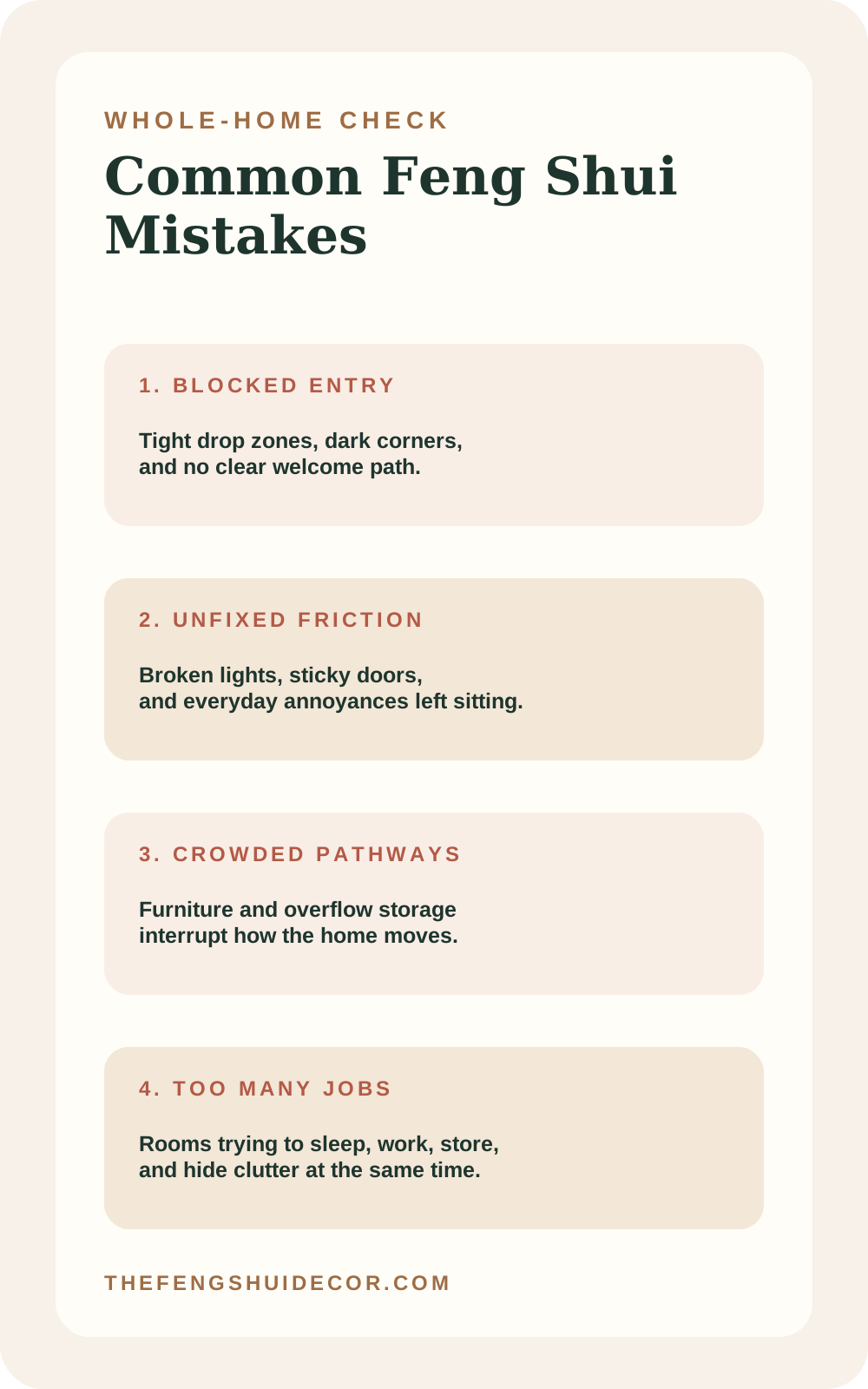
What tends to go wrong first
These patterns show up in almost every home that feels off.
A blocked or visually messy entry
Broken items left in daily view
Pathways crowded with furniture or piles
Rooms trying to do too many things
Buying cures before solving the obvious problems
How These Mistakes Show Up Room By Room
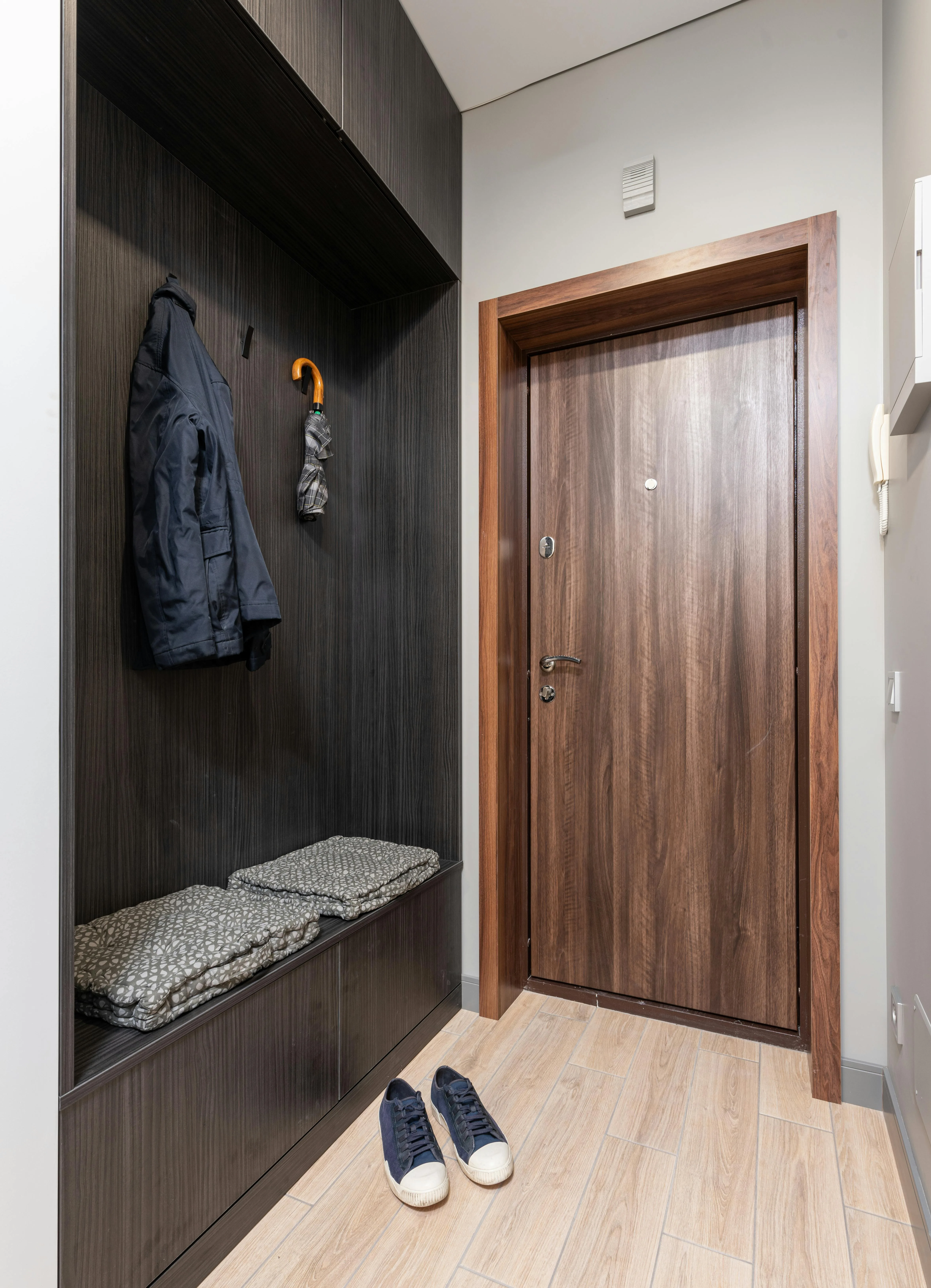
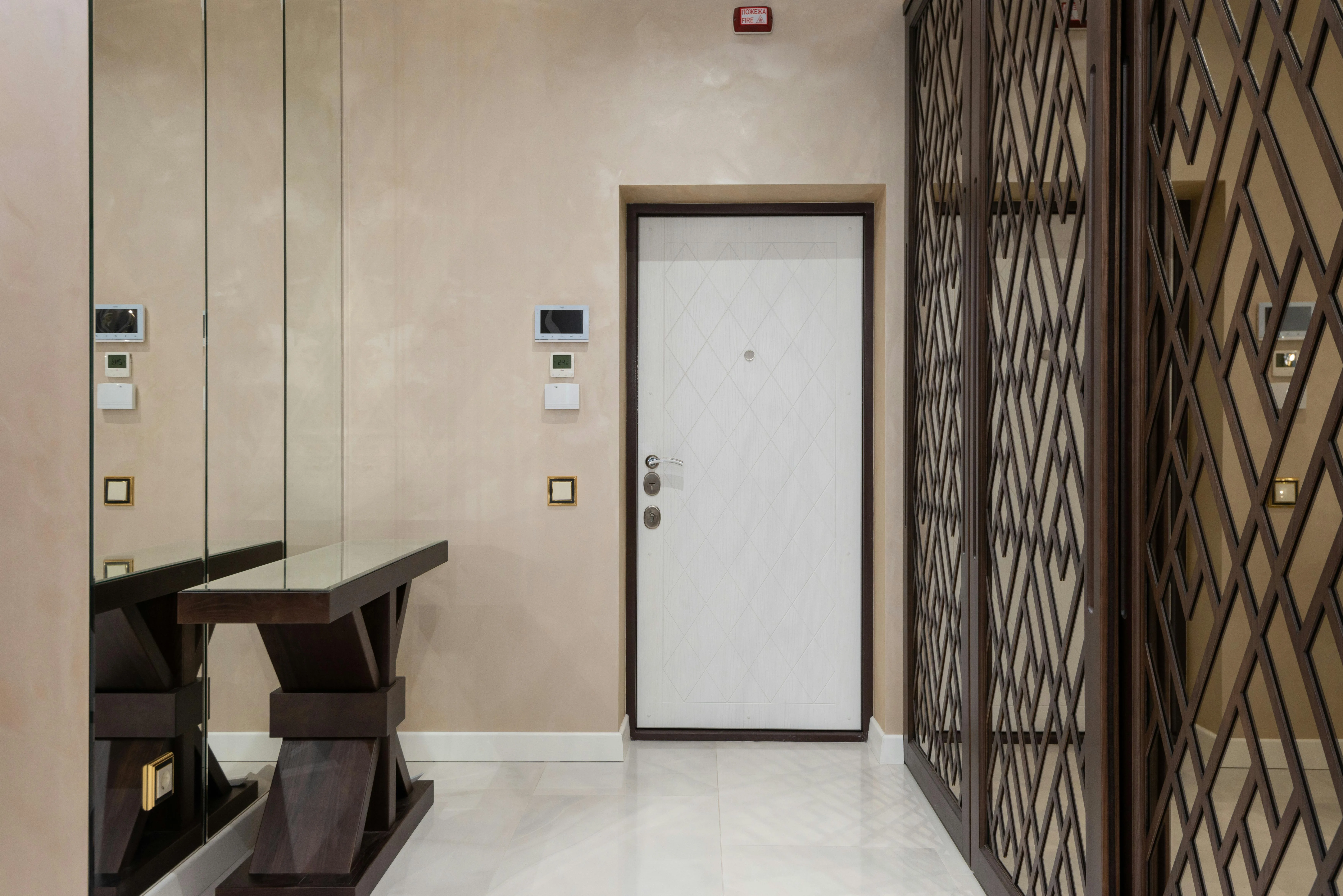
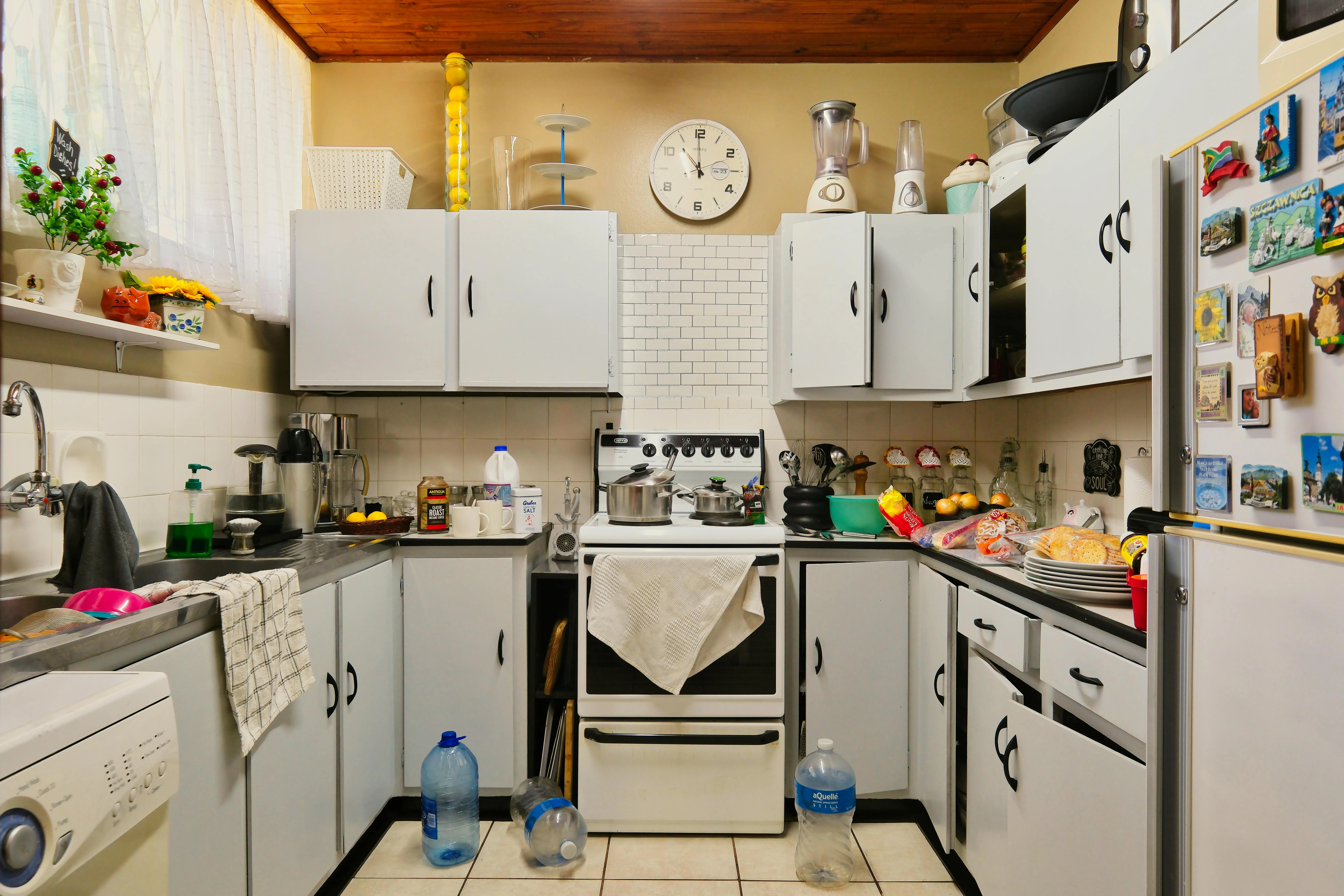
Different rooms reveal different versions of the same mistake. In a living room, it may look like furniture blocking the natural path. In a bedroom, it may look like too many active zones. In a kitchen, it may look like broken organization systems and cluttered counters. The question is always similar: what is making this room harder to use than it should be?
Scroll sideways to compare all columns.
| Room | Common mistake | Better direction |
|---|---|---|
| Entry | Overfilled drop zone, dim light, blocked door swing | Clear path, warmer light, and one controlled landing surface |
| Living room | Too much furniture and no visual anchor | Cleaner pathways and one stronger seating group |
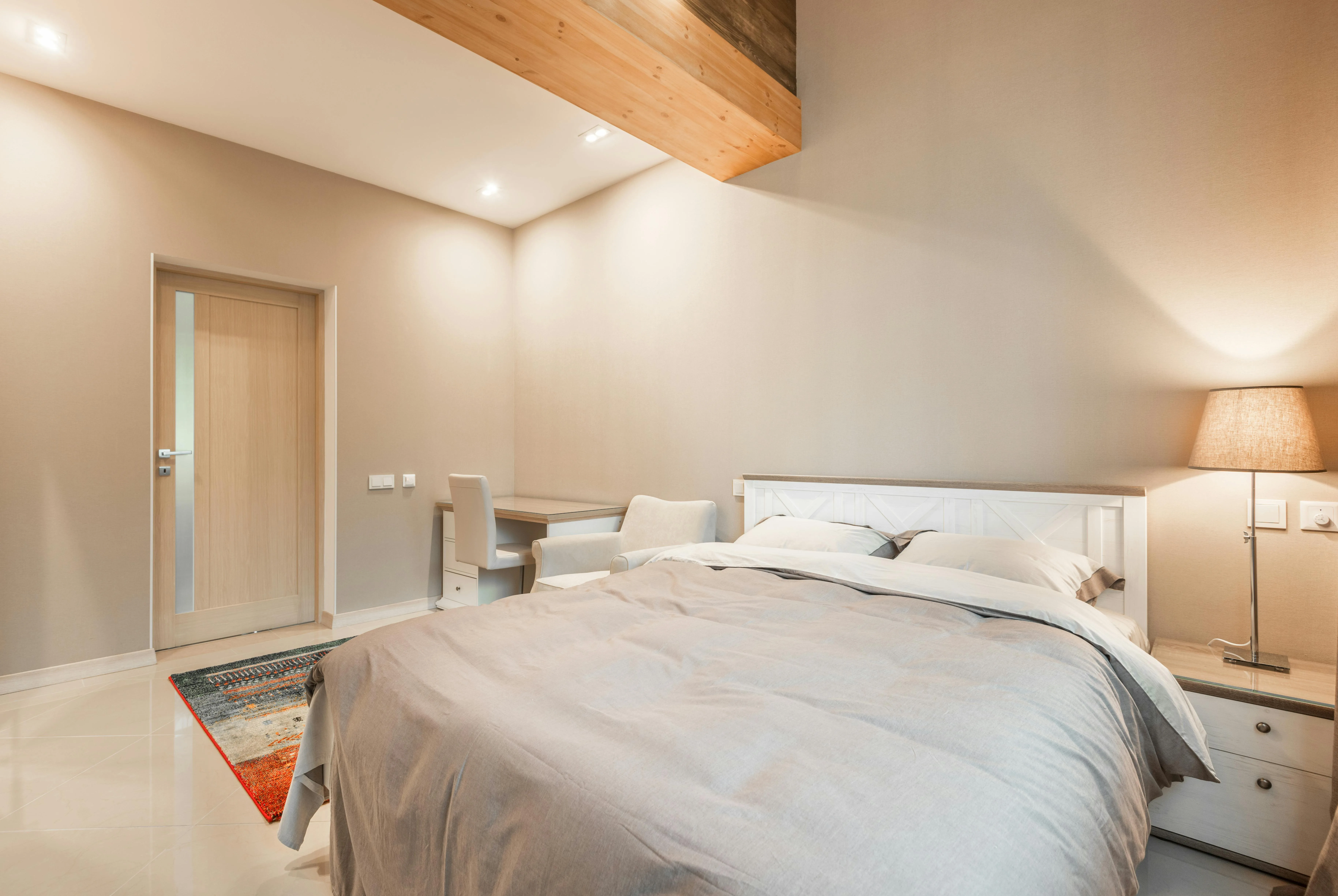
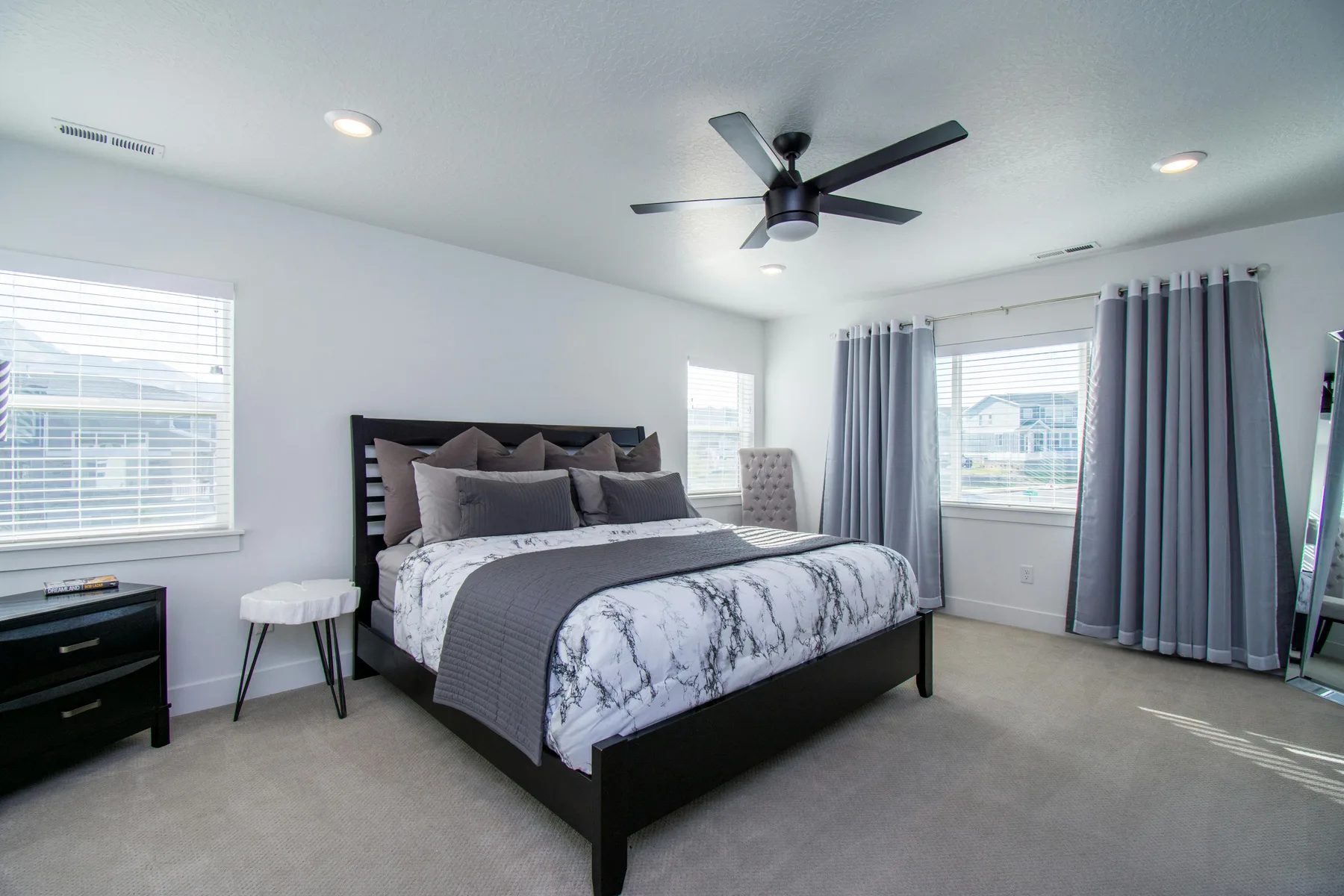
| Bedroom | Bed competing with work, clutter, or mirrors | Sleep zone stays visually strongest |
| Kitchen | Counters full of overflow and poor maintenance | Usable prep space and repaired everyday friction points |
| Whole home | Decor added on top of unresolved problems | Fix basics first, then layer in beauty |
Feng Shui Mistakes That Are Easy to Miss
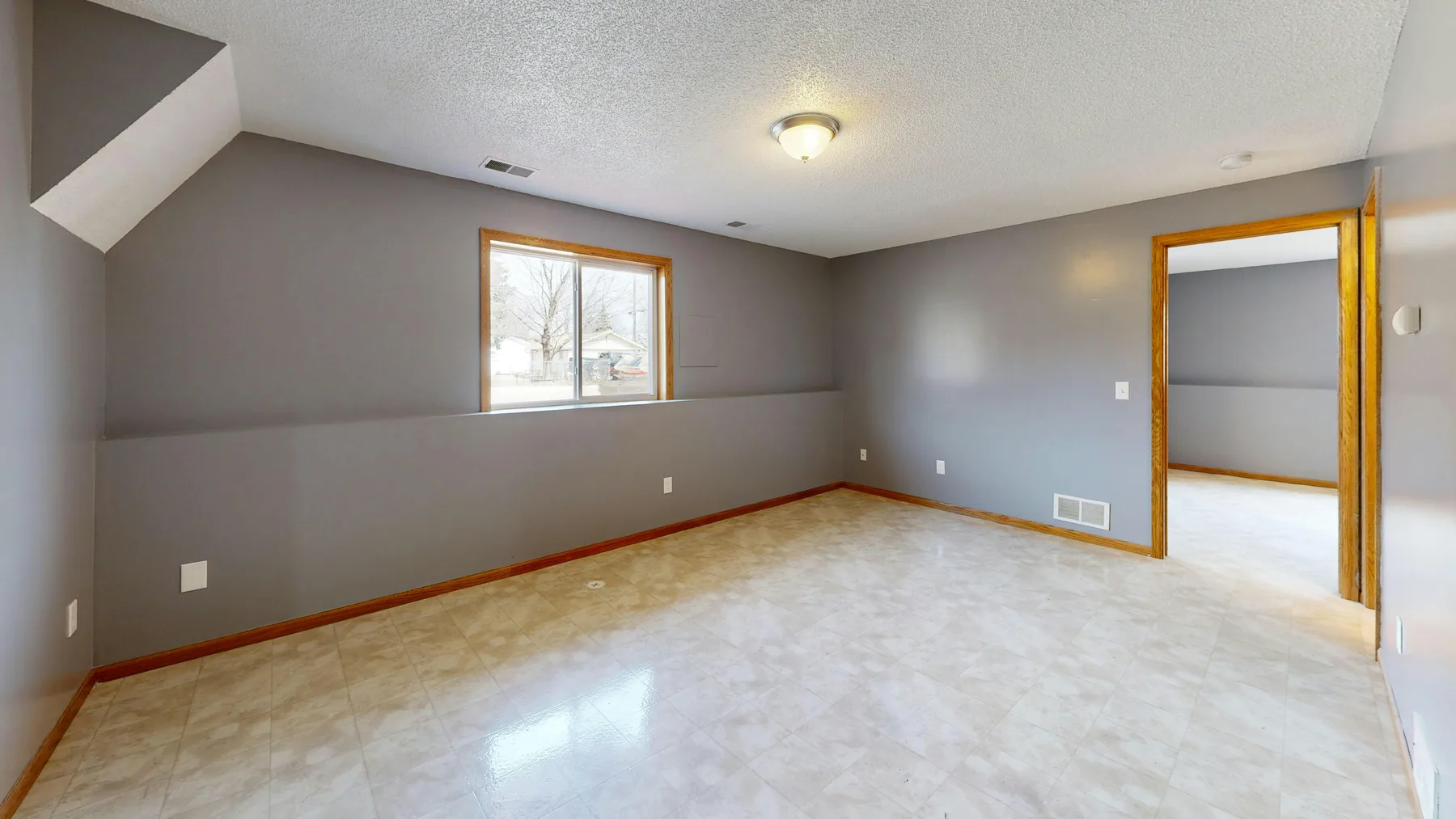
Some problems are less obvious than a blocked hallway or messy counter. They show up as small details that keep a room feeling unsettled even after the main clutter is handled.
Scroll sideways to compare all columns.
| Mistake | Why it matters | Better move |
|---|---|---|
| Mirror facing the bed or front door | It can make rest or arrival feel too visually active. | Angle the mirror, move it to a side wall, or use it where it expands light without creating glare. |
| Weak bed support | A bed without a steady wall, headboard, or clear side access can make the bedroom feel exposed. | Give the bed the strongest wall available and keep the sleep zone visually dominant. |
| Bathroom issues left visible | Leaks, odors, open drains, and doors left in direct view can make a home feel less cared for. | Repair leaks, improve ventilation, close the lid, and keep the bathroom clean and dry. |
| Harsh color or dying plants | Overly sharp colors and unhealthy plants can make a room feel depleted or restless. | Use stronger colors in smaller doses and keep only plants you can maintain well. |
| Sharp, oversized, or electronic-heavy corners | Bulky furniture, pointed edges, and too much visible tech can make a room feel tense. | Soften edges, edit scale, hide extra cords, and leave enough breathing room around major furniture. |
The Practical Fixes That Matter Most
Start with the home in this order: entry, pathways, repairs, clutter, and then the rooms that affect your body most directly, especially the bedroom and living room. This sequence helps because it removes friction from the structure of the home before you get into finer styling choices.
The stronger approach
- +Handle repairs and daily irritations before decorative upgrades.
- +Edit clutter from the first sightlines and the main pathways.
- +Let each room keep one clear emotional job whenever possible.
- +Use new decor to support the layout instead of hiding the problem.
The weaker approach
- -Adding symbolic cures while the house is still difficult to use.
- -Letting every spare corner become permanent overflow storage.
- -Ignoring dark, neglected transition zones like halls and entries.
- -Forcing every room to hold more functions than it can carry well.
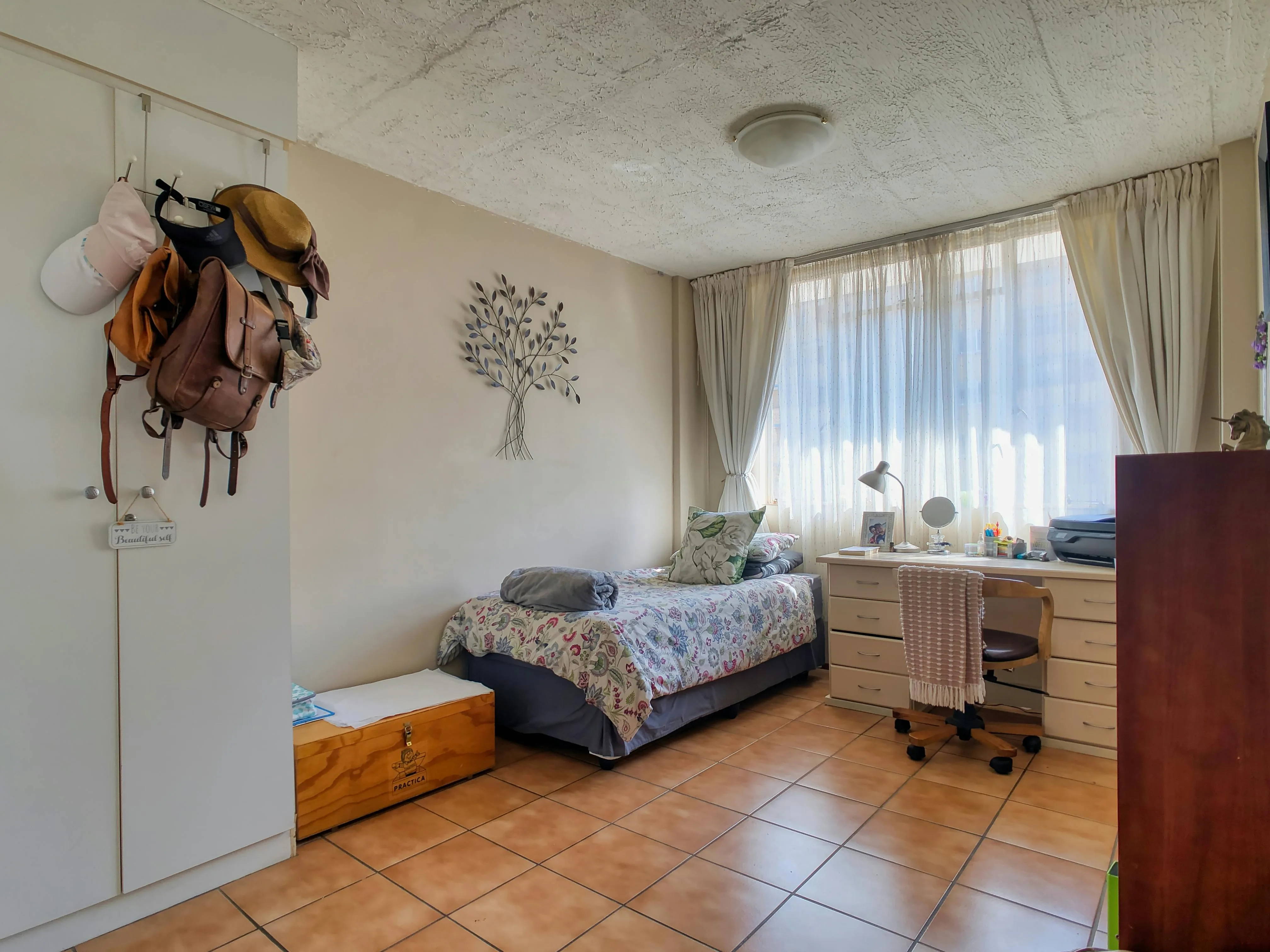
If you want the principles behind these fixes, read feng shui rules next. If you want a move-in checklist, start with feng shui for a new home. For room-specific follow-ups, the best next pages are feng shui living room mistakes and feng shui bedroom mistakes.
Frequently Asked Questions
What are common feng shui mistakes?
What are bad feng shui things in a house?
What should be avoided in feng shui?
How do I fix bad feng shui in my house?
The Bottom Line
The most common feng shui mistakes are not exotic problems. They are ordinary home issues that create stress, friction, and visual stagnation over time.
When you improve the entry, pathways, repairs, and room clarity first, the house starts feeling better in a way that is both immediate and sustainable.