

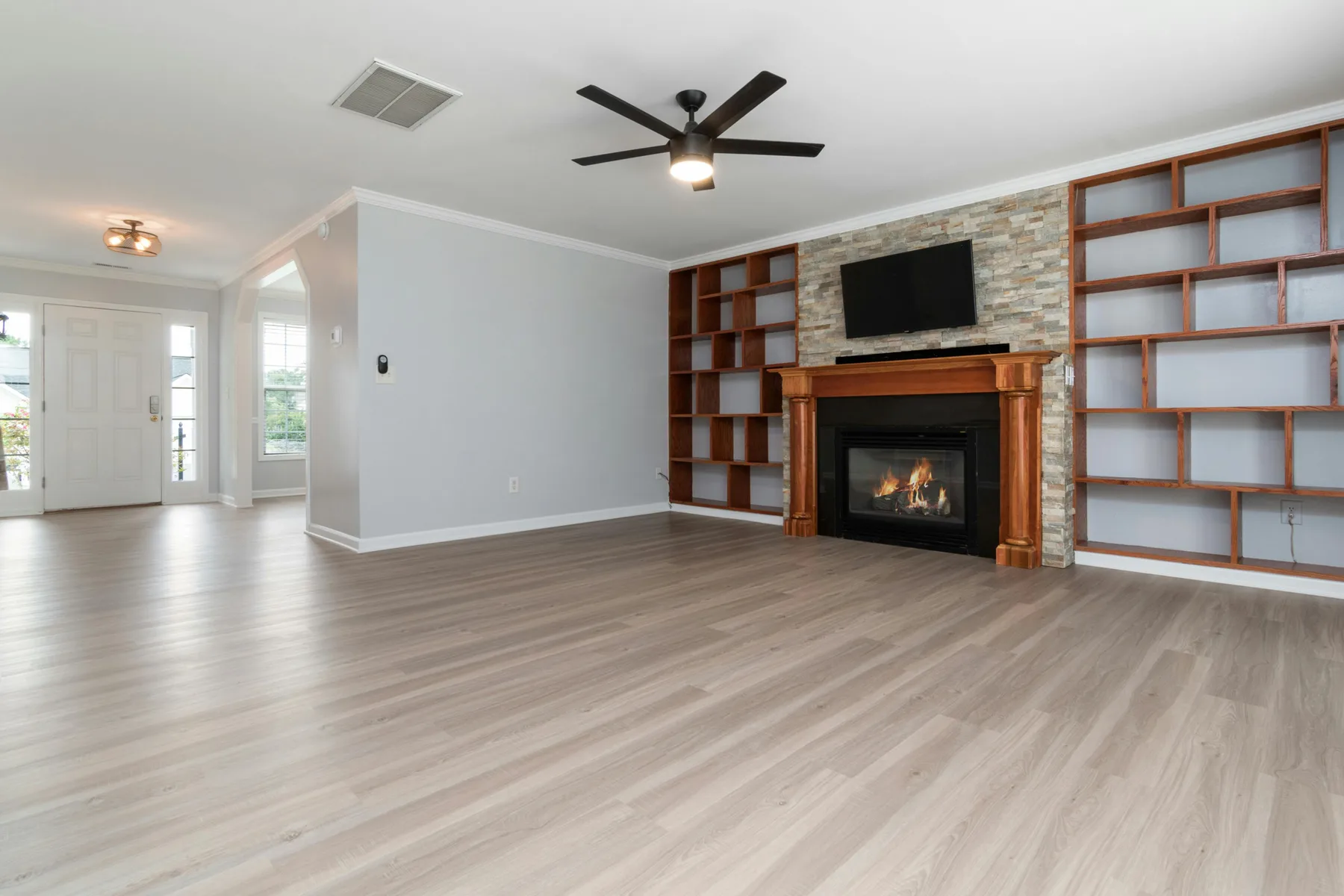
Quick Answer
The best feng shui for a new home starts with a reset, not with decoration. Clean the house well, repair what is obviously off, clear the main pathways, and anchor the rooms that shape daily life first: the entry, bedroom, kitchen, and living room.
Moving into a new house can feel exciting and strangely heavy at the same time. Even a beautiful home often carries visual noise from the move itself, lingering maintenance issues, or a layout that has not settled yet. Feng shui is most useful here when it helps the house feel clearer and easier to inhabit right away.
That is why the first feng shui steps should be practical. The goal is not to stage a symbolic moment while the space still feels chaotic. The goal is to remove friction, restore freshness, and give the home a stronger sense of arrival. Once that foundation is in place, styling choices start working much better.
The First Feng Shui Priorities In A New Home
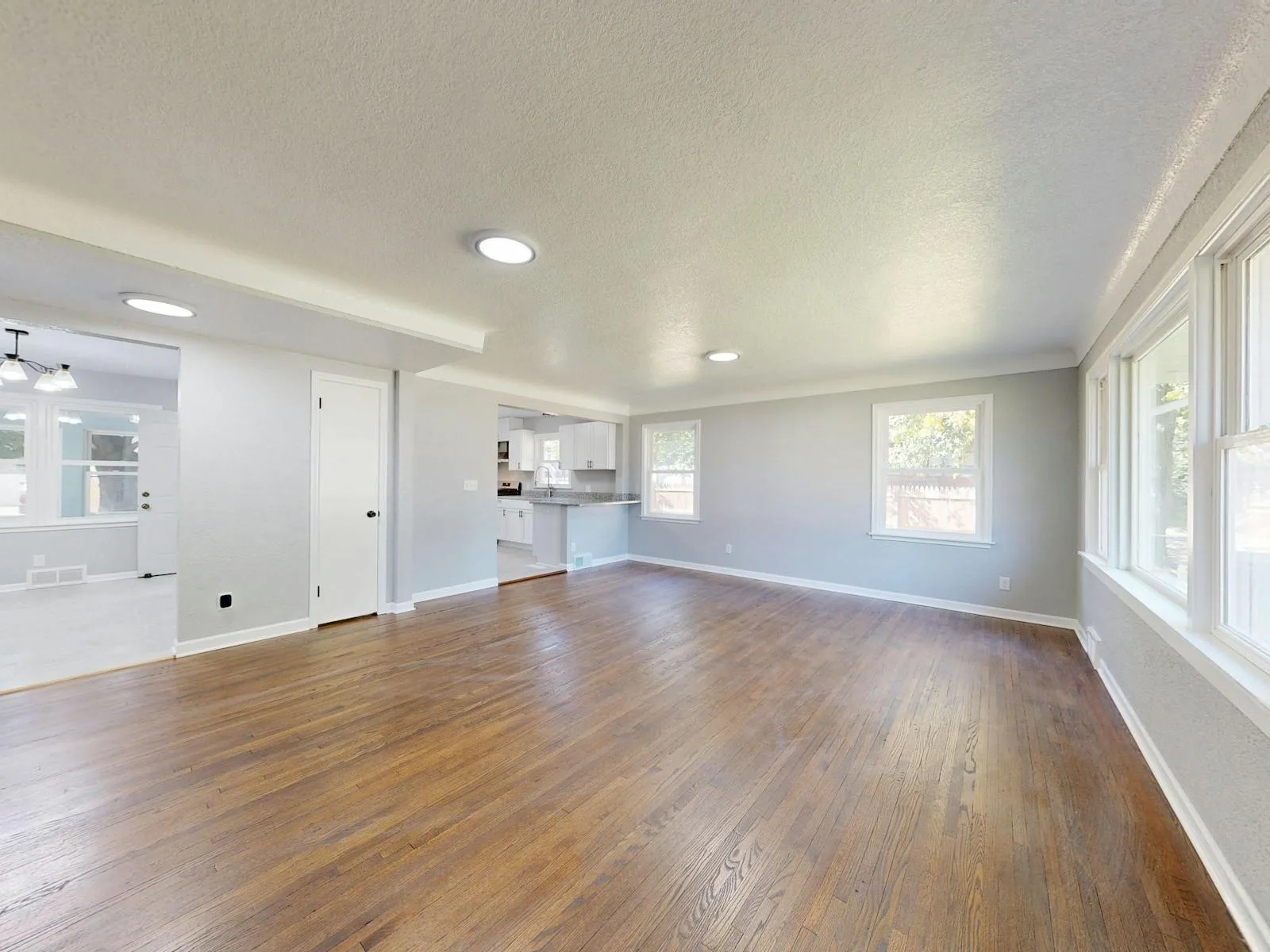
A new home usually does not need more objects first. It needs a sense of order. That means taking away what feels stale or obstructive before layering in what feels meaningful and alive. If the space still has boxes everywhere, sticky doors, tired light bulbs, or unclear pathways, those things will affect the mood of the home more than any decorative fix.
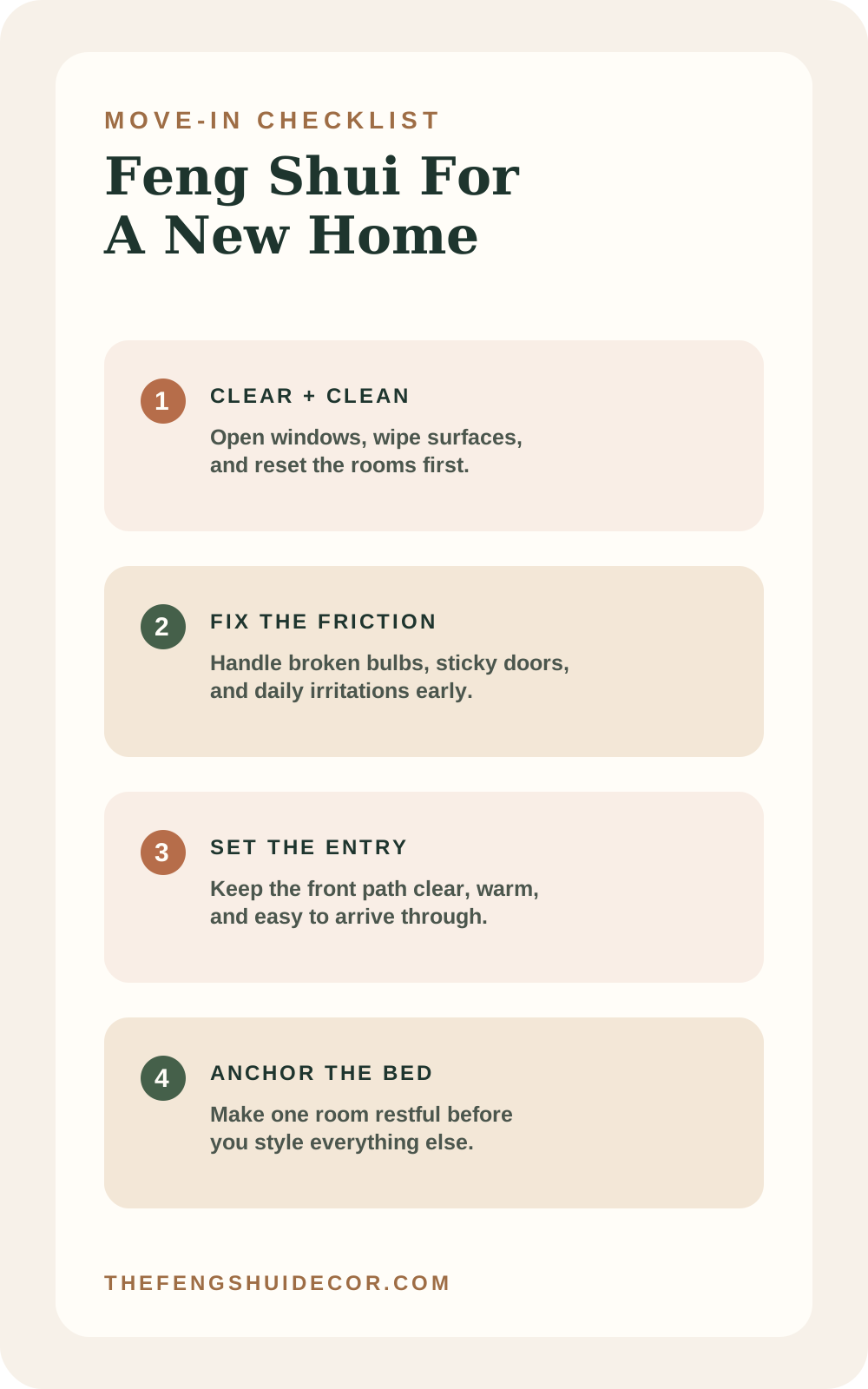
What to do first, in order
These moves create the biggest shift fastest.
Clean like you are resetting the house
Wipe surfaces, wash floors, clean corners, empty old drawers, and open the windows where you can. A deep clean is one of the clearest ways to signal a fresh start.
Fix what keeps creating friction
Replace dead bulbs, quiet a rattling handle, repair a sticking cabinet, and deal with leaks or smells early. Small unresolved issues can make a new home feel unsettled for longer than expected.
Make the entry feel readable
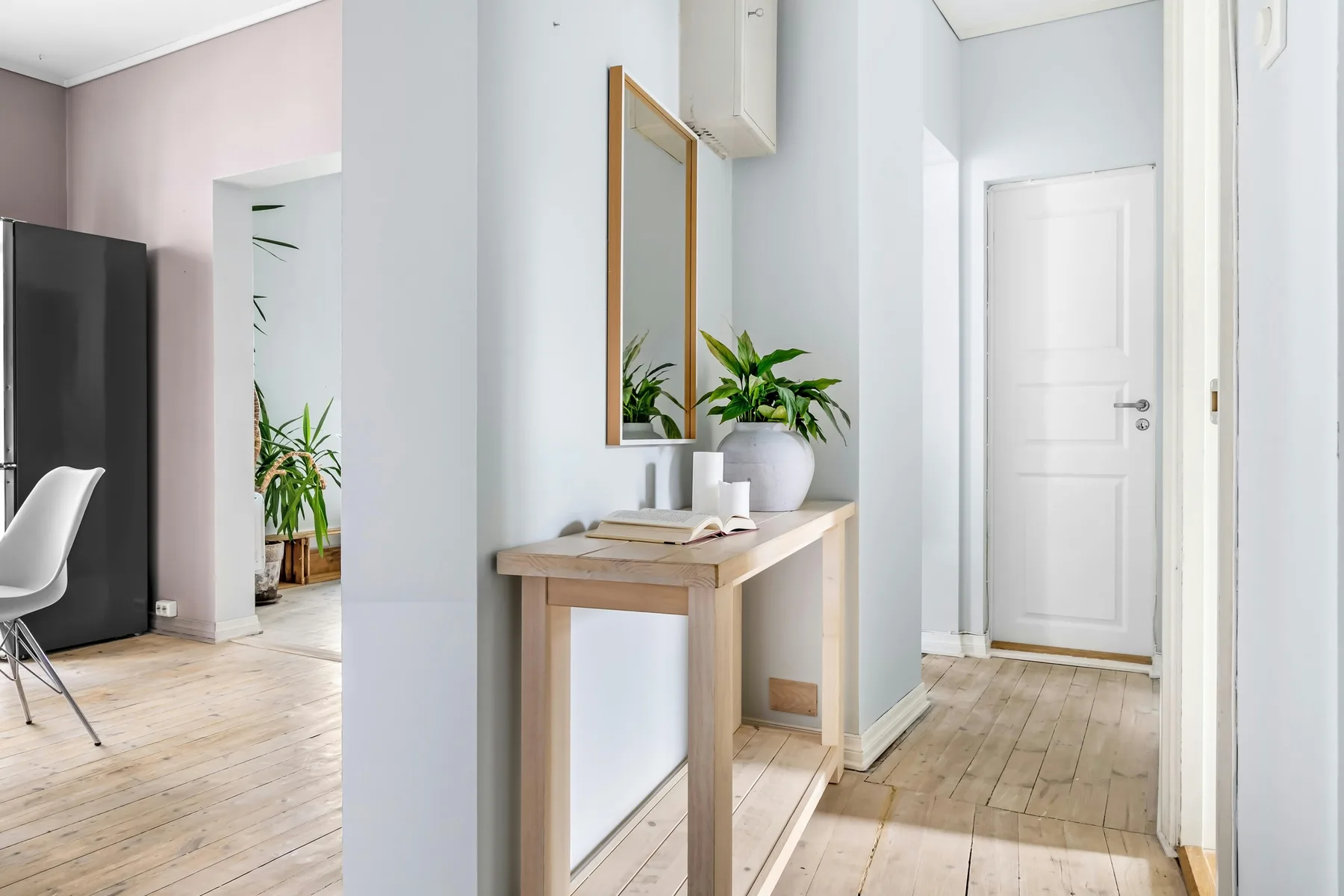
The front door area should feel easy to enter, easy to move through, and visually calm. A clear path, warm light, and one grounded surface often do more than a lot of styling.
Anchor the bedroom before the extras
Set the bed up in the strongest position the room allows so at least one room starts feeling restful. Fresh bedding and a cleaner nightstand setup help the room settle quickly.
Let the main living spaces breathe
Do not overfill the living room or kitchen in the first week. Leave enough openness to understand how the house wants to function before you add more furniture or decor.
Most useful move-in mindset
Treat feng shui as a settling process. The best first moves are usually the ones that make the home easier to use, easier to maintain, and easier to relax into every day.

What To Bring Into A New Home First For Better Feng Shui
People often ask what to bring into a new house for good luck. The best answer is less about one lucky object and more about bringing in items that create steadiness. Good light, comfortable bedding, a clean entry surface, fresh towels, healthy plants in the right rooms, and one or two pieces with emotional meaning all support the transition better than random symbolic clutter.
| Bring in first | Why it helps | How to use it well |
|---|---|---|
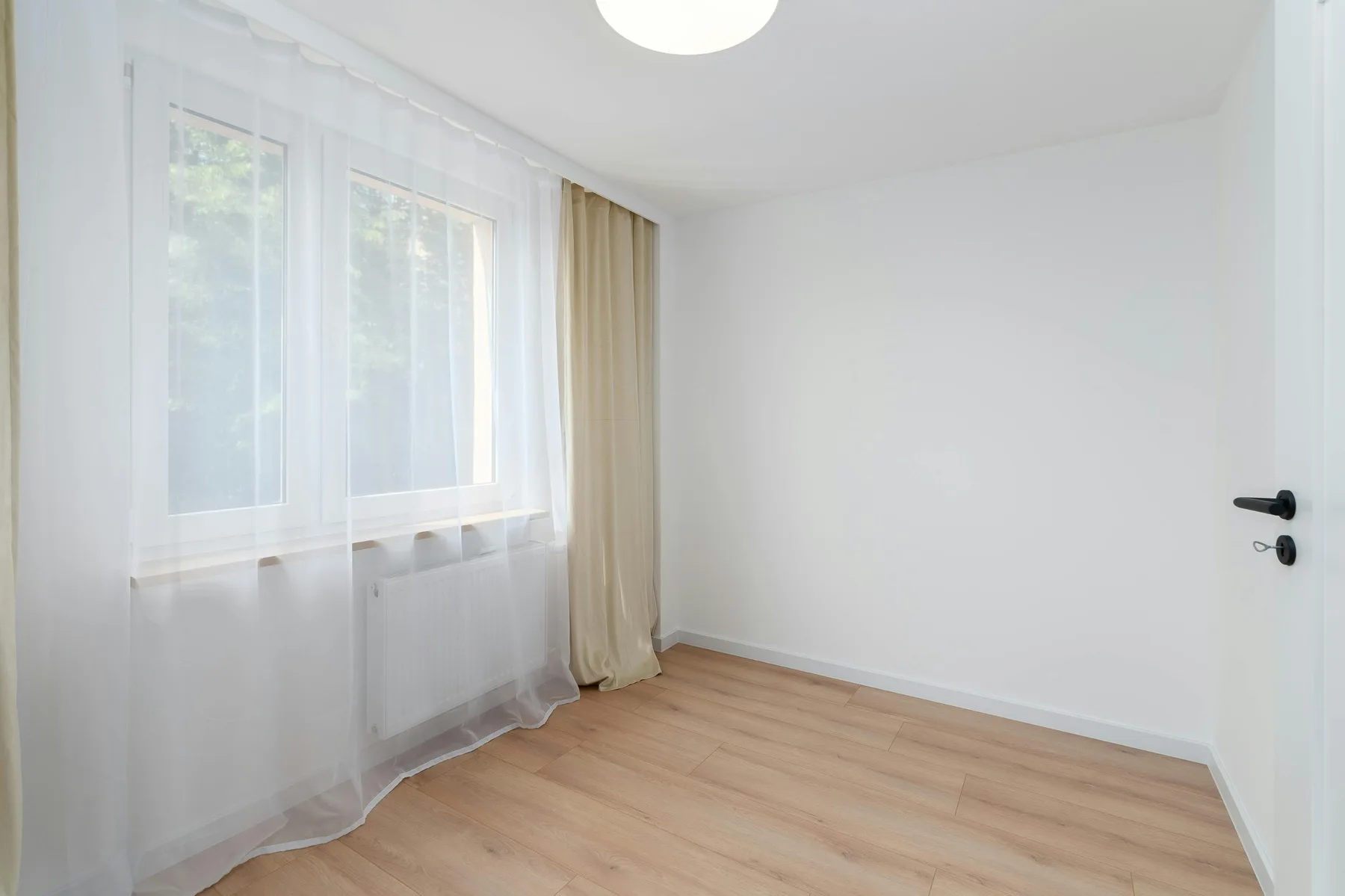
| Fresh bedding | It helps the bedroom feel claimed and restful quickly. | Use simple, breathable layers in calm colors before adding more decor. |
| Warm lighting | Soft light makes a new house feel less empty and more welcoming. | Replace harsh bulbs early, especially at the entry, bedroom, and living room. |
| One grounded entry piece | It gives the arrival zone structure and a landing point. | A console, bench, or narrow cabinet works if the walkway still stays clear. |
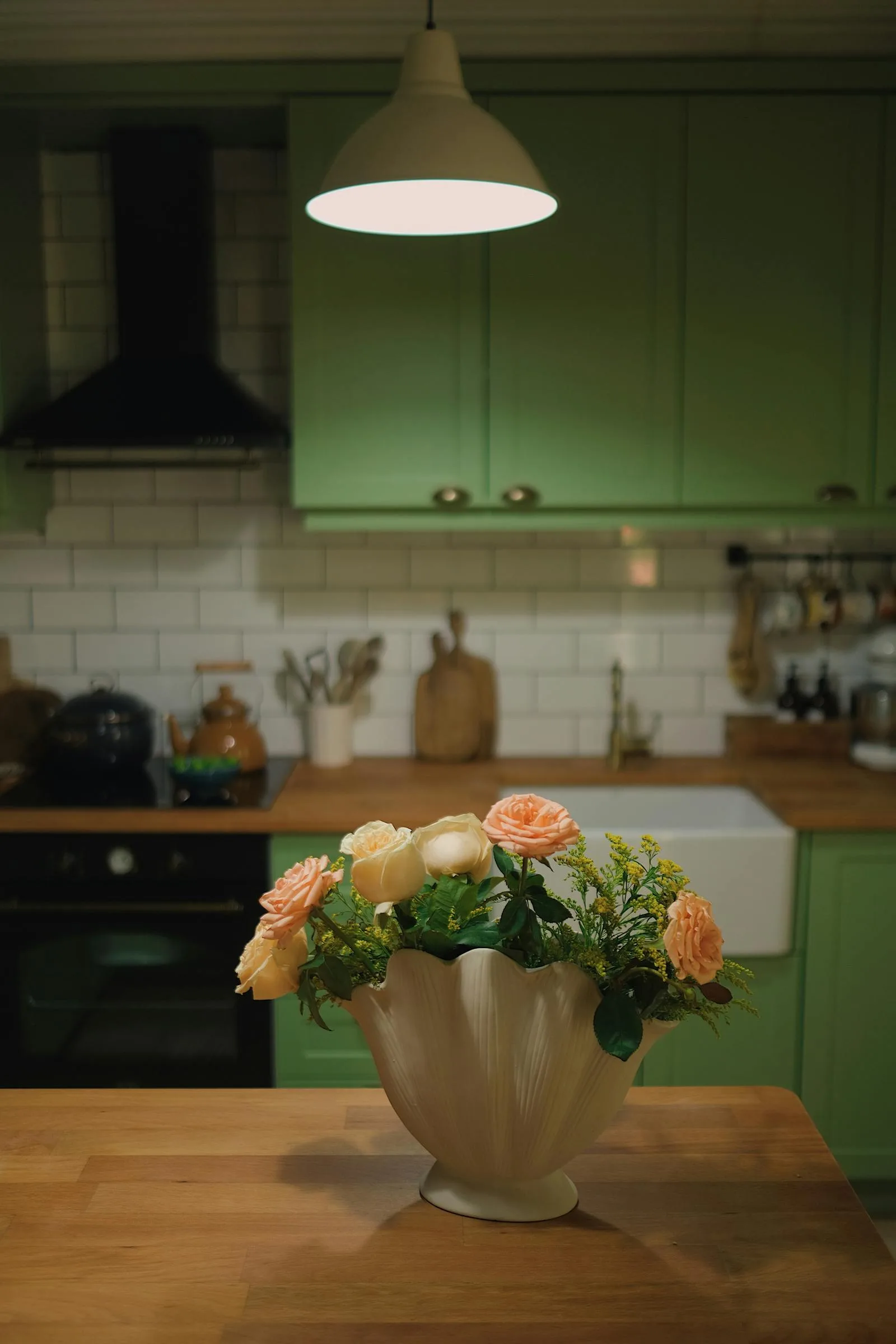
| Functional kitchen basics | They help the home support nourishment and routine right away. | Prioritize usable surfaces, storage clarity, and one fresh bowl of fruit or flowers. |
| Meaningful personal items | They help the home feel emotionally yours instead of temporary. | Choose a few pieces with real meaning instead of filling every surface at once. |

Better first moves
- +Bring in objects that support everyday life before decorative fillers.
- +Leave enough empty space to learn how the room wants to function.
- +Choose one or two meaningful pieces instead of decorating every surface immediately.
- +Use the first week to improve comfort, light, and circulation.
What to skip
- -Packing the home with storage bins, temporary piles, and impulse decor.
- -Treating lucky objects as a replacement for cleaning and repairs.
- -Buying furniture before you understand the room proportions and pathways.
- -Letting the bedroom stay half-finished while focusing on less important areas.
A Practical Feng Shui Plan For The First Week
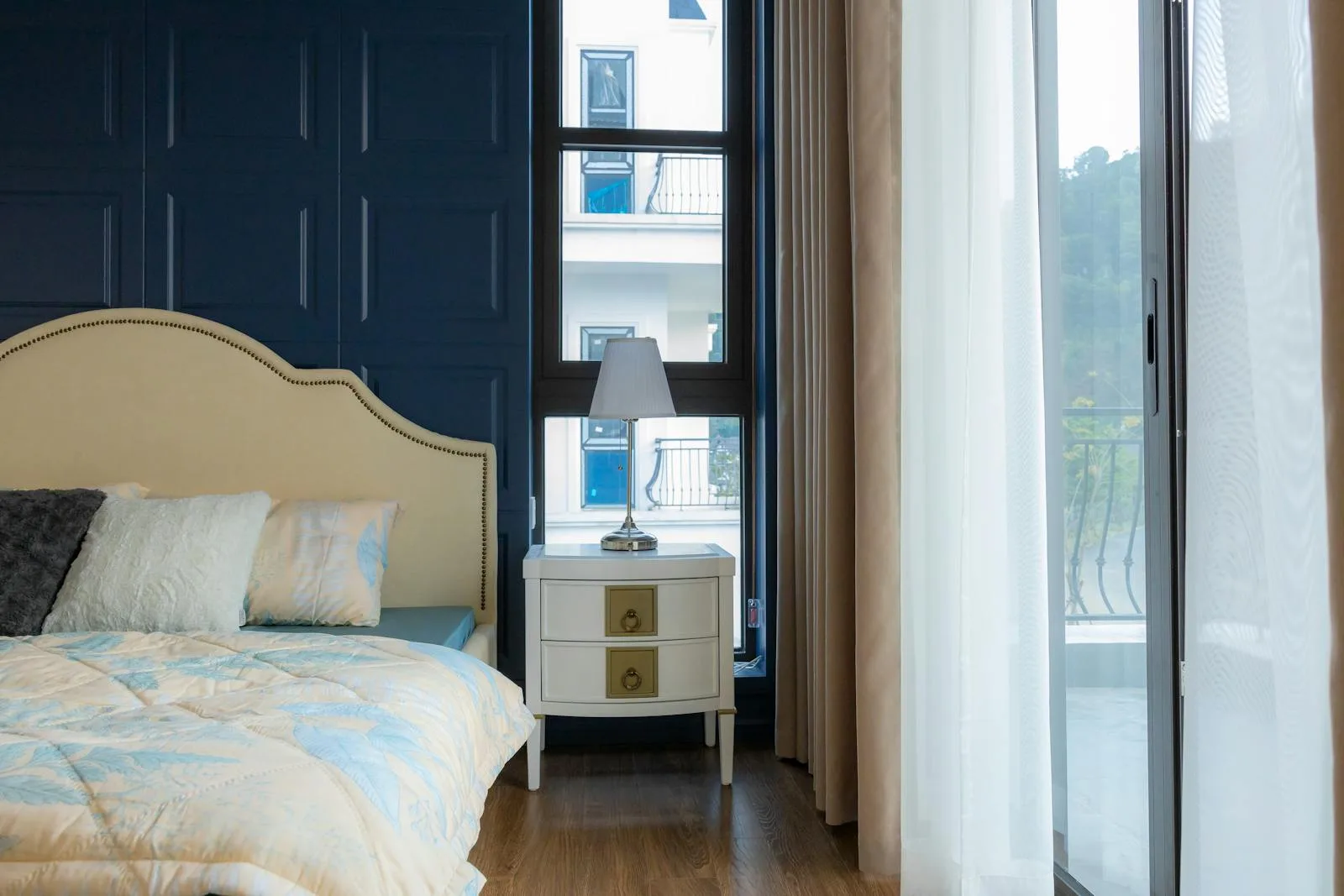
If the whole house feels like too much, narrow the focus. Day one is usually about cleaning, air, and utilities. Days two and three should make the bed, bath, and kitchen fully usable. Then move to the entry and living room so the house begins to feel welcoming instead of transitional.
This is also the best time to notice the house's real pressure points. Maybe the front door opens into visual clutter. Maybe the living room is already getting crowded. Maybe the bedroom only has one workable bed wall. Those observations matter more than trying to apply every rule in perfect sequence.
If you need more room-specific guidance after moving in, the most useful next reads are feng shui rules for your home, feng shui bedroom layout, feng shui front door, and feng shui living room furniture.
Frequently Asked Questions
What are the first feng shui things to do in a new home?
What should you bring into a new home for good feng shui?
How do I remove bad energy from a new house?
Is there a feng shui checklist for moving into a new home?
The Bottom Line
The best feng shui for a new home is about helping the house settle. Cleaning, repairs, clear pathways, and stronger room anchors do more than a rushed layer of decorative objects.
If the entry feels readable, the bedroom feels restful, and the main living spaces can breathe, you are already giving the home a much better start.