



Quick Answer
Use this feng shui home checklist to review the entry, living room, bedroom, kitchen, bathroom, and overall palette one zone at a time. The goal is not perfect symbolism. The goal is a home that feels clearer, calmer, and easier to live in.
This page is the practical companion to feng shui rules. That page explains the principles. This one helps you walk through the home and check how those principles are showing up in real rooms.
The strongest whole-home answer is rarely more objects. It is better flow, less friction, and rooms that feel aligned with what they are for. A restful bedroom should feel restful. A front entrance should feel easy to arrive through. A living room should support conversation and comfort. A kitchen should still feel usable at the end of the day. A bathroom should not feel neglected.
Start With a Whole-Home Feng Shui Checklist
Scroll sideways to compare all columns.
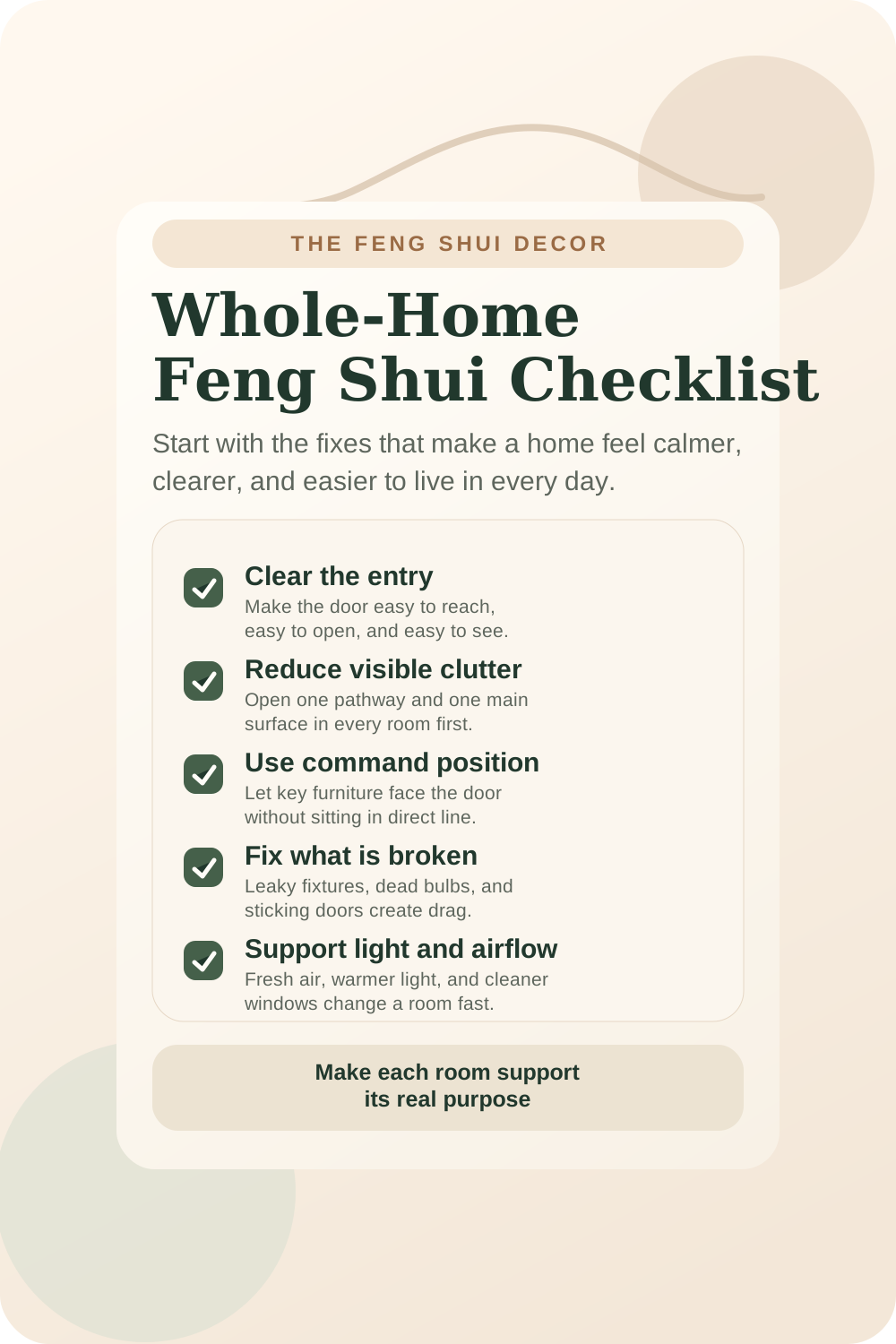
| Rule | What it means in real life | Best first move |
|---|---|---|
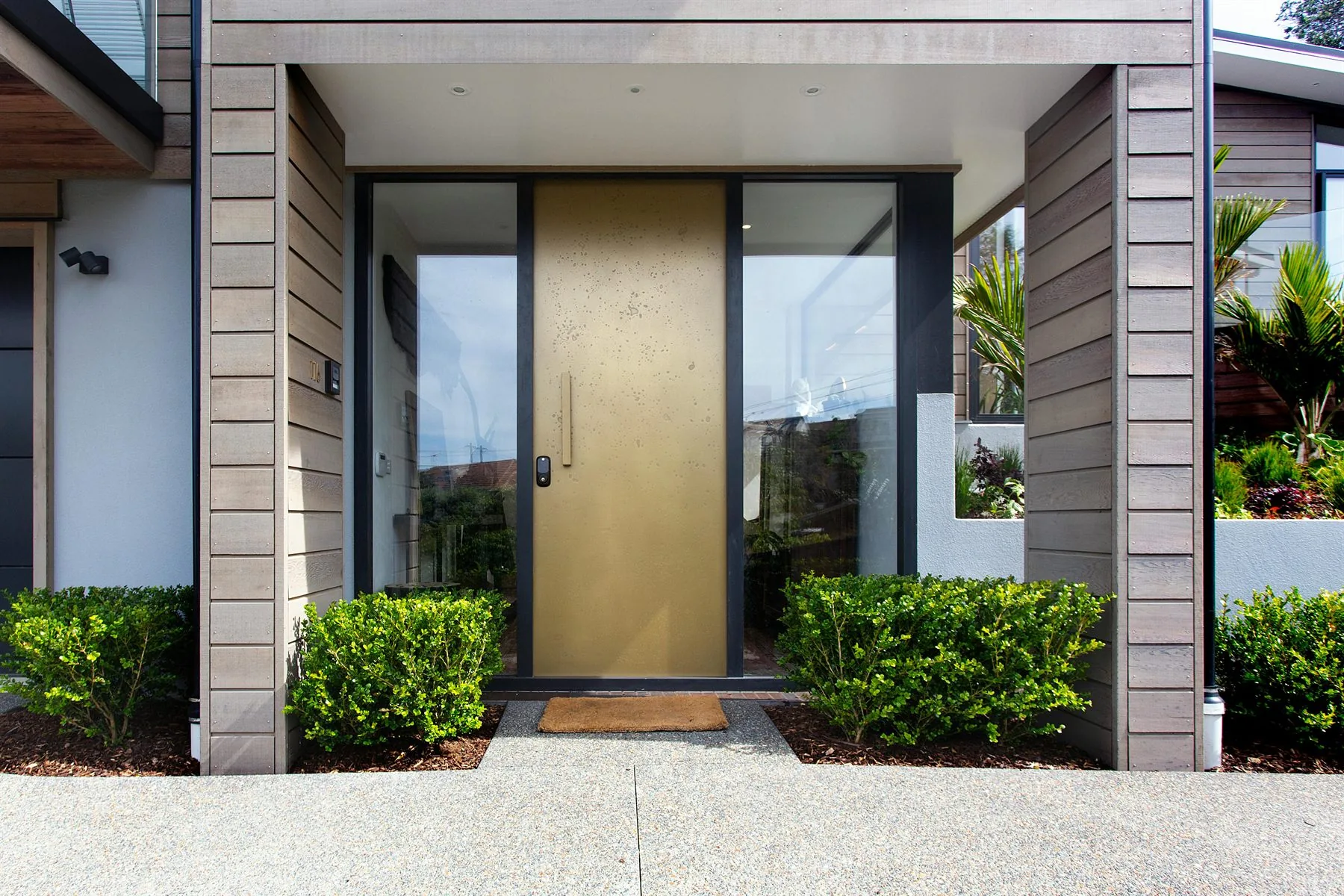
| Keep the entrance clear | The front door area should feel easy to see, easy to reach, and easy to move through. | Remove clutter, fix lighting, and make the threshold feel cared for. |
| Use command position when possible | Beds, desks, and main seating tend to feel better when they can see the door without being directly in line with it. | Reposition the main furniture piece before buying anything decorative. |
| Reduce visible clutter | Open surfaces and pathways help the home feel calmer and easier to use. | Clear one surface and one pathway in each room first. |
| Fix what is broken | Leaky fixtures, sticking doors, and dead bulbs create constant background friction. | Handle repairs before adding new decor cures. |
| Match the room to its purpose | A room that is trying to do five jobs at once often feels unsettled. | Decide the main purpose of the room and remove what fights it. |
A 15-Minute Feng Shui Home Audit Order
If you want the fastest practical pass, do not try to audit every drawer and corner. Walk the home in the same order a person experiences it, then fix the first obvious friction point in each zone. This keeps the checklist useful instead of turning it into another overwhelming project.
Scroll sideways to compare all columns.
| Minute | Zone to check | One useful question |
|---|---|---|
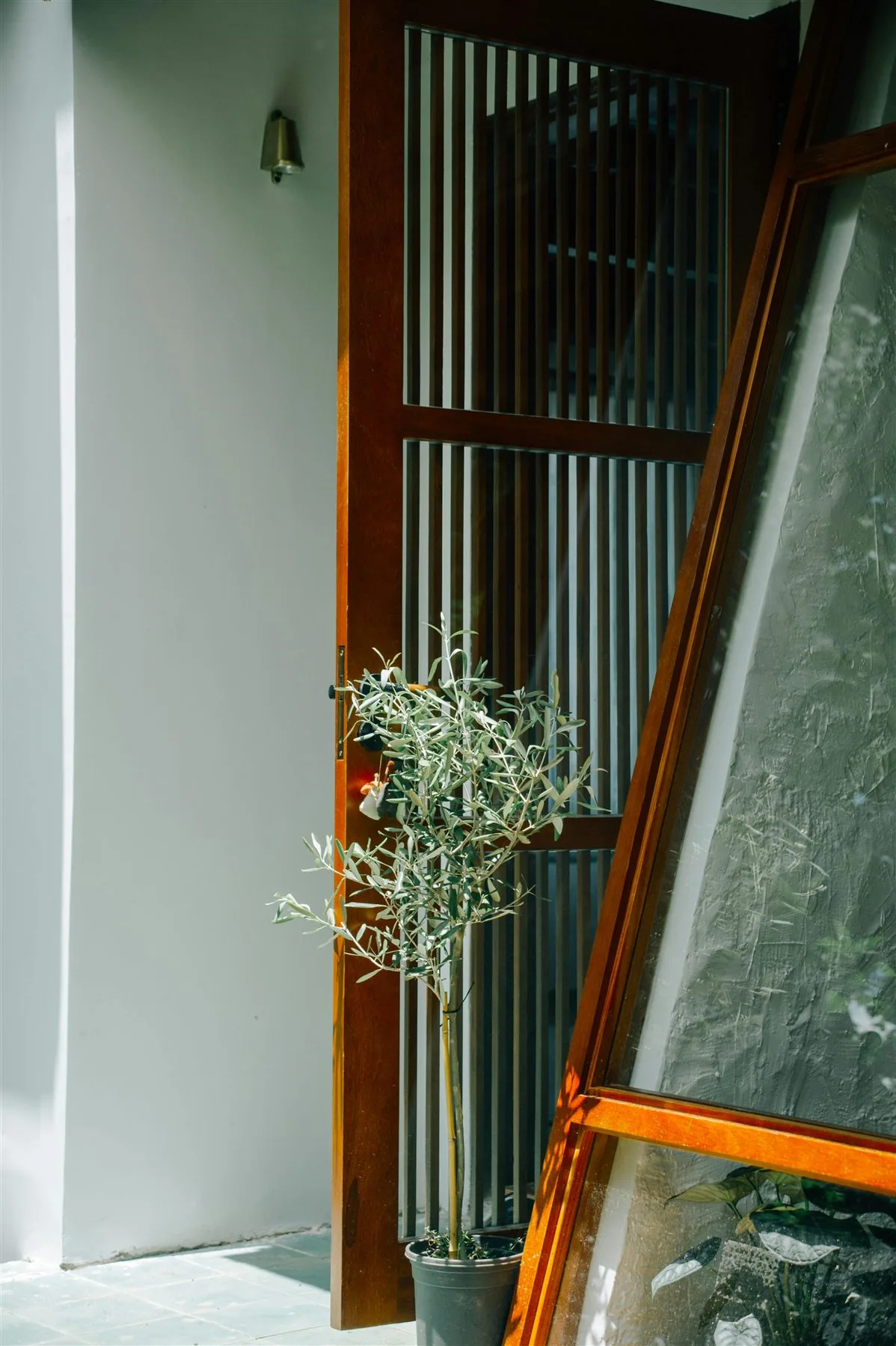
| 1-3 | Entry path | Can the door open fully, and does the first view feel clear rather than blocked? |
| 4-6 | Main living path | Can people move through the room without squeezing around furniture or clutter? |
| 7-9 | Bed zone | Does the bed feel supported, restful, and free from obvious visual noise? |
| 10-12 | Kitchen counter and stove | Does the cooking area feel clean, usable, and ready for nourishment? |
| 13-15 | Bathroom freshness | Are leaks, ventilation, towels, and visible surfaces sending a cared-for message? |
These checks matter because they improve both the design and the lived experience of the home. A house that feels easier to use almost always feels better energetically too. If you want the principle behind each move, read feng shui rules first. If you want to audit the house in sequence, stay here and move room by room.
How to Check the Main Rooms in Your Home
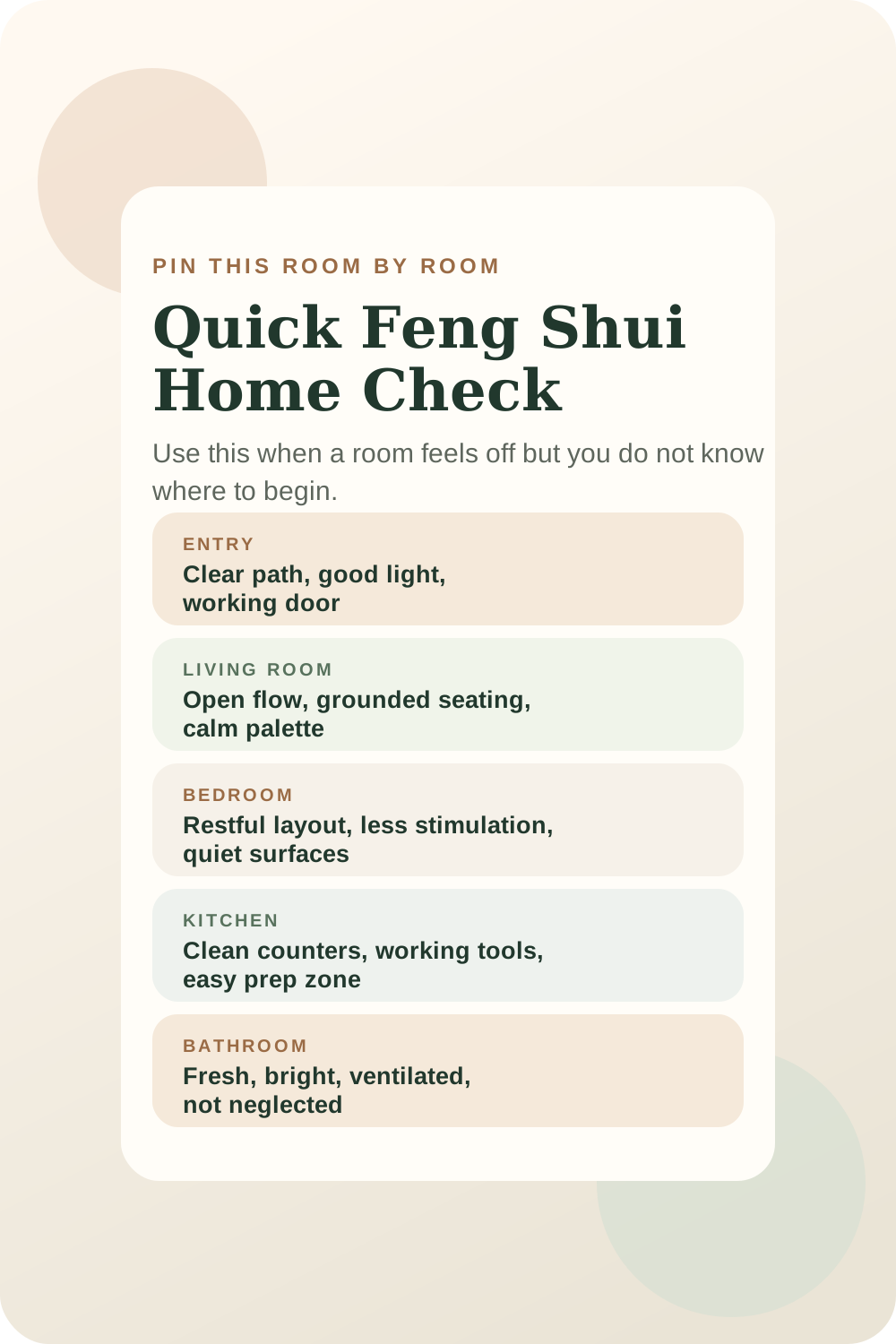
If you feel overwhelmed by whole-house rules, simplify them into room questions. What is blocking this room, what is missing, and does the room actually support what happens here every day? If you want to go deeper room by room, start with feng shui front door tips, feng shui colors for a living room, and feng shui mirror placement.
Scroll sideways to compare all columns.
| Room | What to check first | Best next move |
|---|---|---|
| Entry | Clutter, lighting, doormat, ease of opening the door | Clear the approach and make the entrance feel easy to arrive through |
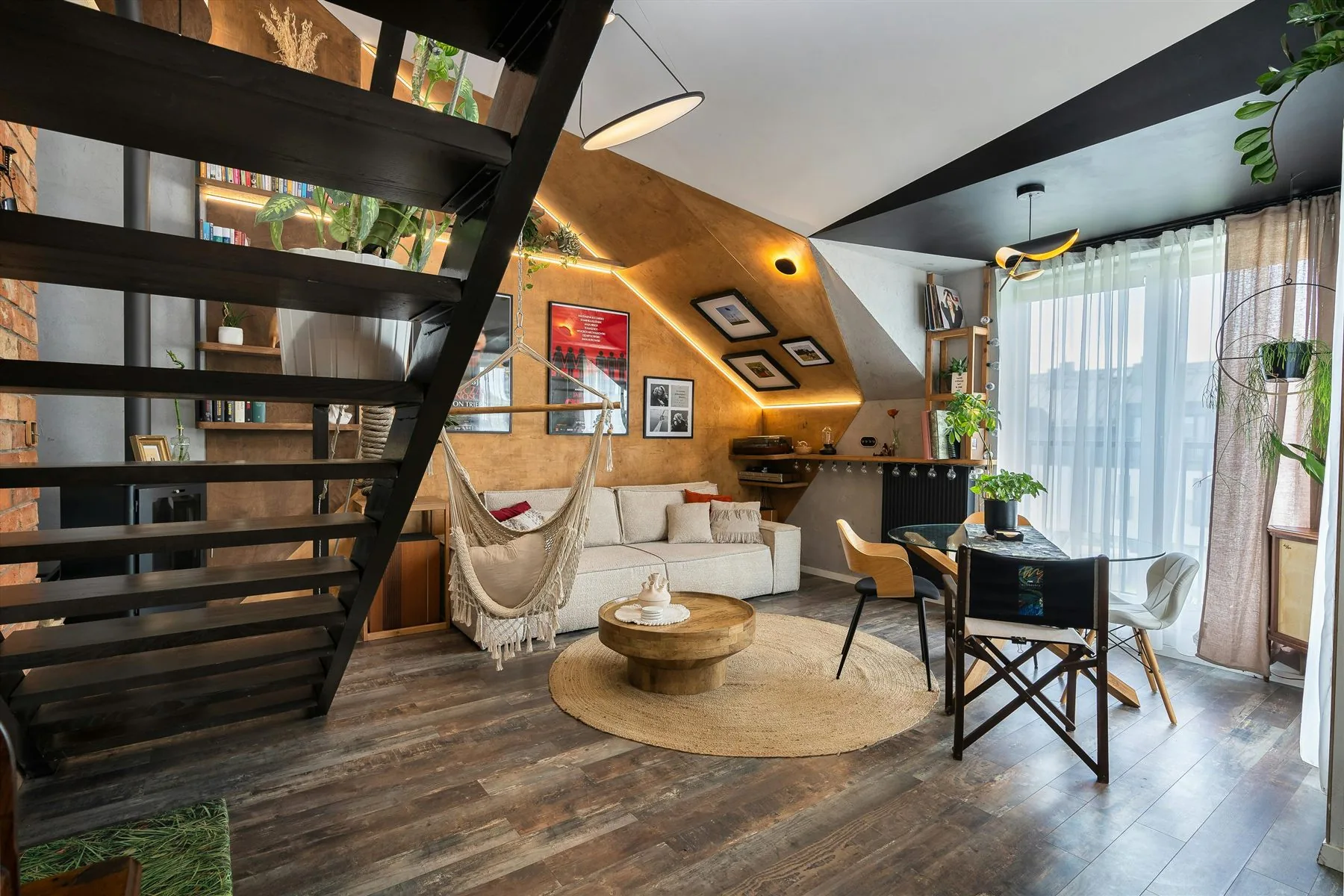
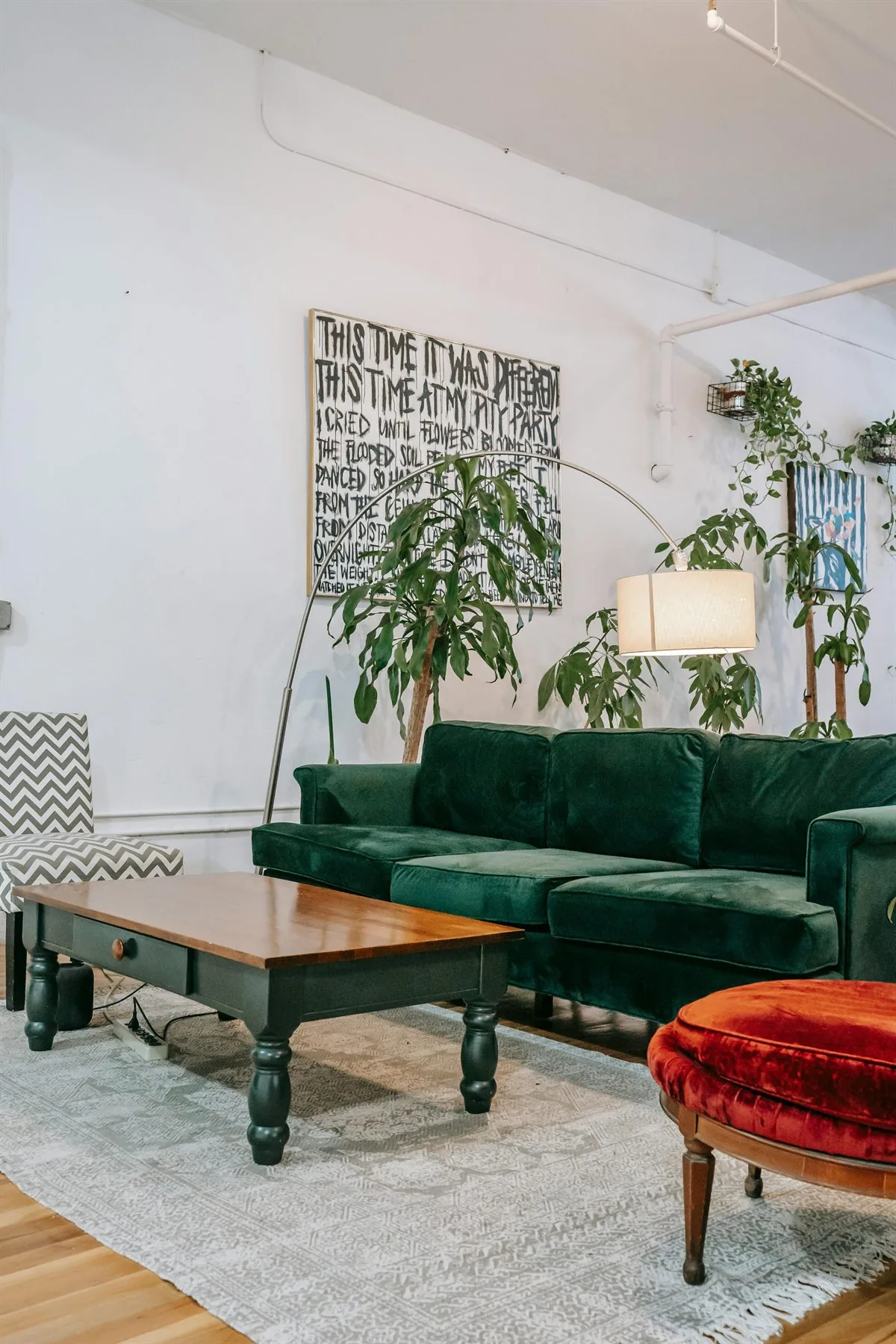
| Living room | Seating layout, pathways, visual clutter, color mood | Create a conversation-friendly layout with calmer surfaces |
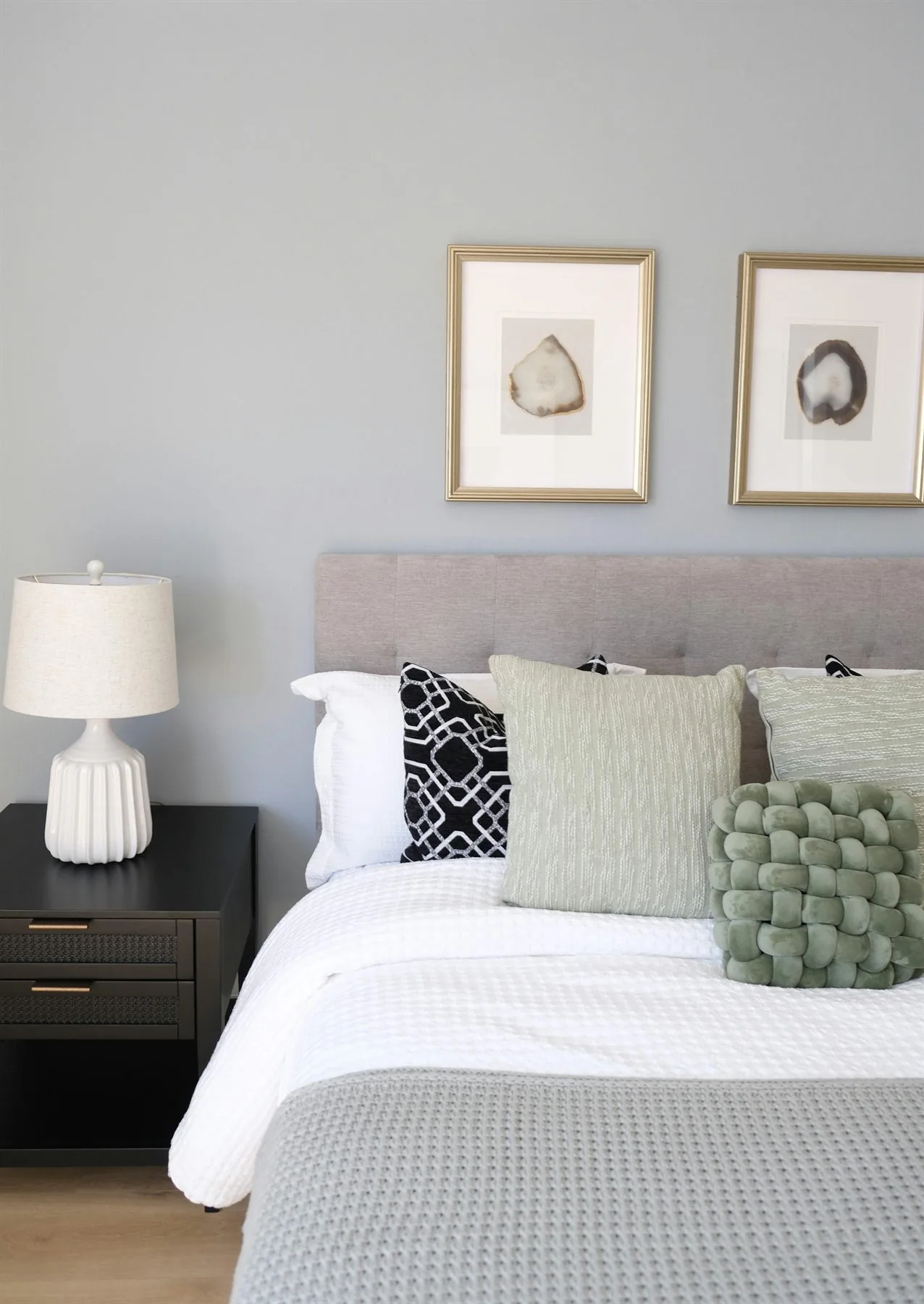
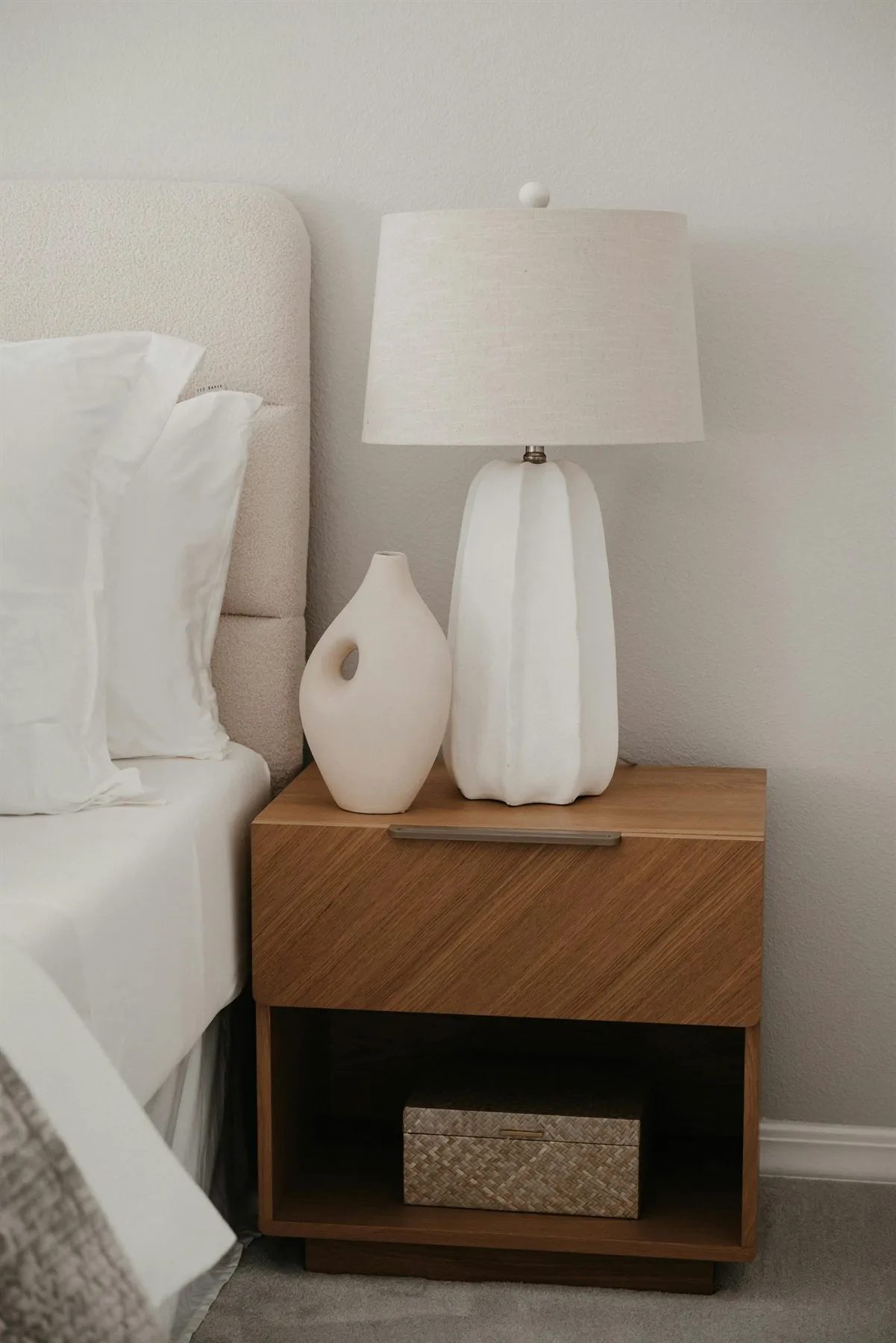
| Bedroom | Bed placement, mirror reflection, nighttime light, under-bed storage | Protect rest by reducing extra activity and visual noise |
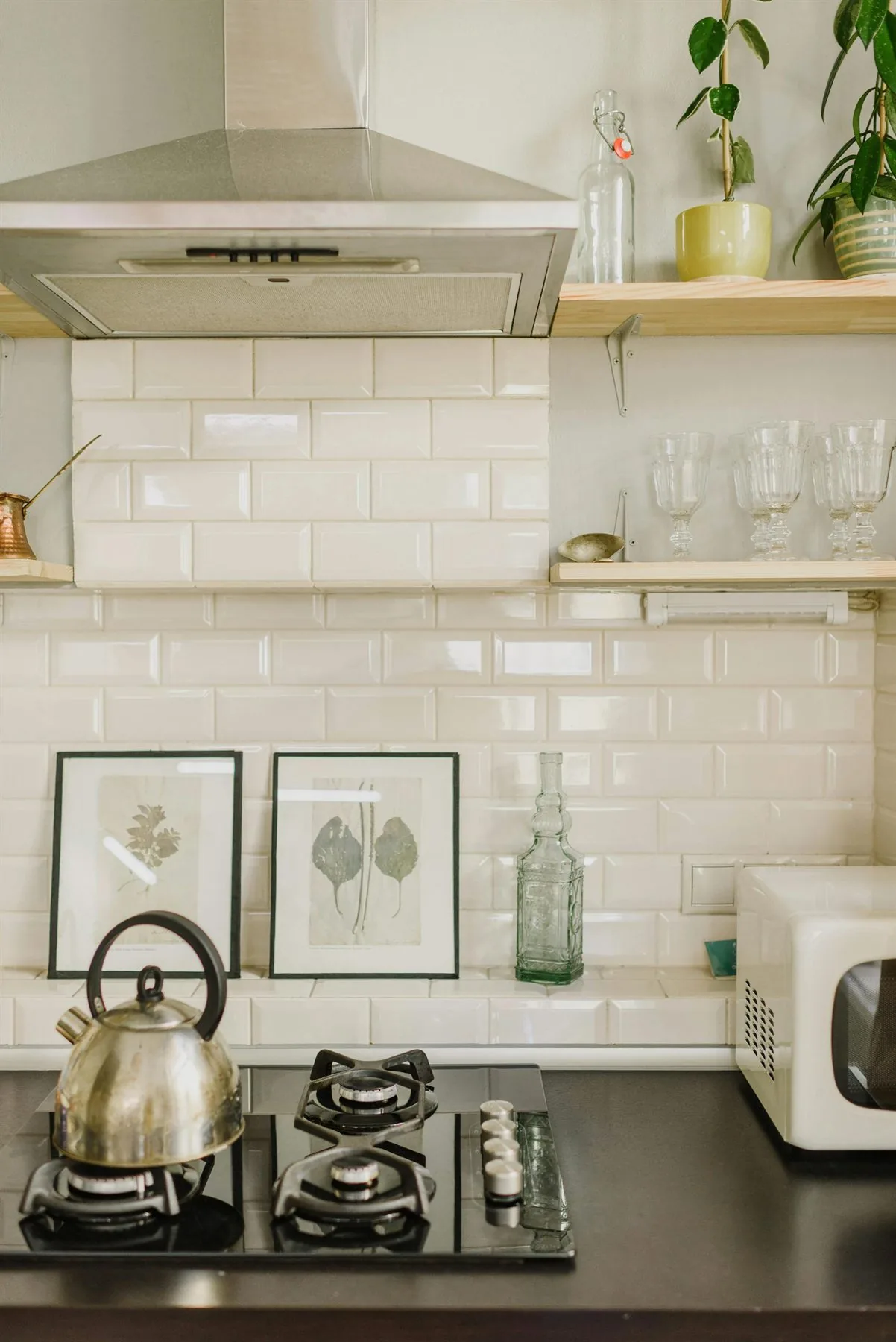
| Kitchen | Cleanliness, broken items, counter crowding, lighting | Support nourishment with order, working tools, and cleaner surfaces |
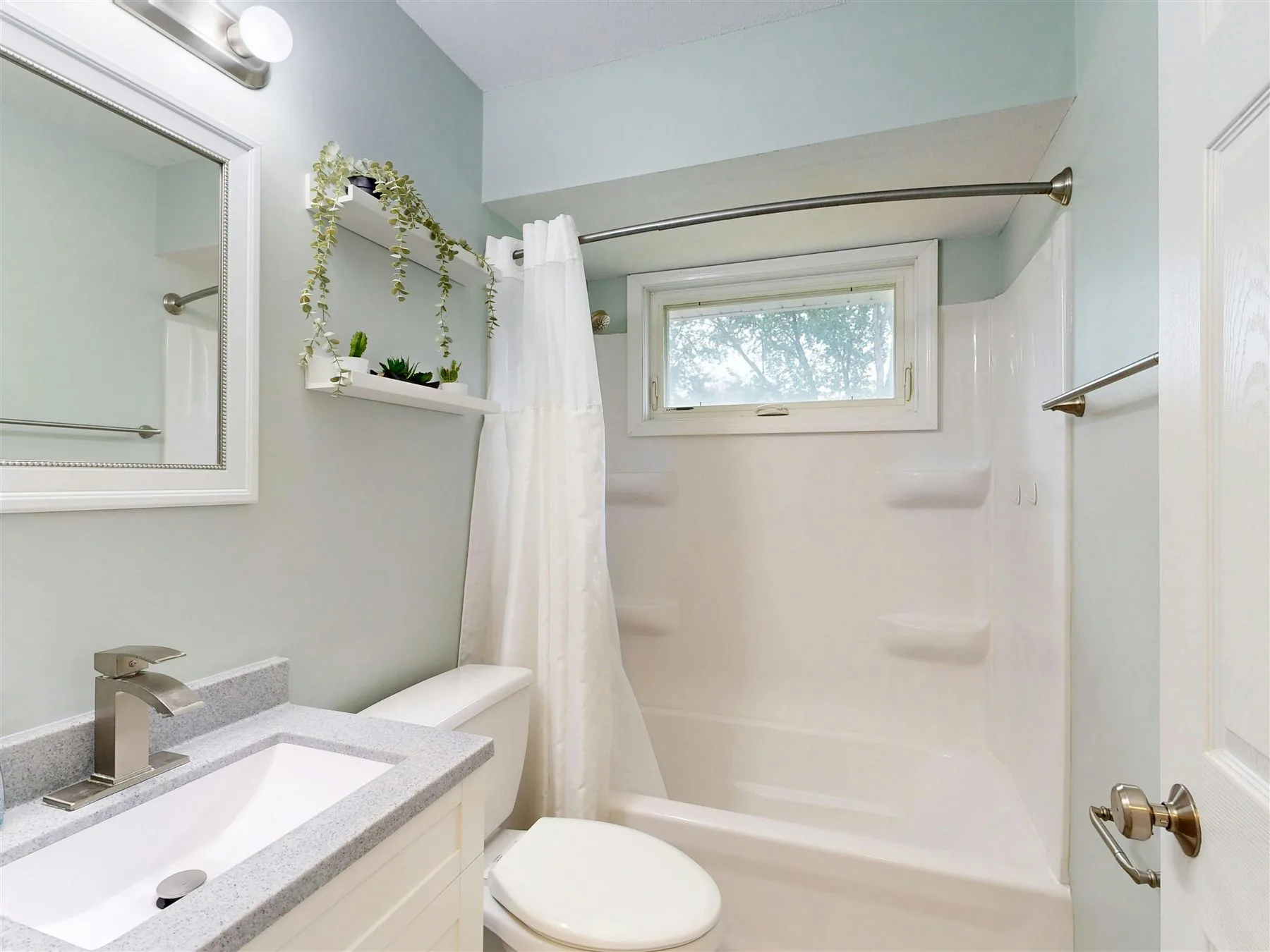
| Bathroom | Leaks, poor ventilation, visual mess, harsh lighting | Keep it fresh, functional, and less neglected than it may currently feel |
The living room often reveals pathway and anchor problems first, because seating, conversation, and visual clutter all compete in one open space. Bedrooms show whether the home knows how to rest. Kitchens reveal maintenance drag and counter overflow quickly. Bathrooms show neglect faster than almost any other room. If you want to go deeper after this checklist, the best next room-specific reads are feng shui living room furniture, feng shui bedroom layout, feng shui kitchen, and the feng shui bathroom guide. Use the bathroom color guide when the room works but its palette feels off.
Color Palettes That Support the Whole Home
Color is one of the easiest feng shui rules to use because it changes the emotional tone of a room quickly. The goal is not chasing a lucky shade in every room. The goal is using color in a way that supports rest, clarity, warmth, and connection where those feelings actually belong.
A practical whole-home color rule
The easiest palette has one calmer base, one grounding support tone, and one warmer or richer accent.
Warm cream or soft beige
Base that keeps the home breathable
Warm cream or soft beige + Sage + Walnut
Use this on the biggest surfaces when you want the home to feel lighter and easier to connect room to room.
Sage, taupe, or softened green
Grounding support
Sage, taupe, or softened green + Cream + Clay
Useful for upholstery, cabinetry, or one stronger wall when a room needs more calm life and less visual noise.
Clay, rust, or warm wood
Warmth in smaller doses
Clay, rust, or warm wood + Oat + Walnut
Best in pillows, ceramics, art, wood furniture, and smaller details that keep the room from feeling too flat or too cold.
Choose the color by what the room needs most
When a room feels too stark
Warm white, oat, or cream
A softer base can solve the problem faster than adding more decorative objects.
When a room feels too flat
Sage, mushroom, or taupe
A support tone gives the room more depth and steadiness without making it louder.
When a room feels too cold
Clay, rust, or warmer wood
A smaller warm accent helps the room feel more lived in and more emotionally welcoming.
An easy color formula for most rooms
70% base
Calmer wall and large-surface color
Let the room breathe first.
20% support
Grounding furniture or cabinet color
This is where the room gets depth and steadiness.
10% accent
Warmer detail through wood, clay, or brass
Keep the warmth edited so it feels intentional.
If you want room-specific versions of this rule, the best follow-ups are feng shui colors for living room, feng shui colors for bedroom, feng shui colors for kitchen, and feng shui color palette ideas.
How to Keep the Checklist Practical
Many people give up on feng shui because they get buried in fear-based advice or feel like they need to buy a long list of cures. The better path is to focus on whether the home feels calmer, clearer, and more supportive after each change. That is also why decorative add-ons, including many so-called feng shui items for wealth, work best only after the basic function of the room is already strong.
Stay focused on
- +Clear pathways, working lights, and rooms that are easier to use.
- +Furniture placement that feels safer and more settled.
- +Color, texture, and decor that support the mood of the room.
- +Slow, realistic improvements you can actually maintain.
Do not get stuck on
- -Trying to apply every rule literally in a home that has real-life limits.
- -Buying symbolic objects before fixing obvious maintenance issues.
- -Treating feng shui like a pass-fail system instead of a design practice.
- -Letting guilt build because one room is not perfect yet.
The most useful mindset
Ask one question in each room: what would make this space feel easier, calmer, and more supported in daily life? That question can lead you to the right feng shui move faster than any rigid checklist.
Frequently Asked Questions
What is a feng shui home checklist?
Which room should I check first in feng shui?
How do I use feng shui room by room?
Can I do a quick feng shui home audit?
Do I need different feng shui colors in every room?
Do I still need the core feng shui rules page?
The Bottom Line
The most useful feng shui home checklist is the one that helps you see the house more clearly: where the entry snags, where the living room scatters, where the bedroom stays too active, where the kitchen drags, and where the bathroom feels neglected.
You do not need to perfect the whole house at once. Start with the strongest friction point, then let each room become a little calmer, clearer, and more supportive over time.