



Quick Answer
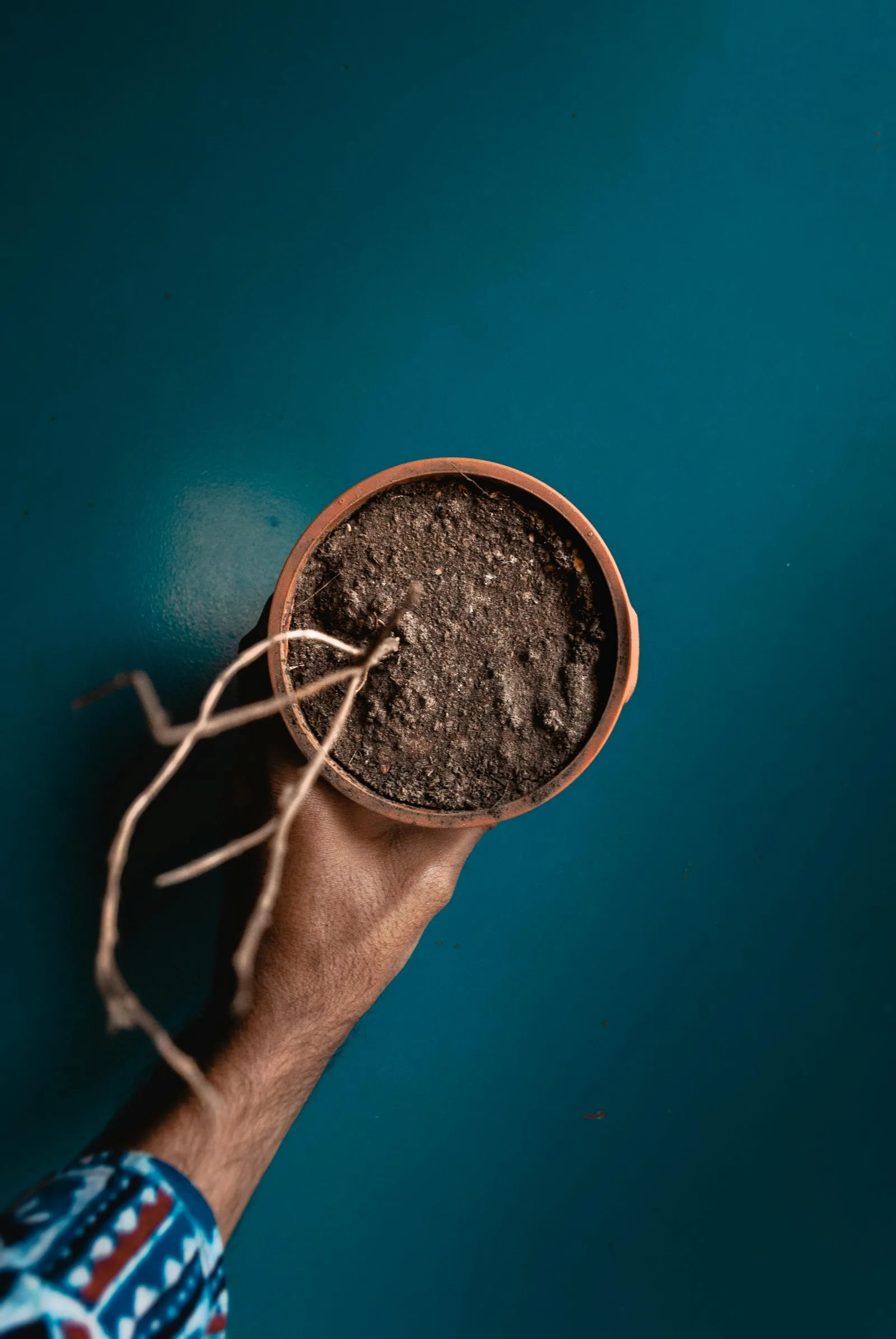
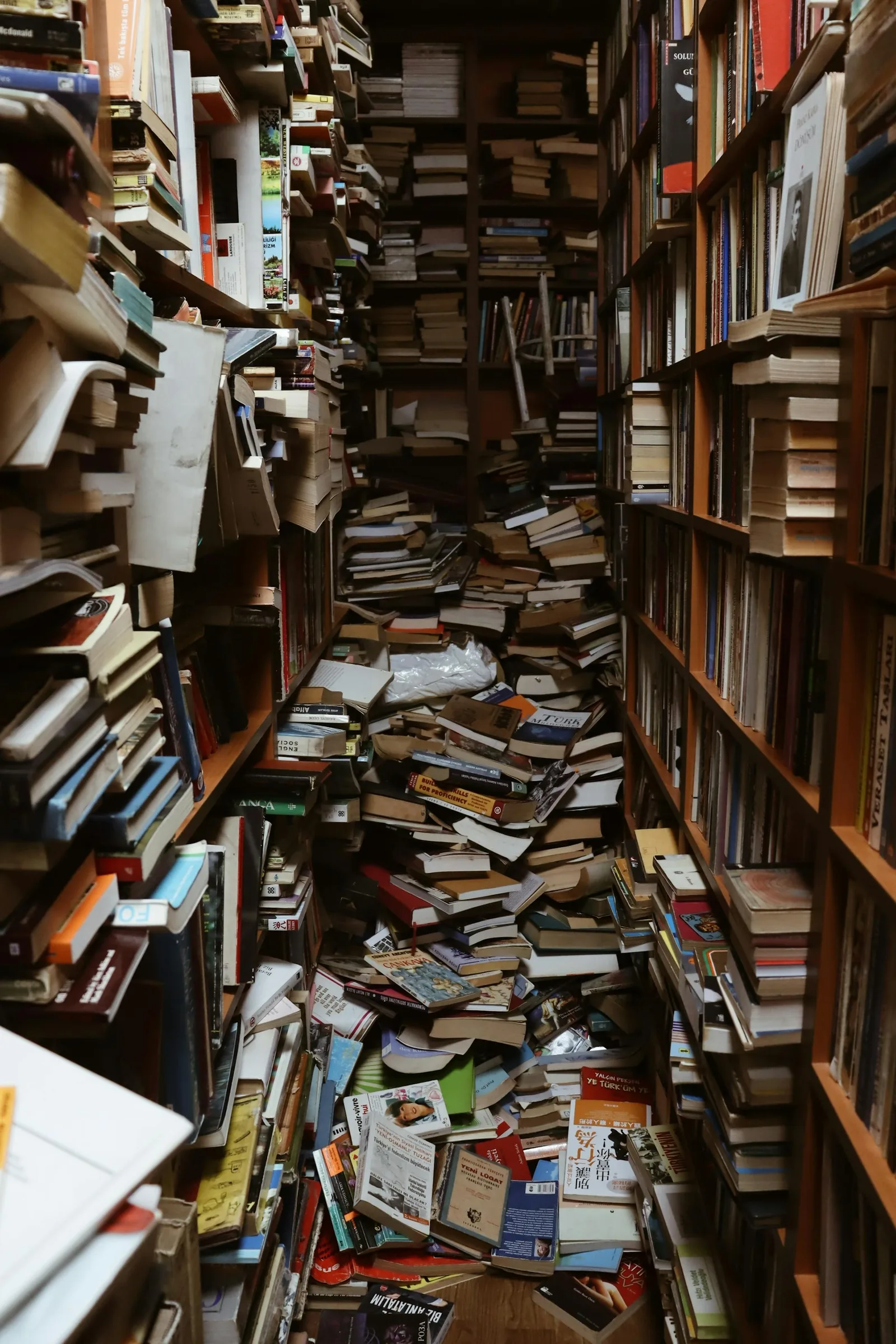
The main feng shui items to avoid are objects that make a room feel neglected, blocked, sharp, stale, or emotionally heavy. Start with broken pieces, dead plants, cluttered entry zones, dusty unused decor, aggressive shapes, stagnant water features, and mirrors that double the mess instead of improving the room.
The point is not to become nervous about every vase, plant, mirror, or keepsake. The point is to notice which objects keep making the room feel drained every time you walk past them.
A good edit starts with what the eye meets first: the front door, the main walkway, the bed area, the surfaces you use every day, and any object that looks damaged, dead, dusty, or tense.
The Items That Cause the Most Drag
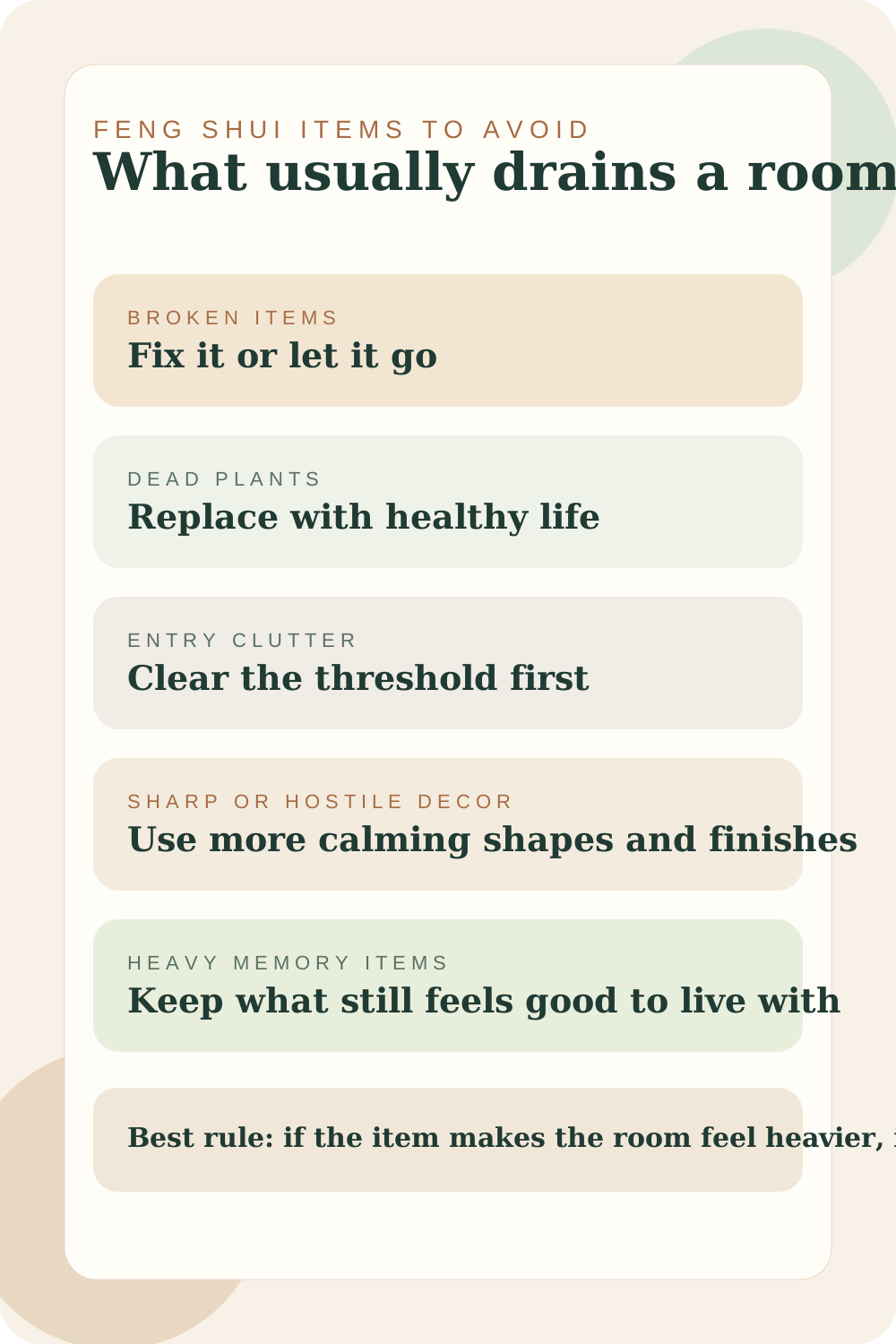
These are the first categories to check before buying new decor.
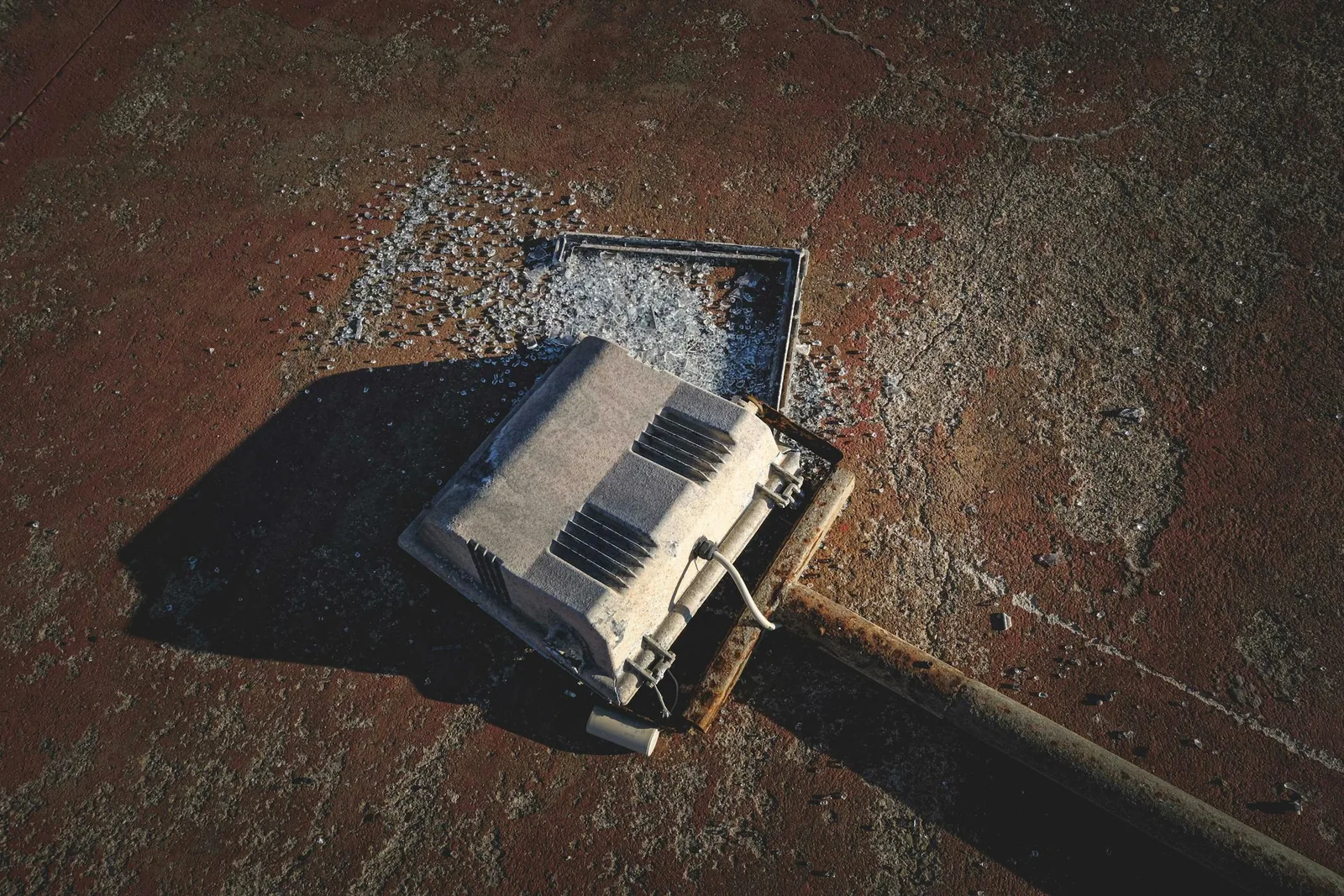
Broken items
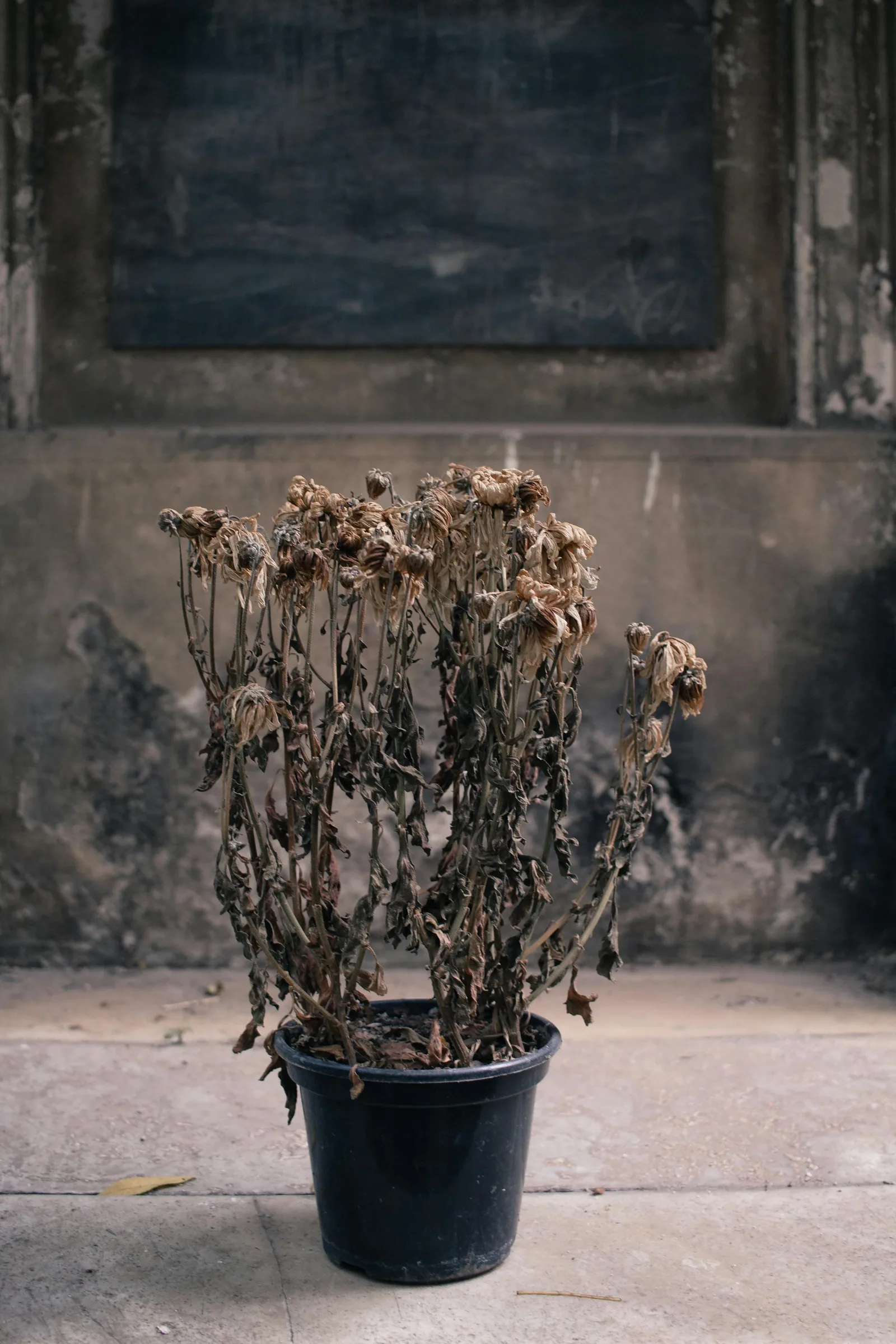
Dead or struggling plants
Threshold clutter
Sharp or hostile decor
Memory-heavy items
Items to Use Carefully, Not Fearfully
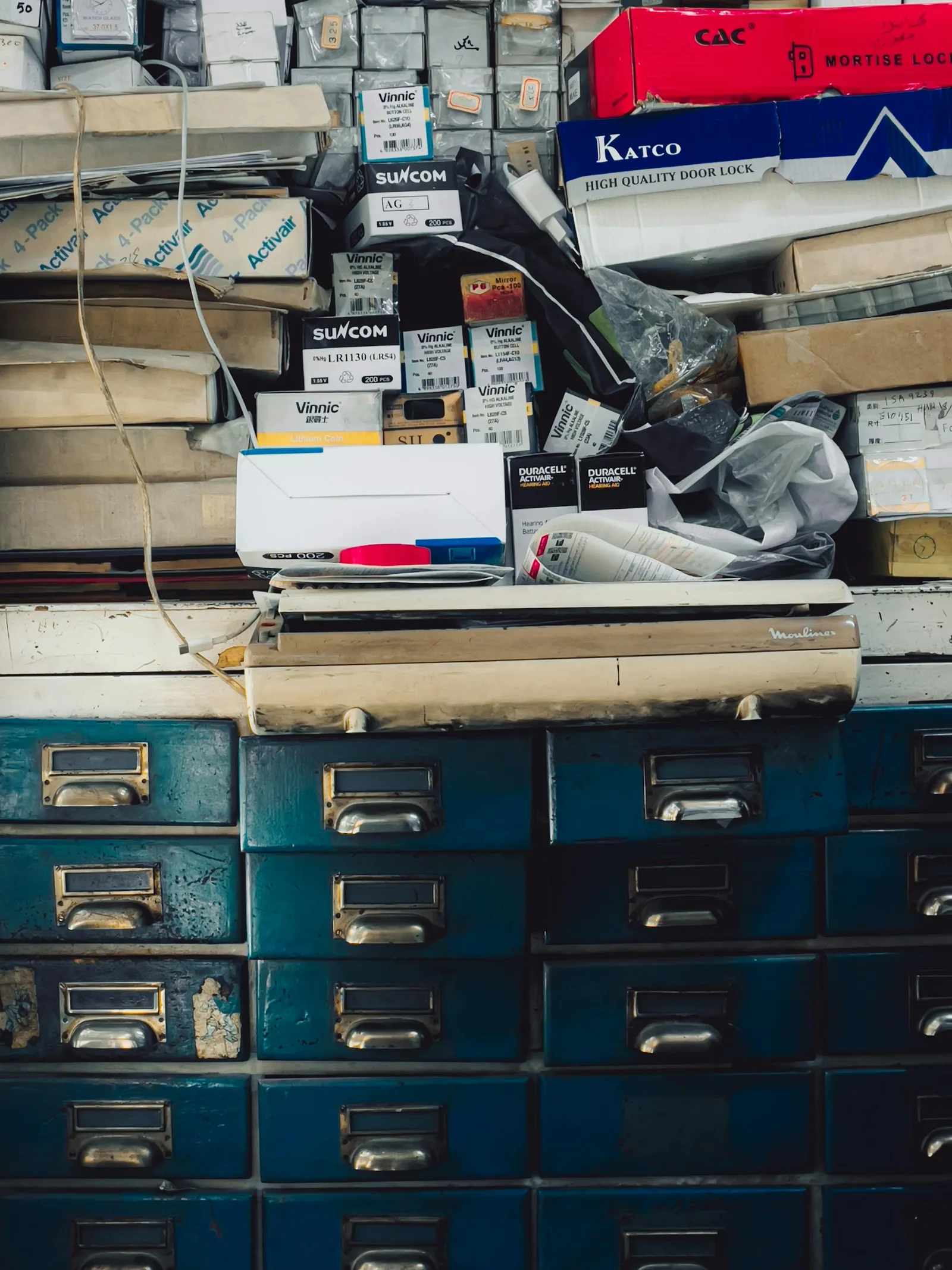
Many objects are not "bad" on their own. A mirror, cactus, antique, water feature, or sentimental piece can work beautifully in the right place. The problem starts when the object magnifies mess, feels sharp where the body wants softness, or keeps the room attached to a mood you are trying to move beyond.
Scroll sideways to compare all columns.
| Item to check | Why it can weaken the room | Better move |
|---|---|---|
| Broken lamps, clocks, frames, or drawers | They keep reminding the room of neglect or unfinished repair. | Fix it quickly, store it properly, or let it go. |
| Dead plants or dusty faux plants | They look like stalled growth instead of fresh life. | Replace with one healthy plant, clean stems, or a simpler natural texture. |
| Mirrors facing clutter, the bed, or a harsh view | They double whatever they reflect, including visual stress. | Aim the mirror toward light, space, art, or a calmer wall. |
| Spiky plants or pointed decor in resting zones | They can feel defensive beside a sofa, bed, or dining seat. | Move sharp shapes to active areas or balance them with rounder forms. |
| Stagnant fountains, bowls, or water features | Still, cloudy, or neglected water feels stale instead of abundant. | Keep water clean and intentional, or skip it completely. |
| Heavy keepsakes kept out of guilt | They can turn a shelf into an emotional anchor the room no longer needs. | Keep the meaningful piece, not the whole burden. |
How to Edit Them Out Without Stripping the Room
What helps
- +Fix, replace, or remove broken pieces that keep repeating irritation.
- +Keep plants only if they still look healthy enough to read as life.
- +Protect the entry path so arrival feels open and readable.
- +Let sentimental items stay only when they still feel emotionally right in the room.
What weakens the room
- -Leaving damaged decor visible because the object used to matter.
- -Holding onto dead plants as if they still count as life energy.
- -Stacking too many symbolic items on one shelf or console.
- -Forcing decor to stay when it makes the room feel tense, guilty, or visually trapped.
What to Keep Instead So the Room Still Feels Alive
A room does not get better by becoming empty. It gets better when the remaining items still feel alive, useful, cared for, or emotionally lighter. Healthy plants, warmer light, edited trays, uplifting art, and fewer but better pieces can do more than a shelf packed with symbolic cures.
Keep what still supports the room
If an item feels useful, beautiful, emotionally light, or genuinely meaningful in a good way, it can stay. The problem is not meaning. The problem is drag.
The closest companion guides here are feng shui declutter ideas, feng shui positive energy items, feng shui mirrors, and feng shui rules. If the trouble is happening at the entry specifically, feng shui front door is the stronger follow-up.
Frequently Asked Questions
What items should be avoided in feng shui?
Are sentimental items bad feng shui?
Why are broken items bad in feng shui?
What should I keep instead of bad feng shui items?
The Bottom Line
The feng shui items to avoid are the ones that make the room feel heavier, sadder, sharper, or more blocked every time they show up in your line of sight. Broken things, dead plants, threshold clutter, hostile decor, stagnant water, and emotionally heavy objects are the clearest examples.
The room does not need fewer objects just for the sake of it. It needs fewer items that quietly drain it and more pieces that still support life, light, order, and ease.