

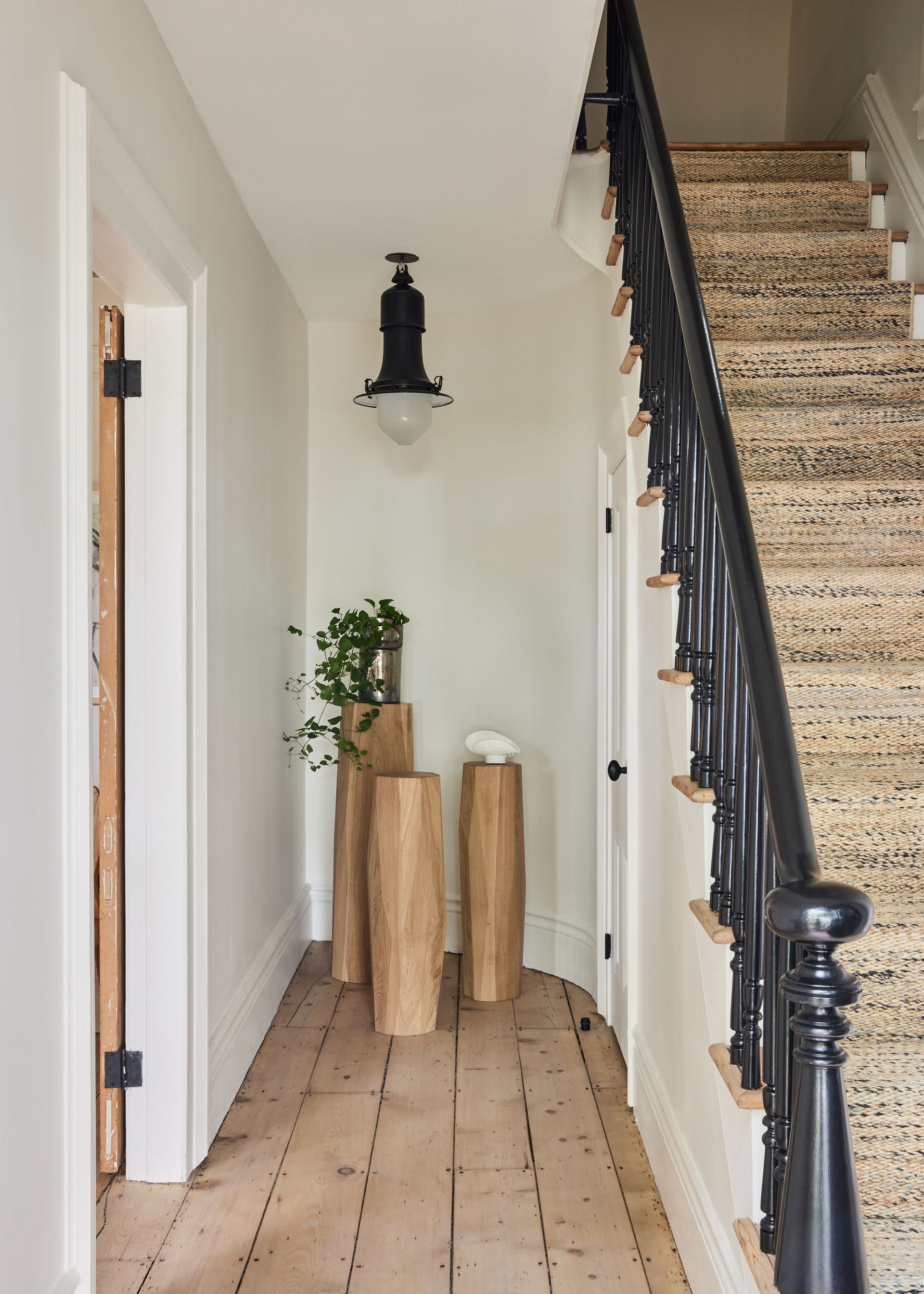
Quick Answer
The most effective feng shui declutter ideas usually start where clutter blocks movement, light, or daily use. Clear the entry, the most-used surface, the bed zone, and the floor routes before worrying about the rest.
A declutter reset works better when it solves friction instead of chasing emptiness. The room should feel easier to enter, easier to use, and easier to maintain when you are done.
In feng shui terms, clutter matters because it makes the room harder to read and harder to move through. That is why the best reset starts with the visible pressure points first.
Start With the Friction You Notice Daily
Most clutter stress is not hidden in a drawer. It is the pile you step around, the counter you cannot use, the chair holding clothing, the shelf that looks visually noisy, or the entry that feels cramped the moment you come home.
| Zone | Clear first | Why it changes the room fast |
|---|---|---|
| Entry | The walking path and drop zone | Arrival feels calmer when the threshold is easy to read. |
| Living room | One table, one shelf, one floor route | The room becomes easier to gather in and easier on the eye. |
| Kitchen | The main prep surface | Function improves quickly when the active counter stays usable. |
| Bedroom | The bed perimeter and one visible surface | The room starts feeling more restful and less mentally crowded. |
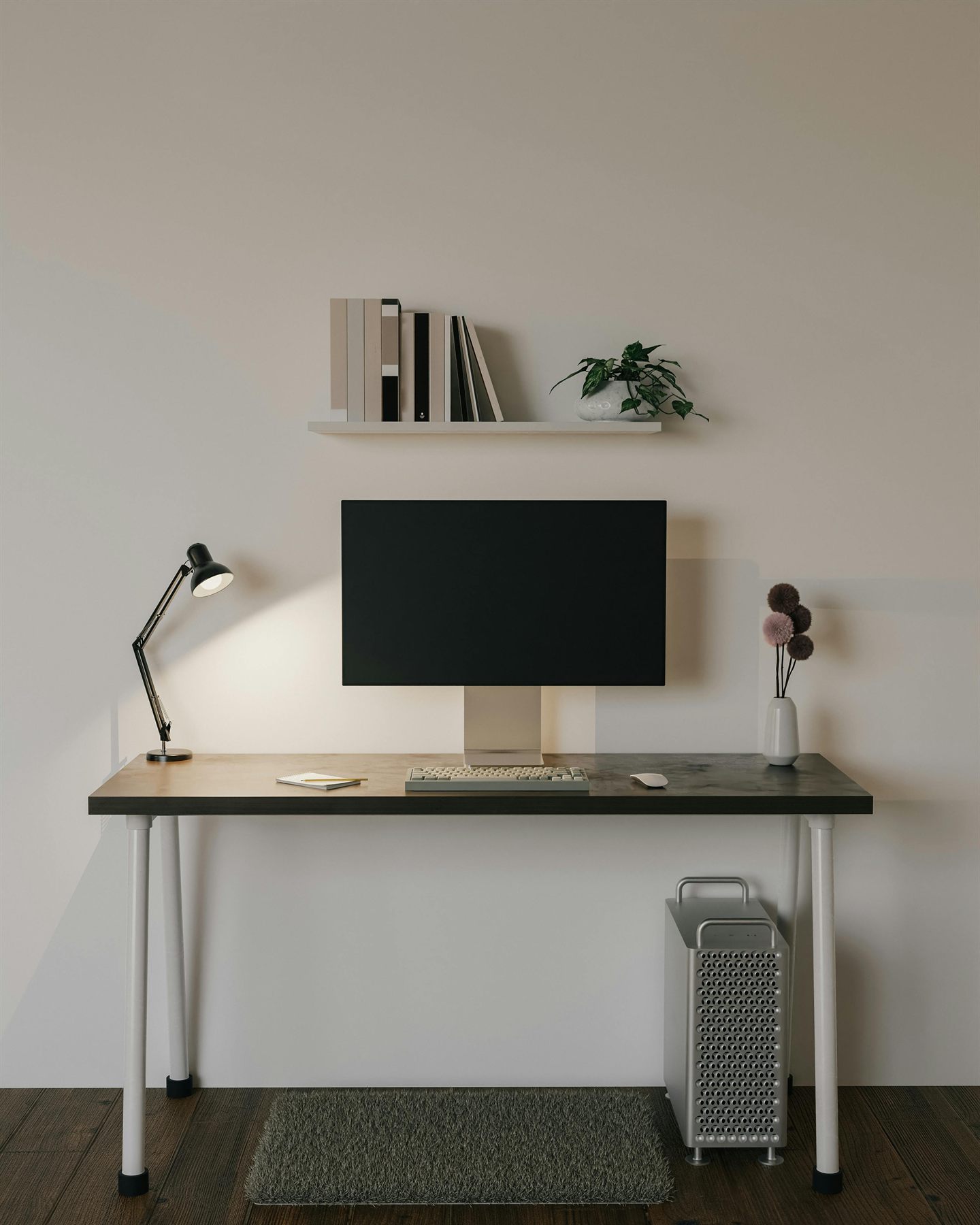
| Desk | The active work field | Focus improves when visual spillover stops competing with the task. |
Room-by-Room Resets That Feel Practical
Five declutter moves that change a home quickly
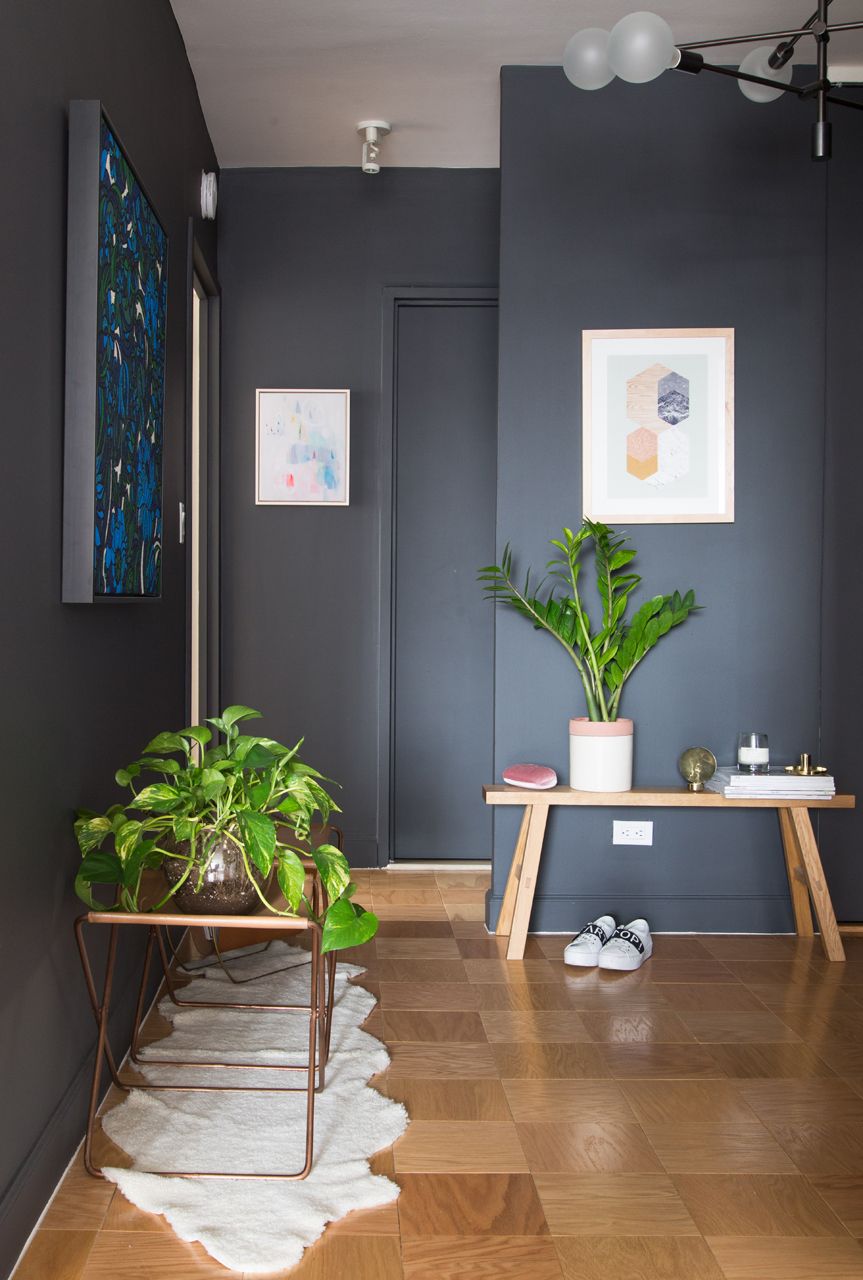
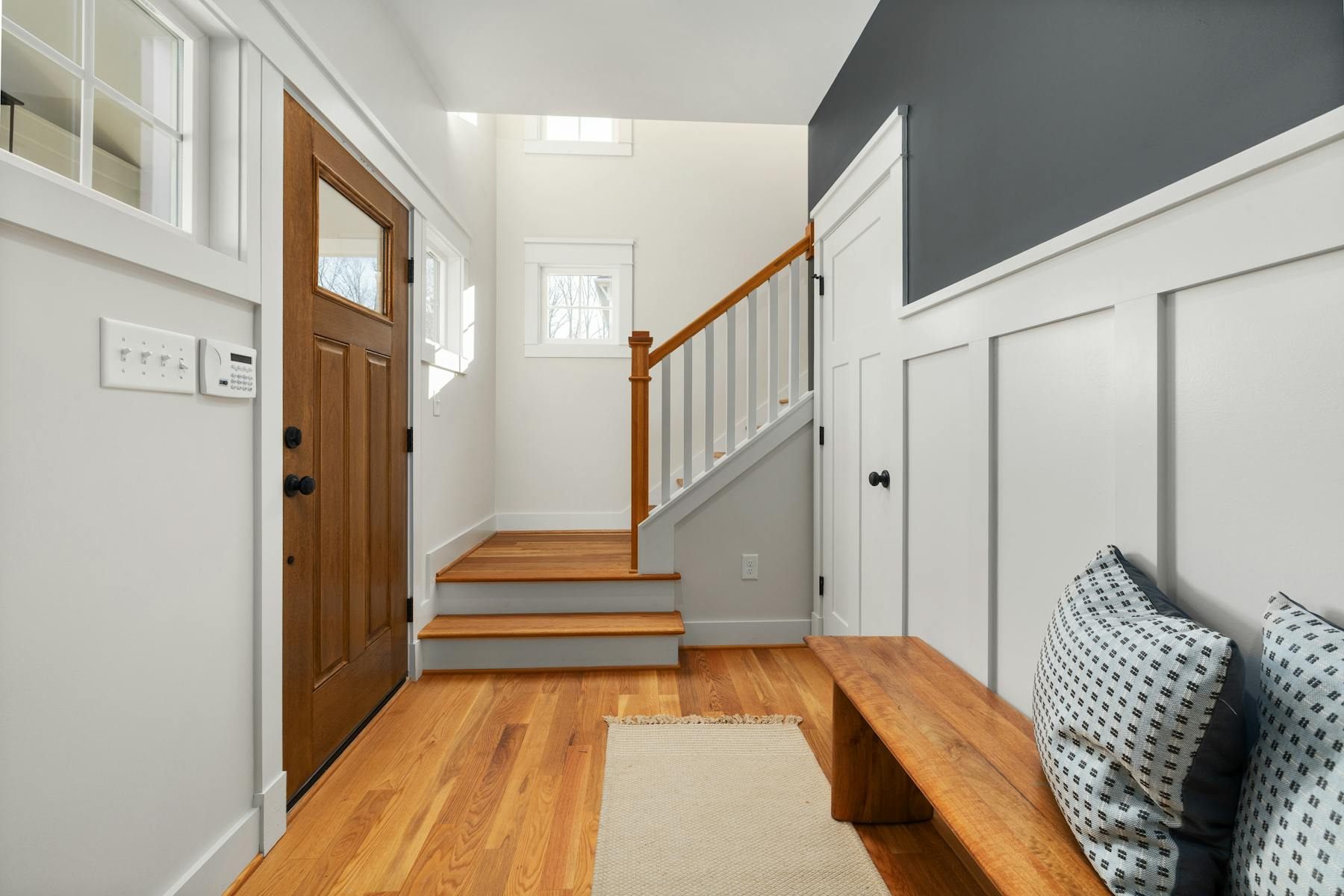
Give the entry one job
Keep the path open, define where bags or shoes land, and stop the threshold from becoming general storage.
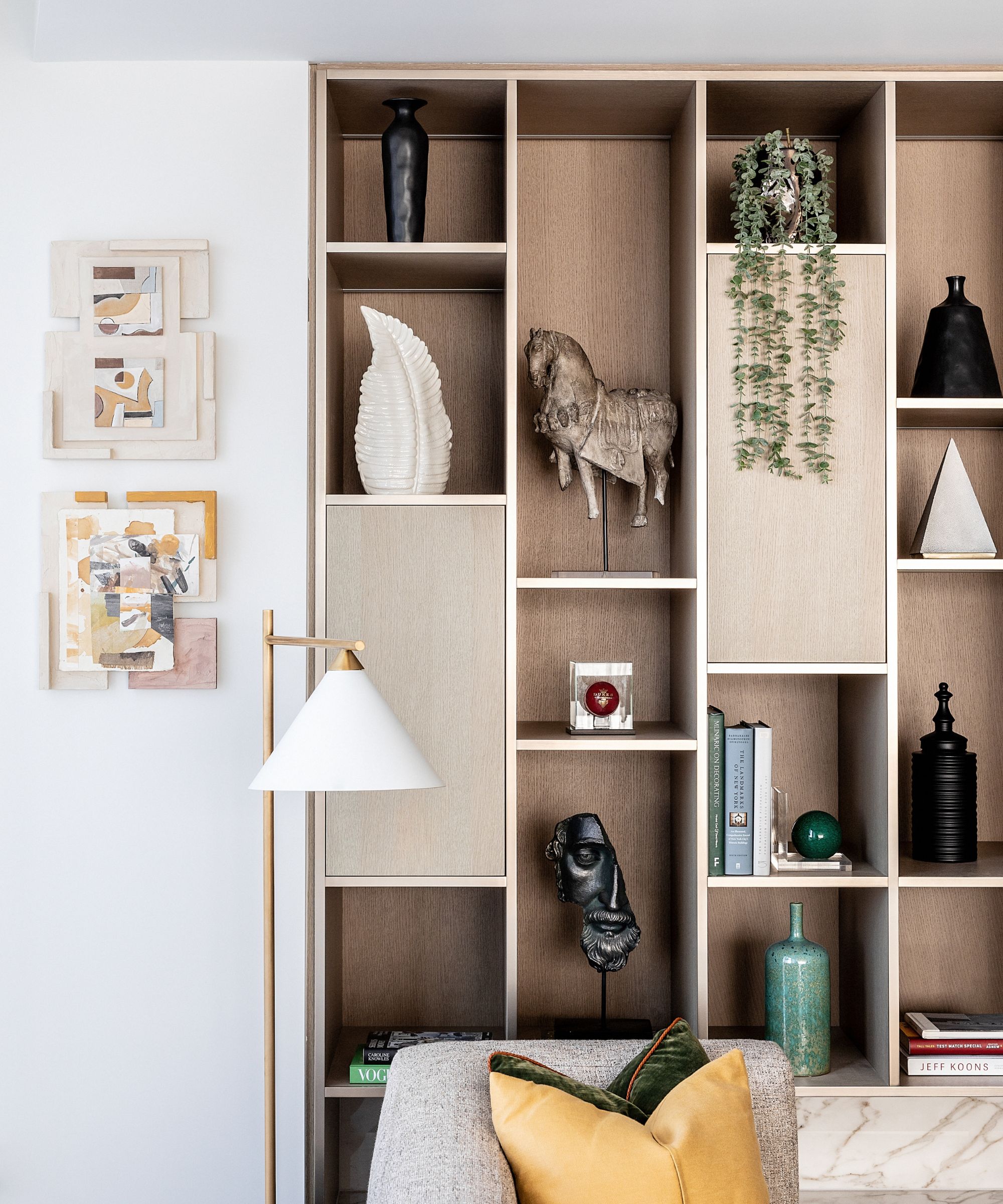
Protect one calm surface in the living room
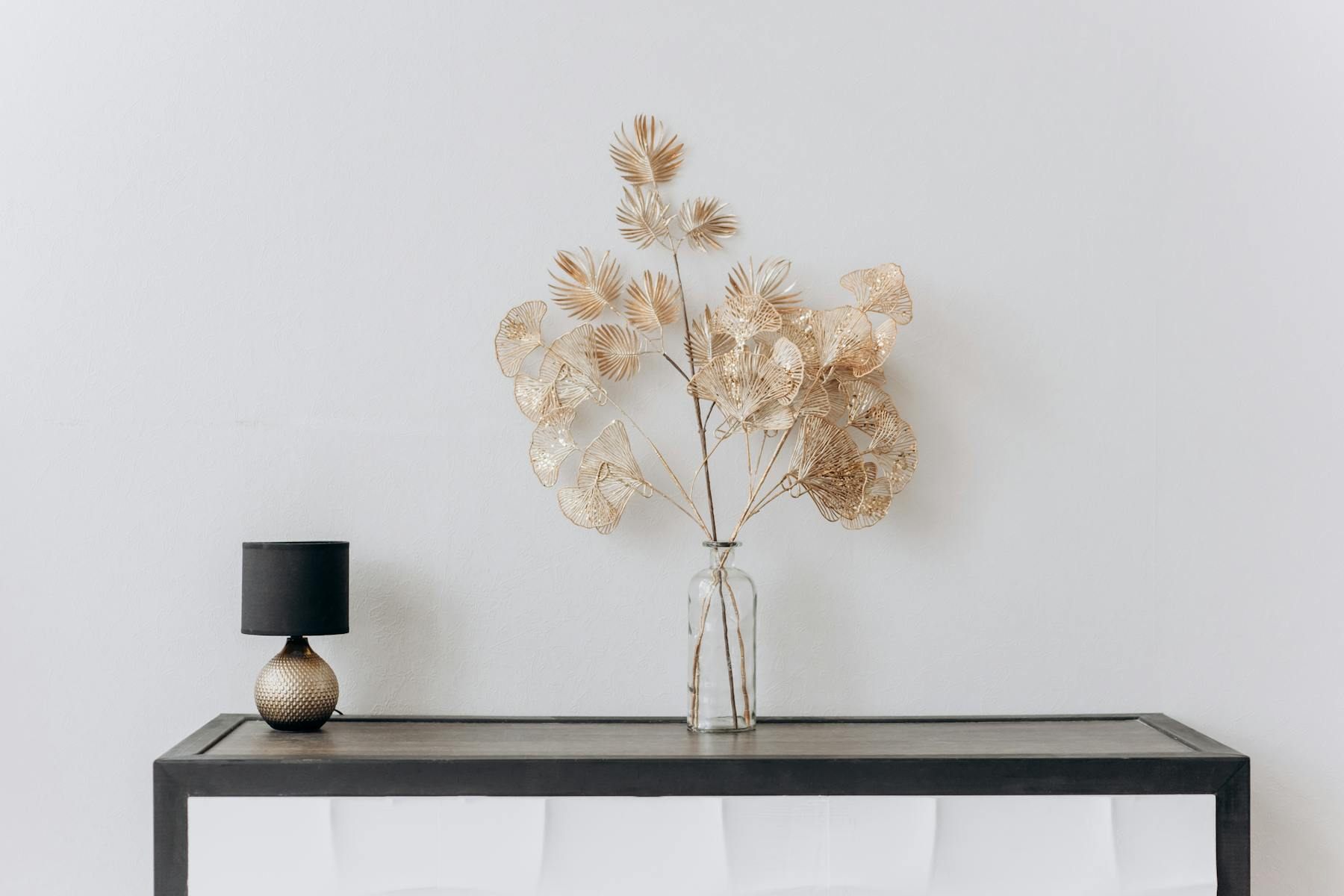
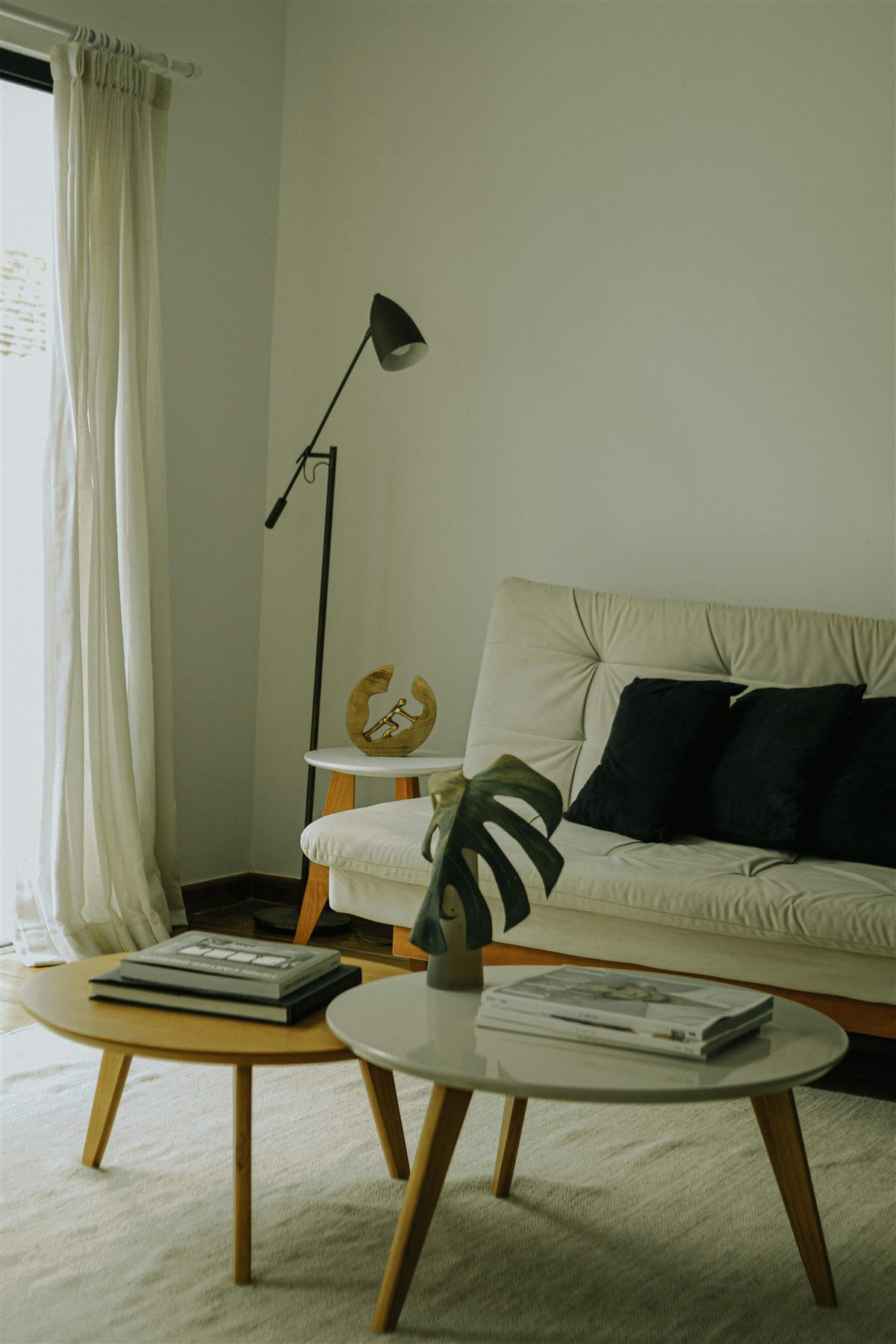
Choose the coffee table, console, or one shelf and let it stay more edited than the rest.
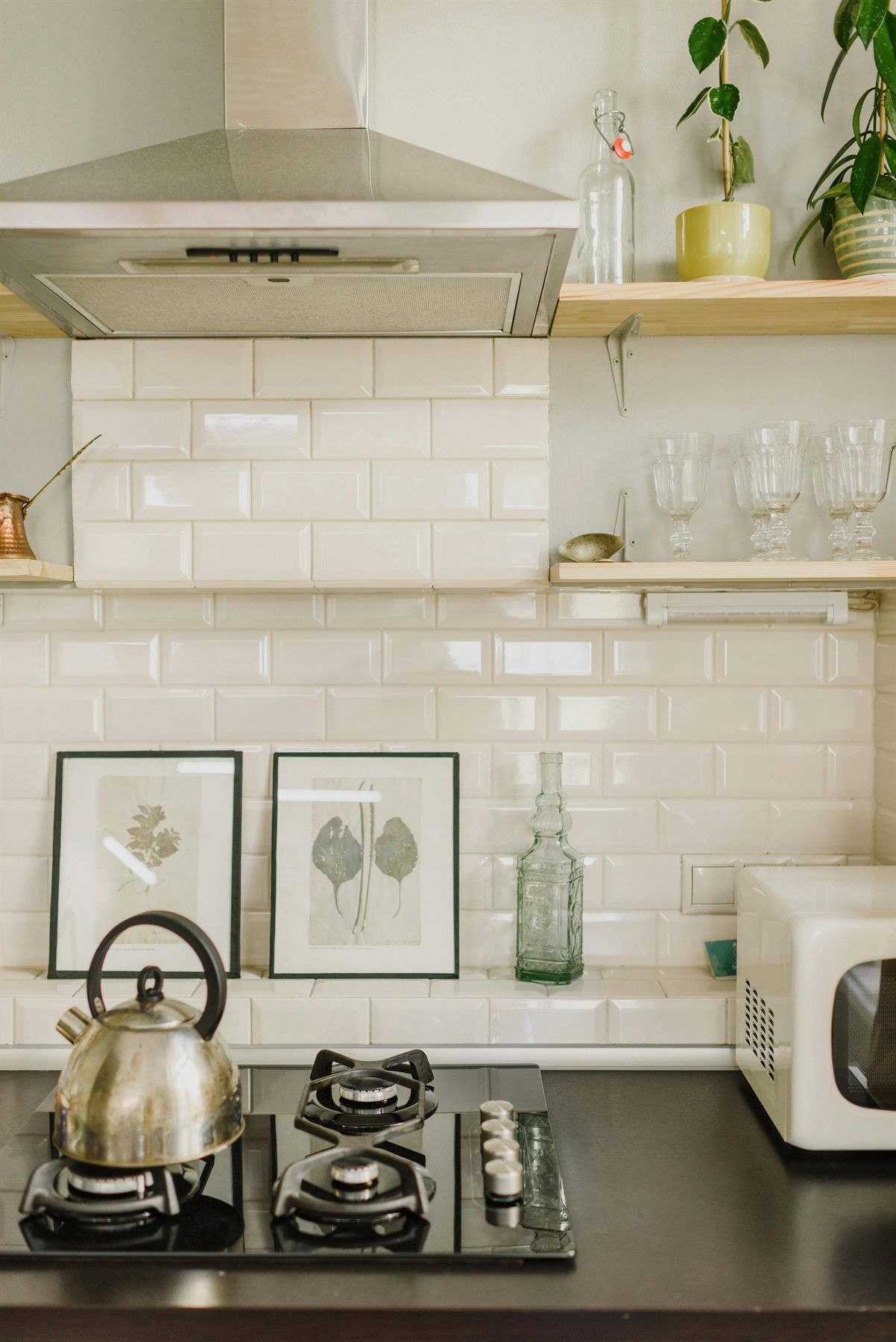
Clear the kitchen work line
Decor is fine, but the prep zone should not have to negotiate with too many objects.
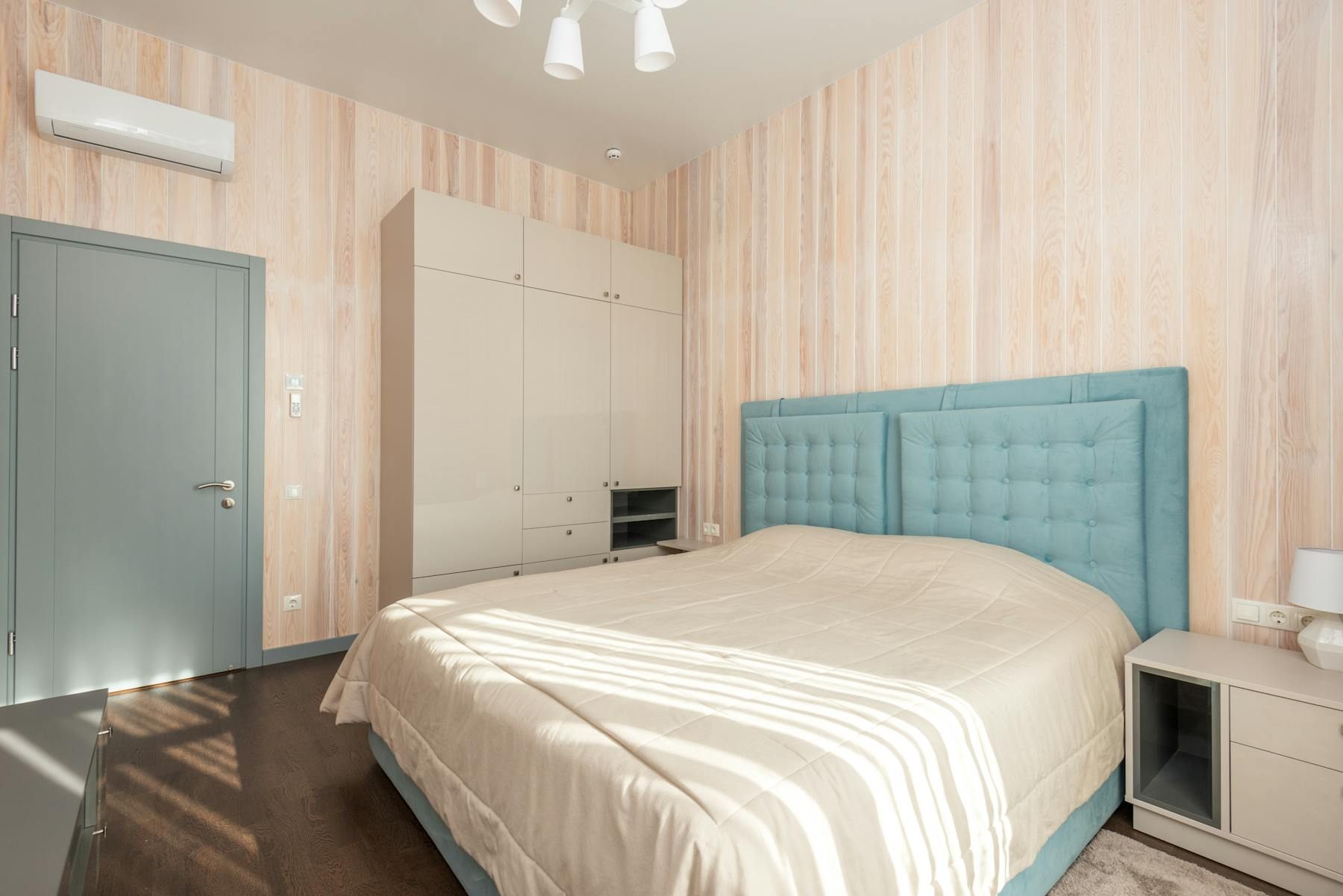
Reduce visual pressure near the bed
Bedrooms usually respond quickly when the bedside surface and clothing overflow are cut back.
Edit the desk to the current task
Workspaces feel better when only the active tools stay visible and the rest stops shouting for attention.
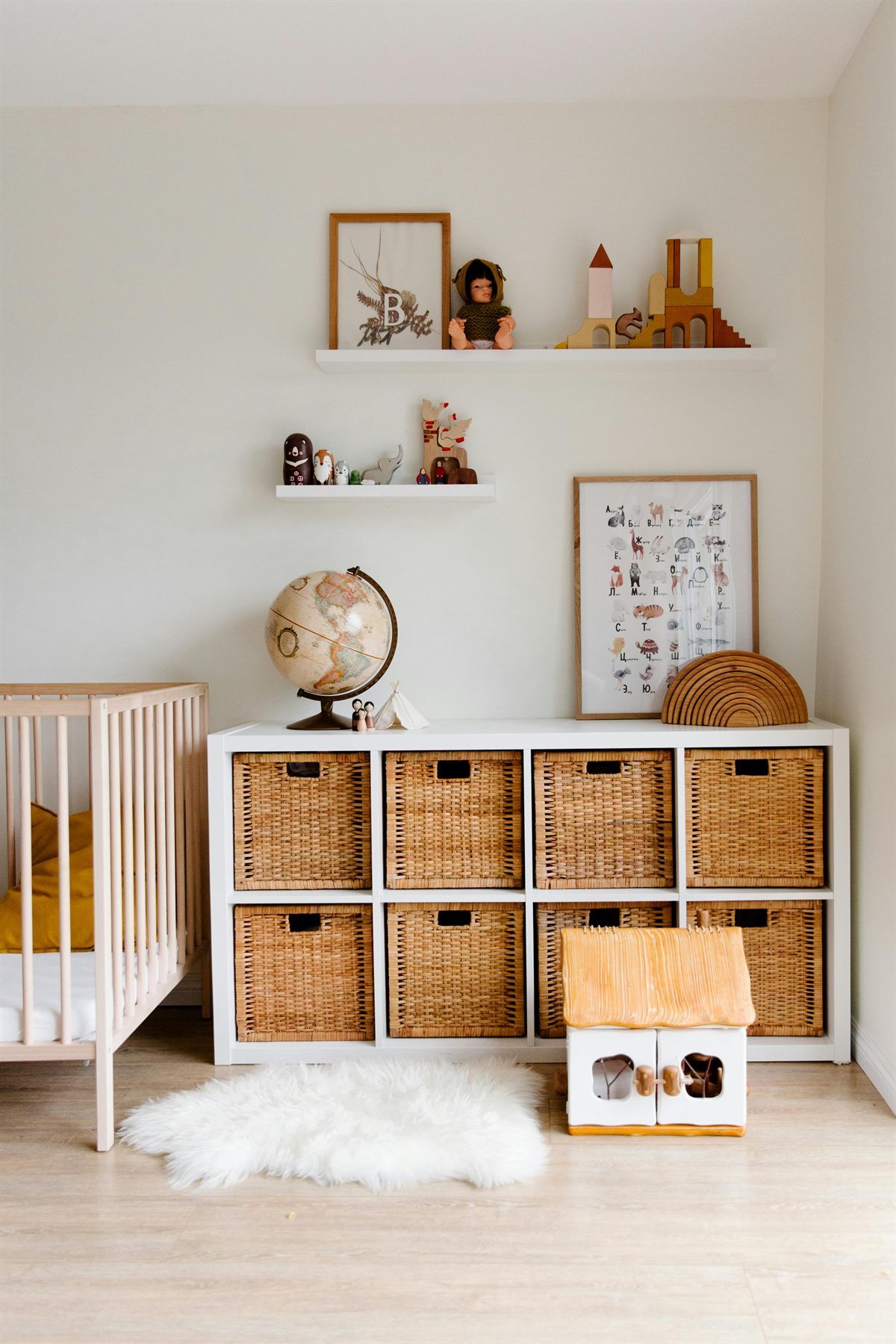
The rooms that respond fastest are usually the ones where one visible surface can do a lot of work. A console, coffee table, toy-storage wall, or bedside zone can shift the feel of the room quickly once it stops carrying too many unrelated objects.
How to Keep the Reset Working
What helps the reset last
- +Keep one table or counter intentionally more open than the rest.
- +Limit what categories are allowed to live in the room long term.
- +Make drop zones easier to maintain instead of unrealistically strict.
- +Edit decor after the clutter is gone so the room does not refill itself immediately.
What usually brings clutter back
- -Spending hours on hidden drawers while the visible stress points stay untouched.
- -Replacing clutter with many tiny decorative objects that create new visual noise.
- -Using baskets to hide overflow that should really leave the room.
- -Trying to fix a strained room with shopping before making it easier to use.
If you want the broader design logic behind this, feng shui rules for your home and feng shui rules are the best follow-ups. If the clutter problem is mostly showing up in mood and styling, feng shui home decorating and feng shui for beginners connect the reset to the bigger picture.
Frequently Asked Questions
What is the first thing to declutter in feng shui?
Does feng shui mean getting rid of almost everything?
Which room should I declutter first?
How do I keep clutter from coming back?
The Bottom Line
The best feng shui declutter ideas clear the parts of the home that interrupt movement, light, and daily use. Start with the pressure points you feel every day instead of trying to empty the whole house at once.
A clearer threshold, a more usable counter, a calmer bedside zone, and a less overloaded desk usually do more for the feel of the home than hours spent reorganizing hidden storage.