



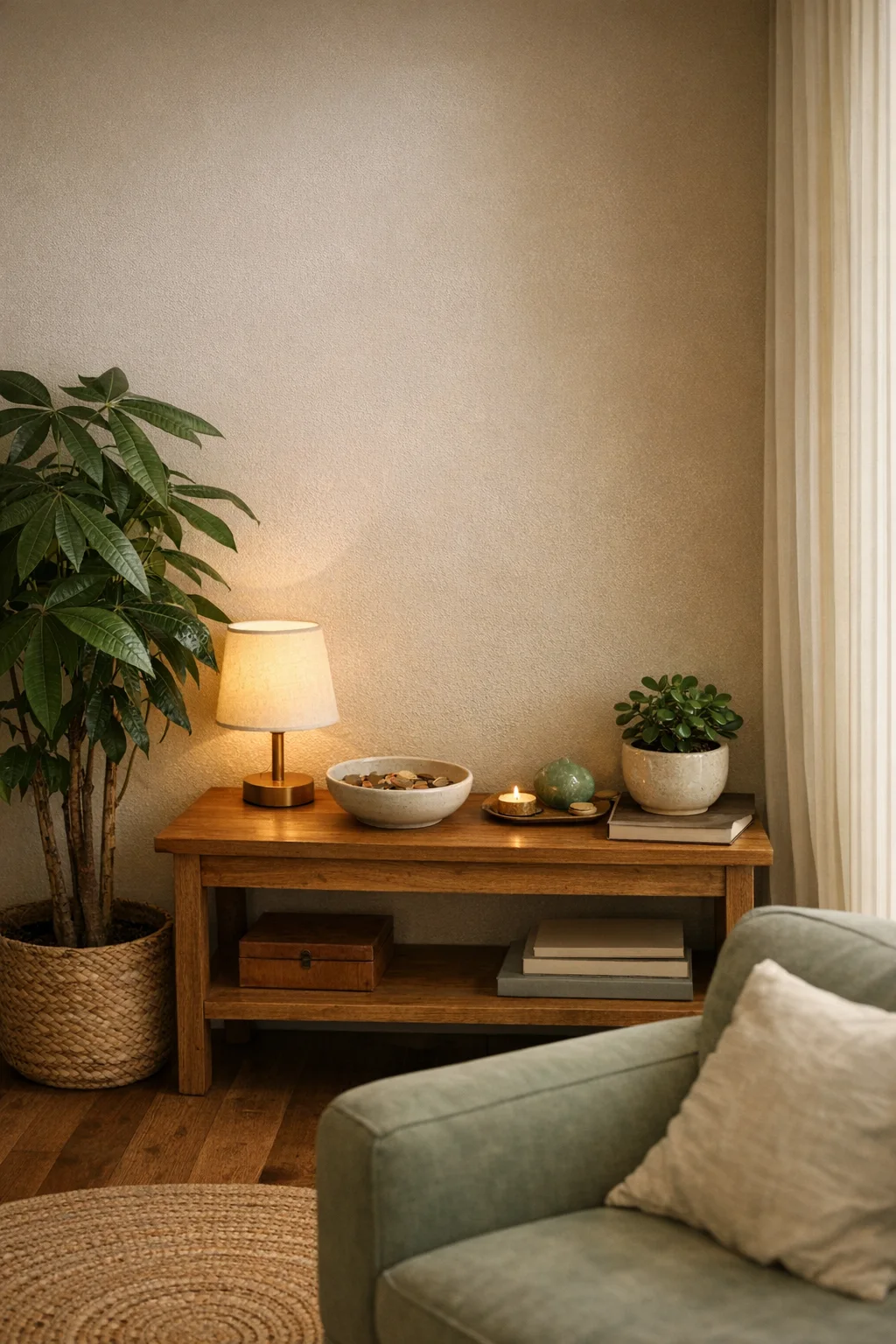
Quick Answer
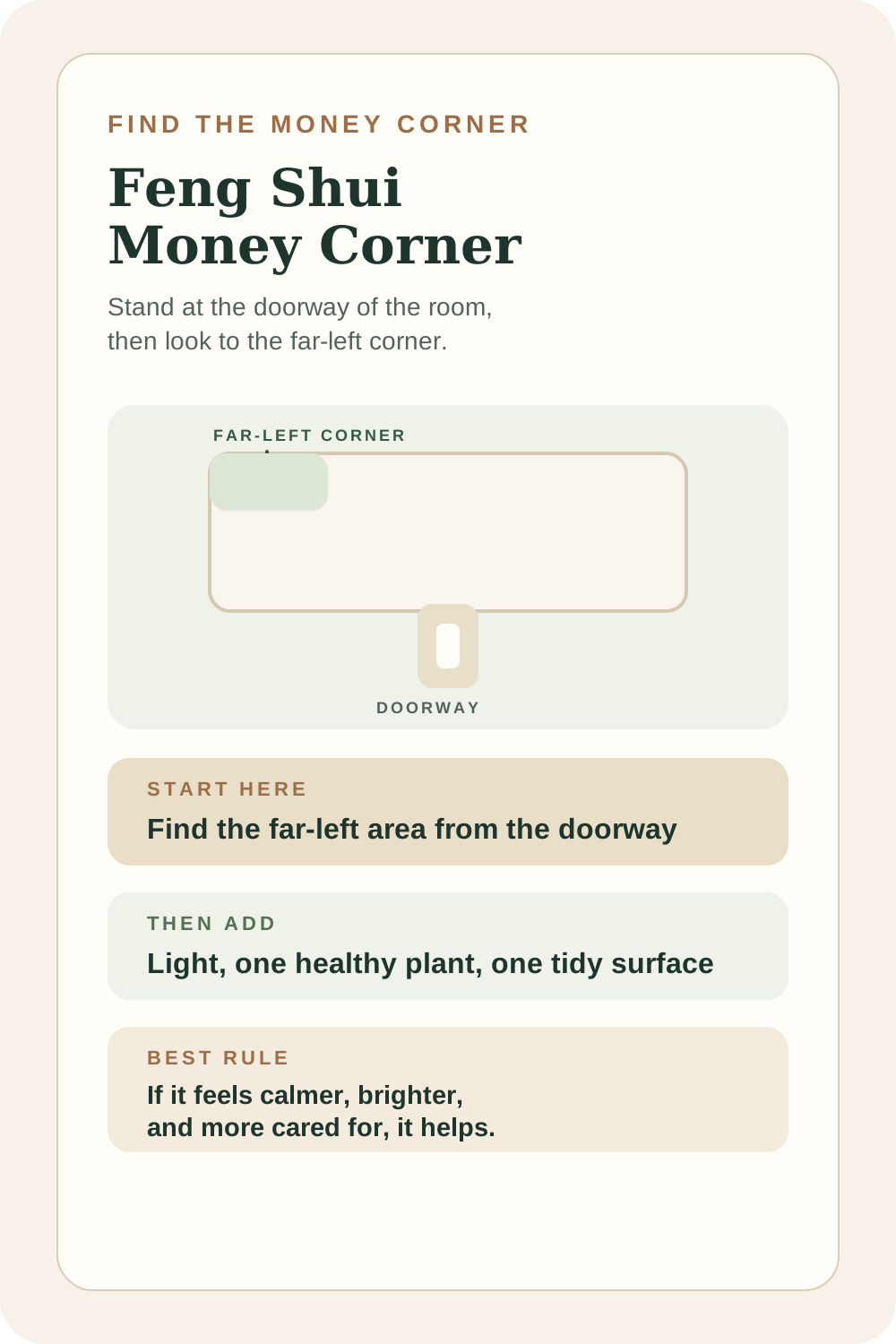
A simple way to work with the feng shui money corner is to find the far-left area of a room from the doorway, then make that spot brighter, healthier, and more intentional. The best money corner feels like a well-kept part of the room, not a mini shrine squeezed into a corner.
If you want a small symbolic ornament rather than another plant, our money frog placement guide explains how to choose a stable shelf or console without treating it as a promise of income.
The money corner should still feel like good decor. If the area looks calmer, more alive, and better cared for after you style it, you are moving in the right direction.
In feng shui, many people use the far-left corner of a room or home as a symbolic wealth area. That idea is useful, but the corner still has to work in real life. A brighter, tidier, more intentional corner will do more than a shelf full of random prosperity objects.
A living Pachira is one optional choice when the corner has enough light and growing space. Our money tree placement guide explains how to evaluate the spot without assuming that a plant guarantees income or belongs in a dark symbolic corner.
Disclosure: This article includes affiliate links. If you buy through them, we may earn a small commission at no extra cost to you.
How to Find the Money Corner Without Overcomplicating It
The beginner-friendly approach is simple: stand at the doorway of the room and look to the far-left corner. That is the area many people use as the money corner. Some rooms make this easier than others, but the practical goal is the same. Choose the part of the room that can credibly carry a little more life, care, and abundance without feeling forced. If that corner lands in a bedroom, use the quieter approach in this bedroom money-corner guide so the styling still supports rest. If it lands in a living room or dining area, you have more freedom to add warmth, growth, or nourishment.
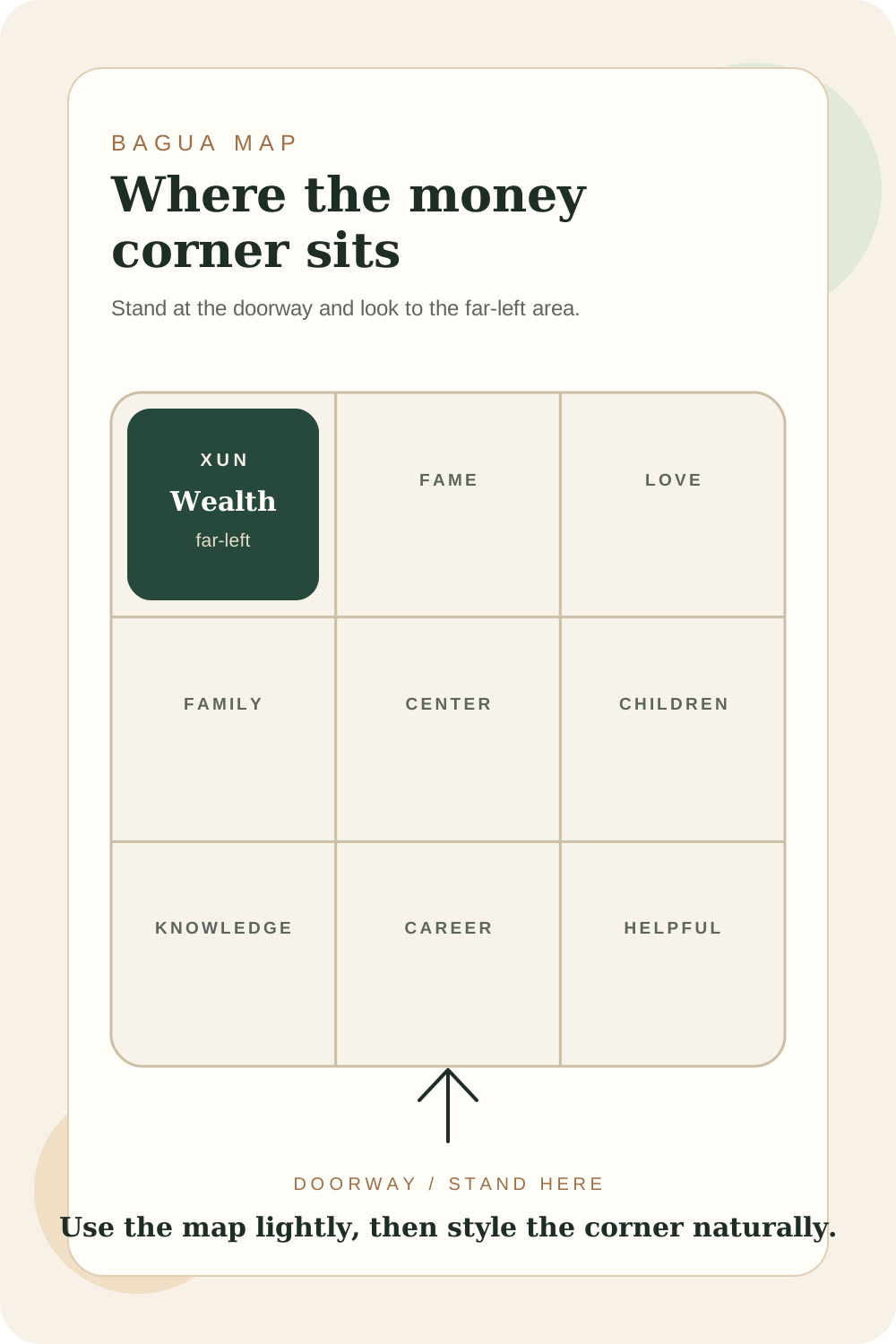
In bagua language, this wealth area is often called Xun. It is commonly linked with abundance, growth, wood energy, and colors such as green, purple, blue, and richer earthy accents. You do not need to memorize the whole bagua map to use the idea well, but knowing that Xun is tied to growth helps explain why healthy plants, good light, and a cared-for surface make more sense than random money objects.
If you are working room by room, it often helps to clean up the space first and then decide whether the corner needs a plant, lamp, tray, or one meaningful object. The larger principle is the same one behind feng shui rules: remove friction before adding more decor. The money corner should feel like the best-kept version of that corner, not a completely different language from the rest of the room.
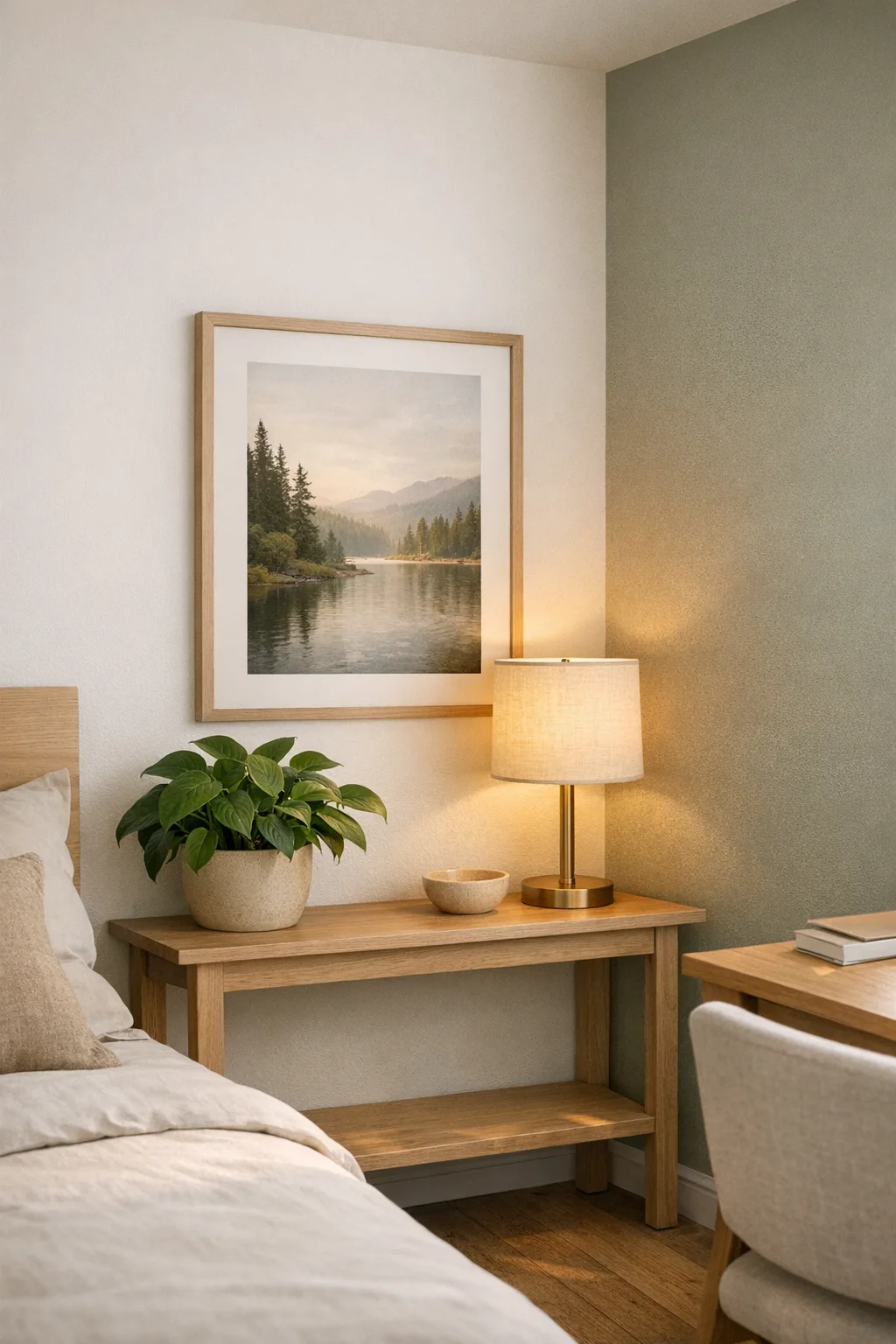
What to Put in a Money Corner So It Still Feels Natural
These are the simplest directions to pull off without making the corner feel overdone.
A healthy plant
Warm light
One edited tray or bowl
Meaningful art
A surface that looks cared for
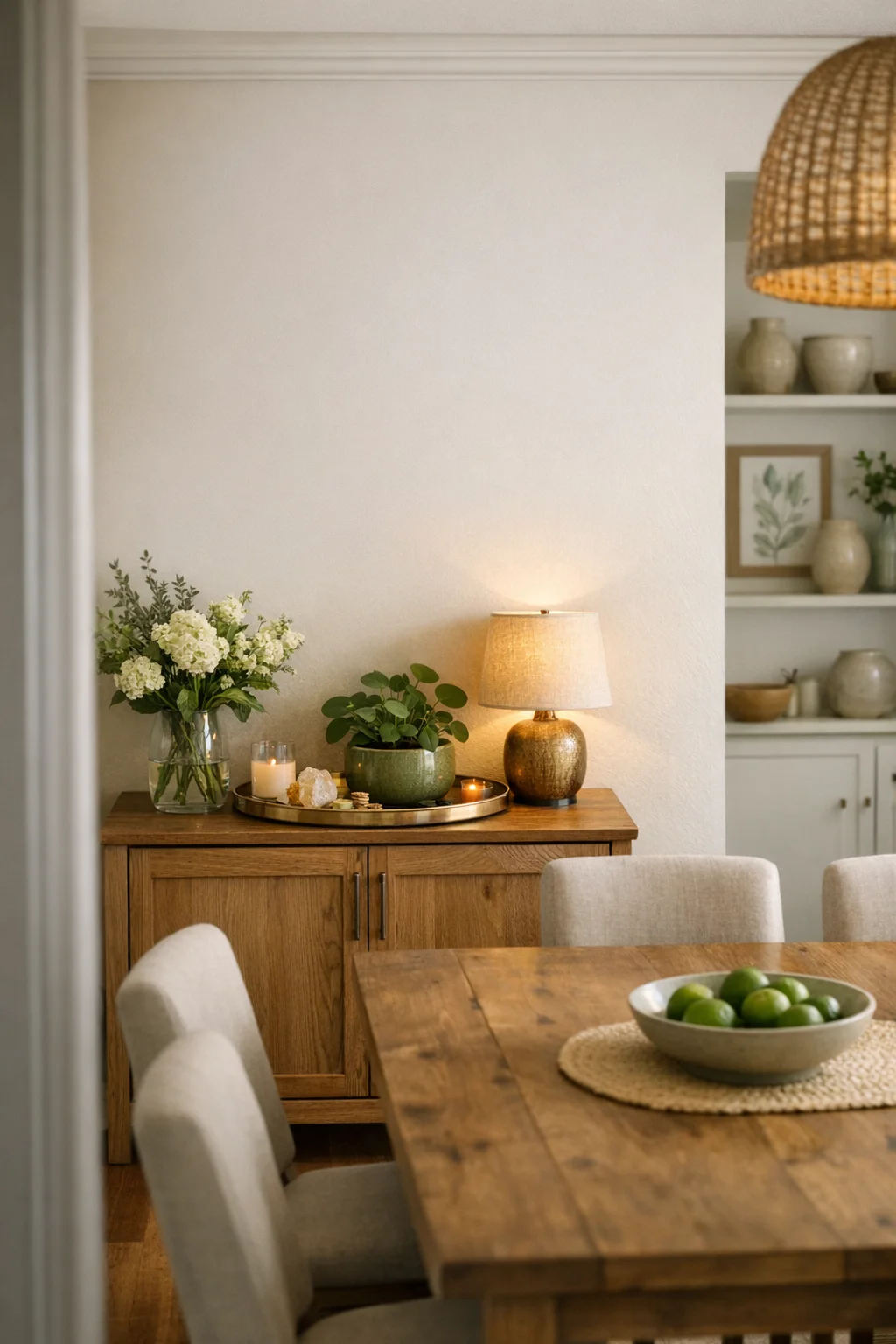
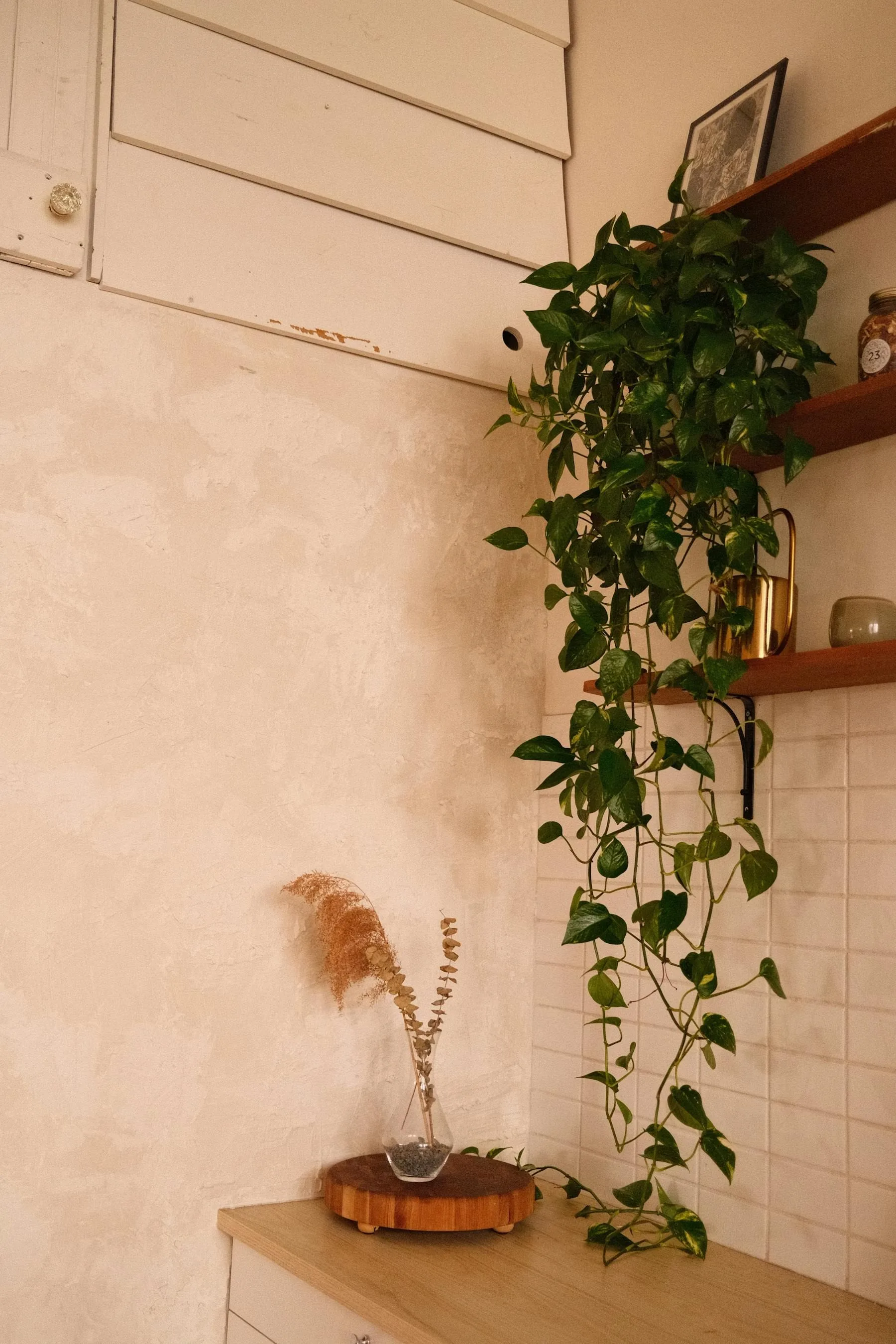
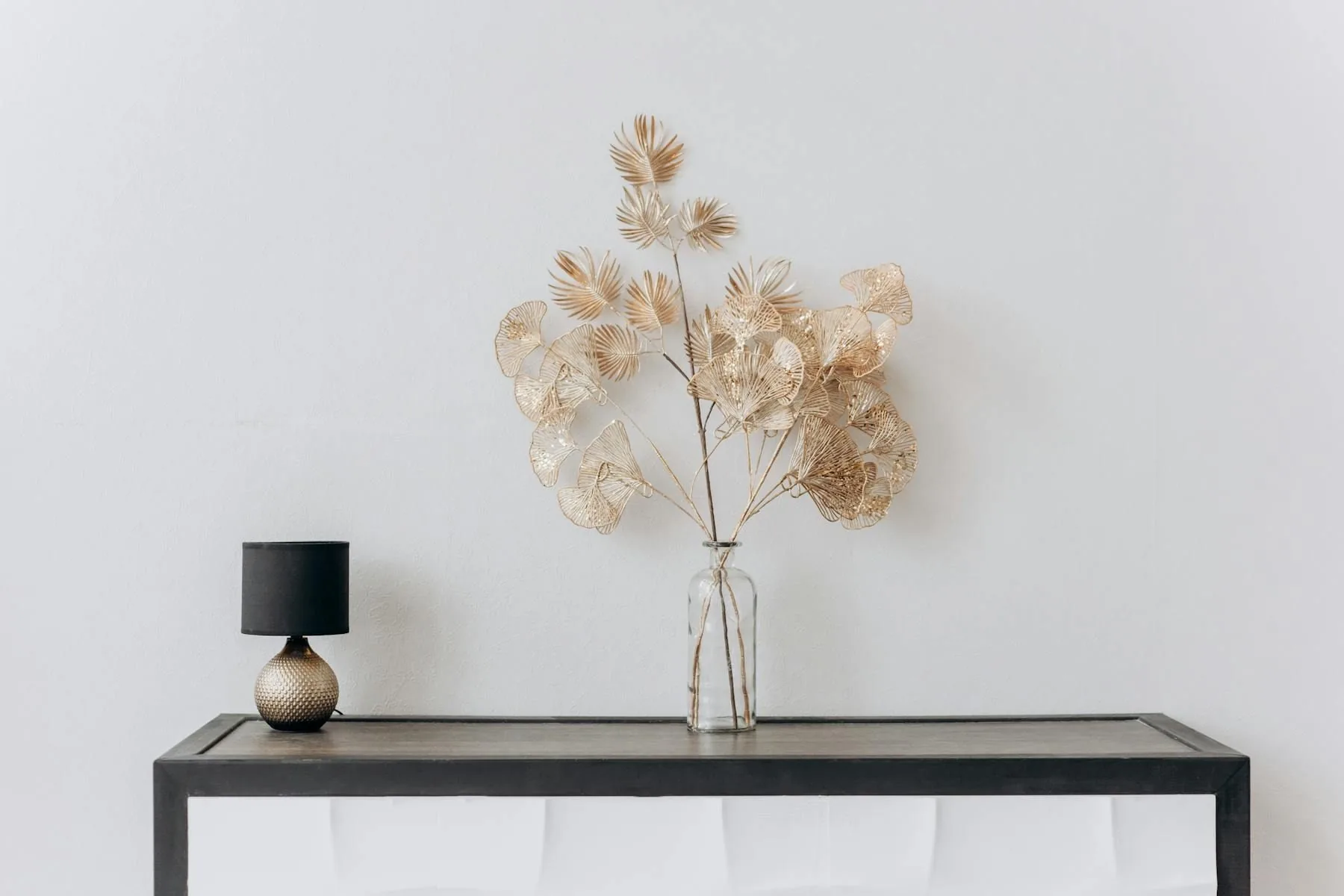
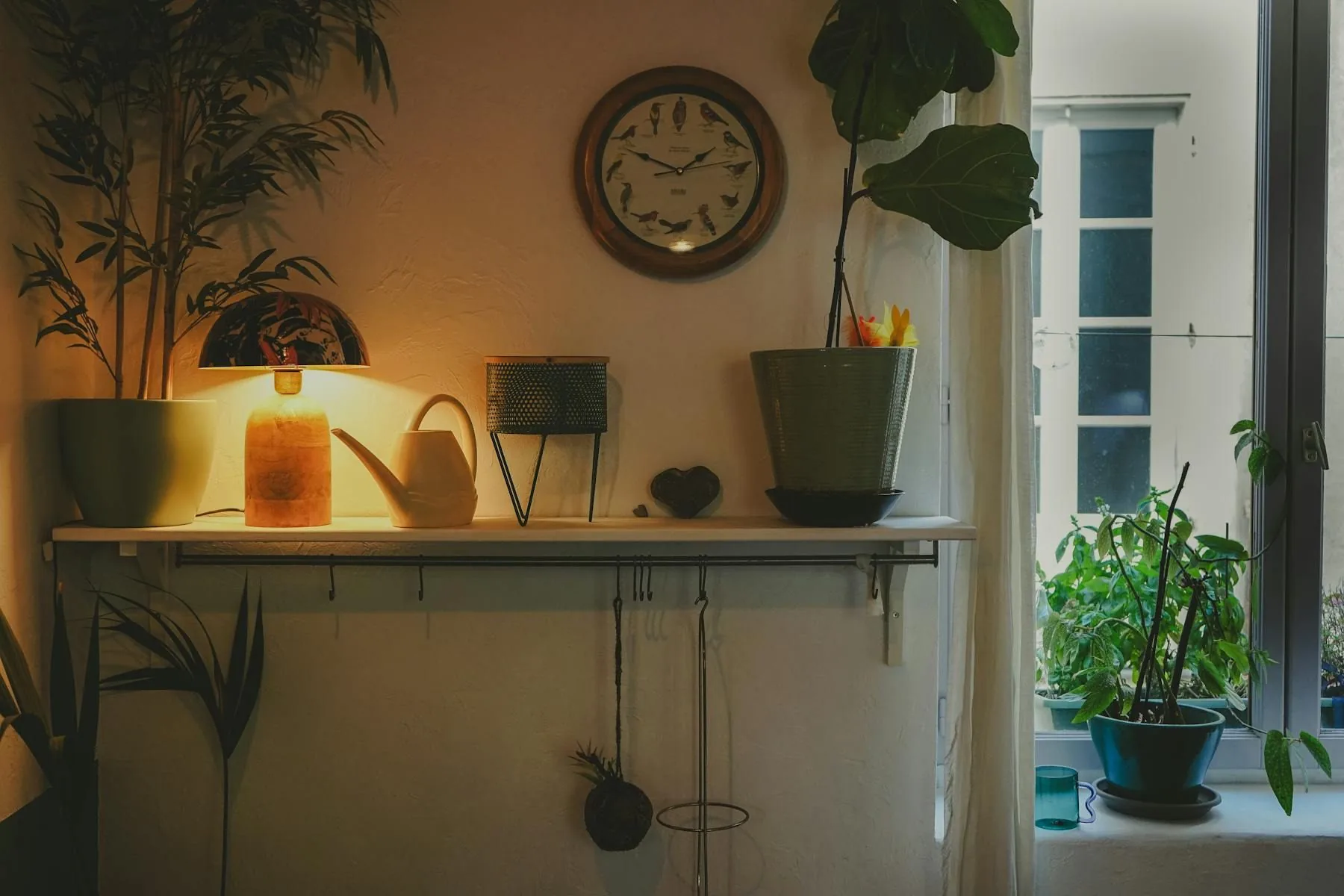
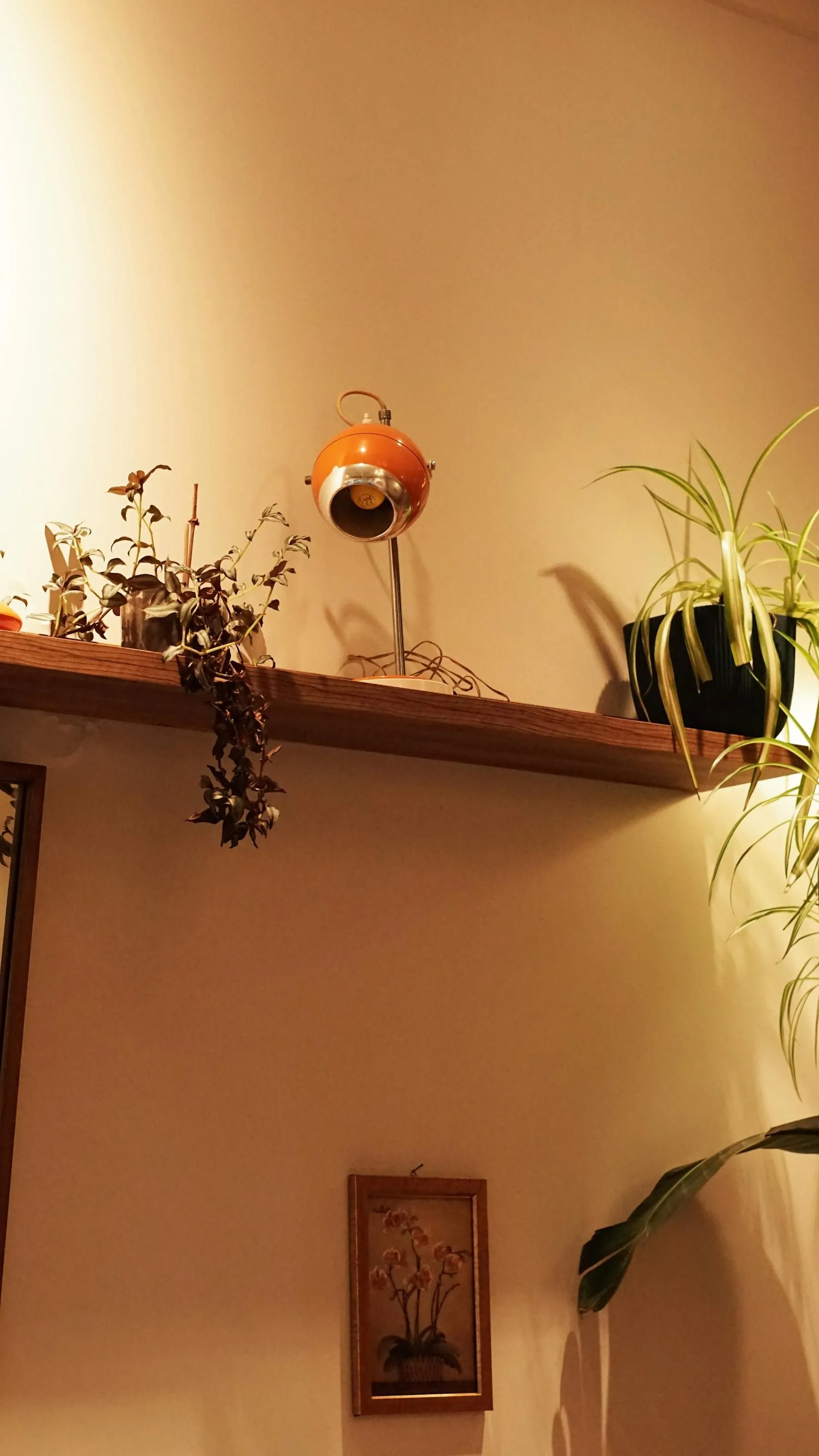
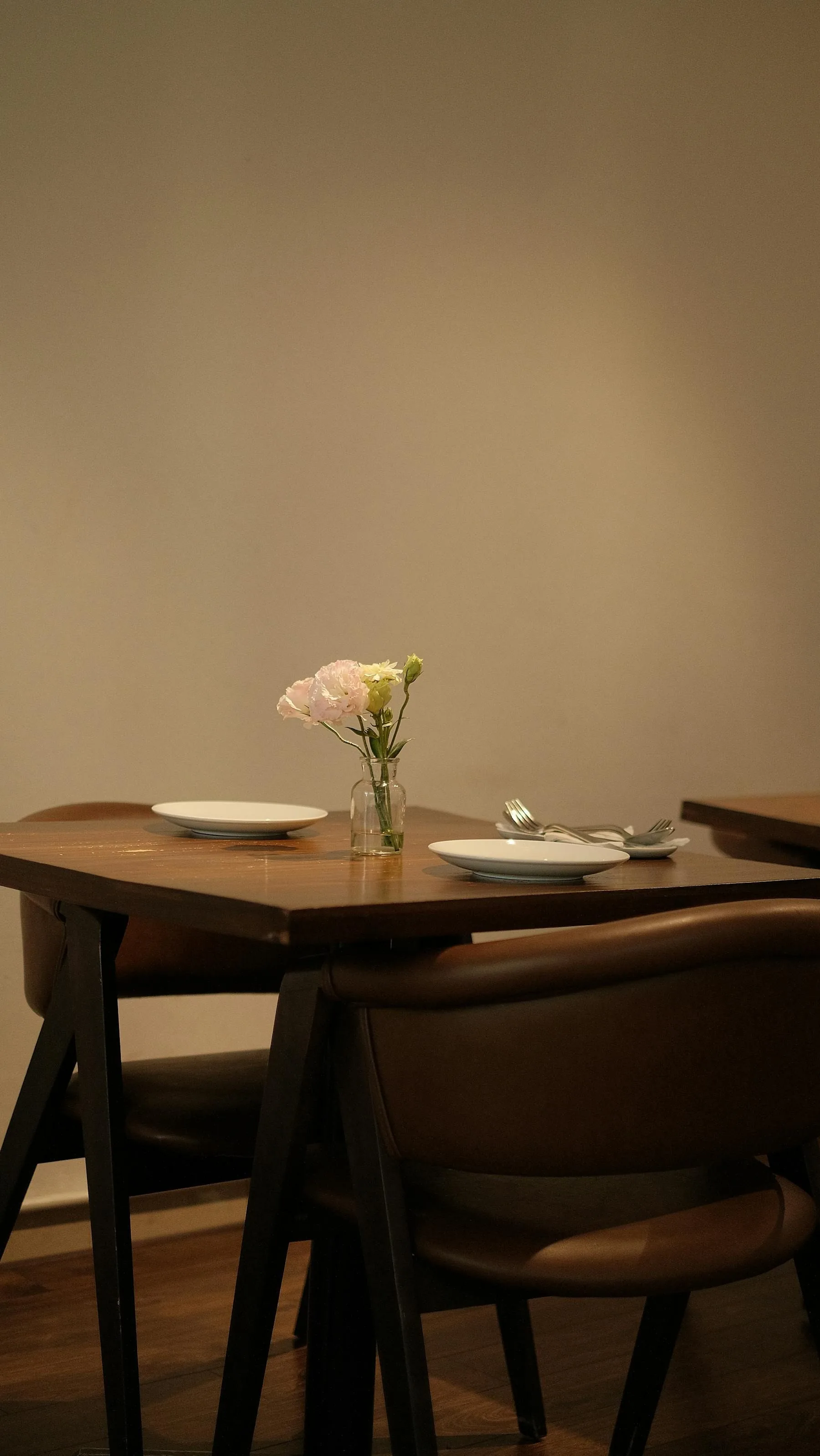
If you want more object ideas for this area, feng shui items for wealth goes deeper into which objects feel the most natural in a real home.
Colors That Quietly Support a Money Corner
The money corner works better with color used as atmosphere instead of as a lucky-code formula. Earthy green, soft clay, and muted gold are often enough. They feel alive, warm, and a little more elevated without making the corner look staged. If you want a deeper color-only read, feng shui color that attracts money goes further into the color logic.
Three colors that support the corner
Think of these as supporting tones for a shelf, lamp base, wall art, planter, or textile near the money corner.
Grounded green
Growth and steadiness
Grounded green + Soft clay + Warm linen
Useful when the corner needs more life, especially around plants, painted furniture, or a darker lamp shade.
Soft clay
Warmth and value
Soft clay + Muted brass + Cream
Helpful when the corner feels cold. This tone works well in pottery, art, trays, and warmer textiles.
Muted gold
Warm polish
Muted gold + Moss green + Oat
Use it in smaller touches, such as a lamp, frame, or bowl, so the corner feels brighter without turning flashy.
What Weakens the Money Corner
Stronger money-corner moves
- +Choose one clear surface and give it visual breathing room.
- +Use healthier, better-kept decor instead of more decor.
- +Add light where the area feels dull or visually flat.
- +Repeat one abundance idea, such as growth, warmth, or nourishment, rather than mixing many symbols.
What weakens it
- -Crowding the corner with many prosperity objects that do not relate to each other.
- -Leaving dead plants, dust, broken items, or old clutter in the same area.
- -Choosing symbols that look random in the room just because they sound lucky.
- -Trying to fix the corner before fixing the larger room flow.
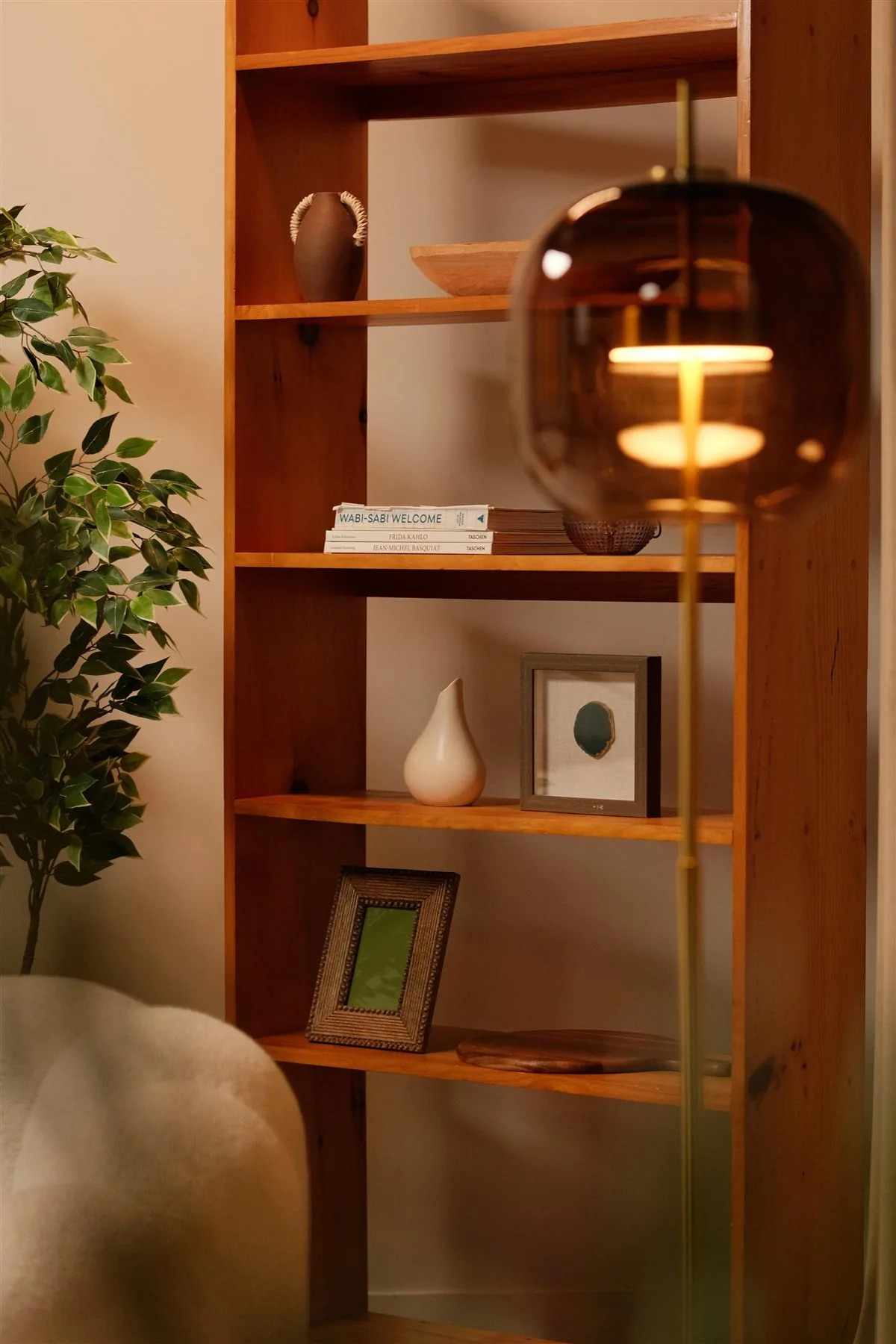
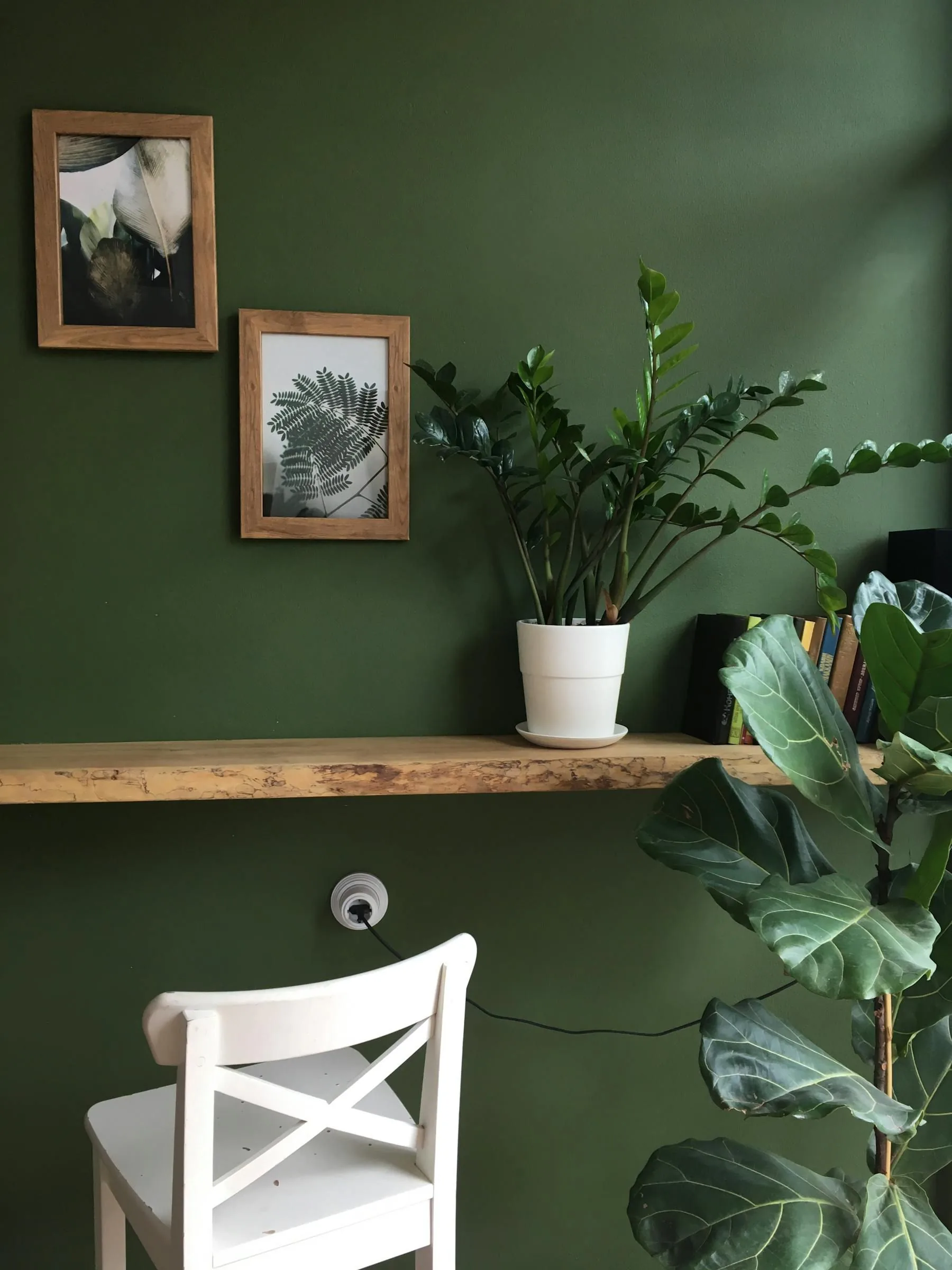
Home, Room, Bedroom, and Office Money Corners
People use the money-corner idea at different scales. Some apply it to the whole home from the main entrance, while others apply it to one room from that room's doorway. Both approaches can be useful as long as the fix still fits the space.
Scroll sideways to compare all columns.
| Where you apply it | What to prioritize | What to avoid |
|---|---|---|
| Whole home | Overall upkeep, clear entry flow, repaired leaks, and a wealth area that does not become storage. | Ignoring the rest of the home because one corner has symbols. |
| Living room or dining room | Warm light, plants, flowers, fruit, art, and one calm surface that supports abundance naturally. | Too many cure objects on a shelf or console. |
| Bedroom | Soft growth cues, gentle color, a healthy plant only if it suits the room, and less visual busyness. | Creating a loud prosperity display where the room should feel restful. |
| Office or desk area | Order, useful storage, a focused lamp, clean papers, and a small symbol of steady growth. | Letting bills, old receipts, and tangled cords dominate the area. |
Think care before symbolism
A beautiful, well-kept corner carries a stronger abundance message than a more symbolic corner full of objects you do not actually enjoy or maintain.
What to Add to the Money Corner
A money corner does not need a shopping haul, but a few kinds of pieces are easy to use well. Strong picks add light, life, or a stronger feeling of care. If a product would look random anywhere else in the room, it is probably not helping. That rule keeps the corner from tipping into cluttered cure-shopping.
Simple product directions that still feel like decor
Think of these as simple decor moves for the corner, not magic fixes. The best picks add light, care, and breathing room without making the space feel staged.
Best first buy
Warm table lamp
A small lamp often helps more than another symbol because it changes the feeling of the corner immediately.
View on AmazonFor growth
Ceramic or stone planter
A healthier plant looks more grounded in a weighted planter than in a flimsy nursery pot.
View on AmazonFor editing
Brass or wood tray
A tray pulls several smaller pieces into one edited arrangement so the surface feels calmer.
View on AmazonFor nourishment
Beautiful bowl
A bowl is useful if the corner is near dining, fruit, or a console where one sculptural object would feel more natural than many little items.
View on AmazonFrequently Asked Questions
Where is the feng shui money corner?
What should I put in a feng shui money corner?
Can I use a money corner in any room?
What should I avoid in the money corner?
What colors help a feng shui money corner most?
The Bottom Line
The best feng shui money corner is brighter, calmer, and more intentional than it was before. A healthy plant, warm light, meaningful art, and one edited arrangement often do more than a shelf full of random cures.
Find the far-left area, improve the condition of the space first, and then add only the pieces that still feel believable there. That is where the stronger abundance feeling begins.