

Quick Answer
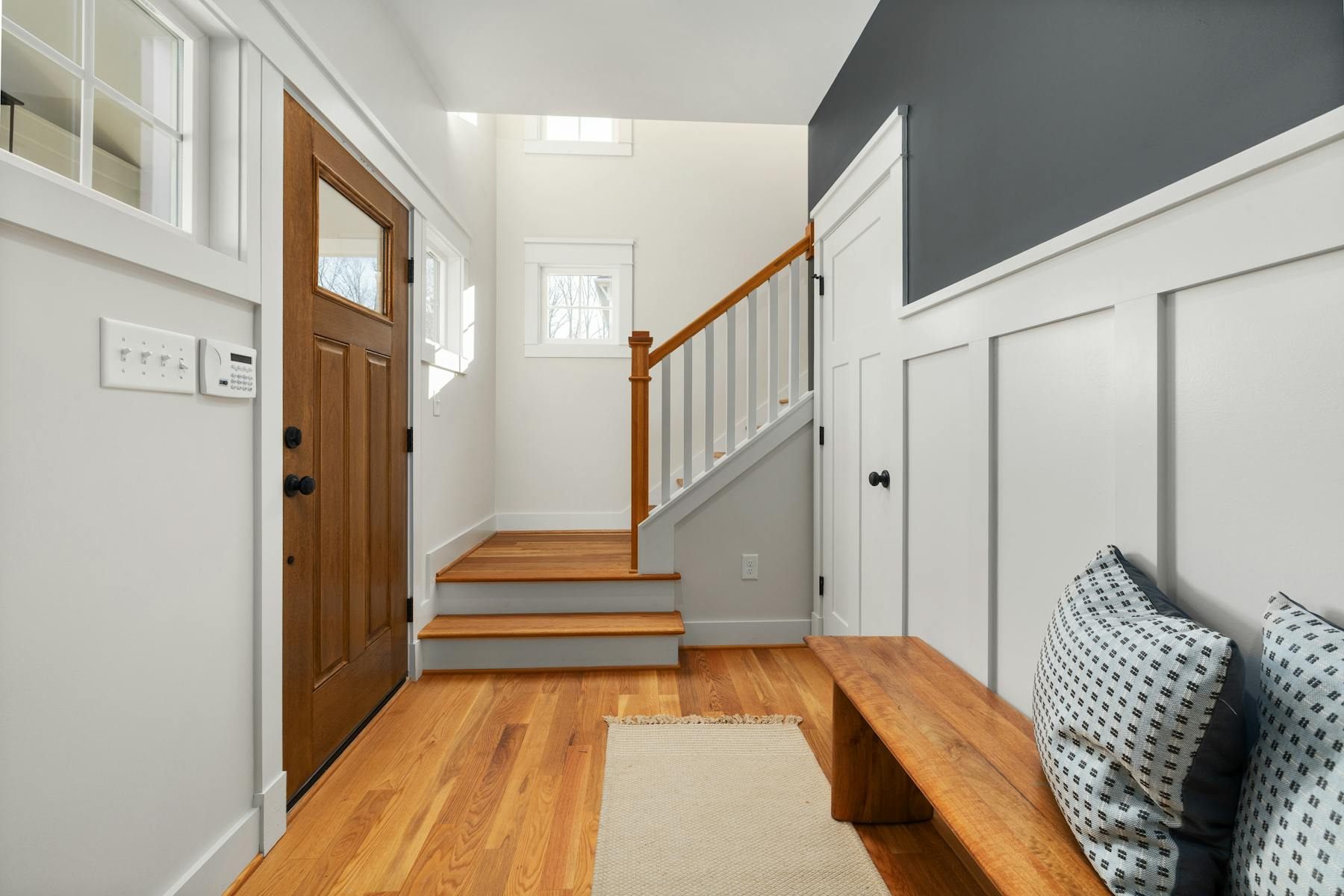
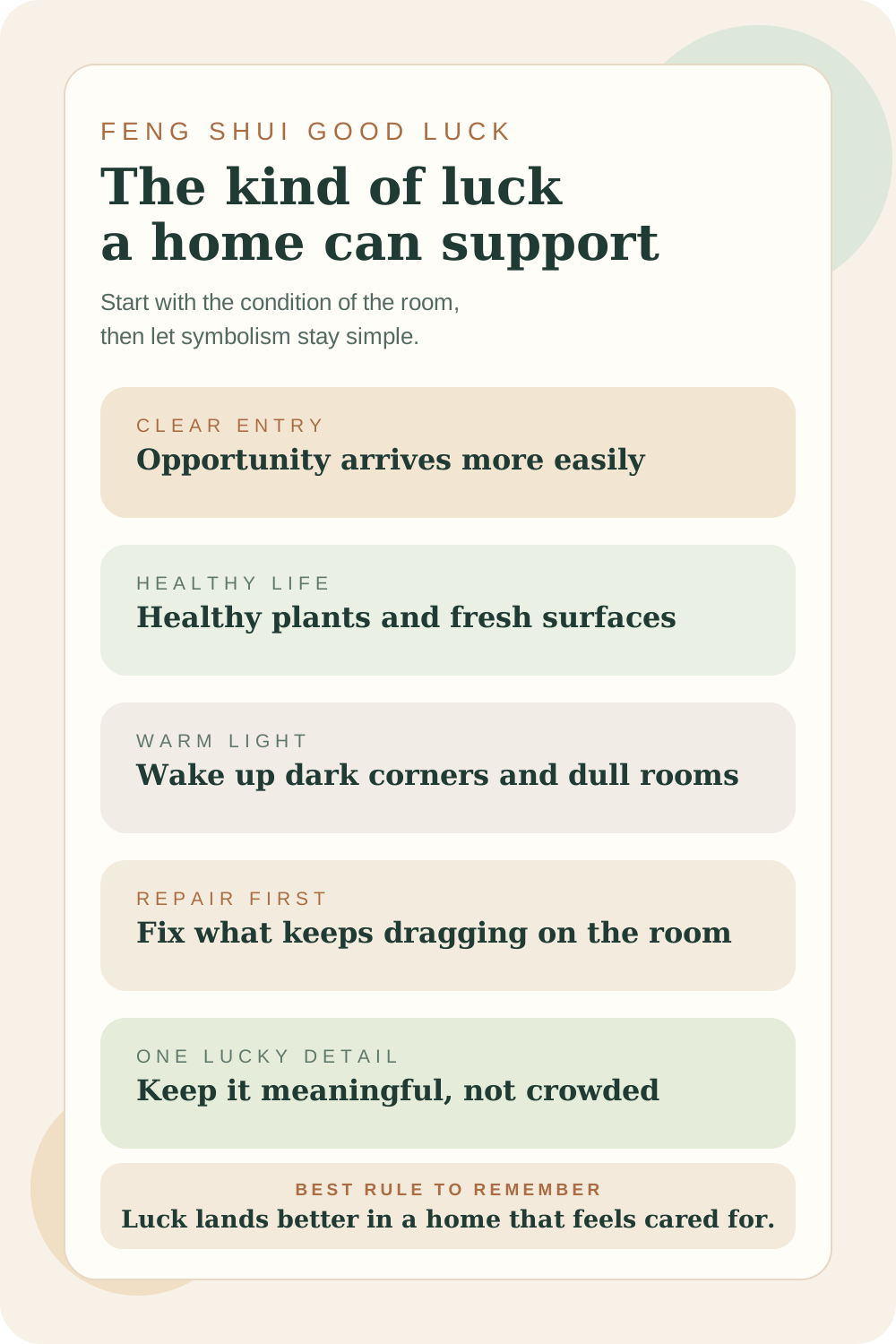
Feng shui good luck usually starts with fewer obstacles, not more lucky objects. A clearer entry, healthier plants, warmer light, better repairs, and one meaningful lucky detail often do more than a crowded collection of symbolic cures.
Luck tends to land better in spaces that feel easier to enter, easier to use, and easier to maintain. That is why good luck in feng shui often looks surprisingly practical.
The home does not need to look mystical to feel luckier. It needs fewer dead corners, less visual drag, and a stronger sense that the space is ready to receive and hold good things well.
What Good Luck Usually Means in Feng Shui
In practice, good luck usually means fewer blocks around the basics. Can people and opportunities arrive easily? Does the home feel maintained? Is there enough life, enough light, and enough order that the space feels ready for something good?
| Good-luck move | What it actually does | Why it works |
|---|---|---|
| Clear the entry | Makes the home easier to approach and easier to arrive through | Luck has less friction at the threshold |
| Add healthier life | Brings growth, freshness, and visual care | Plants and fresh details make the home feel more alive |
| Use warmer light | Wakes up dark or forgotten corners | Dim neglected spaces often feel luck-draining instead of supportive |
| Repair what drags | Removes daily frustration | Broken things create constant background friction |
| Keep one lucky detail | Adds meaning without visual noise | One strong symbol usually works better than ten scattered ones |
The Good-Luck Moves That Usually Matter Most
Five ways to support good luck without making the home feel forced
Start at the front entry
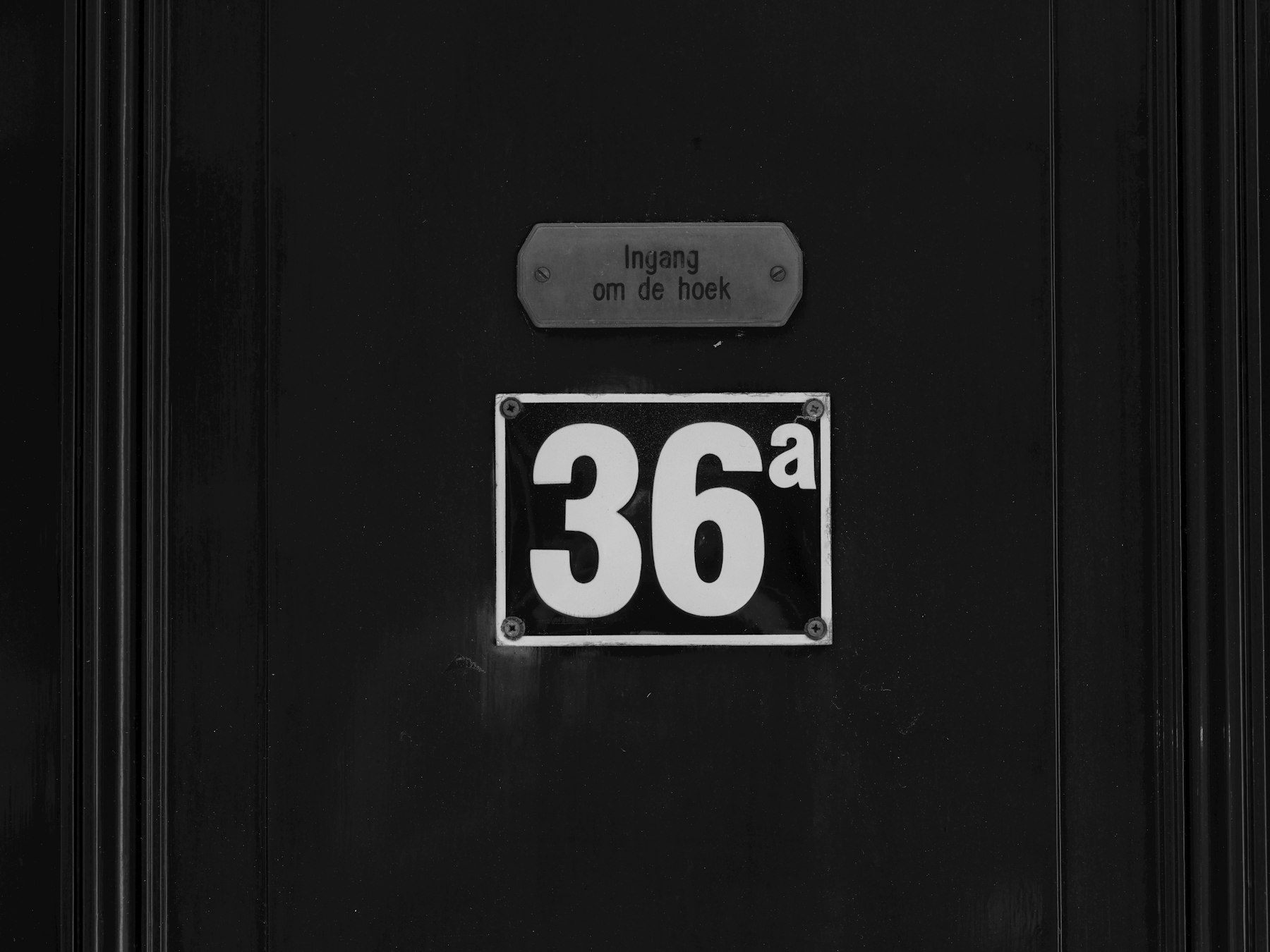
A clear approach, readable house number, smoother door, and better lighting usually do more for luck than a charm hidden inside the home.
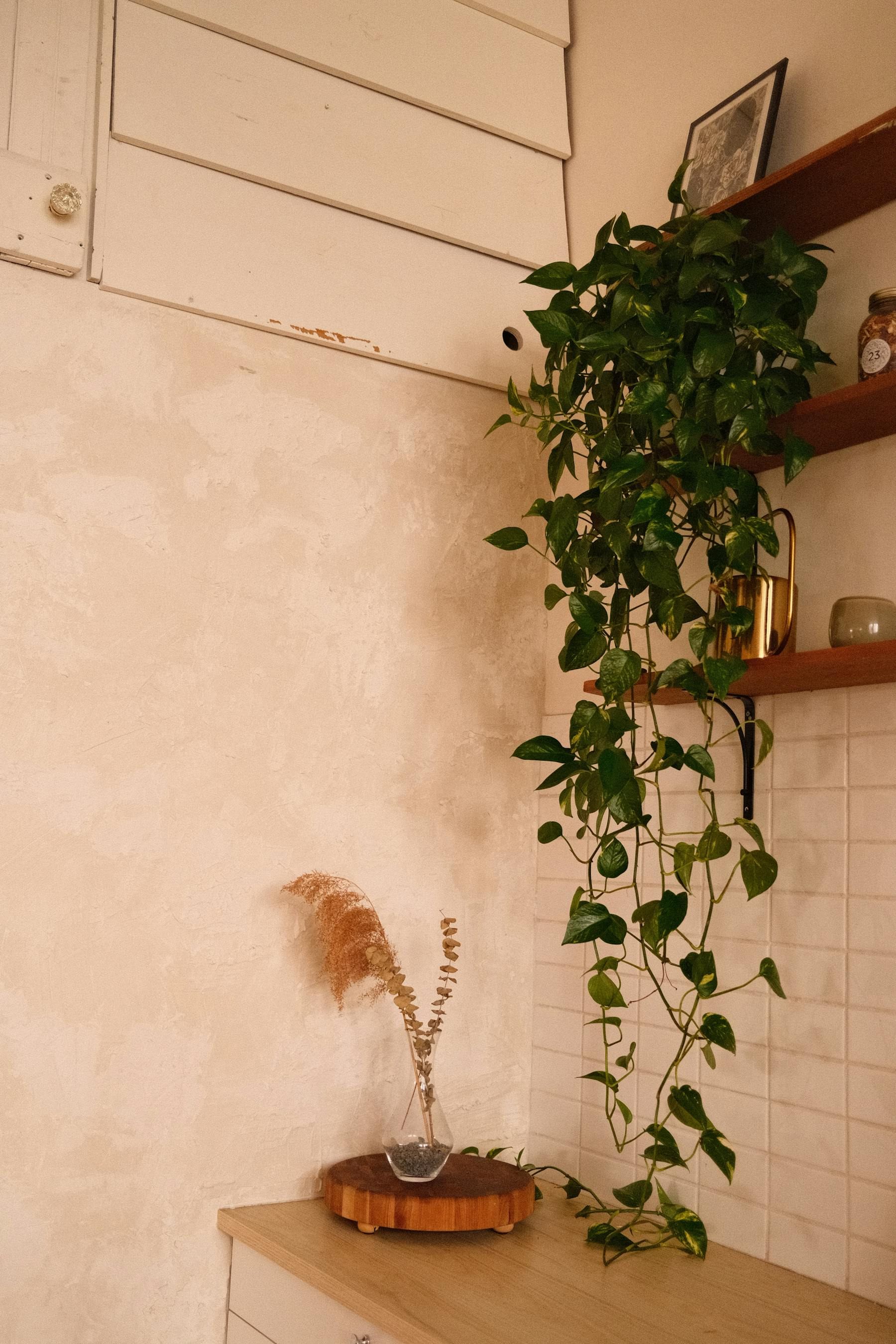
Use a healthy plant or fresh life cue
Healthy growth tends to communicate momentum and care more naturally than an object chosen only because it sounds lucky.
Wake up one dim corner
Luck often improves when neglected areas stop feeling forgotten. Warm light helps quickly.
Fix one repeating frustration
A sticking door, broken drawer, dead bulb, or hard-to-use threshold can quietly drain more energy than people realize.
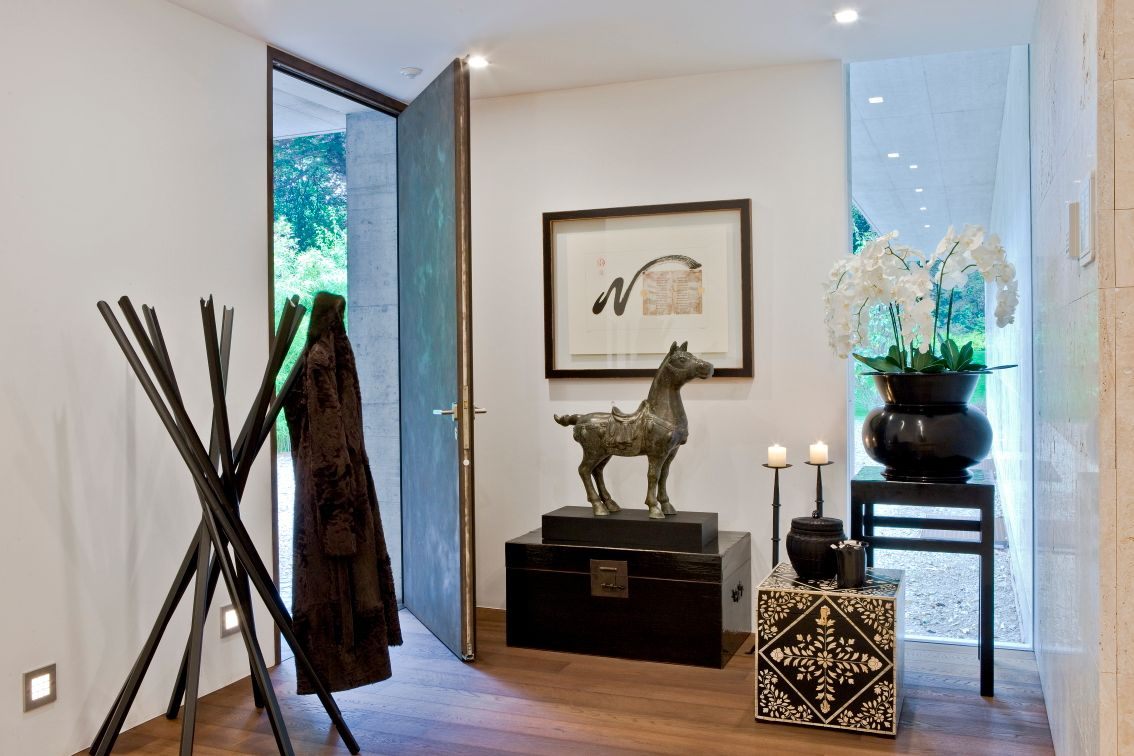
Choose one meaningful lucky symbol
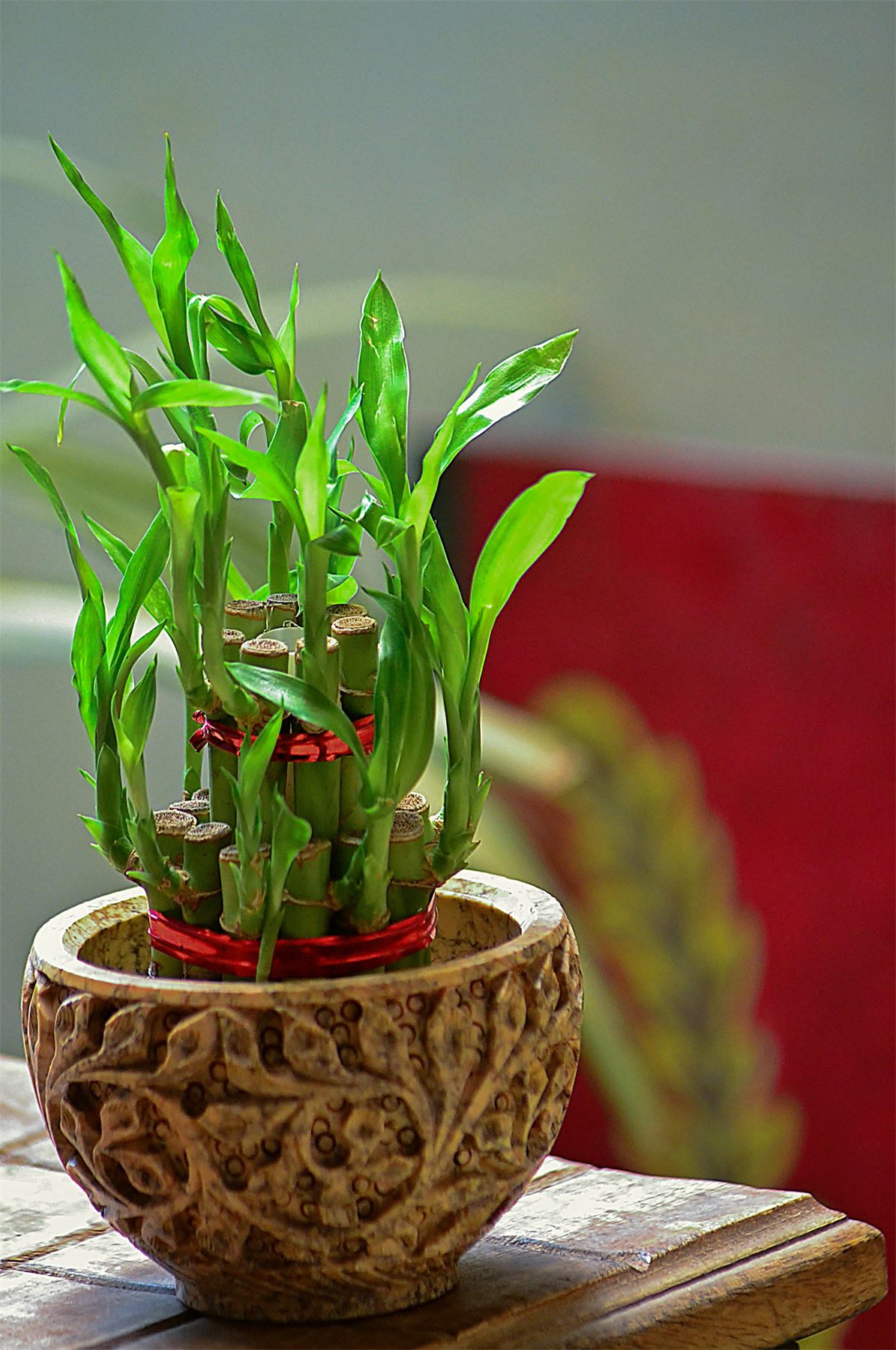
One bamboo arrangement, one number preference, one candle ritual, or one supportive object usually feels stronger than a crowded collection.
What Usually Weakens Good Luck More Than You Think
What usually helps luck
- +A cleaner threshold and a stronger sense of arrival.
- +Healthier plants, better light, and cared-for surfaces.
- +One meaningful lucky object or symbolic detail.
- +Repairs that remove daily irritation from the home.
What usually weakens it
- -Dead plants, broken items, or dark neglected corners.
- -Clutter piled near the front door or in important pathways.
- -Too many lucky symbols competing with each other.
- -Treating luck objects as stronger than the condition of the room.
If you want to go deeper into the prosperity side of luck, feng shui for money, feng shui money corner, feng shui positive energy items, and feng shui numbers are the strongest companion guides.
Useful Good-Luck Products That Still Feel Natural
Most homes do not need a shopping list to feel luckier, but a few kinds of pieces can help if they solve a real problem first. The best good-luck products usually improve light, growth, entry clarity, or one meaningful symbolic detail without making the room feel crowded.
Simple products that support luck more naturally
Think practical support first, then symbolism. If a piece helps the room feel easier to enter, brighter, or more cared for, it usually belongs here.
Light
Warm table lamp
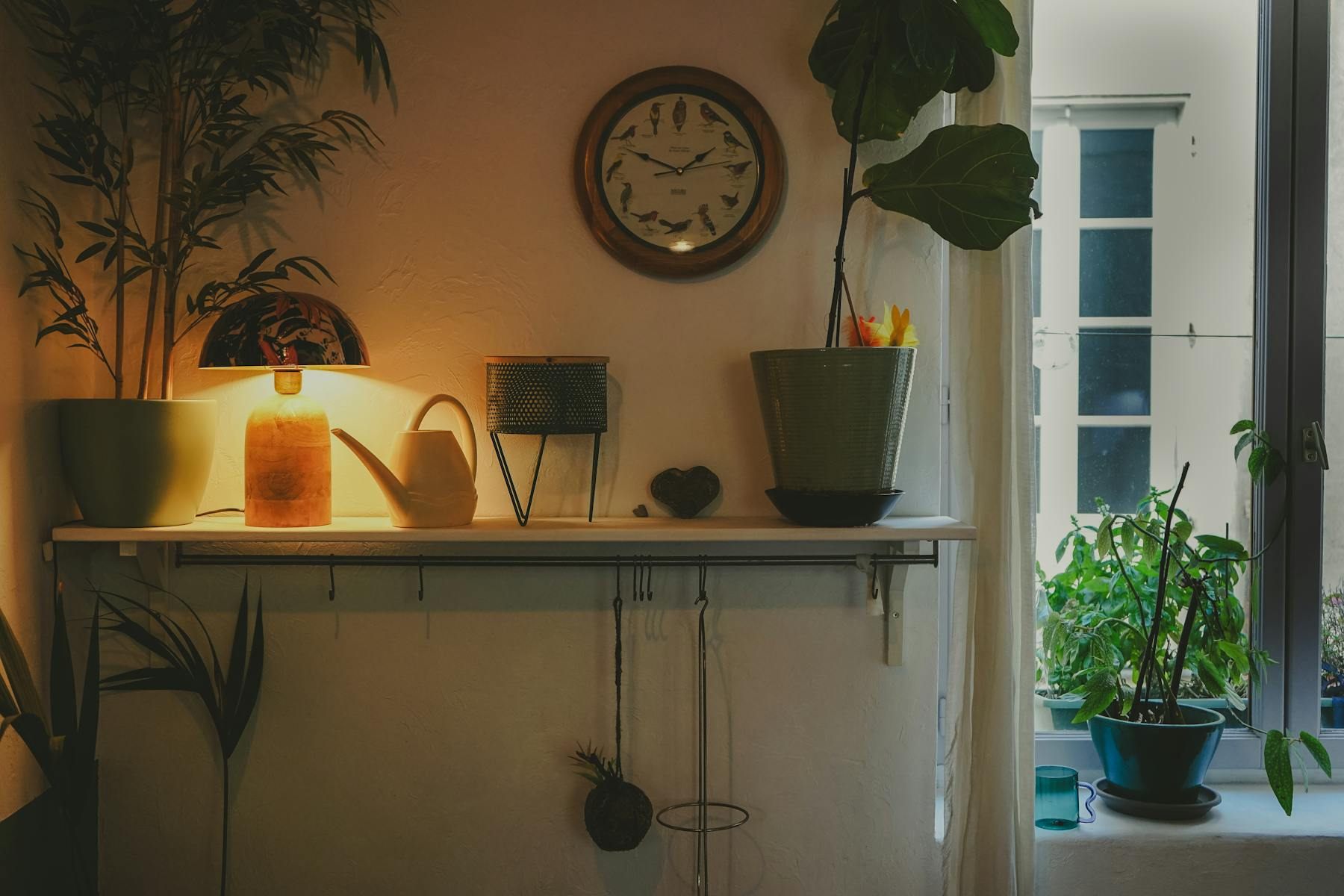
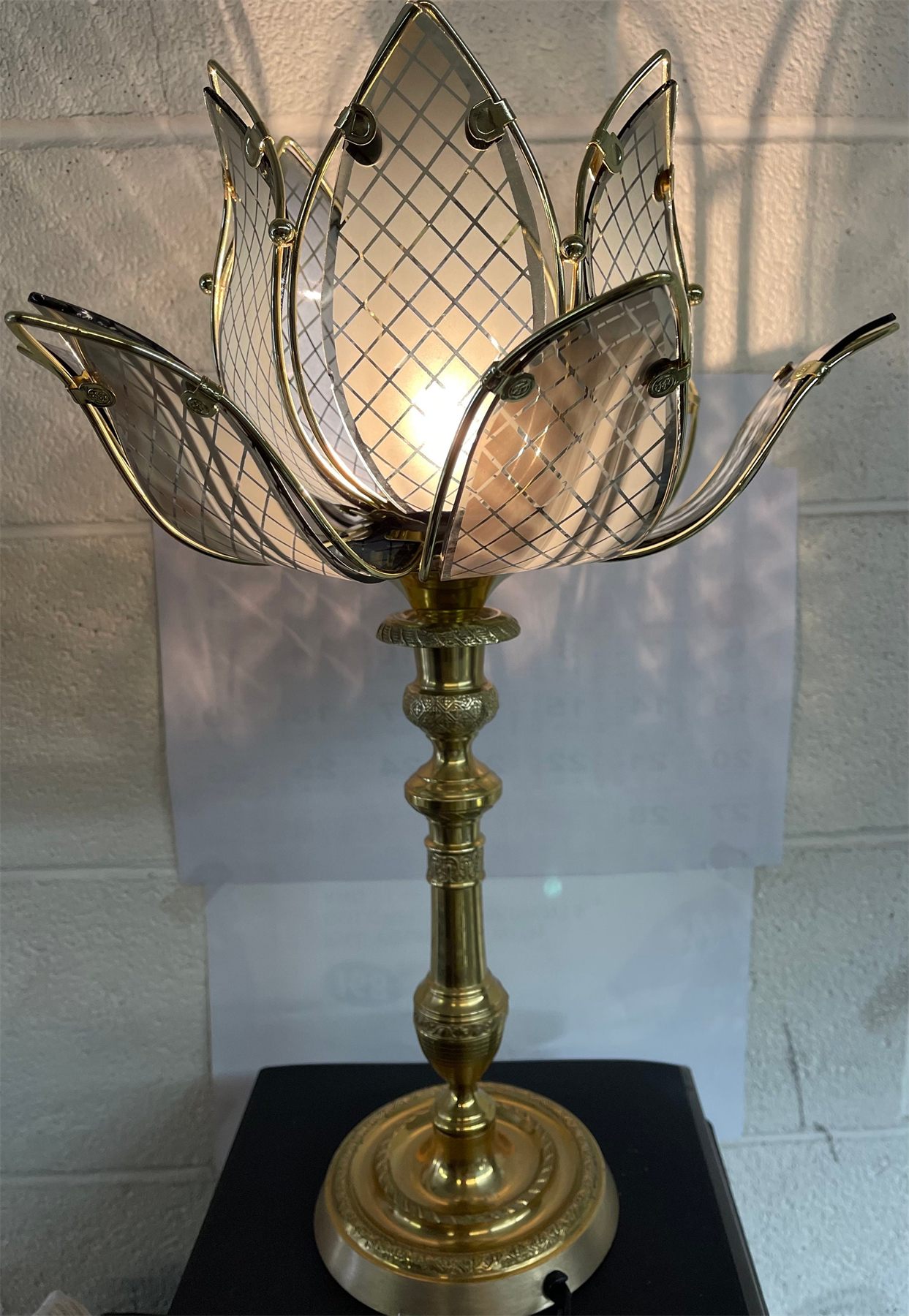
A lamp is often the fastest way to wake up a dark corner and make the home feel less stagnant.
Shop warm lampsGrowth
Ceramic planter
A healthy plant looks more intentional in a sturdier planter than in a temporary nursery pot.
Shop plantersEntry
Welcoming doormat
At the entry, one clean doormat can reinforce the feeling that the home is ready to receive people and opportunity.
Shop doormatsMeaningful detail
Small candle tray
A tray helps one lucky detail feel deliberate instead of like another object drifting around the room.
Shop traysFrequently Asked Questions
What is good luck in feng shui?
Do I need lucky items for feng shui good luck?
What is the first good-luck feng shui step?
What weakens good luck feng shui most?
The Bottom Line
Feng shui good luck works best when the home feels more ready, more alive, and less blocked. A clear entry, healthy life, warmer light, and one meaningful detail usually go farther than a shelf full of lucky cures.
If you want to attract better luck, make the home easier for good things to land in first. That is the part that tends to last.