

Quick Answer
Feng shui numbers are best used as a light symbolic layer, not a source of panic. A clear, cared-for home with an easy-to-read house number usually matters much more than whether the number itself is considered especially lucky.
Numbers matter most when they shape how you feel about the space. If a number feels meaningful or supportive to you, it can be a useful symbolic nudge. If it becomes fear-based, it usually stops being helpful.
In feng shui, the bigger picture still wins. A healthy entry, readable address, working door, and calmer home condition do more than one number ever will.
How to Think About Feng Shui Numbers Without Overdoing It
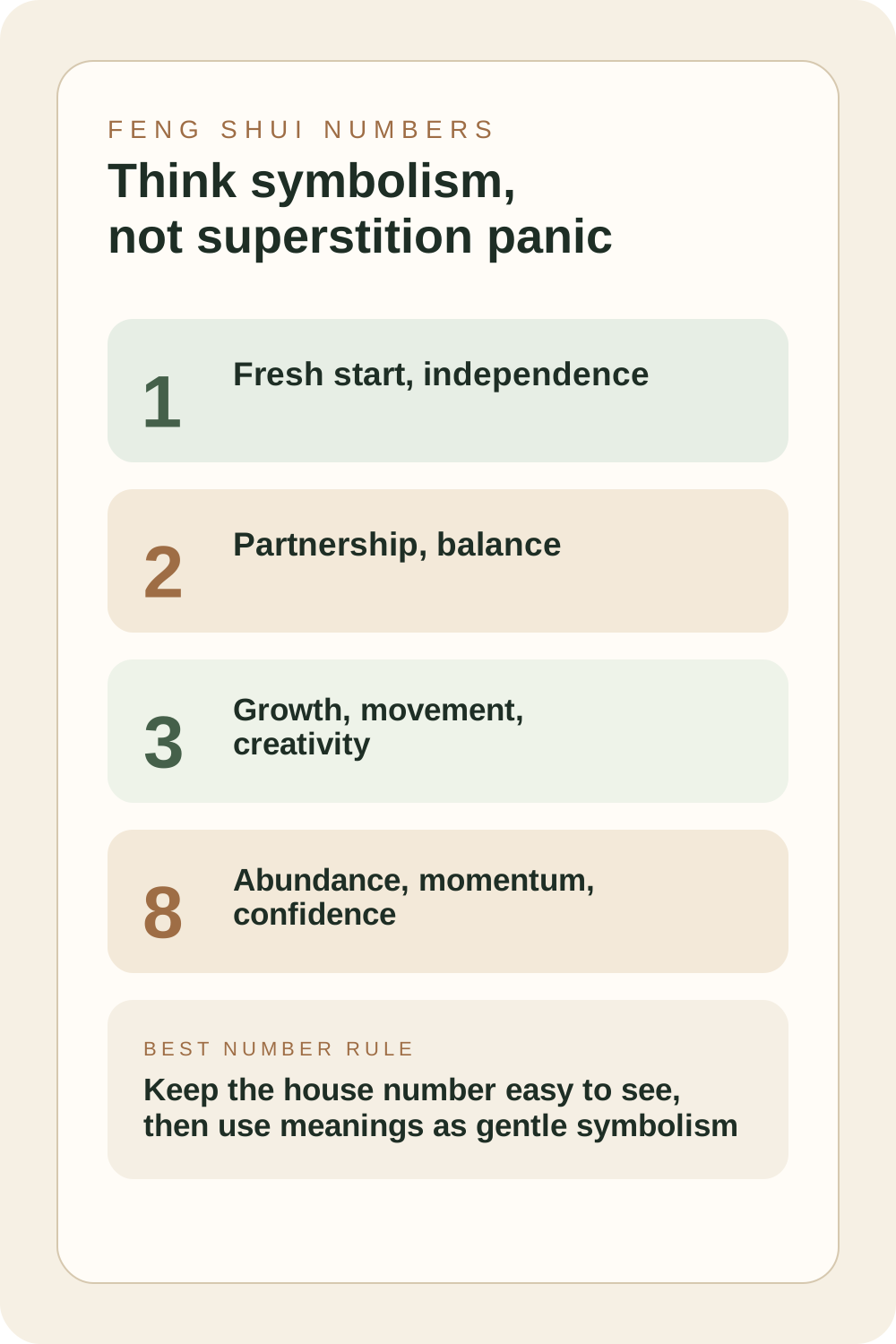
The calmer way to use number meanings is to treat them like supportive symbolism, similar to color or decor themes. They can influence preference, but they should not cancel out obvious real-world priorities like upkeep, layout, light, and ease of arrival.
| Number | Common association | Best way to use it |
|---|---|---|
| 1 | Fresh start, independence | Useful if you like the feeling of a new chapter or clearer direction. |
| 2 | Balance, partnership | Often liked for relationship or harmony symbolism. |
| 3 | Growth, movement, creativity | Good for a more active, upward-feeling symbolic mood. |
| 8 | Abundance, momentum, confidence | Often treated as one of the more prosperity-coded numbers. |
| 9 | Completion, fullness, long view | Works well as an ending or fullness symbol rather than a panic point. |
The Number Meanings People Usually Care About Most
Four common ways people use number symbolism
House or apartment numbers
People often look up address meanings first, but the condition and readability of the entrance still matter more than the number alone.
Repeating numbers
Some people like repeating numbers because they feel memorable or intentional, but they still work best as personal symbolism rather than fear.
Money-related numbers
Numbers like 8 are often associated with abundance, but abundance symbolism still works best when the home itself feels cared for.
Pairing and relationship numbers
Numbers like 2 may be used more for harmony or balance symbolism in bedrooms or shared spaces.
If you are looking at numbers from a wealth angle, feng shui for money and feng shui money corner are the more useful companion guides, because they help with the condition of the home rather than only the symbolism.
House Numbers and Apartment Numbers Matter Most When They Are Easy to Read
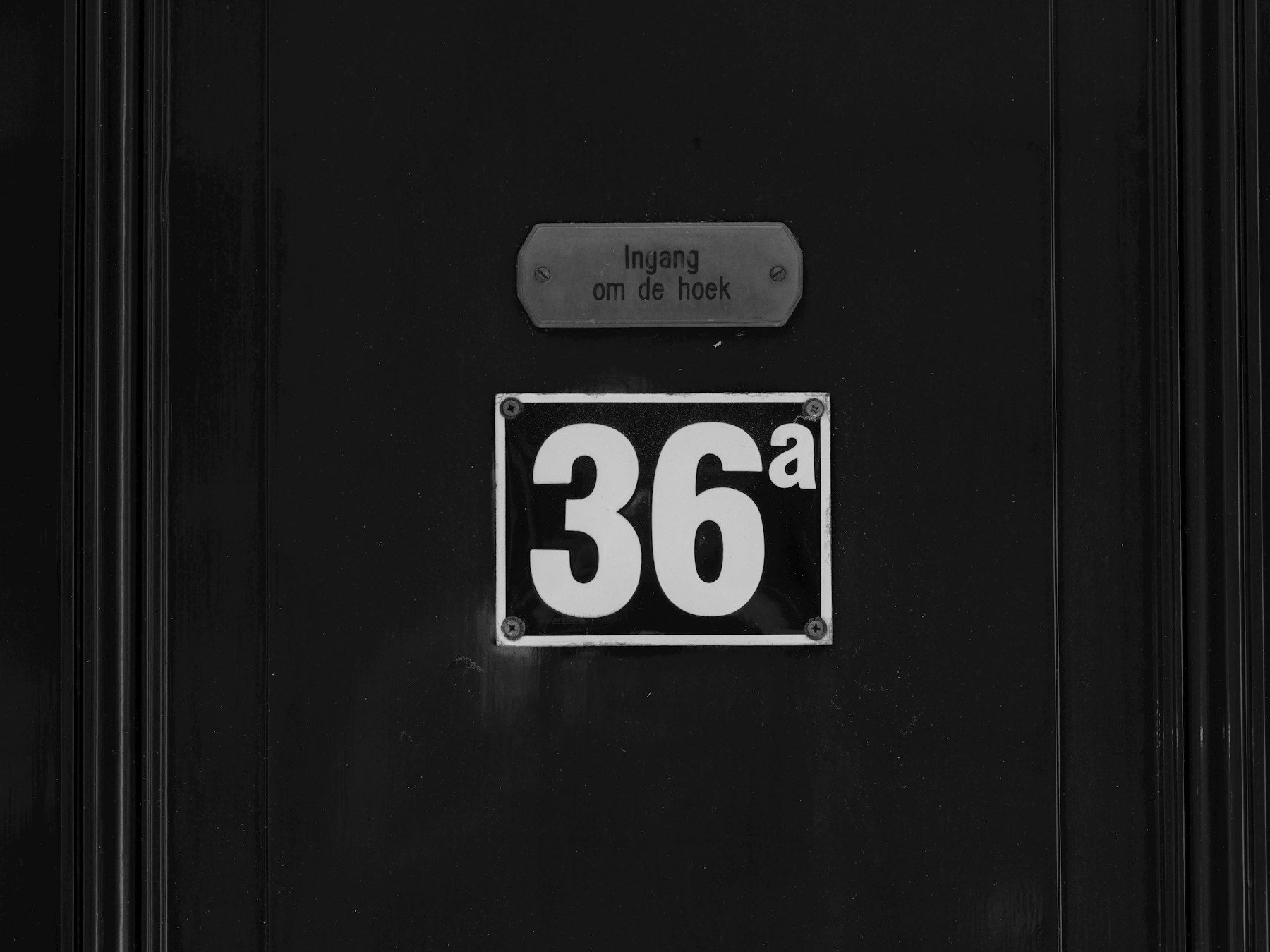
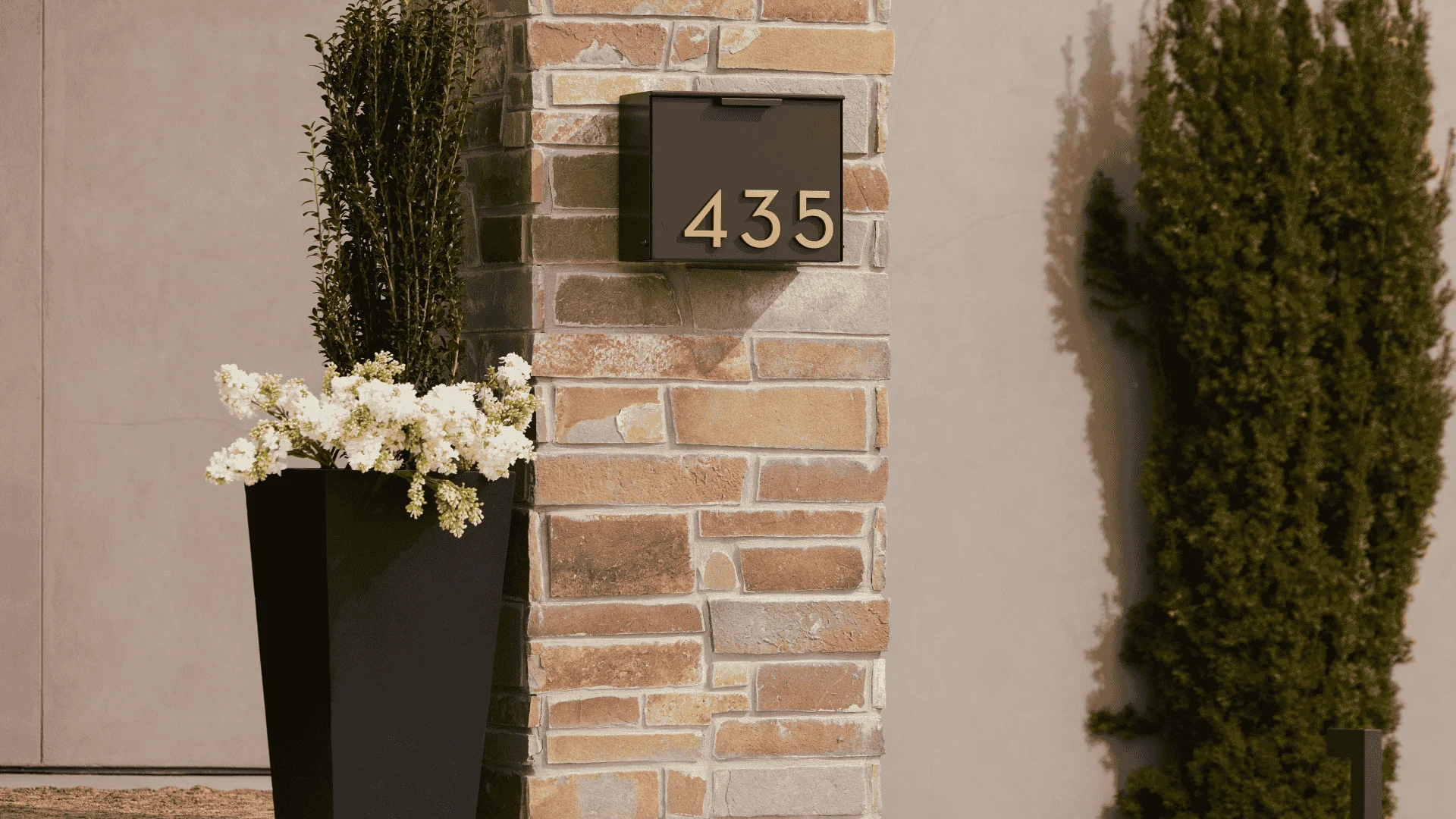
This is the part of the topic that usually matters most in real life. A house number or apartment number should be visible, legible, and easy to find from the approach. That matters for guests, deliveries, safety, and the general feeling of arrival. Symbolism is still secondary to that.
| Number situation | What matters most | Best practical move |
|---|---|---|
| House number outside | Visibility from the street or walkway | Improve contrast, lighting, or placement so it can be read easily. |
| Apartment or unit door | Clarity in the hallway or building approach | Keep the door area maintained and the number marker easy to notice. |
| Repeating number you dislike | Your relationship to the symbol | Use the meaning lightly and focus more on the feel of the entry. |
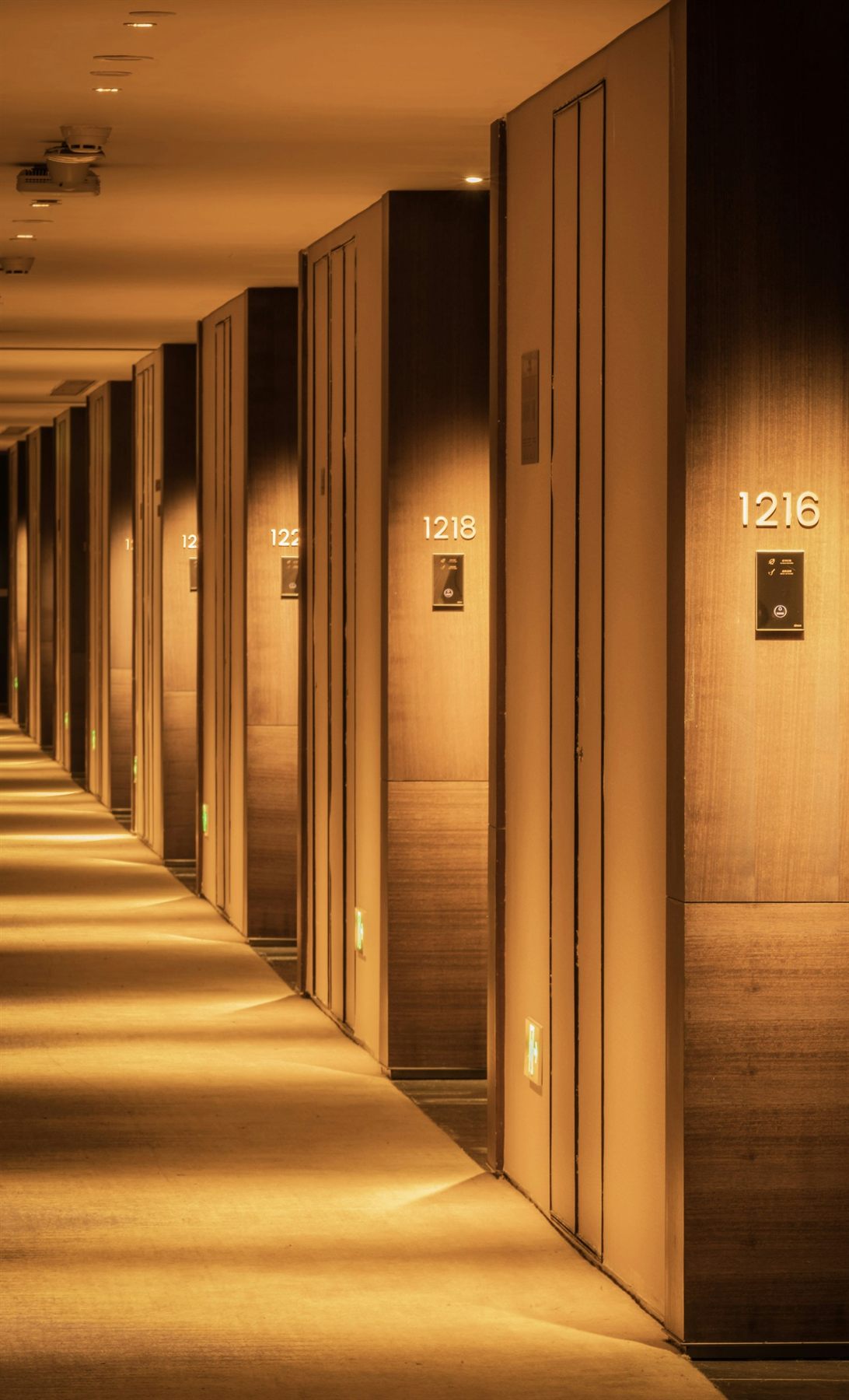
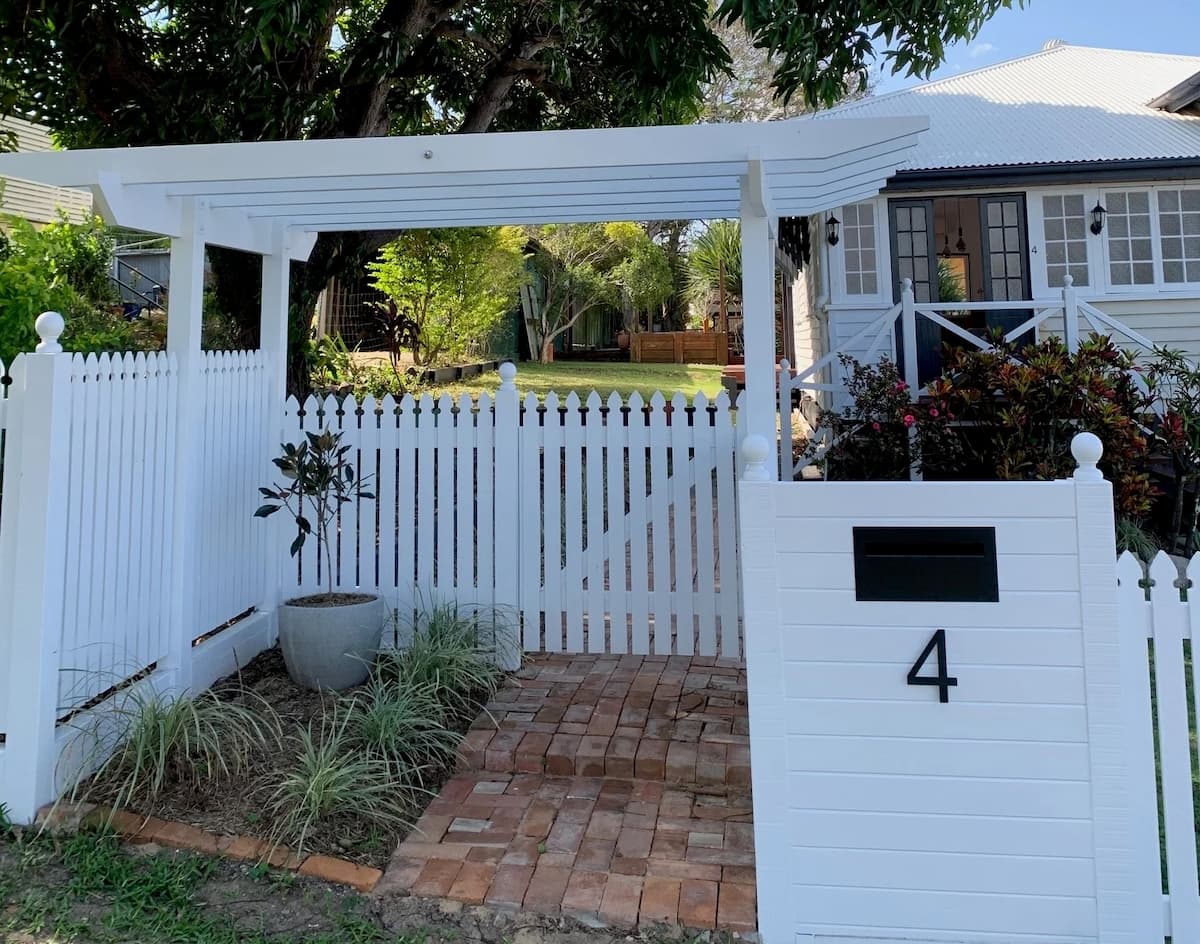
House Number Tips That Matter More Than Luck
What usually helps
- +Keep the house number visible and easy to read from the approach.
- +Make sure the entry light and door condition support a clear arrival.
- +Use number meanings as preference, not fear.
- +Focus on the feeling of the entry as much as the number itself.
What usually weakens it
- -Obsessing over the number while the entry itself is dark or neglected.
- -Letting rusted or missing numbers stay on the home.
- -Treating one number as stronger than the overall condition of the space.
- -Using number meanings in a way that makes you anxious instead of supported.
Best number rule
A clear, cared-for, easy-to-find address is usually better feng shui than a perfect lucky number on a neglected doorway.
Frequently Asked Questions
What are lucky numbers in feng shui?
Is a bad house number a feng shui problem?
How should I use feng shui number meanings?
Do apartment or unit numbers matter in feng shui?
What matters more than a lucky number?
The Bottom Line
Feng shui numbers can be a useful symbolic layer, but they should stay softer than the real fundamentals of the home. A clear entry, visible house number, and better room condition usually matter more.
Use numbers as guidance or preference if they resonate with you. Just do not let them outweigh the larger design and upkeep choices that actually shape the feel of the space.