

Quick Answer
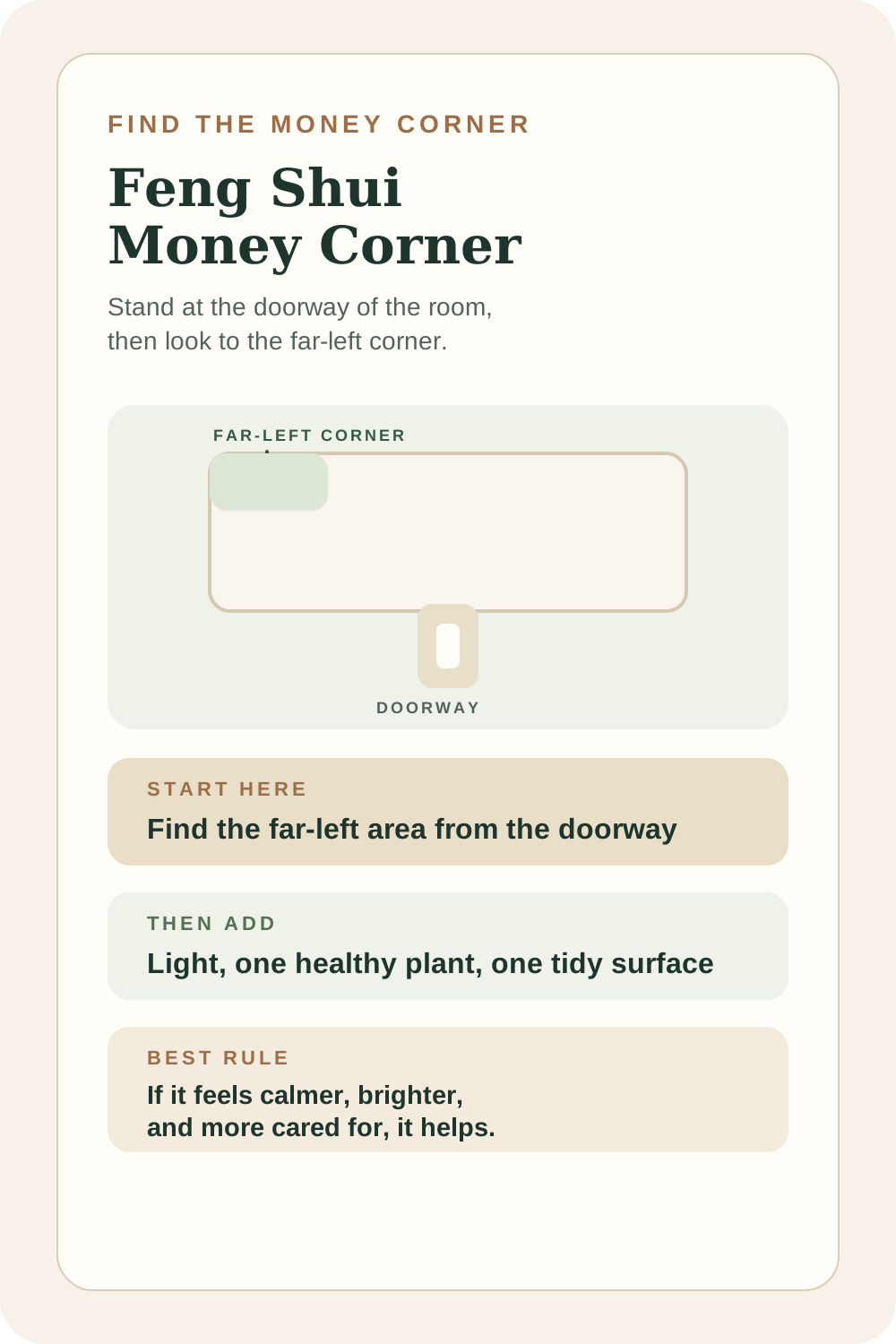
A simple way to work with the feng shui money corner is to find the far-left area of a room from the doorway, then make that spot brighter, healthier, and more intentional. The best money corner usually includes one or two edited abundance cues, not a crowded collection of symbolic objects.
The money corner tends to work best when it still feels like good decor. If the area looks calmer, more alive, and better cared for after you style it, you are usually moving in the right direction.
In feng shui, many people use the far-left corner of a room or home as a symbolic wealth area. That idea is useful, but the corner still has to make sense in real life. A brighter, tidier, more intentional corner will usually do more than a shelf full of random prosperity objects.
How to Find the Money Corner Without Overcomplicating It
The beginner-friendly approach is simple: stand at the doorway of the room and look to the far-left corner. That is the area many people use as the money corner. Some rooms make this easier than others, but the practical goal is the same. Choose the part of the room that can credibly carry a little more life, care, and abundance.
If you are working room by room, it often helps to clean up the space first and then decide whether the corner needs a plant, lamp, tray, or one meaningful object. The larger principle is the same one behind feng shui rules for your home: remove friction before adding more decor.
What to Put in a Money Corner So It Still Feels Natural
Five things that usually work best
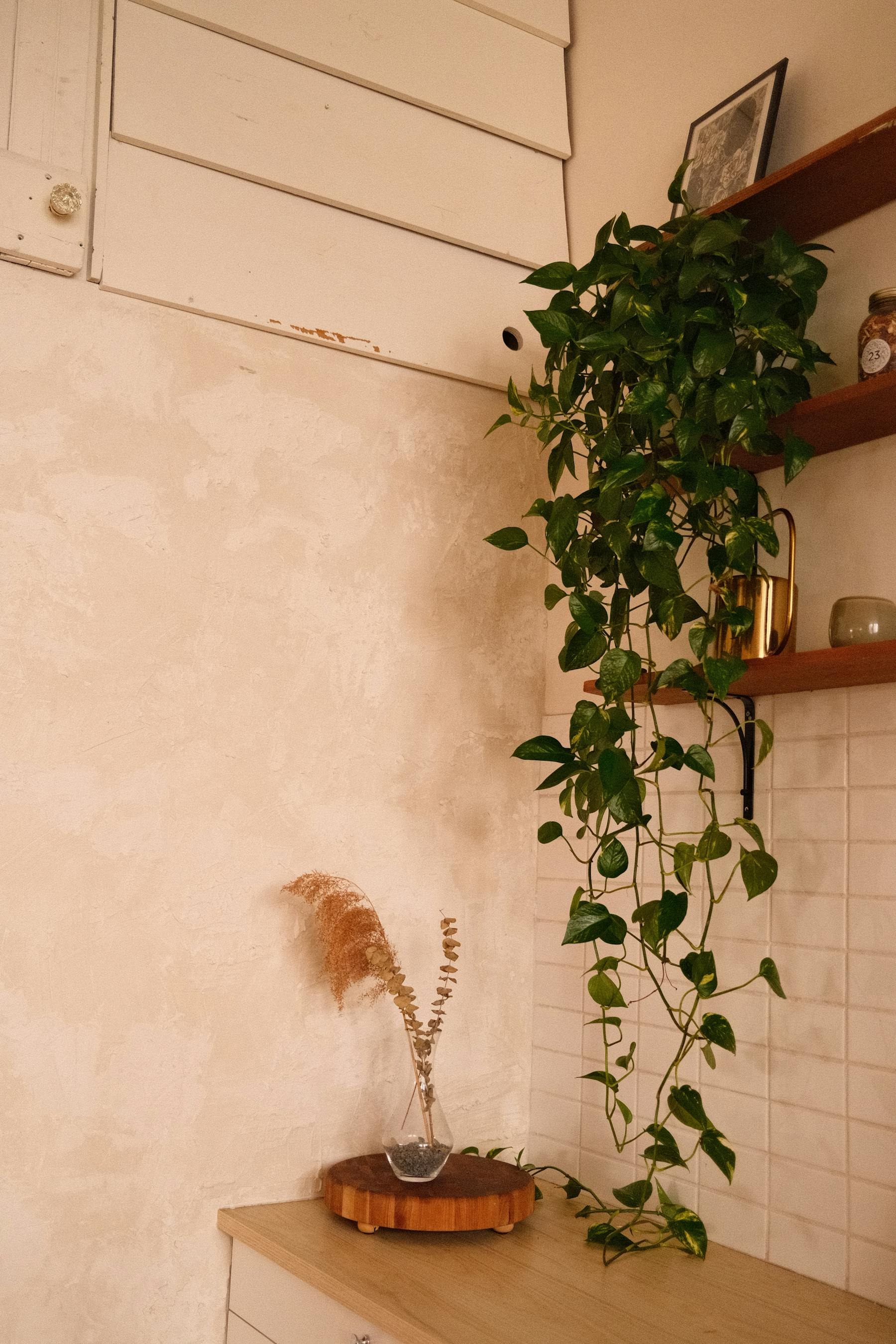
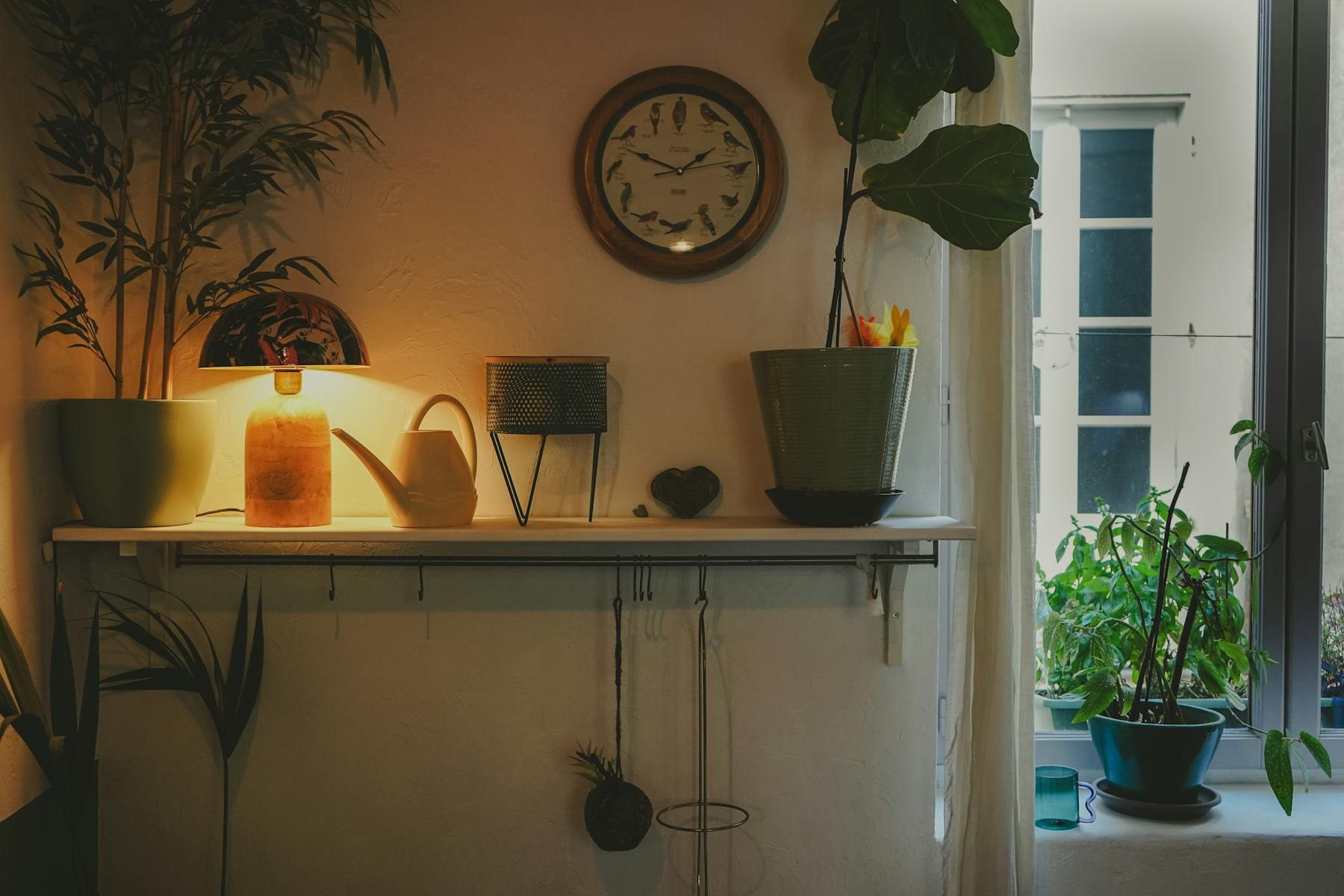
A healthy plant
Growth is one of the easiest abundance symbols to use well. Choose something that looks alive and suits the actual light in that corner.
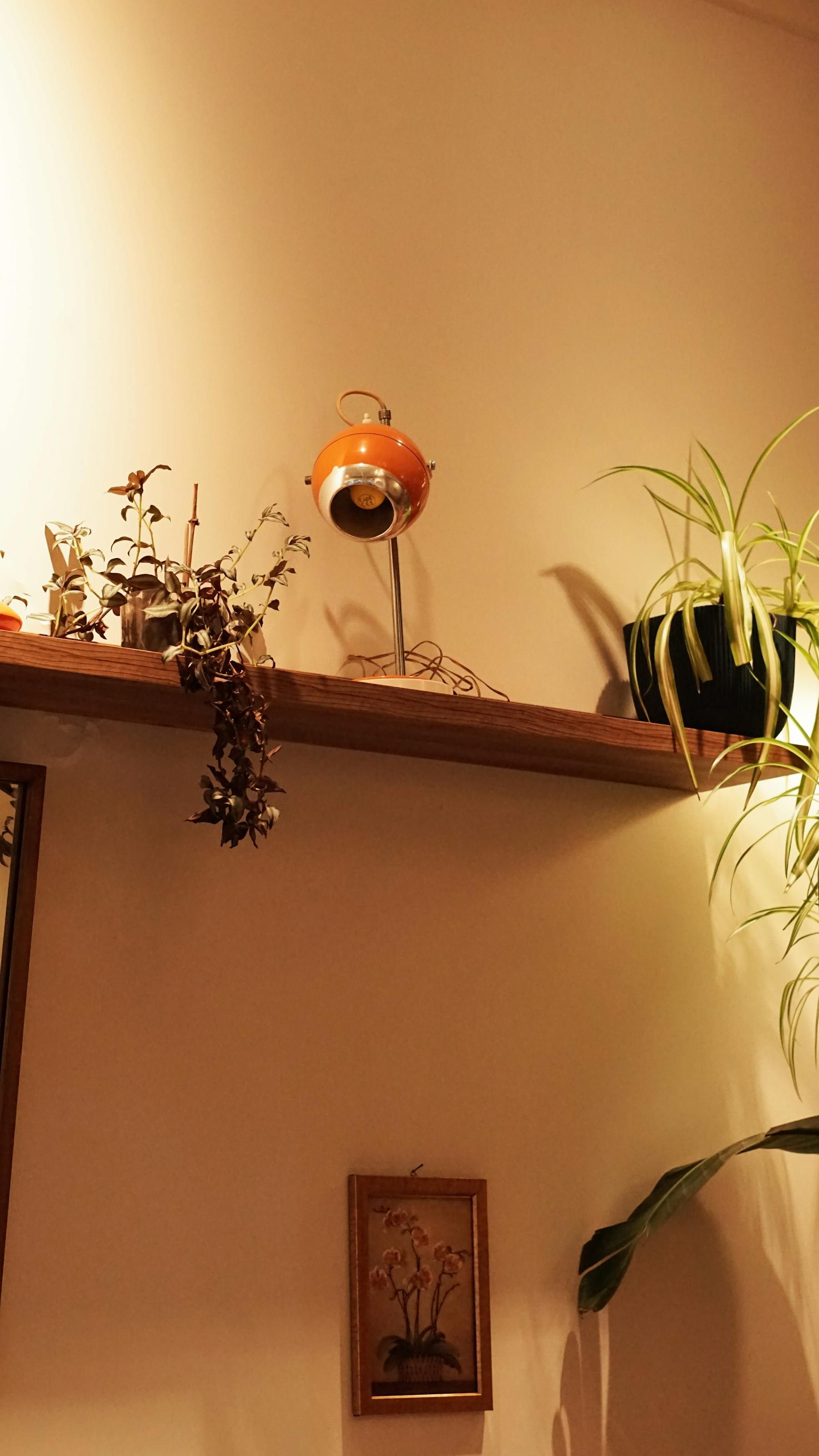
Warm light
A dim forgotten corner rarely feels abundant. A lamp or candlelight-style glow often helps more than another decorative object.
One edited tray or bowl
Grouping a few supportive objects into one calmer arrangement often feels stronger than scattering them across the room.
Meaningful art
Artwork can support a wealth corner when it feels expansive, beautiful, uplifting, or quietly valuable.
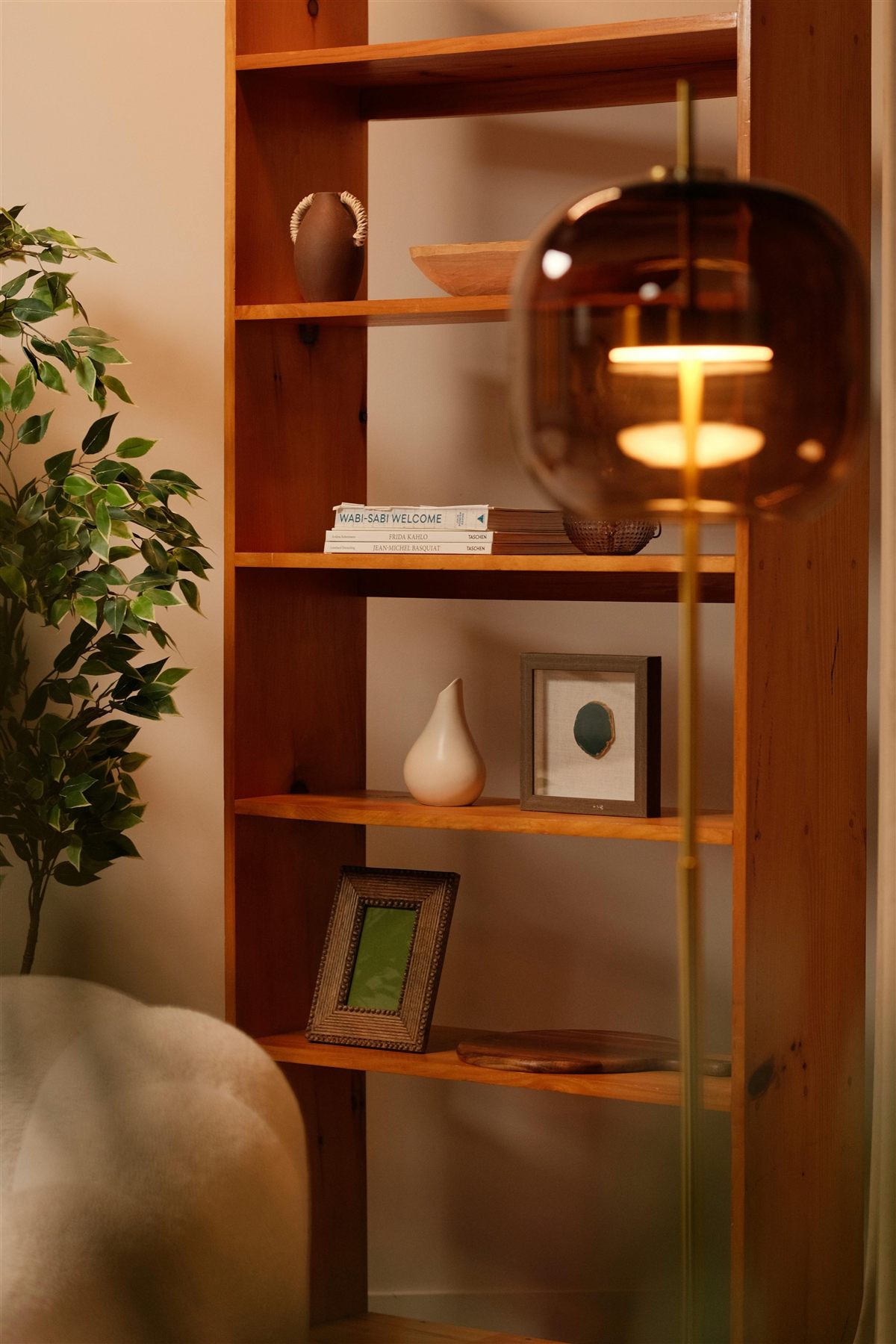
A surface that looks cared for
A cleaner console, shelf, or side table with breathing room usually strengthens the area more than a symbolic object sitting in clutter.
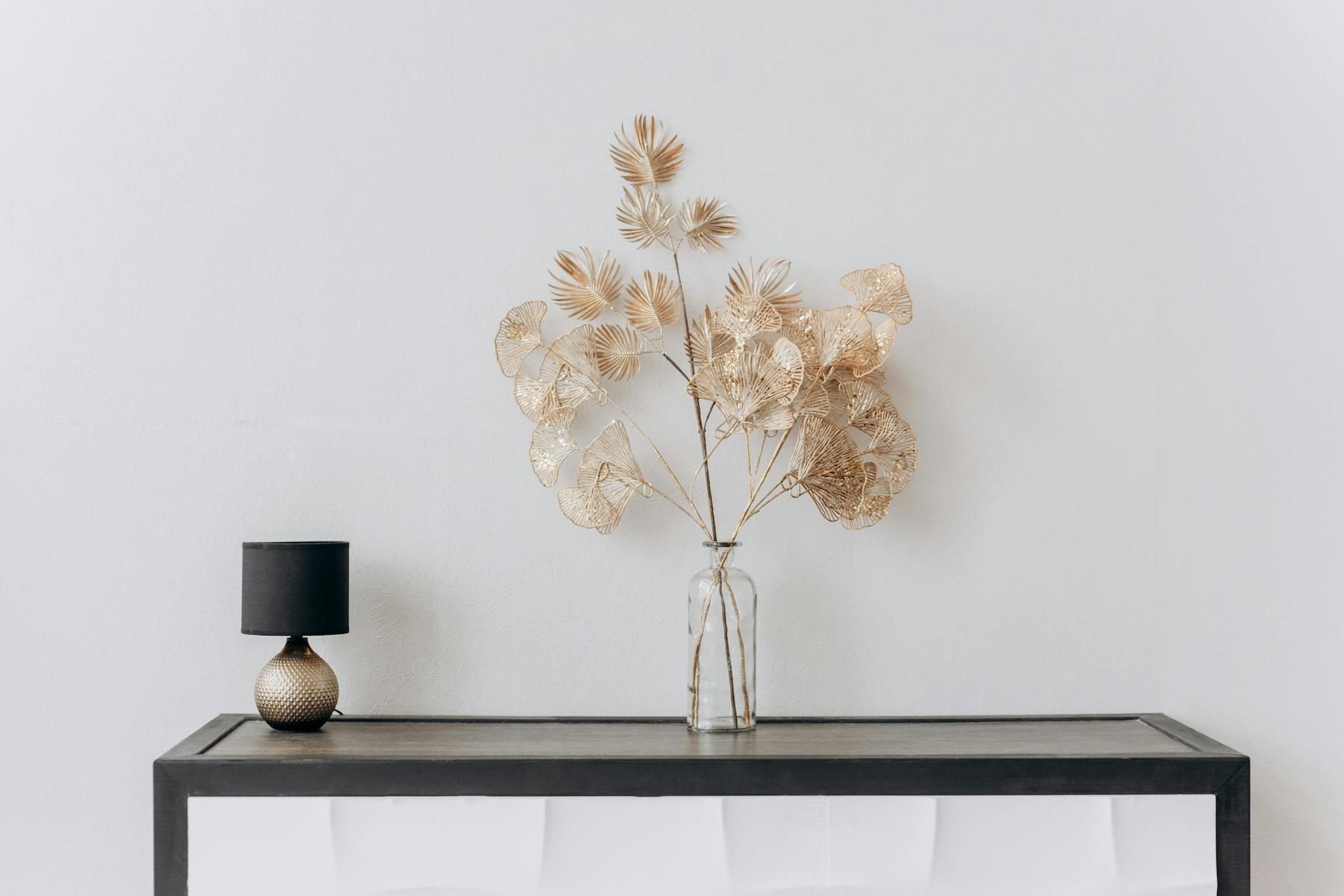
If you want a more item-specific version of this topic, feng shui items for wealth goes deeper into which objects usually feel the most natural in a real home.
Colors That Quietly Support a Money Corner
The money corner usually works better with color used as atmosphere instead of as a lucky-code formula. Earthy green, soft clay, and muted gold are often enough. They feel alive, warm, and a little more valuable without making the corner look staged. If you want a deeper color-only read, feng shui color that attracts money goes further into color logic.
Three colors that usually help most
Think of these as supporting tones for a shelf, lamp base, wall art, planter, or textile near the money corner.
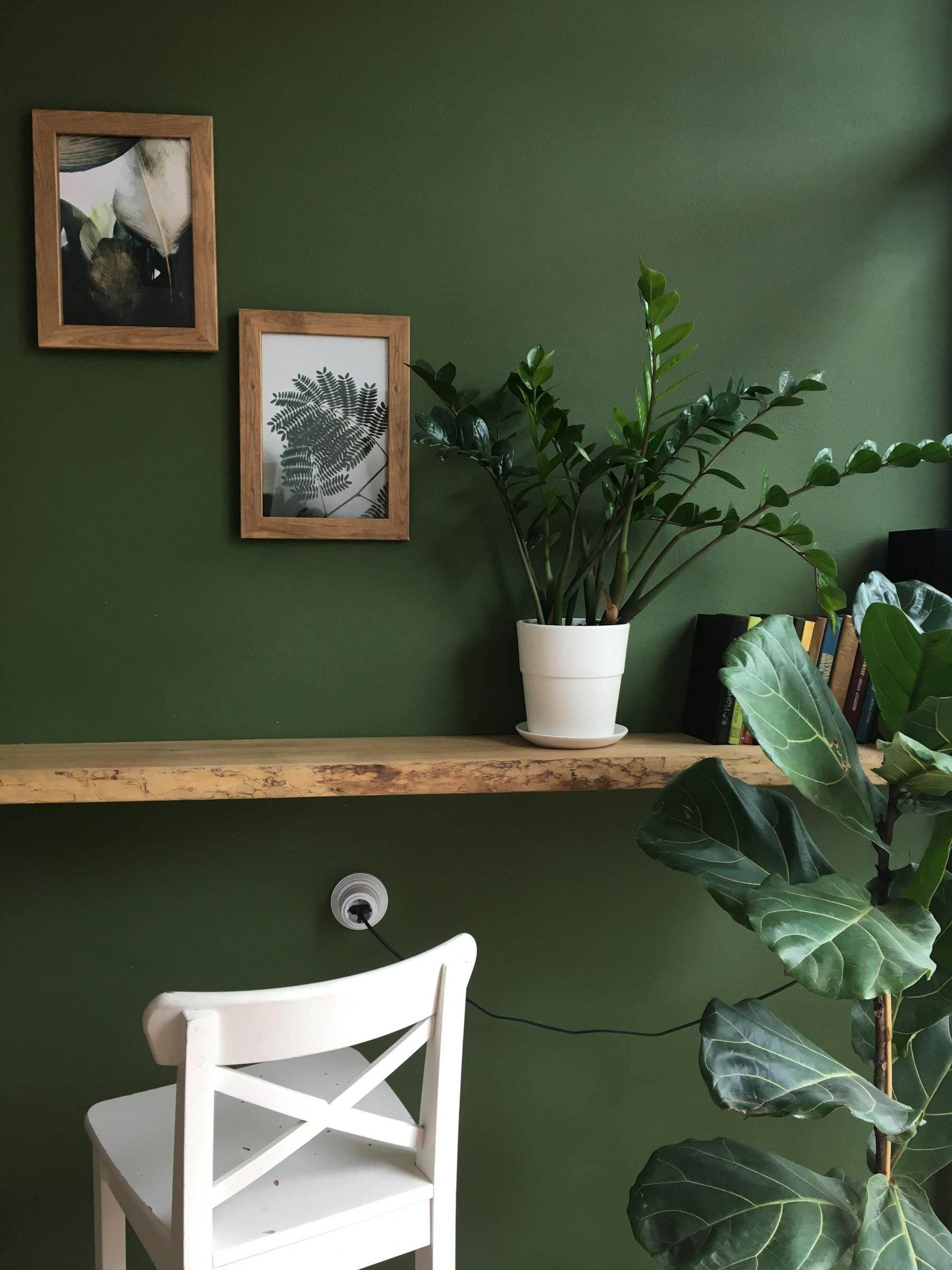
Grounded green
Growth and steadiness
Grounded green + Soft clay + Warm linen
Useful when the corner needs more life, especially around plants, painted furniture, or a darker lamp shade.
Soft clay
Warmth and value
Soft clay + Muted brass + Cream
Helpful when the corner feels cold. This tone works well in pottery, art, trays, and warmer textiles.
Muted gold
Warm polish
Muted gold + Moss green + Oat
Best used in smaller touches, such as a lamp, frame, or bowl, so the corner feels brighter without turning flashy.
What Usually Weakens the Money Corner
Stronger money-corner moves
- +Choose one clear surface and give it visual breathing room.
- +Use healthier, better-kept decor instead of more decor.
- +Add light where the area feels dull or visually flat.
- +Repeat one abundance idea, such as growth, warmth, or nourishment, rather than mixing many symbols.
What usually weakens it
- -Crowding the corner with many prosperity objects that do not relate to each other.
- -Leaving dead plants, dust, broken items, or old clutter in the same area.
- -Choosing symbols that look random in the room just because they sound lucky.
- -Trying to fix the corner before fixing the larger room flow.
Think care before symbolism
A beautiful, well-kept corner usually carries a stronger abundance message than a more symbolic corner full of objects you do not actually enjoy or maintain.
Products That Usually Make Sense Here
A money corner does not need a shopping haul, but a few kinds of pieces are easy to use well. The best picks usually add light, life, or a stronger feeling of care. If a product would look random anywhere else in the room, it is probably not helping.
Simple product directions that still feel like decor
These are not meant to be magic objects. They are the kinds of pieces that usually make a money corner feel brighter, calmer, and more intentional.
Best first buy
Warm table lamp
A small lamp often helps more than another symbol because it changes the feeling of the corner immediately.
View on AmazonFor growth
Ceramic or stone planter
A healthier plant looks more grounded in a weighted planter than in a flimsy nursery pot.
View on AmazonFor editing
Brass or wood tray
A tray pulls several smaller pieces into one edited arrangement so the surface feels calmer.
View on AmazonFor nourishment
Beautiful bowl
A bowl is useful if the corner is near dining, fruit, or a console where one sculptural object would feel more natural than many little items.
View on AmazonFrequently Asked Questions
Where is the feng shui money corner?
What should I put in a feng shui money corner?
Can I use a money corner in any room?
What should I avoid in the money corner?
What colors help a feng shui money corner most?
The Bottom Line
The best feng shui money corner is usually brighter, calmer, and more intentional than it was before. A healthy plant, warm light, meaningful art, and one edited arrangement often do more than a shelf full of random cures.
Find the far-left area, improve the condition of the space first, and then add only the pieces that still feel believable in the room. That is usually where the stronger abundance feeling starts.