



Quick Answer
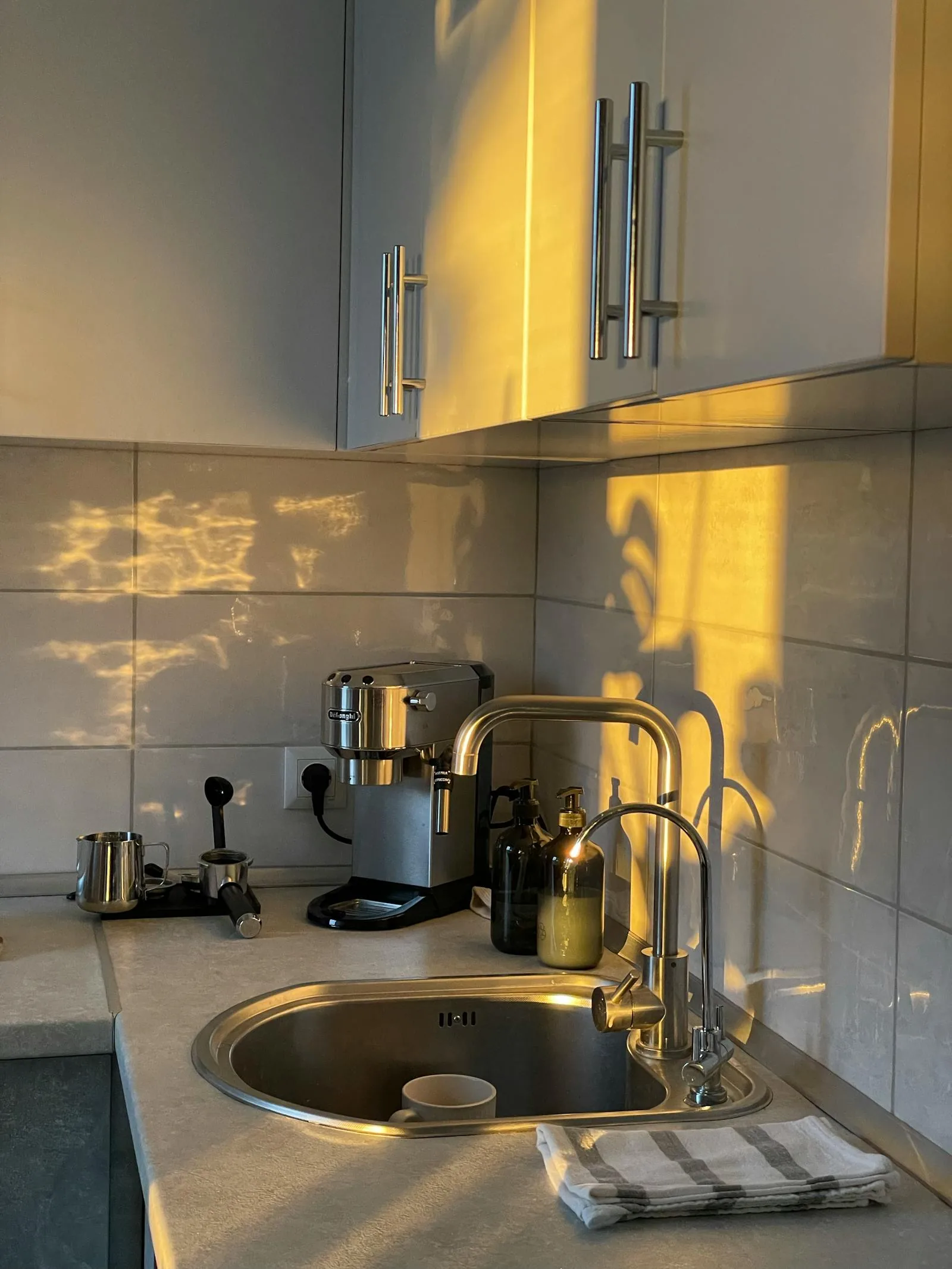
A feng shui kitchen feels bright, clear, warm, and easy to work in. The best fixes are simple ones: less counter clutter, better task light, stronger storage, and a room that still feels calm after the appliances, dishes, and daily life show up.
Kitchen feng shui is less about decorating the room with symbolic objects and more about making the space feel useful, nourished, and easy to maintain.
This matters because the kitchen is one of the rooms that affects daily energy the fastest. If it feels snagged, dim, crowded, or like every surface is already occupied, the room starts feeling draining instead of supportive. Feng shui colors for kitchen is the natural companion because color helps most after the layout and working surfaces are already doing their job.
What Matters Most in Feng Shui Kitchen Design
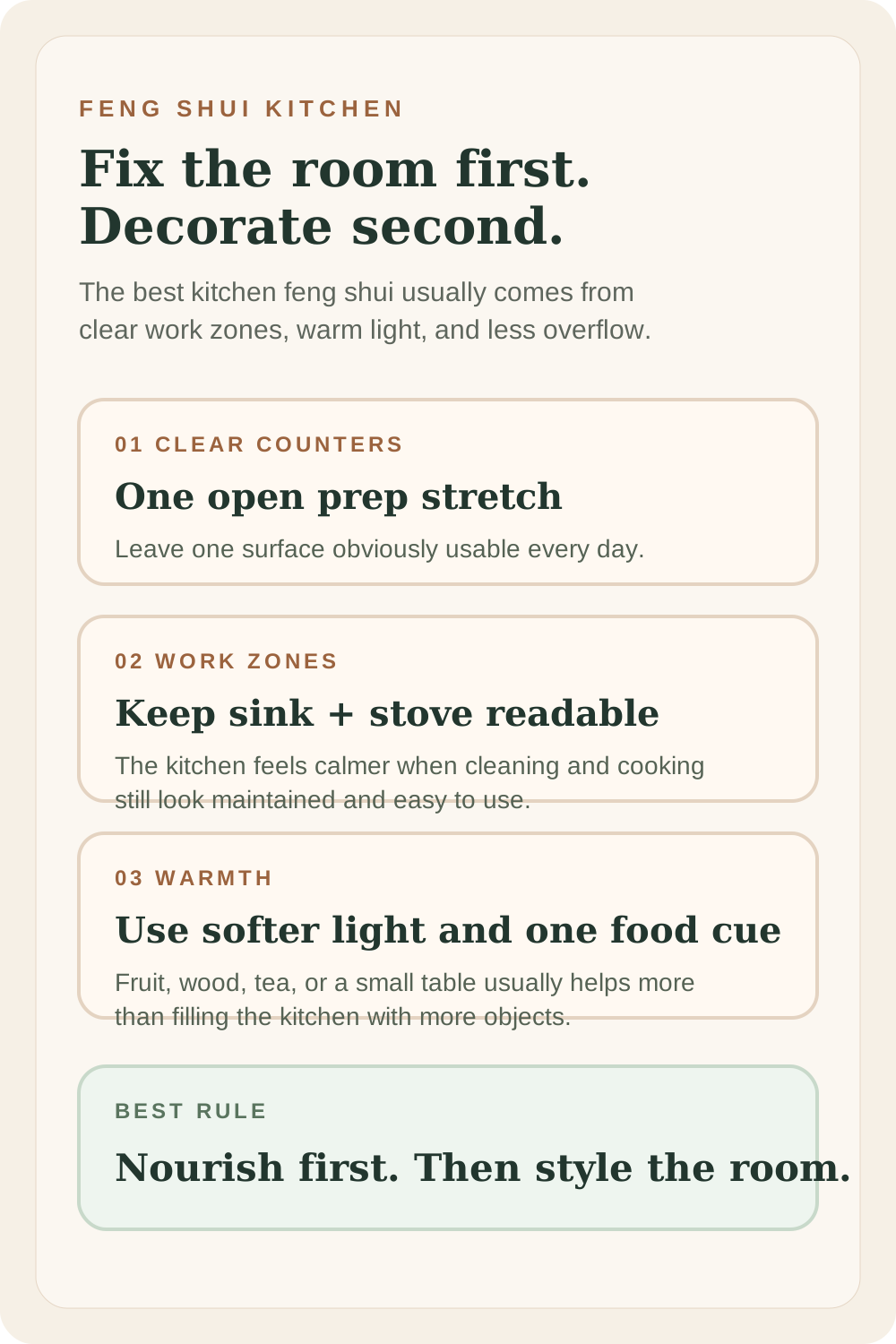
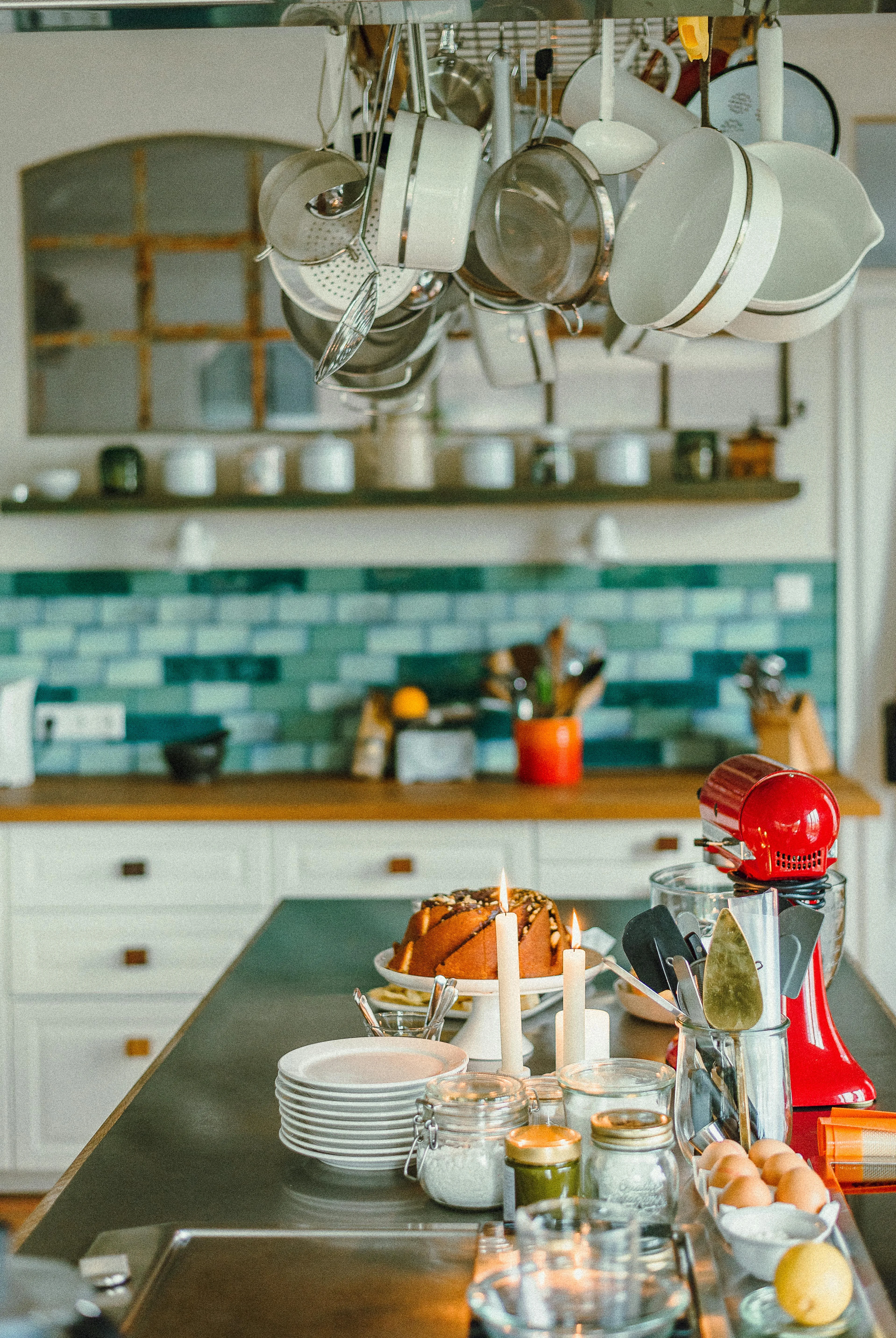
A kitchen works best when the big working moments feel readable. You should be able to approach the sink, use the stove, prep food, and reset the counters without the room feeling like an obstacle course. Warmth matters too, but it should come through daylight, material mix, wood, softer metal, and edited styling rather than clutter.
| Kitchen area | What it should feel like | Best first move |
|---|---|---|
| Counters | Open enough to prep and reset | Leave one or two surfaces mostly clear instead of decorating every edge. |
| Sink and stove zone | Functional and maintained | Fix drips, clean buildup, and make sure both areas still feel usable. |
| Light | Bright but not harsh | Use task lighting or warmer layers if the kitchen feels flat after dark. |
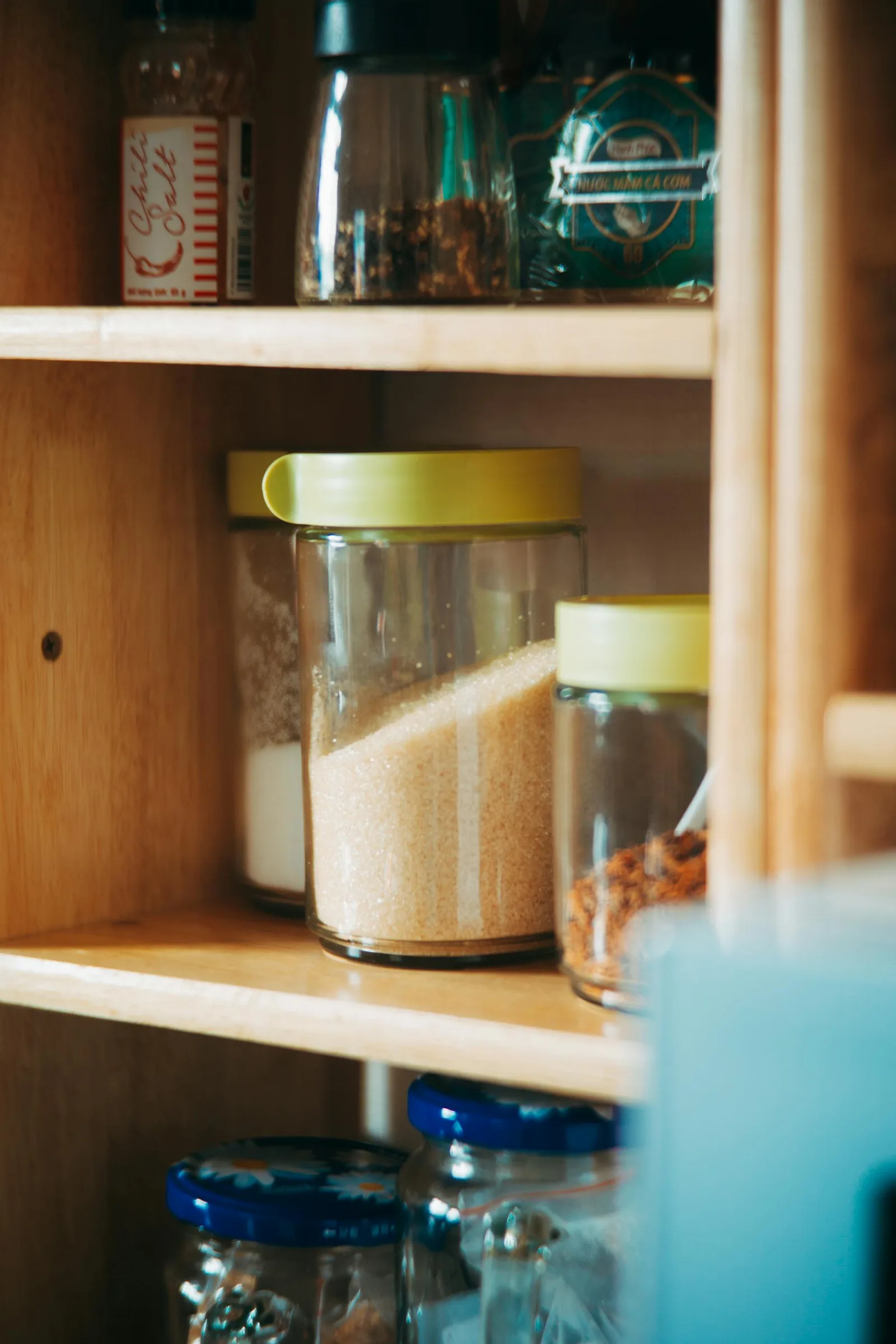
| Storage | Quiet and organized | Reduce overflow so food, tools, and appliances are not all competing visually. |
| Eating zone | Nourishing and readable | Let a breakfast table, stool area, or adjacent dining spot feel intentional. |
The Kitchen Fixes That Change the Room Fastest
These are the moves that improve the kitchen before styling details ever do.
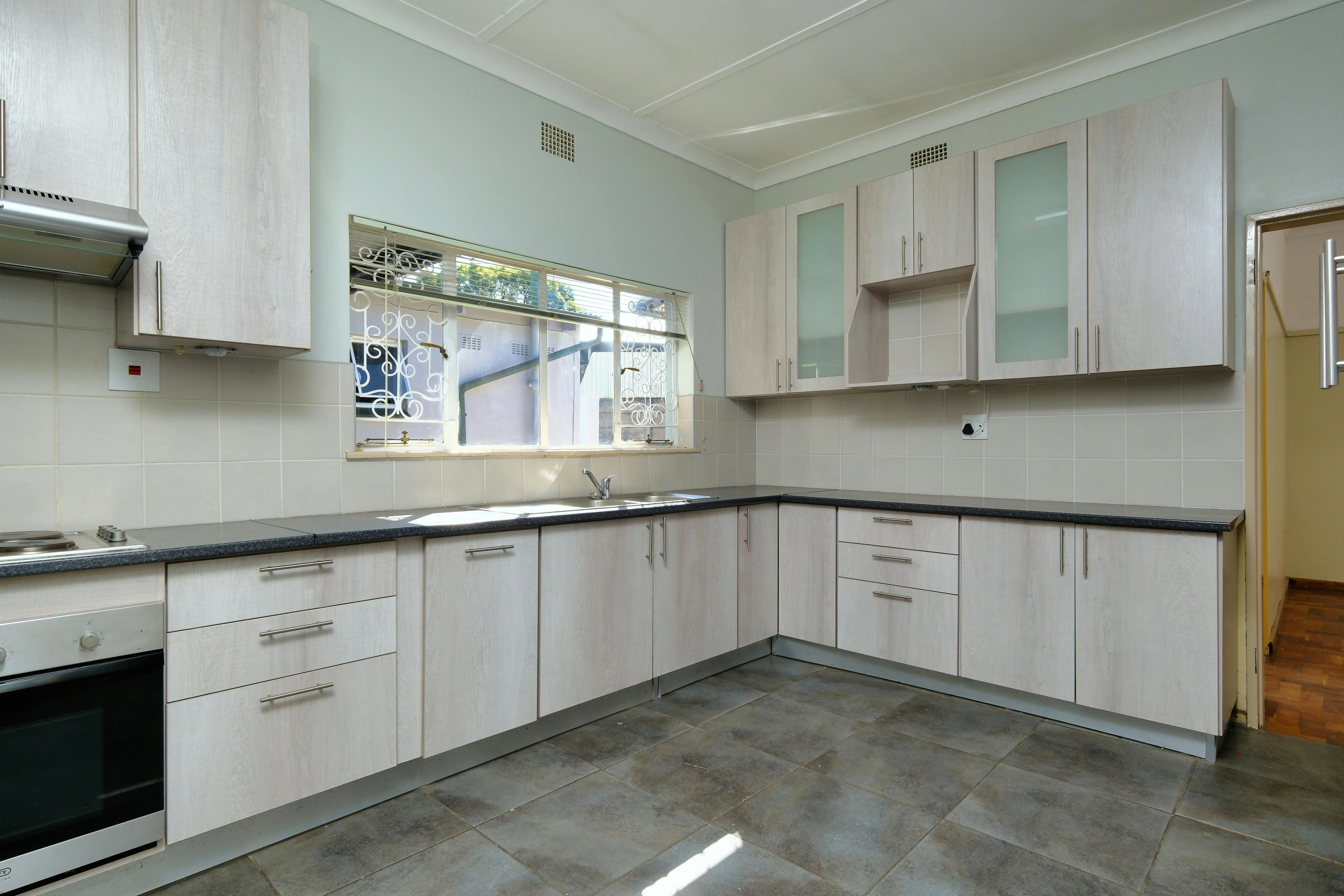
Clear the main prep surface
Warm the room without crowding it
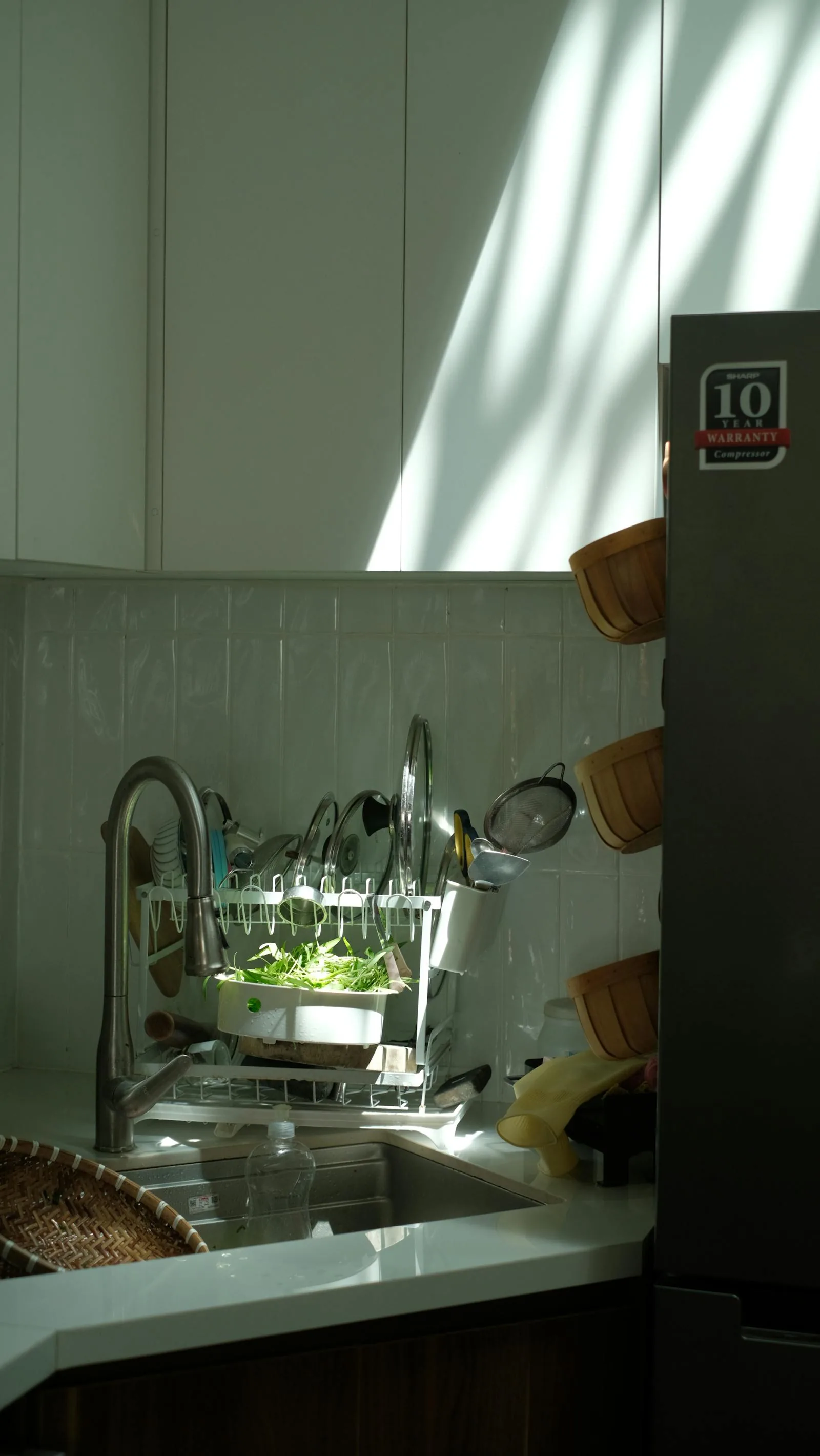
Protect the stove and sink from neglect
Let the storage system calm the room
Make nourishment visible
Stove, Sink, and Layout Balance
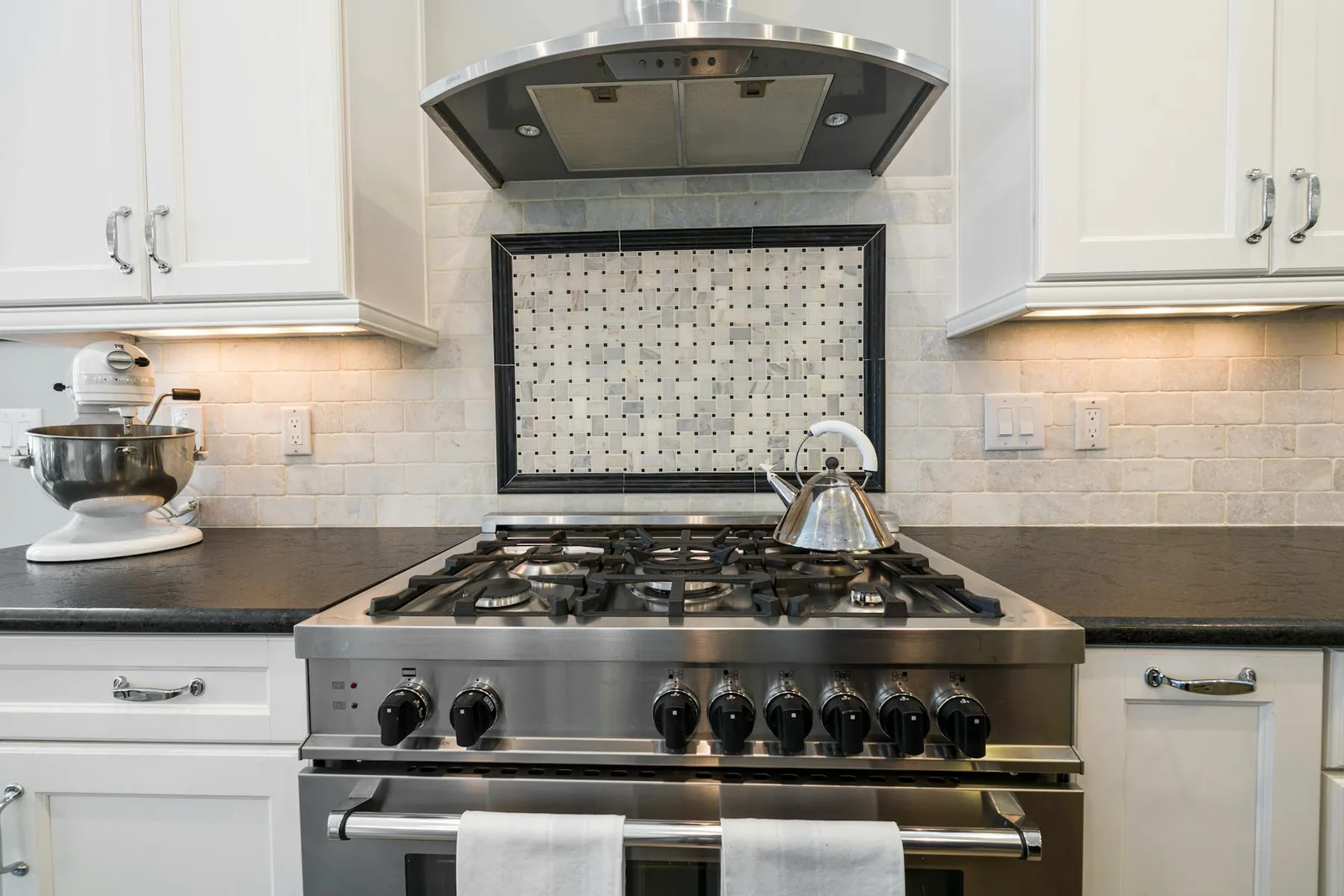
Most kitchen feng shui advice eventually comes back to the stove because it represents cooking, nourishment, and daily support. The stove does not need a perfect ceremonial setup, but it should be clean, working, easy to approach, and not treated like a forgotten appliance under clutter.
| Kitchen question | Practical feng shui answer | Best first fix |
|---|---|---|
| Stove feels hidden or neglected | The cooking zone loses its sense of support | Clean the burners, clear both sides, and keep the controls easy to reach |
| Stove and sink face or sit close together | Fire and water can feel visually in conflict | Add a little separation with wood, a tray, a plant, or a clear prep zone between them |
| Cook stands with their back fully exposed | The room can feel less settled while cooking | Improve lighting, reduce traffic behind the cook, or use a small reflective cue carefully |
| Fridge, sink, and stove path feels awkward | The daily work triangle creates friction | Move small appliances and bins out of that path before changing decor |
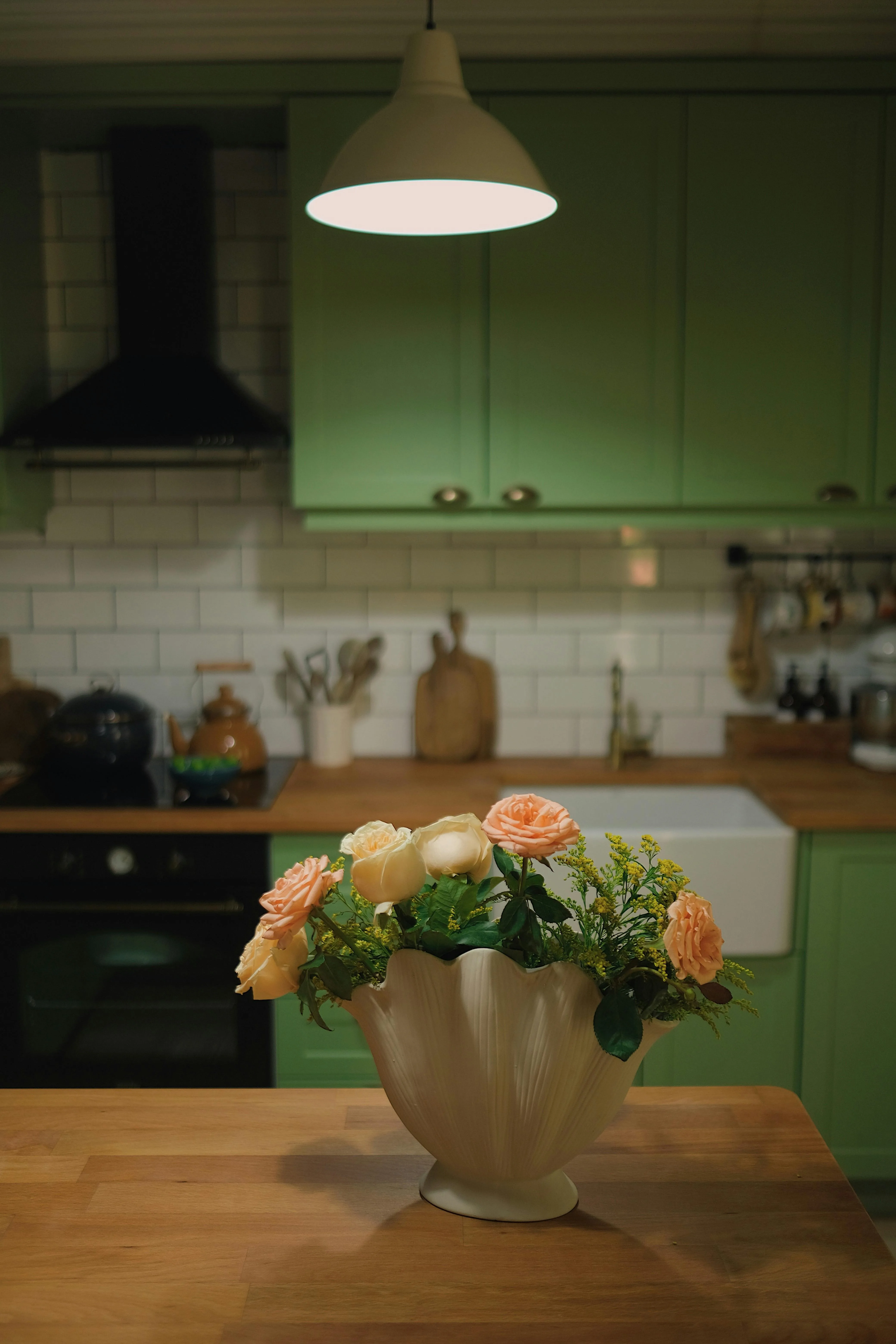
It also helps to think about adjacency. If the kitchen opens into the dining room or living room, the transition should still feel readable instead of like one long spill of counters, chairs, baskets, and appliances. Feng shui dining room is useful here because the kitchen often feels more settled when the eating zone reads clearly too.
Kitchen Colors and Elements Without Overdoing It
Kitchen color advice can get loud quickly because the room already carries fire, water, metal, wood, and earth through appliances, sink, cabinets, counters, food, and light. The better move is balance, not more symbolism.
| Element cue | Kitchen-friendly version | Use carefully |
|---|---|---|
| Fire | Warm light, clean stove, small red or terracotta accent | Too much intense red in an already hot kitchen |
| Water | Clean sink, working taps, dark accent used lightly | Leaks, standing water, or too many dark glossy surfaces |
| Wood | Wood boards, herbs, fruit, soft green, natural shelving | Open shelves packed with visual noise |
| Earth | Ceramic, stone, warm cream, clay, a steady dining surface | Heavy beige-on-beige if the room already feels flat |
| Metal | Clean hardware, appliances, and sharper task zones | Cold stainless overload with harsh white light |
What Weakens Kitchen Feng Shui
What helps
- +Keep one or two major work surfaces visibly clear.
- +Use warmer, softer accents that support food and gathering.
- +Let the kitchen feel maintained before decorating it further.
- +Make the room bright enough to cook in and calm enough to reset.
What weakens it
- -Treating every counter corner like a display zone.
- -Letting broken storage or maintenance drag become part of the backdrop.
- -Using loud color or too many small decor objects to fake warmth.
- -Ignoring the path between sink, stove, prep zone, and dining connection.
One easy kitchen test
Stand in the room and ask whether it feels easier to make tea, cut fruit, wash a plate, or sit down for a few minutes. If the answer is no, the kitchen probably needs less drag before it needs more decor.
Frequently Asked Questions
How do you feng shui a kitchen?
What is the most important thing in kitchen feng shui?
What weakens feng shui in a kitchen?
Should a feng shui kitchen be minimalist?
Is it bad if the stove faces the sink?
The Bottom Line
The best feng shui kitchen is the one that feels bright enough to use, warm enough to gather in, and clear enough to reset at the end of the day. That comes from function first and styling second.
If the room feels easier to cook in, easier to maintain, and more nourishing to be in, the kitchen feng shui is probably moving in the right direction.