



Quick Answer
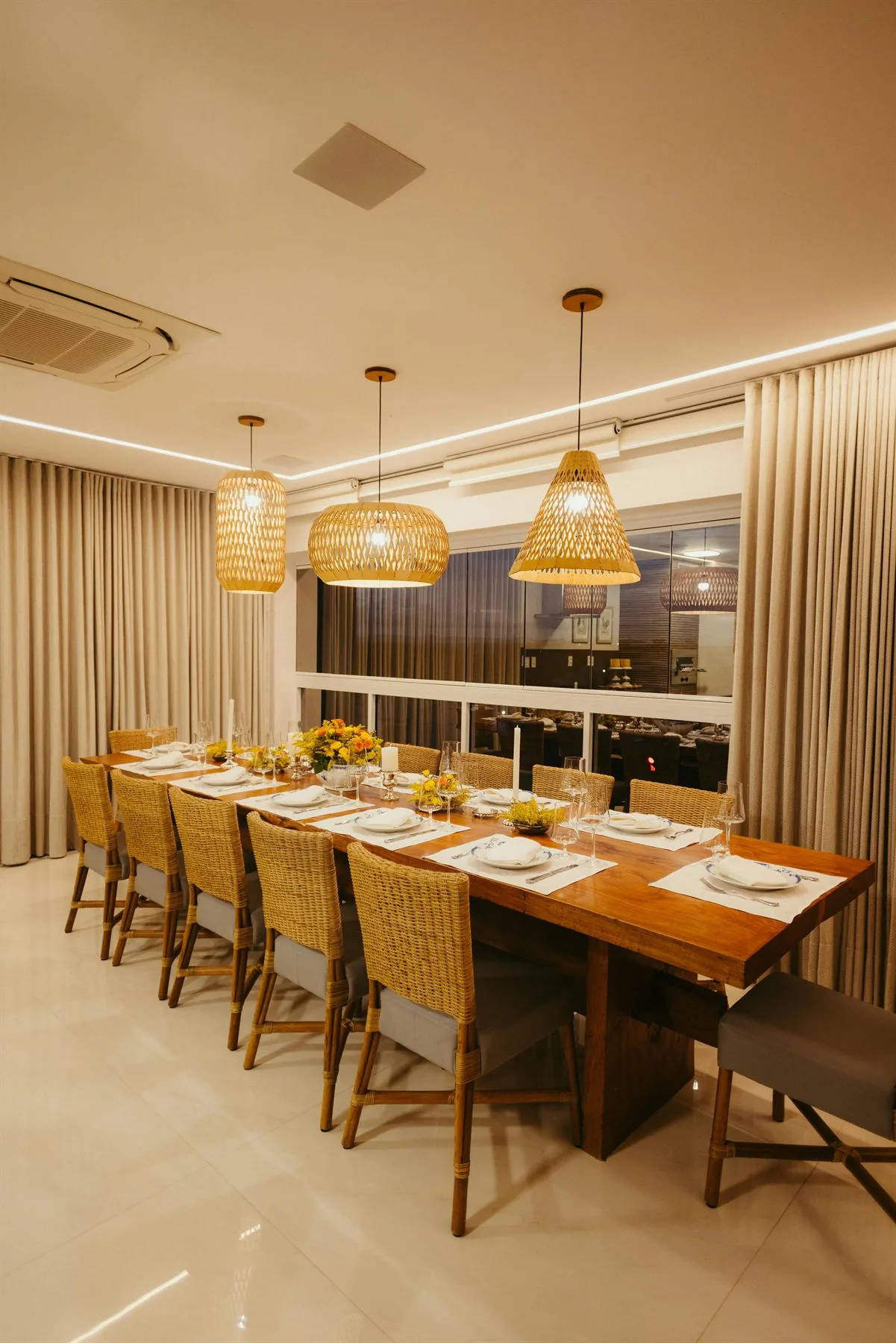
The best feng shui dining room has a table that feels centered enough to gather around, warm light that supports meals and conversation, and just enough styling to feel cared for without becoming cluttered.
Dining rooms feel different quickly. When the table feels anchored and the light feels warmer, the room starts doing its job better right away.
In feng shui terms, the dining room is one of the clearest spaces for nourishment, gathering, and enoughness. That is why it responds so strongly to layout, lighting, and what the eye lands on first.
What the Dining Room Needs Most
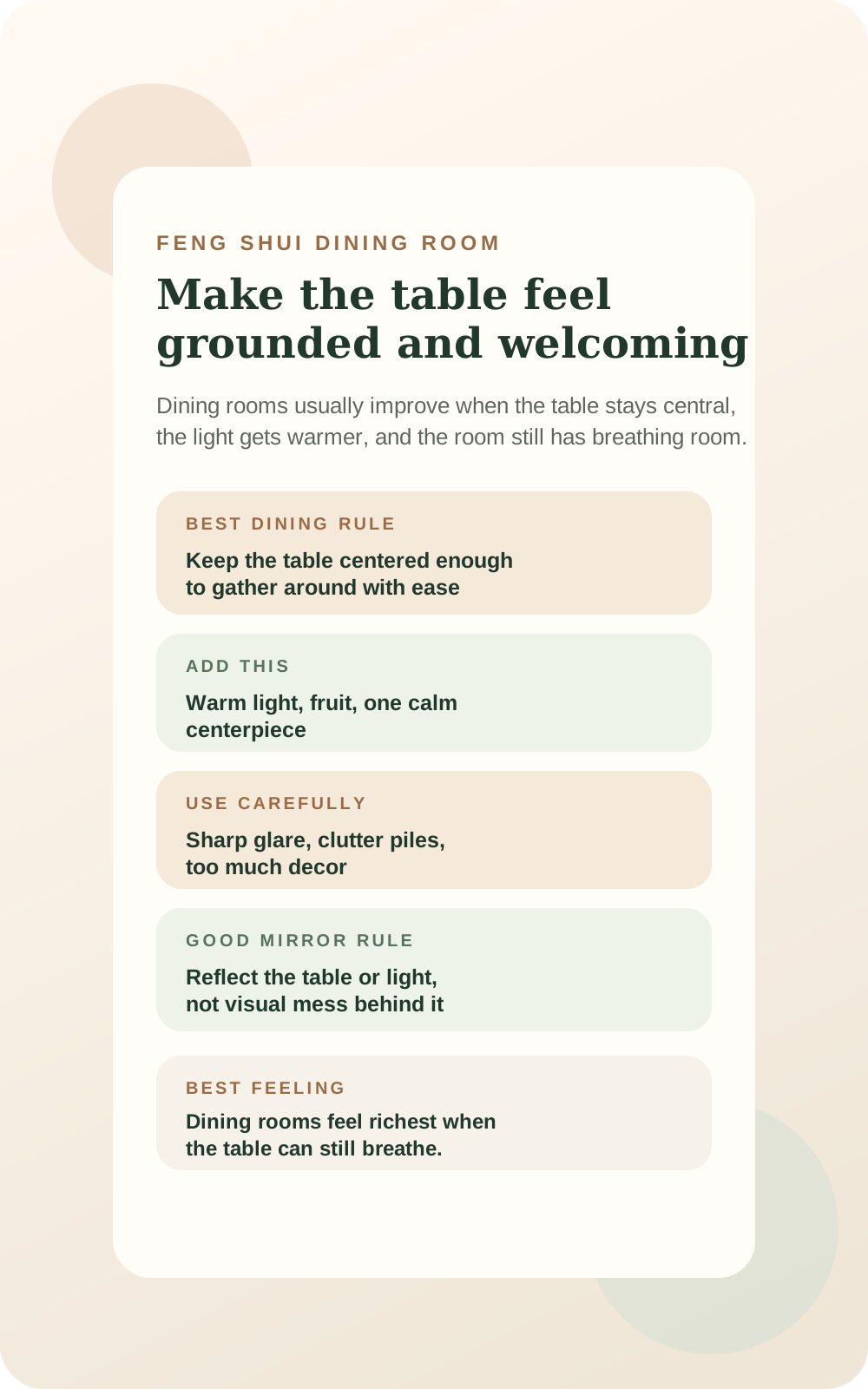
These five things improve the room fastest.
A grounded table position
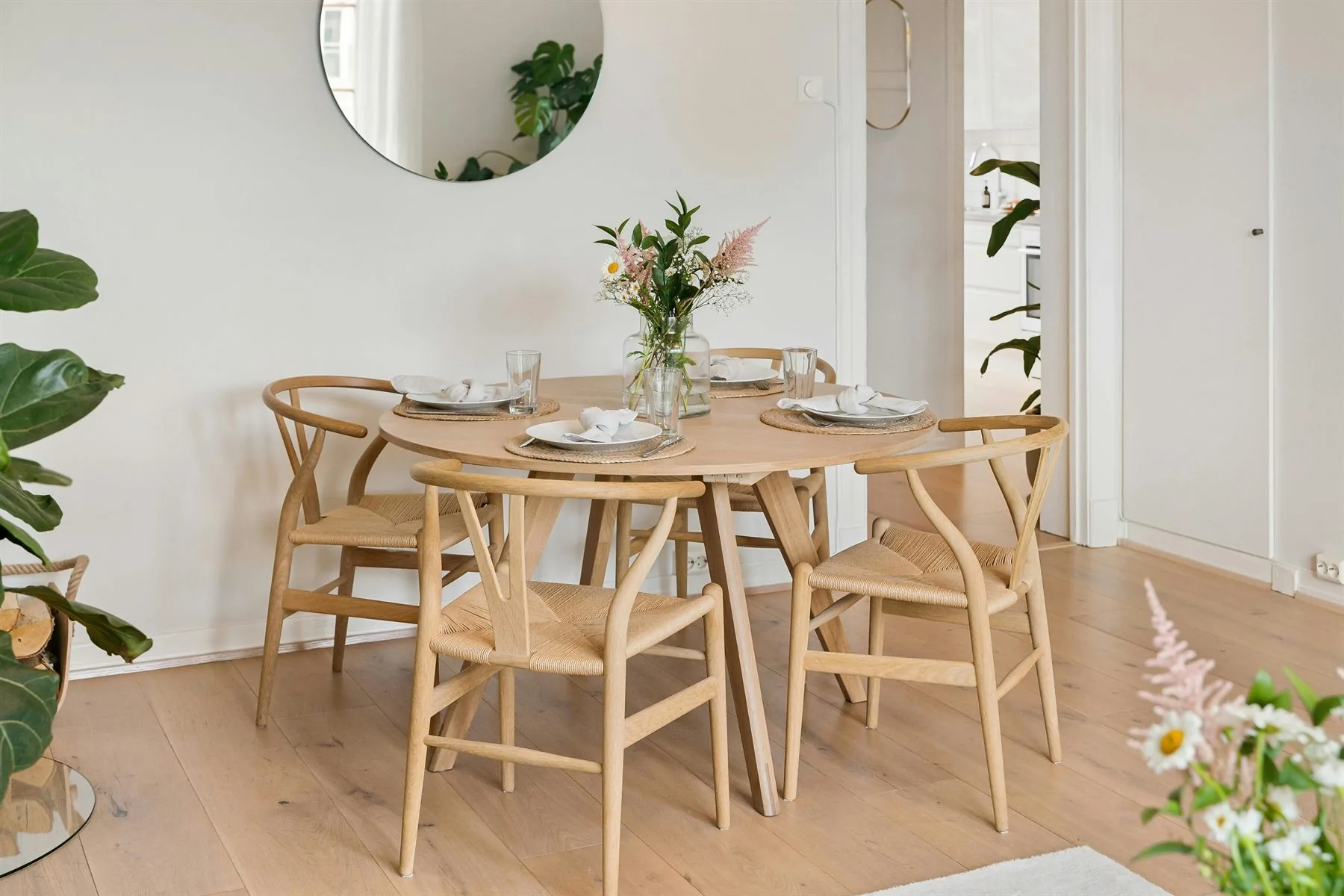
The table should feel like it belongs to the room instead of being squeezed in or shoved too far to one side.
Balanced seating
The chairs do not need perfect symmetry, but the setup should still feel stable and easy to gather around.
Warmer light
Dining rooms soften under warmer overhead light, candles, or a nearby lamp instead of glare-heavy brightness.
An edited center or tabletop
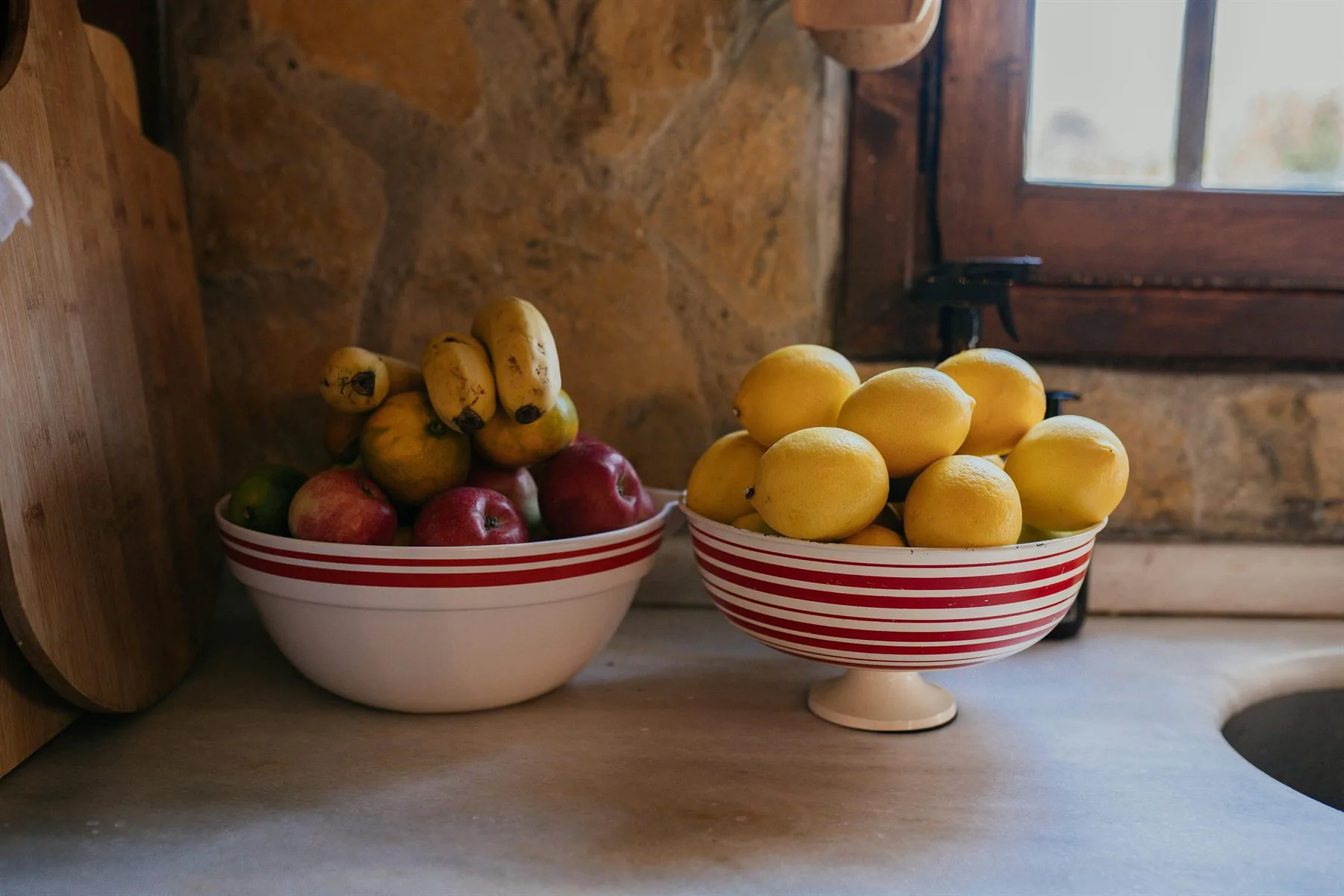
One fruit bowl, one vase, or one calmer centerpiece often works better than many decorative objects.
Enough circulation
People should be able to move in and out without bumping into every edge of the room.
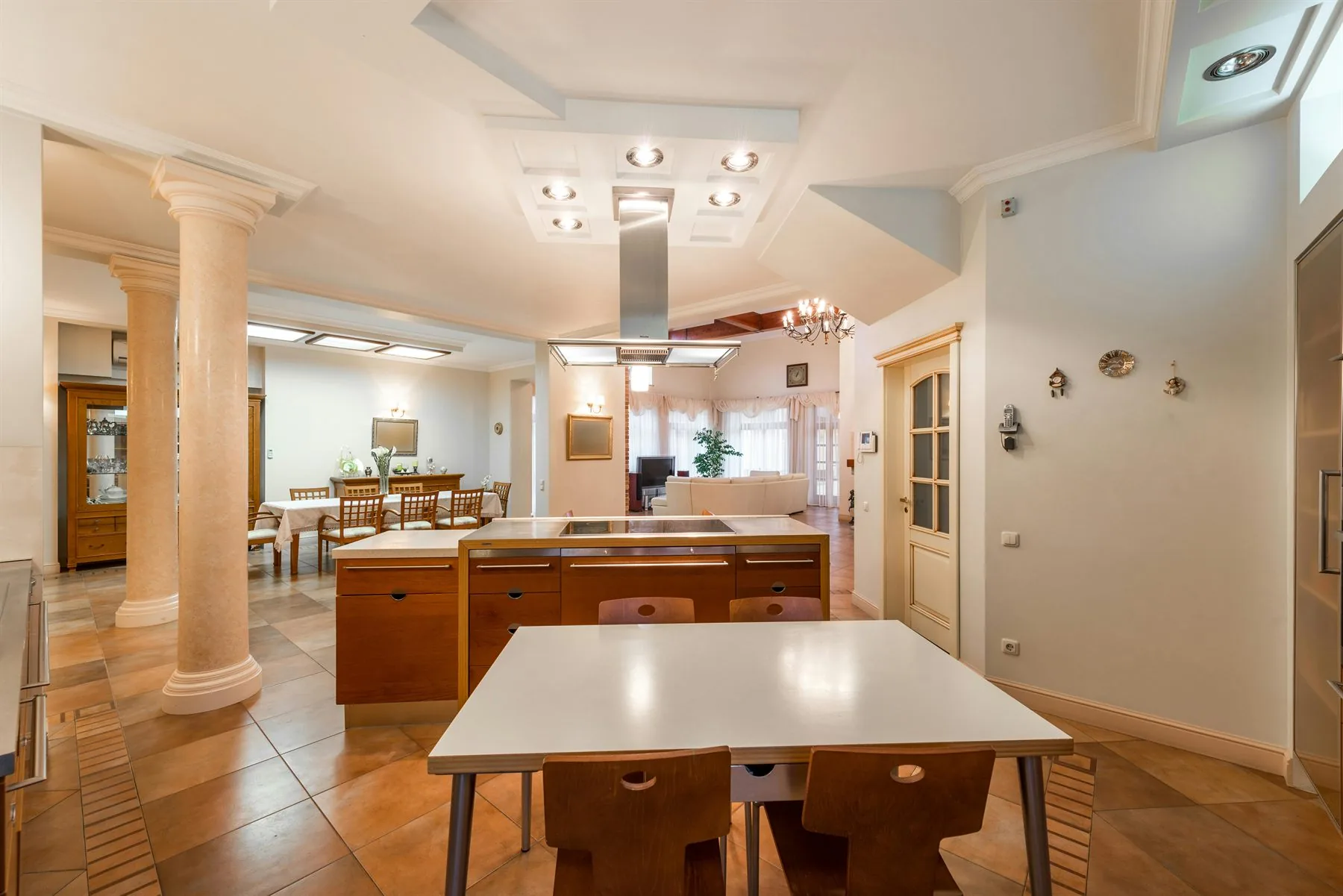
| Dining-room decision | What to aim for | What to avoid |
|---|---|---|
| Table shape | Round or oval for softer conversation; rectangular when the room has enough length and chair space. | A table shape that forces people into corners, walls, or tight chair movement. |
| Table position | Centered enough that the table clearly belongs to the room and can be reached with ease. | Pushing the table so far to one side that one person always feels squeezed. |
| Door and traffic line | A table that feels visible and welcoming without sitting directly in a rushed pass-through. | Letting the dining zone become a hallway between kitchen, living room, and patio doors. |
| Chair comfort | Enough room to pull chairs back without bumping walls, cabinets, or other chairs. | Overfilling the room with too many chairs for daily life. |
| Tabletop mood | One useful centerpiece, fruit bowl, flowers, or candle moment that can move easily for meals. | Permanent piles, mail, work gear, or decor that makes the table hard to use. |
How to Make the Dining Room Feel Better Fast
What helps
- +Let the table feel central enough to gather around from all sides that matter.
- +Use warmer evening light so the room feels more welcoming than harsh.
- +Keep the center of the table lightly styled and easy to clear for meals.
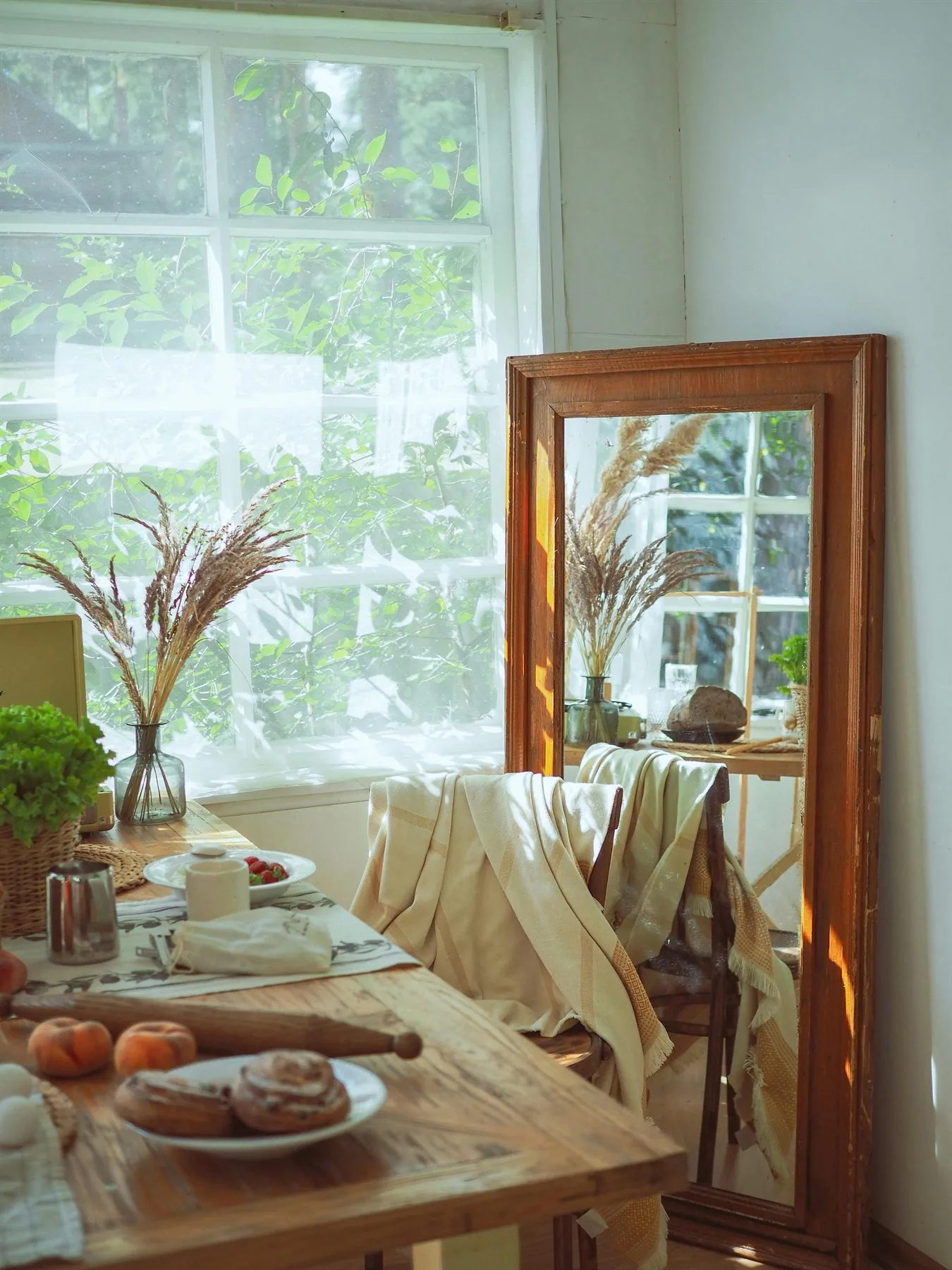
- +Use a mirror only if it reflects the table, light, or another calmer part of the room.
What weakens the room
- -Turning the dining table into permanent storage.
- -Letting the room run on overhead glare alone.
- -Pushing the table so tightly into one side that chairs and movement feel awkward.
- -Reflecting visual mess in a dining-room mirror.
The dining rooms that improve fastest get one strong table shape, one believable light story, and one edited color direction. When those three things line up, even a simple room starts feeling more intentional. If you are actively shopping instead of just styling, best dining tables for feng shui walks through the shapes, sizes, and buying directions that work best.
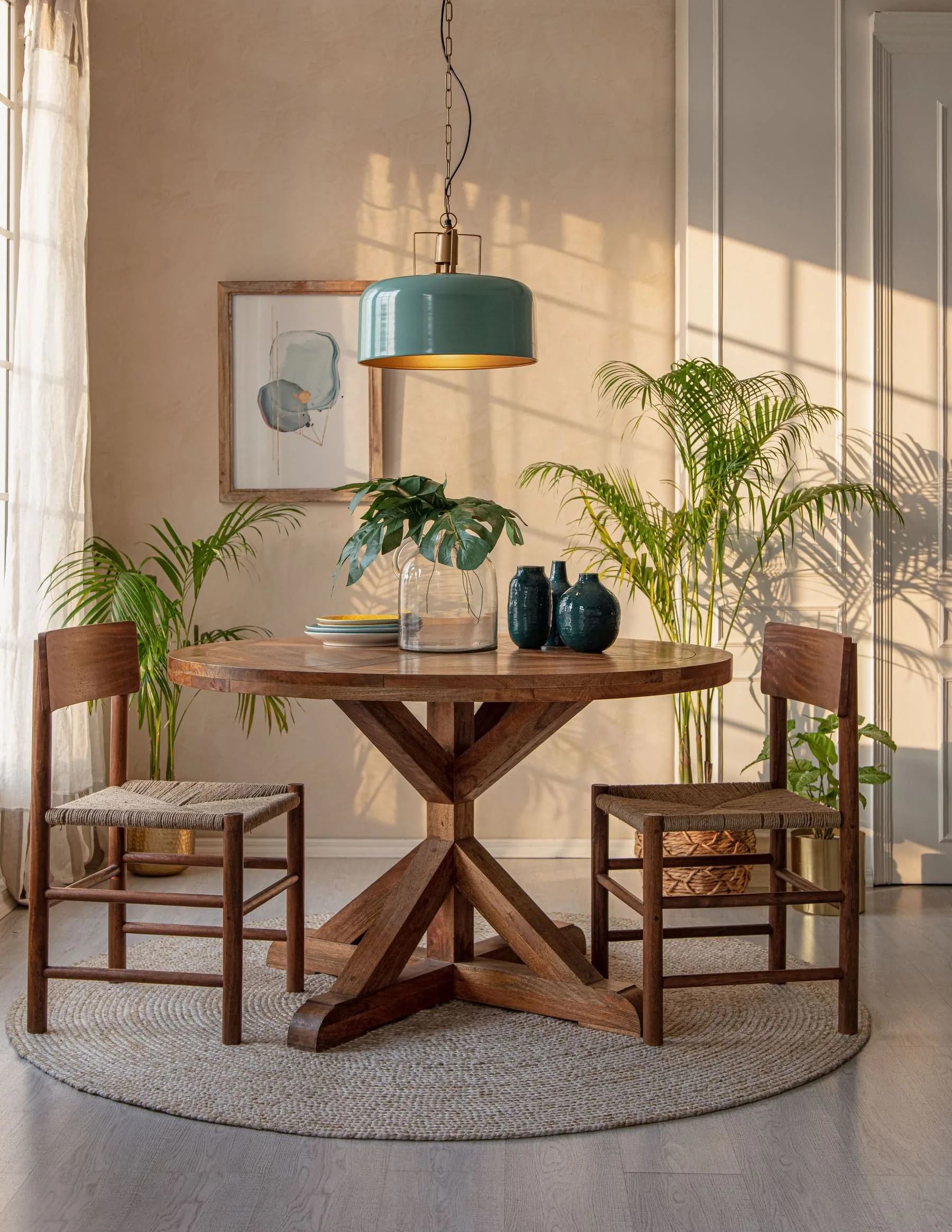
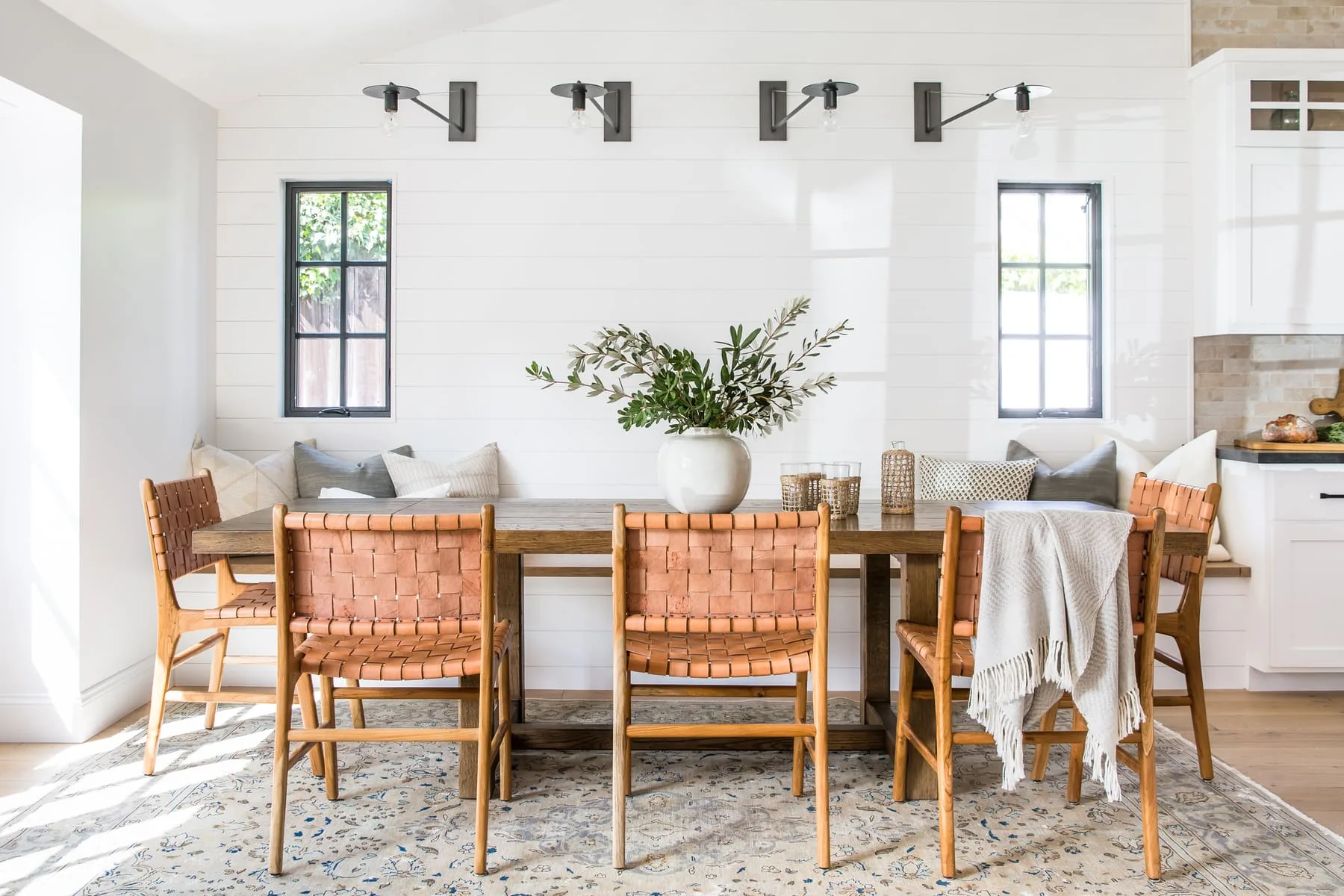
If the dining room is small, do not force a formal setup just because the room has the name "dining" attached to it. A smaller round table, lighter chairs, a bench on one side, or a softer pendant can make the room feel more generous than a table that technically seats more people but makes every meal feel cramped.
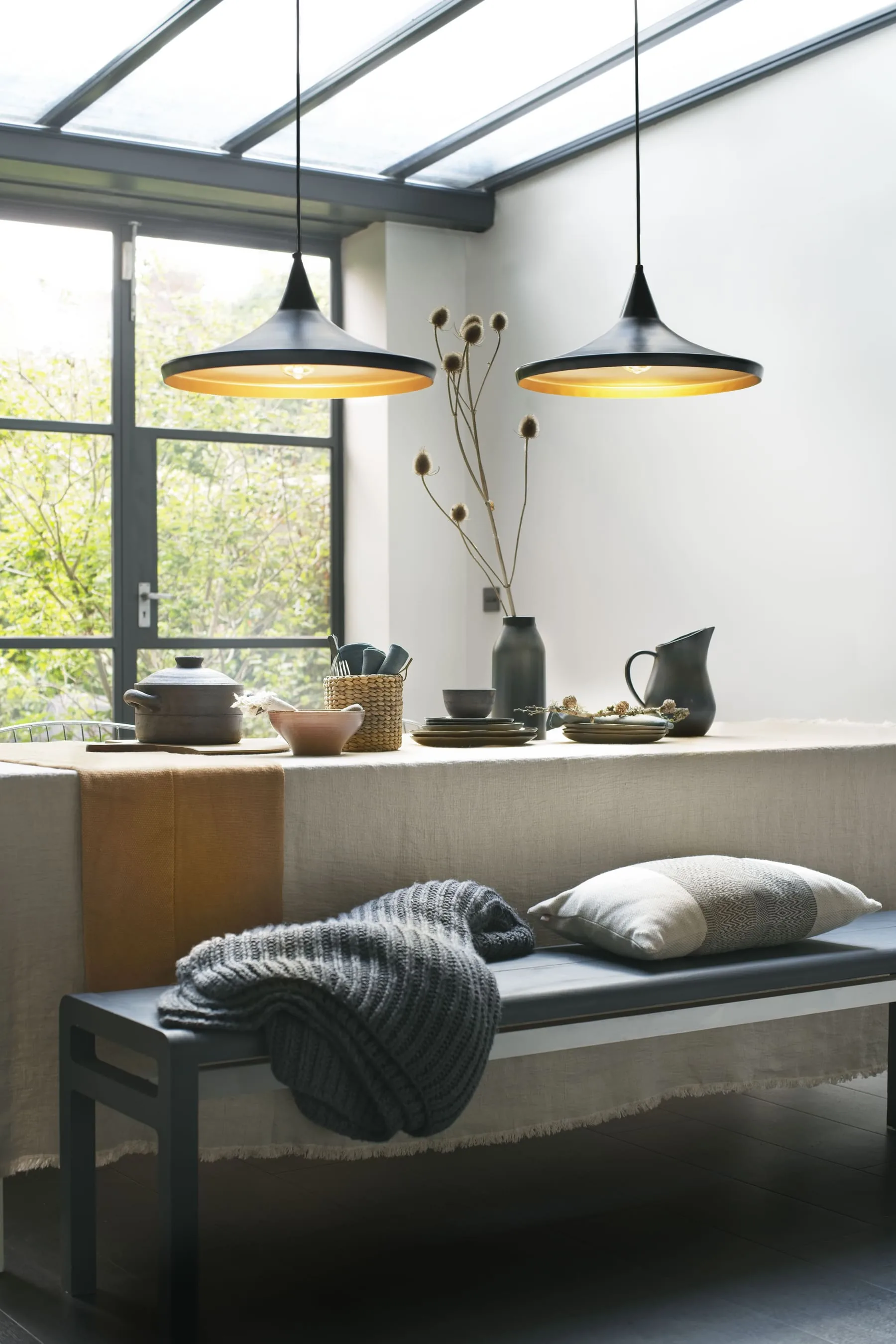
Dining Room Color Palettes That Work
Dining rooms look richer when the color direction feels edible, warm, and believable in evening light. The easiest palettes are often the ones that let wood, linen, ceramics, and food still look good on the table.
Useful dining palette directions
These combinations match the kinds of rooms that feel grounded, welcoming, and easy to gather in.
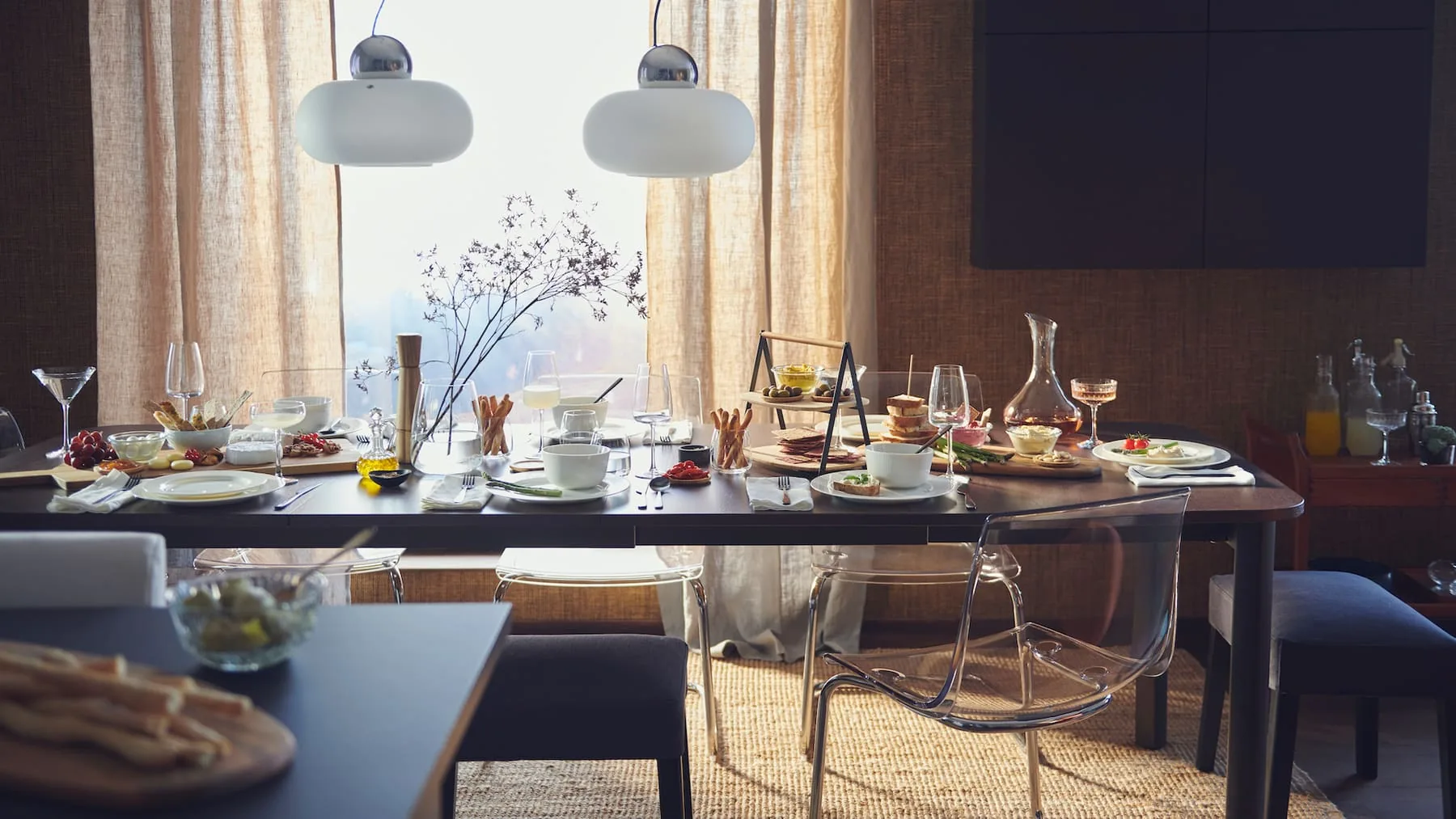
Warm oat
Soft and welcoming
Warm oat + Walnut + Cane
A strong base for walls, curtains, or larger rugs when you want the room brighter without turning it stark.
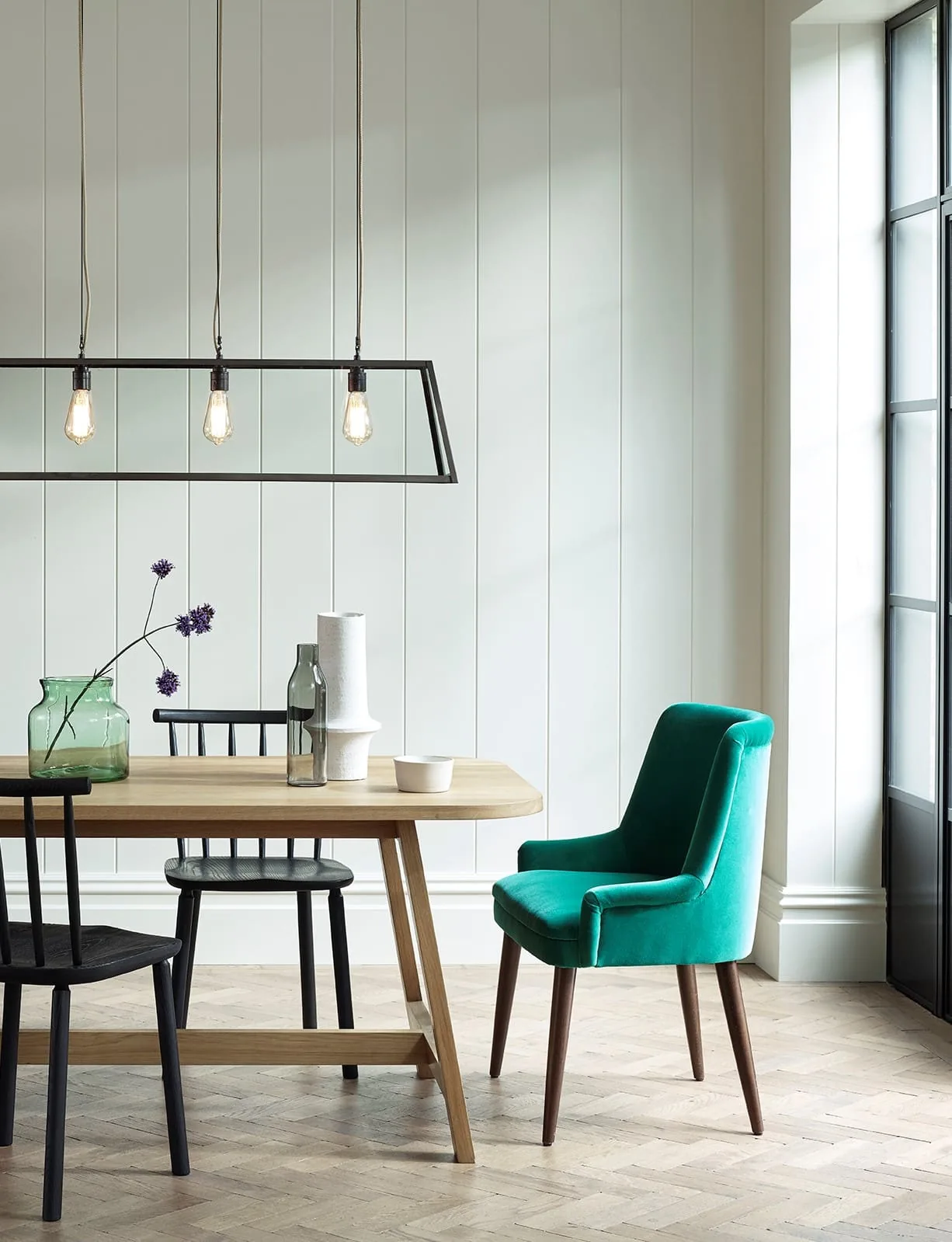
Sage green
Fresh but calm
Sage green + Sand + Clay
Works well through one pendant, painted furniture, or smaller accent pieces when the room already has wood and plants.
Warm charcoal
Moody with structure
Warm charcoal + Linen + Oak
Best for pendants, frames, or a darker table when the room still has linen, daylight, or lighter walls to balance it.
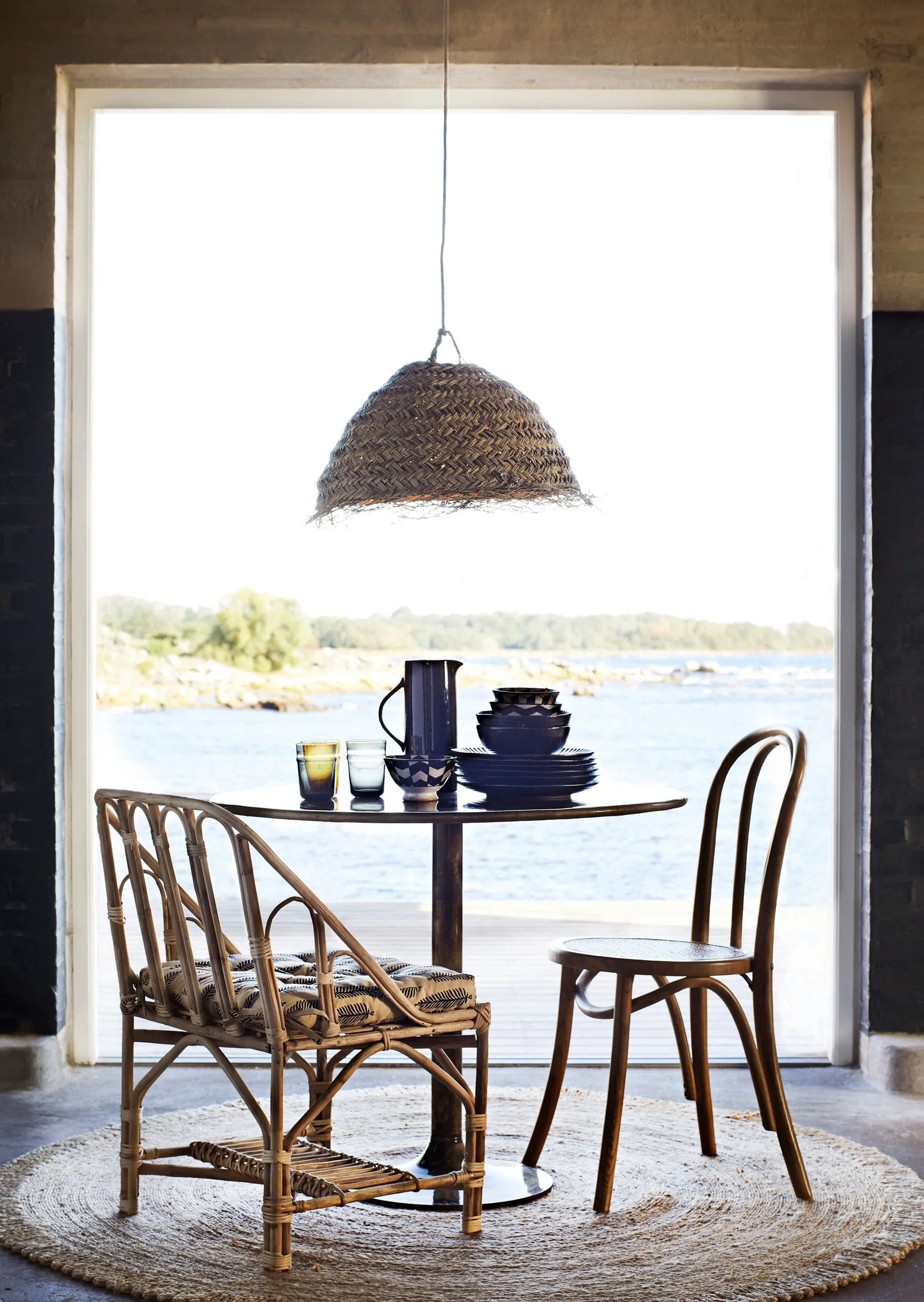
Muted blue-gray
Cooler but composed
Muted blue-gray + Stone + Honey wood
Helpful in bright dining rooms that need contrast, especially when paired with warm wood and softer window light.
If mirrors are part of the room, feng shui mirror placement for good luck and feng shui mirrors go deeper. If the dining zone sits in an open plan, feng shui floor plan can help you think about the larger layout around it.
What to Skip If the Dining Room Already Feels Off
The biggest dining-room problems are glare, crowding, and visual spillover. If the table is buried under storage, the chairs feel awkward, or the room has no warm focal point, it becomes much harder for the space to carry nourishment or togetherness.
| If the room feels... | Try first | Why it helps |
|---|---|---|
| Cramped | Remove extra chairs, simplify the centerpiece, and check the rug size. | The table needs physical breathing room before styling can help. |
| Cold | Use warmer bulbs, wood, linen, candles, or softer curtains. | Dining rooms depend on warmth because the room is about staying, eating, and talking. |
| Flat | Add one living cue such as fruit, flowers, a plant, or warmer art. | A little sign of nourishment gives the table purpose without crowding it. |
| Busy | Clear the tabletop and make the mirror reflect light or the table, not clutter. | Reflections double whatever they face, so they should double calm, not mess. |
A simple dining-room test
Sit at the table at night. If the light feels too harsh, the center is too cluttered, or the room feels like a passageway instead of a place to stay, those are the first things to fix.
Frequently Asked Questions
What matters most in a feng shui dining room?
Is a mirror good in a dining room feng shui?
What weakens feng shui in a dining room?
How should a feng shui dining room feel?
What is the best table shape for a feng shui dining room?
The Bottom Line
The best feng shui dining room feels grounded enough to gather, warm enough to stay awhile, and edited enough that the table can still do its job.
If you improve the table position, the light, and what the room reflects back to you, the dining room gets better quickly.