



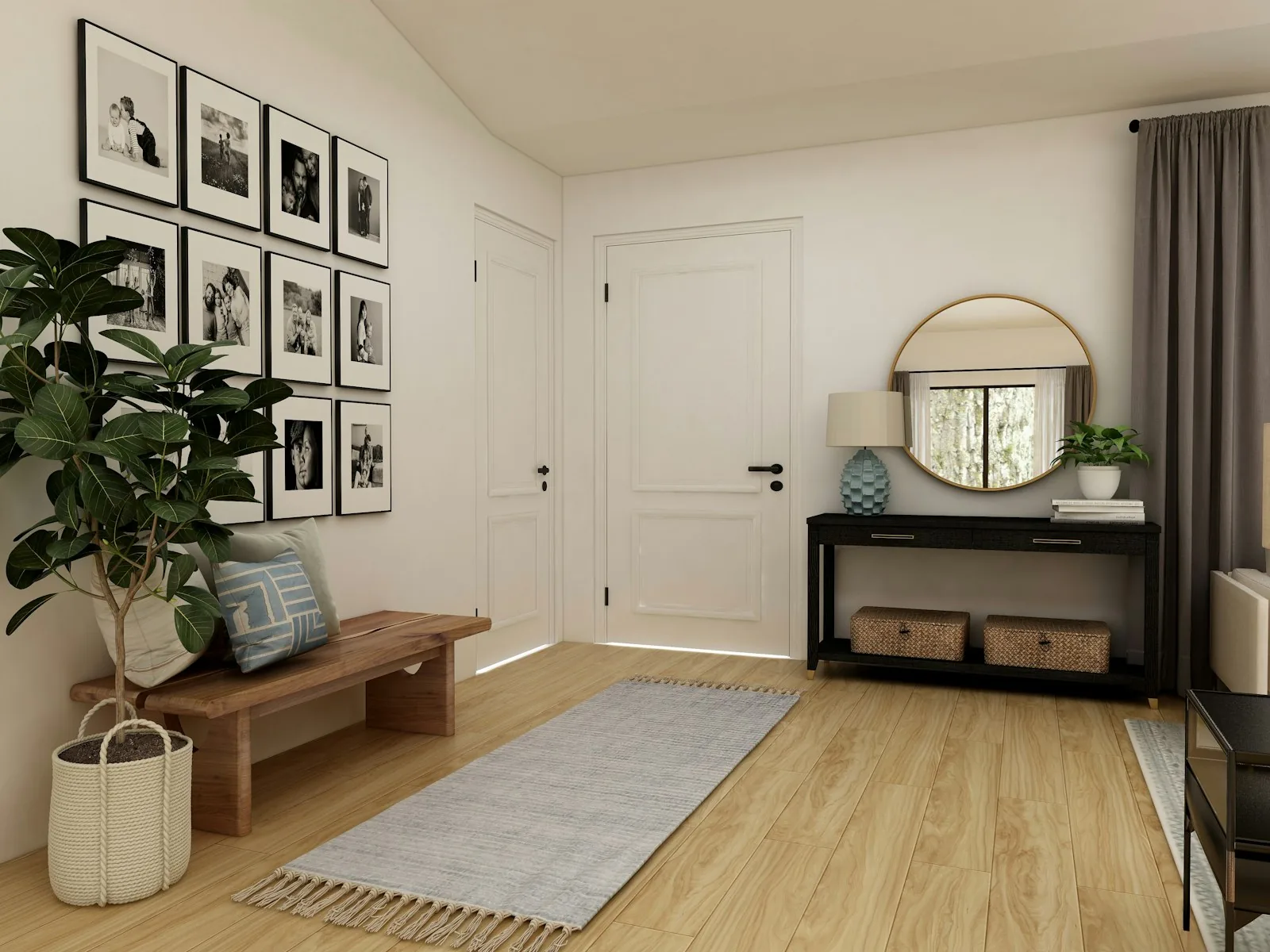
Quick Answer
A feng shui entryway should feel clear, lit well, easy to move through, and calm enough that the house starts on the right note. The biggest wins come from a better landing zone, less visible clutter, softer lighting, and an entry that does not feel cramped the second you walk in.
A front door gets you into the house. The entryway tells you what kind of house you just entered.
That is why feng shui entryway advice should be broader than front-door color or one lucky object. The inside threshold has to handle arrival, storage, lighting, mood, and the transition into the rest of the home. If the first few feet feel snagged, dark, or overfilled, the whole house can start feeling heavier than it needs to.
What Matters Most in a Feng Shui Entryway
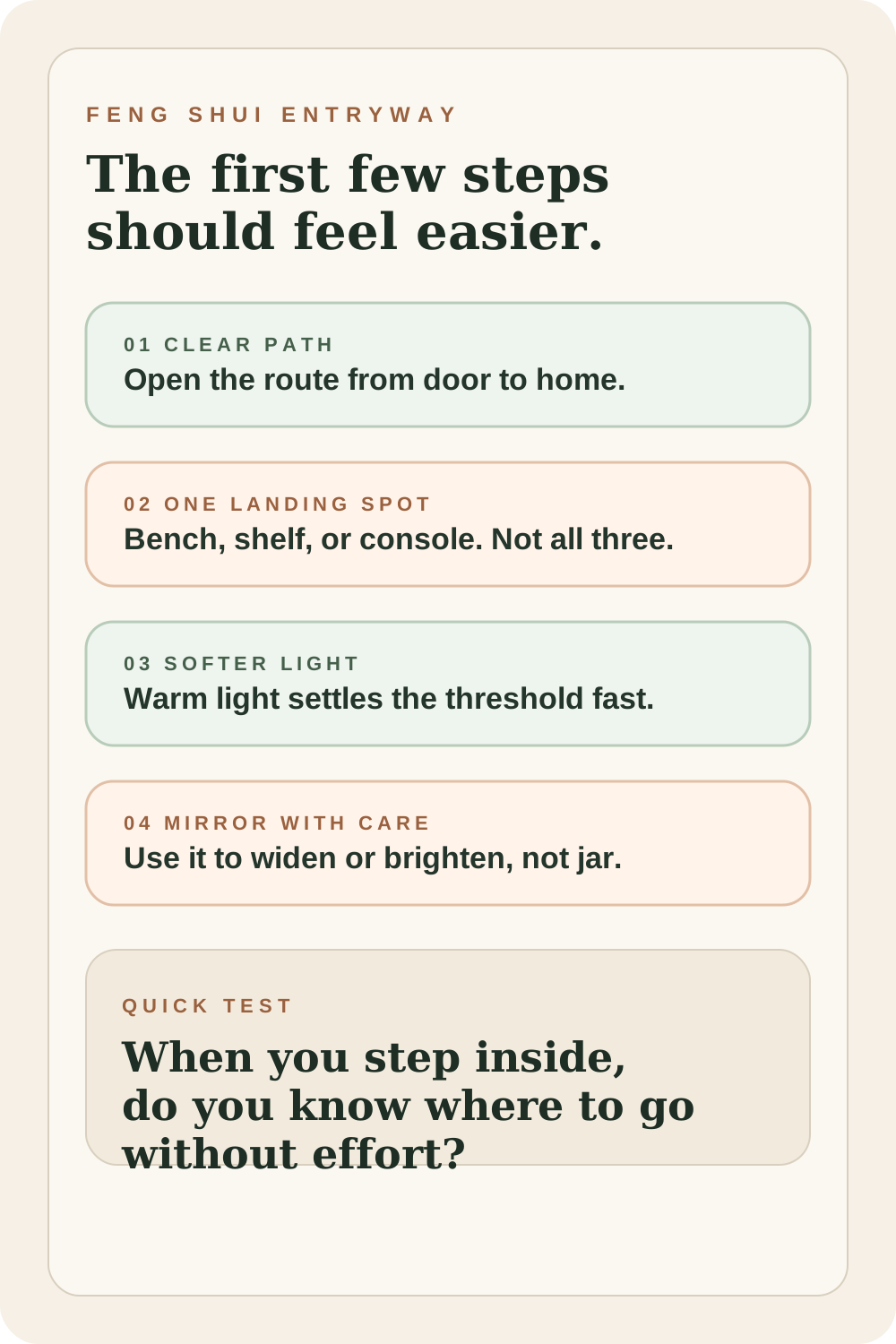
The best entryways do four jobs well. They give the body a readable path forward. They hold a few arrival essentials without turning into storage overflow. They use light to soften the threshold. And they create one visual anchor so the entry feels chosen rather than accidental.
| Entryway part | What it should feel like | Best first move |
|---|---|---|
| Floor path | Easy to read and easy to walk through | Clear the route from door to main room so nothing catches the body right away. |
| Landing surface | Useful without becoming a dumping zone | Use one console, shelf, or bench instead of several small surfaces competing at once. |
| Light | Warm enough to welcome, bright enough to orient | Add a lamp, better overhead bulb, or reflective surface that softens the threshold. |
| Mirror | Expansive, not abrupt | Place it where it adds light or spaciousness rather than making the entrance feel sharper. |
| Storage | Edited and believable | Keep shoes, bags, and keys controlled so the first impression does not become clutter. |
| Awkward entry layout | What it can feel like | Best soft fix |
|---|---|---|
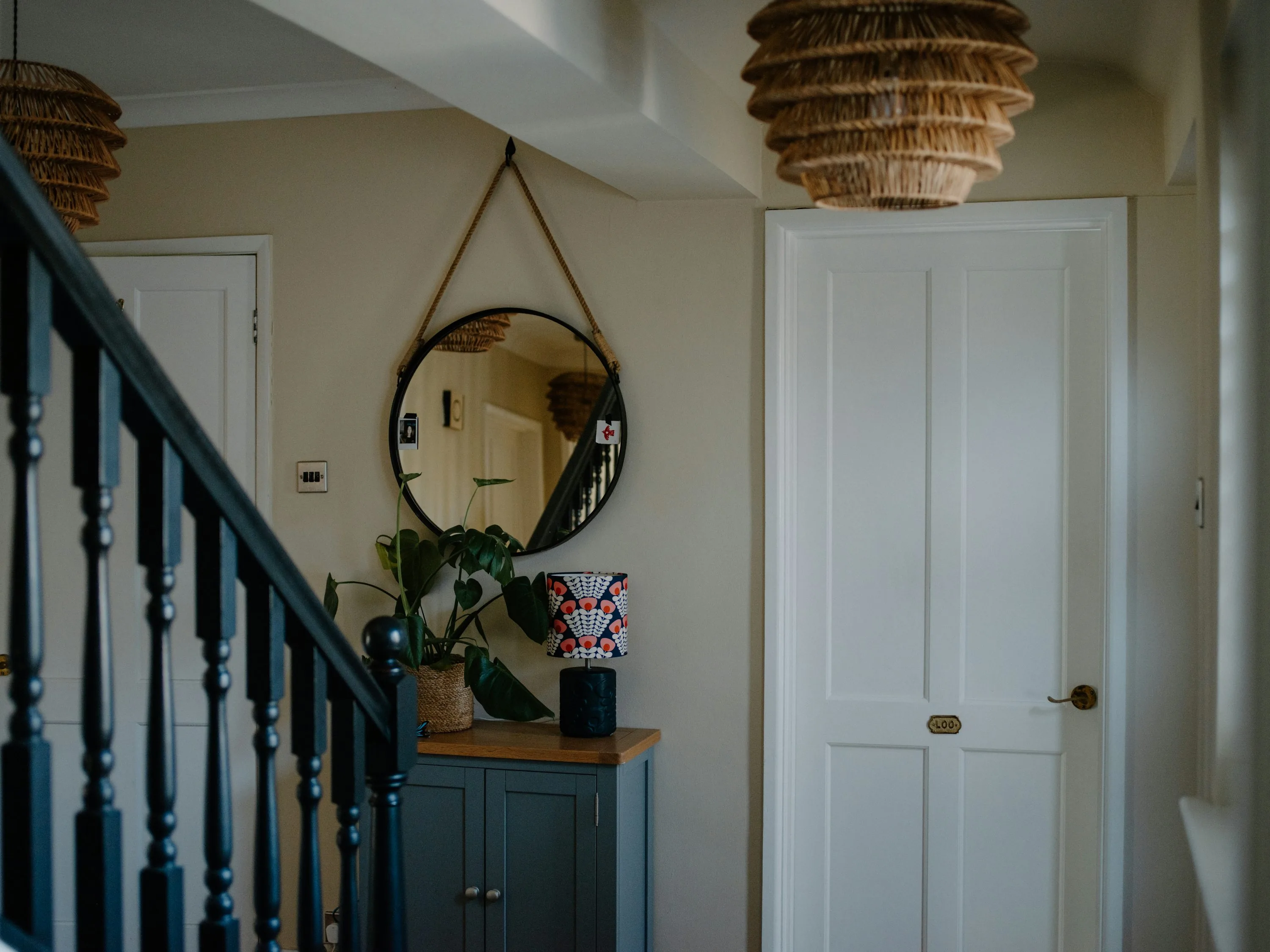
| Door opens toward stairs | The eye and body rush upward before the entry has time to settle. | Use a runner, warm wall light, art, or a small table to create a pause at the base. |
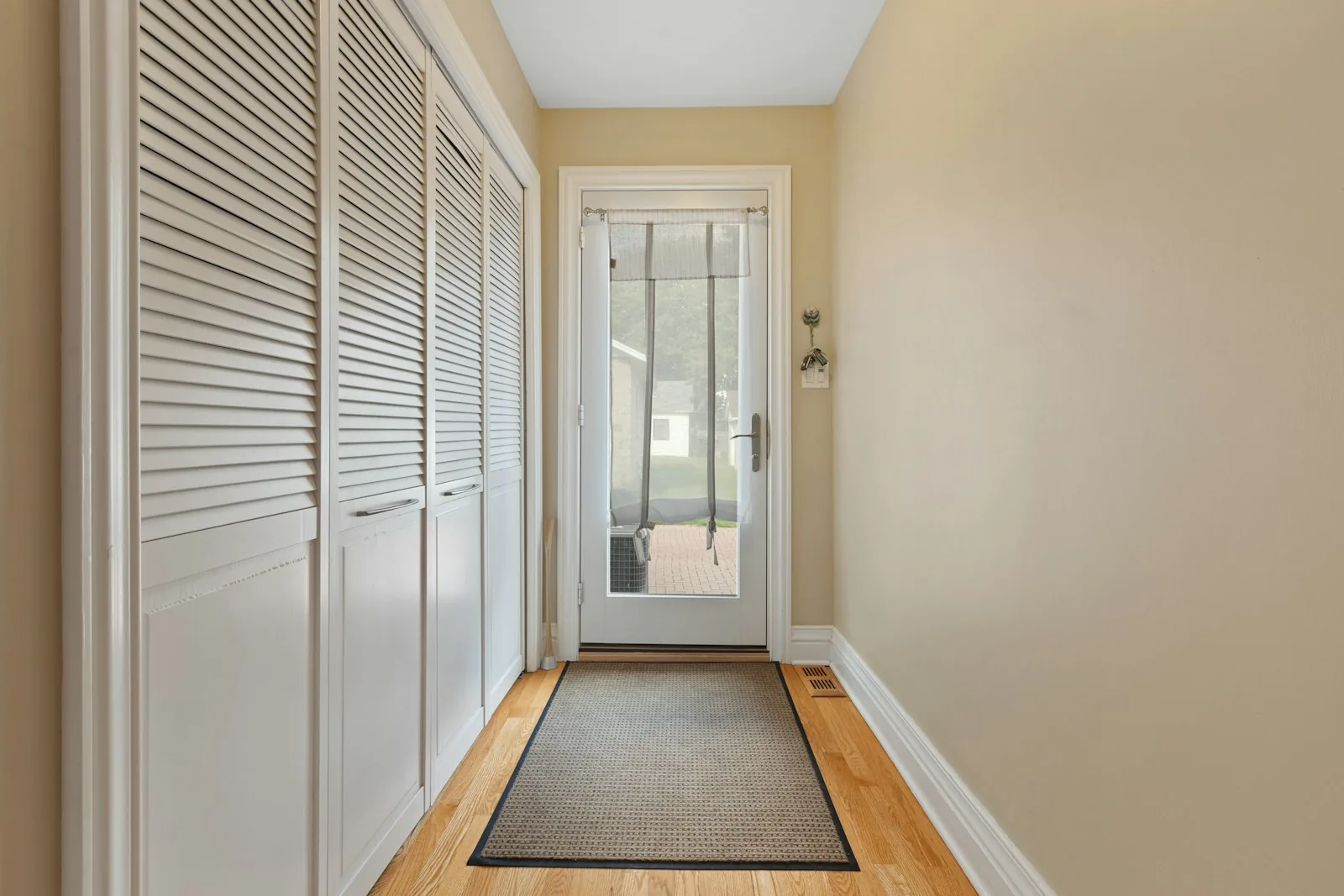
| Door lines up with another door | The entry can feel like a pass-through instead of a real arrival point. | Add a rug, plant, console, or soft side focal point to slow the straight line. |
| Mirror faces the door directly | The threshold can feel abrupt, reflective, or visually busy. | Move the mirror to a side wall, or let it reflect light, art, or open space instead. |
| No closet or closed storage | Shoes, coats, and bags become the first thing the home says. | Use one closed cabinet, lidded basket, or slim bench with hidden storage. |
The Entryway Fixes That Shift the Space Fastest
The first things worth correcting
These are the moves that make the entry feel better before styling details ever do.
Protect the first few steps
Use one landing surface well
Soften the threshold with light
Let the mirror do one clear job
Keep the mood connected to the next room
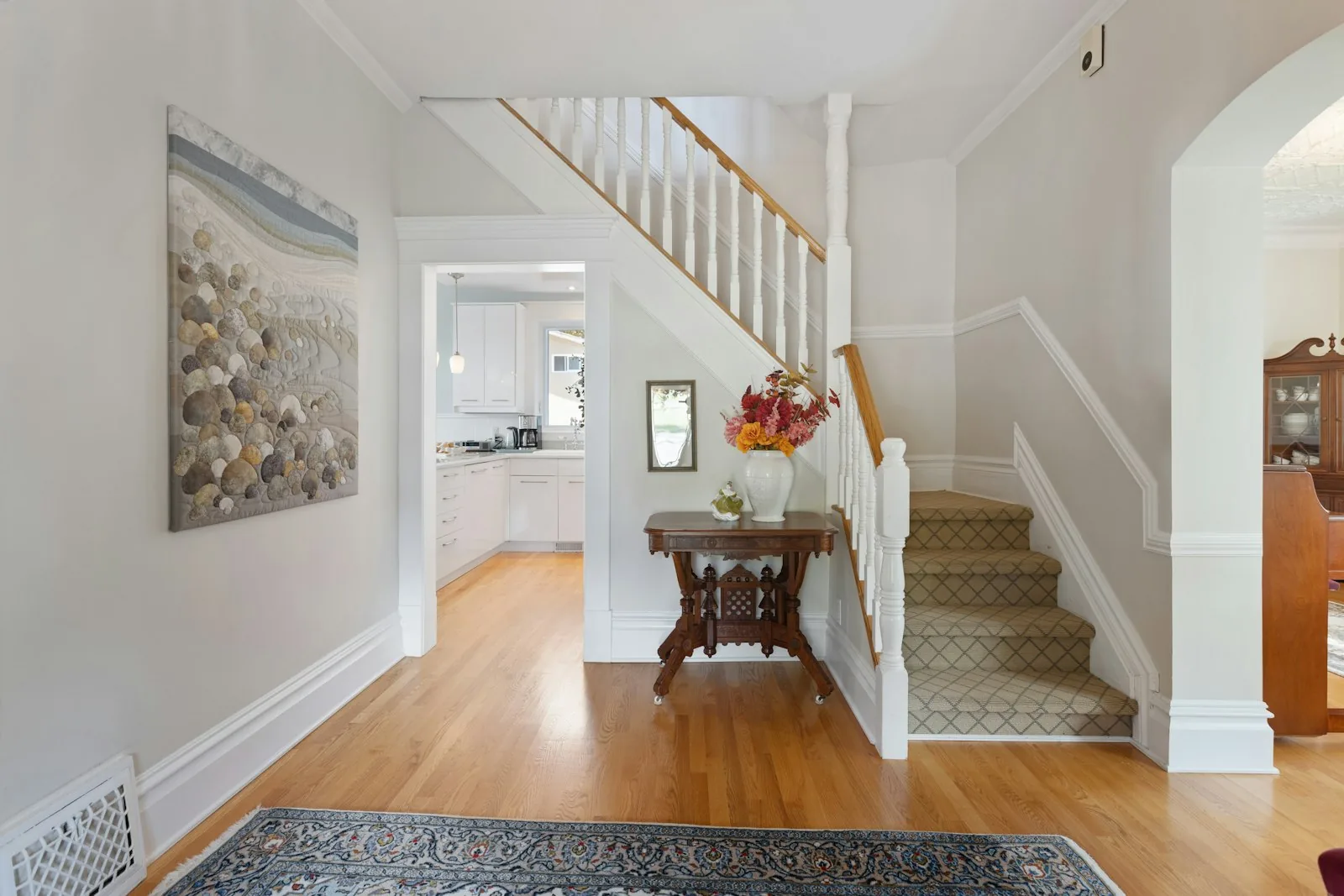
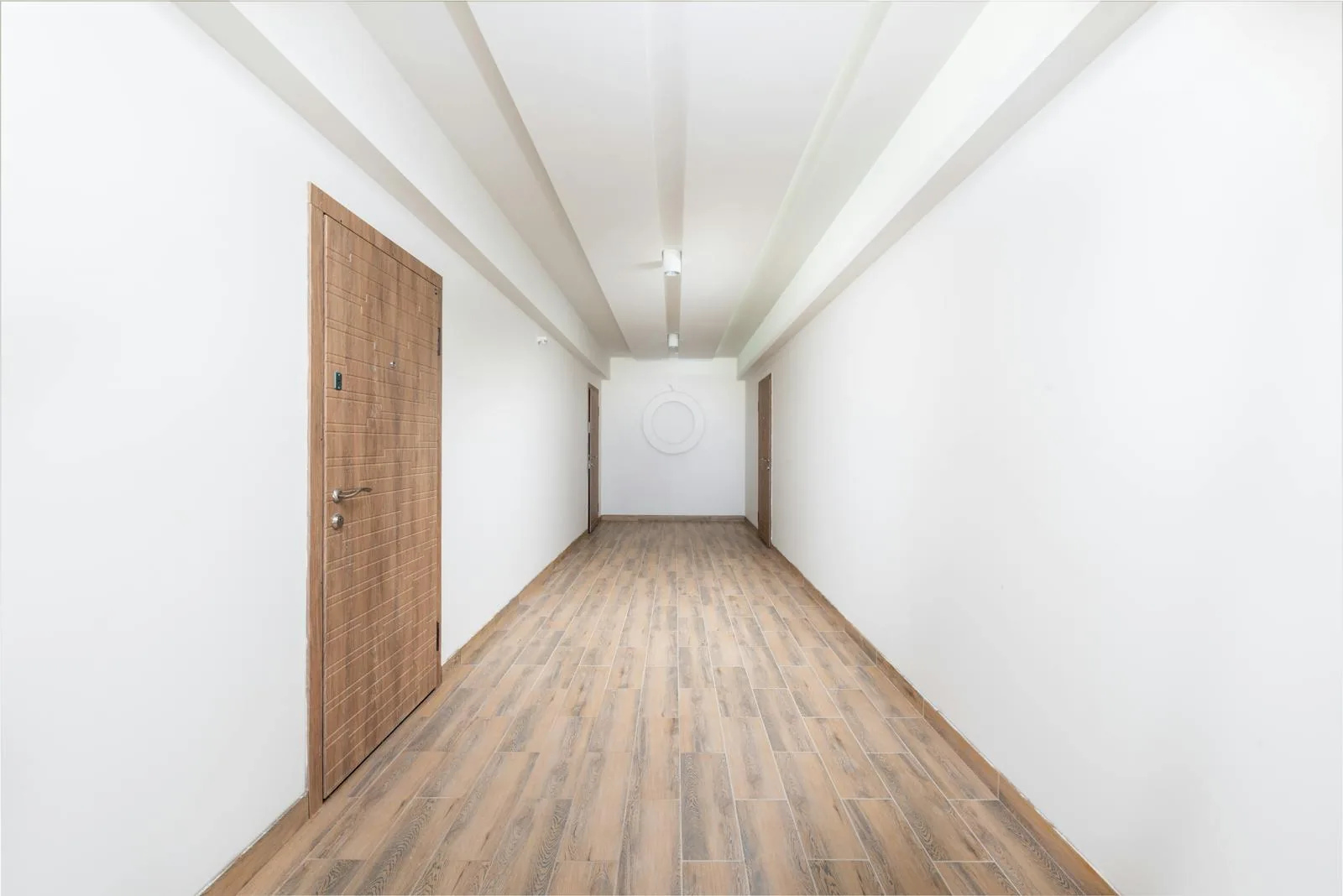
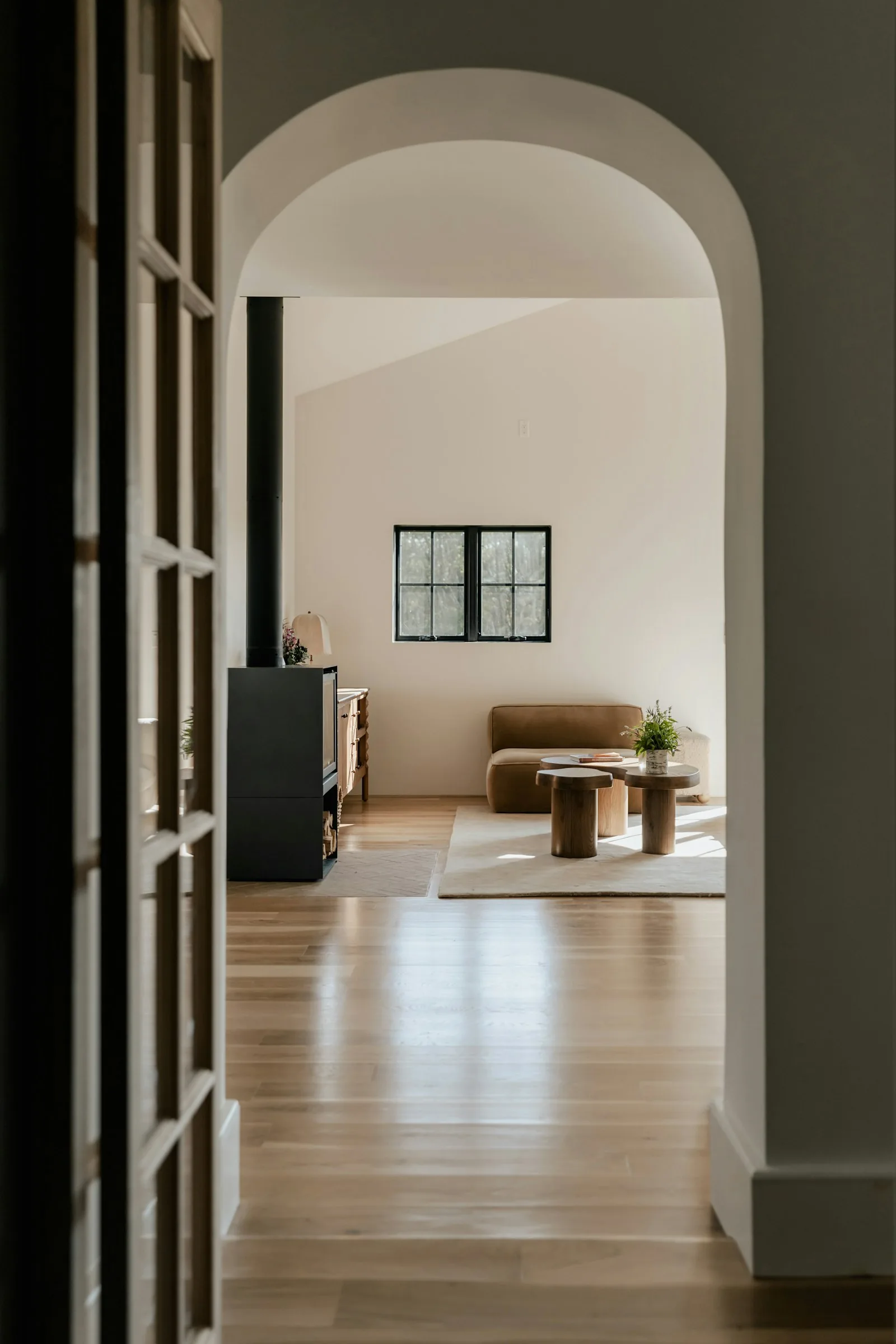
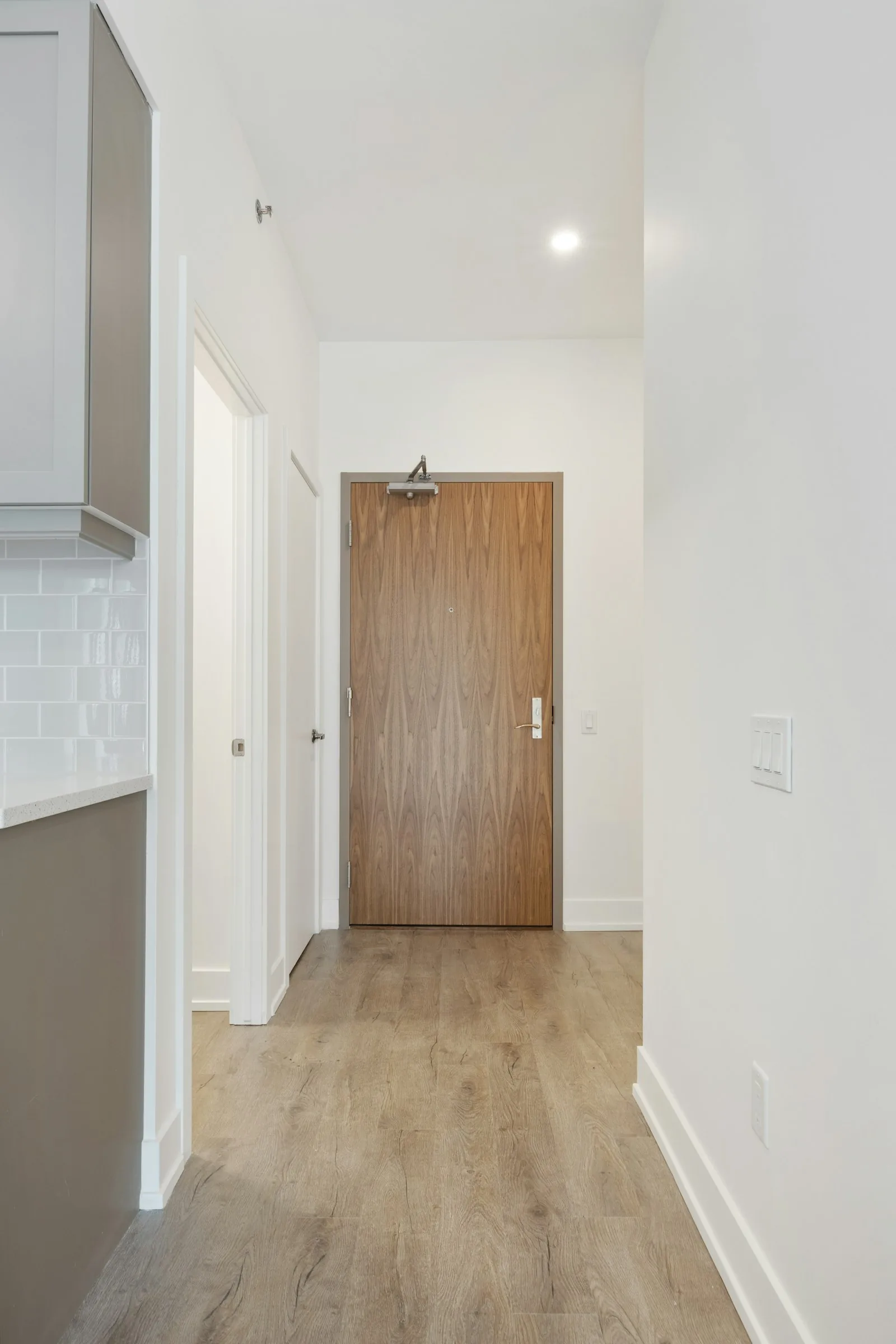
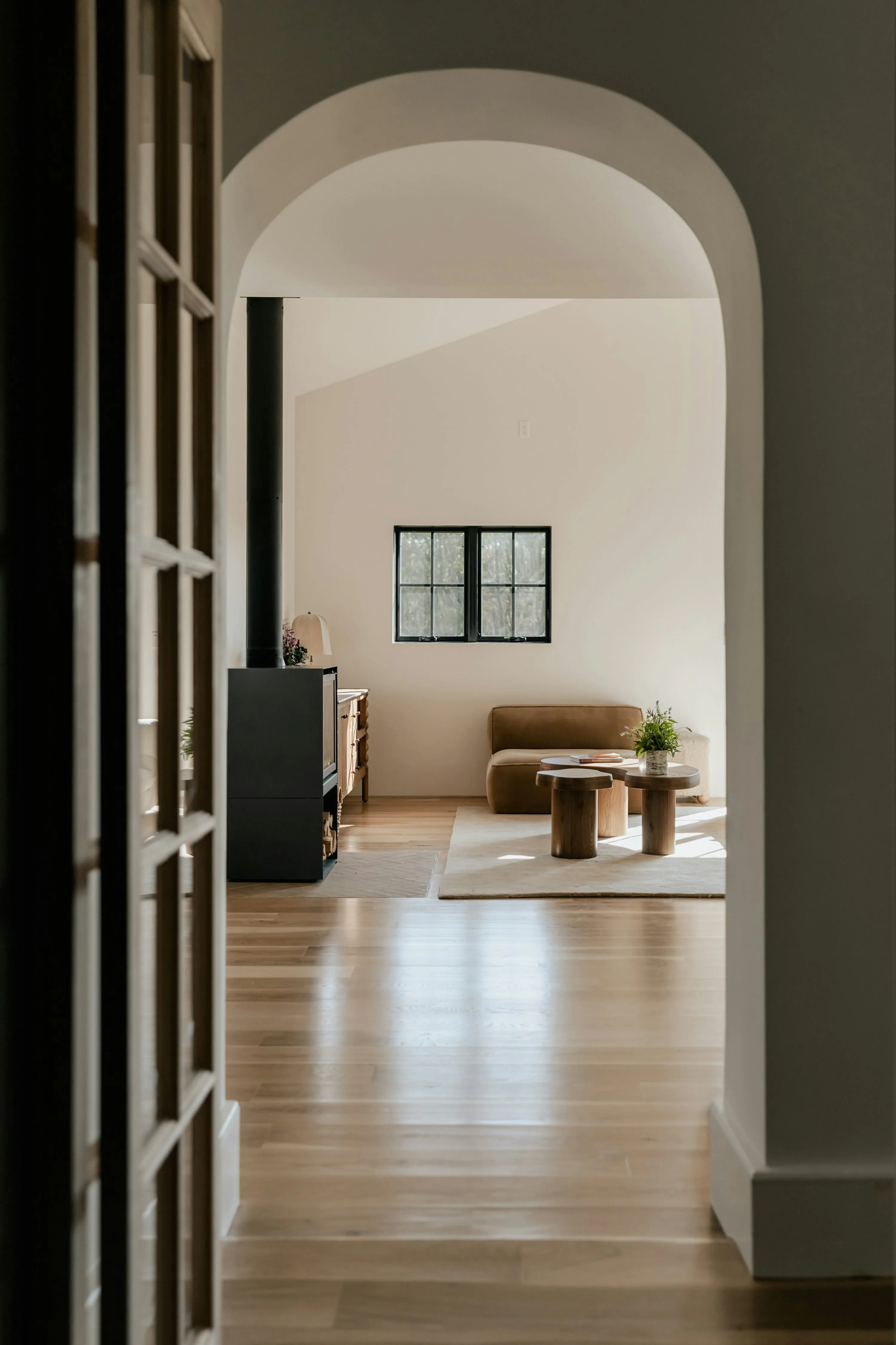
If the issue starts outside, feng shui front door is the better guide. If the shape of the room is fine but the palette still feels off, feng shui entryway colors is the stronger follow-up. If you are mostly wondering where a mirror helps and where it starts causing tension, feng shui mirrors is the most useful companion piece.
What Weakens an Entryway
The fastest entryway reset is small: clear the door swing, put shoes behind one closed front, empty the landing tray, straighten the rug, and turn on a warmer light. If those five things make the entry feel better, the issue was not a missing cure. It was friction at the threshold.
What helps
- +Keep the path from the door into the home easy to read.
- +Use one useful bench, shelf, or console instead of several weak storage moments.
- +Let the entry have enough light that it feels welcoming at any time of day.
- +Keep plants, art, and mirrors controlled so they support the threshold instead of crowding it.
What weakens it
- -Letting shoes, bags, parcels, and coats stay in open visual spill all the time.
- -Using a mirror in a way that makes the entrance feel harsher or busier.
- -Adding too many baskets, stools, trays, hooks, and small decor objects at once.
- -Treating the entry like leftover square footage instead of the beginning of the home.
One easy entryway test
Open the door, step inside, and ask whether the entry tells you where to go next without effort. If the answer is no, simplify the floor path and the storage before adding anything new.
Frequently Asked Questions
How do you feng shui an entryway?
What should be in a feng shui entryway?
Is a mirror good in a feng shui entryway?
What weakens feng shui in an entryway?
What if the entryway faces stairs or another door?
The Bottom Line
A strong feng shui entryway is not about filling the threshold with symbolic pieces. It is about making the first few steps into the house feel clear, welcoming, and easy to trust.
If the path is readable, the storage is edited, the light is softer, and the landing zone makes sense, the entryway is probably moving in the right direction.