



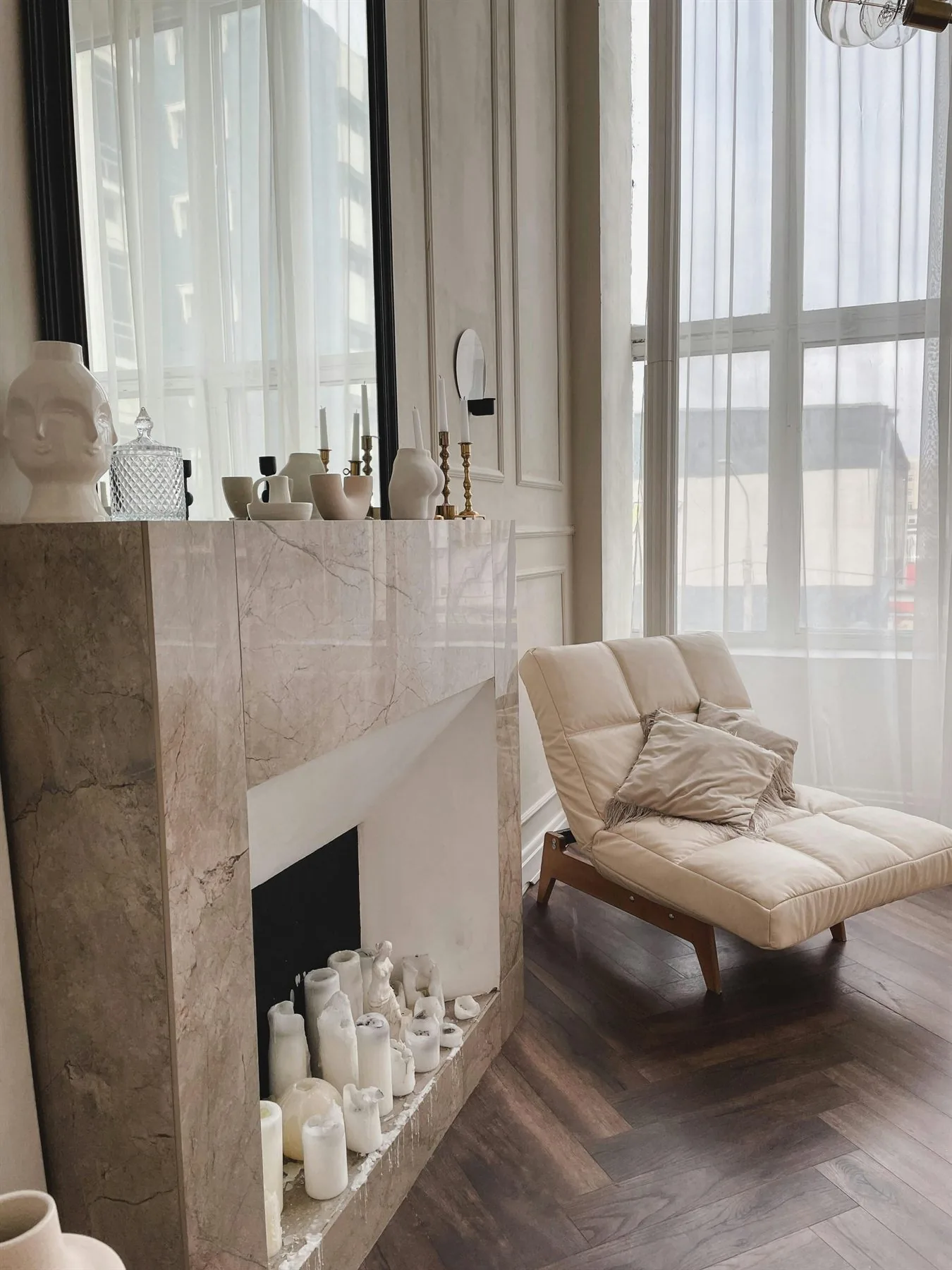
Quick Answer
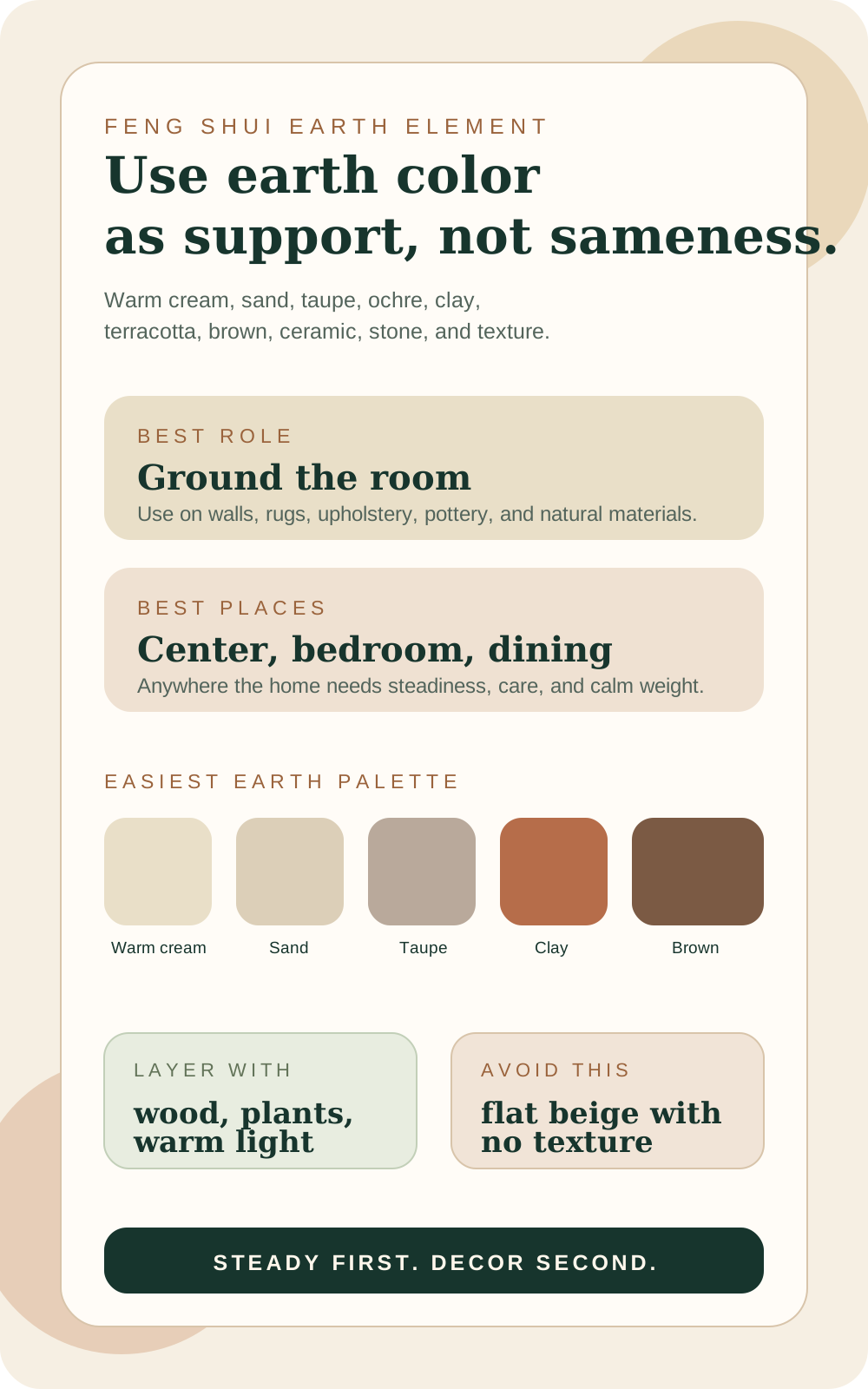
Feng shui earth element colors include beige, sand, taupe, warm cream, ochre, clay, brown, and terracotta. These colors work best when they make the room feel more settled and supported without turning it muddy, flat, or overly beige.
Earth element color helps most when a room feels ungrounded, too sharp, or visually scattered.
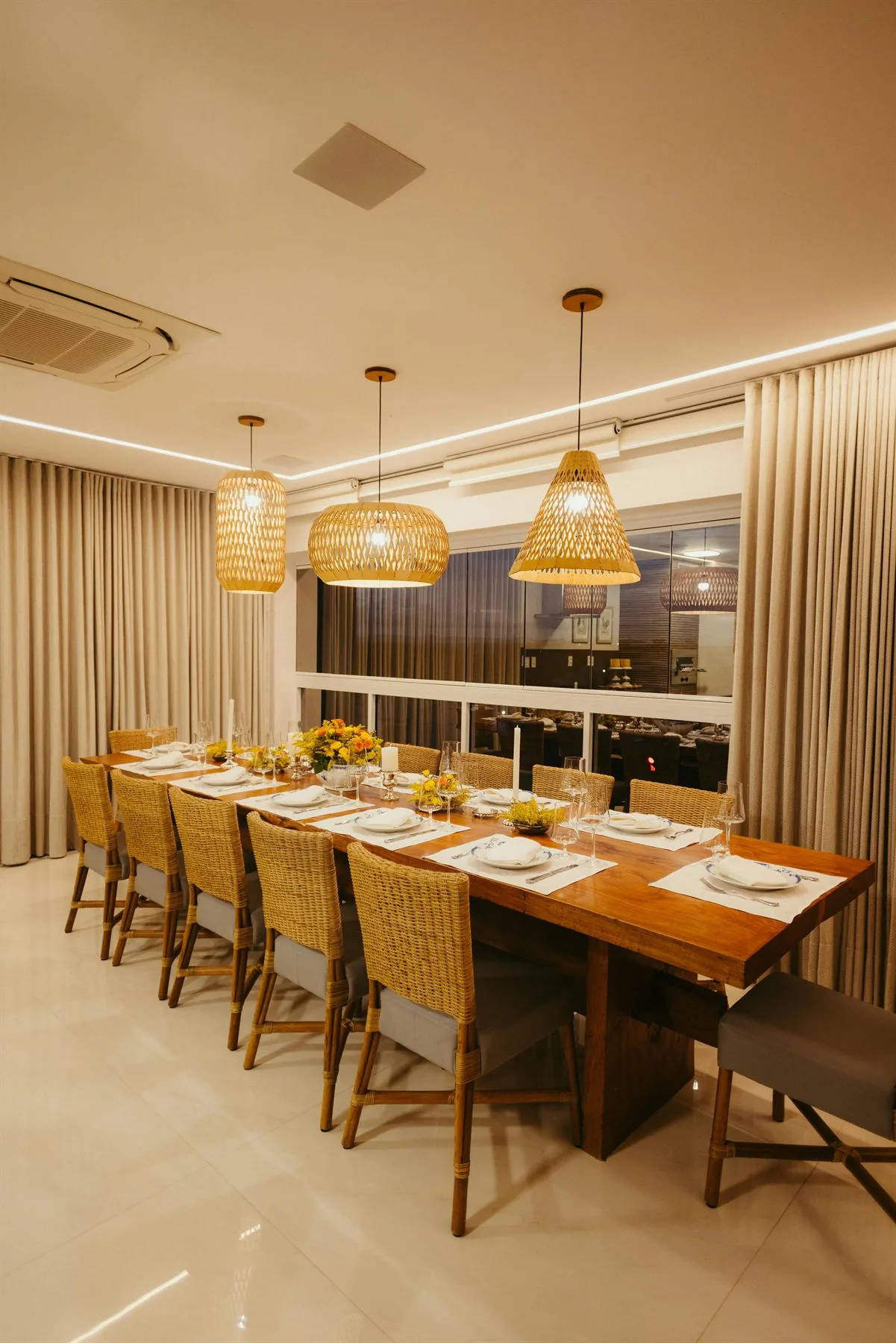
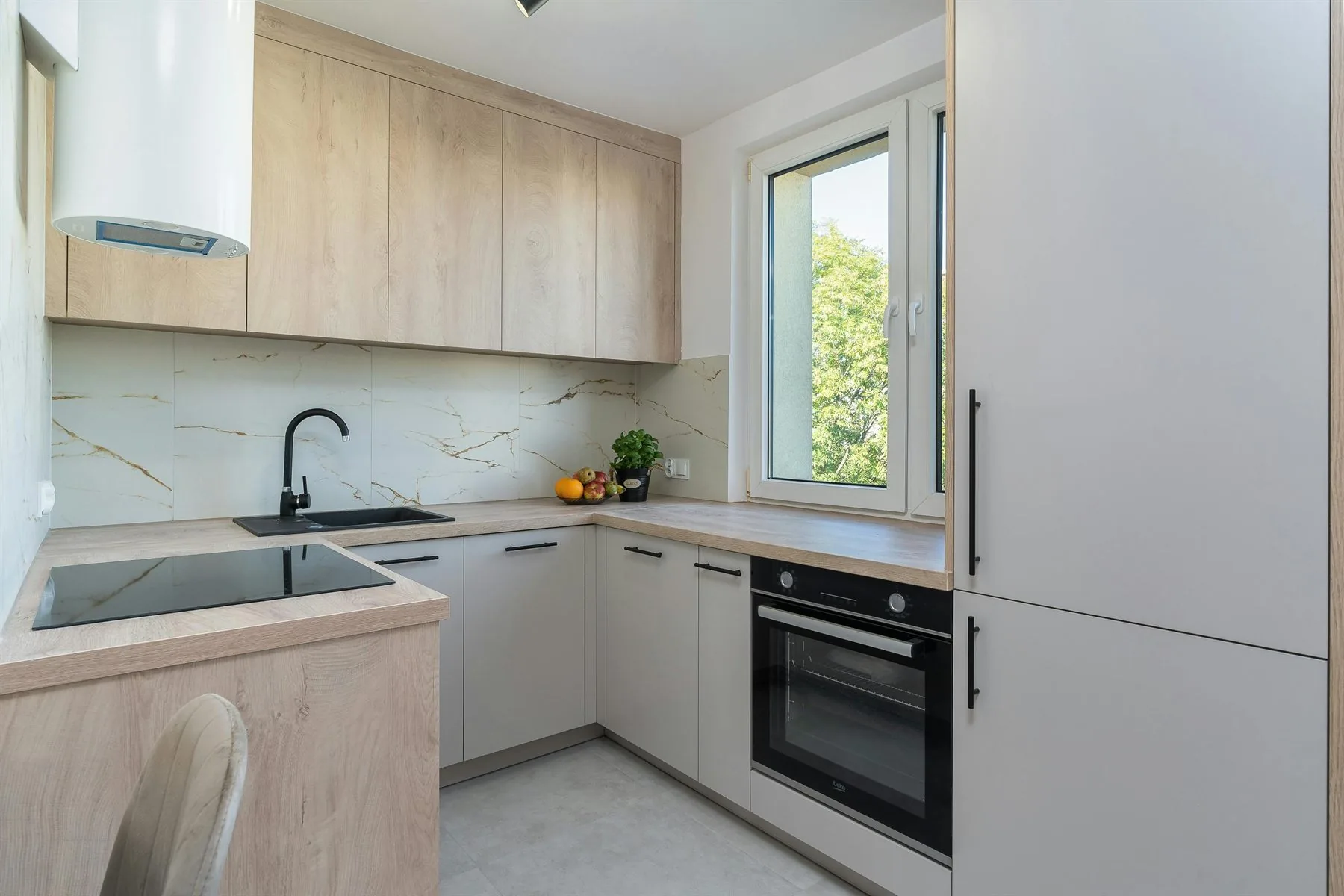
The strongest earth palettes are warmer and more layered than plain builder beige. They combine a soft neutral base with one richer earth note and enough texture, wood, stone, or ceramic detail to keep the room alive.
The Best Earth Element Colors Feel Warm and Stable
Earth element colors that translate best
Start with warmer grounded neutrals, then layer clay or terracotta if the room needs more warmth.
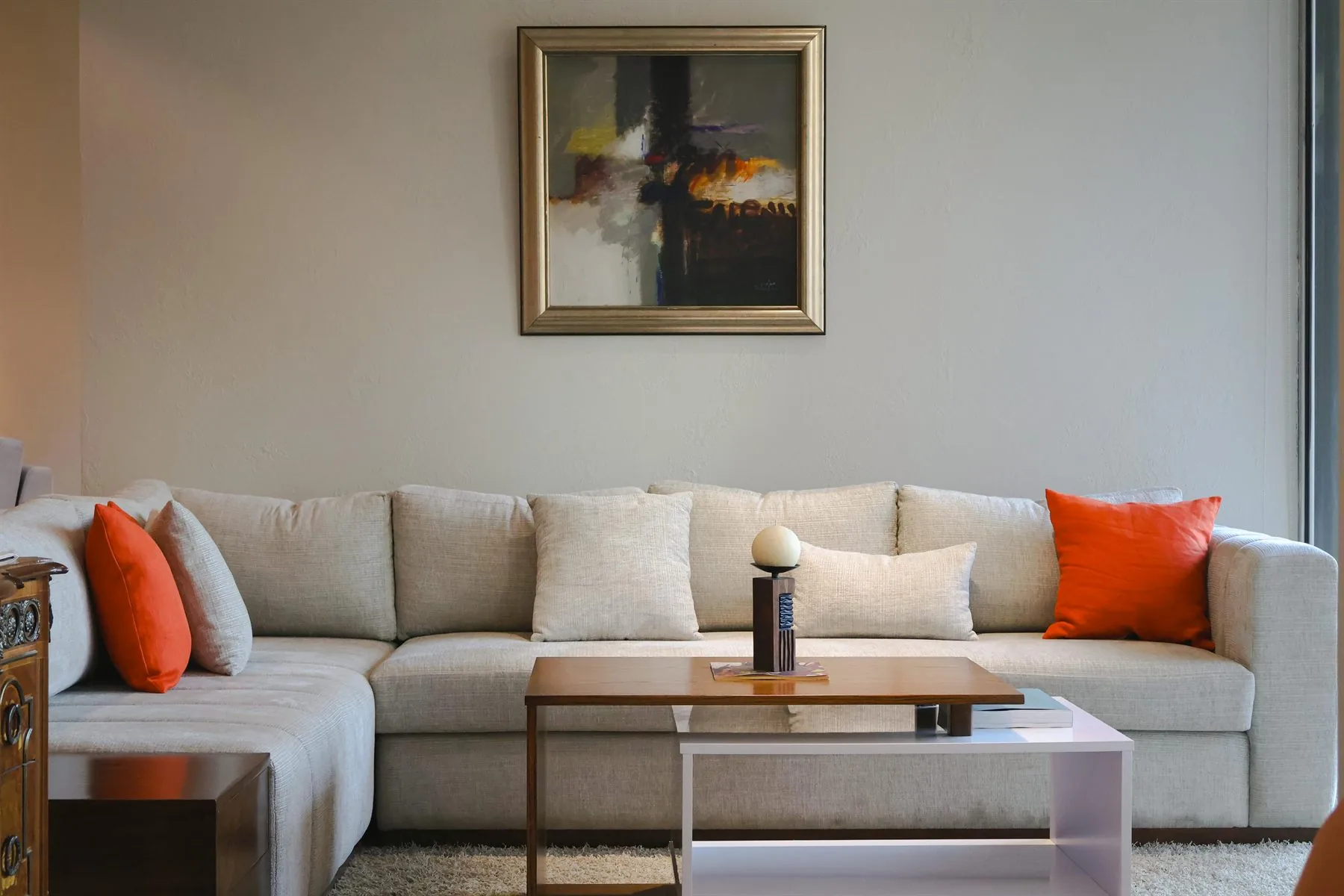
Sand
Soft stability
Sand + Clay + Oak
Best for larger walls, rugs, and rooms that need an easy grounded base.
Taupe
Calm grounding
Taupe + Warm white + Walnut
Useful when the room needs more structure than cream but not as much weight as darker brown.
Clay
Warmth and support
Clay + Sand + Brass
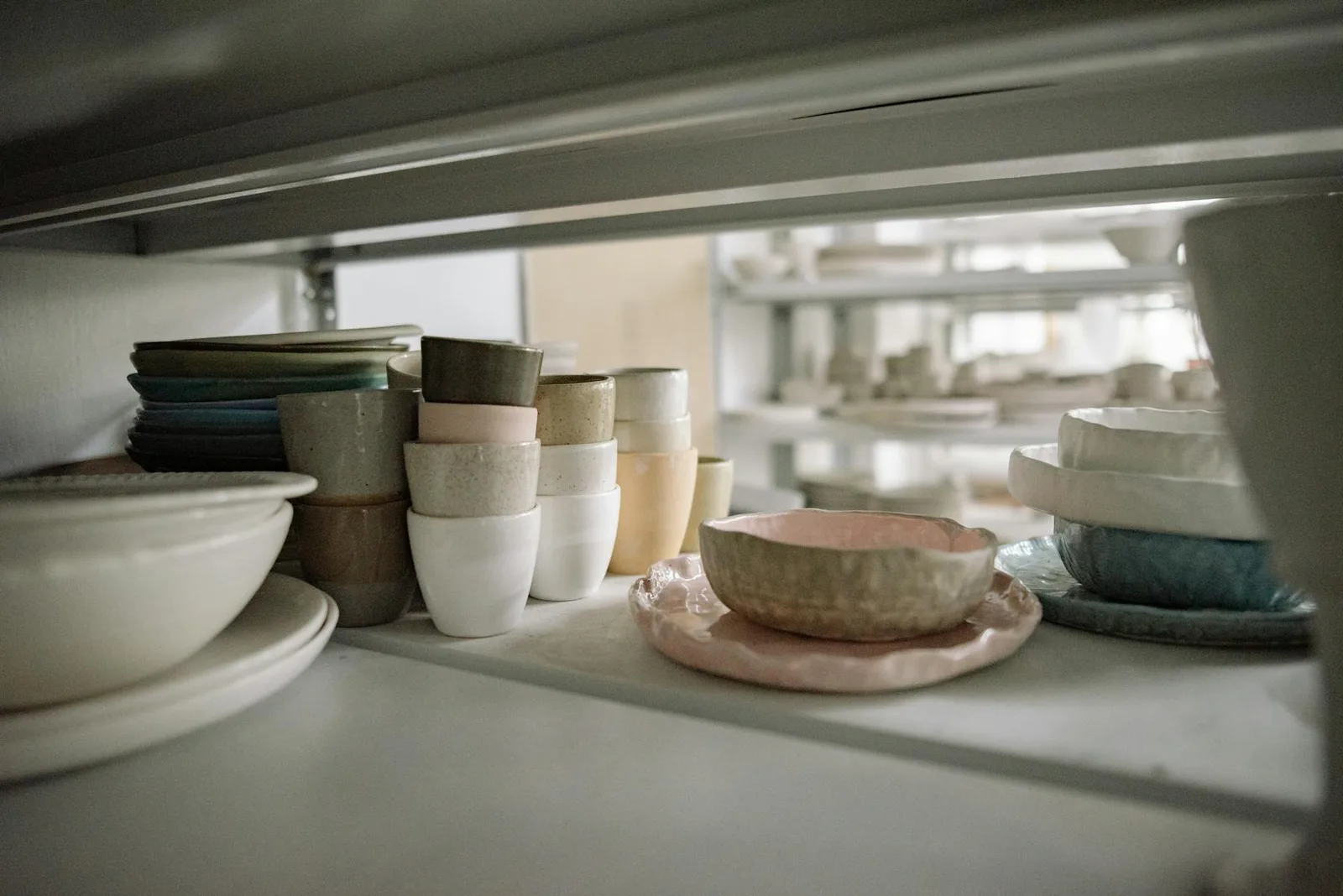
Helpful in art, pottery, textiles, or one stronger upholstered piece.
Terracotta
Invitation
Terracotta + Cream + Mushroom
Best in edited accents or a smaller feature zone when the room needs warmth without bright red energy.
What Earth Colors Mean in Feng Shui
In five-element feng shui, Earth is tied to steadiness, nourishment, support, boundaries, and the feeling that a room can hold you. It is also connected with the center of a home in many bagua readings, which is why earth colors often work well as the quiet thread that connects one room to another.
Earth is also commonly used for supportive relationship and knowledge areas in modern bagua interpretations, so the mood matters as much as the color name. The room should feel held, nourished, and easy to settle into.
Scroll sideways to compare all columns.
| Earth color | Best feeling | Where it fits best |
|---|---|---|
| Warm cream | Soft, breathable, safe | Walls, ceilings, larger upholstery, hallways, bedrooms |
| Sand | Stable, light, grounded | Living rooms, rugs, curtains, open-plan areas, family spaces |
| Taupe or mushroom | Structured, calm, grown-up | Cabinetry, upholstered chairs, office corners, trim, built-ins |
| Clay | Warm, handmade, supportive | Pottery, art, cushions, lamps, one smaller accent wall |
| Terracotta | Welcoming, earthy, richer | Entry accents, dining rooms, planters, throws, art, tile details |
| Brown | Weight, shelter, material depth | Wood furniture, flooring, frames, tables, woven texture |
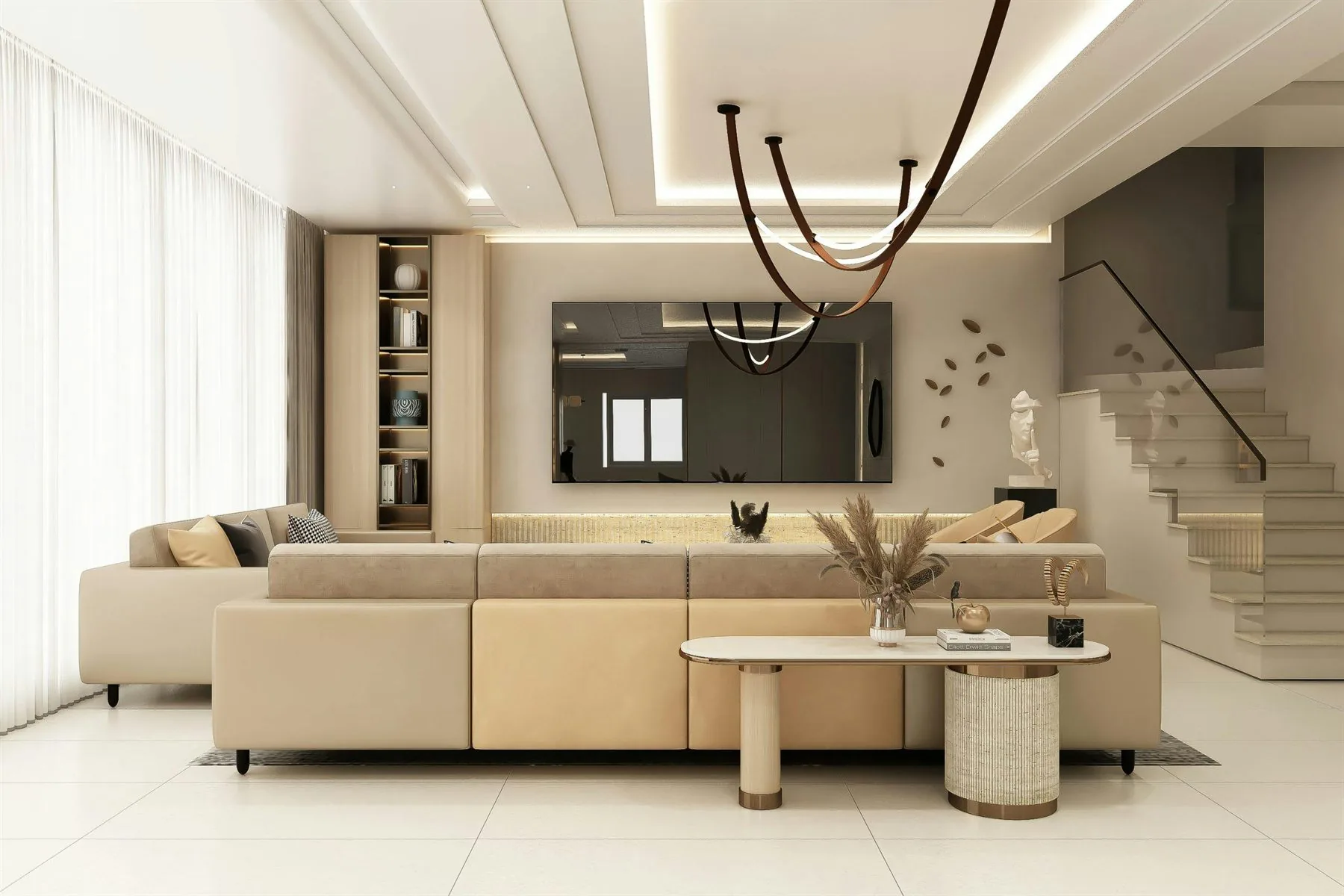
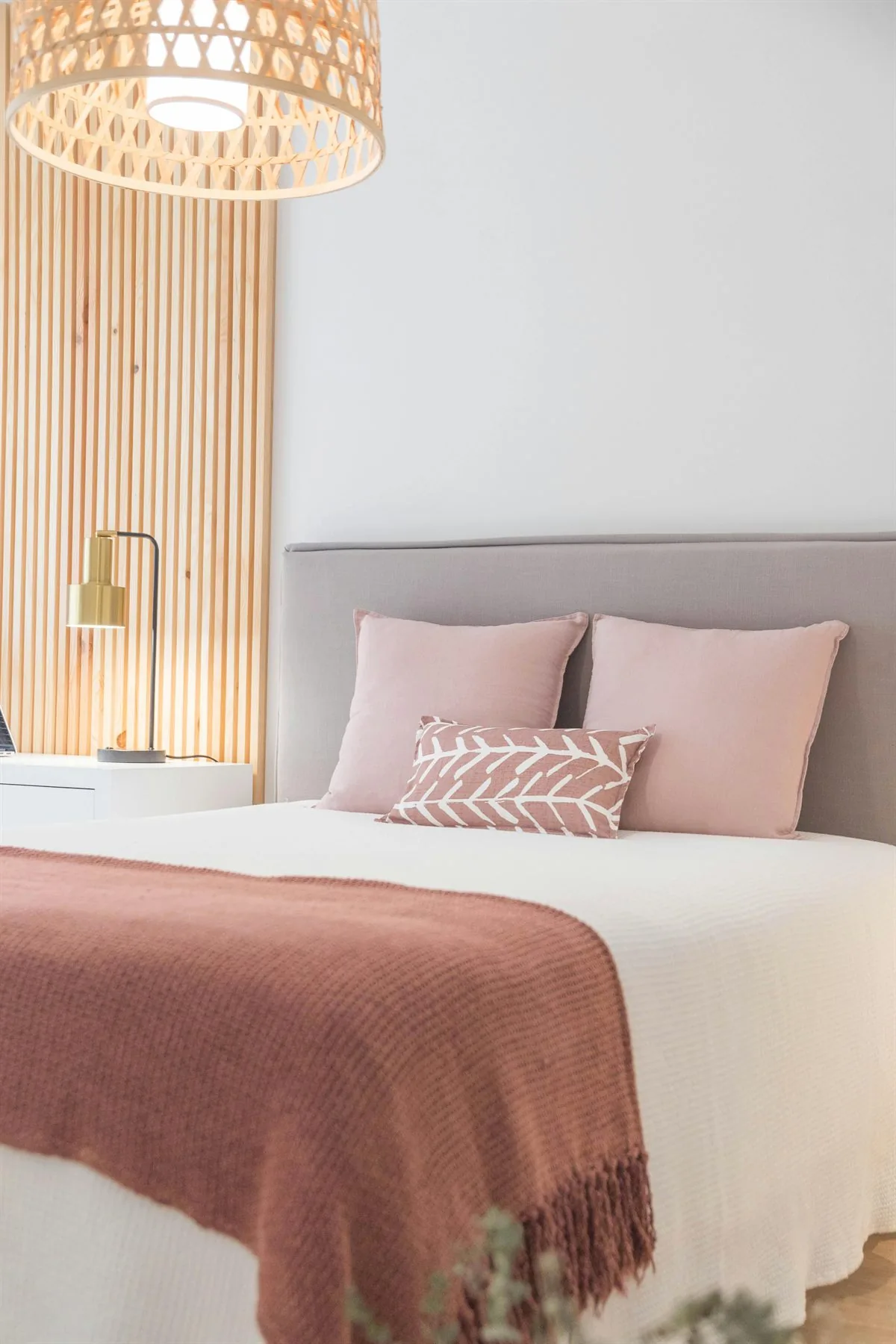
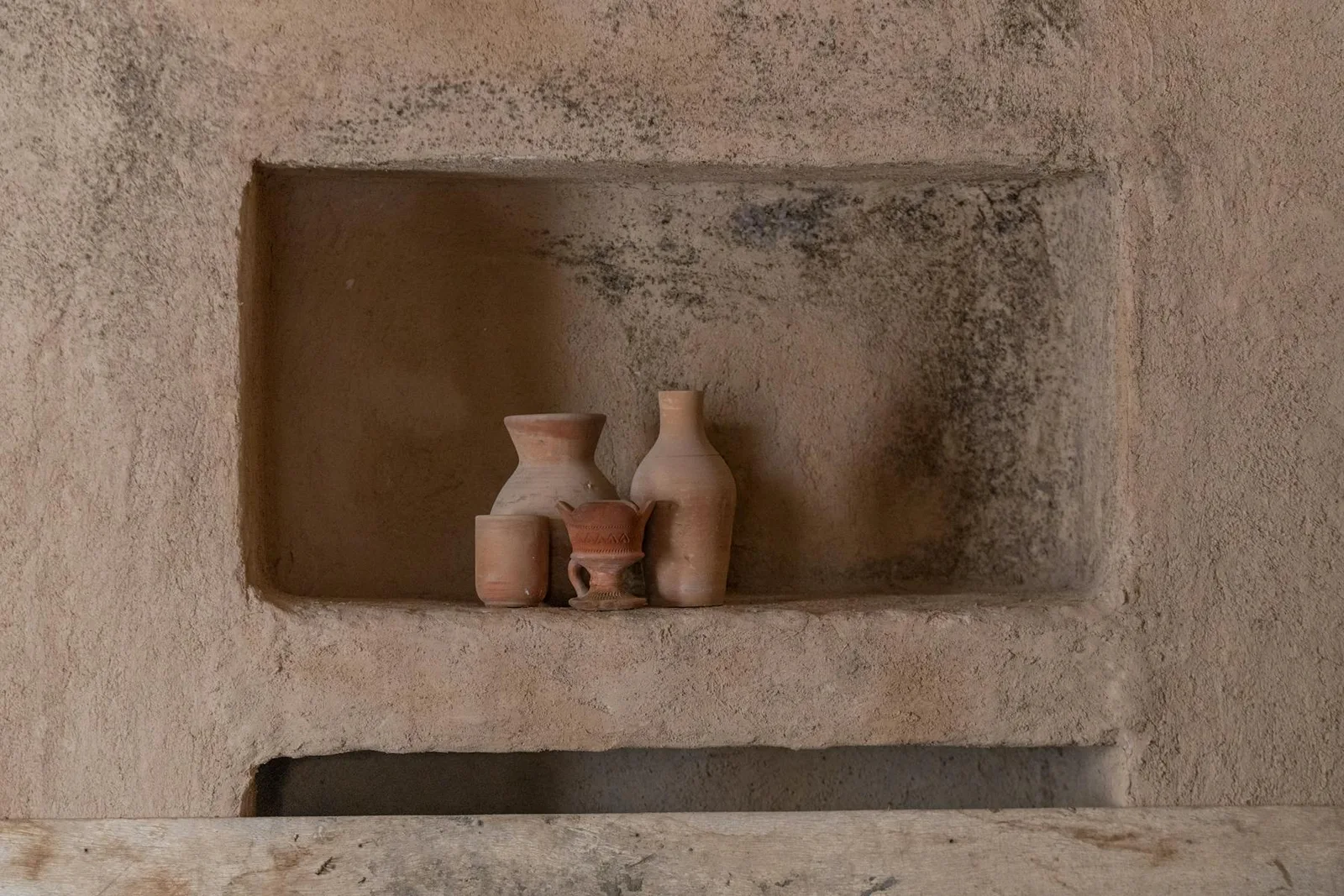
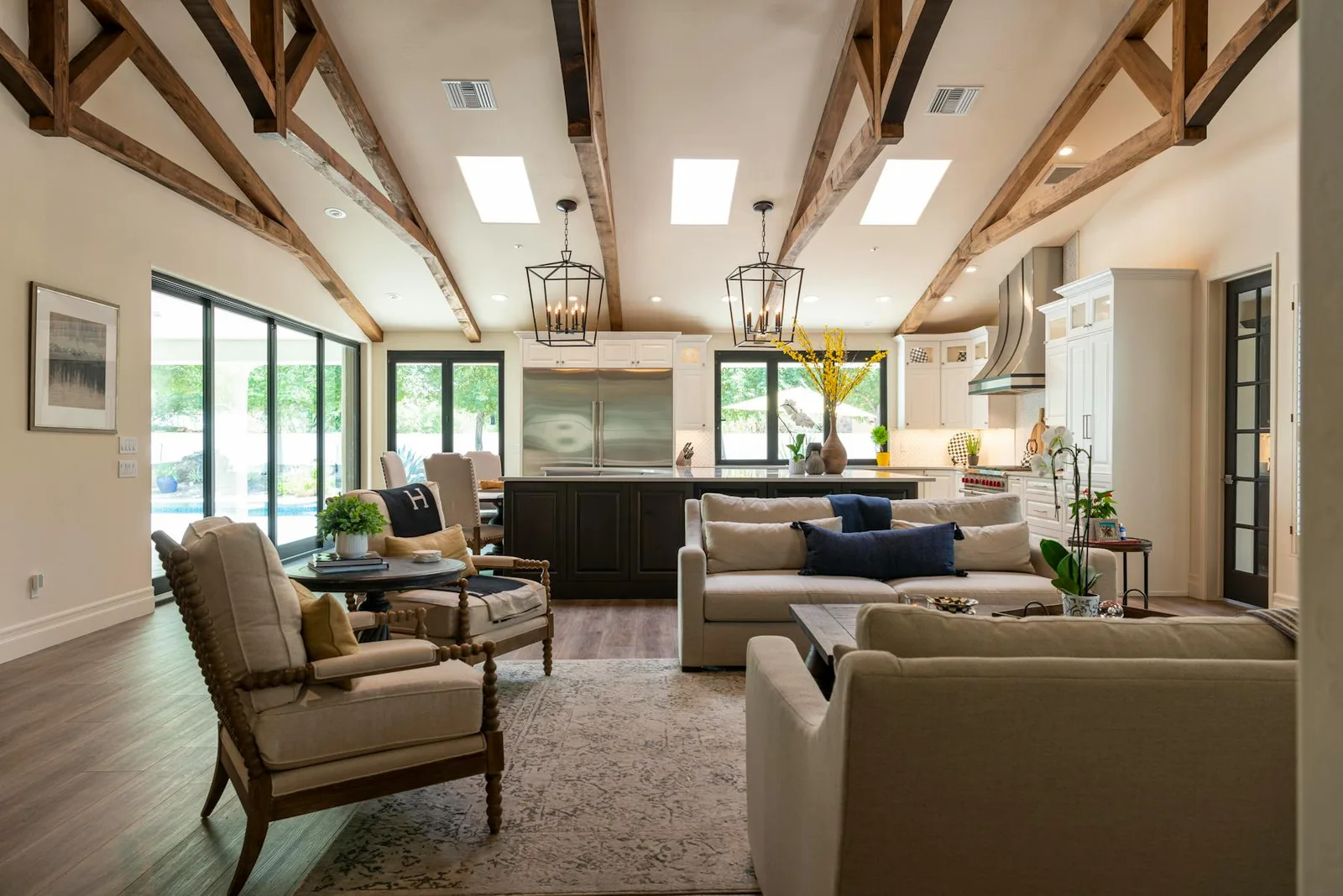
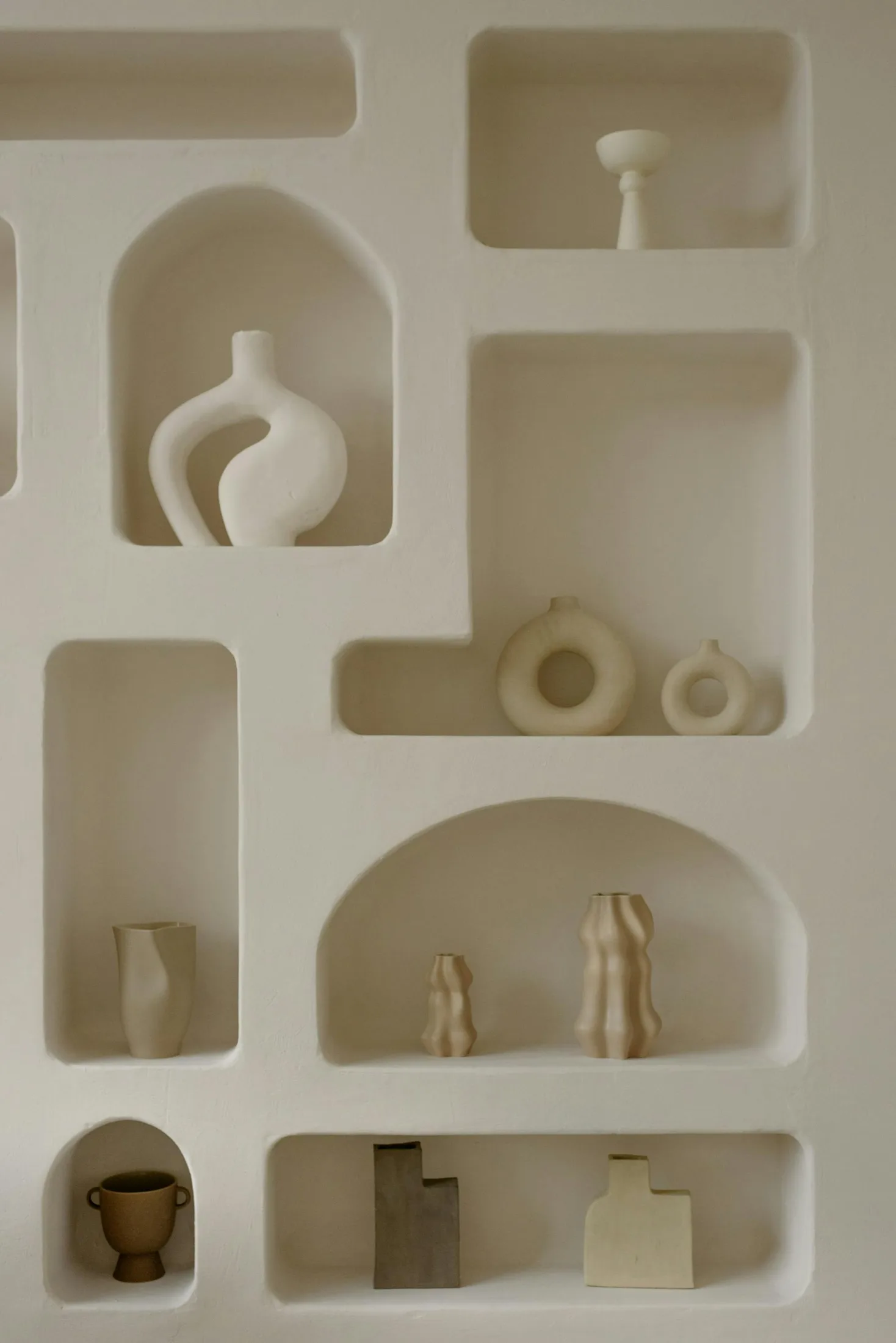
How to Use Earth Element Colors Without Making the Room Flat
Three earth element palettes that work well
Soft grounded earth
Sand + Taupe + Oak
Good for bedrooms and whole-home base color when the goal is steadiness and calm.
Warm clay earth
Clay + Cream + Brass
Useful when the room needs a little more warmth and invitation without full fire-element intensity.
Natural earth balance
Warm cream + Mushroom + Terracotta
Best when you want the room to feel grounded but still light enough to breathe.
Scroll sideways to compare all columns.
| Element relationship | How it helps earth color | Use it like this |
|---|---|---|
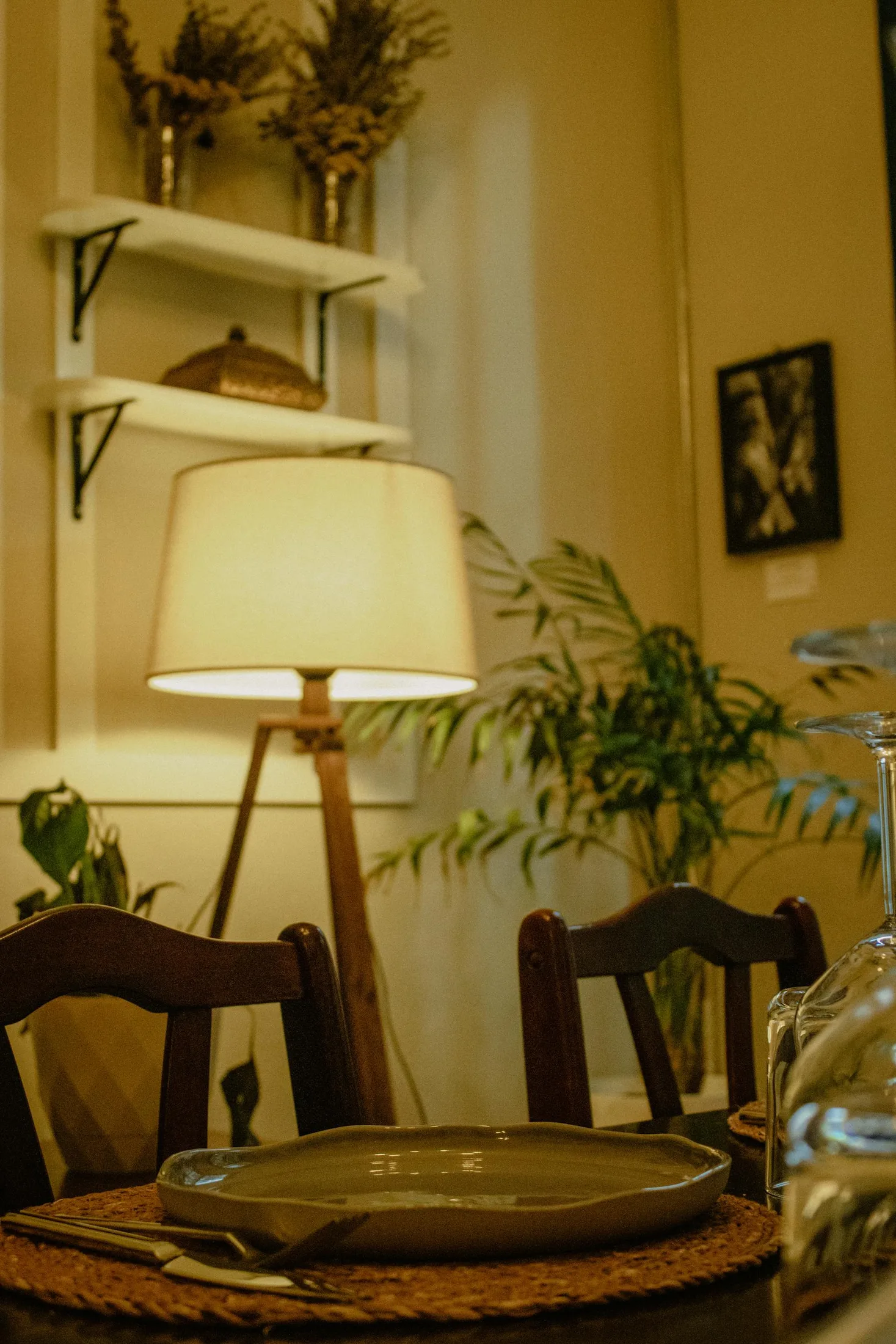
| Fire feeds Earth | Warm light and clay notes keep neutrals from feeling lifeless. | Lamps, candles, terracotta, coral, or a warmer art detail. |
| Metal refines Earth | Cleaner white, brass, or soft metal details stop beige from feeling dusty. | Hardware, frames, pale ceramics, a cleaner lamp base, or one crisp edge. |
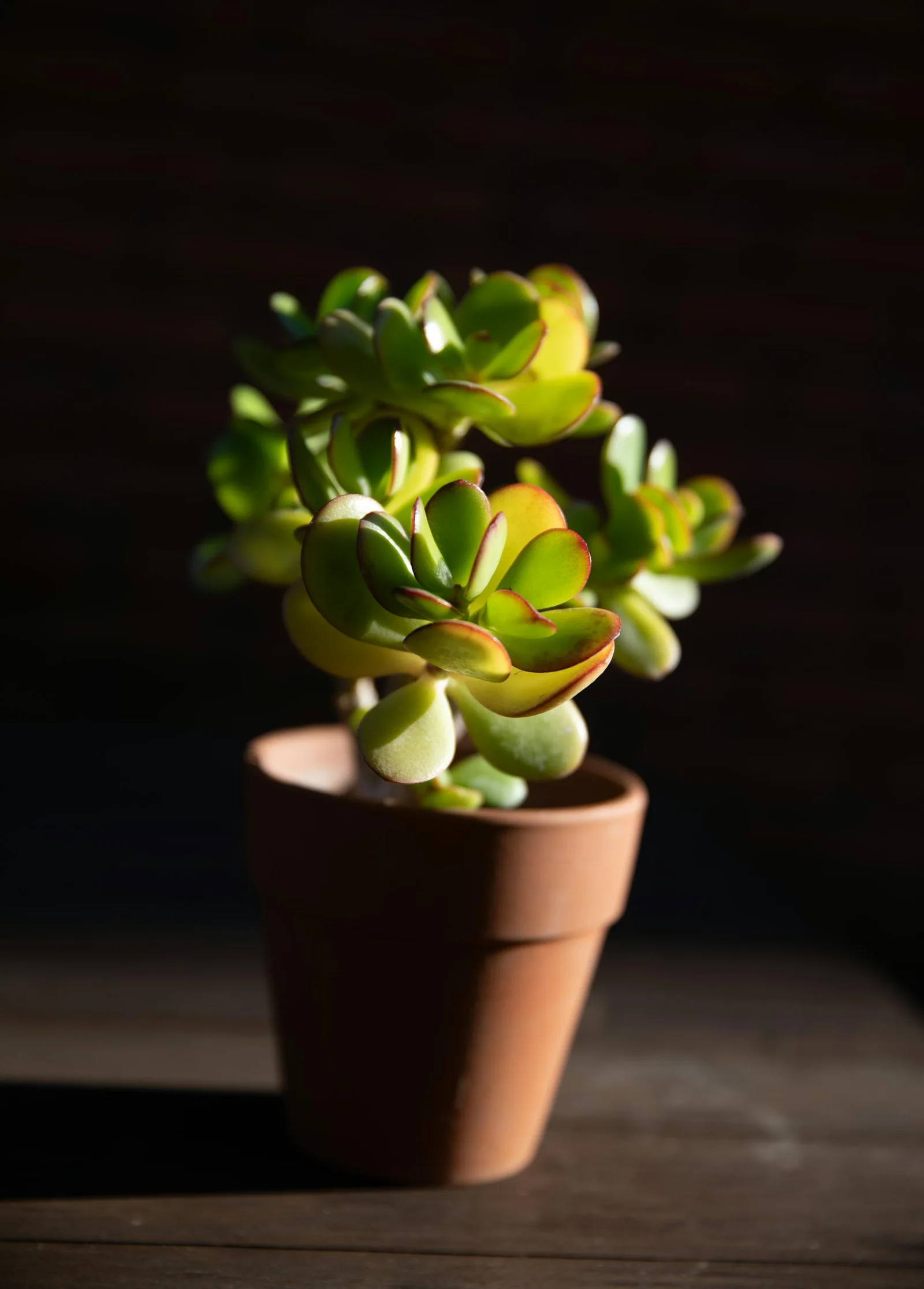
| Wood can balance Earth | Plants and wood add freshness when an earth palette feels too still. | A plant, oak table, woven basket, or natural wood shelf. |
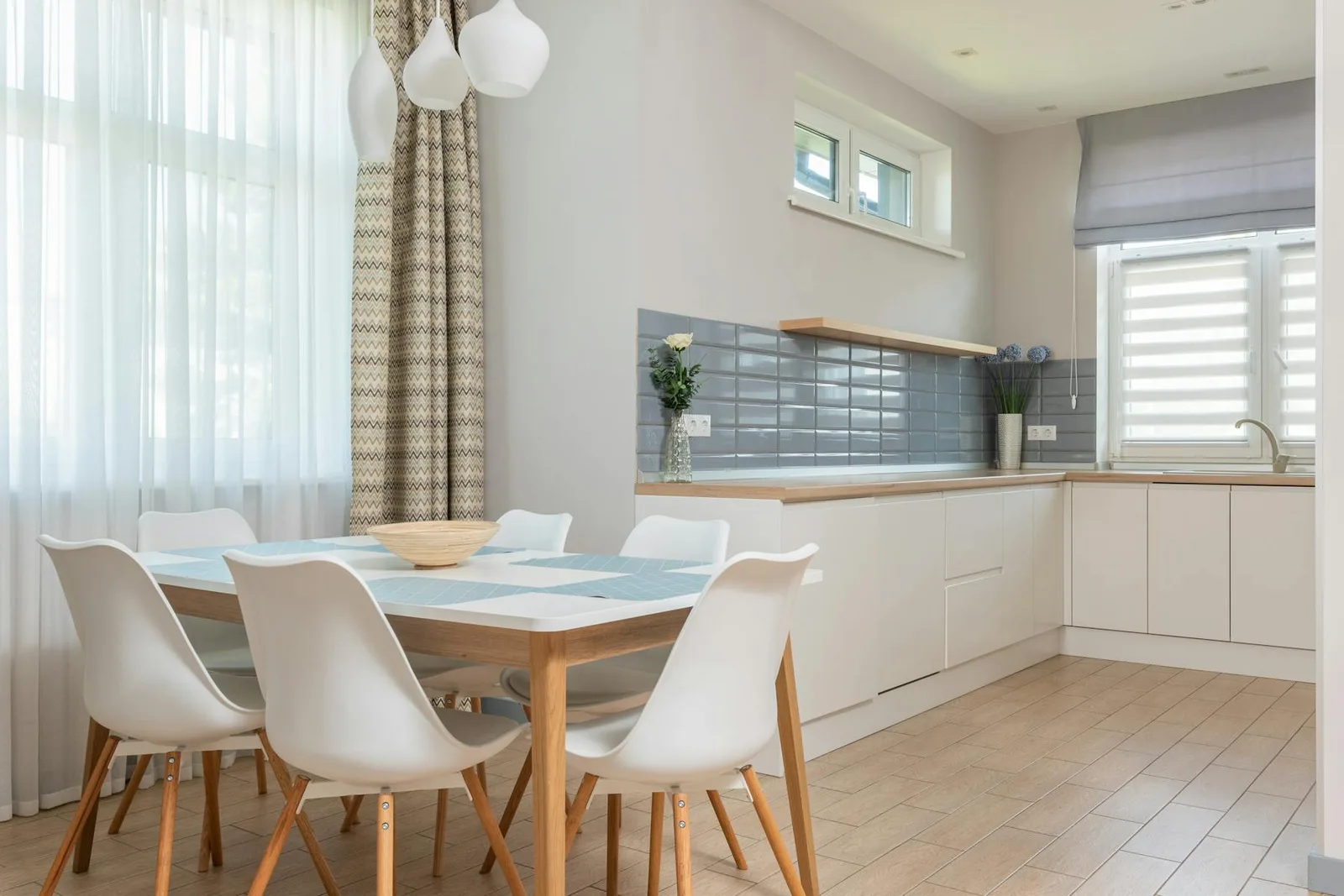
Where Earth Color Belongs and Where It Gets Heavy
Earth color is useful anywhere the home needs more calm, weight, and emotional steadiness. The mistake is using so many similar beige or brown tones that the room loses light, contrast, and freshness.
Scroll sideways to compare all columns.
| Room or zone | Good earth use | Keep it fresh |
|---|---|---|
| Entry | Warm mat, clay pot, wood console, softer wall tone | Add clear light so the entry feels welcoming, not dim. |
| Living room | Sand sofa, woven rug, wood table, taupe accents | Break up beige with plants, art, darker wood, or a clean metal detail. |
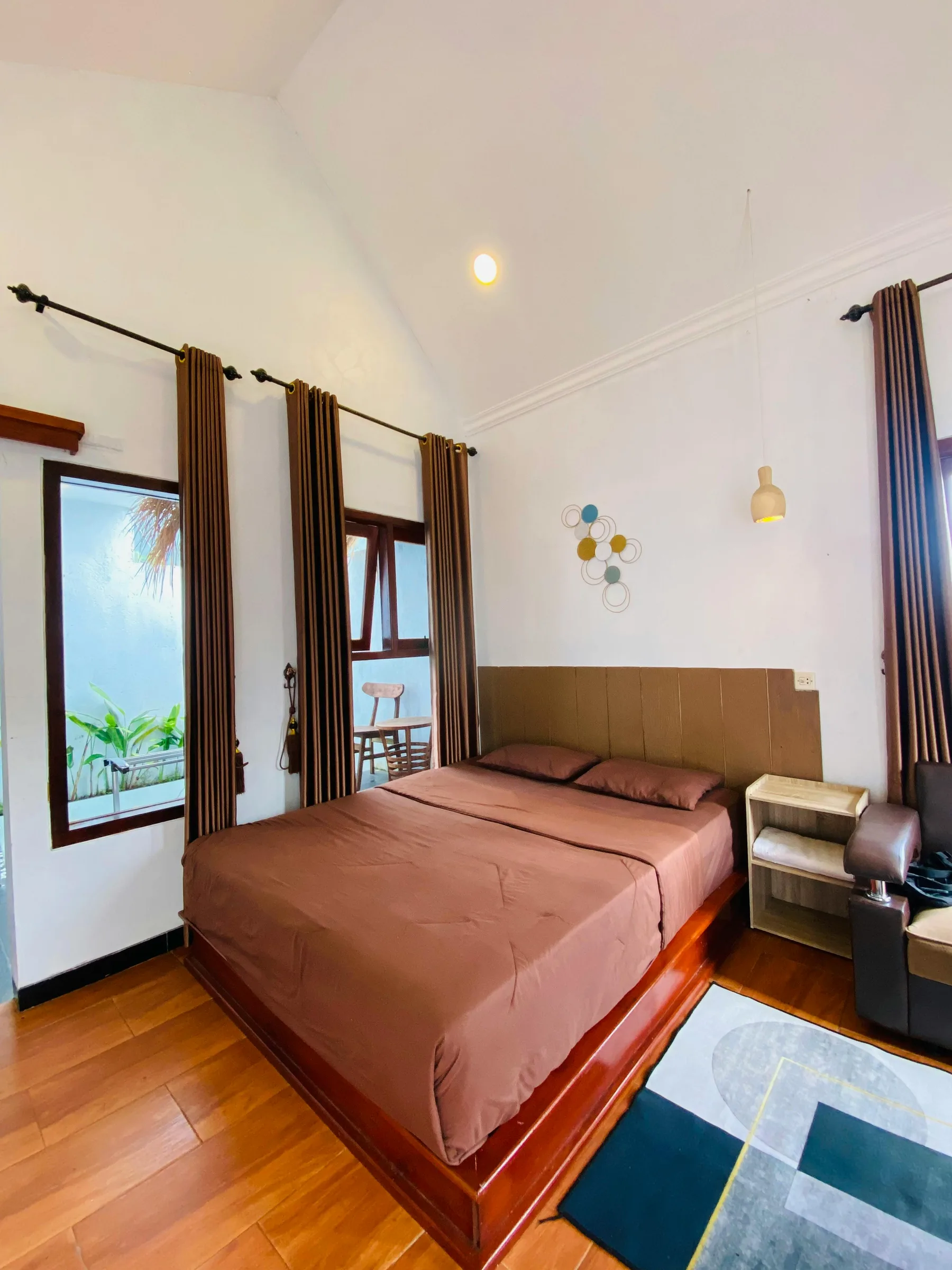
| Bedroom | Cream bedding, taupe headboard, soft clay textile | Keep the palette low-contrast but not muddy. |
| Kitchen | Stone counters, warm wood, clay ceramics, cream walls | Leave counters edited so earth texture does not become clutter. |
| Office | Mushroom wall, wood desk, warm lamp, clay accessory | Add enough clarity so grounded does not become sleepy. |
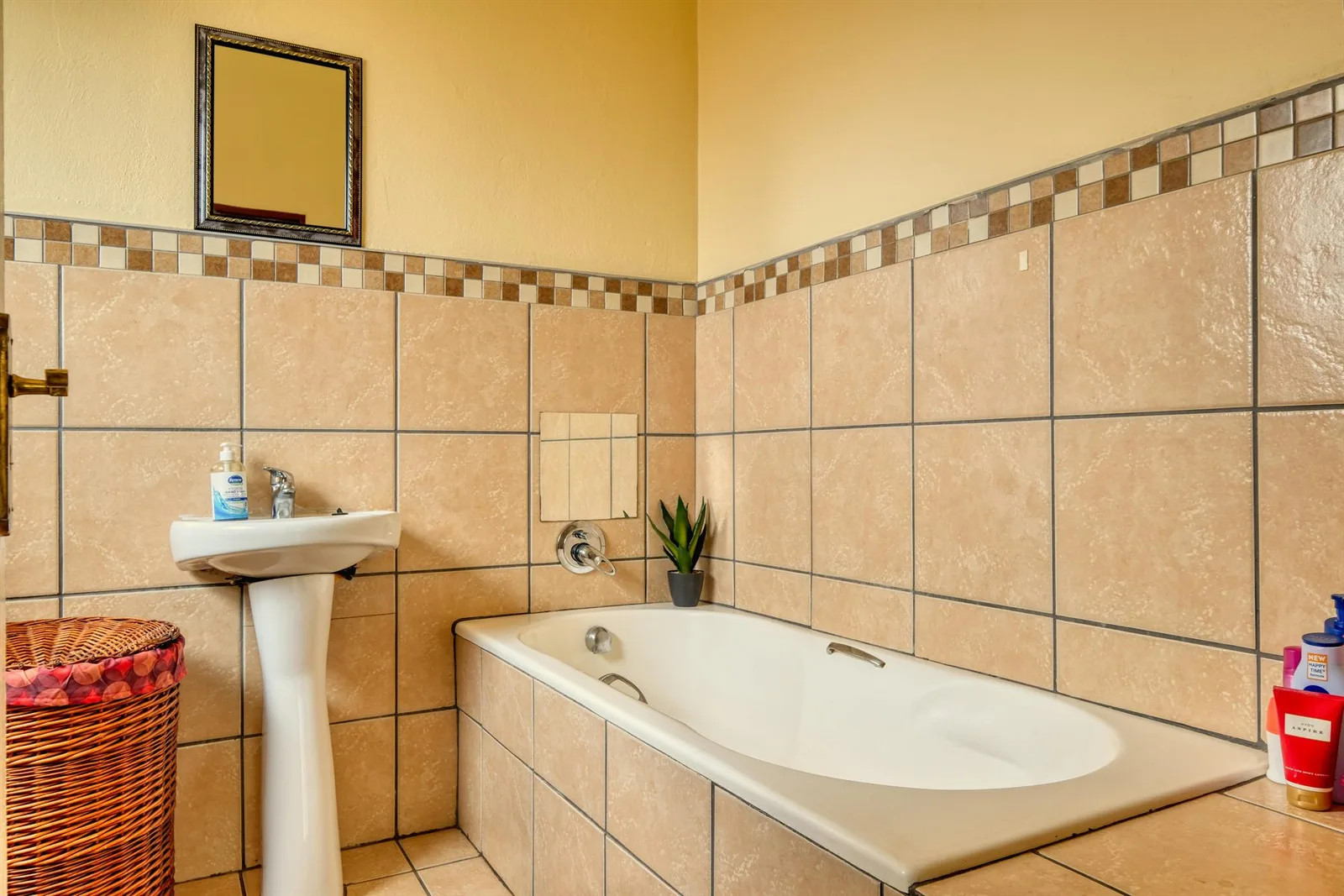
| Bathroom | Stone, warm white, sandy tile, one wood or clay accent | Keep the room fresh and ventilated so earth tones do not feel stale. |
Give earth color one main role
Best base color
Sand, beige, or warm cream
Earth element feels strongest when the larger room field already feels safe and grounded.
Best support color
Taupe or mushroom
Support colors add more structure without pulling the room too dark.
Best accent color
Clay or terracotta
A richer earth accent warms the room and keeps the palette from feeling sleepy.
What Weakens Earth Element Color
What to avoid with earth element colors
Avoid this
Flat beige + Cold taupe + Dusty gray
Flat beige everywhere with no texture or warmth can make the room feel tired instead of grounded.
Try this instead
Sand + Taupe + Clay
Warmer neutrals plus one clay or wood note make earth color feel steadier and more alive.
If you want broader whole-home help, feng shui colors for home, feng shui room colors, and feng shui color chart connect earth tones to the rest of the house.
Frequently Asked Questions
What are earth element colors in feng shui?
Where do earth element colors work best?
Are terracotta and clay earth element colors?
What weakens earth element color use?
The Bottom Line
The best feng shui earth element colors make a room feel warmer, steadier, and more supported. Sand, taupe, clay, terracotta, brown, and warm cream are the easiest place to start.
If the room feels more grounded without becoming dull, the earth palette is probably doing its job.