

Quick Answer
The feng shui colors to avoid are usually the ones that make the room feel harsher, louder, darker, or colder than it needs to. Harsh white, cold gray, aggressive red, and too much black are the most common troublemakers, but the real test is still how the room feels once the color takes over.
A color is rarely bad in a vacuum. It becomes a problem when it makes the room harder to relax in, harder to connect in, or harder to soften with the furniture and light you actually have.
That is why the better question is not which colors are forbidden. It is which colors are easiest to overdo. In real homes, the hardest colors usually push the room toward glare, flatness, visual heaviness, or constant stimulation.
The Colors That Usually Cause the Most Trouble
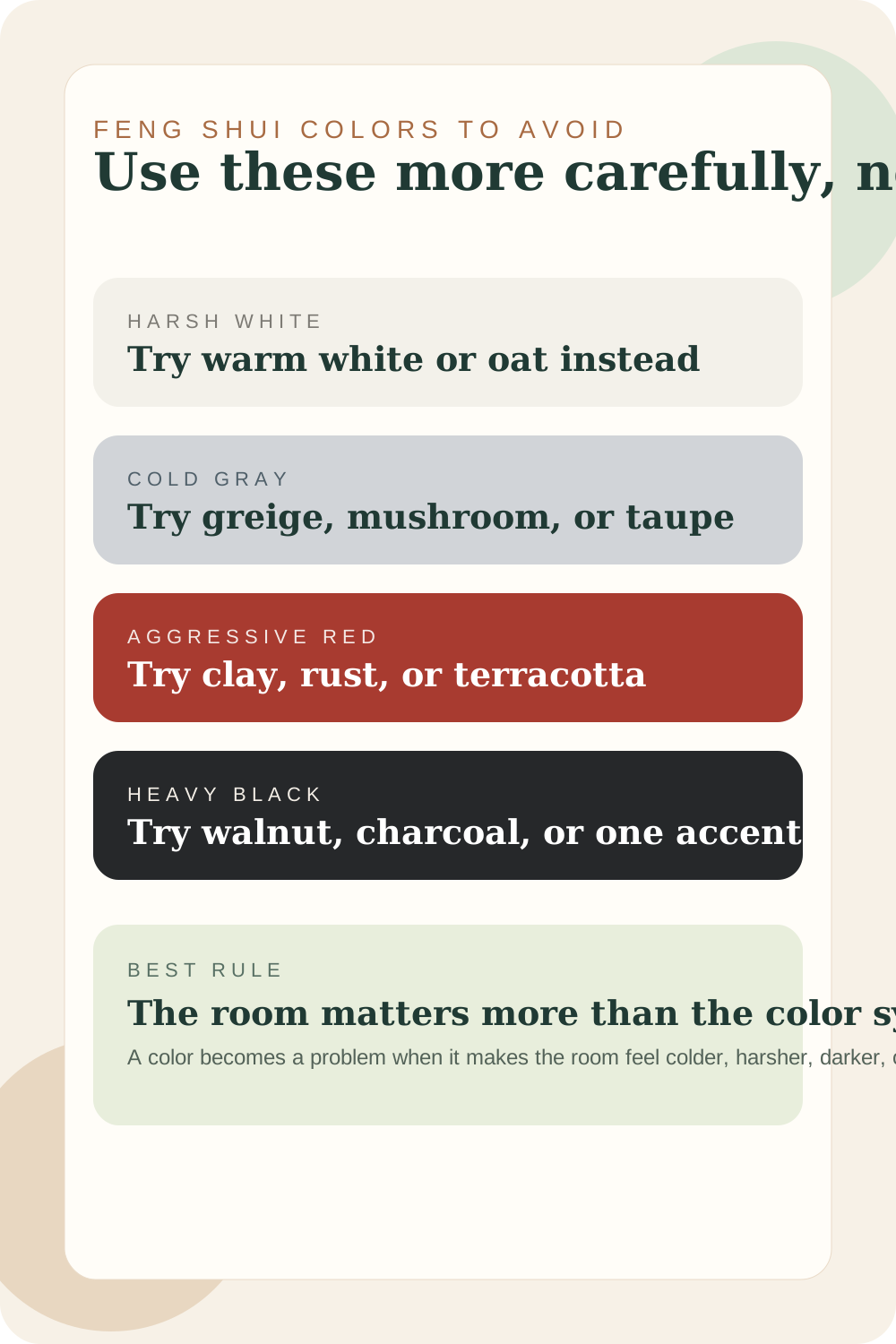
Use these colors more carefully
None of these are automatic deal-breakers. They just become difficult faster when the room already has stress points.
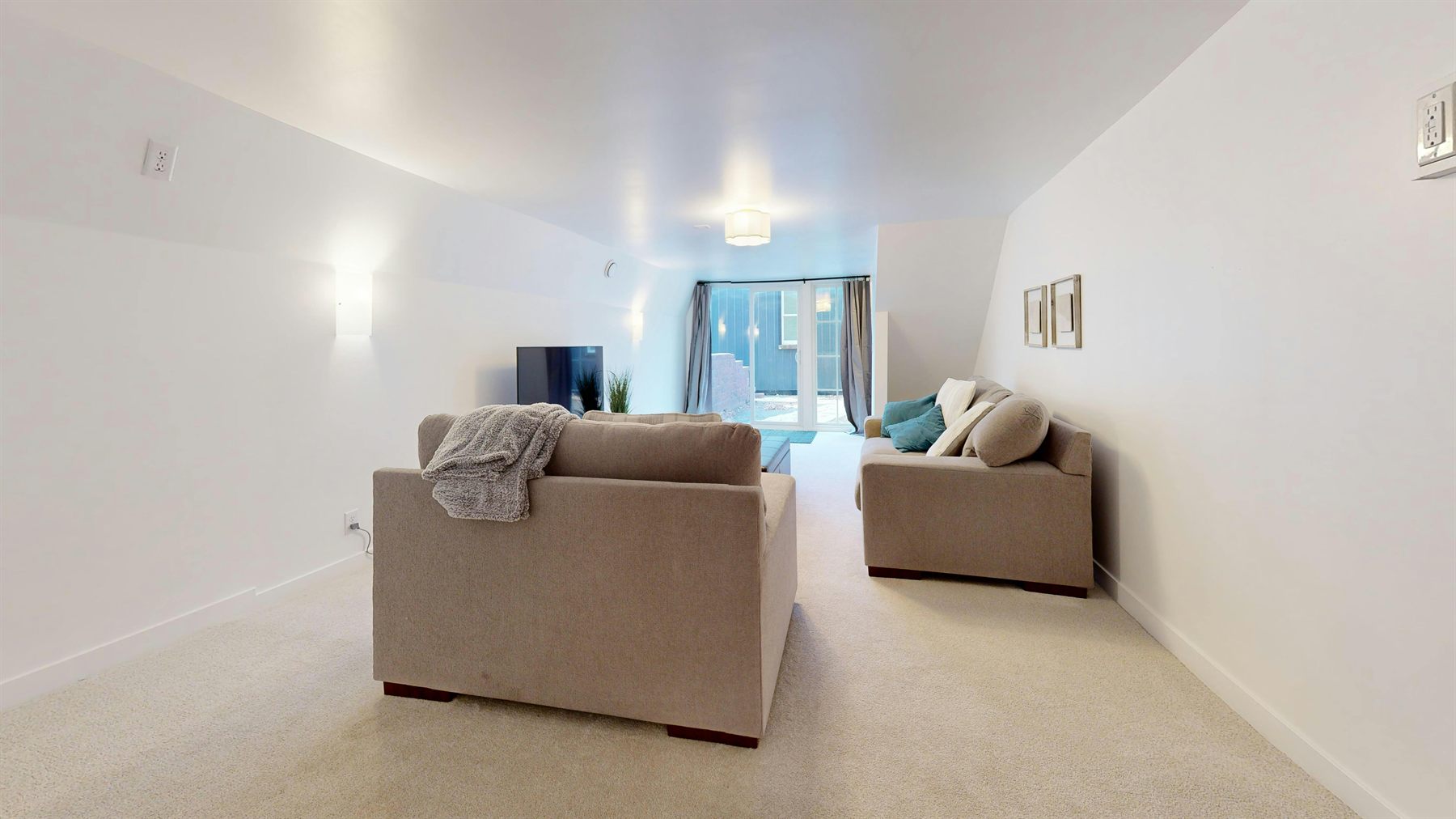
Harsh white
Too stark
Harsh white + Warm white + Oat
The issue is not white itself. The issue is a white that feels sterile, glaring, or too sharp against cooler light.
Cold gray
Too drained
Cold gray + Greige + Mushroom
Gray can flatten a room quickly when the house already lacks warmth, sunlight, or natural wood to soften it.
Aggressive red
Too activated
Aggressive red + Clay + Rust
Stronger red usually works better in controlled accents than across big walls, upholstery, or highly visible zones.
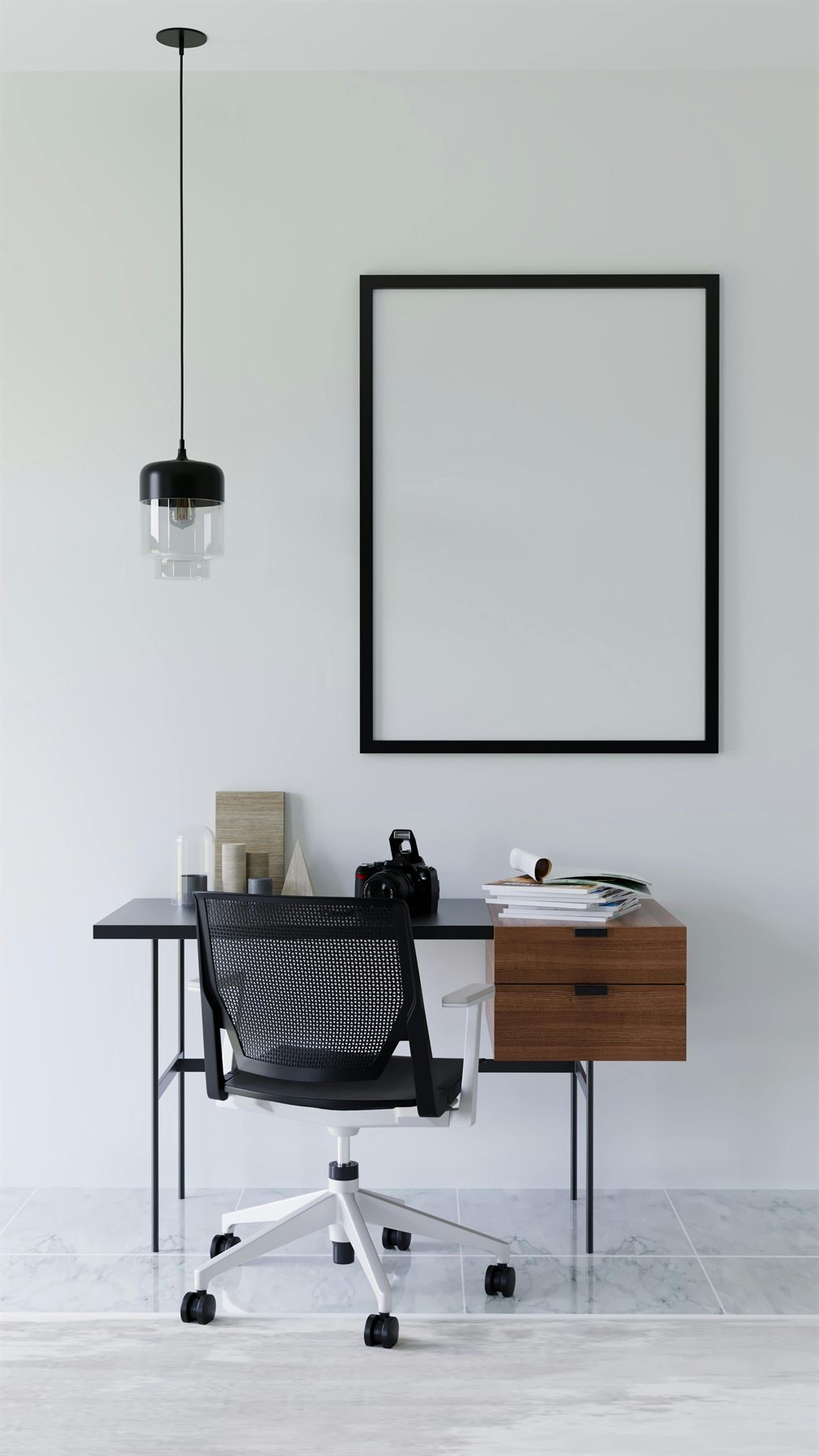
Heavy black
Too closed-in
Heavy black + Walnut + Charcoal
Black can feel rooted in small doses, but too much black can make a room feel visually shut down if it already reads dark.
What to Use Instead So the Room Still Feels Good
The usual color mistake
Avoid this
Harsh white + Cold gray + Red
A room with harsh white, cold gray, strong red, and black trim can quickly feel severe, tense, or emotionally cold.
Try this instead
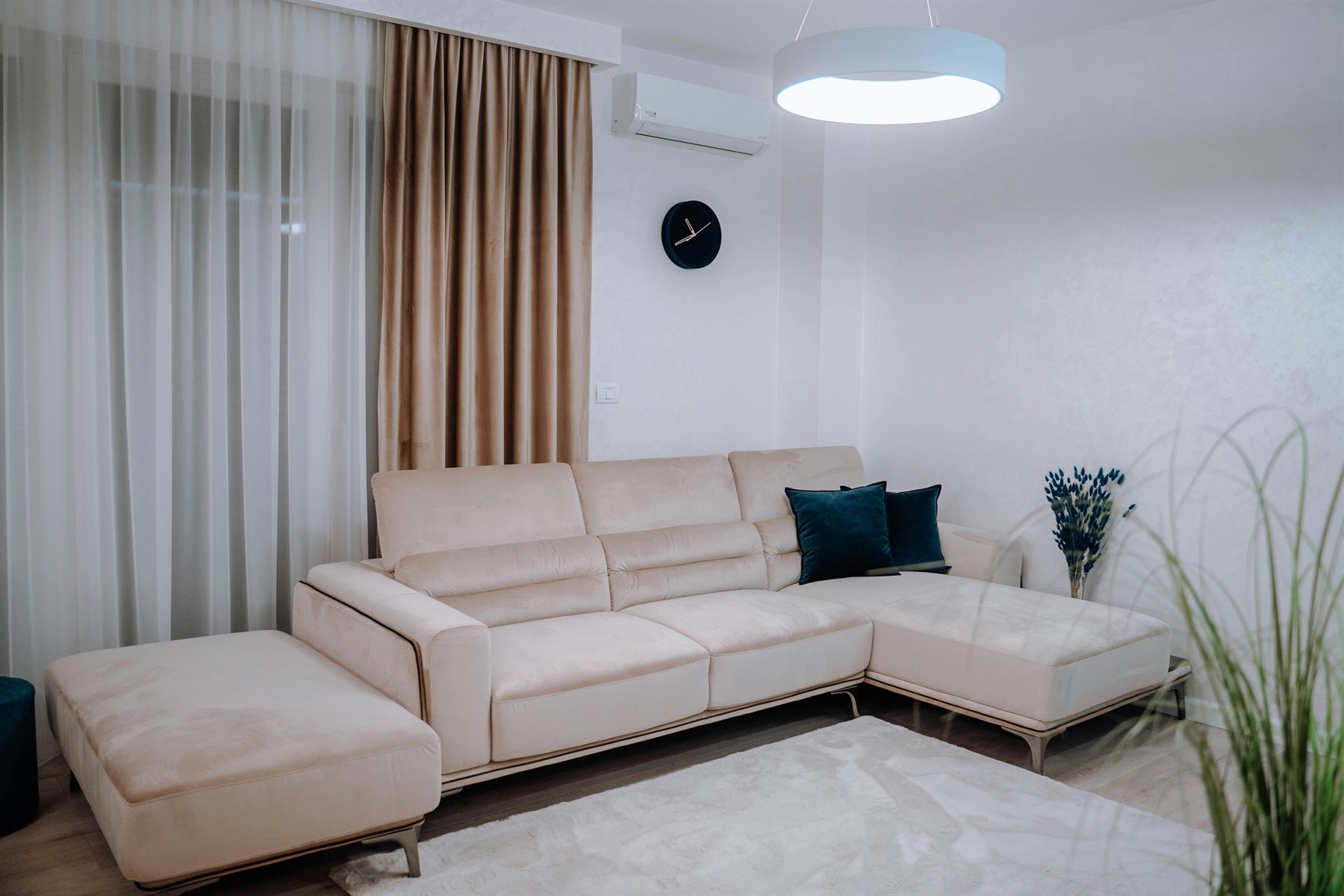
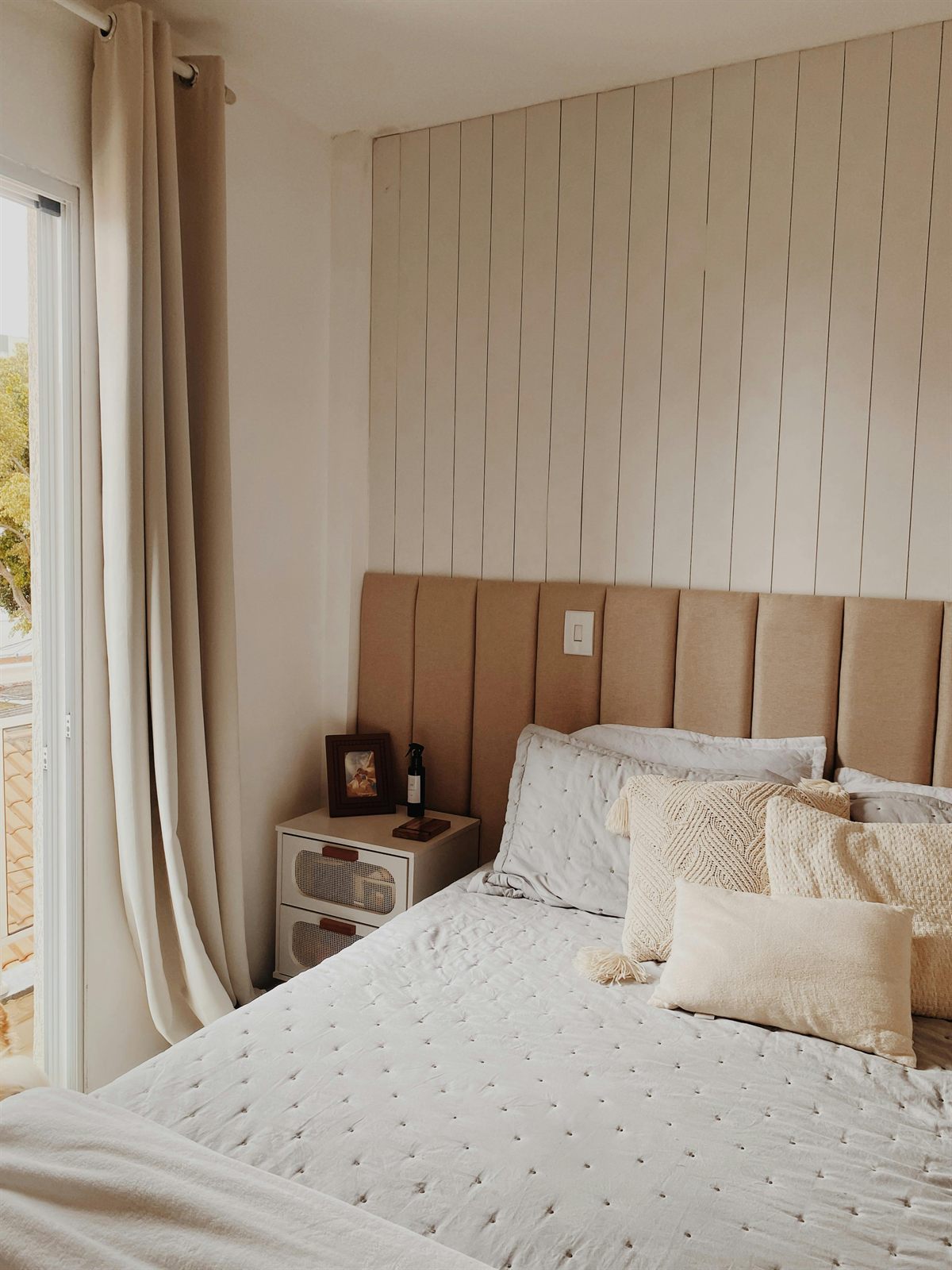
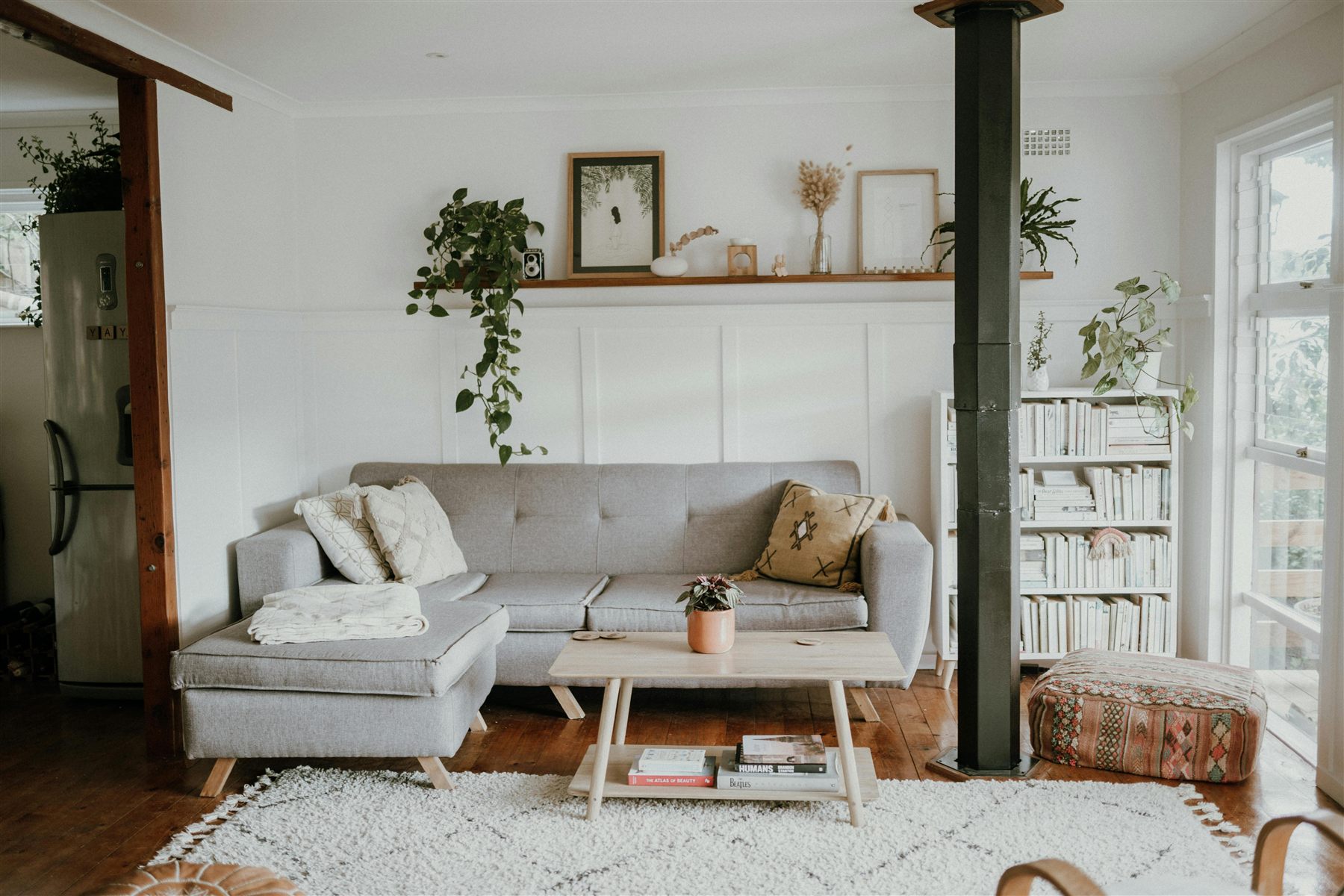
Warm cream + Greige + Clay
A warmer, quieter palette usually gives the same structure while still feeling more welcoming and more balanced.
Replace the problem by the feeling it is creating
If the room feels too stark
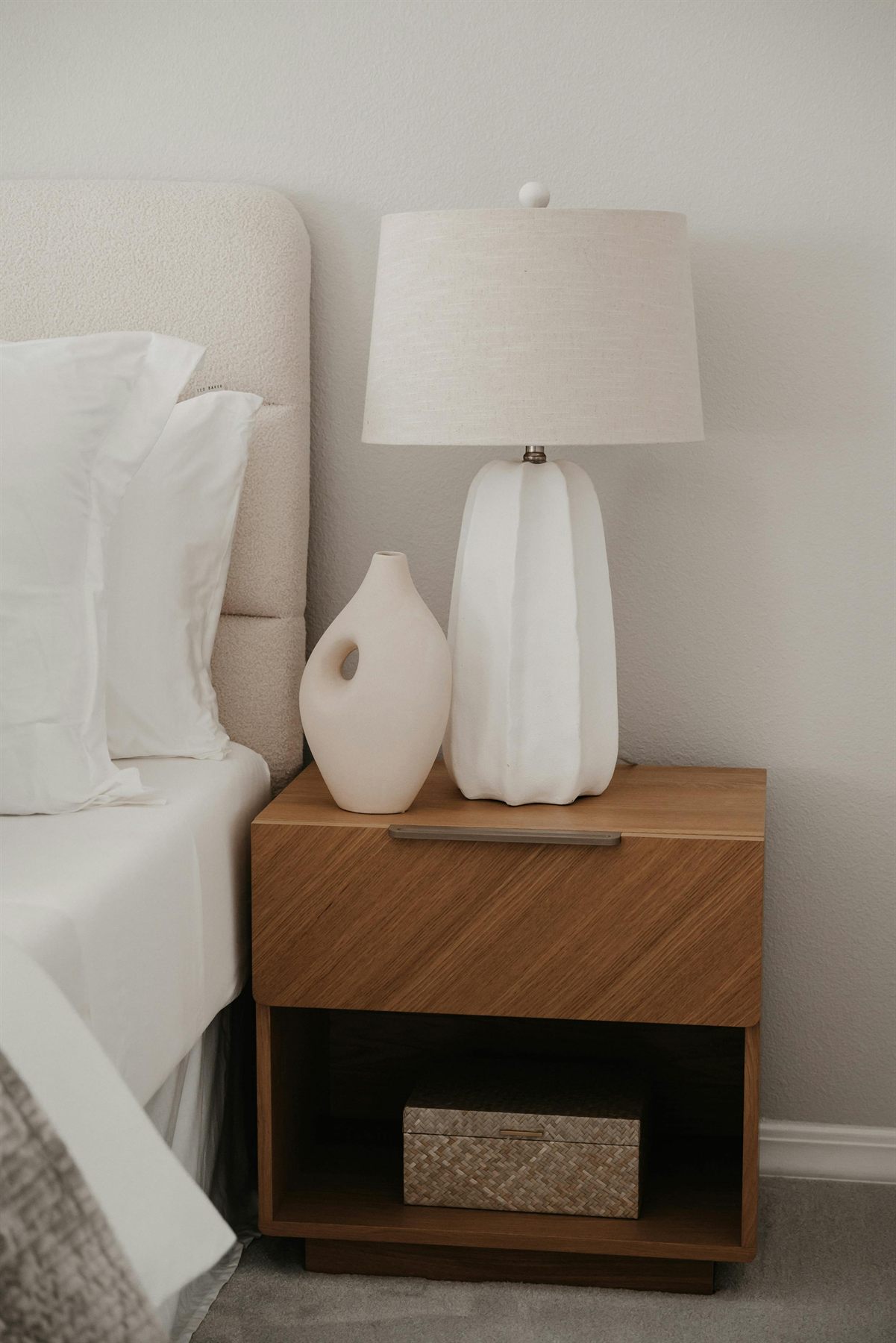
Warm white or oat
This keeps the brightness but removes the hospital-like edge that shows up in cooler, harsher whites.
If the room feels too drained
Greige or mushroom
These colors still read calm, but they hold onto more warmth and depth than cold gray usually does.
If the room feels too intense
Clay, rust, or terracotta
These warmer reds keep the life and warmth but do not hit the nervous system as hard as stronger red usually does.
How to Tell When the Color Is Actually the Problem
A color is probably the problem when the room still feels off even though the layout, furniture, and clutter are not terrible. If the space feels too sharp, too cold, too sleepy, or too loud, the palette may be exaggerating the issue.
What usually helps
- +Test whether the room needs softer undertones before chasing a stronger symbolic color.
- +Use the replacement shade in the biggest visual field first, such as walls, a rug, or drapery.
- +Let wood, natural texture, and warm light do some of the balancing work.
- +Adjust the palette by room function, not just by trend.
What usually makes it worse
- -Assuming a color is lucky just because the symbolism sounds right.
- -Letting one difficult shade dominate the whole room.
- -Using black or red as the main story in a room that already feels dark or intense.
- -Replacing one harsh color with another equally strong option.
Symbolism should not make the room harder to live with
If the color theory sounds good but the room feels worse every evening, the room is giving you the real answer.
If you want the more positive side of this topic, feng shui color palette ideas, feng shui room colors, and feng shui colors for home are the best next reads. If the question is really about money color or abundance color, go to feng shui color that attracts money and colors that attract abundance.
Frequently Asked Questions
What colors should be avoided in feng shui?
Is red always bad in feng shui?
Is black bad in feng shui?
What should I use instead of cold gray?
The Bottom Line
The feng shui colors to avoid are usually the ones that make the room feel harsher, darker, more restless, or more emotionally flat than it needs to. That is why harsh white, cold gray, aggressive red, and heavy black are the easiest colors to overdo.
The better replacement is usually softer, warmer, or more grounded. If the room feels easier to live in after the change, that matters more than the color label by itself.