Decor Ideas

Feng Shui Aesthetic

A feng shui aesthetic feels softer, quieter, and more grounded than trend-driven decor. It is less about buying special objects and more about how color, light, spacing, and materials work together.

Kim Colwell
||11 min read

Summarize this article with:

Quick Answer

The feng shui aesthetic looks calm, airy, grounded, and lightly layered. It favors softer color, natural materials, warm light, better spacing, and decor that makes the room feel more intentional instead of more crowded.

Feng shui aesthetic is less a formula and more a feeling. When it is done well, the room feels easier to breathe in, easier to move through, and easier to settle into.

A lot of people imagine feng shui aesthetic as either very minimal or very mystical, but most real rooms land somewhere calmer and warmer than that. The strongest spaces combine softer color, natural texture, edited styling, and enough empty space that the decor can actually register. If you are trying to compare this mood more directly with another calm design language, feng shui vs wabi sabi is the best next read.

What a Feng Shui Aesthetic Looks Like

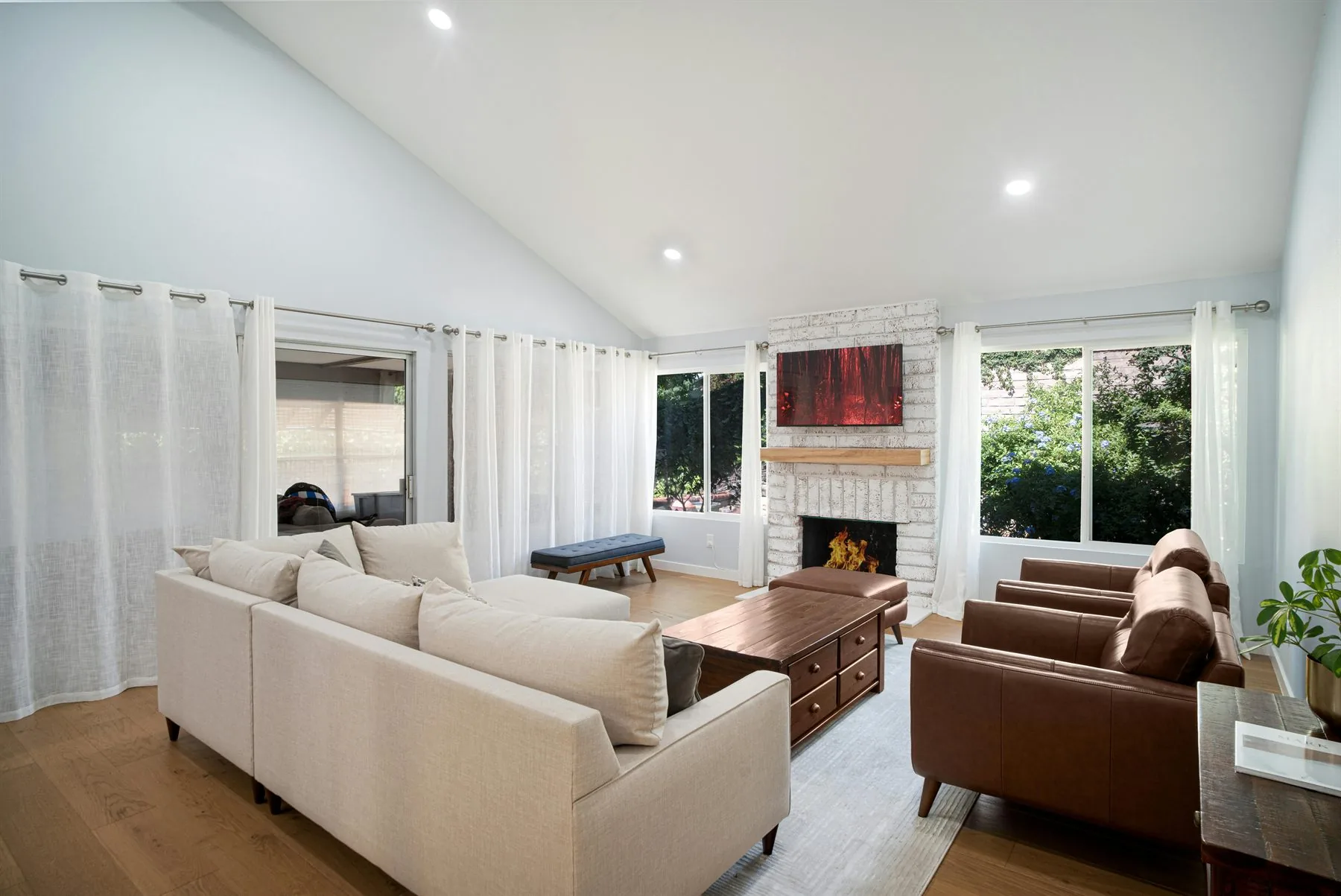
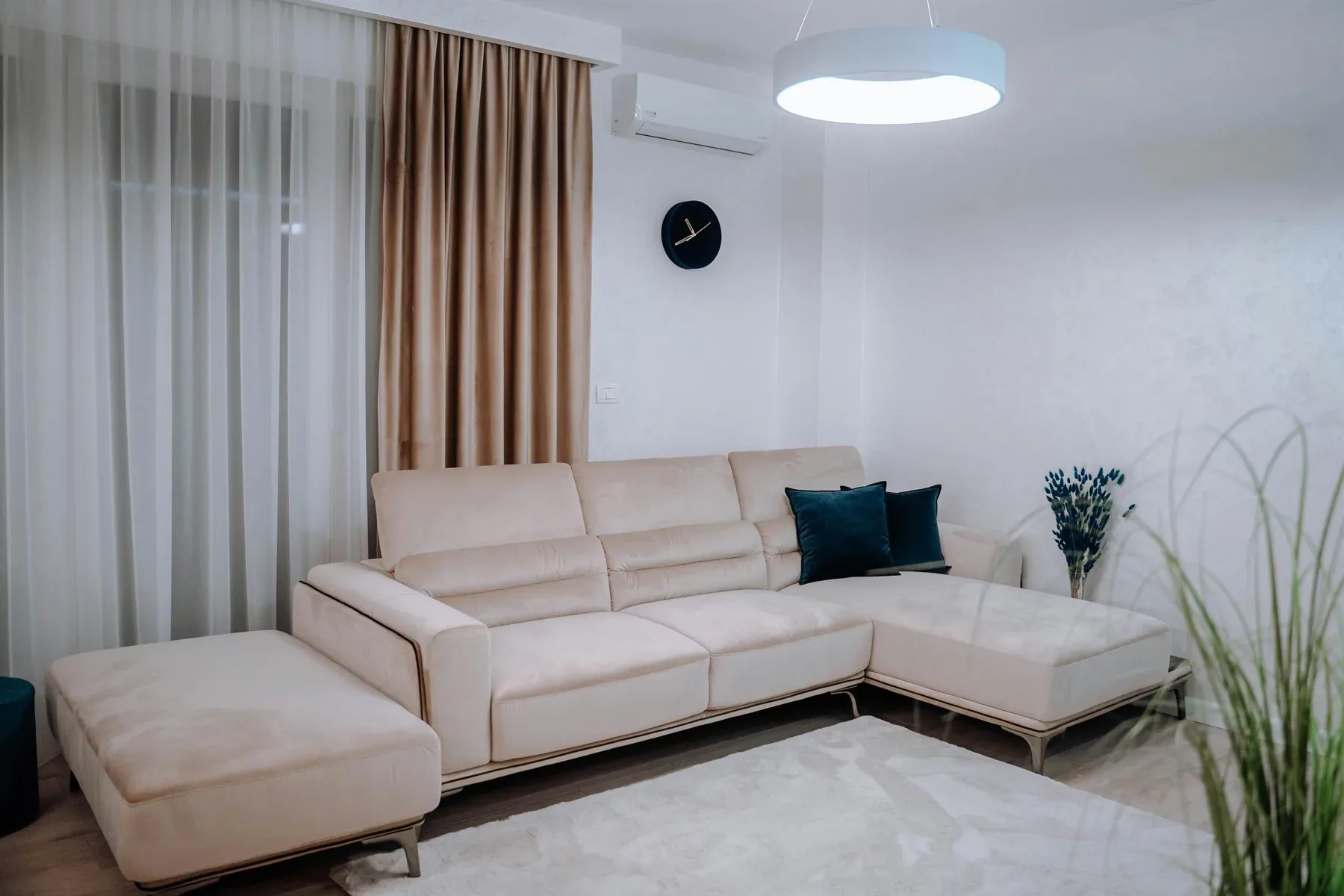
The aesthetic is often more about atmosphere than objects. Soft light, pale fabric, and wood already do a lot of the work.
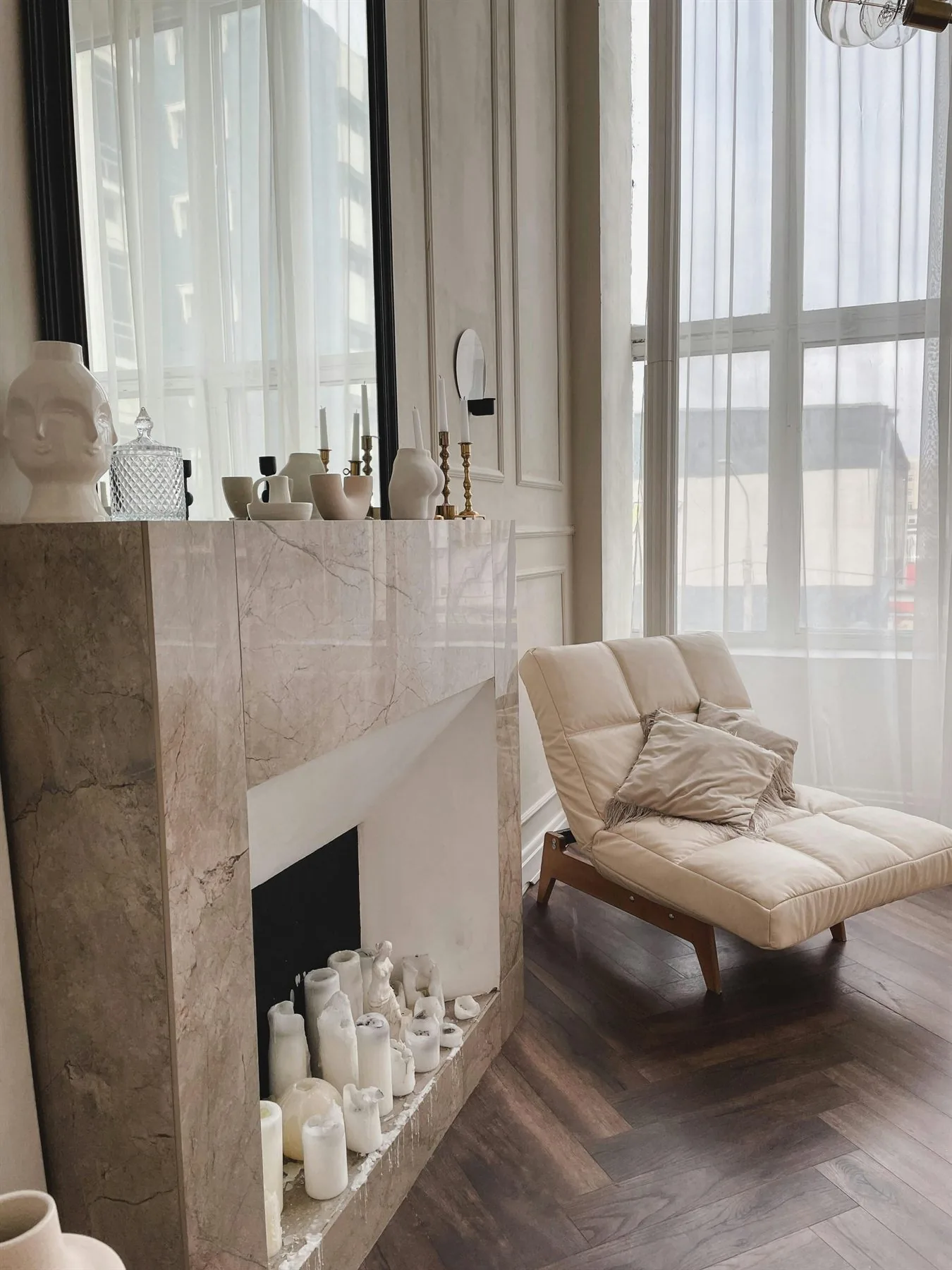
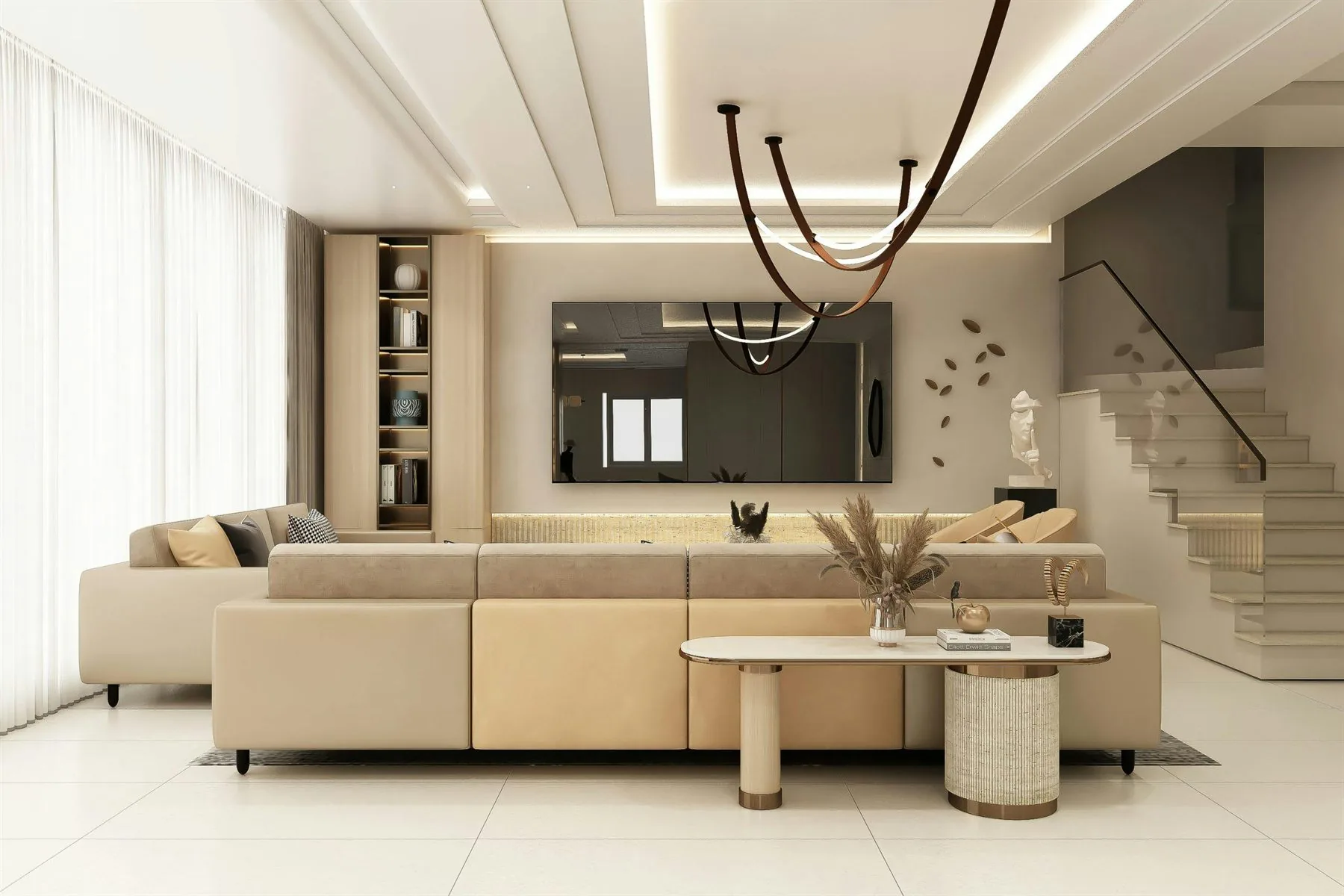
Even a more refined room can still fit the aesthetic when the palette stays warm and the styling does not feel overworked.
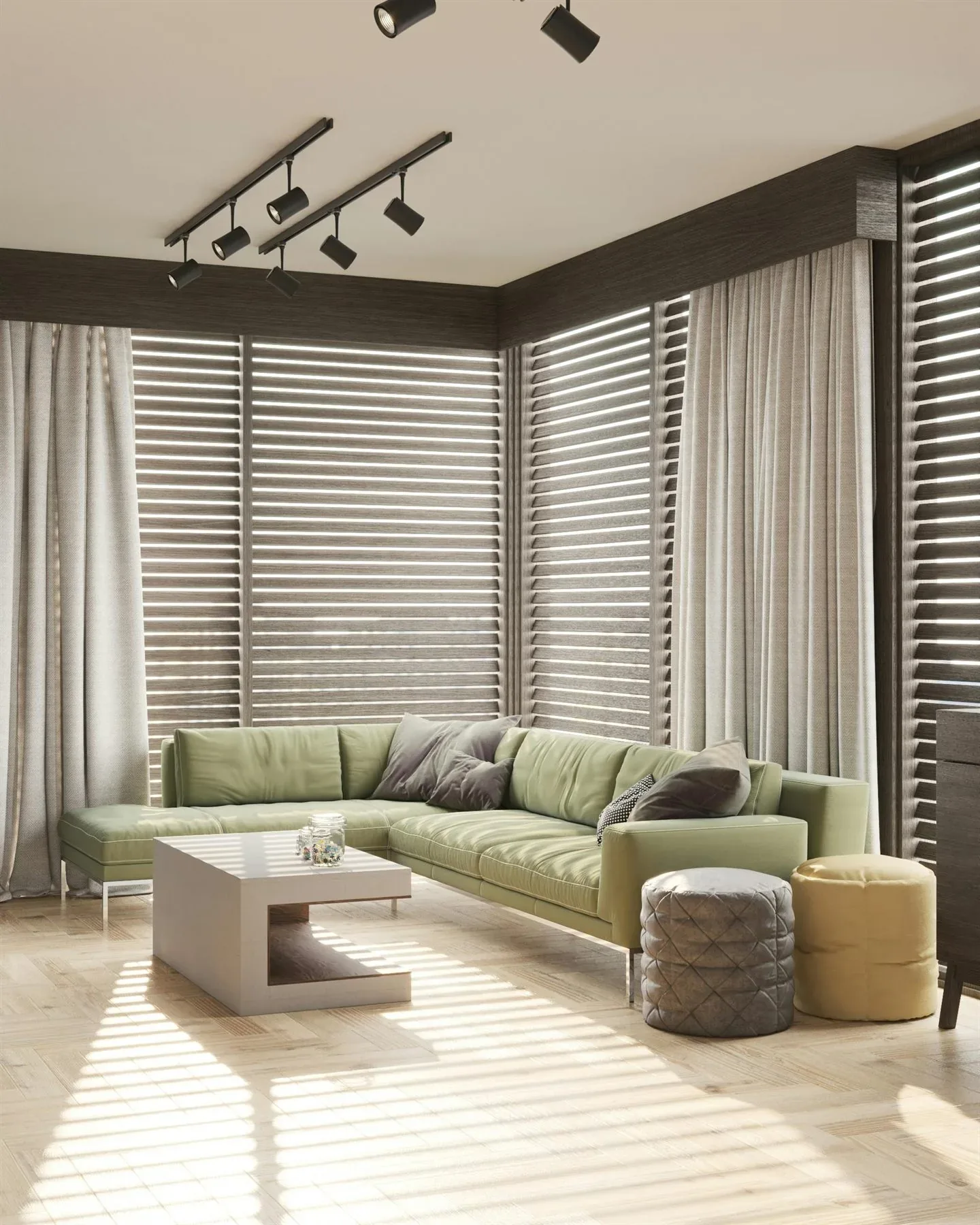
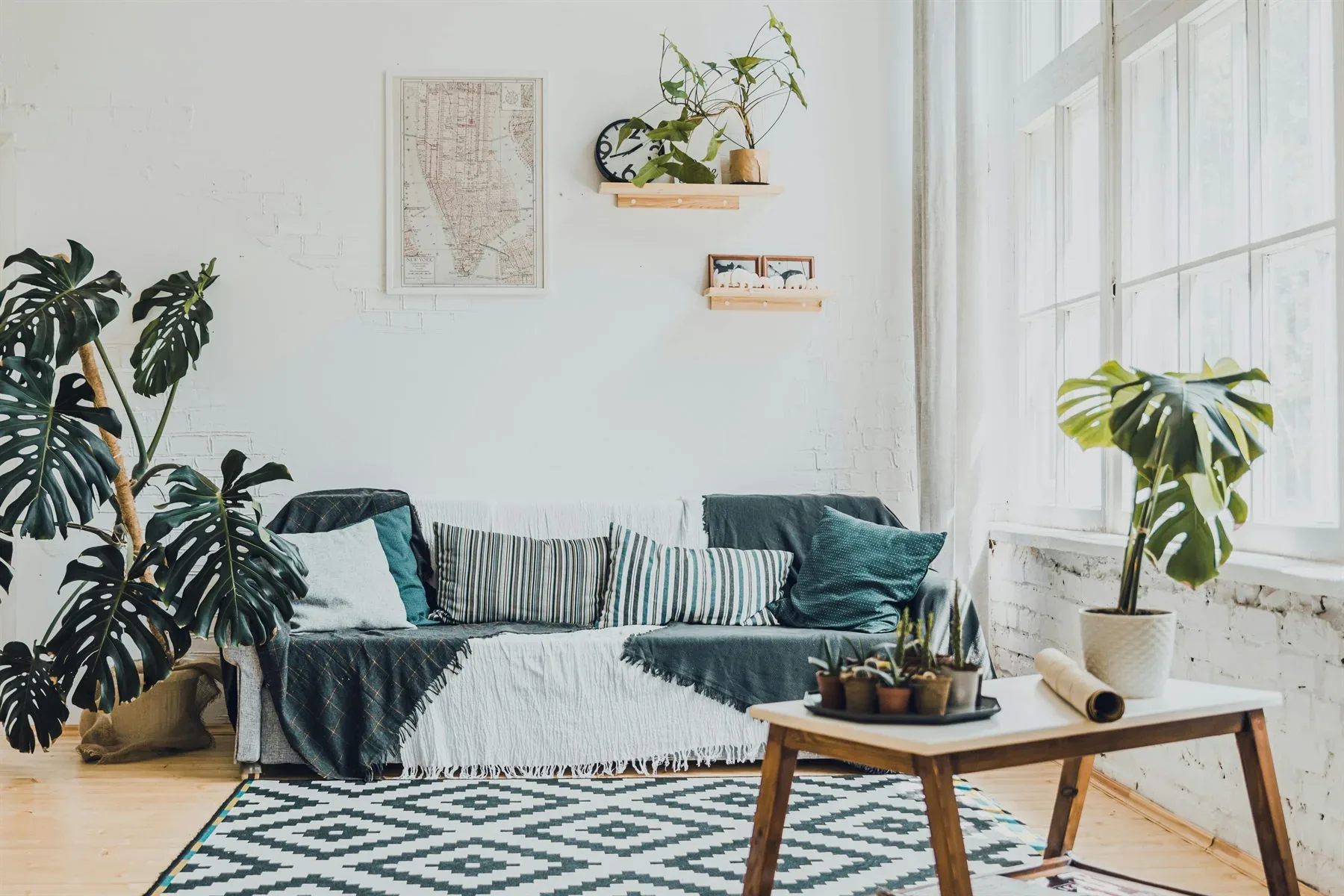
Sage works well in this aesthetic when it feels softened by texture, warm neutrals, and enough empty space.
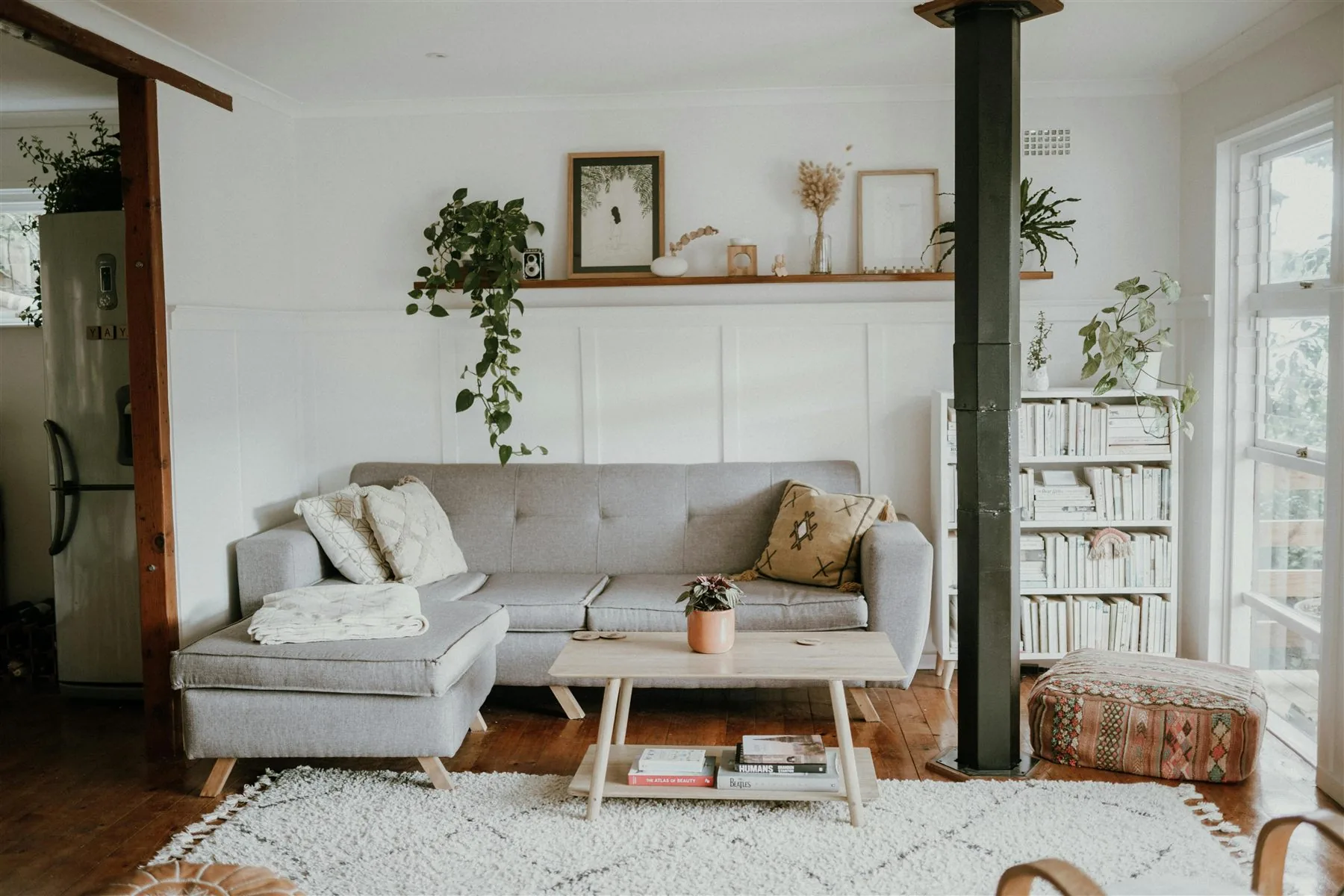
A neutral room can still feel alive when one cooler accent, a plant, and warm flooring keep the palette from going flat.

The Style Elements That Make It Feel Right

These five things show up again and again.

1

Softer color

Warm neutrals, sage, muted blue-green, clay accents, and wood tones often create a calmer base than sharper trend colors.

2

Natural materials

Wood, stone, linen, woven texture, clay, and lightly aged metal help a room feel more grounded.

3

Better spacing

The furniture has enough breathing room that pathways feel obvious and the room does not look crowded.

4

Warm layered light

A room with softer lamps and directional light feels more inviting than one relying only on overhead brightness.

5

Edited decor

Objects feel related to each other and to the room. There is personality, but not random visual noise.

Natural materials are one of the biggest reasons this kind of room feels grounded instead of generic.
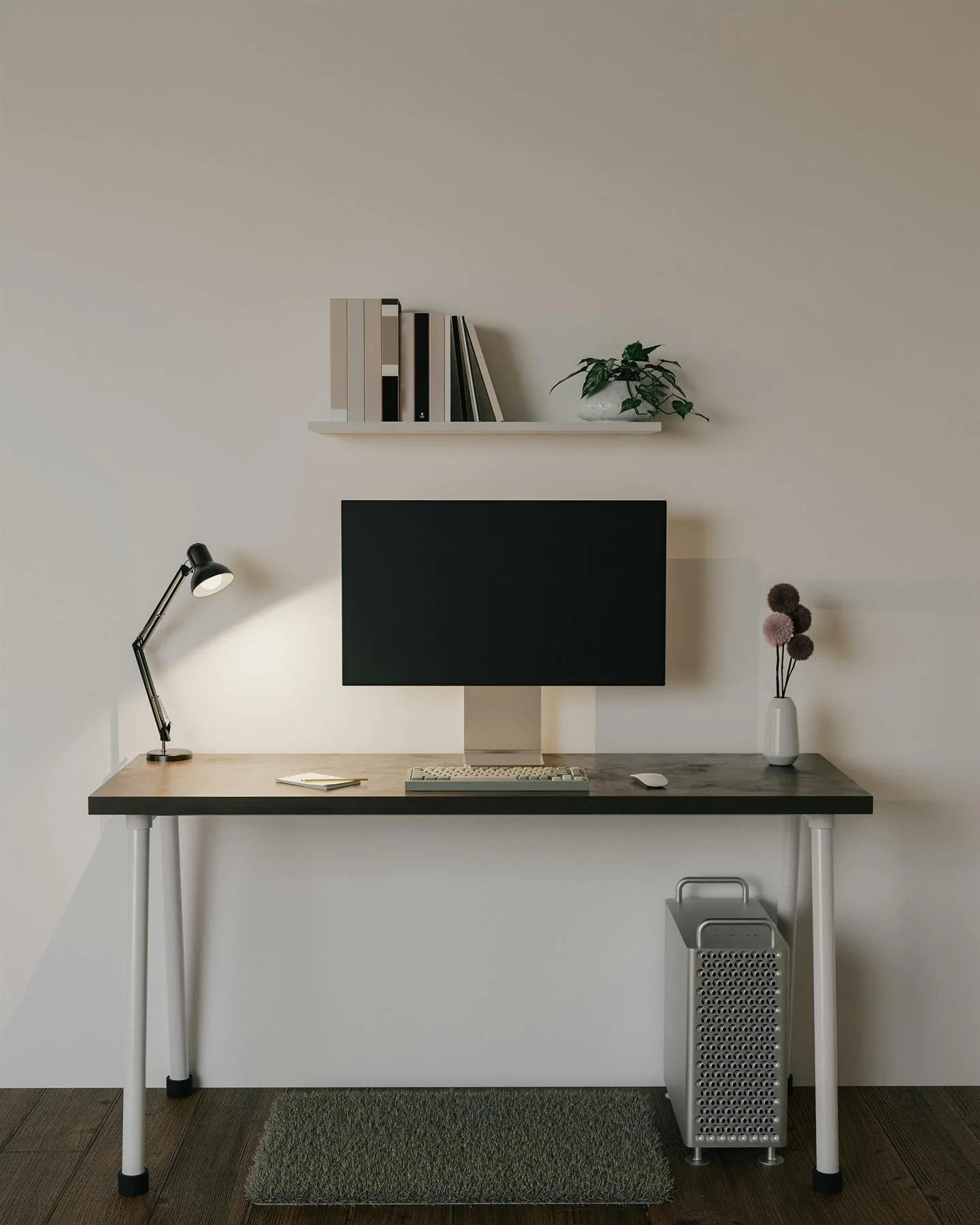
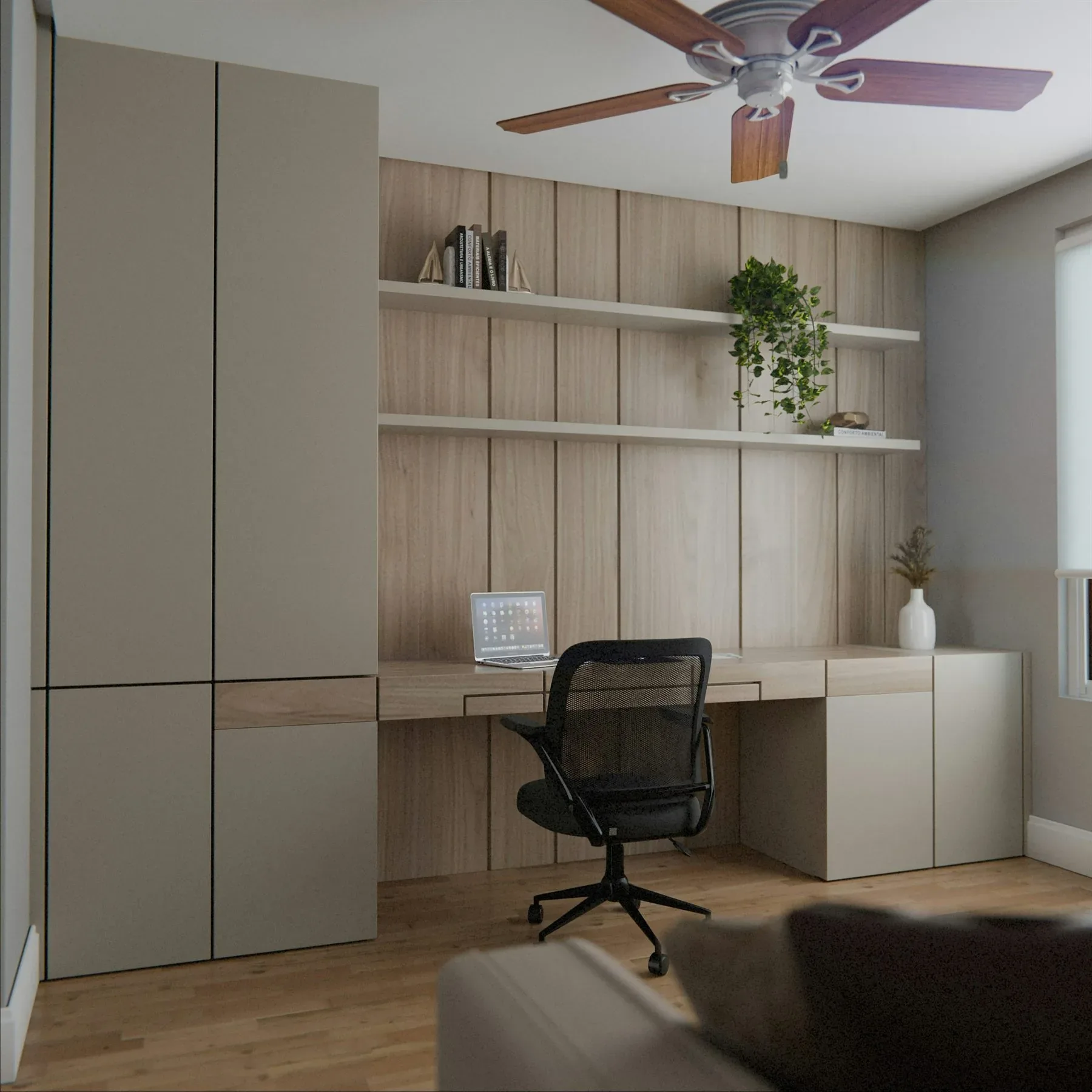
Even a workspace can fit the aesthetic if the palette stays quiet and the room feels intentionally arranged.
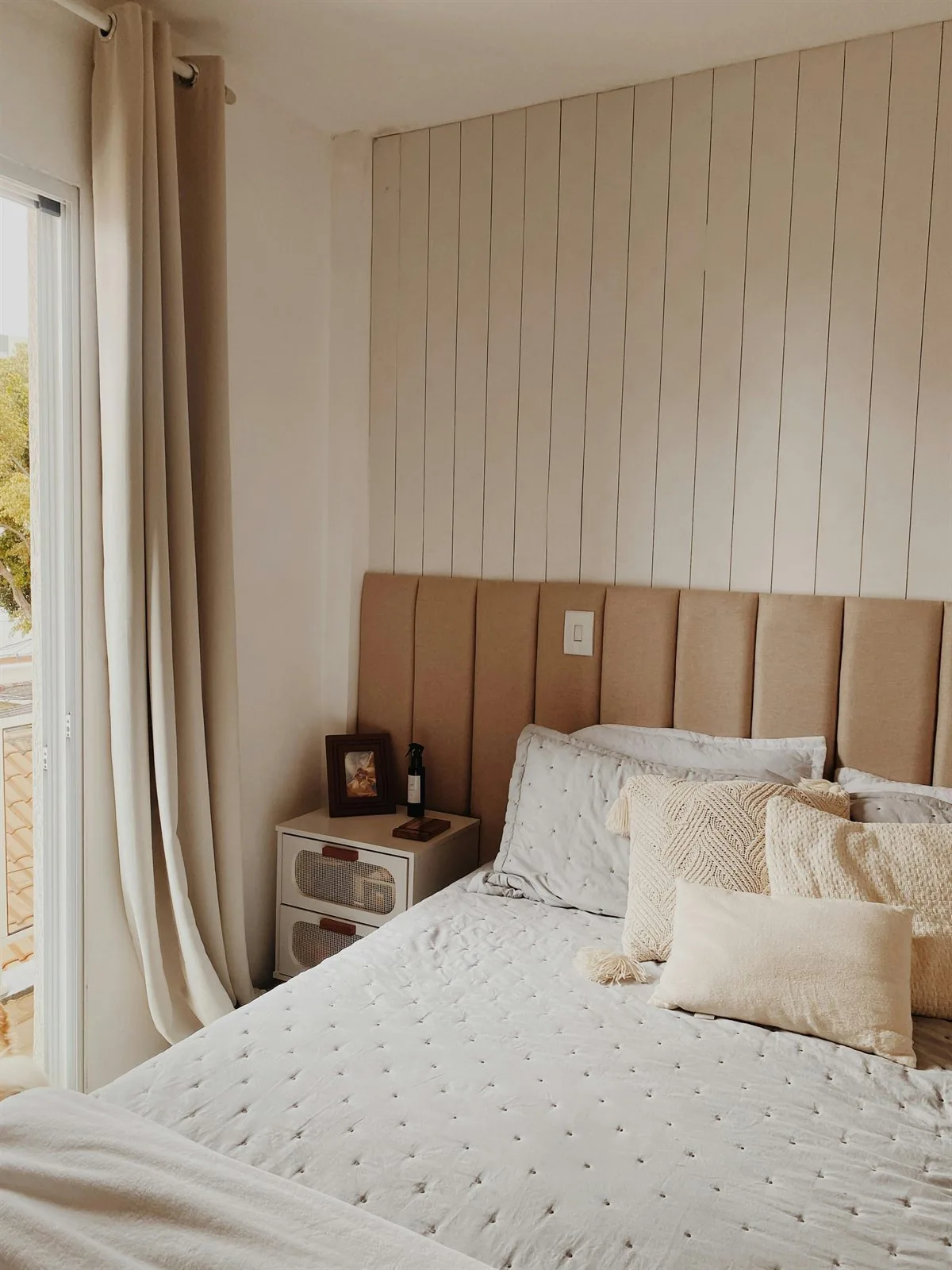
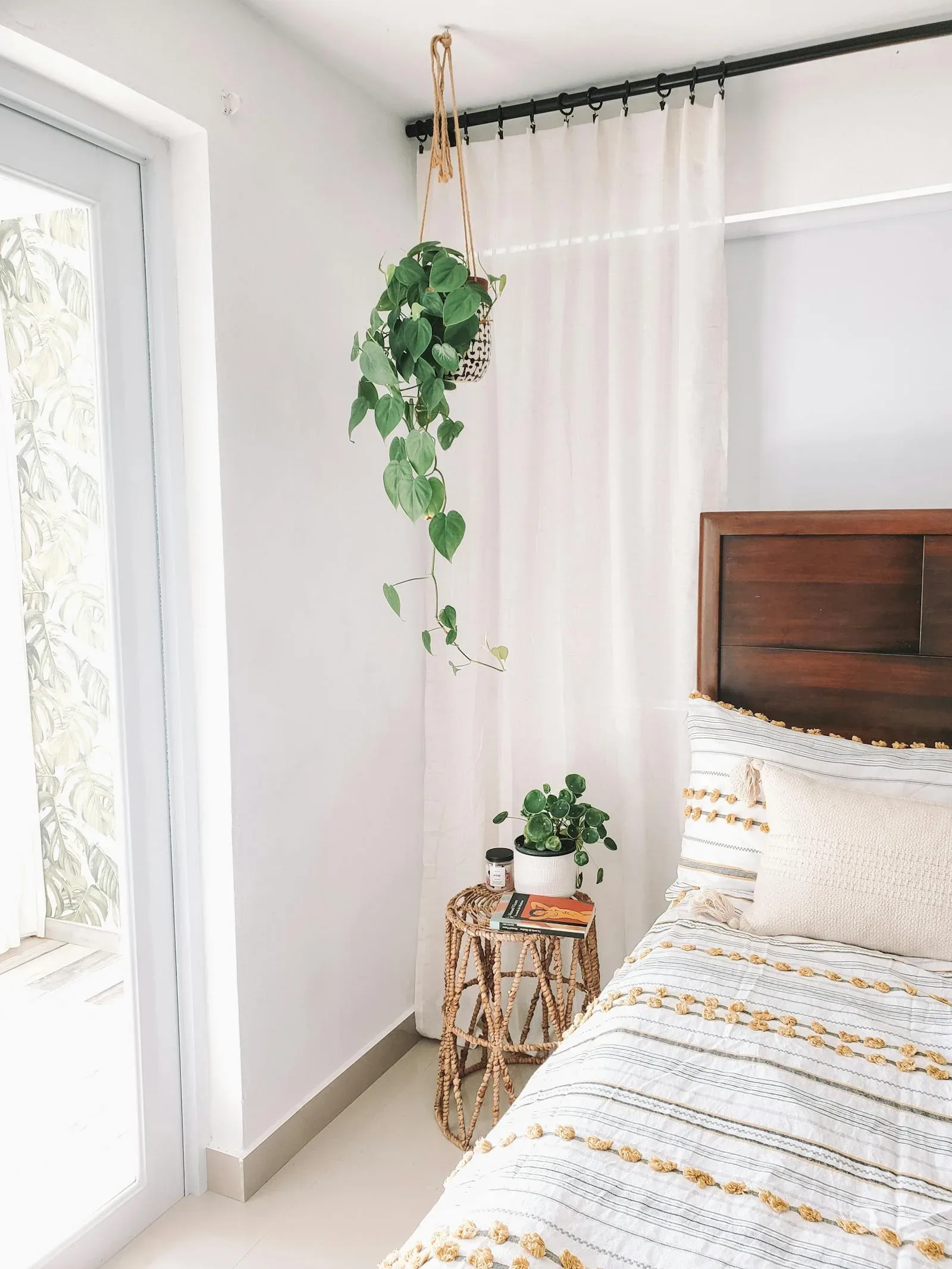
Bedrooms often show the aesthetic best because softness, rest, and lower visual tension are already the goal.

Feng Shui Aesthetic Room and Detail Ideas

The look becomes easier to copy when you separate it into room moments: a softer sitting area, a warmer shelf, one grounded dining setup, a quiet desk, a bedroom corner, or a bathroom that does not feel cold.

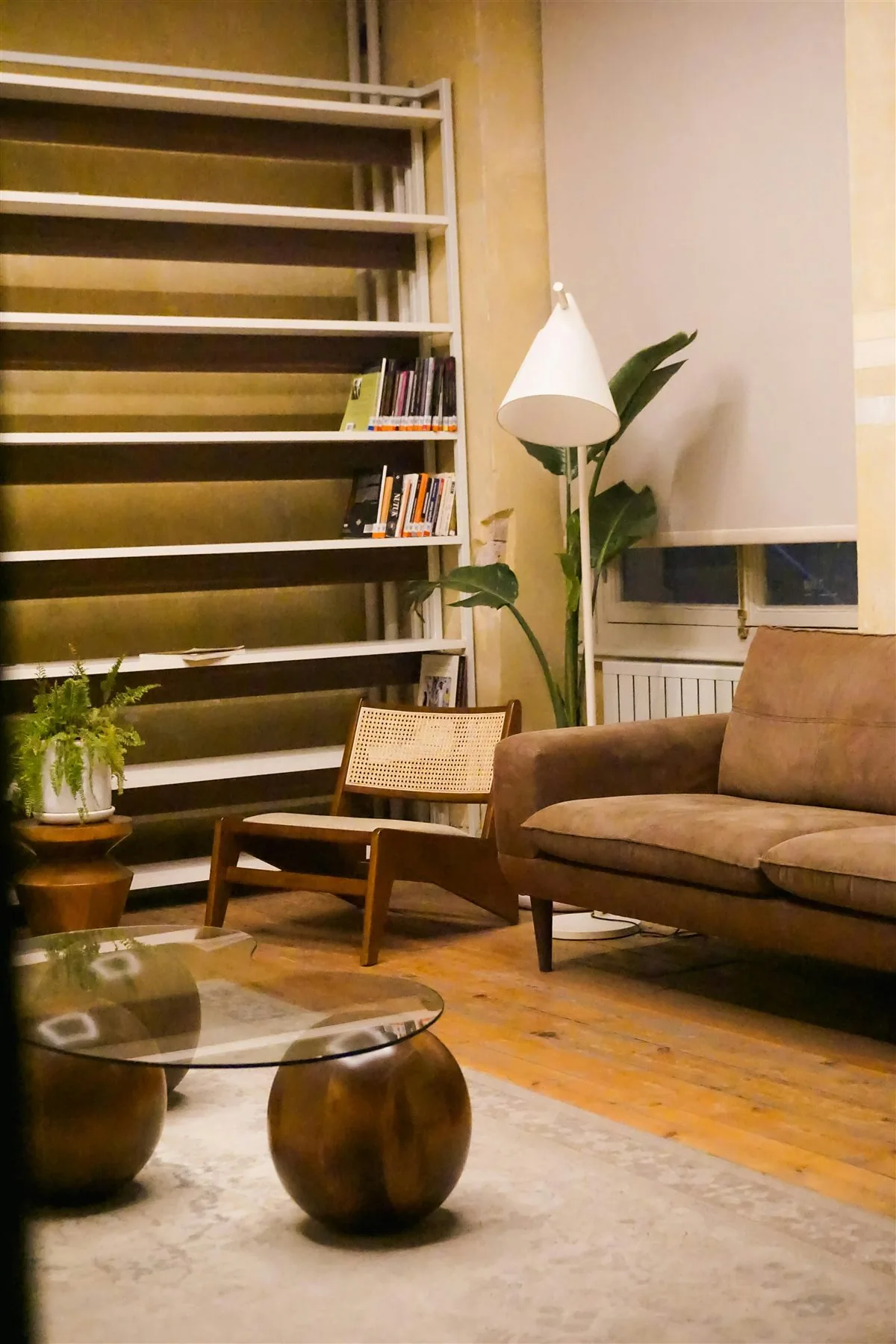
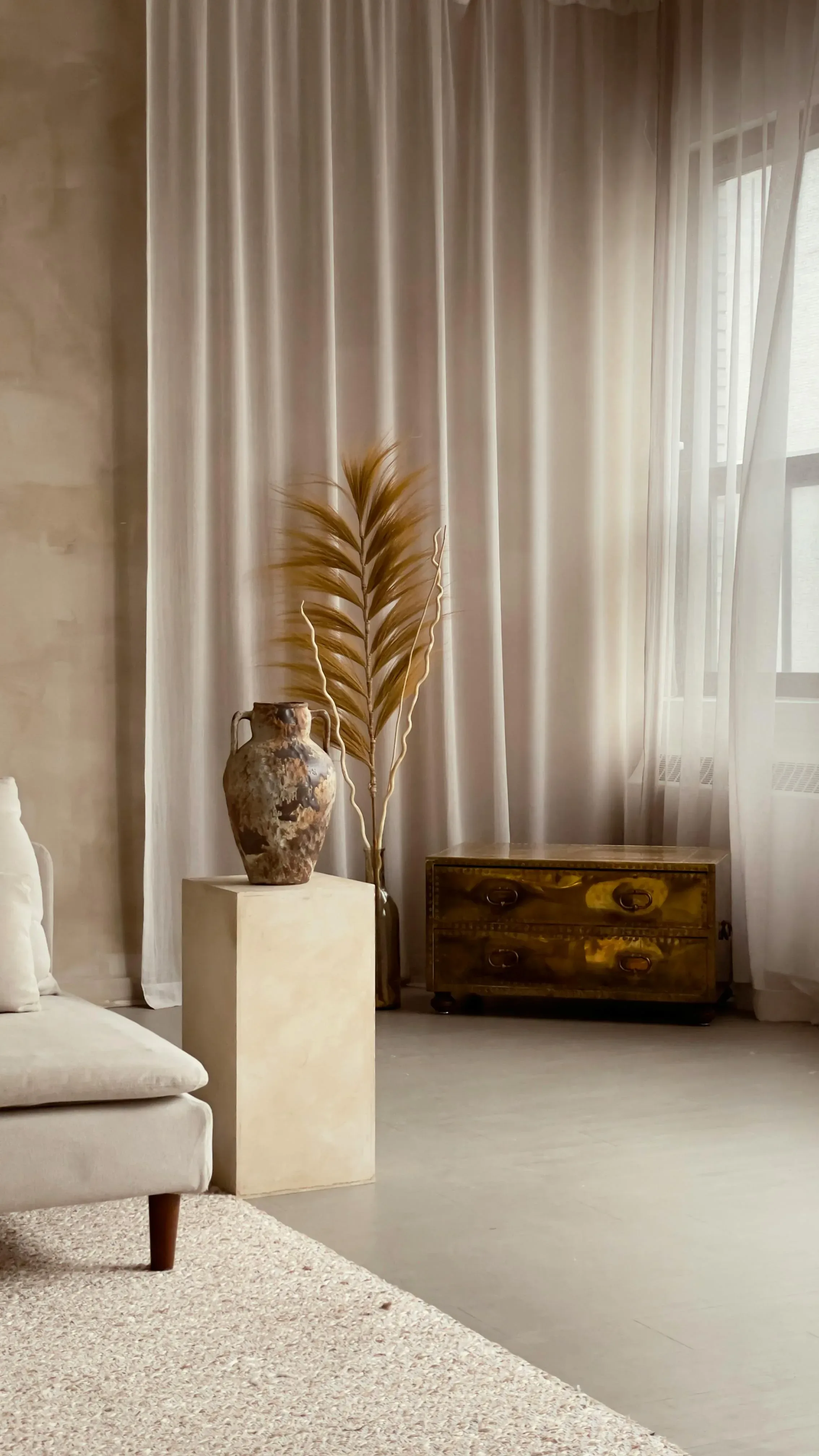
A single vintage corner can carry the aesthetic when the materials feel warm and the styling stays edited.
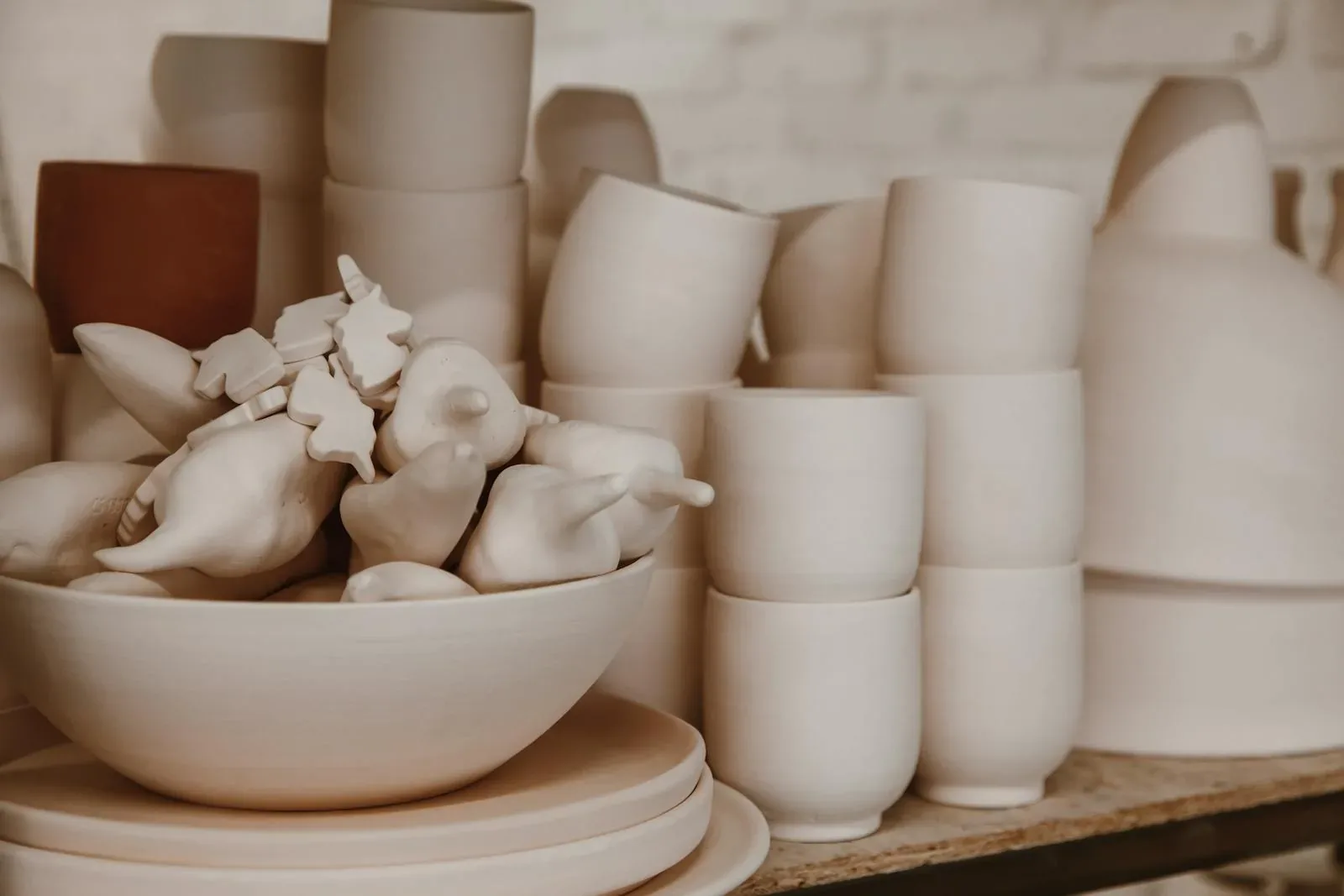
Ceramics help when they add texture and shape without turning the shelf into visual clutter.
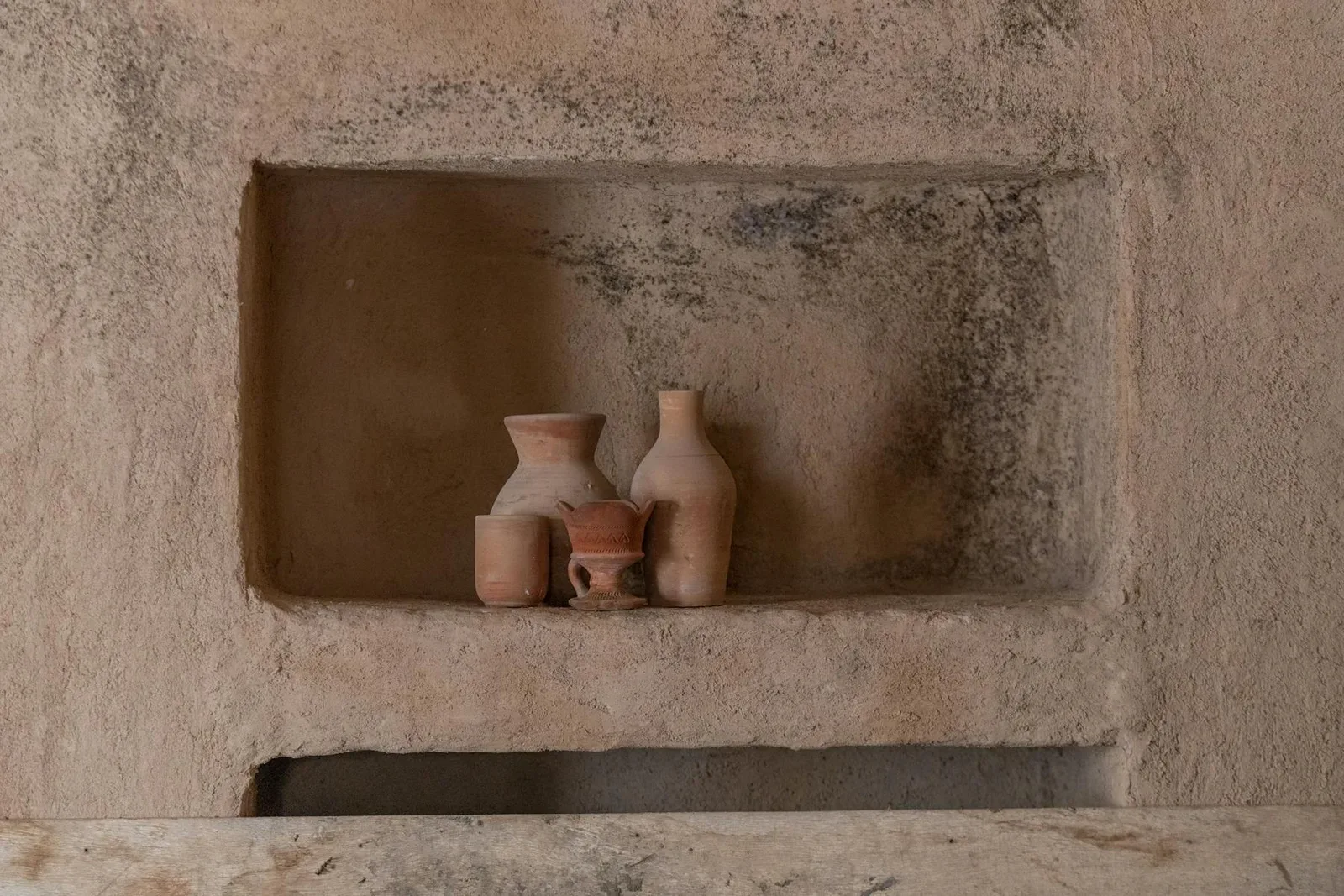
Clay and earth texture make decor feel grounded, especially when the wall and objects stay in the same quiet family.
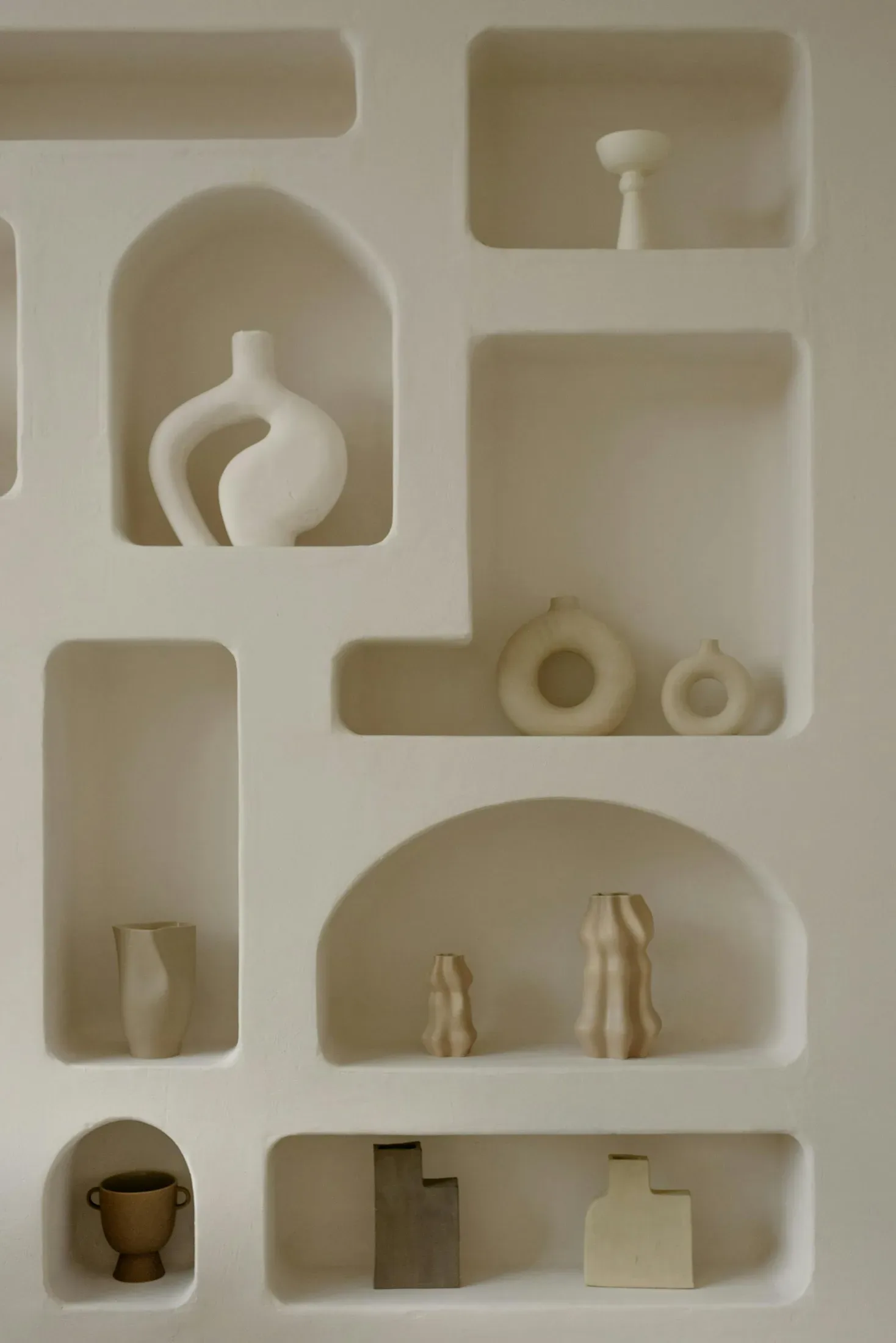
Rounded ceramics and open shelf space feel calmer than a shelf packed edge to edge.
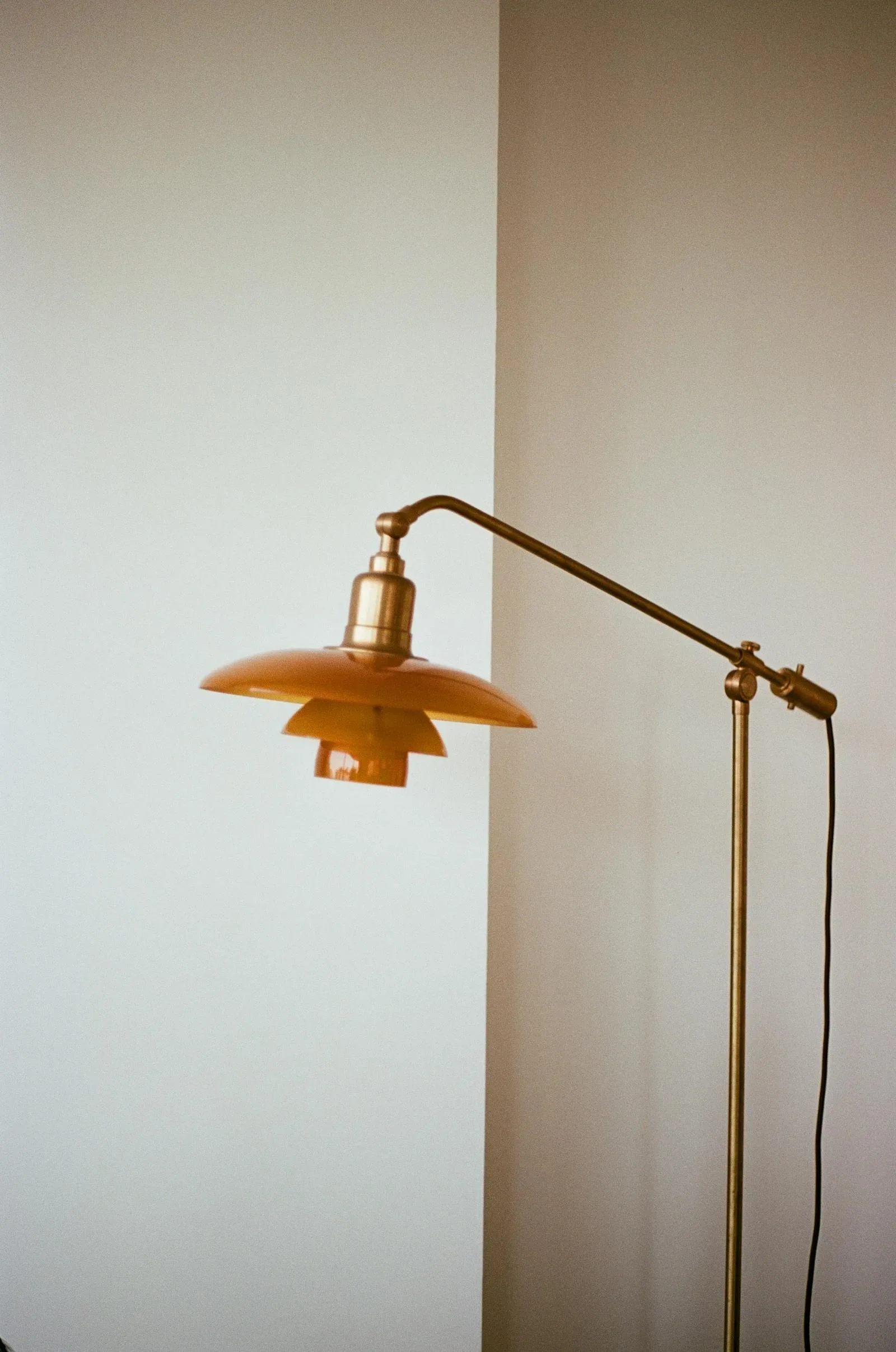
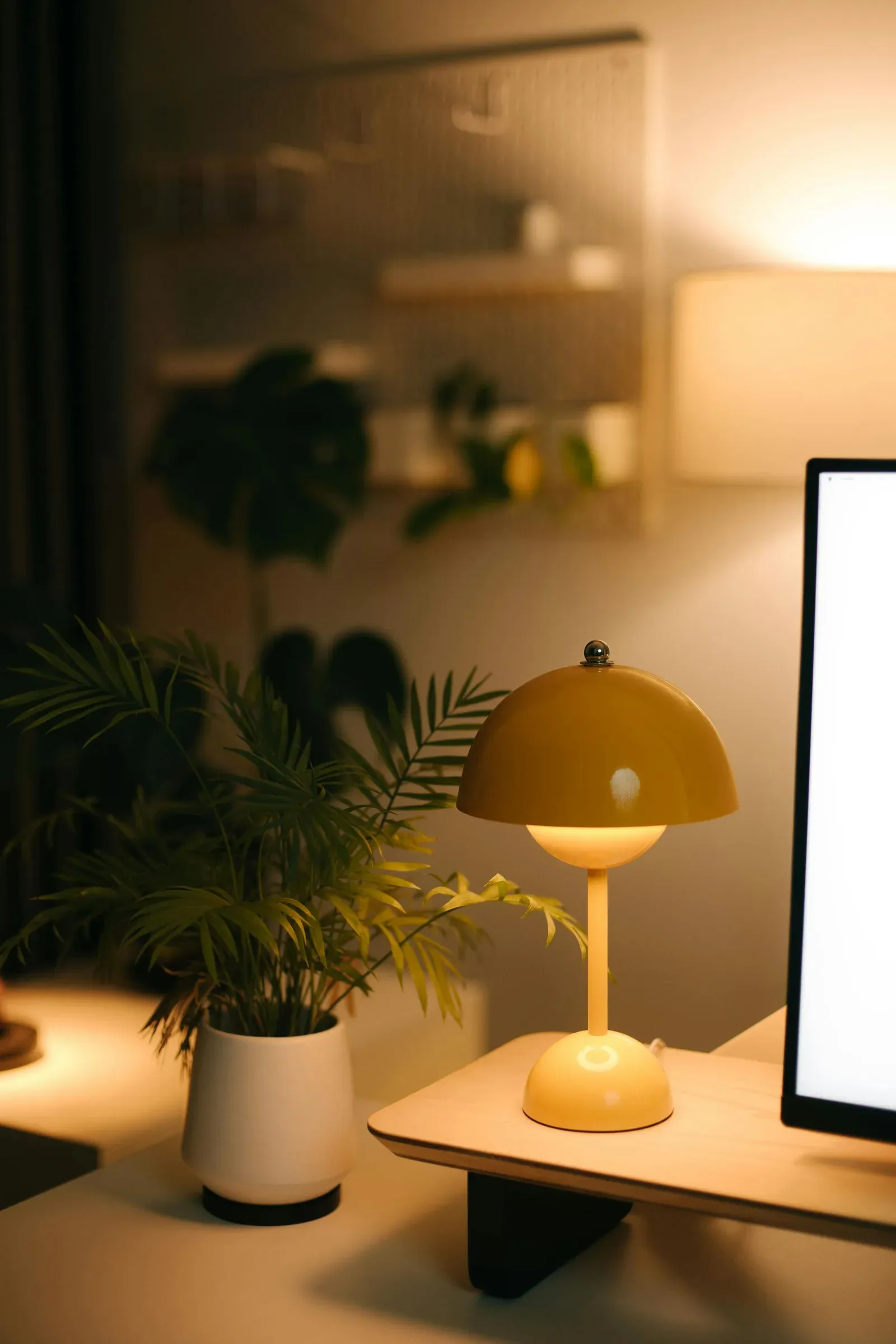
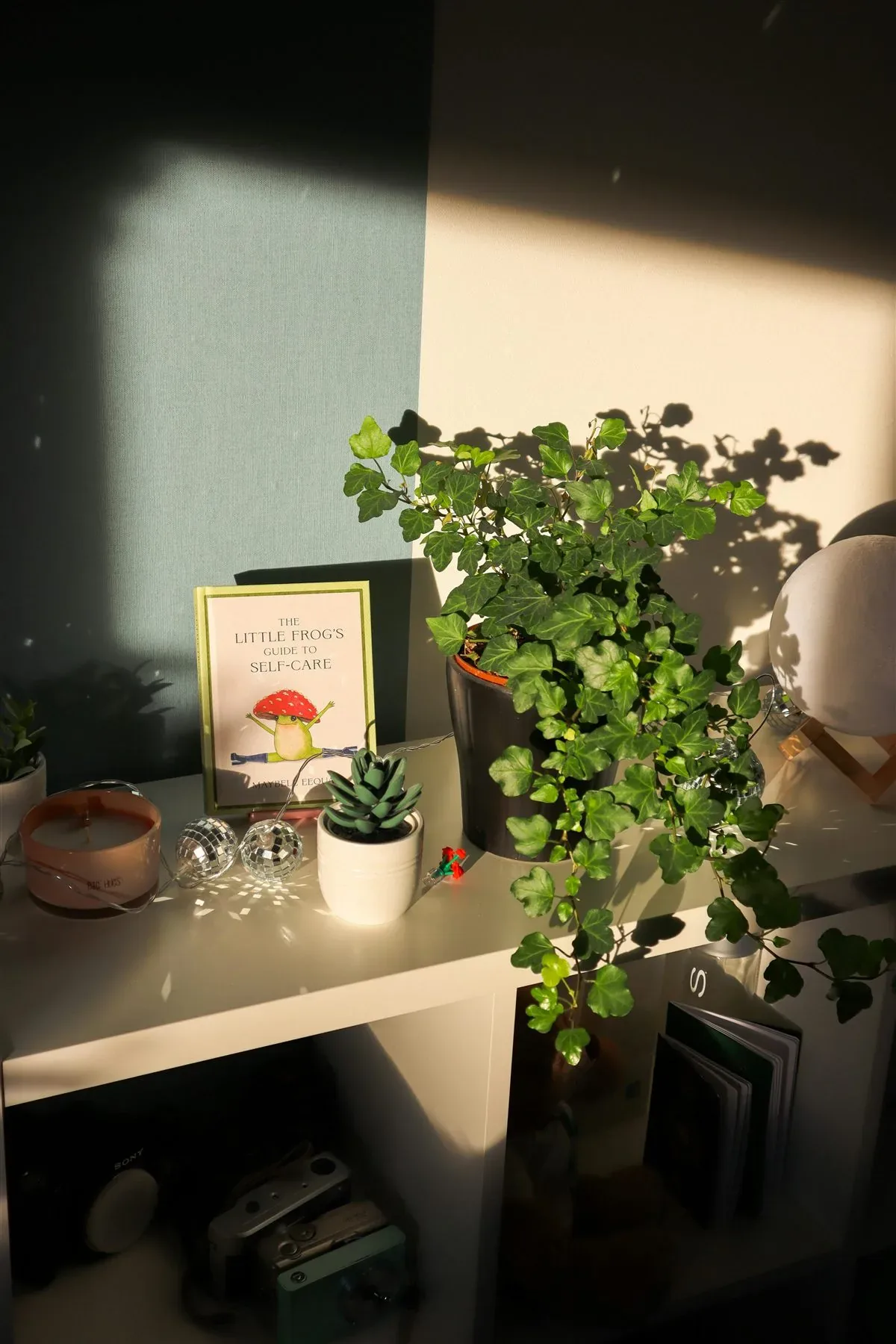
Lighting matters as much as decor. A warm lamp can make a simple corner feel more cared for.
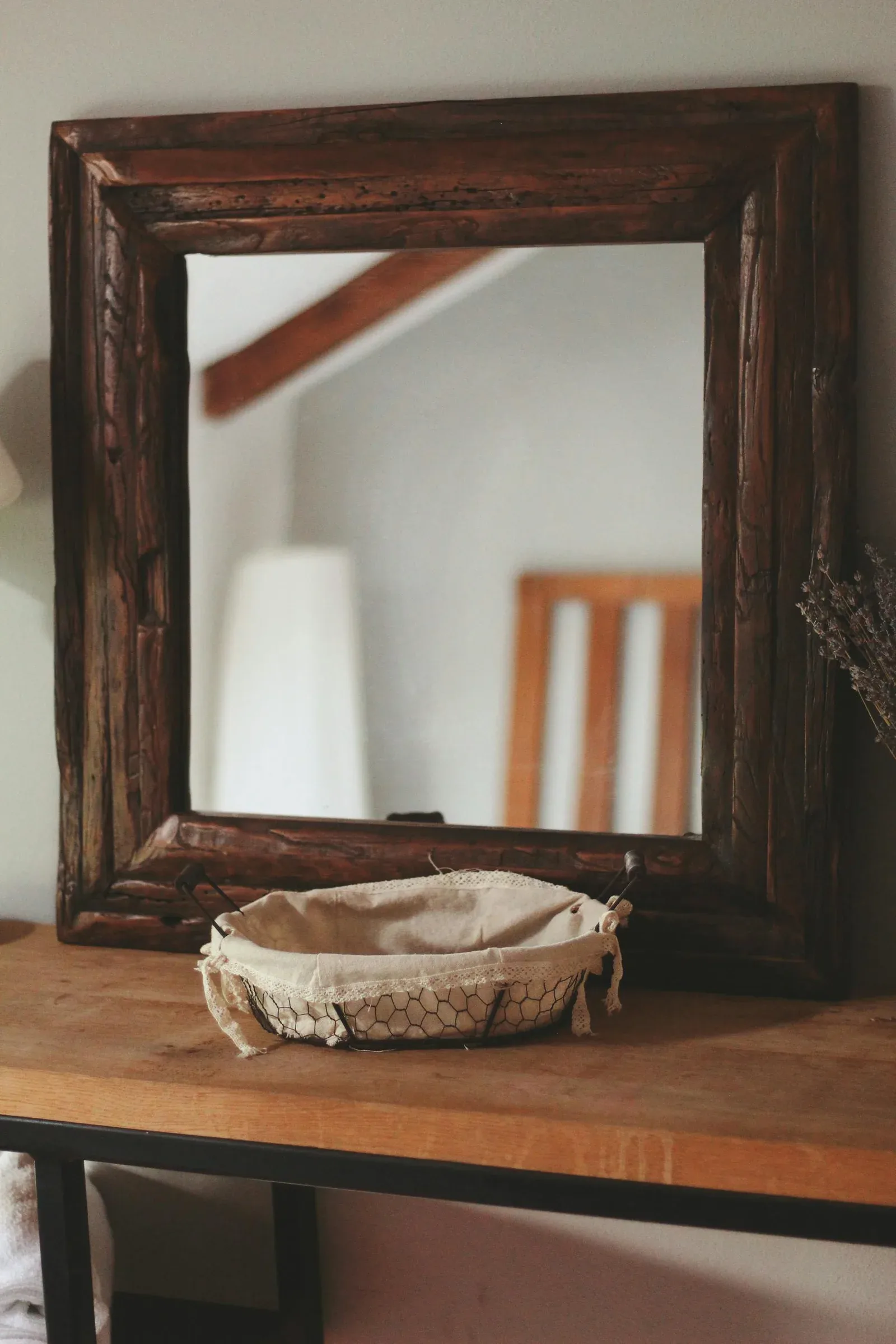
A mirror works better in this aesthetic when it reflects a calm arrangement instead of visual noise.
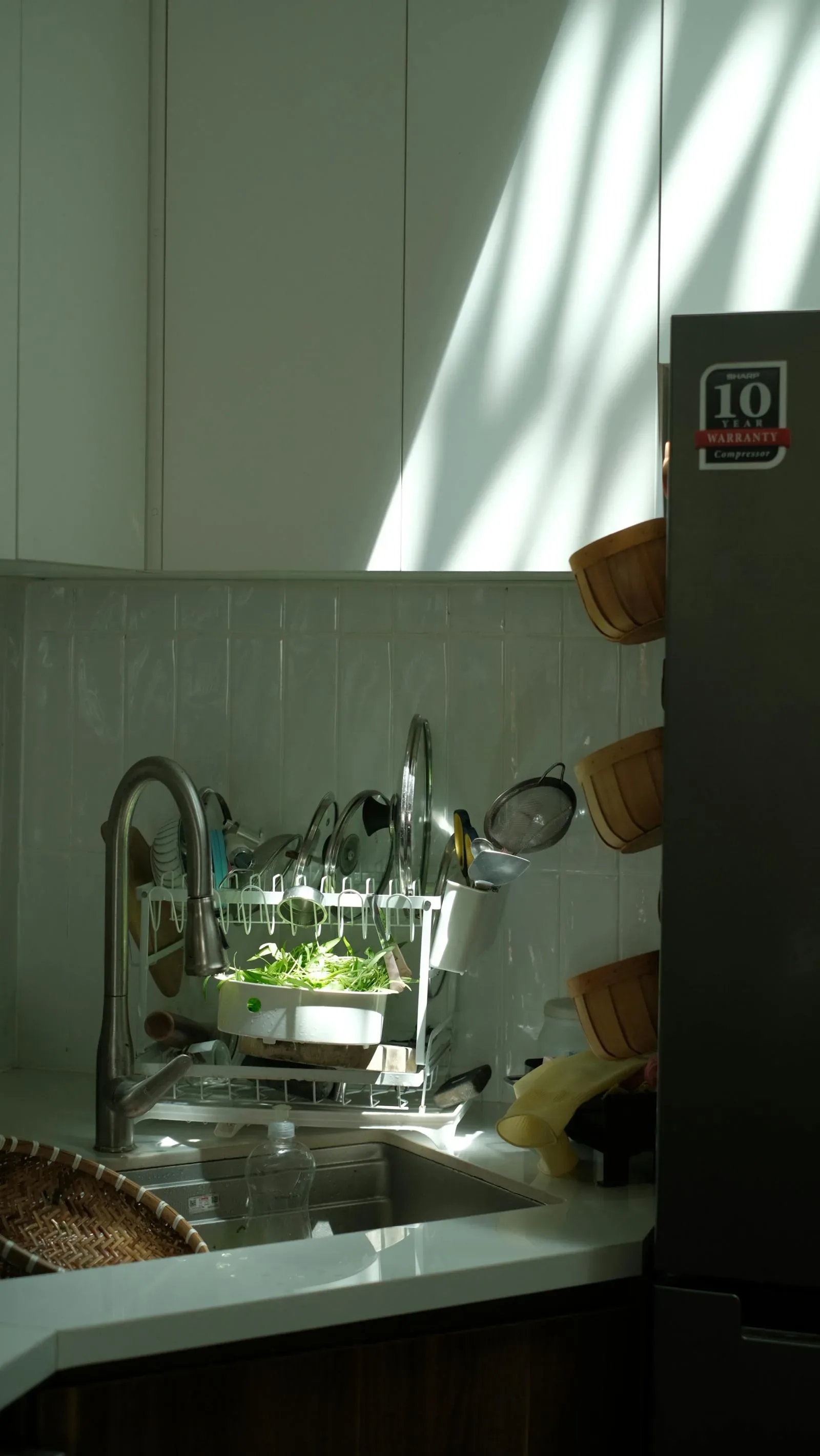
A kitchen can still feel aesthetic and practical when wood, daylight, and muted green create the mood instead of extra decor.
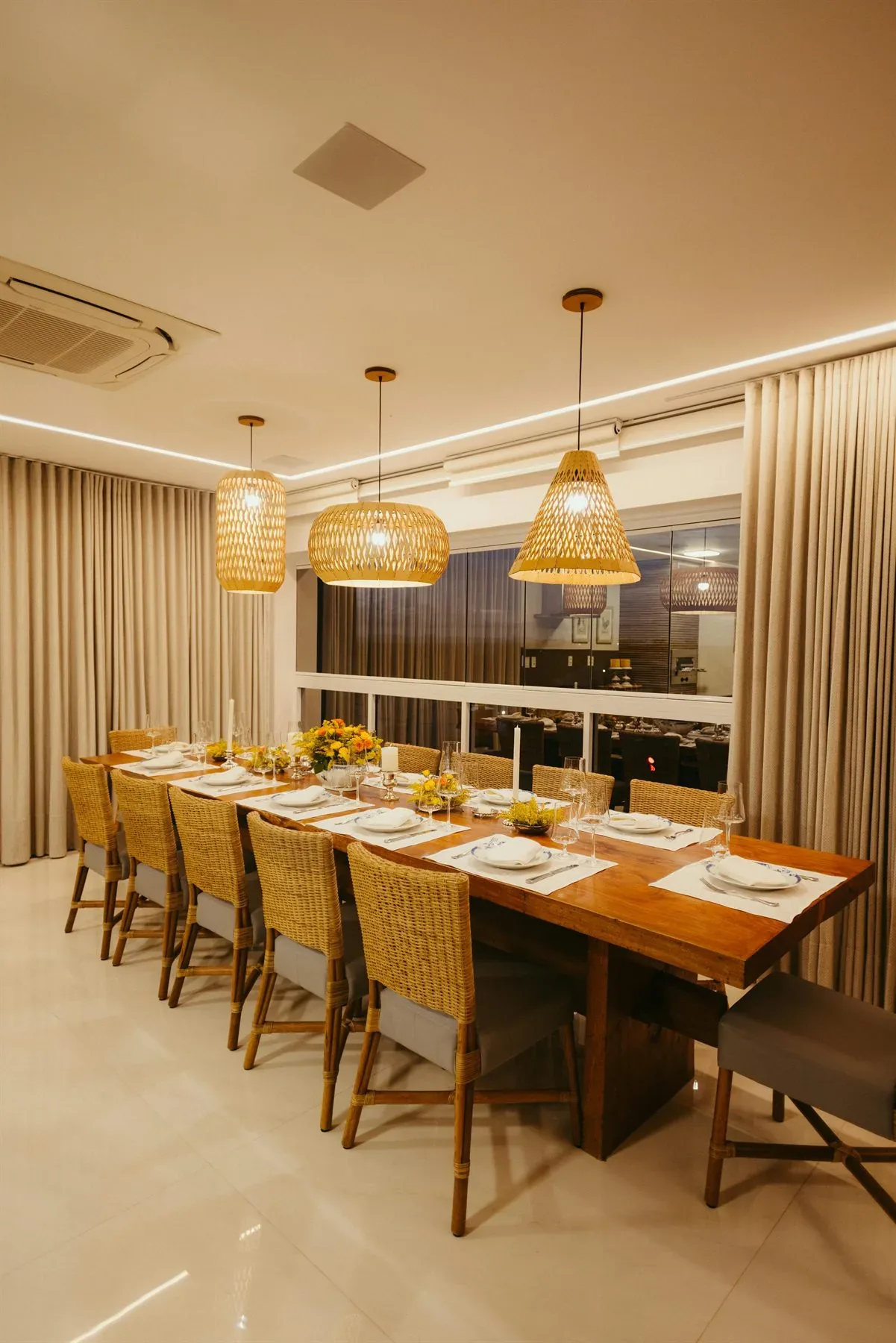
Dining rooms carry the look well when the light is warm, the table feels grounded, and the palette stays connected.
A workspace can feel calm without becoming sleepy when storage, pale wood, and one plant keep the room clear.
A warm desk lamp can shift a work area from harsh and functional to calmer and more intentional.
Plants work best when they soften the room without taking over the bed zone.
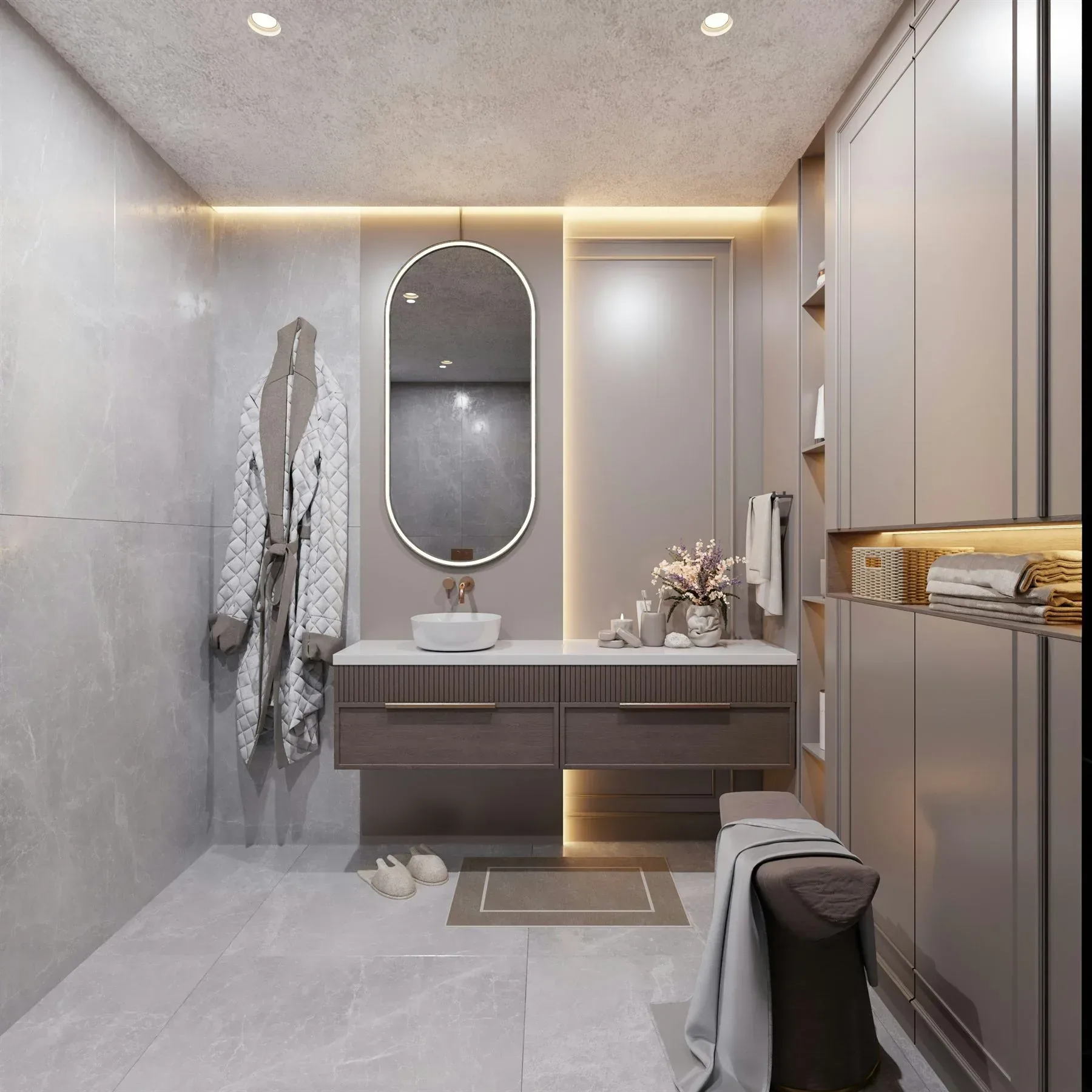
Bathrooms need this kind of warmth because tile, glass, and mirror surfaces can feel cold very quickly.
Plants can give the room life, but the clean walls and open floor space are what keep the room breathable.
Small details can still feel feng shui-friendly when they look fresh, useful, and easy to maintain.
A shelf feels better when every object has breathing room and the grouping reads as one calm moment.
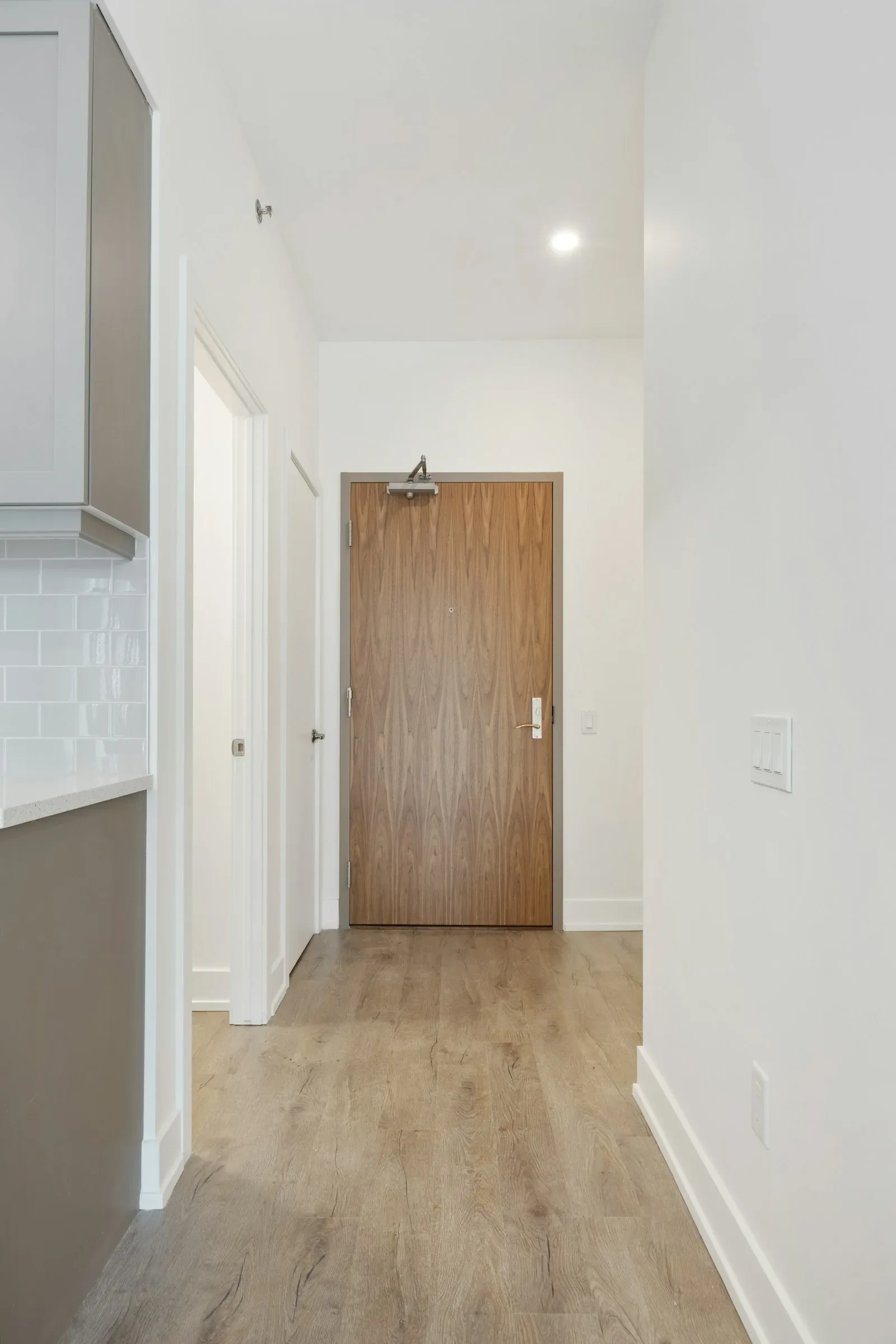
An entry can be simple and still set the aesthetic when the path is clear and the materials feel warm.

How to Build the Look Without Making It Feel Staged

What helps

  • +Start by reducing visual noise before adding more decor.
  • +Use one calmer color family instead of many unrelated accent colors.
  • +Repeat wood, woven texture, or stone so the room feels cohesive.
  • +Let lamps, curtains, and textiles soften the room as much as the decorative objects do.

What weakens it

  • -Buying symbolic objects with no relationship to the room around them.
  • -Using only beige without enough texture or contrast to keep the room alive.
  • -Packing every surface with plants, bowls, crystals, and accessories at once.
  • -Relying on overhead light alone and calling the room calm.
A calm room can still feel rich when the layering comes through texture and proportion instead of more stuff.

If you want to turn this look into more practical room decisions, the best companion reads are feng shui colors for home, feng shui colors for living room, and feng shui positive energy items.

Frequently Asked Questions

What is the feng shui aesthetic?
It is a calmer, more grounded decorating approach built around softer color, natural materials, warm light, better spacing, and edited decor.
Does feng shui aesthetic have to be minimalist?
No. It can be layered and warm, but it still needs enough visual breathing room that the room feels clear rather than crowded.
Which materials fit a feng shui aesthetic best?
Wood, linen, stone, woven fibers, clay, softer metal finishes, and other natural-feeling materials tend to fit well.
What weakens the feng shui aesthetic?
Clutter, harsh lighting, random styling choices, too many competing accents, and rooms that feel overfilled or emotionally noisy can all weaken it.

The Bottom Line

The feng shui aesthetic feels calm, layered, natural, and slightly edited rather than performative. Softer color, wood, woven texture, better spacing, and warmer light are some of the clearest signals.

You do not need a themed room. You need a room that feels easier to move through, easier to look at, and more settled to actually live in.
Found this helpful? Save it for later.

About the Author

Kim Colwell

Kim Colwell

Kim Colwell shares practical feng shui decor guidance shaped by design-led, room-focused thinking that helps homes feel calmer, more supportive, and easier to live in.