



Quick Answer
Artificial plants can work for feng shui when they look realistic, fit the room properly, and stay clean. A believable faux plant is usually better than a live plant that constantly looks weak or neglected, especially in darker rooms, hard-to-reach shelves, or offices where maintenance is always getting postponed.
The real question is not whether a faux plant is spiritually perfect. It is whether the room feels better or faker after the plant arrives.
In feng shui terms, live plants usually have the stronger symbolic argument. But in real homes, realism matters too. A dying live plant is not better than a clean believable faux plant that adds softness without guilt or mess. The best artificial plants are the ones that support the room visually, stay in scale with the furniture, and do not scream plastic from across the room. If you can keep live plants healthy, feng shui indoor plants is still the stronger first read. If not, faux plants can absolutely be the more practical answer.
Disclosure: This article includes affiliate links. If you buy through them, we may earn a small commission at no extra cost to you.
Can Artificial Plants Work in Feng Shui?
Yes, but only with standards. Faux plants work best when they solve a real styling or maintenance problem. They are useful in darker shelves, low-light offices, awkward corners, taller ledges, or homes where live plants repeatedly fail. What weakens them is usually not the fact that they are artificial. It is that they are dusty, obviously fake, too shiny, badly scaled, or randomly added in places that do not need them.
| Faux plant type | Best use | Why it works | Amazon |
|---|---|---|---|
| Faux olive tree | Brighter corner or soft floor anchor | Feels airy, grown-up, and believable when the room needs one lighter tall shape. | Shop |
| Faux snake plant | Narrow floor zone or entry cabinet side | Adds lift and definition with a smaller footprint. | Shop |
| Faux pothos or trailing vine | Shelf softening | Breaks up hard lines without needing floor space or regular watering. | Shop |
| Faux fern | Bathrooms or softer corners | Adds more relaxed texture where sharper plant shapes feel too rigid. | Shop |
The Best Artificial Plant Directions to Shop First
The faux plant types most worth considering
These are the artificial plant shapes that usually look the most believable and do the best job in real rooms.

Best Overall Faux Plant
Faux Olive Tree
The most believable floor plant for many homes
Best for: Living rooms, calmer dining corners, and brighter spots that need one taller shape.
Watch for: Too-small olive trees can look fake quickly, and too-full ones start looking like decor-store filler.
Our verdict
Faux olive trees are popular for a reason. They usually feel lighter, airier, and more natural than bulkier faux plants, and they fit the warm neutral palette many homes already use. When done well, they can soften a corner without making the room feel overstyled.
Why It Works for Feng Shui
This works for feng shui because it gives the room one taller, graceful living-looking form without the heaviness of a thick plastic statement plant. It can help a corner feel more finished and open at the same time.
Shopping Note
The best ones have softer branch spacing, matte leaves, and a trunk that does not look too shiny or orange.
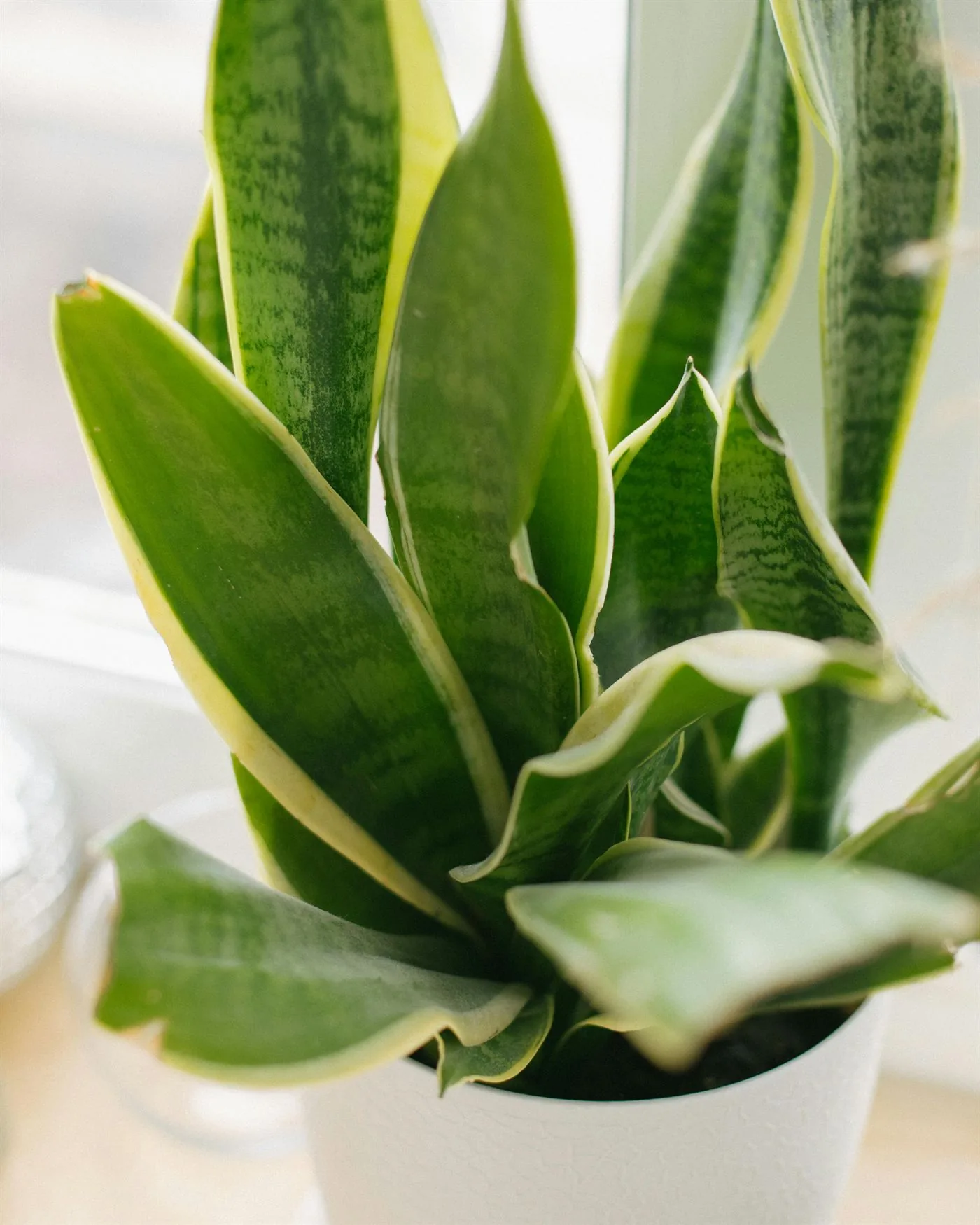
Best Narrow-Space Pick
Faux Snake Plant
Best for narrow footprints and cleaner lines
Best for: Entry corners, side cabinets, offices, and narrow floor spots.
Watch for: Very stiff plastic leaves can make the room feel more synthetic than supported.
Our verdict
A faux snake plant can work very well when you want one upright plant shape but do not have good enough light to keep the real version healthy. It often looks more believable than many fake flowering plants because the silhouette is simpler and more structured.
Why It Works for Feng Shui
This shape helps feng shui because it can add lift and definition to a room without taking much floor space. It is especially useful where the room needs one clean vertical line rather than a fuller leafy cloud.
Shopping Note
Look for subtle leaf variation and a pot that does not feel too generic or glossy.
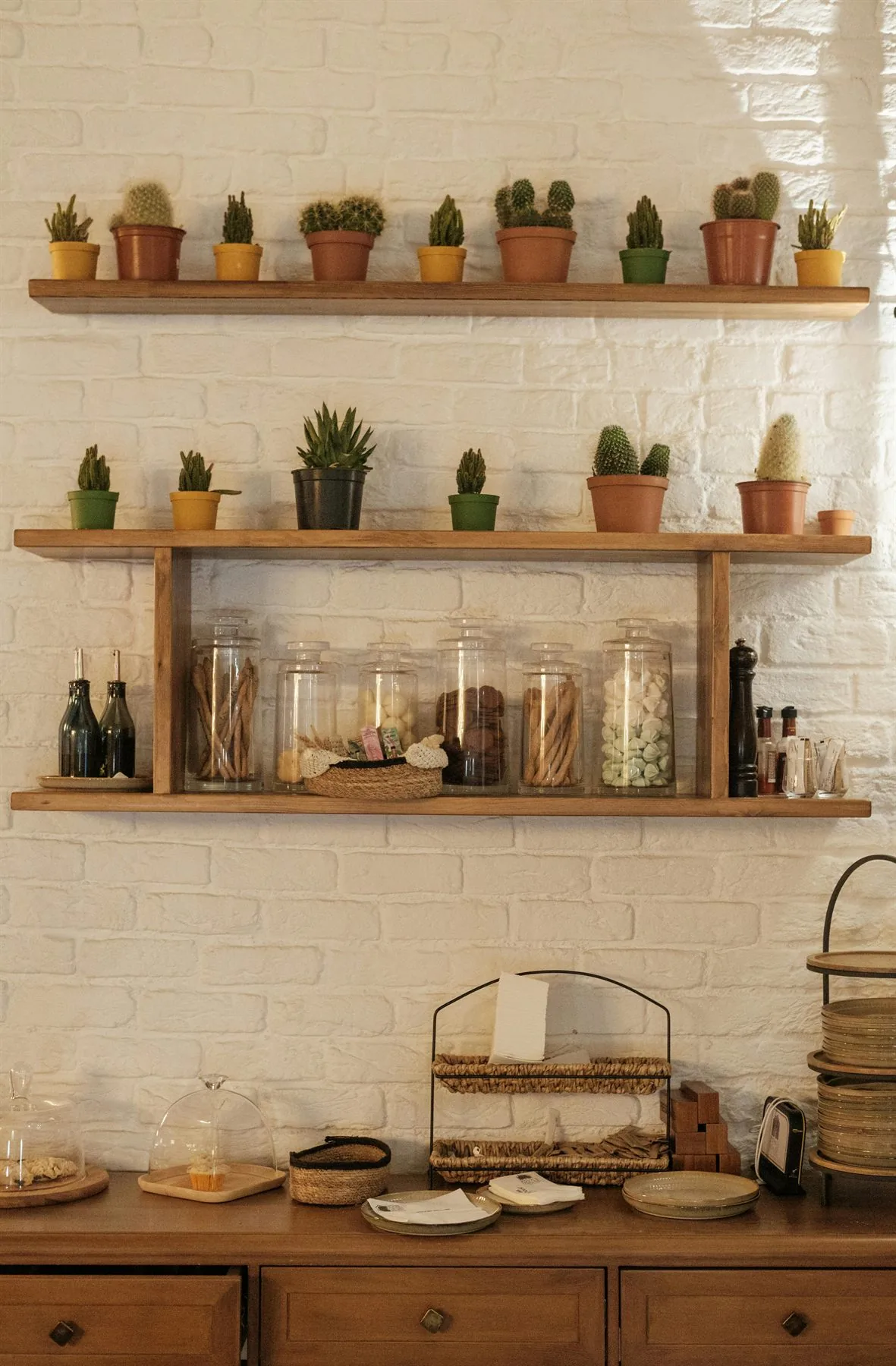
Best Shelf Softener
Faux Pothos or Trailing Vine
Best for shelves and bookcases
Best for: Shelves, bookcases, upper ledges, and smaller styling moments.
Watch for: Too much hanging vine can make the room feel dusty and overly staged.
Our verdict
Trailing faux plants are often strongest when they are used to soften shelving that feels too strict, too architectural, or too empty. They can make a shelf look more relaxed without needing a sunny window or regular care.
Why It Works for Feng Shui
This works because it interrupts hard shelf lines and adds movement to a room that may otherwise feel too static. It is one of the easiest ways to make a rigid storage area feel less severe.
Shopping Note
Shorter, more believable vines usually look better than very long plastic spills that feel theatrical.
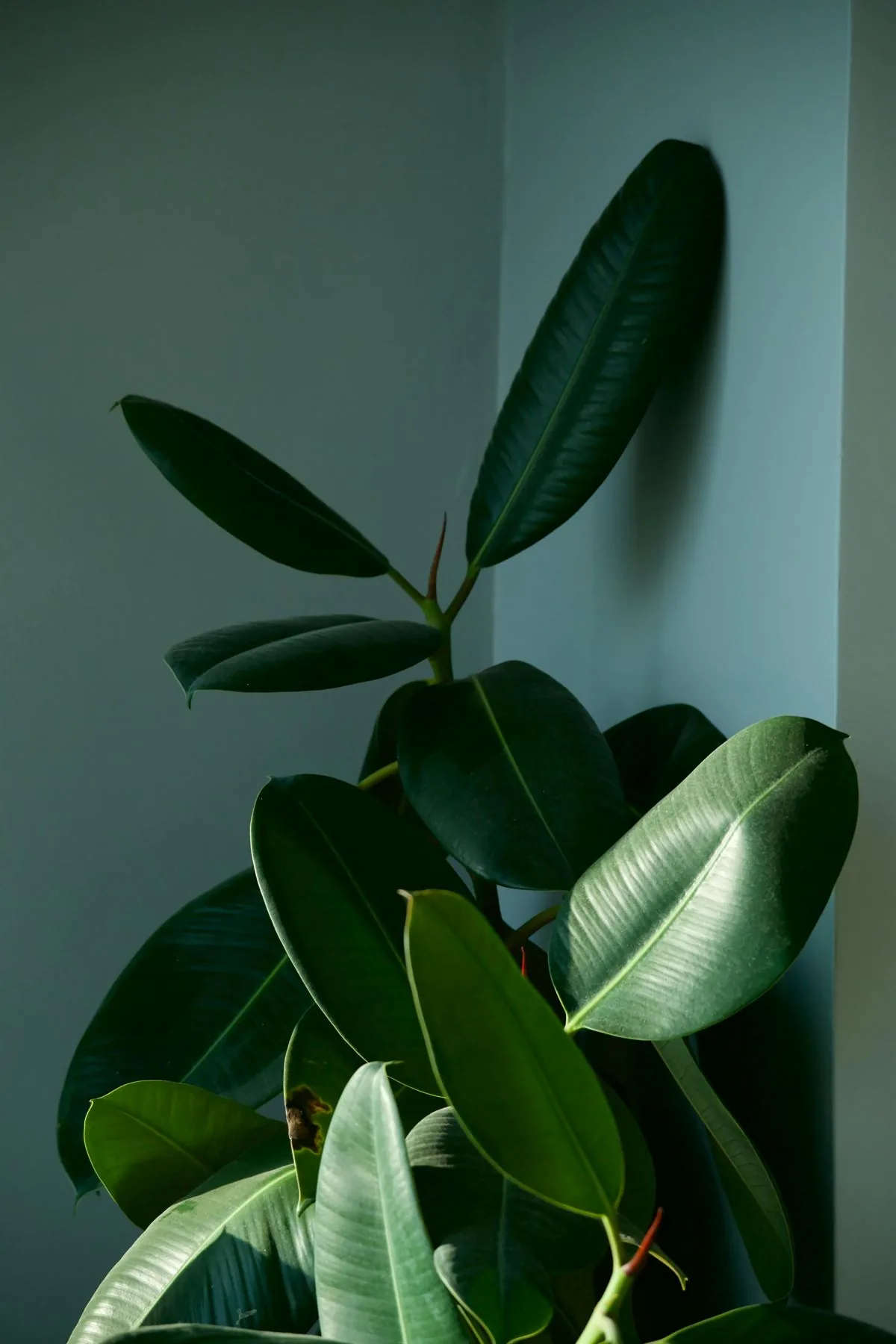
Best Fuller Corner Pick
Faux Rubber Plant
Best fuller corner plant
Best for: Living room corners, brighter-looking but lower-maintenance spaces, and offices needing one anchor.
Watch for: It can look too heavy if the room is already dark or crowded.
Our verdict
When the room needs one darker leafy anchor but a live rubber plant would probably fail or get ignored, a faux version can still do the visual job. The broad leaves usually read fuller and calmer than many fake tropical plants.
Why It Works for Feng Shui
This helps feng shui because it fills one corner convincingly and softens harder room edges without needing several smaller plants. It gives the room one grounded leafy note instead of many weaker green signals.
Shopping Note
Look for more natural leaf angles and avoid versions where every leaf points up in the exact same way.
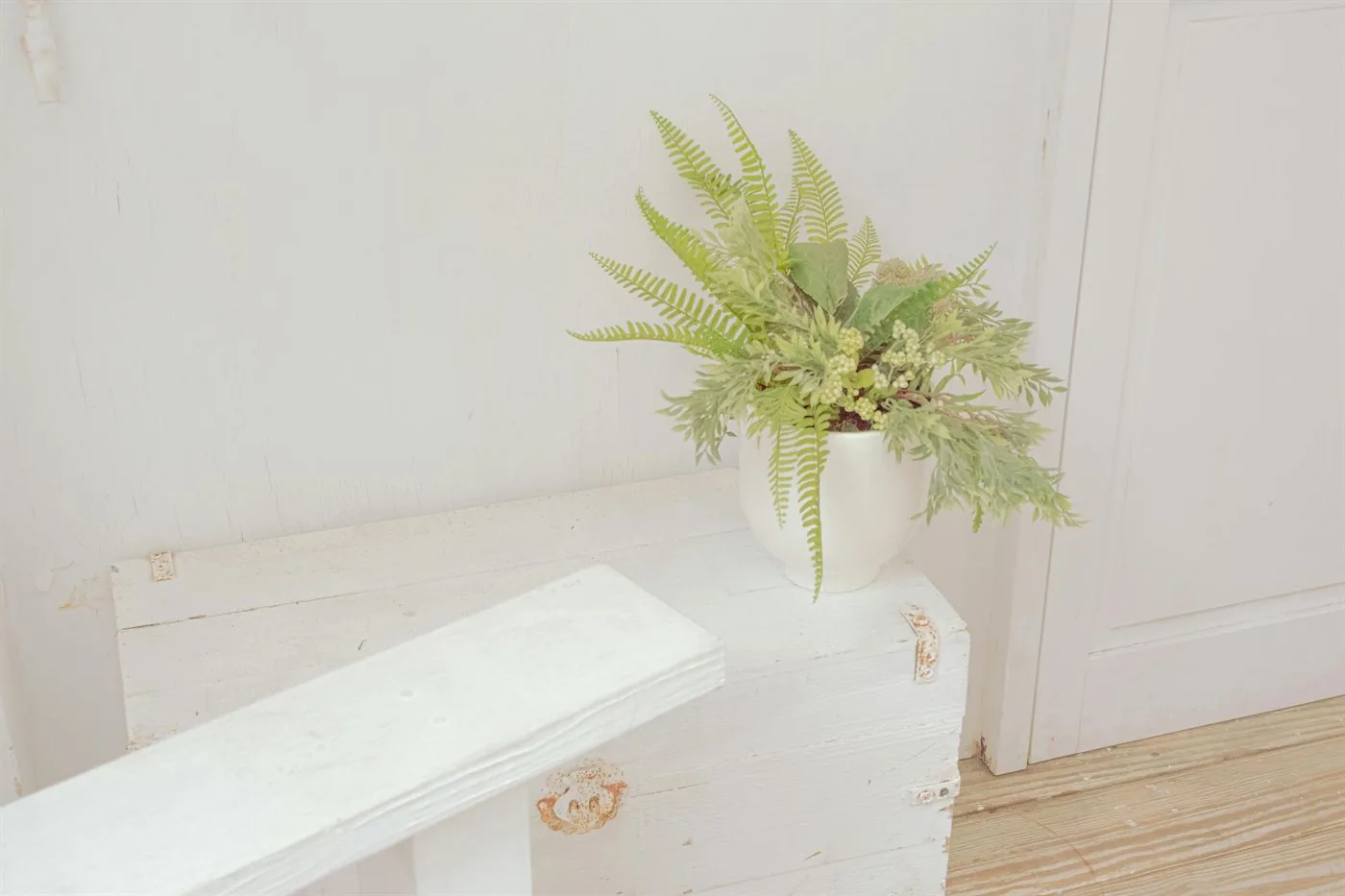
Best Soft Texture
Faux Fern
Best for softer texture
Best for: Bathrooms, shelves, softer corners, and rooms that feel too sharp.
Watch for: Cheap faux ferns can look dusty and synthetic very quickly.
Our verdict
Faux ferns are useful when the room needs a more relaxed shape than upright plants provide. They often work well in bathrooms, shelves, and corners where you want a gentler note instead of something spiky or architectural.
Why It Works for Feng Shui
Ferns help because they soften room edges and reduce the hard, rigid feeling that some spaces carry. In feng shui terms, they can make a room feel easier and more relaxed when used sparingly.
Shopping Note
The best faux ferns have variation in leaf direction and do not look too flat or too fluorescent green.
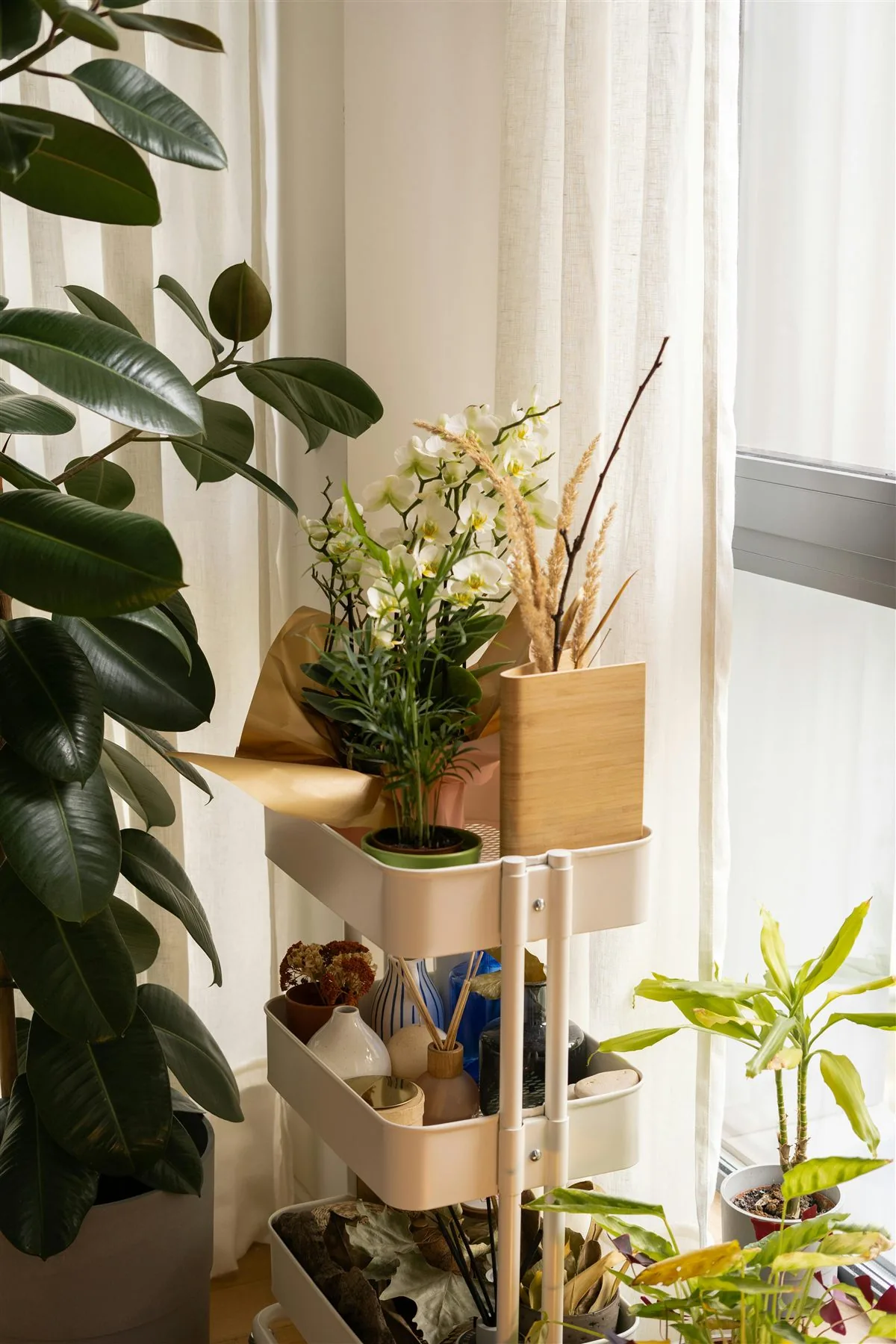
Best Tabletop Pick
Faux Bamboo
Best for cleaner tabletop styling
Best for: Desks, consoles, shelves, and smaller styled surfaces.
Watch for: It can look cheesy fast if the stems, rocks, or container look too decorative.
Our verdict
Faux bamboo can work on an edited desk, console, or shelf when the real version is not practical. It is most convincing when it is used as one clean accent, not as one more symbolic object among many others.
Why It Works for Feng Shui
This works because it gives the room a smaller living-looking moment in a controlled footprint. It often supports a cleaner calmer surface better than a bunch of tiny decor pieces.
Shopping Note
Choose restrained containers and avoid crowded arrangements that feel like gift-shop decor.
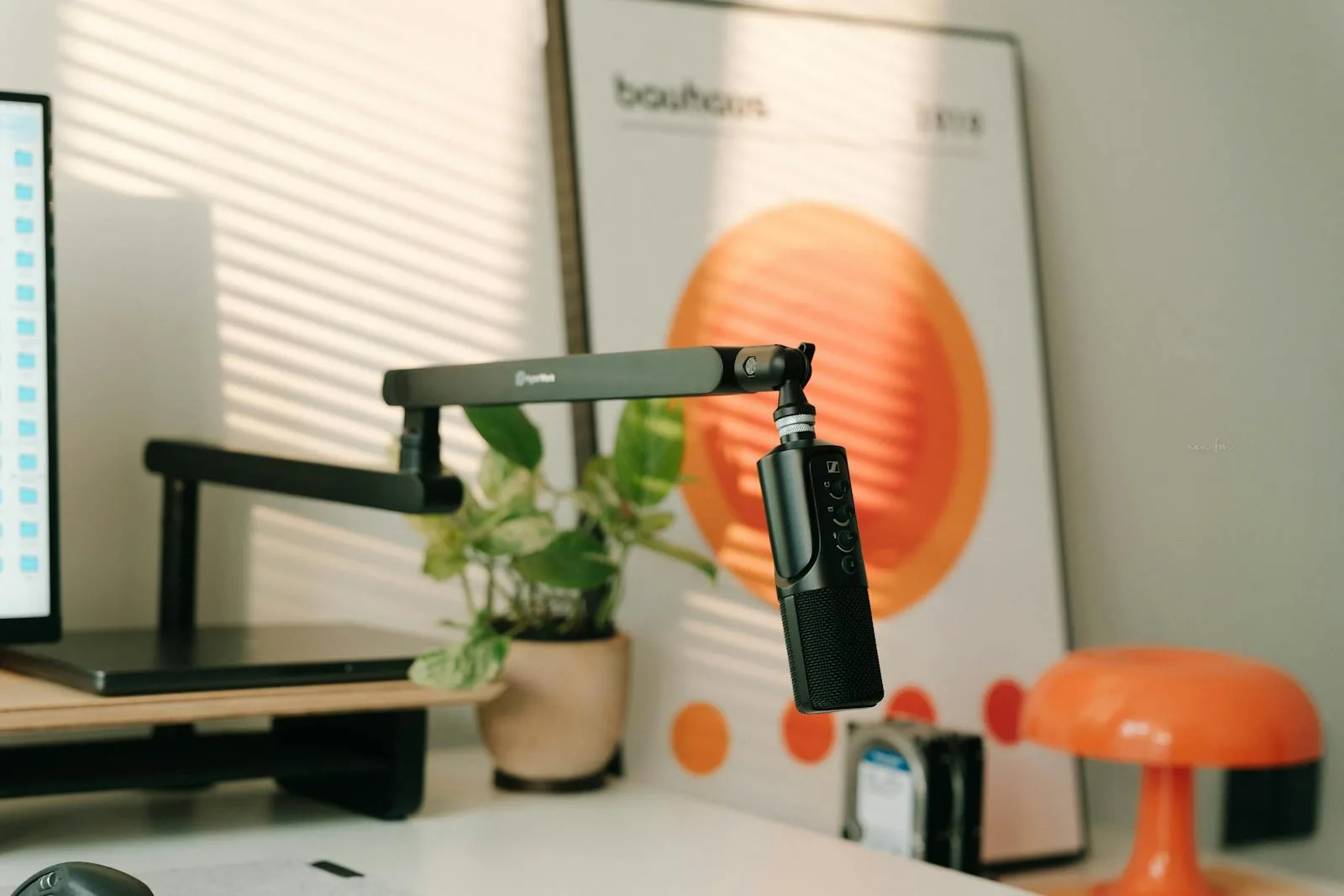
Best for Offices
Small Faux Desk Plant
Best when you only need one green note
Best for: Desks, work shelves, and small apartment offices.
Watch for: Too tiny a faux plant can disappear, while a novelty-looking one makes the desk feel less serious.
Our verdict
Sometimes the best artificial plant is just a smaller desk-safe accent that breaks the technical mood of the workspace. This works especially well in offices where the desk has no plant-friendly light but still feels cold and screen-heavy.
Why It Works for Feng Shui
This helps feng shui because it softens the work zone with one quieter natural cue while respecting the limited footprint of the desk. It is often better than trying to cram a larger plant where it does not belong.
Shopping Note
Go for matte leaves, a muted planter, and a fuller silhouette rather than a novelty-style succulent.
How to Use Faux Plants Without Making the Room Feel Fake
The easiest formula is simple. Use fewer faux plants, choose better-looking ones, and place them where a real plant would make sense visually. Shelves, corners, consoles, sideboards, and some desks all work. Obvious trouble spots are too many fake plants together, overly shiny leaves, bright plastic greens, and surfaces where the faux plant only adds one more random object.
What usually helps
- +Choose faux plants with believable scale, leaf color, and branch spacing.
- +Use them where a live plant would visually make sense.
- +Keep leaves dust-free and the planter suited to the room.
- +Use fewer better faux plants instead of many small plastic fillers.
What usually weakens the room
- -Filling every shelf with fake greenery just because the room feels plain.
- -Using obviously glossy, neon-green, or plastic-looking leaves.
- -Letting faux plants gather dust until they make the room feel stale.
- -Treating faux plants as a substitute for fixing clutter, light, or layout.
If you do have the light and patience for live greenery, best office plants for feng shui and feng shui indoor plants are better next reads. If the room mainly needs softer decor instead of more greenery, feng shui positive energy items can often solve the problem more honestly.
The easiest faux plant rule
If a fake plant looks fake from the doorway, skip it. The best faux plant is the one that lets the room feel softer without announcing itself as fake decor.
Frequently Asked Questions
Are artificial plants okay in feng shui?
What are the best artificial plants for feng shui?
What weakens feng shui with fake plants?
Is a fake plant better than a dead plant in feng shui?
The Bottom Line
The best artificial plants for feng shui are the ones that feel believable, fit the room naturally, and stay clean. In many homes, one strong faux plant works better than several weak live plants that never really thrive.
If the faux plant makes the room feel softer and more finished without obvious fakery, it is probably doing its job. If it looks dusty, plastic, or forced, skip it.