



Quick Answer
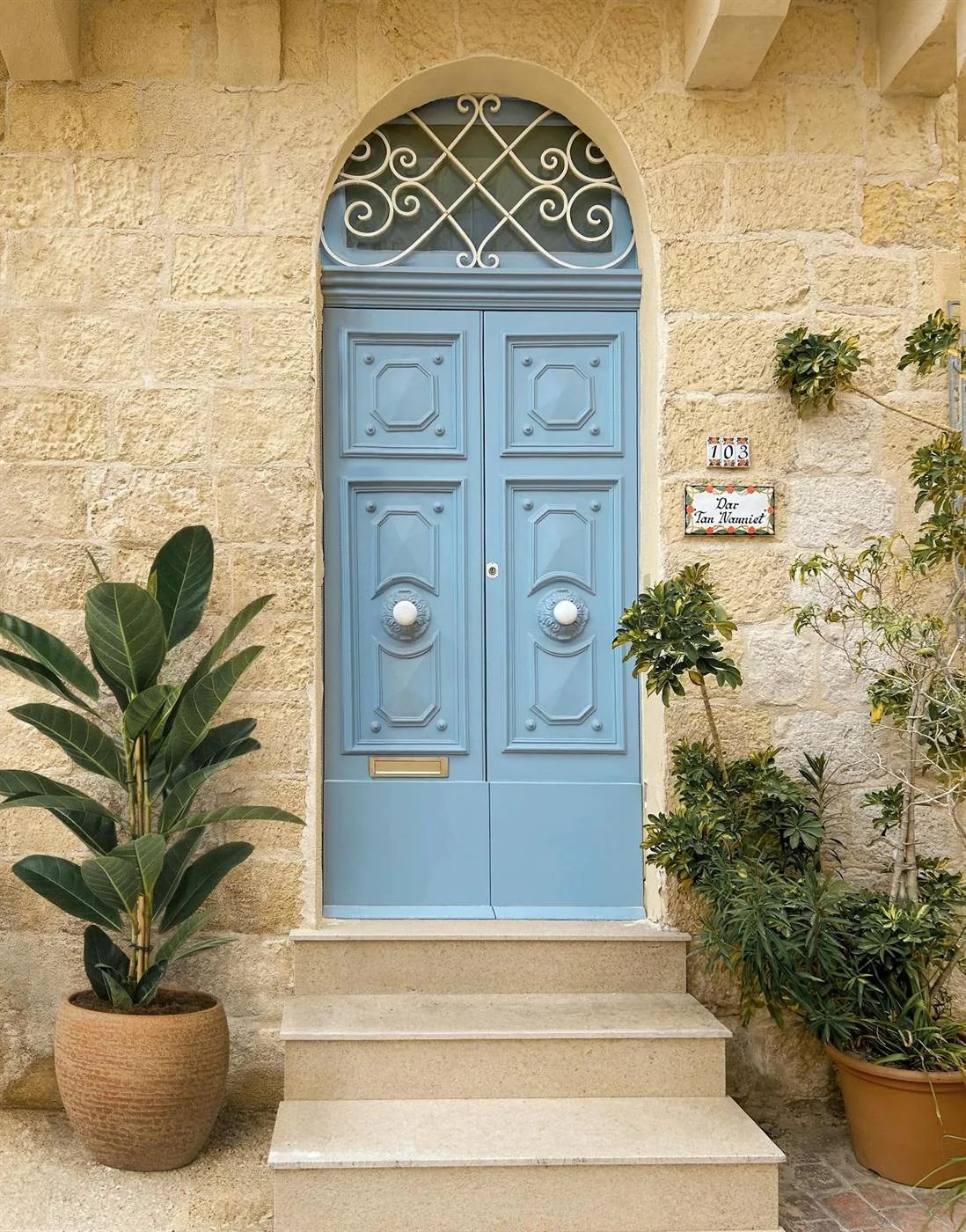
The best feng shui plants for front doors are healthy plants that make the entrance feel alive and welcoming without blocking the path. Snake plant, rubber plant, soft ferns, clipped topiary, and climate-friendly citrus or olive trees are some of the easiest choices because they add life while still letting the door stay visually strong.
Front door plants work best when they support the entry instead of turning it into a crowded display. The strongest setup feels edited, balanced, and easy to maintain.
In feng shui, the front entrance should feel easy to arrive through. Plants can absolutely help that, but only when they frame the doorway, soften the threshold, or add life to a spot that otherwise feels bare. If they block the approach or look neglected, they weaken the same entry they were supposed to improve. If you are styling the wider outdoor zone too, feng shui for garden spaces helps carry the same calmer logic beyond the threshold.
The Best Front Door Plants Feel Healthy and Intentional
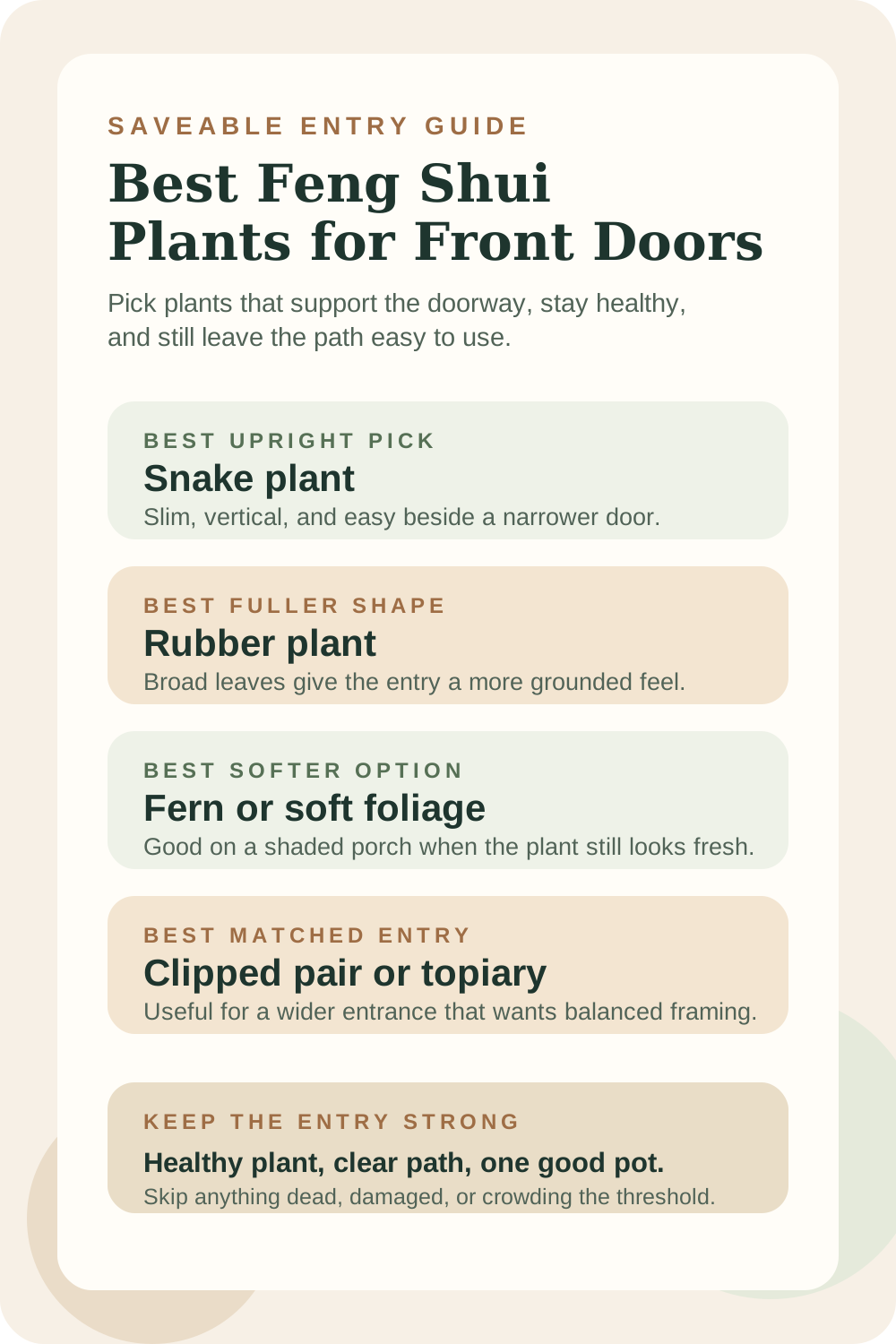
The best plant for a front door depends on what the entrance needs. Some doors need vertical lift. Some need softness. Some need one grounding pair to make the facade feel more finished. If you are already refining the rest of the entrance, it also helps to look at feng shui front door tips so the plant choice, lighting, and door color all work together.
Scroll sideways to compare all columns.
| Plant type | Best use | Why it works near the door |
|---|---|---|
| Snake plant | Narrow doorway or slim porch | Its upright shape adds lift without taking up much walkway space. |
| Rubber plant | One-sided entry that needs more presence | Broad leaves make the entrance feel cared for and visually fuller. |
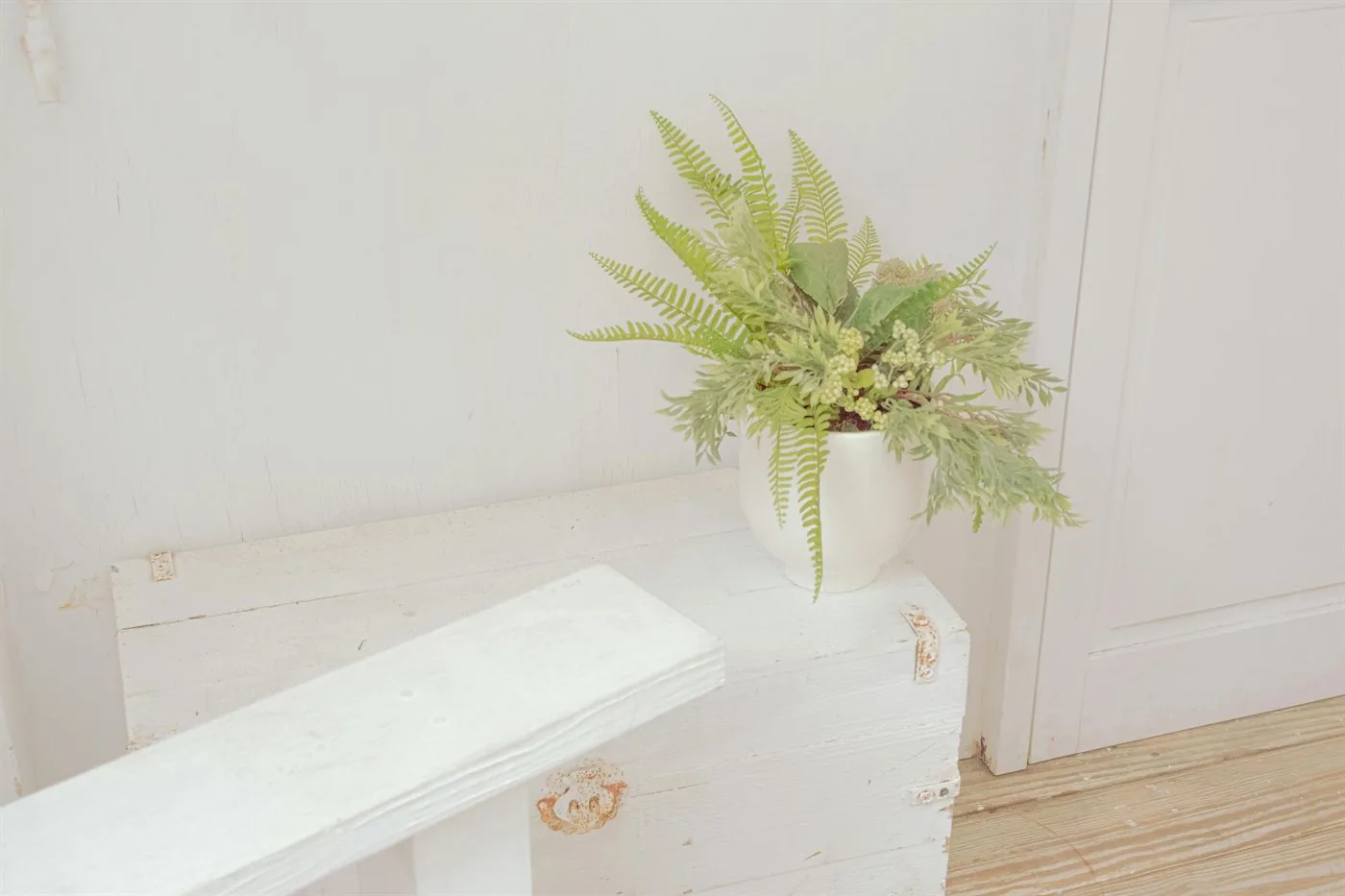
| Fern or softer foliage | Shaded porch or softer cottage-style entry | It relaxes the threshold and makes the entry feel less hard-edged. |
| Clipped topiary pair | Wider, more formal doorways | Balanced framing makes the entry feel strong and finished. |
| Small citrus or olive | Sunny, climate-friendly entry | These give the entrance a generous, abundant feel when they can thrive. |
Choose Plants by the Entry, Not Just the Name
The front door is often described as the place where a home receives fresh energy. In everyday terms, that means the entrance should feel easy to see, easy to approach, and cared for before anyone steps inside.
That is why the best plant is not always the most famous "lucky" plant. A healthy fern in a shaded porch is better than a struggling citrus tree in the wrong climate. A single upright pot can be better than two matching plants if the steps are narrow.
Indoor Foyer or Outdoor Doorstep? Match the Plant to the Exposure
An indoor foyer, a covered porch, and an exposed doorstep are three different growing conditions. Indoors, match the plant to window light, drafts, and normal room temperatures. Outdoors, check the plant's hardiness for your location, the hours of direct sun, wind exposure, drainage, and how quickly the container dries. A roof over the door reduces rain but does not automatically protect a tropical houseplant from cold or heat.
Houseplants should also be acclimated instead of moved straight from indoor shade into outdoor sun. University of Minnesota Extension recommends a sheltered, shaded transition and notes that many tropical houseplants should not remain outdoors until nights are consistently warm. Citrus needs similarly climate-specific treatment; the Royal Horticultural Society advises monitoring overnight temperatures and keeping citrus frost-free. If your entry cannot supply those conditions, use a locally hardy porch plant or keep the tropical option inside.
Check the exact plant name around children and pets
Common names can hide important differences. The ASPCA lists snake plant as toxic to dogs and cats, while a true Boston fern is listed as non-toxic. "Rubber plant" can refer to different species with different safety profiles, so verify the botanical name before buying. Keep any potentially irritating plant out of a child's or pet's reach, and contact poison control or a veterinarian if it is chewed.
Scroll sideways to compare all columns.
| Entry condition | Plant direction | What to watch |
|---|---|---|
| Narrow step or small porch | One slim upright plant, such as snake plant or a narrow topiary | Keep leaves and pot edges out of the walking line |
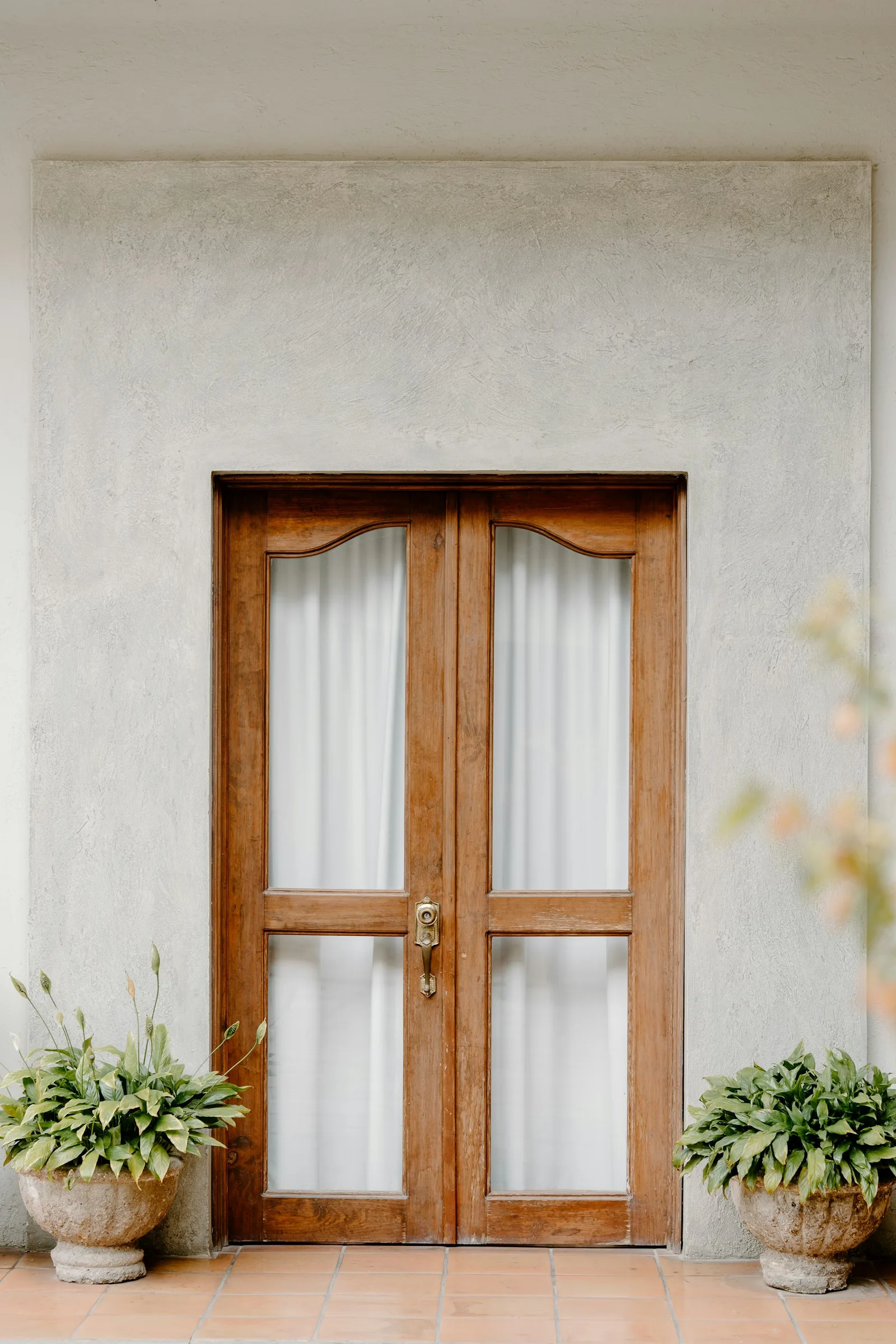
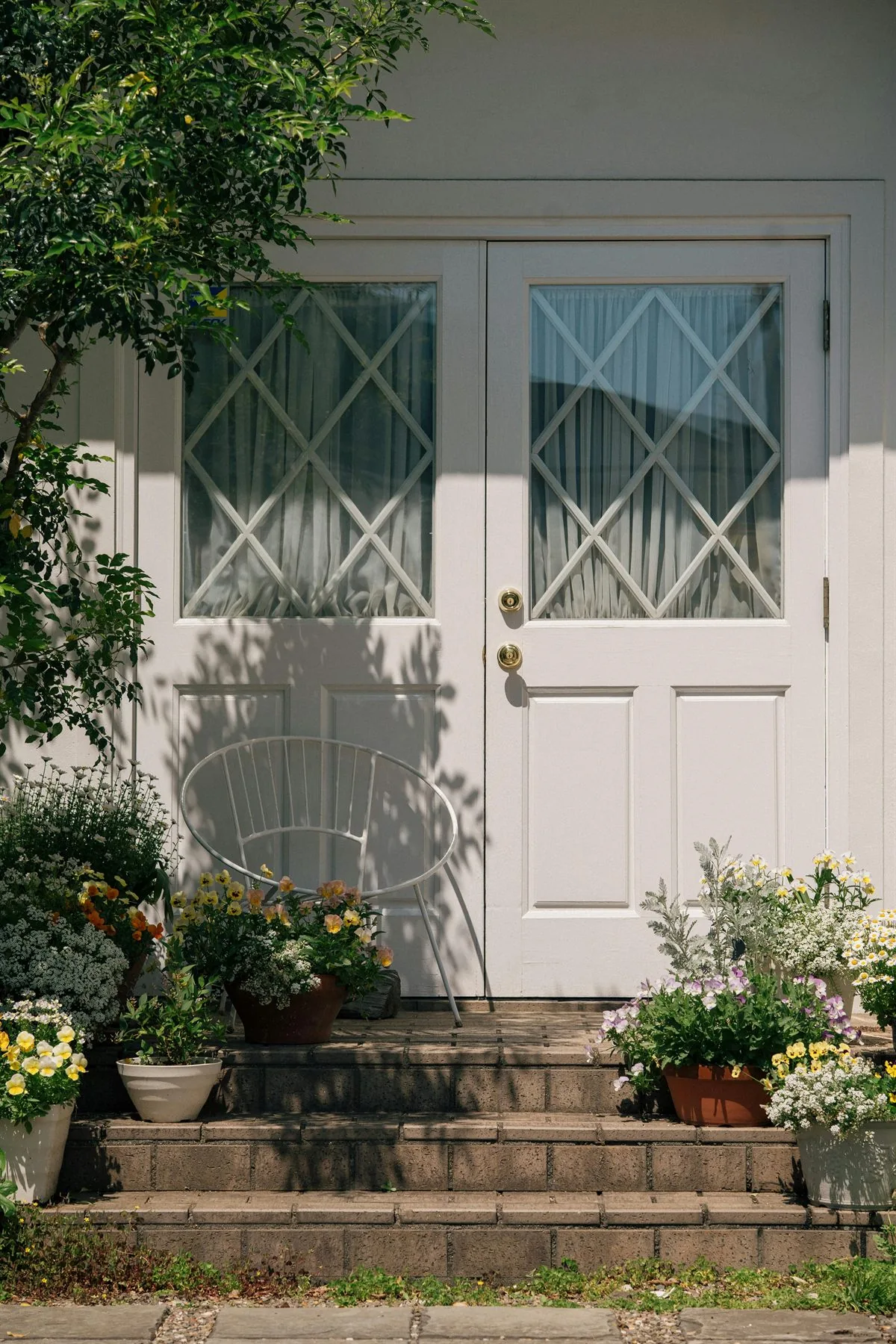
| Wide double door | Two balanced planters with rounded or softly full foliage | Make the pair frame the door instead of hiding it |
| Shaded entry | Fern, cast iron plant, hosta, or other shade-friendly foliage | Do not force sun-loving plants into a dim threshold |
| Very sunny entry | Olive, citrus, rosemary, lavender, or sturdy climate-friendly greenery | Watering and heat stress matter more than symbolism |
| Busy doorway | Fewer pots, cleaner shapes, and one obvious path to the handle | Too many small containers make the entrance feel scattered |
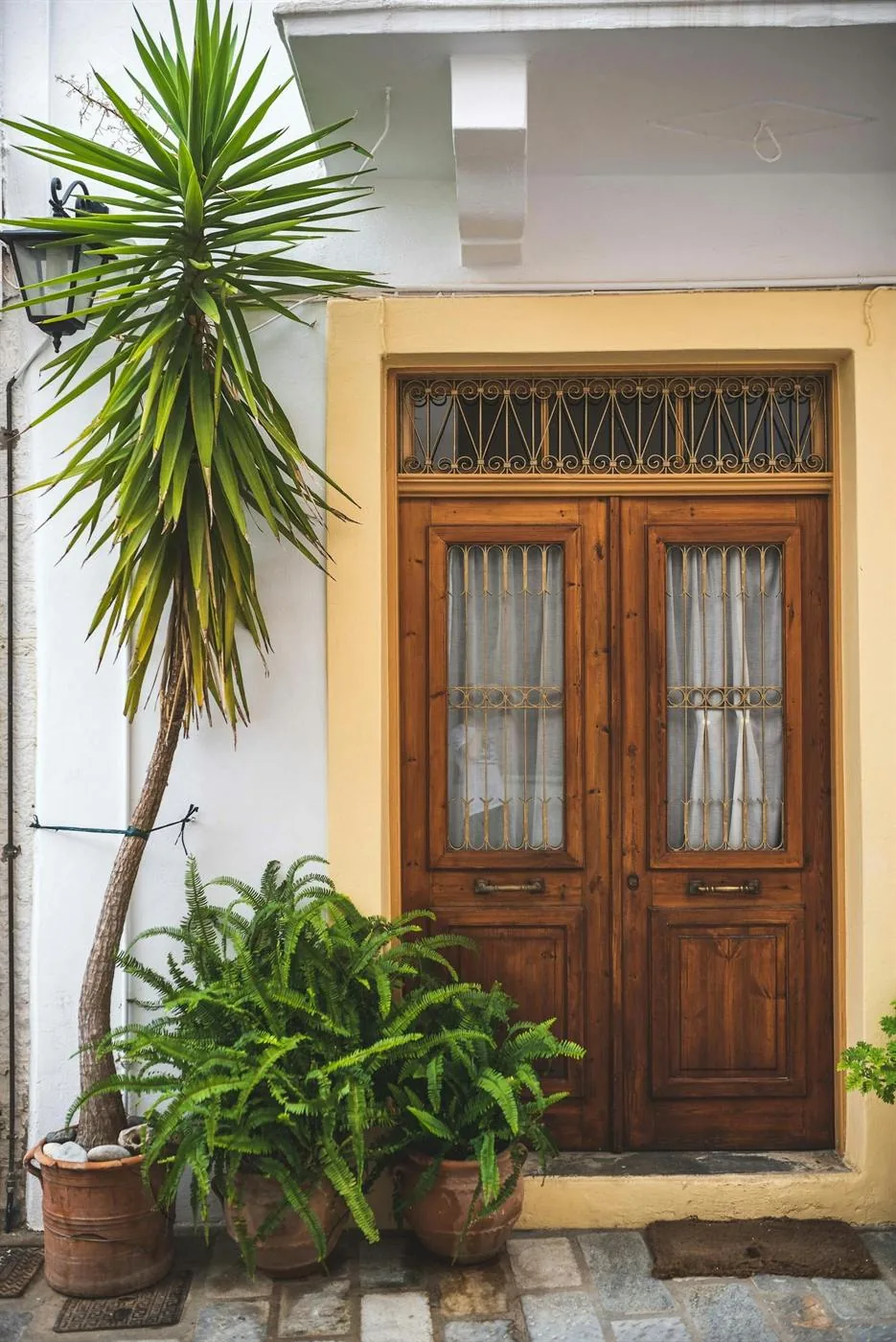
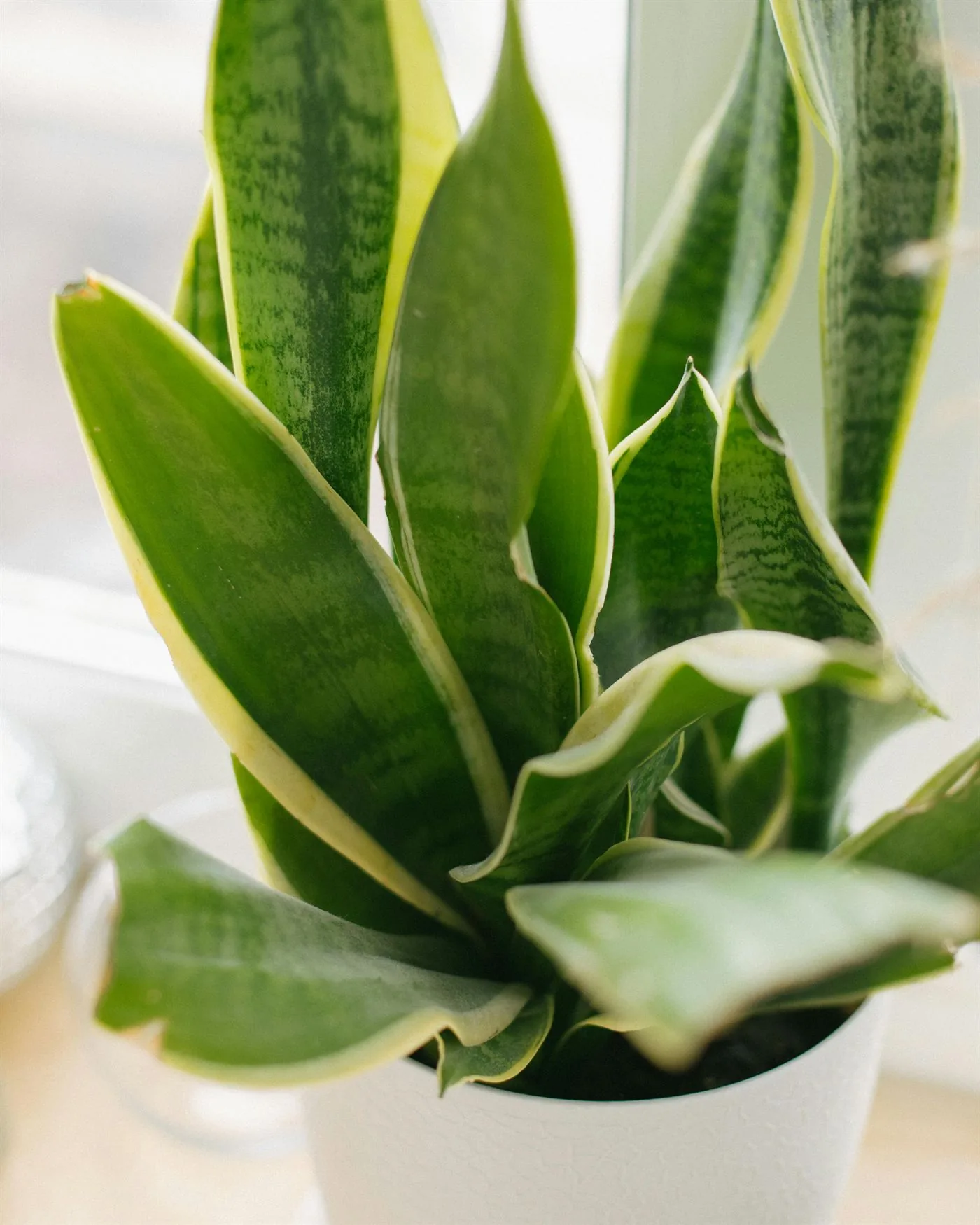
Snake plant is one of the easiest species to recommend when the entry is tight or the doorway needs more vertical emphasis than fullness. It reads clean, architectural, and easy to keep edited, which is why it works well when the path to the door needs to stay visually clear.
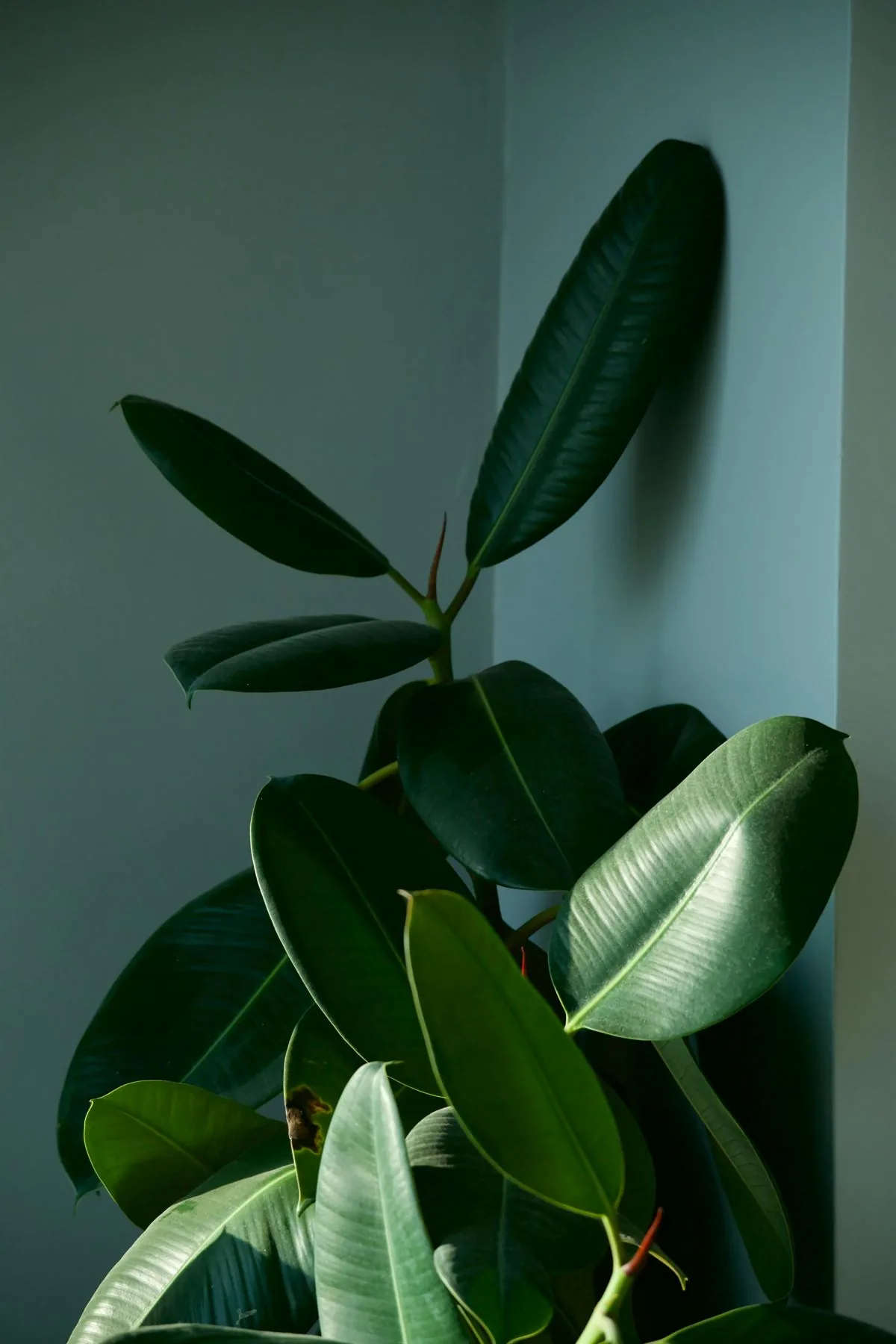
Rubber plant is the better fit when the entrance feels a little bare and needs a stronger visual anchor. The leaves feel fuller and more grounded than a narrow upright plant, so it is often the better one-plant choice beside a larger or more minimal facade.
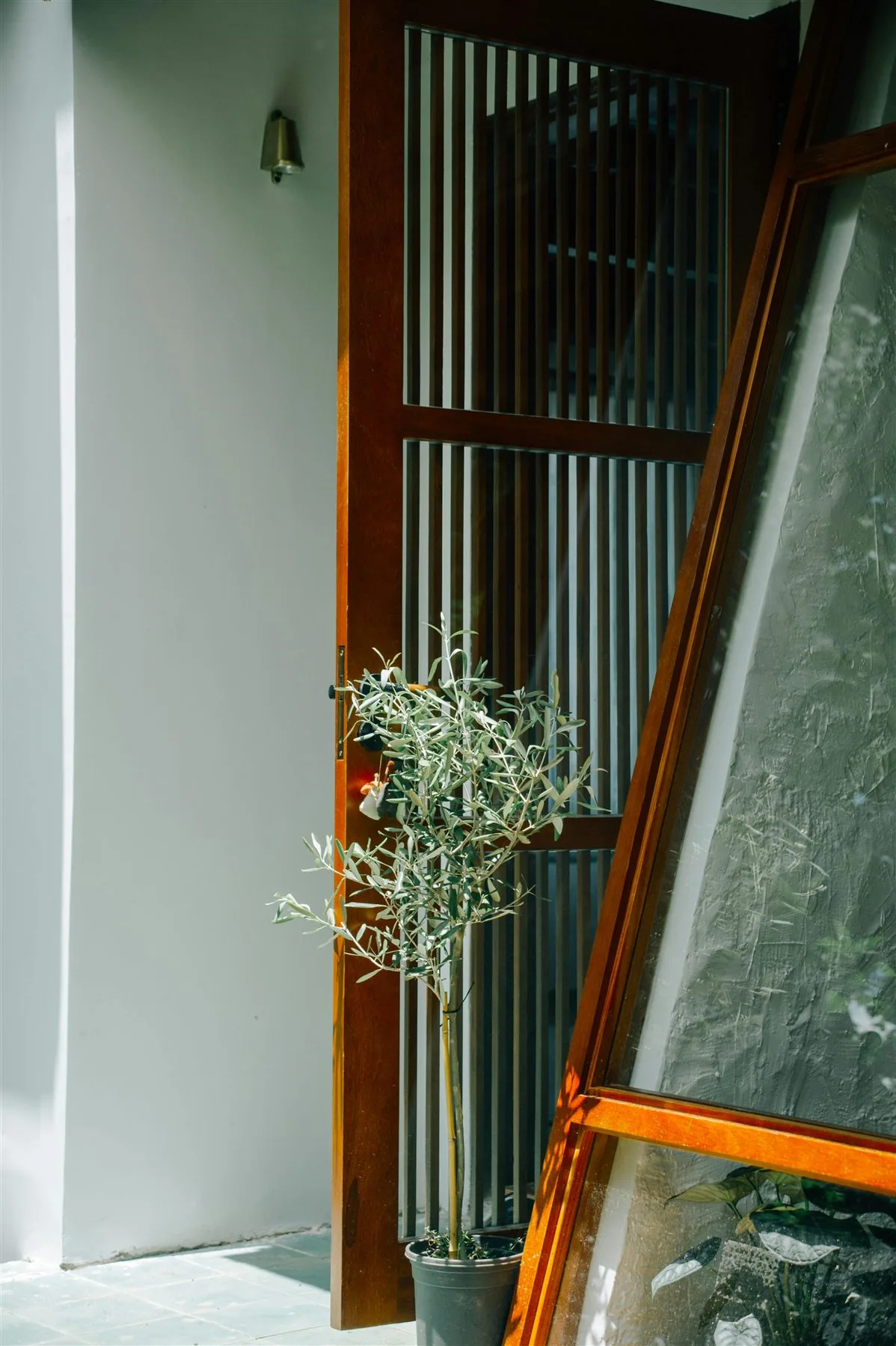
If you want the plants to help the energy of the entry, their condition matters. Healthy leaves, a clean pot, and enough breathing room will do more than a long row of small containers that need constant attention. That same idea shows up in the broader feng shui rules: function first, then styling.
How to Place Front Door Plants So They Help the Entry
Placement changes everything. A beautiful plant can still weaken the entry if it interrupts the path to the door or forces the eye away from the actual threshold.
Placement that works
- +Keep the path to the door easy to see and easy to walk.
- +Use one plant on a narrow entry or a matched pair on a wider one.
- +Choose pot sizes that suit the scale of the doorway and facade.
- +Let the door stay visually central even when the plants are strong.
Placement that weakens the entry
- -Crowding the threshold with too many small pots.
- -Letting leaves brush the handle or block the step up to the door.
- -Using plants that constantly struggle in the available light.
- -Adding symmetry just because it sounds right when the porch is too small for it.
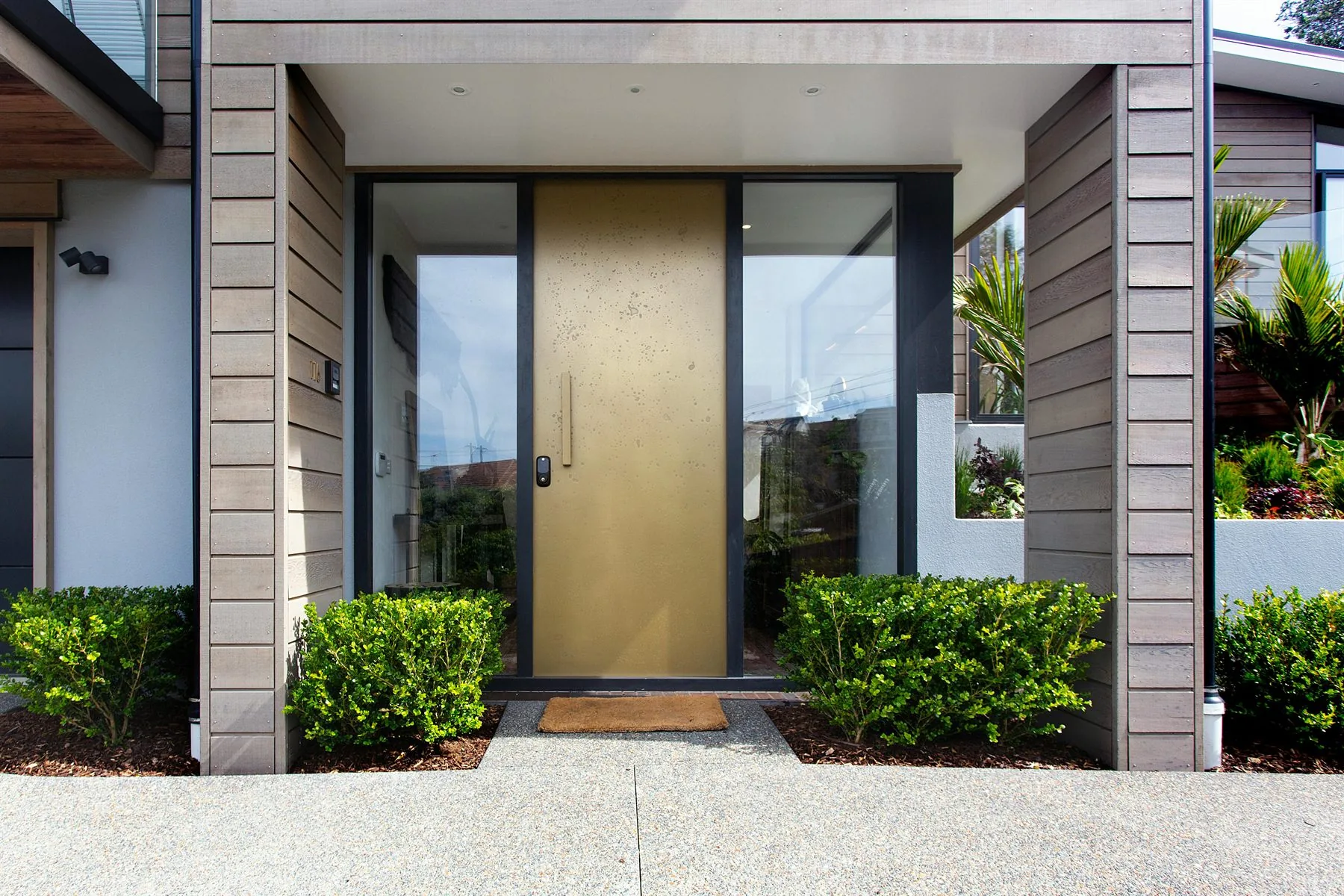
The easiest sizing rule
If the porch is small, choose one better plant in one better pot. A crowded porch almost always feels weaker than a simple, healthy setup.
Plants and Setups to Use More Carefully
It is not that certain plants are universally wrong. The real issue is condition, scale, and maintenance. A tired plant at the door makes the whole entrance feel a little less alive.
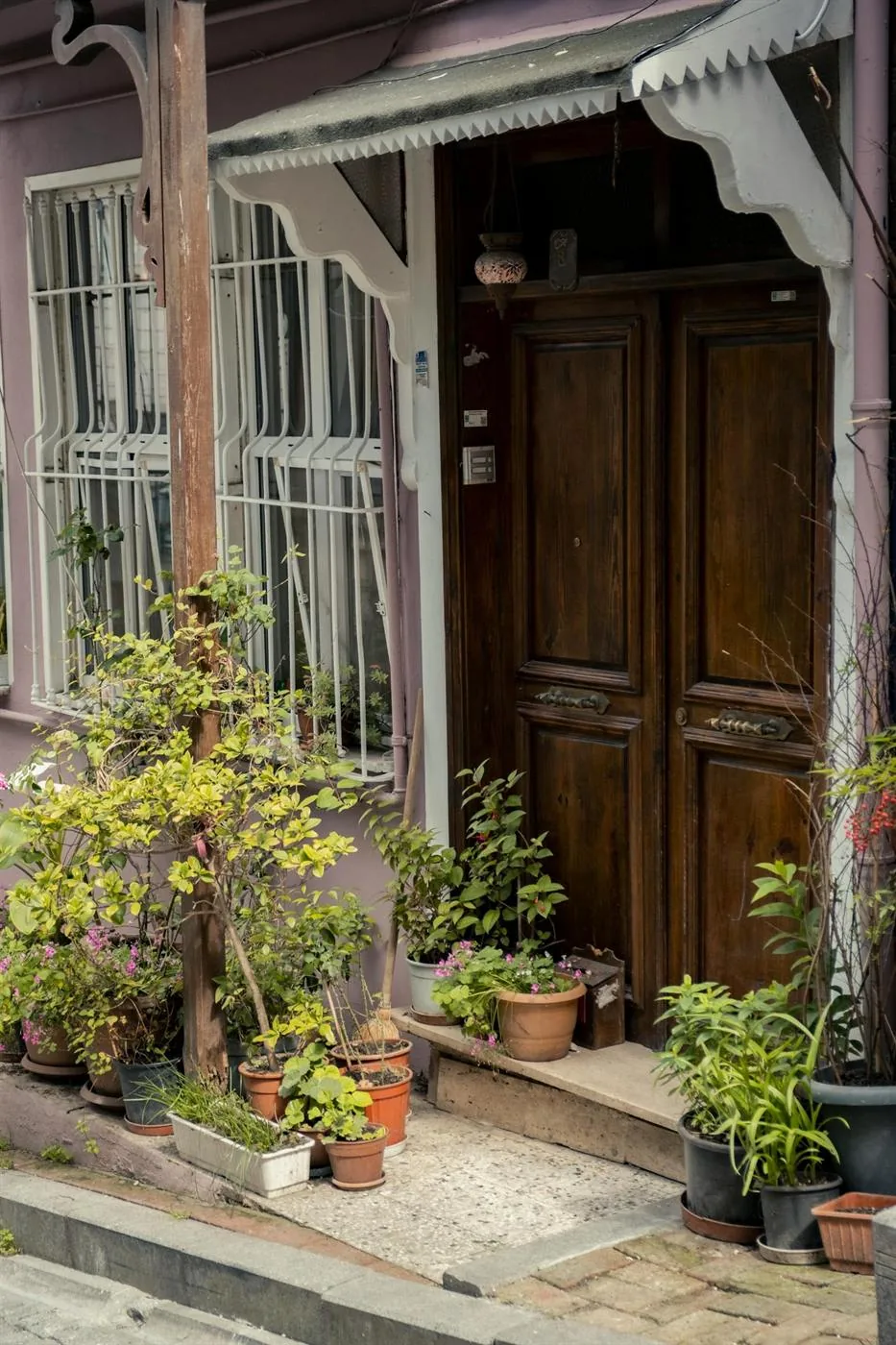
If you love a collected plant look, narrow it down to the healthiest containers and keep one clear stepping zone visible. That way the entry still feels like an entrance, not a storage area for extra pots.

Use sharp plants carefully
Cactus, thorny shrubs, and very spiky plants are not automatic mistakes outdoors, but they can feel harsh right at the handle or main step. If you use them, keep them off to the side and make sure the first feeling at the door is welcome, not caution.
Frequently Asked Questions
What are the best feng shui plants for front doors?
Should plants go on both sides of the front door?
Are dead plants bad feng shui at the front door?
What should I avoid with front door plants?
The Bottom Line
The best feng shui plants for front doors are the ones that make the entrance feel healthier, clearer, and more welcoming. Healthy foliage, the right scale, and a clear path matter more than chasing the perfect symbolic plant.
If the entry is narrow, keep it simple. If it is wide, a matched pair can work well. Either way, let the door stay visually strong and make sure the plants are easy to maintain.