



Quick Answer
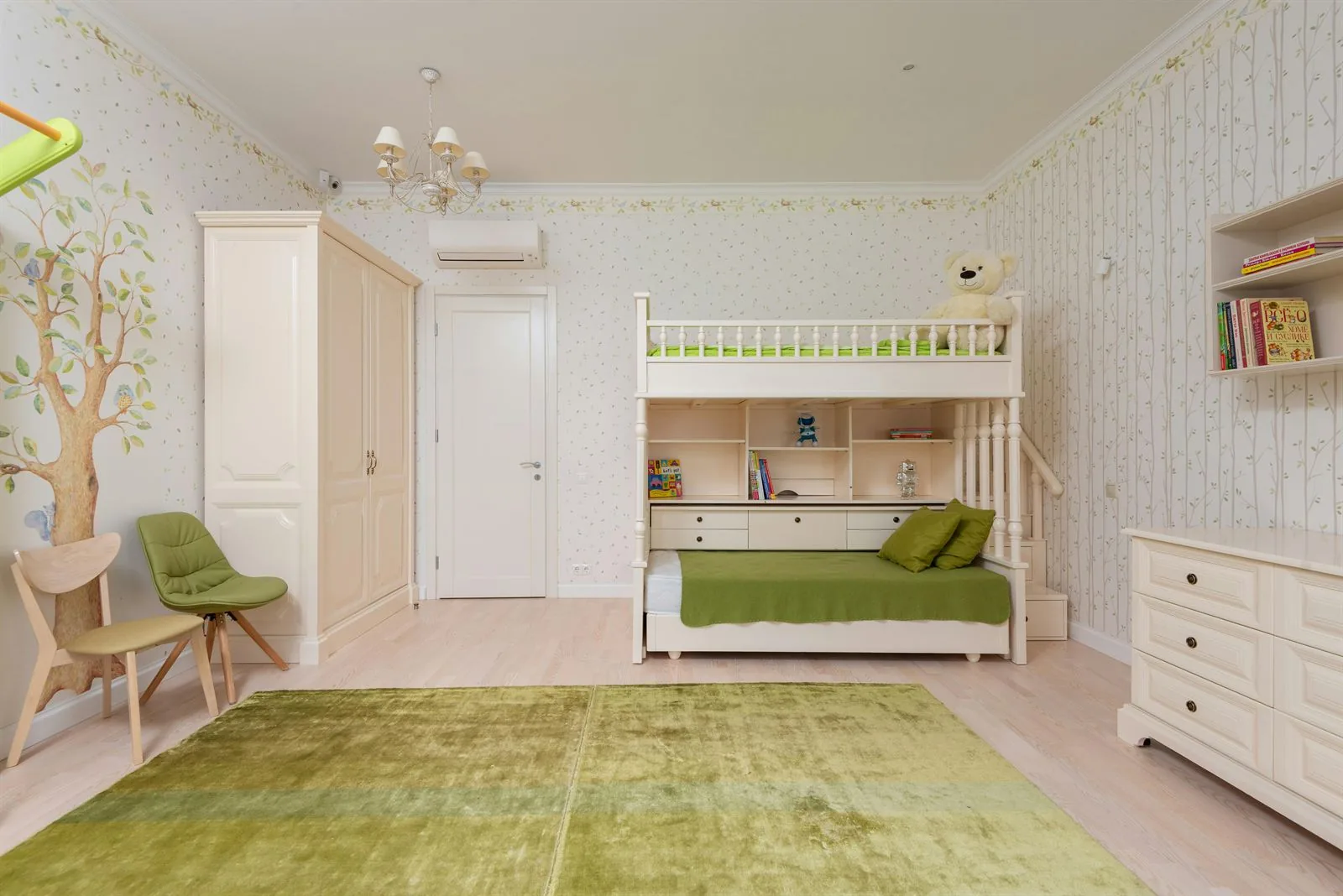
A feng shui kids bedroom works best when it supports two things at once: enough personality for the child and enough calm for actual rest. Softer color, better storage, a protected-feeling bed, and fewer overstimulating details near sleep make the biggest difference.
The strongest kids rooms feel easier to reset. They are not empty, but they are also not asking a child to fall asleep inside constant visual noise.
That is why feng shui for a kids bedroom is less about perfect symbolism and more about rhythms the room can actually support. The room should help with winding down, storing things simply, and making the bed feel like the anchor instead of one more object floating in the clutter. If the room is still in the crib and rocking-chair stage, feng shui for nursery is the more specific guide.
What Helps a Kids Bedroom Feel Better Fast
These five moves calm the room quickly.
Softer wall color
A clear floor path
Closed or edited storage
The bed as the anchor
A gentler bedtime zone
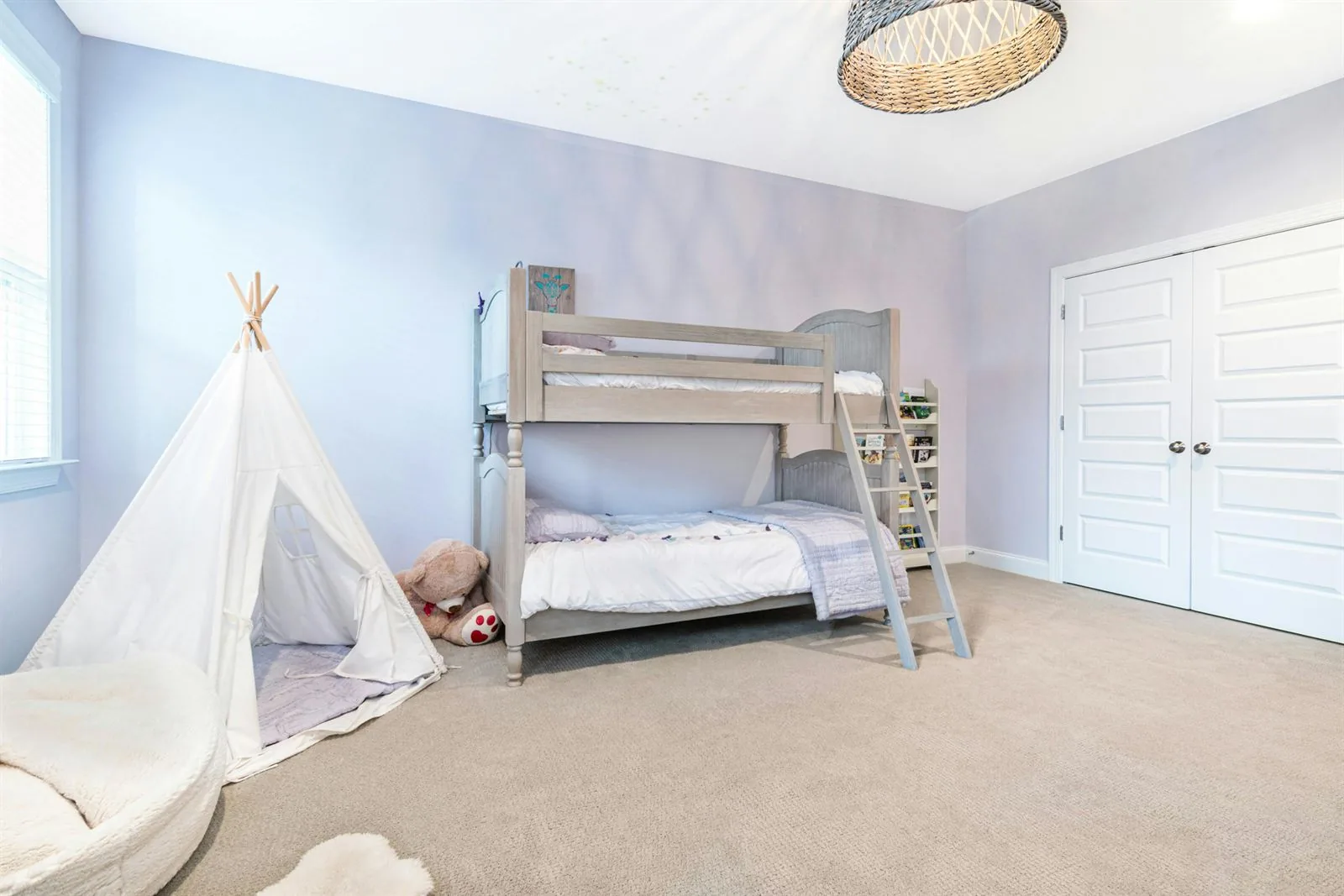
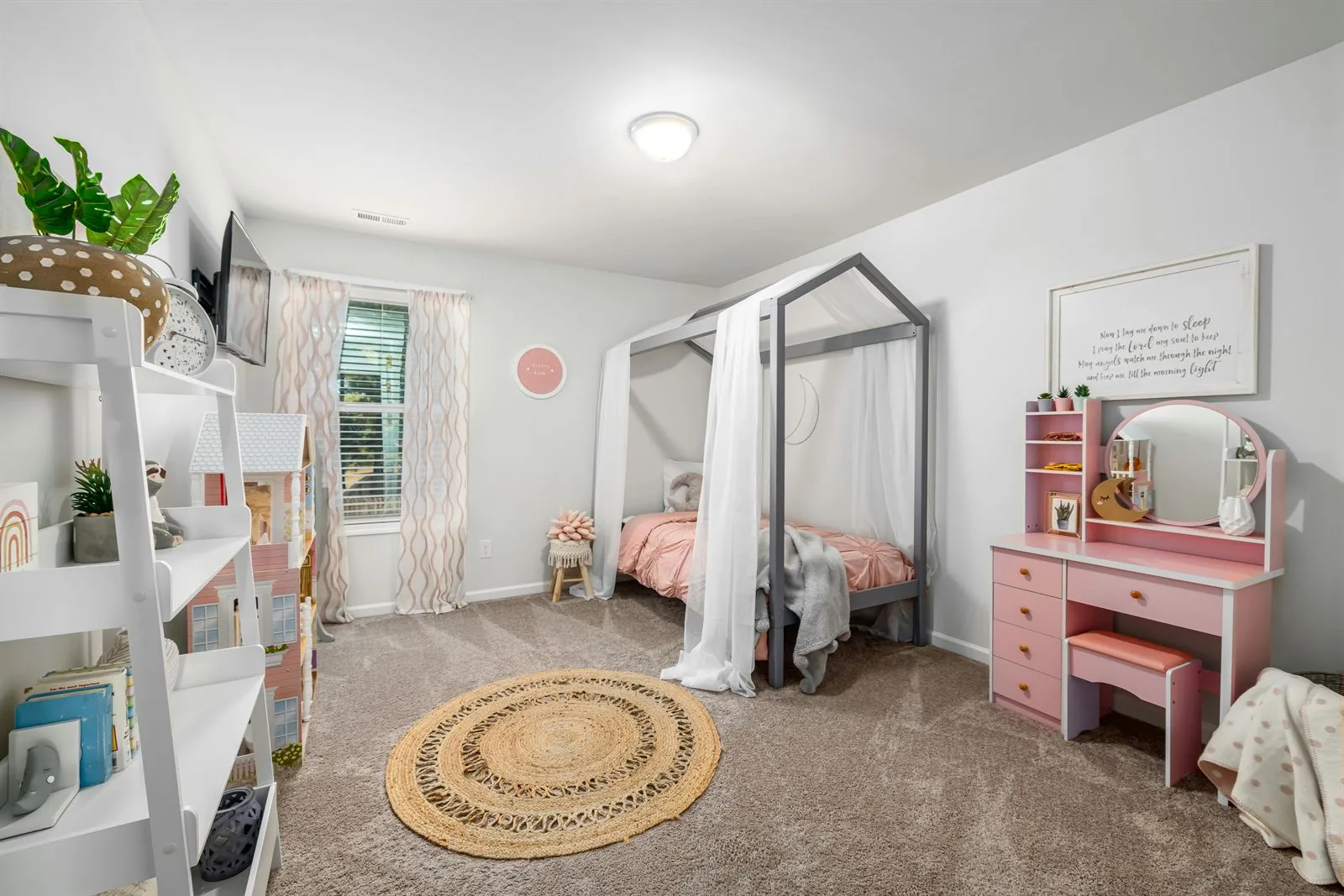
Storage is often the biggest hidden feng shui issue in a kids room. If every surface stays full and every toy stays visible, the room never fully settles. That does not mean everything has to be hidden. It means the visual volume needs some boundaries.
Kids Bedroom Color Palettes That Work
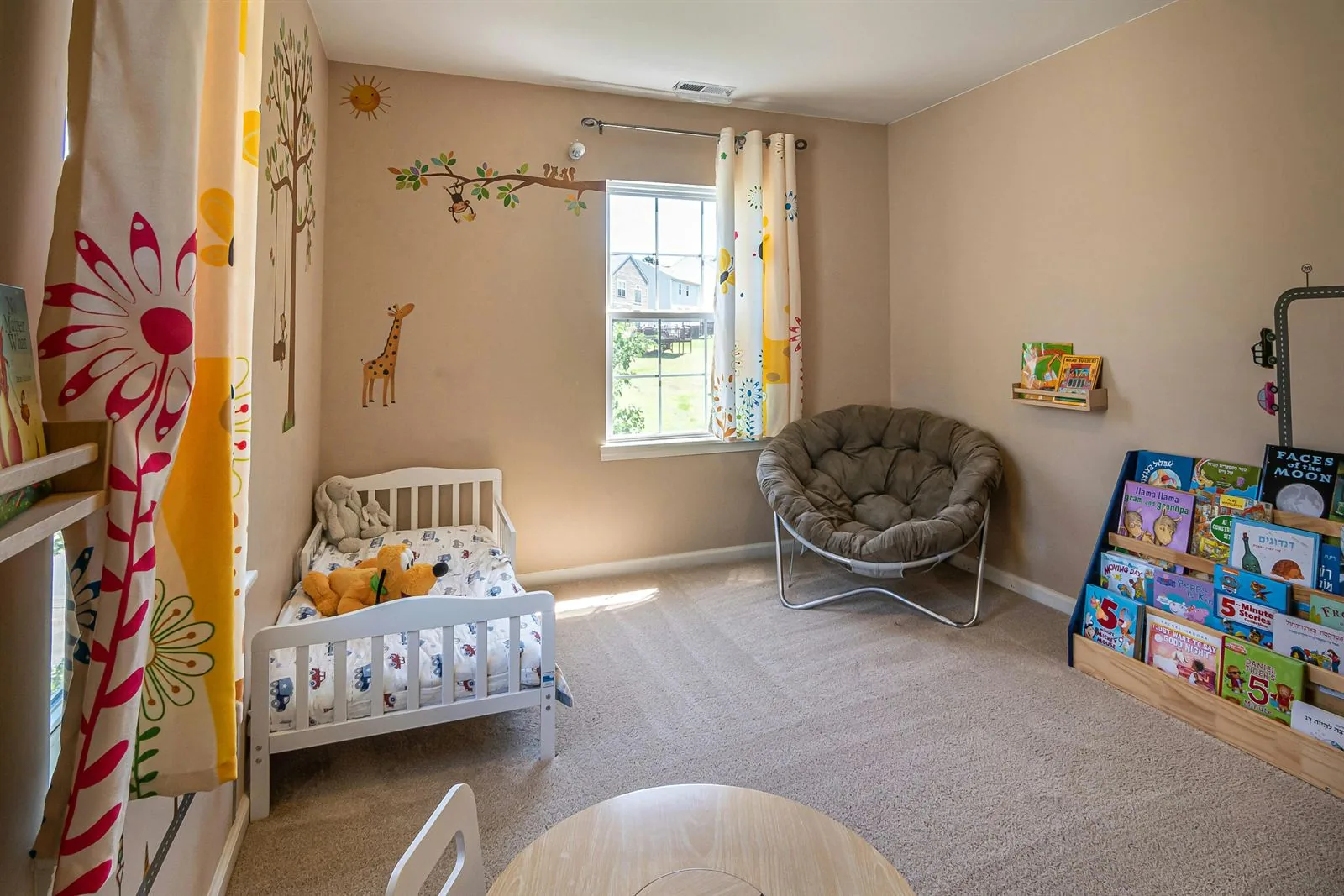
Bigger surfaces can stay soft while playful colors show up in smaller moments. That lets the room still feel like a kids space without making bedtime harder.
Four calmer kids-room palette directions
These are the kinds of combinations that feel playful enough for daytime and quiet enough for sleep.
Warm cream and clay
Soft and comforting
Warm cream and clay + Clay + Oak
Works well for younger kids rooms that need warmth without loud contrast. It fits rooms with pale wood, woven textures, and one or two personality accents.
Dusty green and warm white
Grounded and playful
Dusty green and warm white + Warm white + Moss
A strong direction when you want the room to feel a little more alive but still easy to settle at night. This is the kind of palette that works especially well with bunk beds and built-in storage.
Dusty blue-green and sand
Quiet and steady
Dusty blue-green and sand + Sand + Walnut
Useful for combo sleep-study rooms because it keeps the room focused without making it feel cold. It also works well when the floor and furniture already bring in enough wood tone.
Muted pink and warm neutral
Gentle personality
Muted pink and warm neutral + Warm neutral + Soft rose
Best when a child wants a sweeter room but the walls still need to stay breathable. This kind of palette keeps the personality visible without turning every surface loud.
Bed, Storage, and Layout Matter More Than Extra Decor
The bed should feel like the calmest part of the room. If you are still working out furniture placement, feng shui bedroom layout is worth reading alongside this, because the same principles still help even when the room is smaller or more playful.
Scroll sideways to compare all columns.
| Room need | Better move | Why it helps |
|---|---|---|
| Too much visual noise | Use calmer bedding and fewer wall accents near the bed | The eye gets one restful zone to land on. |
| Toys everywhere | Add baskets, bins, or lower closed storage | The room stays easier to reset. |
| Bed feels exposed | Place it on a stronger wall when possible | The room feels less restless. |
| Color feels loud | Keep big surfaces softer and use color in smaller accents | The room stays playful without becoming overstimulating. |
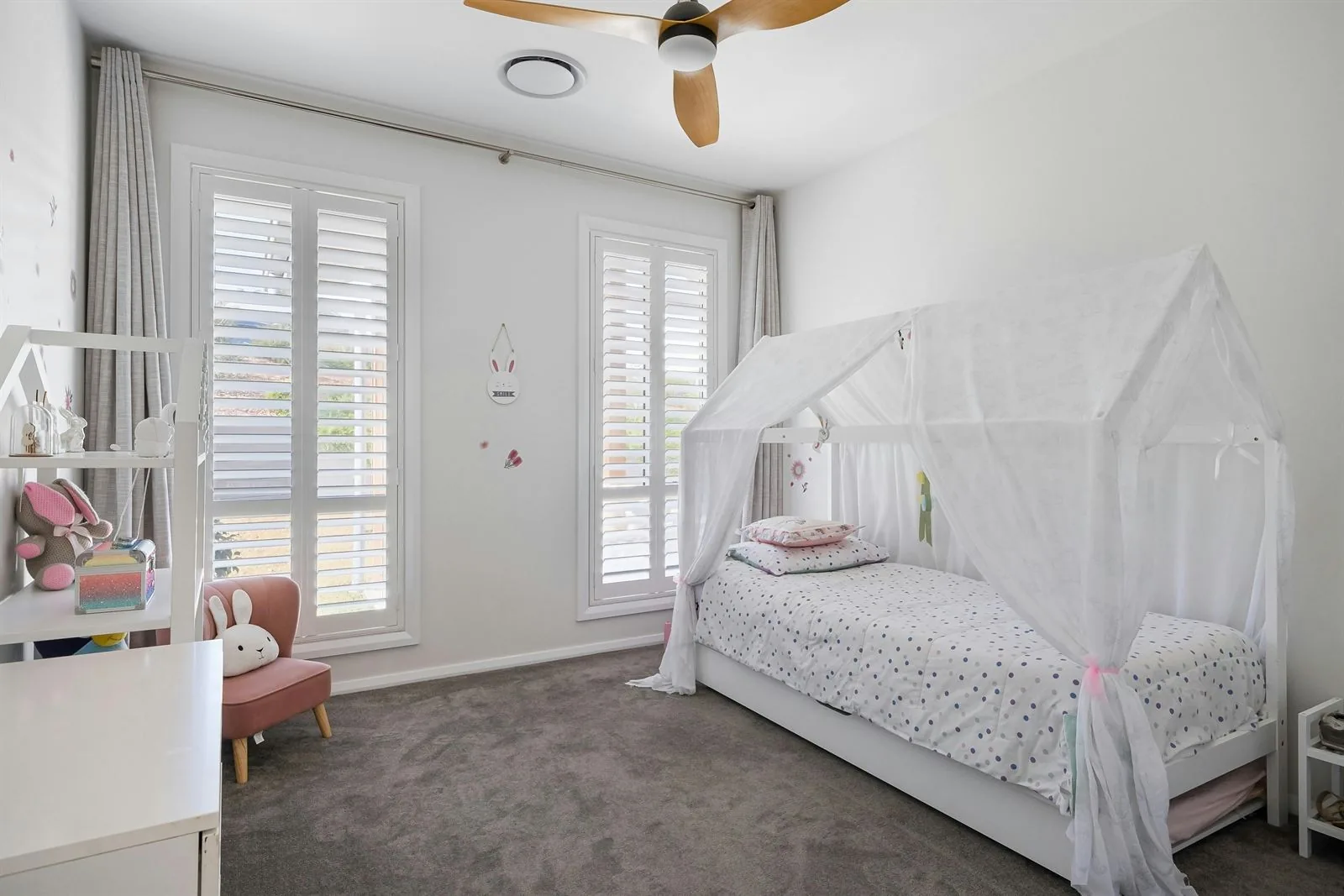
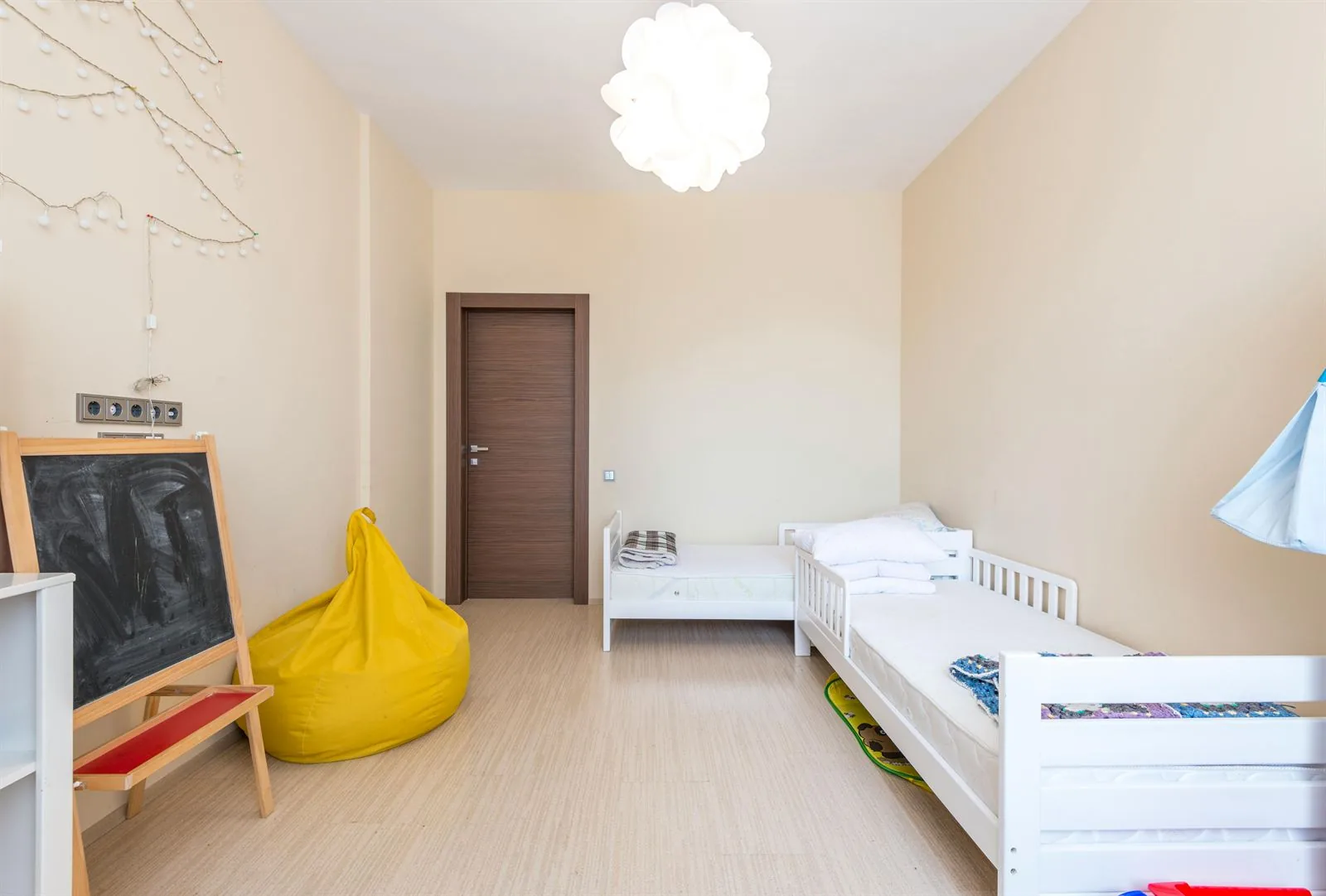
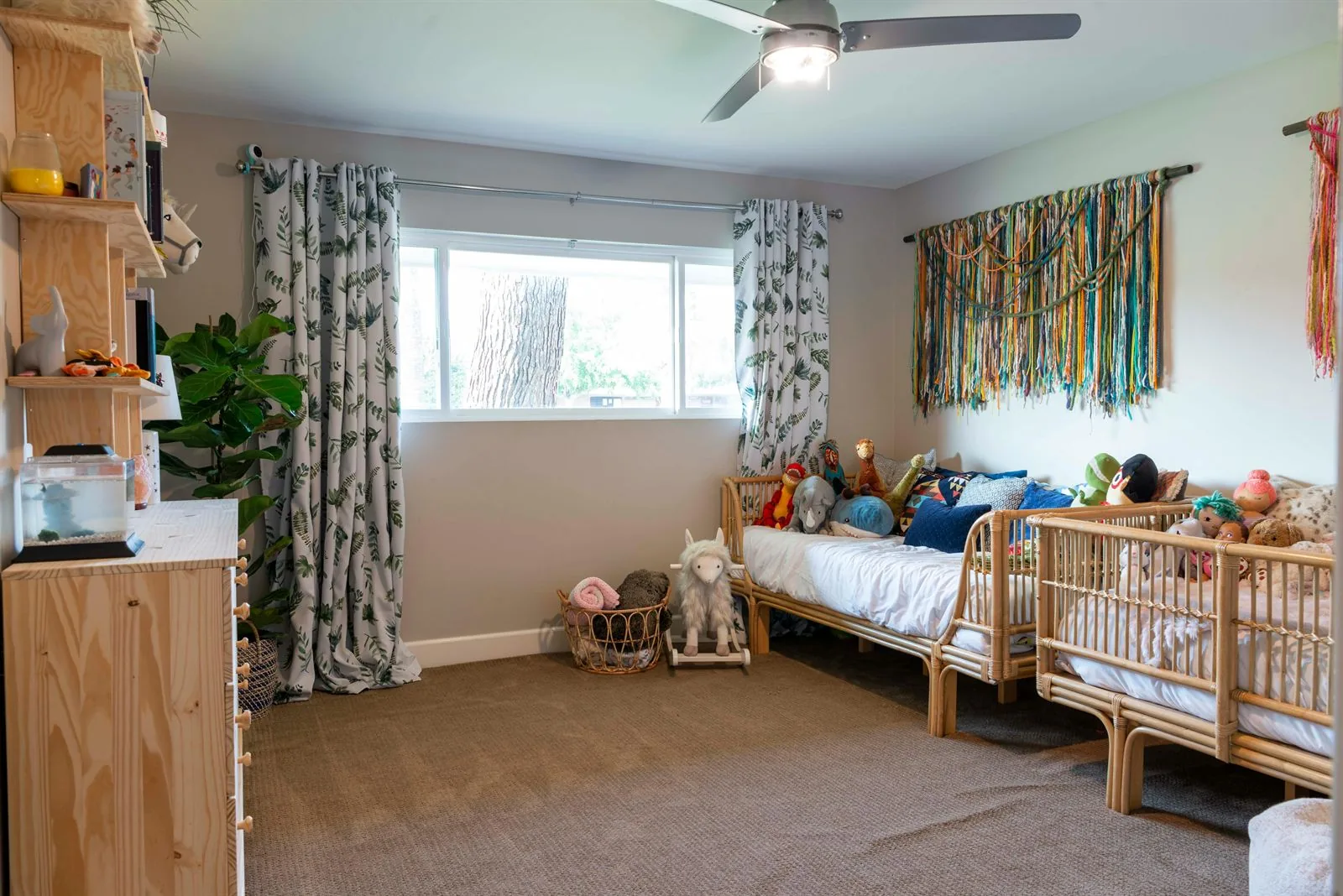
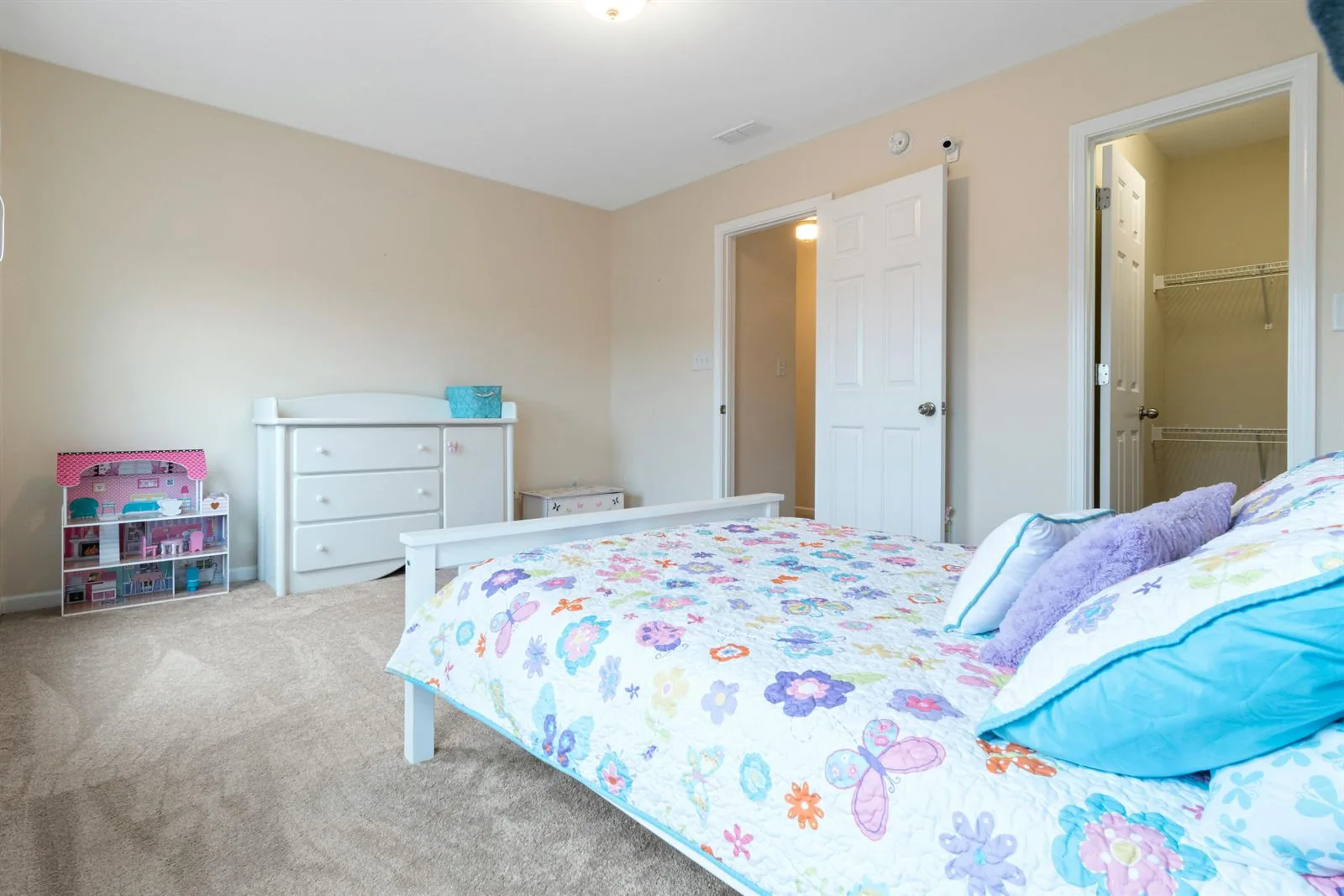
Shared rooms and combo sleep-study rooms need the same hierarchy repeated on purpose. Let the bed wall feel most protected, let storage handle the overflow, and keep any desk or reading corner from becoming louder than the sleep zone.
Study, Screens, Bunk Beds, and Shared Rooms
Kids bedrooms often have to do too many jobs: sleep, homework, play, storage, reading, and sometimes sibling sharing. The room feels calmer when each job has a boundary, even if that boundary is just one shelf, one rug, one desk wall, or one bedtime reset basket.
Scroll sideways to compare all columns.
| Room feature | Better feng shui move | Use carefully |
|---|---|---|
| Study desk | Give it light and a clear surface, then let schoolwork close down at night | A desk that faces the bed and keeps the room in work mode |
| Screens and game gear | Store or cover what you can before sleep | Bright screens, cables, and charging clutter beside the pillow |
| Mirrors | Place them for dressing, not where they reflect the bed all night | Large mirror panels that make the room feel more active at bedtime |
| Bunk beds or loft beds | Keep the structure safe, sturdy, and visually calm around the sleep area | Heavy shelves, sharp decor, or busy hanging pieces directly over the pillow |
| Shared rooms | Repeat storage and lighting fairly so each child has a defined side | One child getting the calm side while the other gets the cluttered overflow zone |
| Under-bed storage | Use it only for soft, contained, seasonal items if storage is tight | Random toy bins, broken pieces, or emotionally loaded clutter under the bed |
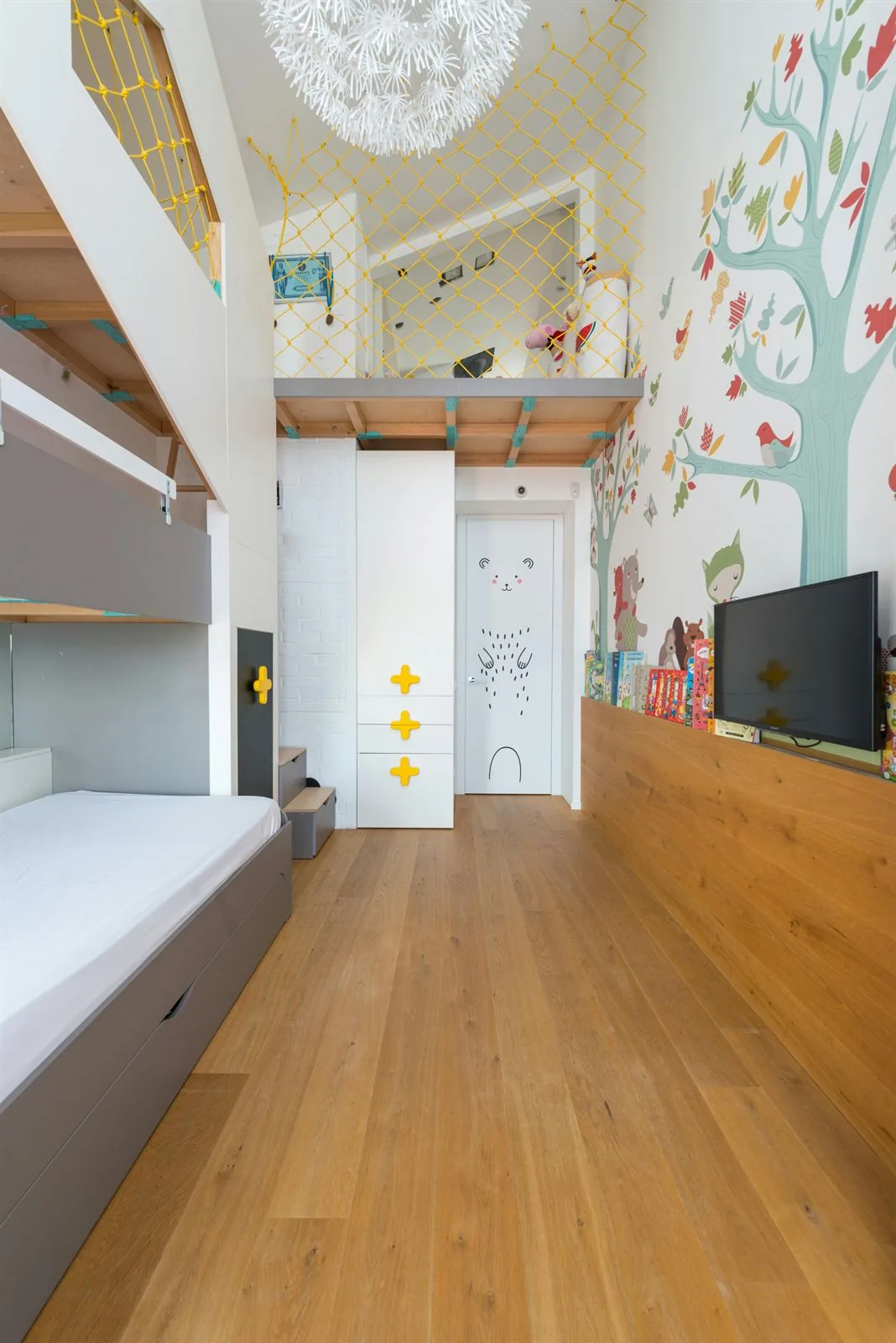
If you want more help on calming the palette itself, feng shui colors for bedroom gives the color side in more detail. The key for kids rooms is to let the bigger surfaces stay gentler, then let personality come through art, books, textiles, and a few favorite things.
What to Use More Carefully in a Kids Room
What helps
- +Keep some open play personality, but edit what stays visible.
- +Use calmer wall and bedding color as the base.
- +Let storage carry some of the visual load.
- +Keep bedtime lighting softer and warmer.
What makes the room harder
- -Putting the loudest color on every large surface.
- -Leaving wall art, shelves, and toy bins all visually busy at once.
- -Crowding the bed with storage and play zones on every side.
- -Treating the bedroom like a full-time playroom if sleep is already difficult.
The easiest reset rule
If the room feels too busy, start by calming the bed area first. Simpler bedding, softer light, and one cleared storage zone improve the whole room faster than buying new decor.
Frequently Asked Questions
How do you feng shui a kids bedroom?
What colors work best for a kids bedroom in feng shui?
Should toys stay in the bedroom?
Where should a desk go in a kids bedroom?
What weakens feng shui in a kids bedroom?
The Bottom Line
A feng shui kids bedroom feels calmer, softer, and easier to reset than the average kids room. The biggest wins often come from better storage, gentler color, and making the bed feel like the room's anchor.
The room does not need to lose personality. It just needs enough order and softness that sleep still stands a chance.