



Quick Answer
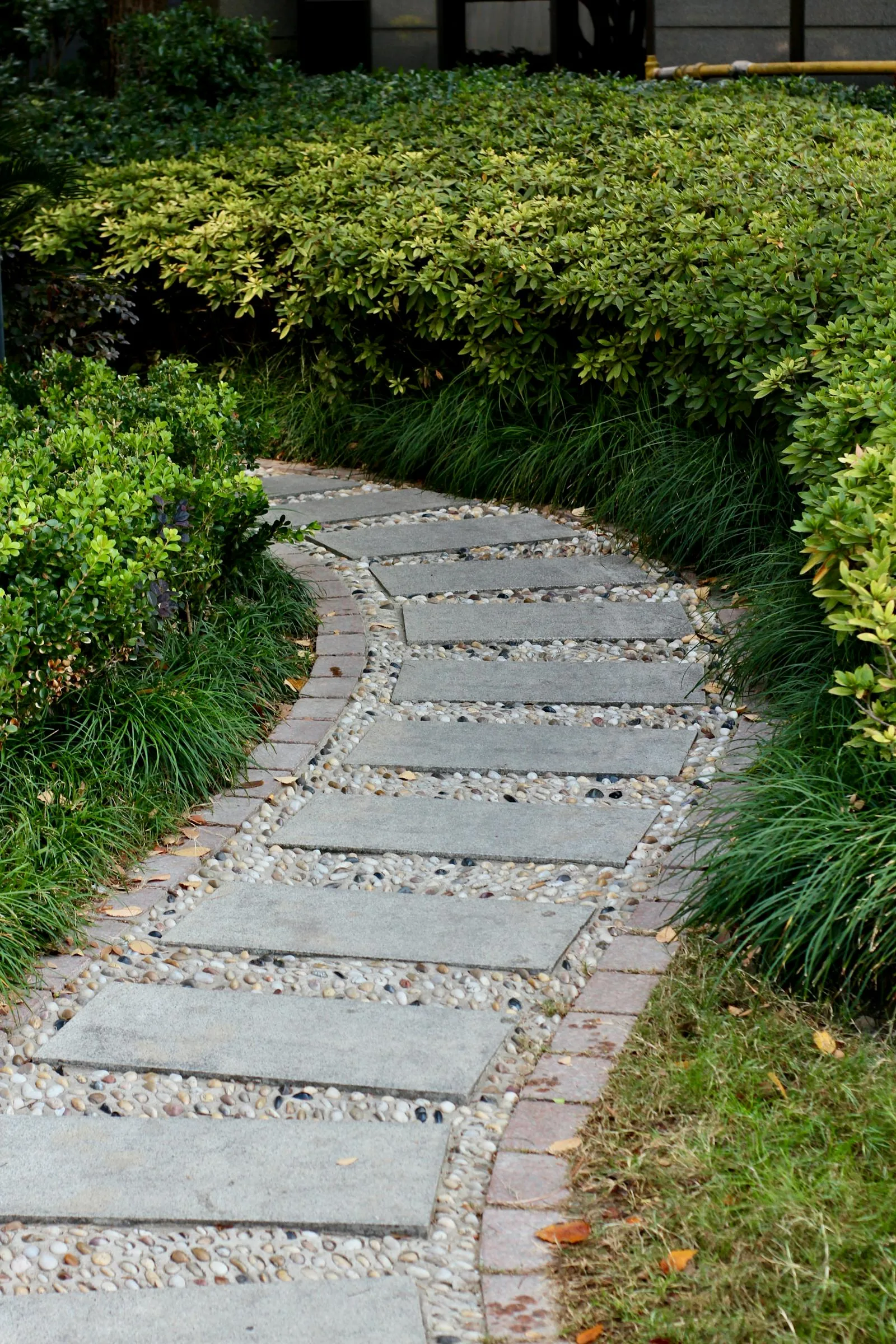
A feng shui garden feels calm, healthy, and easy to move through. The best garden fixes are simple ones: clearer paths, stronger planting, one comfortable place to pause, and fewer random objects competing for attention.
Garden feng shui works best when the outdoor space feels guided instead of scattered. A good garden does not need to be formal. It just needs a clear mood, healthy growth, and an easy sense of movement.
This is why the strongest gardens often feel edited rather than overloaded. One clear path, one landing point, one stronger planting rhythm, and one calm focal moment often do more than filling the yard with ornaments. If the outdoor space connects directly to the entry, feng shui front door and feng shui plants for front doors are the best companion reads because the approach should feel coherent from the street to the door.
What a Feng Shui Garden Needs Most
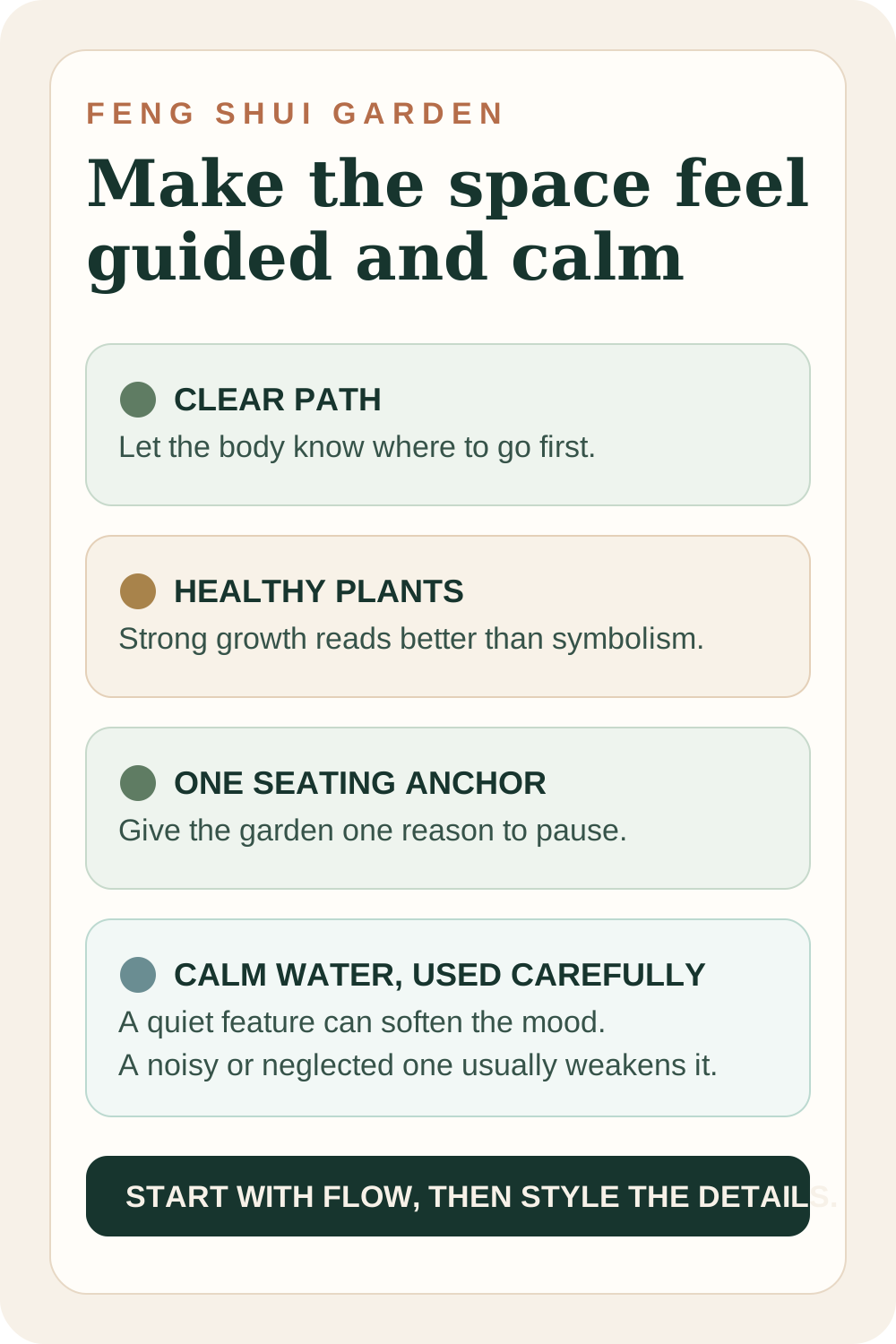
A garden should feel like an extension of the home, not a leftover zone full of scattered pots, extra furniture, and forgotten corners. The easiest way to judge it is to ask whether the space invites you forward gently or whether everything in it competes at once. Good outdoor feng shui comes from clarity first and decoration second.
| Garden element | What it should do | Best first move |
|---|---|---|
| Pathway | Guide movement naturally | Use one readable route instead of several confusing transitions. |
| Planting | Feel alive and maintained | Keep the healthiest planting visible and remove obvious dead or struggling areas. |
| Seating | Create a reason to pause | Give the garden one comfortable landing zone instead of many weak ones. |
| Water or ornament | Support mood, not noise | Use one calm feature carefully rather than many decorative distractions. |
| Edges and boundaries | Make the space feel protected | Use hedging, pots, beds, or low walls to define the garden more clearly. |

The Garden Moves That Improve the Space Fastest
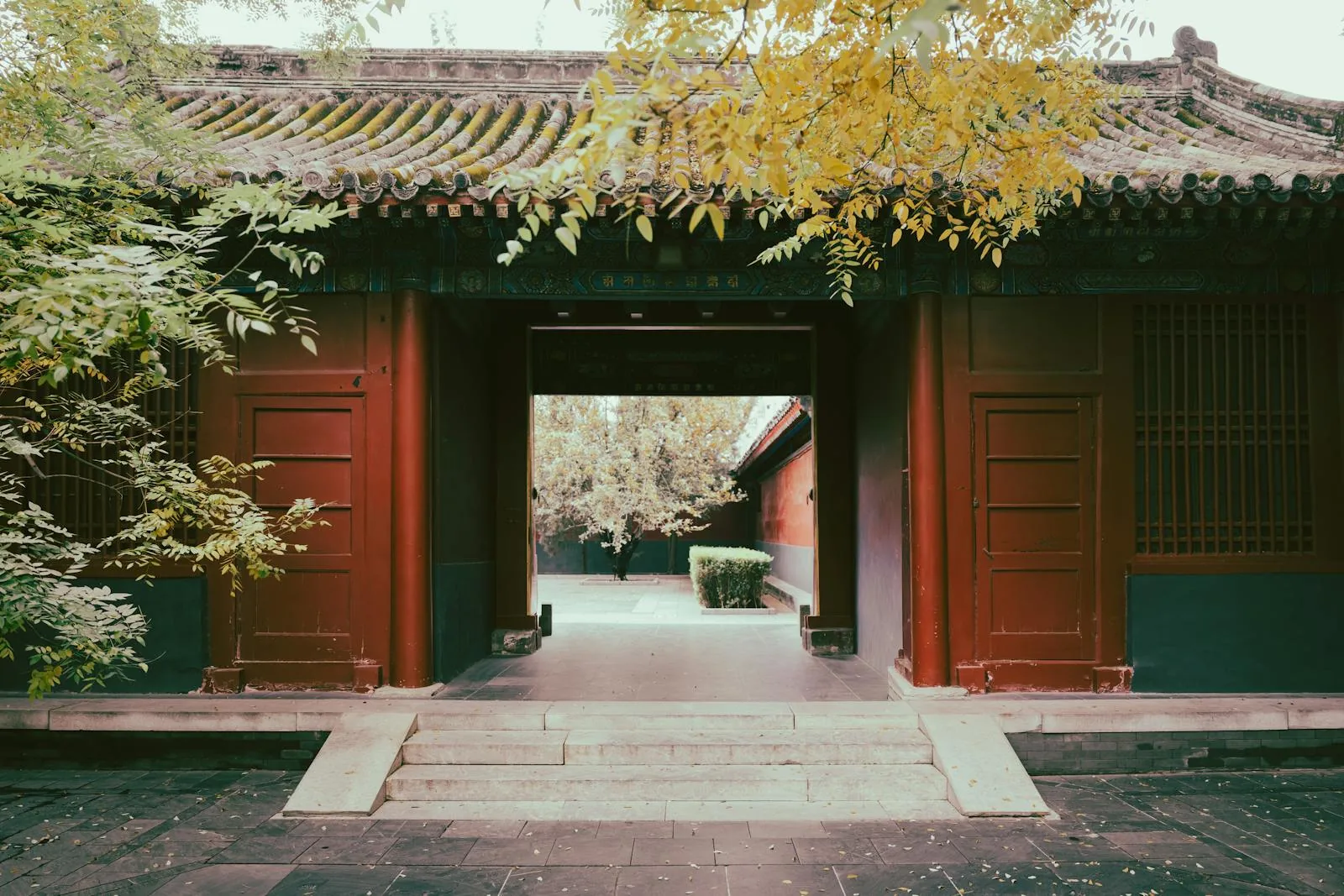
These are the outdoor changes that create the strongest shift before anything symbolic does.
Clarify the main route
Edit the plant mix
Create one seating anchor
Use water carefully
Let the garden relate to the house

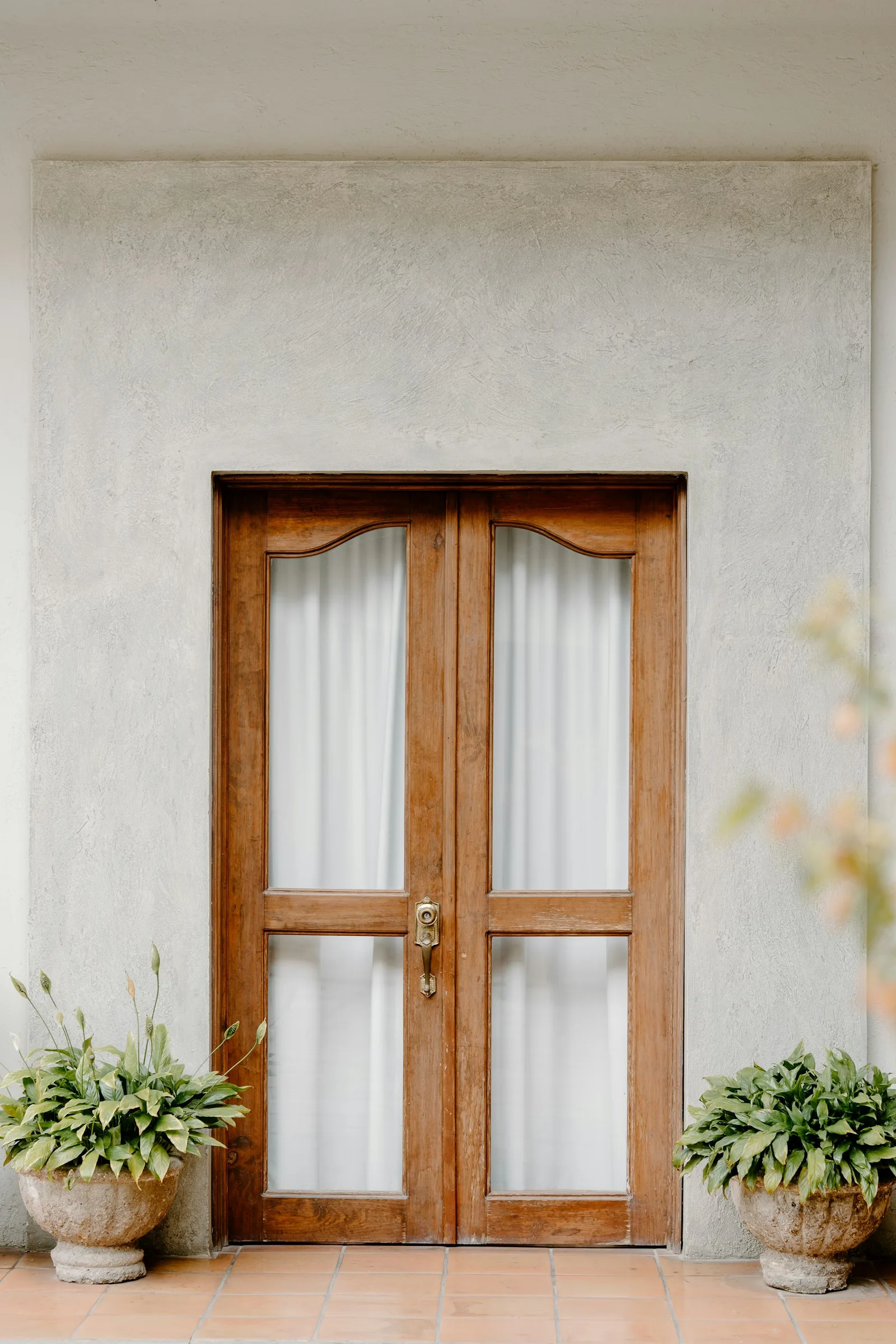
If the garden transitions into a patio or side yard, treat that change of zone carefully. Outdoor feng shui weakens when a calm path suddenly turns into storage, exposed furniture, or leftover maintenance clutter. The best gardens still feel readable where paving, lawn, and planting meet.
What Weakens Feng Shui in a Garden
What helps
- +Use one clear path that gently guides the body through the space.
- +Keep the plants healthy enough that the garden reads as alive and cared for.
- +Create one stronger resting or seating zone instead of many weak ones.
- +Use water, sculpture, or lighting only when it supports the overall mood.
What weakens it
- -Crowding the garden with too many ornaments, pots, or unrelated focal points.
- -Letting dead planting or neglected corners become part of the main view.
- -Leaving outdoor furniture exposed, awkwardly placed, or disconnected from the layout.
- -Using a water feature that is noisy, dirty, or feels bigger than the garden can support.


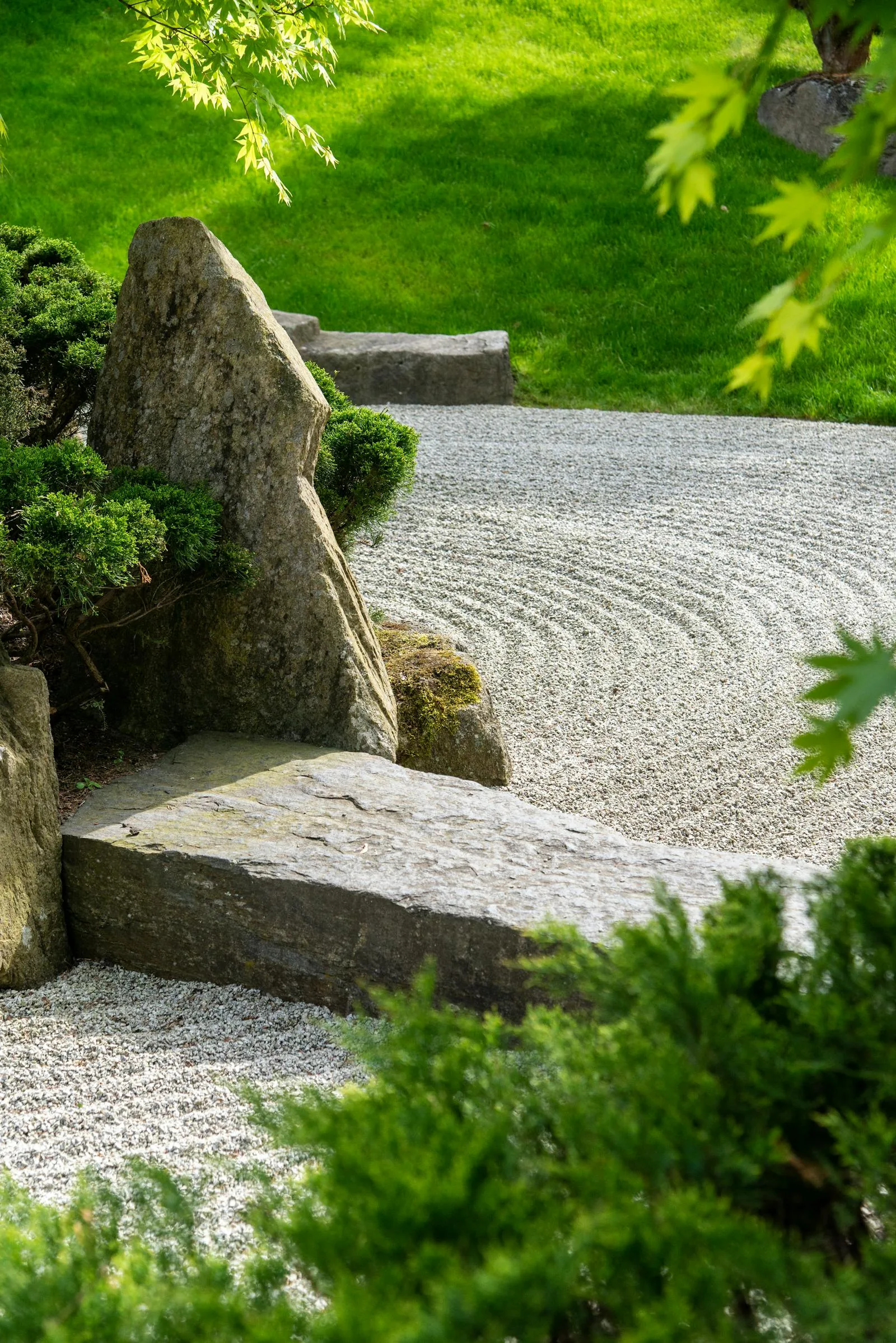

The simplest garden test
Stand at the point where you first enter the garden and ask whether the space gives you one calm next step. If the answer is not obvious, the layout probably needs editing before it needs more decoration.
Frequently Asked Questions
How do you feng shui a garden?
What is the best plant style for a feng shui garden?
Should a feng shui garden have water?
What should I avoid in a feng shui garden?
The Bottom Line
The best feng shui garden is the one that feels calm to walk through, healthy to look at, and welcoming enough that you want to stay in it for a few minutes. That comes from clearer paths, better planting, and fewer competing signals.
If the outdoor space feels easier to enter, easier to understand, and easier to enjoy, the garden feng shui is probably moving in the right direction.