



Quick Answer
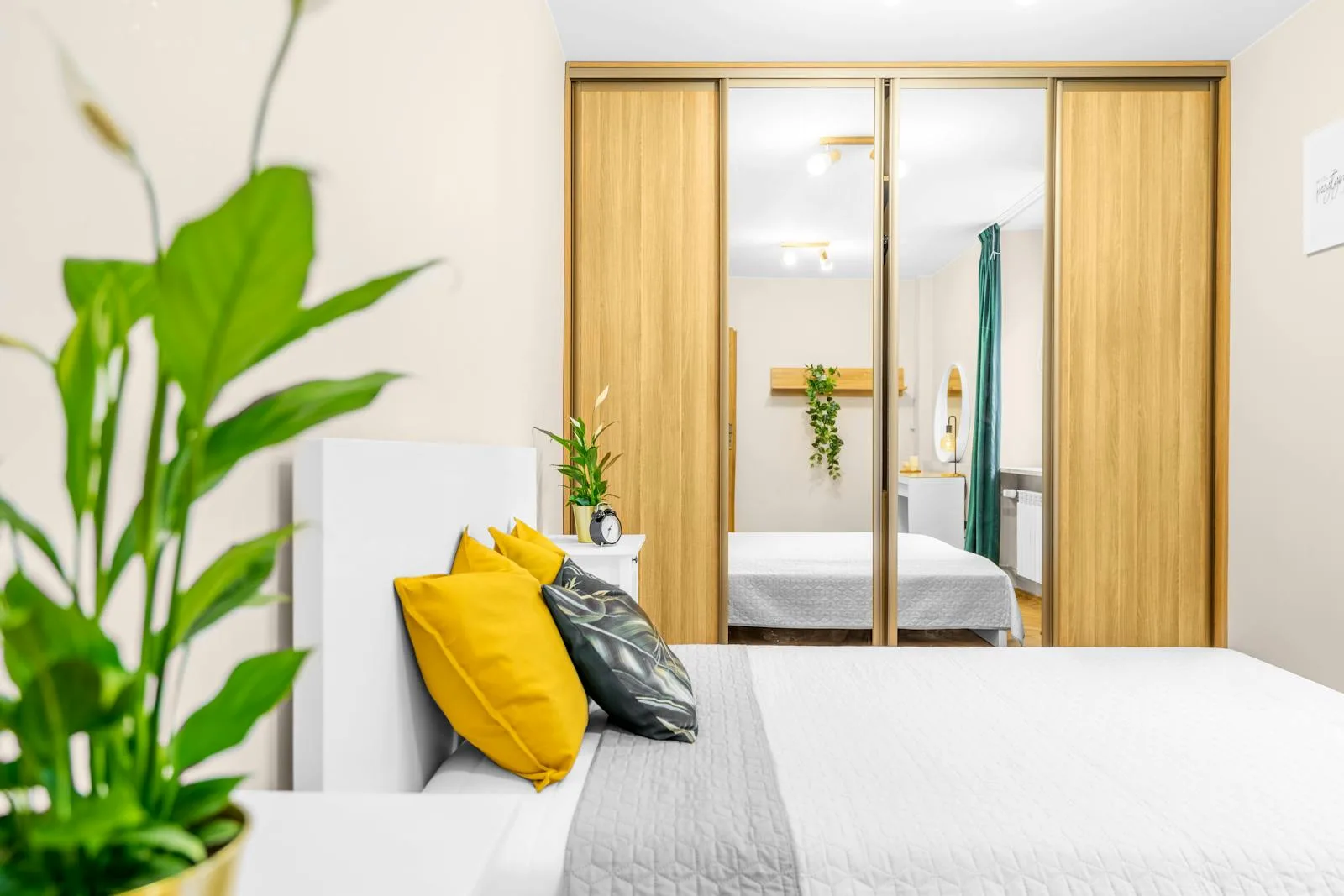
The best bedroom plants for feng shui are the ones that add one quieter, healthier note to the room without making it feel busy or damp. Pothos, parlor palm, rubber plant, peace lily, and one softer trailing plant work better than trying to turn the bedroom into a plant wall.
Disclosure: This article includes affiliate links. If you buy through them, we may earn a small commission at no extra cost to you.
Bedroom plants can work beautifully, but the bedroom still has to read as a sleep space first.
This is where people often overdo the idea. In feng shui, the goal is not maximum greenery. It is a room that feels softer, more alive, and still easy to unwind in. One or two believable plants can help. A whole collection of pots, baskets, and damp soil near the bed does the opposite. If you want the broader room setup first, feng shui bedroom tips and feng shui bed placement ideas help establish the calmer foundation that plants should support.
The Best Bedroom Plants Feel Calm, Not Loud
The easiest bedroom plants are the ones that suit softer light, do not look too spiky or chaotic, and can live in one edited spot without dominating the room. The plant should feel like one note of life inside a restful palette, not a demand for constant attention.
| Plant | Best bedroom role | Why it works | Shop |
|---|---|---|---|
| Pothos | Dresser, shelf, or one hanging spot | It adds life without needing a large floor footprint. | Shop |
| Parlor palm | Brighter floor corner | It feels soft and relaxed instead of sharp or rigid. | Shop |
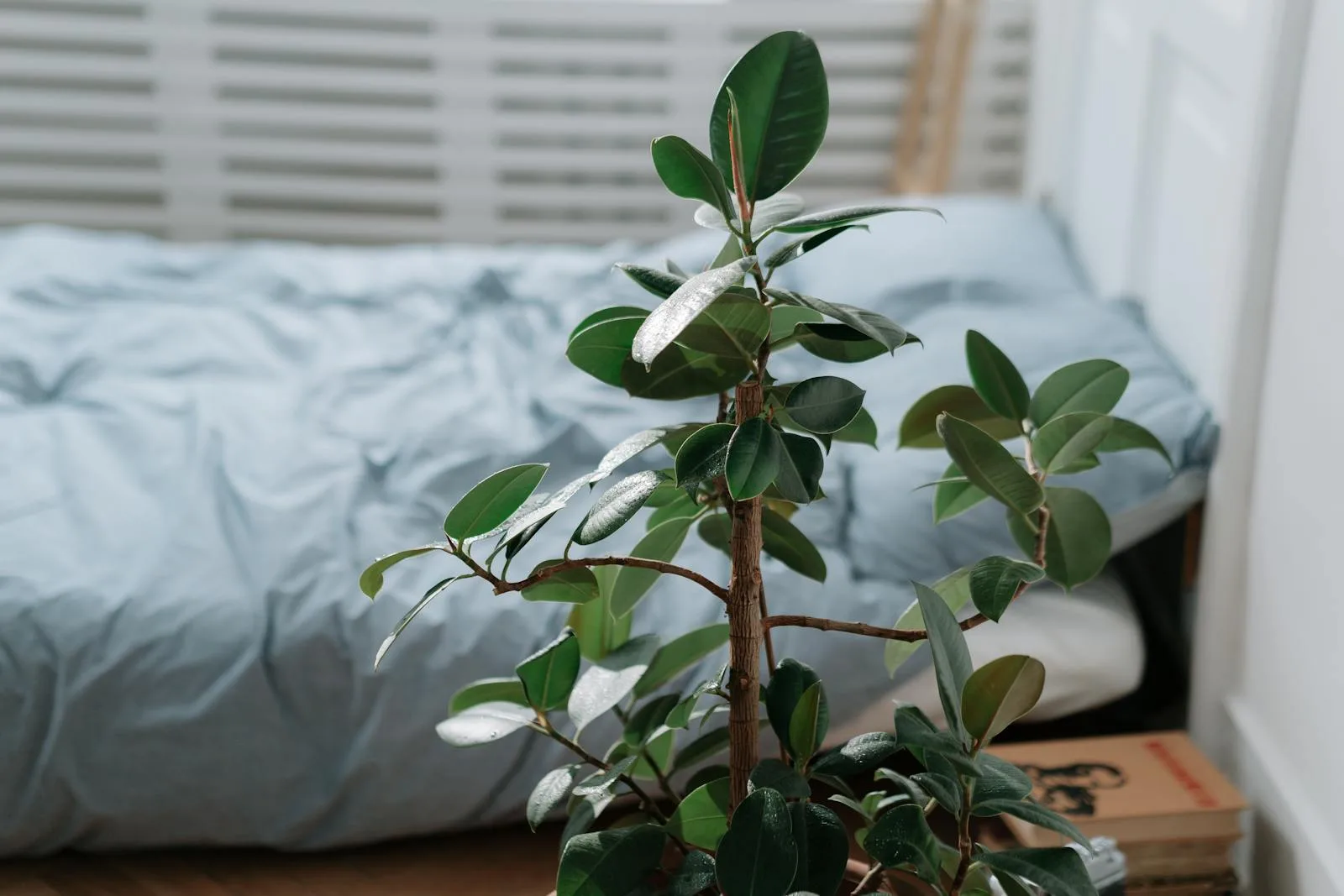
| Rubber plant | One bright corner away from the bed | It gives the room one fuller green anchor without needing many smaller plants. | Shop |
| Peace lily | Edited side surface or calm corner | It can soften the room when kept healthy and not multiplied too much. | Shop |
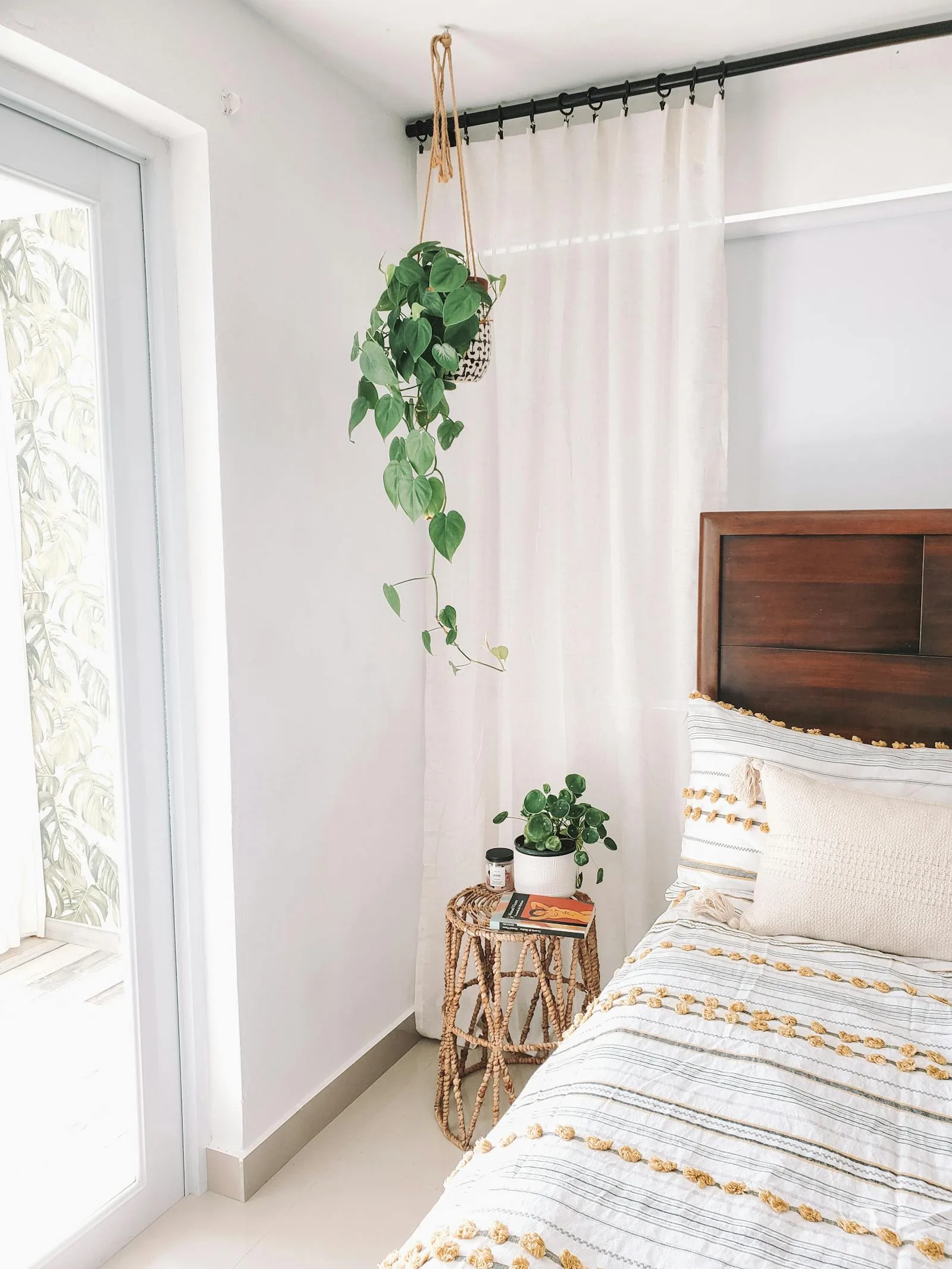
| One trailing plant | High shelf away from the pillow zone | It brings movement to the room without taking up walking space. | Shop |
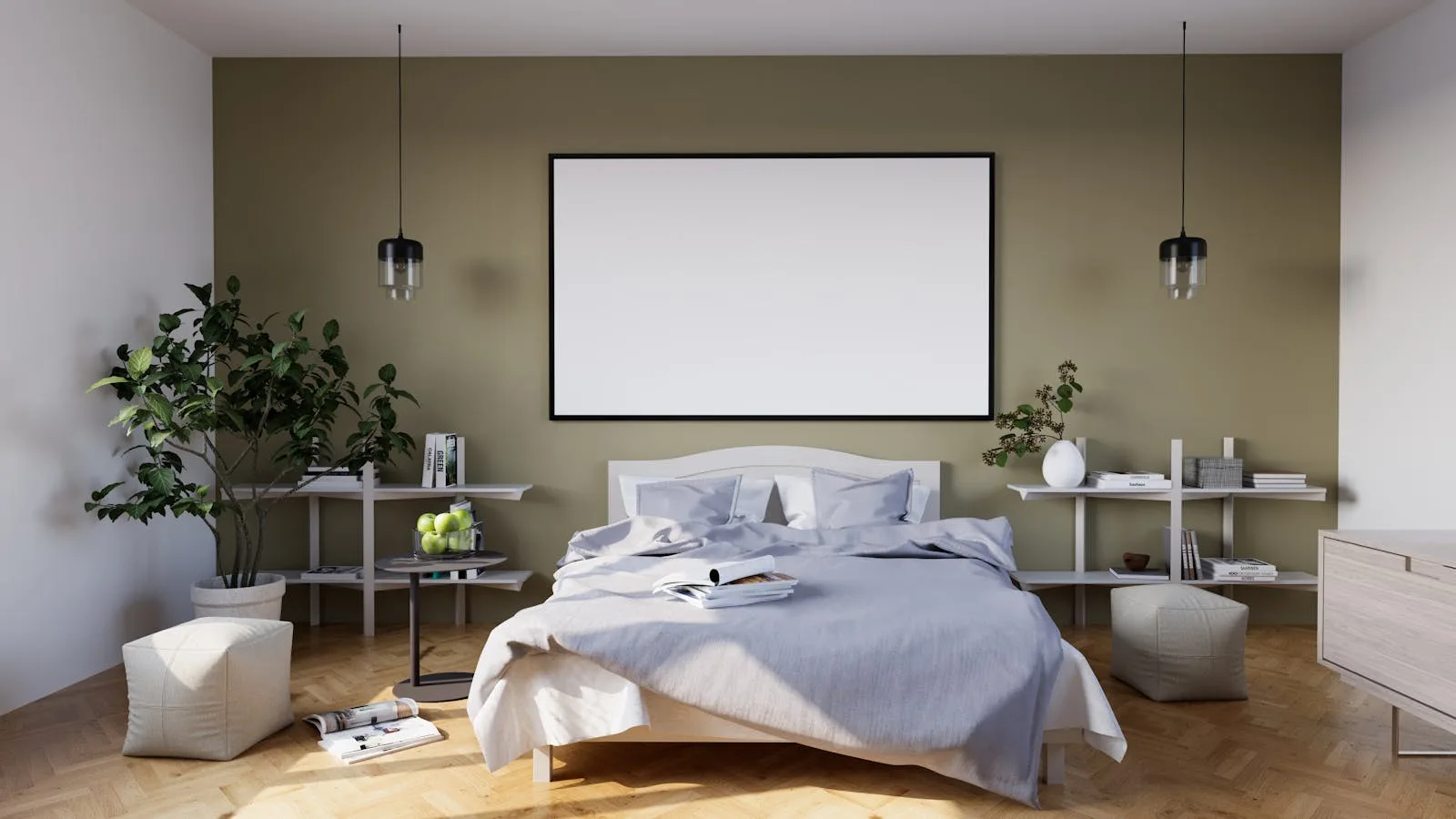
Pothos is often the easiest bedroom option because it can live on one dresser or shelf without changing the whole character of the room. Parlor palm works well when the bedroom needs a little softness in a brighter corner. Rubber plant can be excellent too, but it works best as one clear floor plant instead of part of a mixed group. If your bedroom still feels too sharp or flat, feng shui colors for bedroom often matters just as much as the plant itself.
Where Bedroom Plants Belong
Placement matters more than collecting the perfect plant name. A bedroom plant should soften one dry corner, shelf, or dresser surface while keeping the pillow zone calm. If the plant asks you to dodge leaves, move pots, or sleep beside damp soil, it is too close to the bed.
| Bedroom spot | Best plant fit | Why it helps sleep |
|---|---|---|
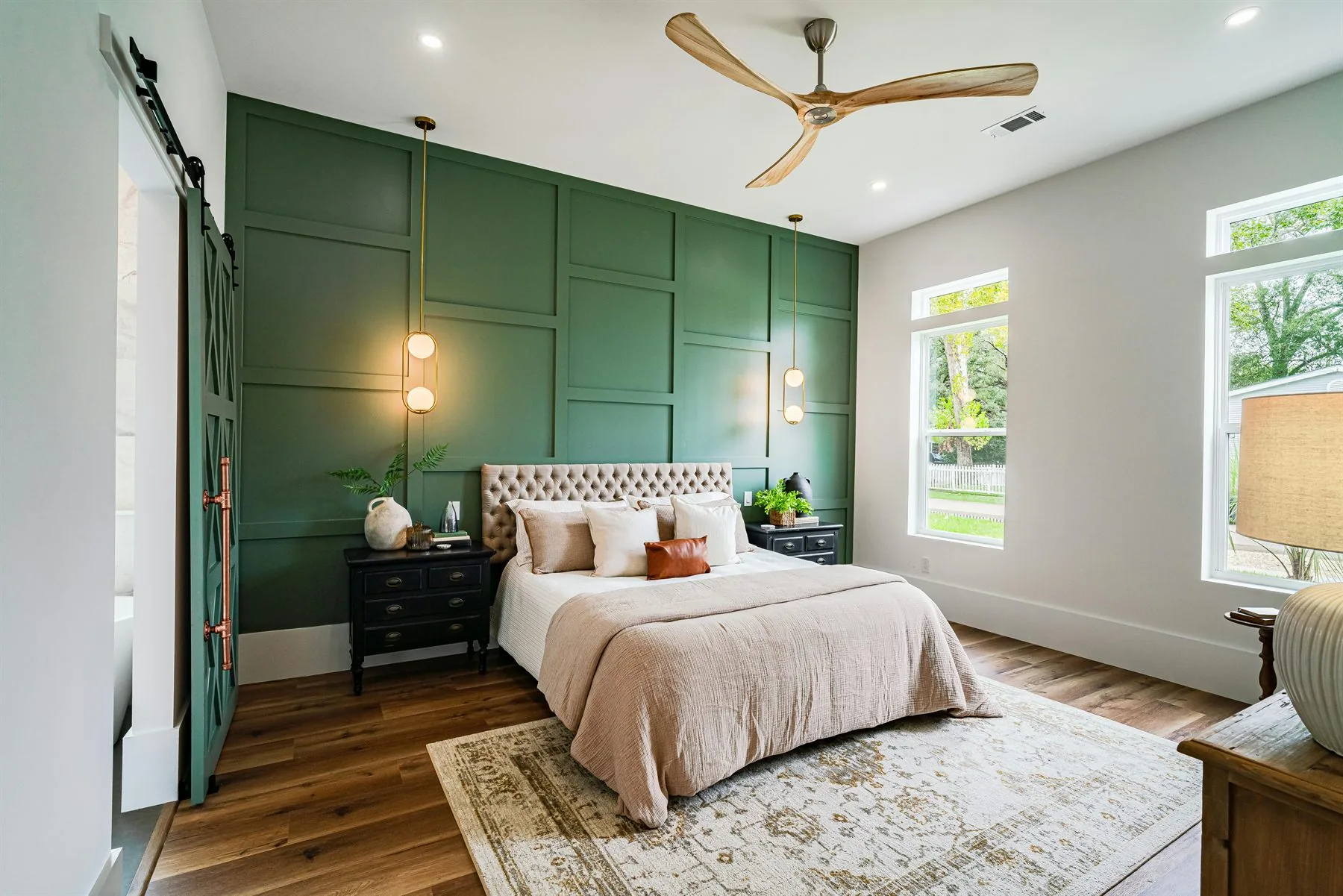
| Bright corner away from the bed | Rubber plant, parlor palm, or one fuller leafy plant | It gives the room life without making the bedside area busy. |
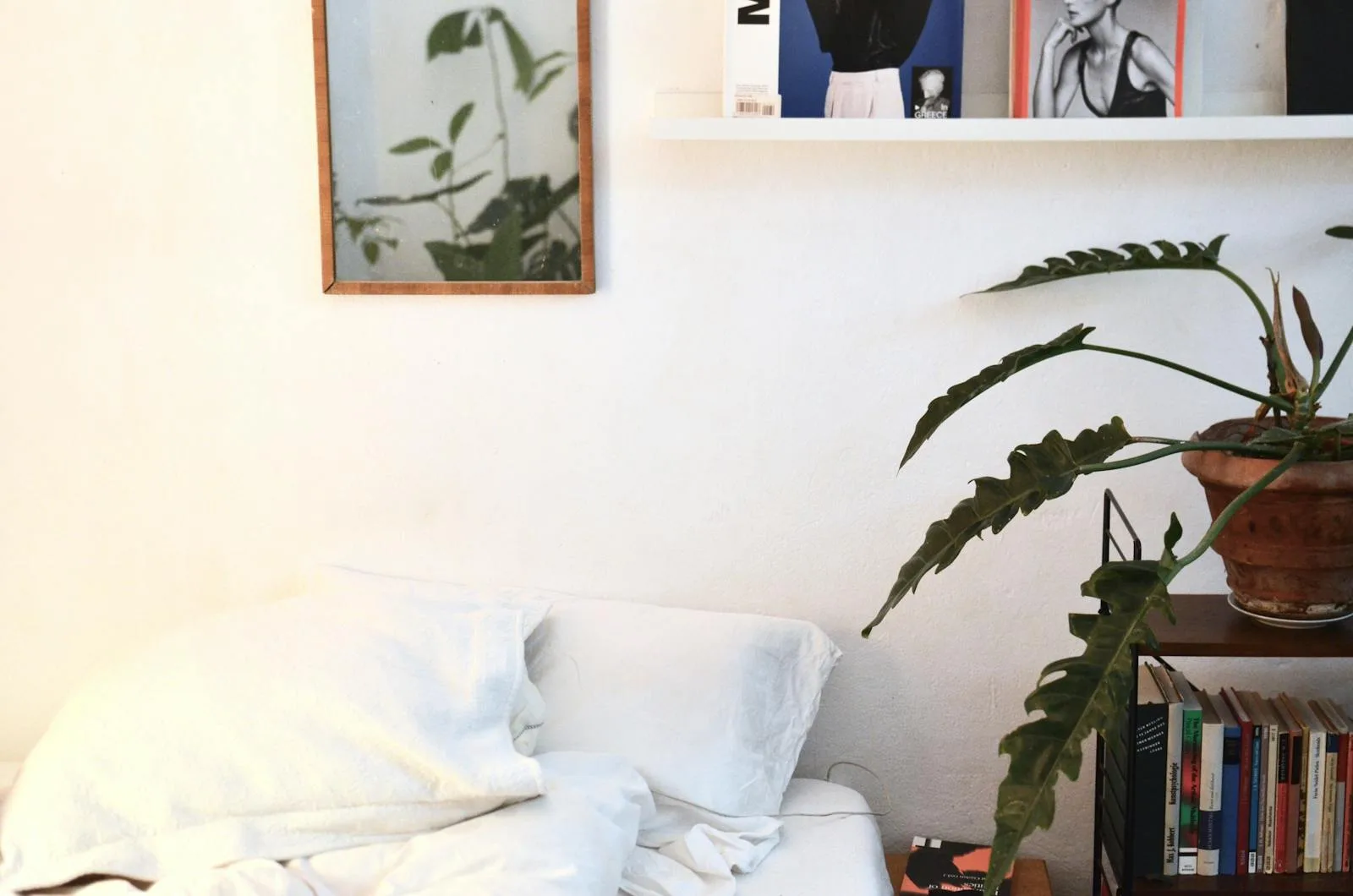
| Dresser or low shelf | Pothos, compact jade, or peace lily | It softens a flat surface while leaving the nightstand clear. |
| High shelf near a window | One trailing plant | It adds movement without crossing the pillow zone or walking path. |
| Nightstand | Only a very small plant, if the surface still feels open | The bed area stays restful when the lamp, book, and water still have room. |
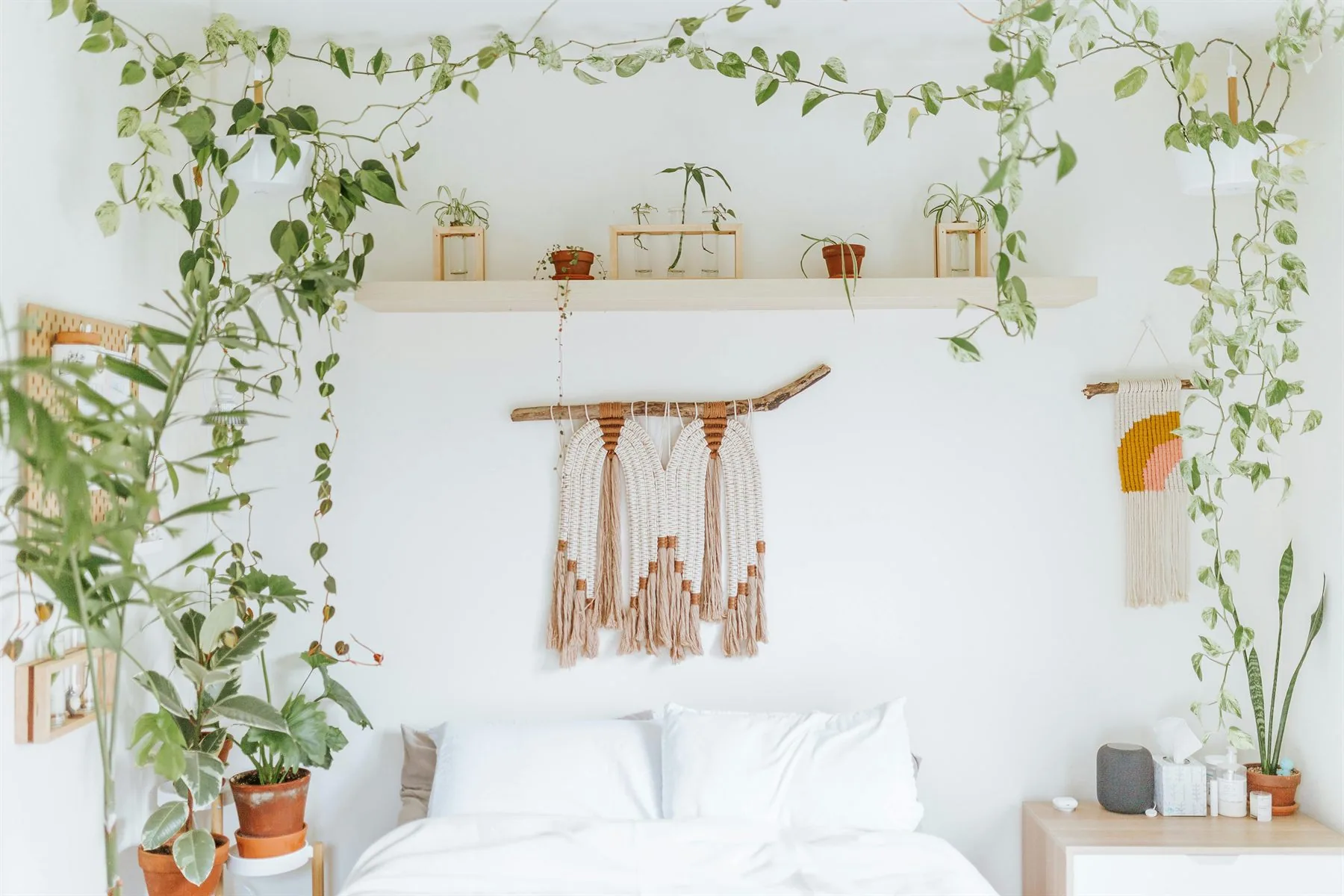
Bedroom plants are strongest when they feel secondary to rest. That means the plant is not the first thing you notice when you walk in. The bed, the palette, and the overall quiet of the room should still lead. The plant is just helping the room feel a little more alive, especially in corners that otherwise feel dry or underfinished.
How to Use Bedroom Plants Without Making the Room Busy
These are the moves that keep the bedroom restful.
Use one floor plant, not a cluster
Keep plants away from the pillow zone
Let one dresser or shelf carry the green note
Match the pot to the room palette
Stop before the bedroom feels themed
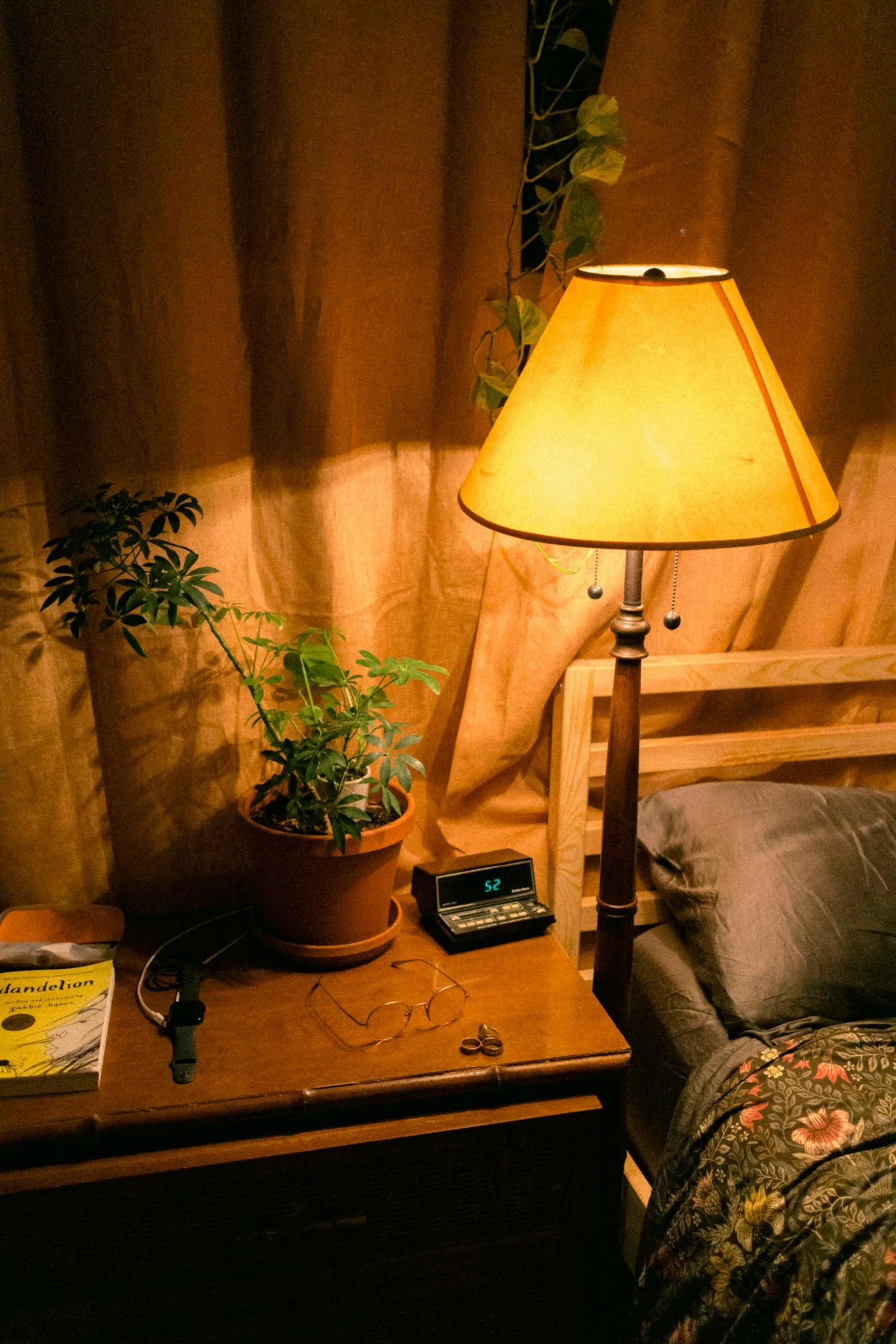
The bedroom should still feel easy to maintain. If the plant becomes one more thing you ignore, resent, or work around, it starts sending the wrong message every time you see it. The same editing instinct matters in feng shui bedroom mistakes, where too many active zones or too much visual pull can quietly undermine rest.
Some people worry that any plant in a bedroom is automatically wrong. In practice, the room mood matters more than strict plant superstition. One healthy plant in a calm corner is very different from a room full of damp pots, tangled vines, and cluttered surfaces. The question is always whether the room feels easier or harder to exhale in once the plant is there.
Amazon directions that still feel calm in a bedroom
These are starting directions, not exact holy-grail products. The best bedroom plant setup is the one that keeps the room restful instead of pushing it into a theme.
Low-pressure start
Pothos live plant
Often the easiest first bedroom plant because it can sit on one dresser or shelf without changing the whole room rhythm.
View on AmazonBrighter corner
Rubber plant live plant
A strong option if the bedroom has one brighter corner that needs a fuller anchor instead of several smaller pots.
View on AmazonQuiet styling
Neutral ceramic planter
More important than people think because a loud glossy pot can make a calm bedroom plant feel visually pushy.
View on AmazonOne corner only
Wood plant stand
Useful if the plant needs a little lift in one corner but you still want the room to read as sleep-first and uncluttered.
View on AmazonWhat Weakens Bedroom Plant Feng Shui
What helps
- +Use one or two plants that genuinely fit the room light and scale.
- +Keep the bed area visually clear and easy to move around.
- +Choose softer shapes and calmer pots that match the bedroom mood.
- +Remove tired leaves and simplify fast if the room starts feeling busy.
What weakens the room
- -Collecting many plants because greenery sounds automatically restful.
- -Crowding the headboard, nightstand, or path around the bed.
- -Keeping damp soil, dead leaves, or struggling plants in a sleep space.
- -Using loud planters or sharp, aggressive plant styling that fights the room.
What to watch for
If the bedroom starts smelling like damp soil, looking busy near the bed, or feeling harder to clean, the plant count is already too high for the room.
The easiest bedroom plant rule
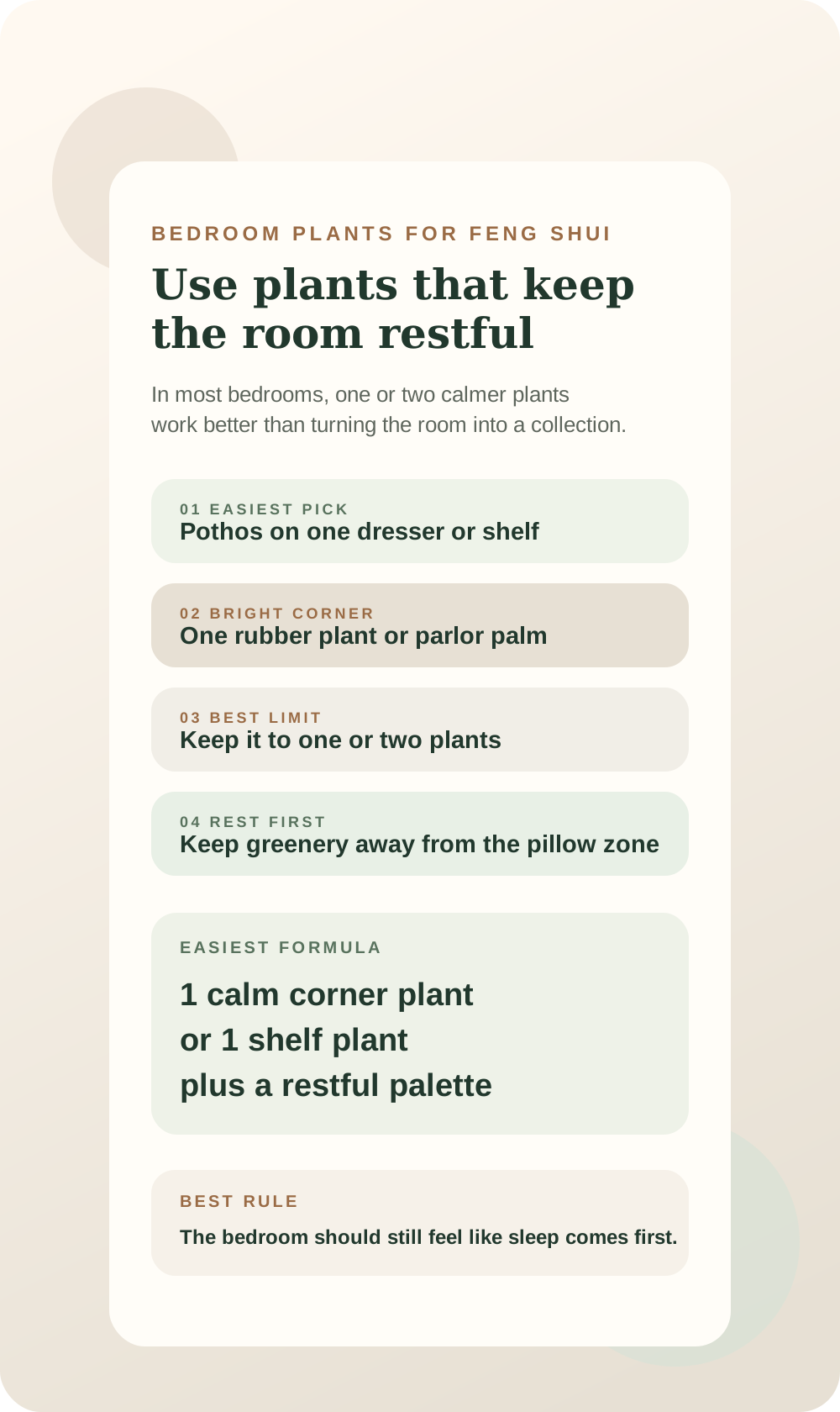
Start with one plant in the brightest corner or on one dresser surface. If the room feels calmer and more alive after that, keep it simple instead of adding more.
Frequently Asked Questions
What are the best bedroom plants for feng shui?
Are plants good feng shui in a bedroom?
Where should bedroom plants go in feng shui?
Should plants be on the nightstand?
What weakens bedroom plant feng shui?
The Bottom Line
The best bedroom plants for feng shui are the ones that add one calmer living note to the room without making it feel greener, busier, or harder to maintain. In most bedrooms, fewer is better.
If the plant helps the room feel softer and still easy to sleep in, it is probably a good fit. If it adds clutter, dampness, or visual pull near the bed, simplify.